
Black-Capped Capuchin Monkey

- 19 Dec 2025
In News:
The Bannerghatta Biological Park has imported eight black-capped capuchin monkeys from South Africa under an animal exchange programme.
About Black-Capped Capuchin Monkey
- Scientific Name:Sapajusapella
- Common Name: Tufted capuchin / Black-capped capuchin
- Native Range: Widespread across South America, especially the Amazon Basin
- Habitat: Black-capped capuchins are highly adaptable and inhabit:
- Tropical and subtropical forests
- Dry and submontane forests
- Savannah woodlands
- Mangroves
- Behaviour and Ecology
- Lifestyle: Arboreal (tree-dwelling) and diurnal (active during the day)
- Diet: Omnivorous - feeds on fruits, seeds, nuts, insects, lizards, eggs, and small crustaceans
- Communication: Uses vocal calls, body postures, touch, and scent cues
- Ecological Role: Acts as an important seed disperser, supporting forest regeneration
- Conservation Status
- IUCN Red List: Least Concern
Despite being widespread, habitat loss and illegal pet trade can pose local threats.
Bannerghatta Biological Park (BBP)
- Located about 22 km south of Bengaluru, Karnataka
- Was earlier part of Bannerghatta National Park and became an independent establishment in 2002
- Comprises multiple conservation and visitor facilities:
- Zoo
- Safari Park
- Butterfly Park
- Rescue & Rehabilitation Centre
- Special Feature: Houses India’s first fenced, forested elephant sanctuary within a biological park setting.
National Energy Conservation Awards
- 19 Dec 2025
In News:
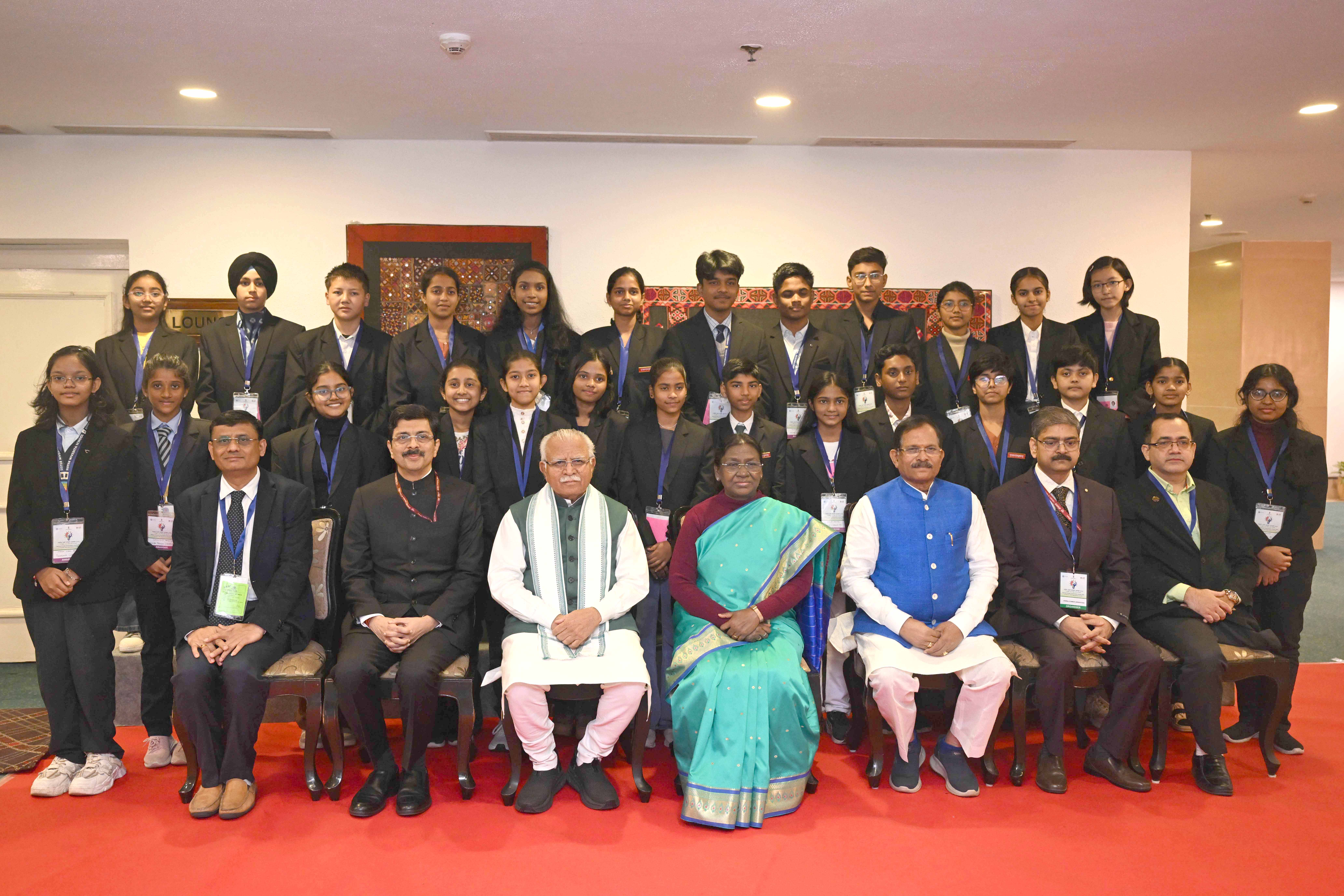
On 14 December 2025 (National Energy Conservation Day), the President of India presented the National Energy Conservation Awards 2025 in New Delhi.
National Energy Conservation Awards (NECA)
- Instituted by: Bureau of Energy Efficiency
- Started: 1991
- Purpose: To recogniseorganisations and institutions that achieve significant energy savings while maintaining or improving productivity.
Sectors Covered
- Industries
- Commercial buildings
- Transport sector
- Institutions
- Energy-efficient appliances
Objectives of the Awards
- Promote adoption of energy-efficient technologies
- Encourage best practices in energy management
- Raise awareness about the role of energy efficiency in sustainable development
- Support India’s commitments toward climate mitigation
Bureau of Energy Efficiency (BEE)
About
- A statutory body under the Energy Conservation Act
- Established on 1 March 2002
- Functions under the Ministry of Power
Major Functions
BEE promotes energy efficiency through national programmes such as:
- Standards & Labelling (S&L) Programme: Introduces star ratings for appliances to guide consumers toward energy-efficient products.
- Demand Side Management (DSM): Encourages efficient energy use across sectors including agriculture, industry, and households.
- Carbon Credit Trading Scheme (CCTS), 2023: Replaces the earlier Perform, Achieve and Trade (PAT) scheme, promoting market-based mechanisms for emission reduction.
- Public Awareness & Capacity Building: Campaigns, training programmes, and competitions (like NECA and painting contests for students)
India’s energy efficiency efforts in 2023–24 reportedly led to savings of 53.60 million tonnes of oil equivalent (MTOE), along with substantial reductions in CO? emissions.
Related National Initiatives
Energy conservation aligns with broader programmes such as:
- Pradhan Mantri Surya Ghar Muft Bijli Yojana (rooftop solar adoption)
- National Green Hydrogen Mission
- Renewable Consumption Obligations and Production Linked Incentive schemes
It also supports India’s global message of Lifestyle for Environment, encouraging sustainable consumption patterns.
Copyright Act Reforms for Artificial Intelligence

- 19 Dec 2025
In News:
The Government of India is considering amendments to the Copyright Act to address legal challenges posed by Artificial Intelligence (AI), especially the use of copyrighted works for AI training.
Background
The Copyright Act, 1957 protects original literary, artistic, musical, dramatic works, films, and sound recordings. It grants creators exclusive rights to reproduce, adapt, publish, translate, and communicate their works to the public. However, the rise of generative AI has exposed gaps in the law regarding training data usage and ownership of AI-generated outputs.
Key Proposed Amendments
1. Mandatory Blanket License for AI Training: AI developers may receive a statutory blanket license allowing them to use lawfully accessed copyrighted works for training AI models.
- Individual permission from each copyright owner would no longer be required.
- Rights holders may lose the ability to opt out of AI training use.
2. Statutory Right to Remuneration: Creators would be entitled to royalties when their works are used in AI training.
- Compensation could be calculated as a fixed share of revenue generated by AI systems.
- Payments would become due once AI products are commercialised, not during data collection.
3. Centralised Royalty Collection Mechanism: A government-designated, non-profit bodycomprising copyright societies and collective management organisationsmay be set up to collect and distribute royalties.
4. Concessions for Startups and MSMEs: Differential royalty structures may be introduced to ensure smaller AI firms are not disproportionately burdened.
Why Reform is Needed
- Absence of AI-Specific Definitions: The Act does not define terms such as AI, machine learning, generative AI, or training data, leading to legal uncertainty.
- Ambiguity Over AI Training: It is unclear whether AI training amounts to reproduction or adaptation under Section 14, or whether it qualifies as “fair dealing” under Section 52.
- Uncompensated Use of Creative Works: Mass data scraping for AI training currently occurs without systematic permission or remuneration for creators.
- Authorship of AI-Generated Content: The Act recognises authors in human terms, leaving uncertainty about ownership and protection of AI-created outputs.
- Cross-Border Issues: Existing provisions do not address AI systems trained abroad using Indian works or cloud-based data processing, complicating enforcement.
Key Features of the Copyright Act, 1957
- Section 2: Defines categories of works (literary, dramatic, artistic, etc.)
- Section 13: Extends protection to literary, musical, dramatic works, films, and sound recordings
- Section 14: Grants exclusive rights to copyright owners
- Section 52: Lists exceptions such as fair dealing
- Copyright exists automatically upon creation; registration is not mandatory
Judicial Highlights
Indian courts have emphasised balancing creator rights and public interest:
- Educational photocopying has been upheld as fair dealing
- Digital piracy has been actively restrained through blocking rogue websites
- Limited use of copyrighted content may not always constitute infringement
Global Approaches to AI & Copyright
|
Country/Region |
Approach |
|
United States |
Copyright requires human creativity; purely AI-generated works not protected |
|
European Union |
Focus on AI training data transparency; legal framework evolving |
|
China |
Courts have recognised AI-generated images as protected works in some cases |
|
United Kingdom |
Law assigns authorship of computer-generated works to the person making arrangements, but rarely applied |
India’s proposed model differs by combining mandatory licensing with creator remuneration, aiming to balance innovation and rights protection.
Dandami Maria Tribe
- 19 Dec 2025
In News:
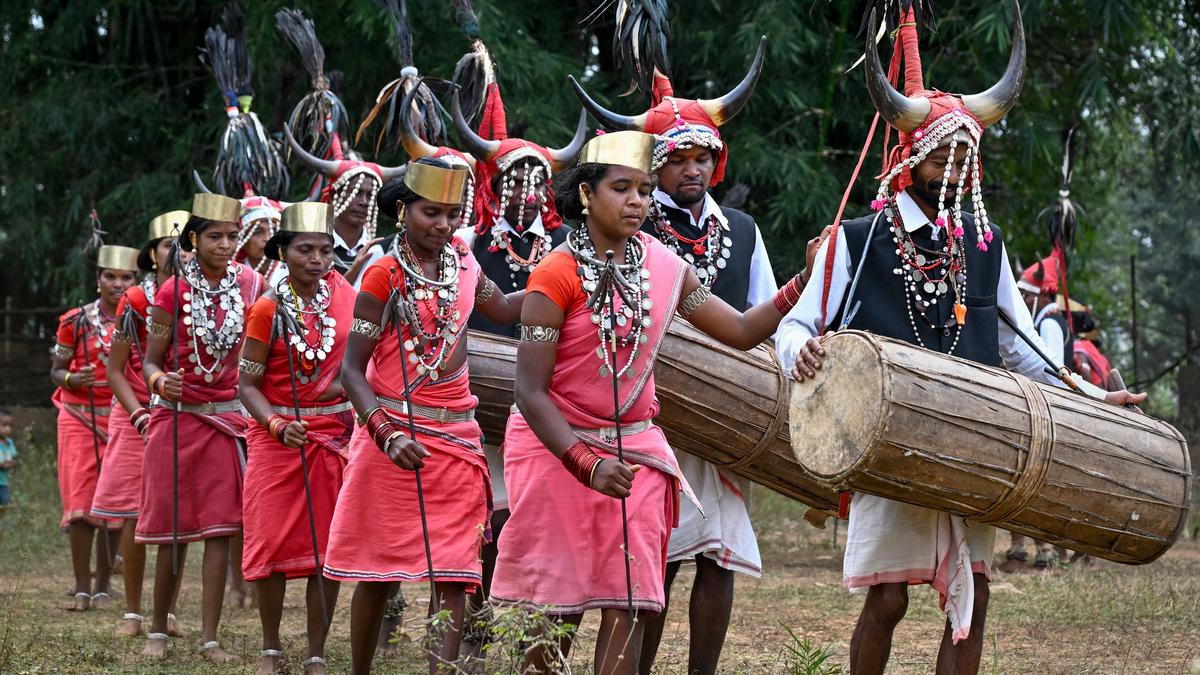
Members of the Dandami Madia tribe performed the traditional Bison Horn Maria dance during a village festival at Judiya Para in Jagdalpur, highlighting the enduring tribal cultural traditions of the Bastar region.
About the Tribe
- Alternate names:Dandami Maria, Bison Horn Maria, Khalpati Maria
- Region: Predominantly in Chhattisgarh (Bastar region)
- Ethnic affiliation: Identify as part of the larger Gond tradition
- Distinctive feature: Ceremonial bison-horn–shaped headgear, worn during festivals and rituals, from which the name “Bison Horn Maria” is derived
Language
- Primary language:Dandami Maria
- Related speech: Some members speak Gondi dialects, an oral language of Dravidian origin
Society, Economy and Beliefs
- Livelihood: Subsistence agriculture, supplemented by hunting and fishing
- Social institution:Ghotul (youth dormitory) - a key cultural institution for unmarried boys and girls, fostering social learning and community cohesion
- Customs: Permit divorce and widow remarriage
- Belief system: A syncretic mix of Hindu practices and animistic traditions
Cultural Expression
- Bison Horn Maria Dance:
- Performed by both men and women during village festivals
- Characterised by rhythmic movements, traditional attire, and the iconic horned headgear
- Serves as a collective expression of identity, ritual celebration, and community bonding
PerumbiduguMutharaiyar II
- 19 Dec 2025
In News:
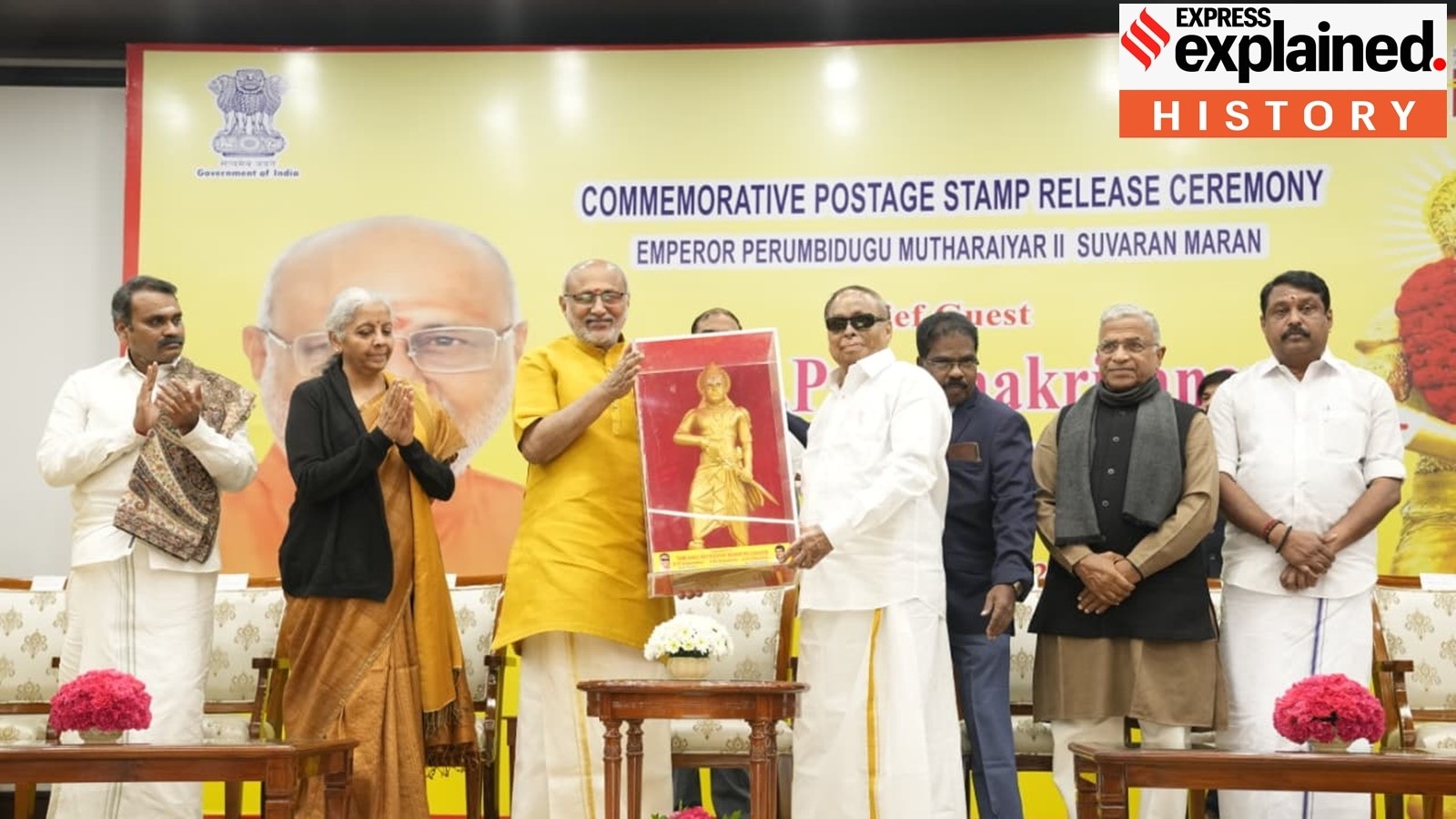
A commemorative postage stamp honouringPerumbiduguMutharaiyar II was released by the Vice President of India, recognising his role in early medieval Tamil history.
Who was PerumbiduguMutharaiyar II?
- Period: c. 705–745 CE
- Also known as:Suvaran Maran, Shatrubhayankar
- Lineage: Ruler from the Mutharaiyar dynasty
- Political status: Feudatory of the Pallavas; later exercised near-sovereign authority as Pallava power waned
- Military role: Fought alongside Pallava king Nandivarman
- Reputation: Capable administrator; remembered for stability and governance
Mutharaiyars: Polity & Region
- Territory: Central Tamil Nadu-Thanjavur, Pudukkottai, Perambalur, Tiruchirappalli and adjoining Cauvery basin areas
- Historical trajectory: Rose in prominence as Pallava authority declined
- Cultural legacy: Influential temple builders; active in cave-temple enterprises into the early 9th century
- Architectural significance: Their innovations influenced later Chola temple architecture
Religion & Patronage
- Religious climate: Period of Hindu revival alongside Jain and Buddhist presence
- Patronage: Supported Shaivism and scholarly debates; Jain monk Vimalachandra is recorded to have visited his court for theological discussions
- Inions: Credit him with temple endowments, irrigation works, and Tamil literary patronage
Historical Importance
- Demonstrates the transition from Pallava feudatories to regional rulers
- Bridges Pallava and early Chola phases in Tamil polity and architecture
- Highlights plural religious discourse in early medieval South India
Goa Liberation Day
- 22 Dec 2025
In News:
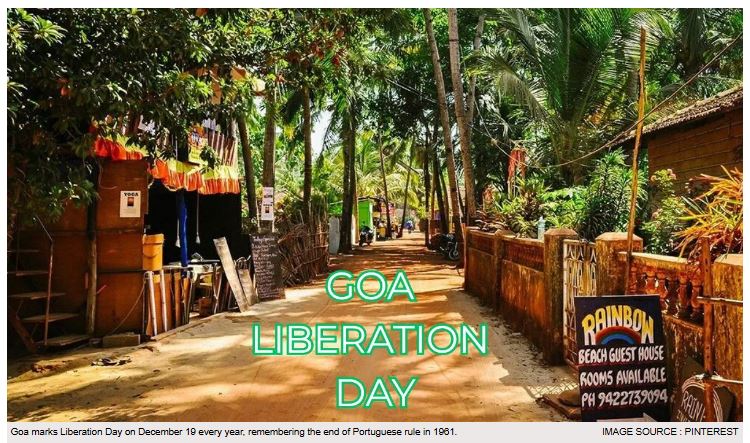
Goa Liberation Day is commemorated on 19 December each year to mark the liberation of Goa from Portuguese colonial rule and its integration into the Indian Union. On this occasion, the Union Home Minister paid tributes to prominent freedom fighters such as Prabhakar Vaidya, Bala Raya Mapari, Nanaji Deshmukh, and Jagannath Rao Joshi, associated with the Goa liberation movement.
Portuguese Rule in Goa (1510–1961)
- Goa came under Portuguese control in 1510, after Afonso de Albuquerque defeated Yusuf Adil Shah of Bijapur.
- This began 451 years of Portuguese colonial rule, making Goa one of the longest-held European colonies in India.
- Until 1961, Indians required official permission to enter Goa, underscoring its separation from British India.
Rise of the Goa Liberation Movement
- Anti-colonial nationalism in Goa gained momentum alongside India’s freedom struggle.
- In 1928, Tristão de Bragança Cunha founded the Goa National Congress at the Calcutta session of the Indian National Congress, laying the ideological foundation for the movement.
- The movement suffered from a strategic split:
- Non-violent resistance (Satyagraha)
- Armed struggle, led by groups such as the Azad Gomantak Dal (AGD)
This divergence delayed unified mass mobilisation.
Role of National Leaders
- In 1946, socialist leader Ram Manohar Lohia led a historic rally in Goa demanding civil liberties, freedom, and integration with India, galvanising the movement at a critical juncture.
Integration with India: Operation Vijay
- After India’s independence, New Delhi initially avoided military action due to:
- Commitment to peaceful resolution
- Portugal’s membership in NATO
- With diplomatic efforts failing, India launched Operation Vijay in December 1961.
- On 19 December 1961, Goa, Daman, and Diu were liberated, ending Portuguese rule.
Post-Liberation Developments
- Goa, Daman, and Diu were initially constituted as Union Territories.
- In 1974, India and Portugal signed a treaty formally recognising India’s sovereignty over Goa, Daman & Diu, and Dadra & Nagar Haveli, restoring diplomatic relations.
- Goa attained full statehood on 30 May 1987, becoming India’s 25th state.
Pamir–Karakoram Anomaly
- 22 Dec 2025
In News:
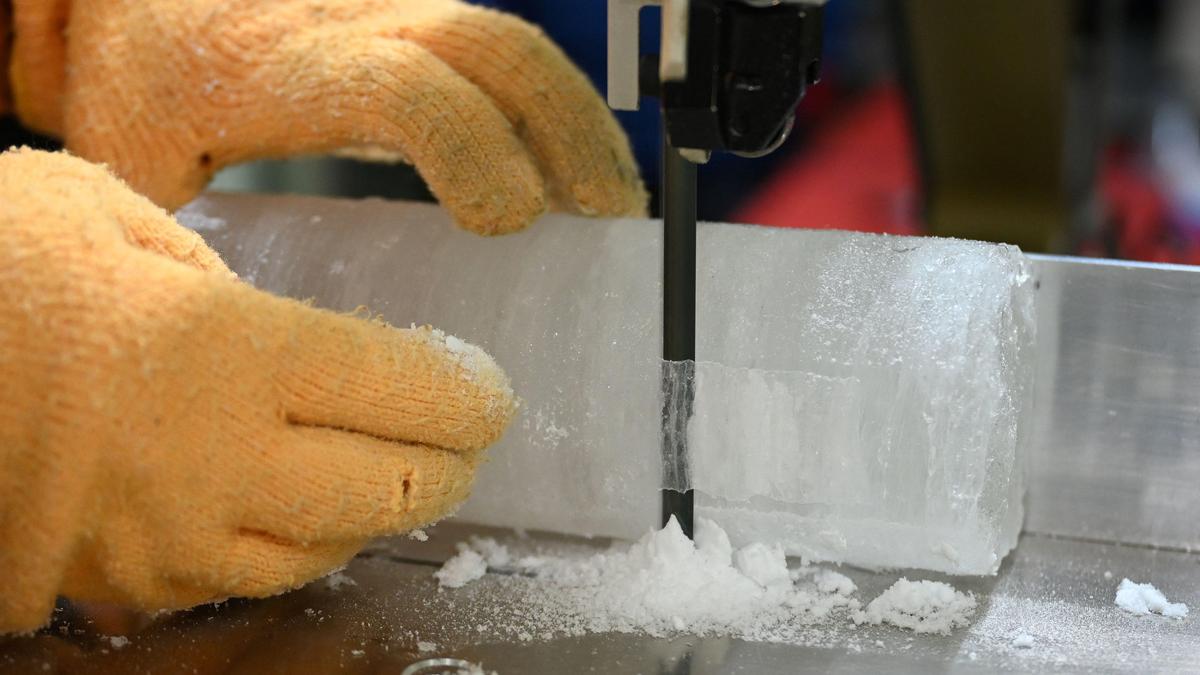
Scientists are currently analysingdeep ice cores extracted from the Kon-Chukurbashi ice cap in Tajikistan to scientifically explain the Pamir–Karakoram anomaly, a rare glaciological phenomenon where glaciers have remained stable or even gained mass since the late 20th century, contrary to global trends of glacier retreat.
What is the Pamir–Karakoram Anomaly?
The Pamir–Karakoram anomaly describes the near-stability or slight expansion of glaciers in the Karakoram Range and parts of the Pamir Mountains, while glaciers in most other mountain systems, such as the Himalayas, Alps, Andes, and Rockieshave been rapidly shrinking due to rising global temperatures.
Geographical Extent
- Core region: Karakoram Range (notably Gilgit-Baltistan and parts of Ladakh)
- Extended region: Western Pamirs (Tajikistan and Afghanistan)
- This region lies at the junction of major mountain systems-Hindu Kush, Pamirs, Kunlun, and Himalayas.
Proposed Explanations
Several interacting factors are believed to contribute to this anomaly:
- Increased winter precipitation: Heavy snowfall during winters replenishes glacier mass and compensates for summer melting.
- Dominance of Western Disturbances: Unlike most of the Himalayas, this region receives moisture mainly from Western Disturbances rather than the Indian monsoon.
- High-altitude, steep topography: Promotes large accumulation zones and reduces exposure to solar radiation.
- Summer cloud cover: Limits incoming solar radiation, reducing melt rates.
- Debris-covered glaciers: Rock and sediment layers insulate underlying ice, slowing melting at lower elevations.
Recent Scientific Findings
- Satellite-based studies using ICESat-2 (altimetry) and GRACE (gravity data) suggest that the anomaly has weakened in recent years.
- However, field-based ice-core analysiswhich provides long-term climate records through trapped air bubbles, isotopes, and impuritiesis still underway and may offer deeper insights into historical snowfall and temperature patterns.
Significance for India
- Glaciers in the Karakoram are a major source of the Indus River system.
- Their relative stability ensures more reliable river flows into Ladakh and Jammu & Kashmir, supporting agriculture, hydropower, and water security.
- Understanding this anomaly is crucial for climate modelling, water-resource planning, and disaster risk assessment in the western Himalayas.
Karakoram Range: Key Facts
- Location: Central Asia; spans Afghanistan, China, India, Pakistan, and Tajikistan.
- Highest Peak:K2 (8,611 m), the world’s second-highest peak after Mount Everest.
- Known for extensive glaciation and some of the largest valley glaciers outside polar regions.
Bharat Taxi
- 22 Dec 2025
In News:
India is set to launch Bharat Taxi, the country’s first cooperative-run taxi service, in Delhi from 2027. Operated by Sahakar Taxi Cooperative Limited, the initiative aims to provide a homegrown, driver-first alternative to private cab aggregators such as Uber and Rapido, aligning with India’s broader push for cooperative-led growth and digital public infrastructure.
Key Features of Bharat Taxi
1. Cooperative Ownership & Governance
- Bharat Taxi is structured as a cooperative platform, ensuring drivers are stakeholders rather than gig workers.
- It seeks to curb profit extraction by intermediaries and promote equitable income distribution among drivers.
2. Commission Model
- Zero-commission model initially: 100% of ride payments go directly to drivers.
- A proposed ~20% cooperative fee may be introduced later, which will be redistributed back to drivers as incentives, unlike conventional aggregator commissions.
3. Institutional Collaboration
The platform is being developed through collaboration among:
- National e-Governance Division (NeGD)
- Digital India Corporation
- Ministry of Electronics and Information Technology (MeitY)
- Sahakar Taxi Cooperative Limited
This ensures integration with India’s Digital Public Infrastructure (DPI).
4. Digital Integration
Bharat Taxi will be integrated with:
- DigiLocker
- UMANG
- API Setu
These integrations will streamline driver onboarding, document verification, and service delivery.
5. Pricing Policy
- No surge pricing under normal conditions, enhancing affordability and predictability for commuters.
- Dynamic pricing permitted only under specific, clearly defined circumstances, unlike algorithm-driven surge pricing models.
6. Safety and Consumer Protection
- Driver verification and background checks.
- Integration with Delhi Police systems.
- Real-time ride tracking and 24×7 customer care, enhancing passenger safety and trust.
Significance
- Promotes the cooperative movement in the digital platform economy.
- Supports driver welfare, income stability, and transparency.
- Demonstrates the use of government-backed digital infrastructure for service delivery.
- Offers a public-interest alternative to profit-driven ride-hailing platforms.
Indian Coast Guard Ship Amulya
- 22 Dec 2025
In News:
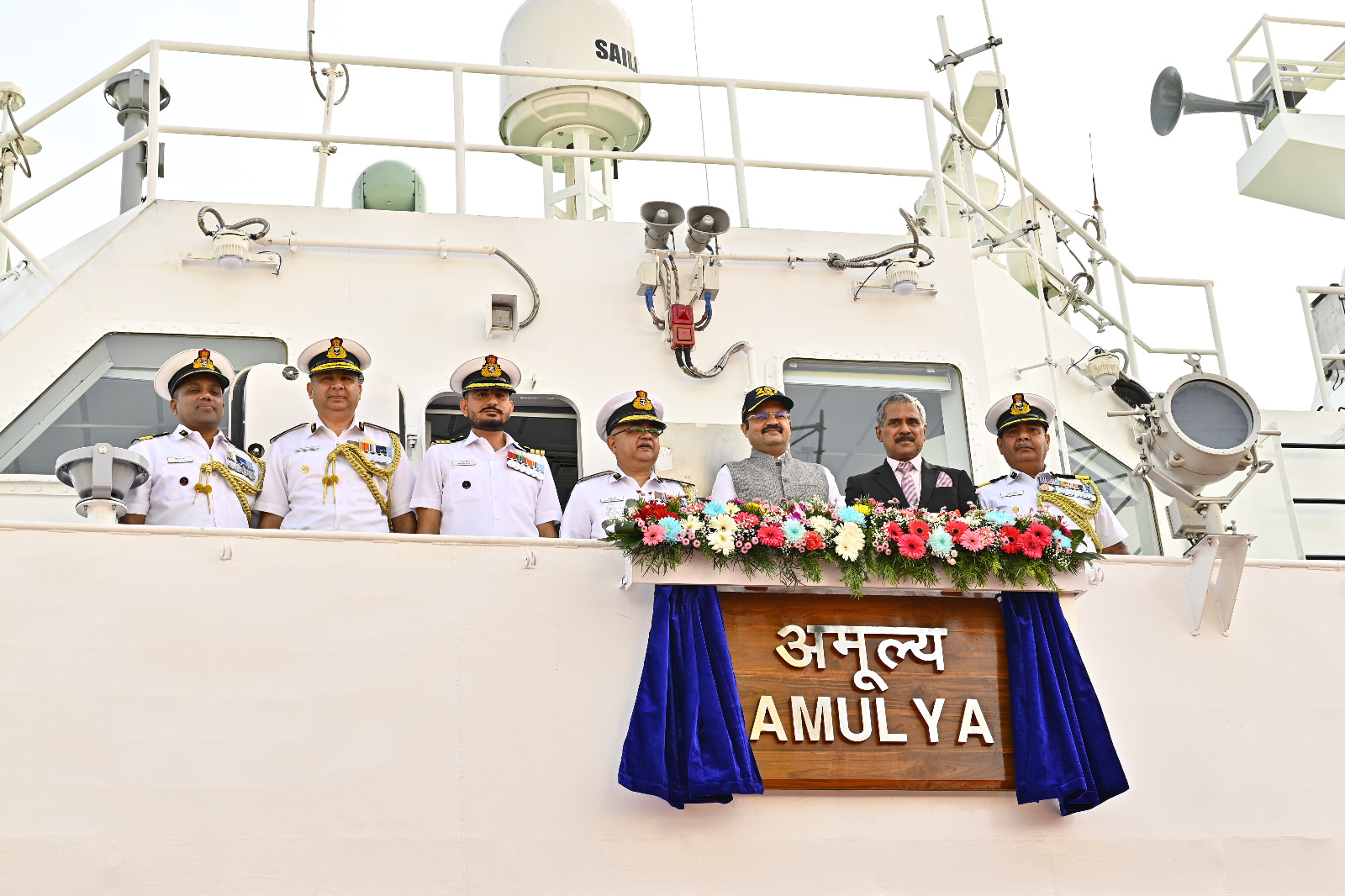
The Indian Coast Guard commissioned ICG Ship Amulya in Goa, marking another milestone in India’s efforts to enhance maritime security and indigenous defence capability. Amulya is the third vessel in the series of eight Adamya-class Fast Patrol Vessels (FPVs) being inducted into the Coast Guard fleet.
Design and Indigenous Content
- Amulya is a 51-metre-long Fast Patrol Vessel.
- Designed and built byGoa Shipyard Limited.
- Incorporates over 60% indigenous components, underscoring India’s push for defence self-reliance.
- Reflects the objectives of Aatmanirbhar Bharat and Make in India.
- Built with a modern design philosophy focused on efficiency, endurance, and rapid response.
Propulsion and Performance
- Propulsion: Powered by two 3000 kW advanced diesel engines.
- Top Speed:27 knots.
- Operational Endurance:1,500 nautical miles, enabling extended patrols across India’s maritime zones.
- Equipped with indigenous state-of-the-art weapons and systems, providing enhanced manoeuvrability, flexibility, and operational performance at sea.
Roles and Functions
ICG Ship Amulya is designed to undertake a wide range of coast guard missions, including:
- Maritime surveillance and interdiction
- Search and Rescue (SAR) operations
- Anti-smuggling and law enforcement
- Marine pollution response
These roles are critical for safeguarding India’s coastline, maritime trade routes, and offshore assets.
Operational Deployment
- Home Port: Paradip, Odisha
- Operates under the administrative and operational control of the Commander, Coast Guard Region (North East).
- Its deployment strengthens surveillance and response capabilities along the eastern seaboard.
Doppler Weather Radar (DWR)
- 22 Dec 2025
In News:
The Government of India has informed Parliament that 47 Doppler Weather Radars (DWRs) are currently operational across the country, covering nearly 87% of India’s geographical area. These radars play a crucial role in monitoring weather systems and improving forecasts of extreme weather events, significantly strengthening India’s disaster preparedness and early warning capabilities.
What is a Doppler Weather Radar?
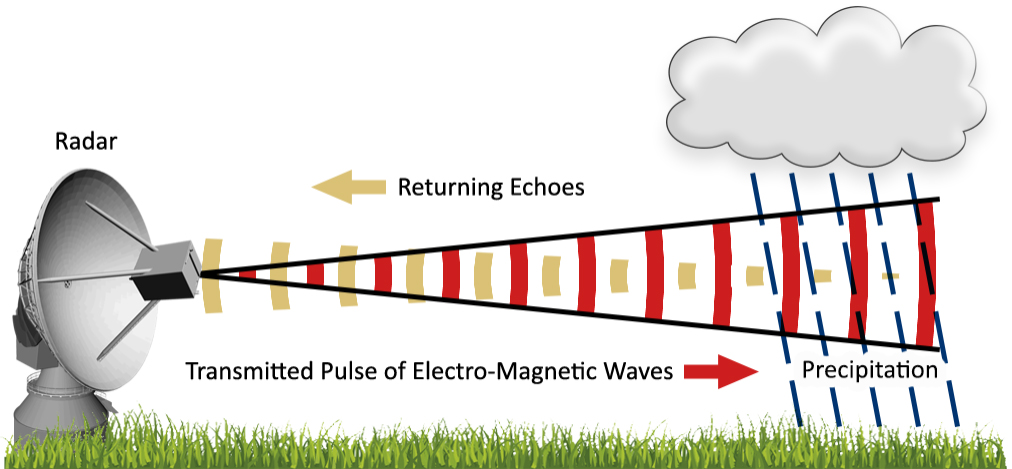
A Doppler Weather Radar is an advanced meteorological instrument that uses the Doppler effect—identified by Christian Doppler—to determine both the position and velocity of atmospheric targets such as raindrops, snowflakes, or hailstones. The Doppler effect explains how the frequency of a wave changes relative to the motion of the source or observer (similar to the changing pitch of a passing train whistle).
Unlike conventional radars that only detect the location of precipitation, DWRs can also measure movement, enabling more accurate tracking of storms and cloud systems.
How Doppler Weather Radars Work
- The radar emits pulses of radio waves from an antenna.
- When these waves strike atmospheric particles, a portion of the energy is scattered back to the radar.
- The time taken for the signal to return helps calculate the distance of precipitation.
- The change in frequency or phase of the returned signal (Doppler shift) reveals the speed and direction of movement of weather systems.
- Larger particles reflect more energy, allowing estimation of rainfall intensity.
Radar Bands Used in India
The India Meteorological Department (IMD) employs different radar frequency bands based on application:
- S-band: Long-range surveillance and cyclone monitoring
- C-band: Widely used for cyclone tracking and regional weather observation
- X-band: Short-range, high-resolution detection of thunderstorms and lightning
Applications of Doppler Weather Radars
- Detection of precipitation: Rain, snow, hail
- Tracking movement of clouds and storms
- Estimation of rainfall intensity and distribution
- Nowcasting: Short-term forecasts of extreme events like cloudbursts, thunderstorms, squalls, and cyclones
- Coverage: Each radar can monitor weather within a radius of about 500 km
Inhalable Microplastics
- 21 Dec 2025
In News:
A first-of-its-kind comprehensive study has detected inhalable microplastics in the ambient air of major Indian cities, uncovering a largely ignored dimension of urban air pollution. The research monitored air samples from densely populated market areas across Delhi, Mumbai, Kolkata, and Chennai, highlighting a regulatory blind spot in current air quality assessment systems.
What are Inhalable Microplastics?
- Definition: Tiny airborne plastic particles smaller than 10 micrometres (µm) that can remain suspended in air and be inhaled deep into the lungs.
- Unlike larger microplastics that settle quickly, these particles persist in the atmosphere due to low gravitational settling velocity.
- They are now emerging as airborne contaminants, alongside conventional pollutants such as PM?.? and PM??, sulphur dioxide (SO?), nitrogen dioxide (NO?), carbon monoxide (CO), ozone (O?), lead (Pb), and ammonia (NH?).
Sources of Inhalable Microplastics
- Tyre and brake wear from road transport
- Synthetic clothing fibres (polyester, nylon)
- Plastic packaging and urban waste mismanagement
- Paints, cosmetics, and open waste burning
Key Findings of the Study
- New Air Pollutant Identified: Inhalable microplastics are not adequately captured by existing Air Quality Index (AQI) frameworks.
- City-wise Variation: Levels were significantly higher in Delhi and Kolkata compared to Mumbai and Chennai, attributed to:
- Coastal dispersion of pollutants in Mumbai and Chennai
- Higher population density and poorer waste management in Delhi and Kolkata
- High Human Exposure: Urban residents inhale approximately 132 micrograms (µg) of microplastics daily, indicating chronic exposure at breathing height.
- Carrier of Toxins: These particles act as “Trojan horses,” transporting:
- Heavy metals (lead, cadmium)
- Endocrine-disrupting chemicals (phthalates)
- Health Risks:
- Deep lung penetration leading to respiratory disorders
- Increased risk of hormonal imbalance, cancer, and long-term lung damage
- Ability to carry microbes such as Aspergillus fumigatus, including antibiotic-resistance genes, raising concerns over drug-resistant respiratory infections
Microplastics: Background
- Definition: Plastic particles <5 mm in size; particles <100 nanometres are termed nanoplastics.
- Formation: Fragmentation of larger plastics due to UV radiation, heat, wind, waves, and mechanical abrasion.
- Types:
- Primary microplastics: Intentionally manufactured (microbeads in cosmetics, plastic pellets, synthetic fibres).
- Secondary microplastics: Formed from degradation of larger plastic items (bags, bottles, packaging, fishing nets).
Major Sources
- Synthetic textiles
- Road transport (tyre wear)
- Single-use plastics
- Personal care products
- Ineffective plastic waste management
Regulatory Measures in India
- Ban on single-use plastics
- India Plastics Pact
- Plastic Waste Management (Amendment) Rules, 2024
“One RRB, One Logo” Initiative

- 21 Dec 2025
In News:
The Government of India, in collaboration with the National Bank for Agriculture and Rural Development (NABARD), has unveiled a common logo for all Regional Rural Banks (RRBs) under the “One RRB, One Logo” initiative. This reform follows the recent consolidation of RRBs and aims to present them as a single, modern, and easily recognisable national rural banking system.
What is the “One RRB, One Logo” Initiative?
- A reform measure to introduce a uniform visual identity for all 28 RRBs operating across India after consolidation.
- Implemented jointly by the Department of Financial Services (DFS), Ministry of Finance, and NABARD.
- Applicable across all customer interfaces: branches, digital platforms, passbooks, ATMs, stationery, and official communications.
Objectives
- Unified Identity: Position RRBs as part of a cohesive national banking network rather than fragmented regional entities.
- Customer Trust: Improve recognition, credibility, and public confidence.
- Operational Integration: Support amalgamation under the “One State, One RRB” policy.
- Digital Readiness: Align branding with modern banking and digital financial services.
New Logo: Key Features & Symbolism
- Upward Arrow (Progress): Growth, development, and advancement of rural economies.
- Hands (Nurturing): Care, support, and assistance to rural communities.
- Flame (Enlightenment): Knowledge, empowerment, and financial awareness.
- Colours:
- Dark Blue: Trust, stability, and finance
- Green: Life, agriculture, and growth
- Reflects core values of financial inclusion, rural development, and empowerment.
Regional Rural Banks (RRBs):
- Purpose: Provide credit and banking services in rural and semi-urban areas; support small and marginal farmers, agricultural labourers, artisans, SHGs, MSMEs, and rural entrepreneurs.
- Model: Hybrid—local familiarity of cooperatives with professional expertise of commercial banks.
- Establishment: 1975 (Ordinance); enacted as the Regional Rural Banks Act, 1976.
- Ownership Pattern:
- Government of India – 50%
- Concerned State Government – 15%
- Sponsor Bank – 35%
- Regulation & Supervision: Regulated by the Reserve Bank of India; supervised by NABARD.
Evolution & Consolidation
- Initially 5 RRBs (1975); expanded to 196, then progressively amalgamated.
- Under “One State, One RRB”, 26 RRBs were merged across 11 States/UTs effective 01.05.2025.
- Presently 28 RRBs operate through 22,000 branches across 700 districts.
ICGS Sarthak at Chabahar Port
- 21 Dec 2025
In News:
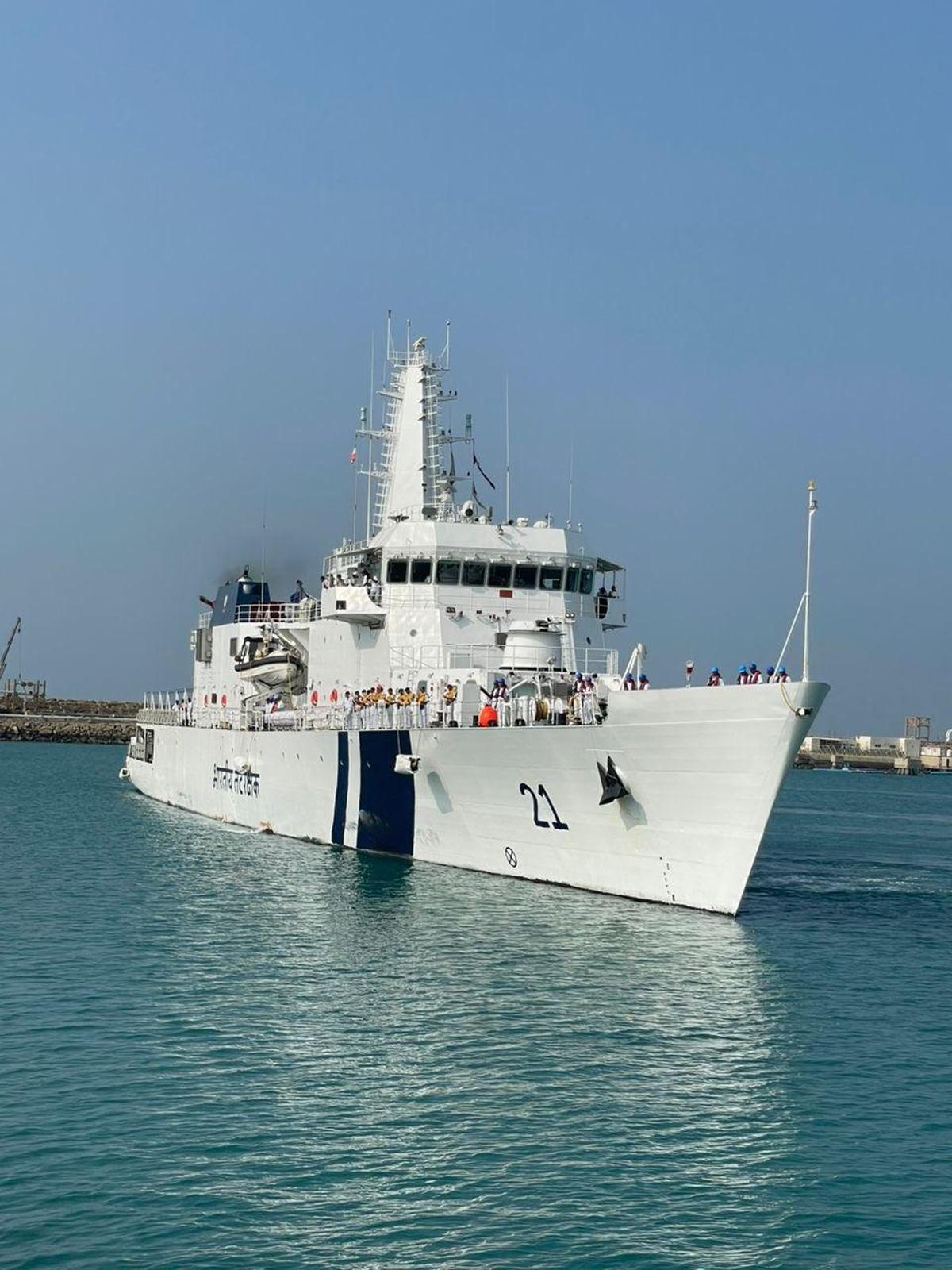
The offshore patrol vessel ICGS Sarthak of the Indian Coast Guard has made its first-ever port call at Chabahar Port, Iran. A port call refers to the period during which a naval or coast guard vessel arrives at, stays in, and departs from a port. This visit marks a notable step in strengthening maritime security cooperation, regional engagement, and strategic outreach in the Indian Ocean Region (IOR).
Strategic Importance of the Visit
- Gateway Role: Chabahar serves as India’s direct maritime gateway to Iran, Afghanistan, and Central Asia, bypassing the Strait of Hormuz.
- Connectivity & Supply Lines: The port call reinforces secure supply chains and India’s access to continental markets.
- Policy Alignment: The engagement aligns with India’s maritime visions of SAGAR (Security and Growth for All in the Region) and MAHASAGAR, underscoring cooperative security and prosperity in the IOR.
Environmental Outreach
Alongside operational engagements, the visit included environmental activities such as a beach walkathon and sports fixtures, supporting Puneet Sagar Abhiyan. Launched in 2021 by the National Cadet Corps, the campaign focuses on cleaning seashores, beaches, rivers, lakes, and other water bodies of plastic and waste—integrating maritime operations with environmental stewardship.
Chabahar Port
- Location:Sistan-Baluchistan province, Iran; on the Gulf of Oman, outside the Strait of Hormuz.
- Uniqueness: Iran’s only deep-sea port with direct ocean access.
- Agreement: Developed under the 2016 Chabahar Agreement between India, Iran, and Afghanistan.
- Connectivity Corridor: Part of the International North-South Transport Corridor (INSTC).
- Terminals:Shahid Beheshti and Shahid Kalantari.
- Indian Role: India developed and actively operates the Shahid Beheshti terminal.
- Management: Since December 2018, operations are managed by India Ports Global Limited (IPGL) through its subsidiary India Ports Global Chabahar Free Zone (IPGCFZ).
Kavach System
- 21 Dec 2025
In News:
The indigenously developed Kavach system, India’s flagship Automatic Train Protection (ATP) technology, has been fully commissioned on over 2,000 km of the Indian Rail network, with its rollout progressing rapidly. This information was provided by the Union Railway Minister in a written reply during the Winter Session of Parliament, highlighting a major milestone in railway safety reforms.
What is Kavach?
Kavach is a home-grown digital safety system designed to prevent train accidents by automatically intervening when unsafe train movements are detected. It has been developed by the Research Design and Standards Organisation (RDSO) under Indian Railways, in collaboration with Indian industry partnersp-Medha Servo Drives Pvt Ltd, HBL Power Systems Ltd, and Kernex Microsystems.
Key Technical Features
- Kavach is a complex integrated safety ecosystem comprising five major components.
- It relies on:
- Continuous Optical Fibre Cable (OFC) laid along tracks
- Telecom towers for uninterrupted data and voice communication
- RFID tags and electronic equipment installed on locomotives, tracks, and signalling systems
- Communication occurs using ultra-high radio frequencies.
- Based on pre-programmed safety logic, the system can:
- Warn loco pilots
- Automatically apply brakes
- Prevent collisions, signal passing at danger (SPAD), and over-speeding
Testing and Deployment
- Field trials began in 2016 on passenger trains before large-scale rollout.
- As of December 2025, Indian Railways has achieved:
- 7,129 km of OFC laid
- 860 telecom towers installed
- 767 railway stations connected to data centres
- Trackside equipment deployed along 3,413 km
- 4,154 locomotives equipped with Kavach
- Around 40,000 railway personnel have been trained to operate and maintain the system.
Impact on Railway Safety
The introduction of Kavach has contributed to a nearly 90% reduction in consequential railway accidents, which declined from 135 incidents in 2014 to about 11 currently. This demonstrates its effectiveness as a preventive safety technology.
Exercise Desert Cyclone II
- 21 Dec 2025
In News:
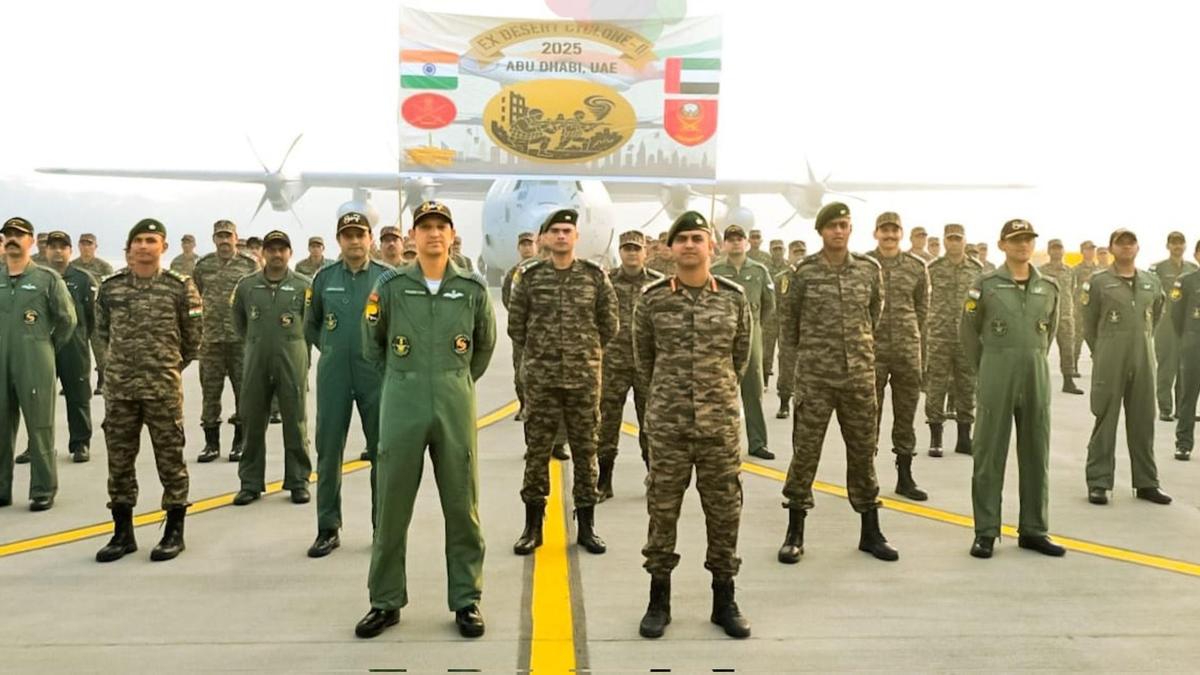
The Indian Army has deployed a contingent to the United Arab Emirates (U.A.E.) to participate in the second edition of the bilateral joint military exercise Desert Cyclone II, scheduled to be held at Abu Dhabi. The exercise follows the inaugural edition conducted in 2024, underscoring the growing momentum in India–U.A.E. defence cooperation.
Key Features of Exercise Desert Cyclone II
- Nature of Exercise: Second edition of the India–U.A.E. Joint Military Exercise.
- Indian Contingent: 45 personnel, primarily from a Mechanised Infantry Regiment battalion of the Indian Army.
- U.A.E. Representation: A contingent of similar strength from the 53 Mechanised Infantry Battalion of the U.A.E. Land Forces.
- Core Objective: Enhance interoperability, mutual understanding, and operational synergy between the two armies.
- Operational Focus:
- Sub-conventional operations in urban environments
- Conduct of operations under a United Nations mandate
- Preparation for peacekeeping, counter-terrorism, and stability operations
- Training Components:
- Fighting in built-up areas (FIBUA)
- Heliborne operations
- Detailed joint mission planning
- Technology Dimension: Integration of Unmanned Aerial Systems (UAS) and counter-UAS techniques, reflecting the evolving nature of modern urban warfare.
The conduct of Desert Cyclone II highlights deepening military diplomacy, shared strategic concerns, and expanding operational cooperation between India and the U.A.E.
India–U.A.E. Defence Relations:
- Diplomatic relations established:1972
- U.A.E. Embassy in New Delhi (1972)
- Indian Embassy in Abu Dhabi (1973)
- First India–U.A.E. Joint Air Forces Exercise:2008, held at Al Dhafra Air Base, Abu Dhabi.
- India is a regular participant in the International Defence Exhibition (IDEX) held in Abu Dhabi.
- Naval Cooperation: In 2025, Indian Navy ships INS Visakhapatnam and INS Trikand participated in the bilateral naval exercise Zayed Talwar, aimed at enhancing maritime interoperability.
Global Value Chain Development Report 2025
- 20 Dec 2025
In News:
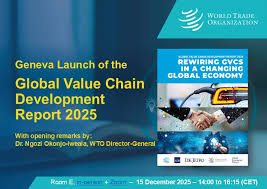
The Global Value Chain (GVC) Development Report 2025 has been released by the World Trade Organization (WTO). The report analyses recent structural shifts in global production networks and assesses how economies are adapting to changing trade, technology and resilience imperatives.
What is a Global Value Chain (GVC)?
A Global Value Chain refers to the entire sequence of activities involved in producing a good or service, where these stages are geographically dispersed across multiple countries. Each stage adds value, and countries participate according to their comparative advantage.
Key Stages of a GVC
- Research & Design
- Sourcing of raw materials
- Manufacturing and assembly
- Logistics and distribution
- Marketing, sales and after-sales services
Illustration: A smartphone may be designed in the US, components manufactured in East Asia, assembled in India or Vietnam, and sold globally.
Major Findings of the GVC Development Report 2025
1. Continued Centrality of GVCs
- GVCs account for 46.3% of global trade in value-added terms (slightly below the 2022 peak).
- Despite global shocks, value chains remain integral to international trade.
2. Shift from Pure Efficiency to Resilience
- Firms and governments are increasingly prioritisingsupply chain diversification and risk mitigation, alongside cost efficiency.
- This reflects lessons from the pandemic and geopolitical disruptions.
3. Structural Shift Towards Services
- Services now contribute more than one-third of value added in manufacturing exports.
- Business services, ICT, logistics and digital platforms are becoming key GVC enablers.
4. Regional Reconfiguration
- Asia, Europe and North America continue to dominate GVC trade.
- However, production networks are becoming more regionally clustered.
5. Reshoring and Regionalisation
- Major economies such as China, the United States and the European Union are reducing dependence on foreign value-added in domestic consumption.
- This trend is driven by concerns over supply chain security and strategic autonomy.
6. Electric Vehicle (EV) Value Chains
- EV production is reshaping automotive GVCs, with China accounting for a large share of global EV output (2023).
- Critical minerals (lithium, cobalt, etc.) are emerging as strategic inputs, creating opportunities for resource-rich developing countries but also risks due to supply concentration.
7. Role of Technology
- Digitalisation, automation, AI and advanced ICT are enabling finer fragmentation of production and lowering coordination costs.
- Economies with strong infrastructure and absorptive capacity benefit most, while others risk exclusion.
India-Specific Findings
- India, along with the Philippines and several African economies, has strengthened its role in business-process and digital service exports.
- India is now among the top 10 value-adding economies globally, with a 2.8% share of global Domestic Value Added (DVA) in exports (2024).
- This highlights India’s growing integration into digital and services-led GVCs, rather than traditional manufacturing alone.
Challenges for India in GVC Integration
- Infrastructure and Logistics Bottlenecks: High logistics costs, port inefficiencies and delays reduce export competitiveness.
- Regulatory and Policy Uncertainty: Frequent policy changes and compliance burdens discourage long-term investment.
- Limited Trade Agreements: Fewer Free Trade Agreements (FTAs) limit preferential access to major markets.
- Skill and Technology Gaps: Shortage of skilled manpower in advanced manufacturing and high-tech sectors.
- Sustainability Constraints: Carbon border taxes and ESG norms may increase compliance costs for exporters.
Policy Recommendations from the Report
For Policymakers
- Invest in digital and logistics infrastructure to deepen GVC participation.
- Align climate and trade policies to balance sustainability and competitiveness.
- Improve access to trade finance, especially for MSMEs.
- Promote transparent and coordinated industrial policies that enhance resilience without fragmenting global trade.
For Firms
- Invest in digital tools, AI and automation to enhance adaptability.
- Diversify supply networks to balance efficiency with resilience.
- Leverage regional value chains where strategic advantages exist.
Param Vir Chakra (PVC)
- 20 Dec 2025
In News:
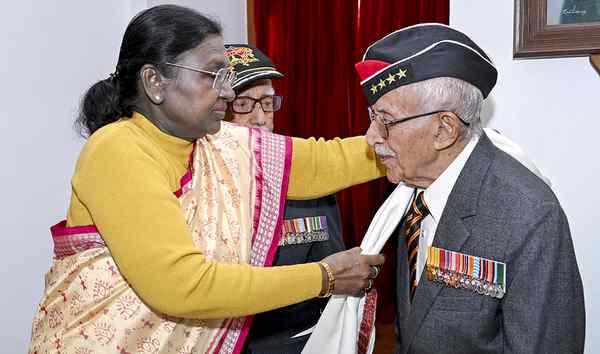
On Vijay Diwas 2025, the President of India, Droupadi Murmu, inaugurated the ‘Param Vir Dirgha’ at the Rashtrapati Bhavan, New Delhi.
The gallery showcases portraits of all 21 recipients of the Param Vir Chakra (PVC), India’s highest military gallantry award.
Notably, this display replaced portraits of 96 British Aide-de-Camps (ADCs) from the colonial era, symbolising India’s continued effort to decolonise public memory and national symbols.
Param Vir Chakra (PVC): India’s Highest Gallantry Award
The Param Vir Chakra is the highest military decoration for valour in India, awarded for the most conspicuous bravery, indomitable courage and supreme sacrifice in the presence of the enemy during wartime.
- Instituted: 26 January 1950, coinciding with the enforcement of the Constitution
- Eligibility: Personnel of all ranks from the Army, Navy, Air Force, Territorial Army and other lawfully constituted armed forces
- Nature: Can be awarded posthumously
Key Features
- Awarded only during wartime
- Recognises acts of extraordinary courage against the enemy
- Includes a monthly honorarium of ?3,000, with an additional ?3,000 for every bar
Recipients
- Total awardees: 21
- Posthumous awards: 14
- Conflicts covered: Four major wars fought by India
The high proportion of posthumous awards underlines the supreme sacrifice associated with the honour.
Param Vir Dirgha: Symbolism and National Memory
The establishment of the Param Vir Dirgha serves multiple purposes:
- Institutionalising remembrance of India’s war heroes
- Educating citizens and visitors about acts of exceptional military valour
- Reinforcing national pride and military ethos
According to the Rashtrapati Bhavan, the initiative helps visitors understand the “dauntless resolve and unconquerable spirit” of India’s soldiers and represents a conscious move to replace colonial symbolism with Indian national heroes.
Who are Aide-de-Camps (ADCs)?
An Aide-de-Camp is a personal military officer attached to high constitutional authorities such as the President or Governors.
Key Characteristics
- Typical Rank:
- Major (Army)
- Lieutenant Commander (Navy)
- Squadron Leader (Air Force)
Functions
- Managing official schedules and engagements
- Coordinating ceremonial and protocol duties
- Acting as liaison between the dignitary and civil/military authorities
- Assisting in security and coordination
While ADCs continue to serve an important functional role today, the earlier display of British ADC portraits reflected colonial legacy rather than independent India’s military ethos.
Natyashastra
- 20 Dec 2025
In News:
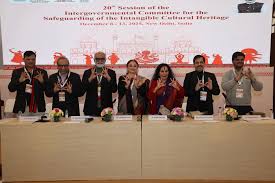
The Indira Gandhi National Centre for the Arts (IGNCA)organised an academic programme titled “Natyashastra – Synthesis of Theory and Praxis” during the 20th Session of the Intergovernmental Committee for the Safeguarding of Intangible Cultural Heritage of UNESCO, held at the Red Fort, New Delhi.
The event highlighted the continued global relevance of India’s classical knowledge systems in the domain of performing arts.
Natyashastra: An Overview
The Natyashastra is an ancient Sanskrit treatise that lays the foundational framework of Indian performing arts.
- Authorship: Composed by sage Bharata Muni
- Period: Dated between 2nd century BCE and 2nd century CE
- Nature: Earliest comprehensive treatise on drama, dance and music in South Asia
- Etymology:
- Natya – dance and drama
- Shastra – systematic science or discipline
The text legitimiseddrama as a means of moral, social and spiritual instruction, making performance a medium of religious and philosophical enlightenment.
Core Concepts in the Natyashastra
The Natyashastra consists of nearly 36,000 verses, dealing with both theoretical principles and practical aspects of performance:
- Natya: Dramatic composition
- Abhinaya: Modes of expression (body, speech, emotion and costume)
- Sangita: Music and rhythm
- Bhava: Emotional states expressed by the performer
- Rasa: Aesthetic experience felt by the audience
Doctrine of Rasa – A Key Contribution
One of the most enduring contributions of the Natyashastra is the theory of Rasa, which explains how art evokes emotional responses.
Bharata Muni identified eight primary Rasas:
- Shringara – Love
- Hasya – Humour
- Karuna – Compassion
- Raudra – Anger
- Veera – Heroism
- Bhayanaka – Fear
- Bibhatsa – Disgust
- Adbhuta – Wonder
Through skilful use of bhava, the performer evokes these rasas, resulting in aesthetic transcendence for the audience. This framework continues to guide Indian classical dance, theatre and music traditions.
Global Recognition
The Natyashastra has been included in UNESCO’s Memory of the World Register, recognising its universal cultural value and its influence on global theories of aesthetics, dramaturgy and performance studies.
Indira Gandhi National Centre for the Arts (IGNCA)
The IGNCA functions as a premier national institution for cultural research and preservation.
- Status: Autonomous body under the Ministry of Culture
- Mandate:
- Documentation, preservation and dissemination of Indian arts and cultural heritage
- Training of professionals in specialised cultural disciplines
Functional Units of IGNCA
- Kalanidhi – Multi-form reference library
- Kalakosa – Study and publication of fundamental texts (largely Sanskrit)
- Janapada Sampada – Lifestyle and folk culture studies
- Kaladarsana – Exhibitions and visual interpretation of research
- Cultural Informatics Lab – Digital tools for cultural preservation
- Sutradhara – Administrative and coordination unit
AH-64E Apache Attack Helicopter
- 20 Dec 2025
In News:
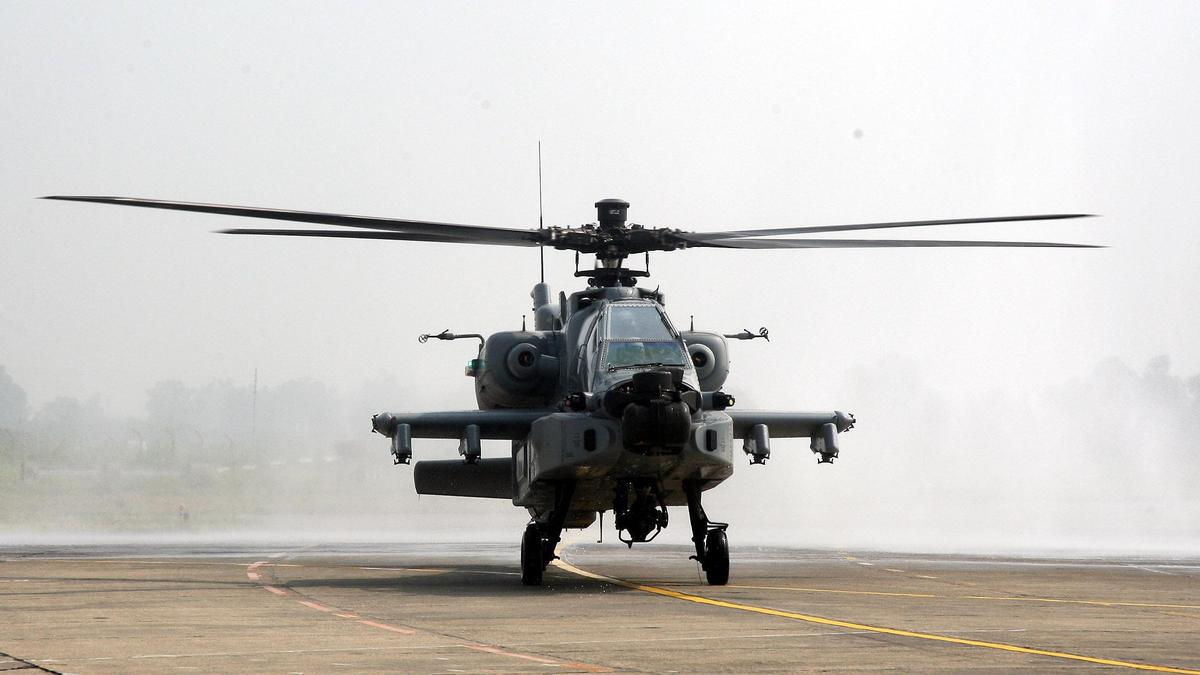
The Indian Army has received the final batch of three AH-64E Apache attack helicopters, completing its sanctioned fleet of six helicopters. These platforms have been inducted into the 451 Army Aviation Squadron based at Jodhpur, Rajasthan, marking a key step in enhancing India’s offensive rotary-wing capability.
About the AH-64E Apache Attack Helicopter
The AH-64E Apache, also known as the Apache Guardian, is regarded as the world’s most advanced multi-role combat helicopter. It is designed for advanced reconnaissance, precision strike and close air support (CAS) missions in high-intensity battlefield environments.
- Country of Origin: United States
- Manufacturer: Boeing
- User Nations: United States, India, Israel, Japan, South Korea, UK, UAE, Saudi Arabia, Qatar, Netherlands, among others
- Operational Variant: Latest version currently used by the US Army
Apache in India’s Defence Architecture
India operates the Apache across two services, reflecting a shift towards service-specific combat roles:
- Indian Air Force: Operates 22 AH-64E helicopters, inducted primarily for air force-led strike and support roles
- Indian Army: Inducted 6 AH-64E helicopters (contract signed in 2020) to strengthen Army Aviation Corps’ direct battlefield support
This dual induction enhances jointness, while enabling the Army to independently conduct armoured warfare support and offensive air manoeuvres.
Key Technical and Combat Features
The AH-64E is a twin-engine, heavily armed attack helicopteroptimised for survivability and lethality:
- Length: 17.8 metres
- Maximum Speed: ~300 km/h
- Maximum Operating Weight: 10,432 kg
- Rate of Climb: Over 2,800 feet per minute
Weapons Suite:
- AGM-114 Hellfire missiles (anti-tank and precision strike)
- 70 mm rockets
- 30 mm chain gun (nose-mounted)
- Stinger air-to-air missiles (short-range aerial threats)
Advanced Avionics & Sensors:
- Integrated infrared laser designator
- Enhanced night-fighting capability combining infrared and night vision imagery
- Ability to track up to 128 targets per minute and prioritise threats in real time
These features enable operations in all-weather, day-night and high-threat environments.
Strategic Significance for India
The induction of AH-64E Apaches into the Indian Army has multiple strategic implications:
- Enhanced anti-armour capability, especially in desert and plains sectors
- Improved close air support for mechanised and infantry formations
- Greater operational autonomy for the Army Aviation Corps
- Boost to network-centric warfare, surveillance and precision strike capacity
The deployment at Jodhpur is particularly relevant for western theatre preparedness, including rapid response in desert warfare scenarios.
DHRUV64
- 20 Dec 2025
In News:
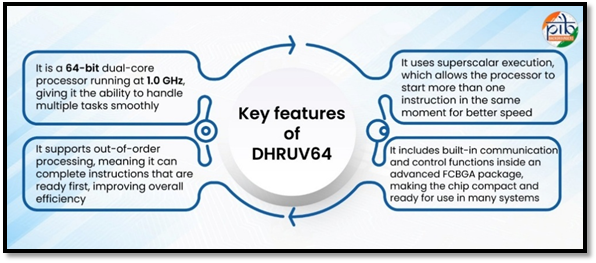
India has achieved a significant milestone in its semiconductor journey with the development of DHRUV64, the country’s first 1.0 GHz, 64-bit dual-core indigenous microprocessor. Developed by Centre for Development of Advanced Computing (C-DAC) under the Microprocessor Development Programme (MDP) of Ministry of Electronics and Information Technology (MeitY), DHRUV64 represents a major step towards technological self-reliance in advanced chip design, a core requirement for India’s digital and strategic autonomy.
Why Indigenous Microprocessors Matter
Microprocessors form the backbone of modern digital infrastructure, powering devices ranging from smartphones and automobiles to defence systems, satellites and medical equipment. For India, dependence on imported processors poses risks related to supply chain disruptions, strategic vulnerabilities and high foreign exchange outflows. Given that India consumes nearly 20% of globally manufactured microprocessors, indigenous capability is critical for sustaining the country’s expanding digital economy.
Key Features of DHRUV64
DHRUV64 incorporates modern architectural features that enhance efficiency, multitasking capability and system reliability. Its design enables seamless integration with diverse external hardware platforms, making it suitable for a wide range of applications, including:
- 5G and telecom infrastructure
- Automotive electronics
- Industrial automation
- Consumer electronics
- Internet of Things (IoT) ecosystems
The processor thus bridges the gap between strategic requirements and commercial scalability, a long-standing challenge in India’s chip ecosystem.
Strategic Significance for India
DHRUV64 strengthens India’s indigenous processor pipeline and reduces long-term reliance on foreign technologies. It contributes to:
- Secure digital infrastructure, especially for strategic sectors
- Technological sovereignty in critical electronics
- Capacity building for India’s large pool of chip design engineers
The development of DHRUV64 builds upon earlier indigenous processors such as SHAKTI (IIT Madras), AJIT (IIT Bombay), VIKRAM (ISRO–SCL) and THEJAS64 (C-DAC), collectively fostering a national processor ecosystem rather than isolated projects.
Role of RISC-V and Digital India RISC-V (DIR-V) Programme
DHRUV64 has been developed under the Digital India RISC-V Programme (DIR-V) initiative, which aims to establish India as a global hub for Electronics System Design and Manufacturing (ESDM).
RISC-V, being an open-source instruction set architecture, eliminates licence fees and enables shared innovation among academia, startups and industry. Its adoption:
- Lowers entry barriers for indigenous chip development
- Encourages collaborative research and standardisation
- Supports long-term scalability of Indian processors
Under DIR-V, DHRUV64 is the third fabricated chip, following THEJAS32 and THEJAS64, while next-generation DHANUSH and DHANUSH System-on-Chip (SoC) variants are currently under development.
Impact on R&D, Innovation and Human Capital
DHRUV64 provides a homegrown, affordable platform for startups, academia and industry to prototype and scale computing products without foreign dependence. It strengthens India’s R&D ecosystem by:
- Enabling low-cost system architecture experimentation
- Supporting indigenous product development
- Enhancing skill formation for semiconductor professionals
Given that India already accounts for nearly 20% of the world’s chip design workforce, such platforms are crucial for converting talent into domestic intellectual property.
Institutional and Policy Support Framework
India’s indigenous processor development is supported by a coordinated institutional ecosystem:
- MeitY: Provides policy direction, funding and long-term planning through programmes such as MDP, DIR-V, Chips to Startup (C2S) and the India Semiconductor Mission.
- C-DAC: Leads processor IP design, SoCs, development boards and toolchains, and is spearheading future RISC-V processors like Dhanush and Dhanush .
Key national programmes strengthening this ecosystem include:
- India Semiconductor Mission (ISM) – facilitating large-scale semiconductor investments
- Chips to Startup (C2S) – building manpower and fabless design capacity
- Design Linked Incentive (DLI) Scheme – incentivising semiconductor design
- INUP-i2i Programme – providing access to national nanofabrication facilities
National Blood Transfusion Bill 2025
- 18 Dec 2025
In News:
The Government has introduced the National Blood Transfusion Bill, 2025 in Parliament to create a dedicated legal and institutional framework for blood transfusion services in India. At present, blood and blood components are regulated under the Drugs and Cosmetics Act, a law primarily designed for pharmaceuticalsseen as inadequate for managing blood as a life-saving public health resource. The new Bill seeks to move the sector into a clear, safety-first national system with uniform standards and stronger oversight.
Why a New Law?
- Public health sensitivity: Blood transfusion carries risks of transfusion-transmitted infections and adverse reactions, requiring rigorous quality control.
- Regulatory gaps: The existing drug-law framework does not fully address donor management, component therapy, traceability, and haemovigilance.
- Standardisation need: Wide variation in practices across States and facilities necessitates uniform national standards.
Institutional Architecture
The Bill provides for a statutory National Blood Transfusion Authority (NBTA). As the apex technical and regulatory body, NBTA will frame national norms and coordinate with State authorities to ensure consistent implementation.
Core Regulatory Provisions
- Uniform standards across the chain: NBTA will prescribe norms for collection, testing, processing, storage, distribution, issue, and transfusion of whole blood and components (e.g., packed red cells, platelets, plasma).
- Mandatory registration: All blood centres will require registration/authorization, improving traceability and accountability.
- Quality and safety protocols: Emphasis on validated testing, component separation, cold-chain maintenance, and documentation.
- Haemovigilance system: A national haemovigilanceprogramme will monitor and analyse transfusion-related adverse events to improve safety practices.
- Ethics and compliance: The Bill proposes stringent penalties for unsafe collection, improper storage, unlicensed operations, or other unethical practices.
- Promotion of voluntary donation: Strengthened, coordinated efforts to increase voluntary, non-remunerated blood donation, reducing reliance on replacement donations.
Expected Impact
- Patient safety:Standardised screening and monitoring reduce risks of infections and transfusion reactions.
- System efficiency: Better inventory management and component use can improve availability, especially during emergencies.
- Transparency and trust: Clear legal backing and oversight enhance public confidence in blood services.
- Data-driven regulation:Haemovigilance enables continuous quality improvement based on evidence.
India–France Defence Pact on HAMMER (AASM)
- 18 Dec 2025
In News:
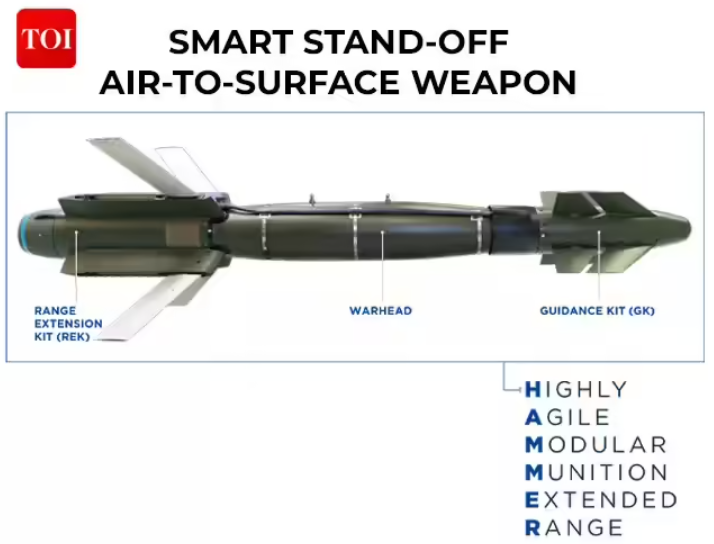
- India has signed an agreement with France’s Safran to jointly manufacture, customise, supply, and maintain the HAMMER (Highly Agile Modular Munition Extended Range) precision-guided air-to-ground weapon system in India.
- The production will take place through a 50:50 joint venture between Bharat Electronics Limited (BEL) and Safran.
What is HAMMER (AASM)?
- HAMMER, also known as Armement Air-Sol Modulaire (AASM), is a modular precision-guided munition that converts unguided “dumb” bombs into smart stand-off weapons using guidance and propulsion kits.
- It provides missile-like accuracy at significantly lower cost than cruise missiles.
Developer & Indian Manufacturing
|
Component |
Details |
|
Original Developer |
Safran Electronics & Defense (France) |
|
Indian Partner |
Bharat Electronics Limited (BEL) |
|
JV Structure |
50% Safran – 50% BEL |
|
Nature of Work |
Manufacturing, customization, maintenance in India |
Key Technical Features
- Modular Design
- Nose-mounted guidance kit
- Tail-mounted range-extension/propulsion kit
- Compatible with standard bomb bodies (125 kg to 1,000 kg, including Mk-80 series)
- Multiple Guidance Options
- INS-GPS → All-weather precision
- INS-GPS + Infrared (IR) → High-precision fixed targets
- Laser guidance → Moving targets
- Stand-off Capability
- Equipped with rocket booster and winglets
- Allows aircraft to strike from outside enemy air-defence range
- Can be launched at off-axis angles
- High Accuracy
- CEP (Circular Error Probability):
- ~10 m (INS-GPS)
- ~1 m (IR guidance)
- CEP (Circular Error Probability):
- Platform Integration
- Already integrated with Dassault Rafale
- Planned integration with HAL Tejas
United Nations Alliance of Civilizations (UNAOC)

- 18 Dec 2025
In News:
India recently reaffirmed its civilisational philosophy of VasudhaivaKutumbakam (“the world is one family”) and commitment to religious harmony at the 11th UNAOC Global Forum held in Riyadh, Saudi Arabia.
The Indian delegation highlighted India’s long-standing belief in pluralism, intercultural dialogue, and Sarva Dharma Samabhav (equal respect for all religions).
About the UNAOC
|
Feature |
Details |
|
Launched |
2005 |
|
Initiative of |
Kofi Annan (former UN Secretary-General) |
|
Co-sponsored by |
Governments of Spain and Türkiye |
|
Nature |
UN “soft-power” political initiative |
|
Secretariat |
New York, USA |
|
Funding |
Voluntary Trust Fund administered by the UN Secretariat |
|
Participants |
Governments, regional bodies, civil society, private sector, youth groups |
Core Objectives of UNAOC
UNAOC aims to:
- Promote intercultural and interreligious dialogue
- Reduce polarisation, extremism, xenophobia and hate speech
- Encourage mutual respect, inclusion and peaceful coexistence
- Serve as a platform for conflict prevention and resolution through dialogue
Global Forum of UNAOC
The Global Forum is the flagship event of UNAOC:
- Brings together political leaders, religious figures, youth, media and civil society
- Focuses on bridging cultural divides
- Acts as a high-level platform for policy dialogue and partnership-building
The 11th Forum marked two decades of UNAOC’s work in strengthening intercultural cooperation.
Funding Mechanism
- Operates through a Voluntary Trust Fund
- Contributions from:
- UN Member States
- International organizations
- Foundations
- Private sector
- Fund supports projects, outreach, and administrative functions
India – Asian Development Bank (ADB) Development Loan Package (2025)
- 18 Dec 2025
In News:
India and the Asian Development Bank (ADB) have signed five loan agreements worth over $2.2 billion to finance multi-sector development projects. The package supports human capital formation, clean energy transition, urban mobility, healthcare strengthening, and sustainable rural livelihoods.
About the Asian Development Bank (ADB)
- Established: 1966
- Headquarters: Manila, Philippines
- Type: Multilateral development bank
- Members: 69 countries (India is a founding member)
- Voting system: Weighted voting based on capital subscription
- Top shareholders: Japan & USA (~15.6% each), China (~6.4%), India (~6.3%), Australia (~5.8%)
- Mandate: Promote inclusive, environmentally sustainable, and regionally integrated growth in Asia-Pacific
Key Highlights of the $2.2 Billion Loan Package
1. Skilling & Employability – $846 Million
- Supports modernisation of 650 Industrial Training Institutes (ITIs) across 12 states and upgradation of 5 National Skill Training Institutes.
Focus Areas:
- Renewable energy
- Electric mobility
- Advanced manufacturing
Target: Improve employability of 1.3 million youth
2. Rooftop Solar Expansion – $650 Million
Supports Pradhan Mantri Surya Ghar: Muft Bijli Yojana
Objectives:
- Rooftop solar for 10 million households by 2027
- Uniform technical standards
- Affordable collateral-free loans for households
- Expands access to clean and affordable energy
3. Assam Tertiary Healthcare Strengthening – $398.8 Million
Project to modernise medical education and tertiary healthcare in Assam.
Institutions to be upgraded:
- Medical colleges in Guwahati
- Dibrugarh
- Silchar
These will serve as centres of excellence under the state health university system.
4. Urban Mobility – Chennai Metro – $240 Million
Supports Tranche 2 of the Chennai Metro Rail Limited project.
Features:
- ~20 km of new corridors (elevated + underground)
- 18 new metro stations
- Universal accessibility features
- Climate-resilient infrastructure for extreme weather
5. Meghalaya Sustainable Livelihoods & Ecotourism – $77 Million
Supports ecotourism + climate-smart agriculture.
Key Outcomes:
- Improve incomes of 8,000+ local beneficiaries
- Focus on women & indigenous communities
- Promote forest conservation and nature-based tourism
Viksit Bharat–Guarantee for Rozgar and Ajeevika Mission (Gramin) Bill, 2025 (VB-G RaM G)
- 18 Dec 2025
In News:
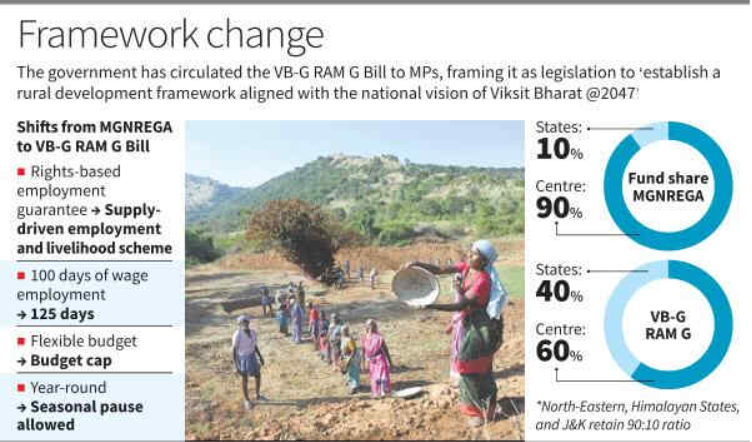
The Union Government has introduced the Viksit Bharat–Guarantee for Rozgar and Ajeevika Mission (Gramin) Bill, 2025 (VB-G RaM G) in the Lok Sabha to replace the Mahatma Gandhi National Rural Employment Guarantee Act (MGNREGA), 2005.
It marks a structural shift in India’s rural wage employment framework in line with the Viksit Bharat @2047 vision.
What is VB-G RaM G?
It is a proposed statutory rural wage employment guarantee law that:
- Assures 125 days of wage employment per rural household per financial year (earlier 100 days under MGNREGA)
- Focuses on durable, productivity-enhancing rural assets
- Integrates employment generation with infrastructure creation, livelihoods, and climate resilience
Core Objectives
- Move from distress-relief employment to development-linked employment
- Ensure convergence of rural schemes
- Create durable and climate-resilient assets
- Improve transparency, digital monitoring, and accountability
Key Features of the Bill
1. Enhanced Employment Guarantee
- Increased from 100 to 125 days
- About 25% higher income potential for rural households
2. Four Priority Work Categories
Works are restricted to:
- Water security (water harvesting, irrigation, conservation)
- Core rural infrastructure (roads, connectivity)
- Livelihood infrastructure (storage, markets, productive assets)
- Climate-resilience works (flood control, drought mitigation, soil conservation)
All works will be mapped into a proposed Viksit Bharat National Rural Infrastructure Stack.
3. Shift to Normative Funding
- Moves from demand-driven (MGNREGA model) to budget-based normative allocation
- Funds distributed to States using objective parameters
- Unemployment allowance still payable if work is not provided
4. Funding Pattern (Centrally Sponsored Scheme)
- 60:40 – Centre : States (most States)
- 90:10 – North-Eastern & Himalayan States
- 100% Central funding – UTs without legislature
5. Digital Governance & Transparency
Mandatory provisions include:
- Biometric attendance
- Aadhaar-linked wage payments
- Geo-tagging of assets
- AI-based fraud detection
- Real-time MIS dashboards
- Weekly public disclosure meetings at Gram Panchayat level
- Strengthened social audits
6. Agricultural Season Safeguard
- States can declare up to 60 days (aggregate) when works will pause during peak sowing/harvesting
- Aims to:
- Ensure farm labour availability
- Prevent wage inflation in agriculture
7. Decentralised Planning
- Works planned through Viksit Gram Panchayat Plans (VGPPs)
- Spatial planning integration with PM Gati Shakti
- Plans aggregated from Gram Panchayat → Block → District → State
8. Institutional Mechanism
- Central & State Gramin Rozgar Guarantee Councils
- States must notify their operational scheme within 6 months of enactment
Why Replace MGNREGA? (Government’s Rationale)
- Rural poverty decline: From 25.7% (2011-12) to ~5% (2023-24)
- Need to shift from relief works to productive infrastructure
- Asset quality issues under MGNREGA
- Reported misappropriation (~?193 crore in 2024-25)
- Only a small % of households completed 100 days post-pandemic
- Rising need for climate-resilient rural infrastructure
Major Differences from MGNREGA
|
Feature |
MGNREGA |
VB-G RaM G (Proposed) |
|
Nature |
Demand-driven legal right |
Normative, budget-linked guarantee |
|
Workdays |
100 |
125 |
|
Work scope |
Broad categories |
4 focused priority sectors |
|
Funding |
Mostly Centre-funded wages |
60:40 cost sharing (most states) |
|
Technology |
Supportive |
Mandatory & codified |
|
Planning |
Gram Sabha-based |
VGPP + national infrastructure stack |
Two New Ramsar Sites in India
- 17 Dec 2025
In News:
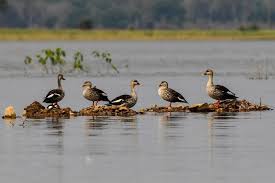
India has added two more wetlands to the list of Ramsar Sites of International Importance-Siliserh Lake in Rajasthan and Kopra Jalashay in Chhattisgarh. These designations highlight the ecological significance of inland water bodies in biodiversity conservation and water security.
Siliserh Lake
- Siliserh Lake is located in Rajasthan, within the buffer zone of the Sariska Tiger Reserve.
- It is a human-made lake constructed in 1845 by Maharaja Vinay Singh to provide drinking water to Alwar city.
- Situated in a semi-arid region, the lake serves as a crucial water source for wildlife and local communities. Its hydrological presence supports diverse habitats in an otherwise water-scarce landscape.
Biodiversity Significance
The wetland supports around 149 bird species and 17 mammal species. Notable fauna include:
- The vulnerable river tern
- The endangered tiger from the adjoining Sariska landscape
It also supports more than 1% of the biogeographic population of the black stork (Ciconia nigra), which is an important criterion under the Ramsar Convention.
Kopra Jalashay
- Kopra Jalashay is located in Chhattisgarh and is a reservoir situated in the upper catchment of the Mahanadi River.
- Its ecological importance arises from strong hydrological and habitat connectivity, which supports multiple wetland-dependent ecosystems.
Biodiversity Significance
The site supports over 60 migratory bird species, making it an important stopover, feeding, and nesting ground along avian migration routes.
Key species recorded here include:
- The vulnerable greater spotted eagle (Aquila clanga)
- The endangered Egyptian vulture (Neophron percnopterus)
Pax Silica Initiative
- 17 Dec 2025
In News:
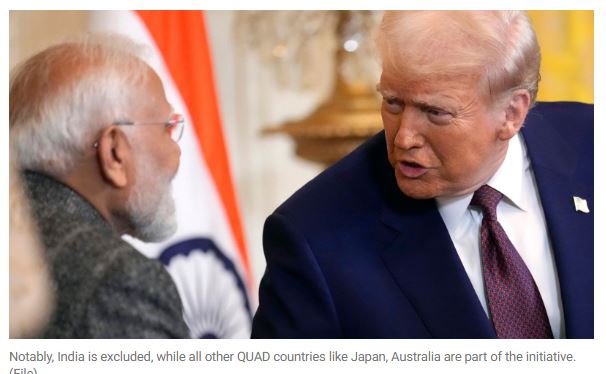
India’s absence from the U.S.-led Pax Silica Initiative has triggered political debate domestically. The issue gained attention after remarks by opposition leaders questioning India’s exclusion from the grouping, which is aimed at securing high-technology supply chains.
What is the Pax Silica Initiative?
- Pax Silica is a United States–led strategic framework designed to build a secure, resilient, and innovation-driven silicon supply chain.
- The term combines “pax” (Latin for peace and stability) with “silica,” the raw material refined into silicon, which is foundational for semiconductors and AI hardware.
- The initiative focuses on strengthening cooperation among trusted partners across the entire technology value chain fromcritical minerals and energy inputs to chip manufacturing, AI infrastructure, and logistics networks.
- Its broader objective is to reduce coercive dependencies, particularly in sensitive technology sectors, and to ensure that partner nations can develop and deploy advanced technologies such as artificial intelligence at scale.
Member Countries
- The current participants in Pax Silica include:United States, Japan, South Korea, Singapore, Netherlands, United Kingdom, Israel, United Arab Emirates and Australia
- Notably, India is not currently part of the initiative, even though several member countries are key Indo-Pacific technology and security partners.
Areas of Cooperation
Member nations have affirmed cooperation in multiple strategic sectors:
- Securing critical minerals required for semiconductor production
- Semiconductor design, fabrication, and advanced packaging
- Strengthening logistics and transportation networks for tech supply chains
- Expanding compute capacity and AI infrastructure
- Ensuring reliable energy grids and power generation for digital ecosystems
- Developing trusted ICT networks, data centres, fibre-optic connectivity, and AI models
- Encouraging joint ventures and co-investment in emerging technology sectors
- Protecting sensitive technologies and infrastructure from access by countries considered strategic risks
Strategic Significance
Pax Silica reflects the growing geopolitical importance of semiconductor and AI supply chains, which are now seen as central to economic security and national power. The initiative is part of a broader trend where technology alliances are being shaped to reduce overdependence on any single country in high-tech manufacturing.
The grouping also complements other emerging frameworks that aim to create trusted technology ecosystems among like-minded nations.
Preah Vihear Temple
- 17 Dec 2025
In News:
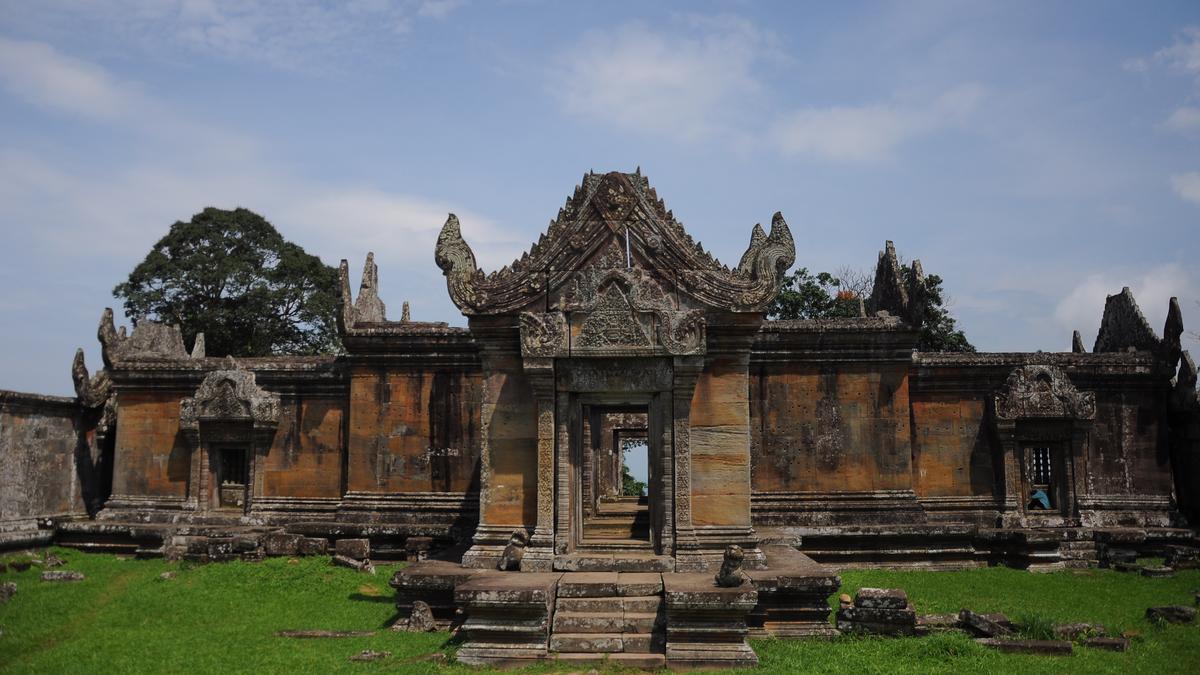
India has expressed concern and called for the protection of the Preah Vihear Temple amid renewed border tensions between Thailand and Cambodia, which reportedly affected areas near the temple complex.
Location and Setting
- Preah Vihear Temple is located in Preah Vihear Province in northern Cambodia, dramatically positioned atop a cliff in the Dangrek Mountain range along the Cambodia–Thailand border.
- Its elevated placement provides commanding views over the surrounding plains and has historically contributed to territorial disputes between the two countries.
Religious Significance
- The temple is dedicated to Lord Shiva and is an important example of Hindu religious architecture in mainland Southeast Asia, reflecting the spread of Indian cultural and religious influences across the region during the medieval period.
Historical Background
- The temple was constructed during the height of the Khmer Empire. Its earliest major construction phase is attributed to Suryavarman I (reigned 1002–1050 CE), and it was later expanded and refined under Suryavarman II (reigned 1113–1150 CE), the same ruler associated with major temple-building activity in the region.
- Preah Vihear was inscribed as a UNESCO World Heritage Site in 2008, recognizing its outstanding universal value in terms of architecture, history, and cultural significance.
Architectural Features
- Preah Vihear is considered an outstanding masterpiece of Khmer temple architecture. Unlike many other Khmer temples that are arranged concentrically, this complex is laid out along a long north–south axis stretching approximately 800 metres.
- The temple comprises a sequence of sanctuaries connected by pavements and steep staircases that climb the hillside. The approach includes multiple monumental gateways known as gopuras more than five in number which are linked by a long causeway rather than enclosed courtyards.
- Several of these gopuras are topped with multi-tiered platforms, and while some feature stone roofs, others historically had wooden superstructures, highlighting a blend of durable and perishable architectural elements.
Ponduru Khadi
- 17 Dec 2025
In News:
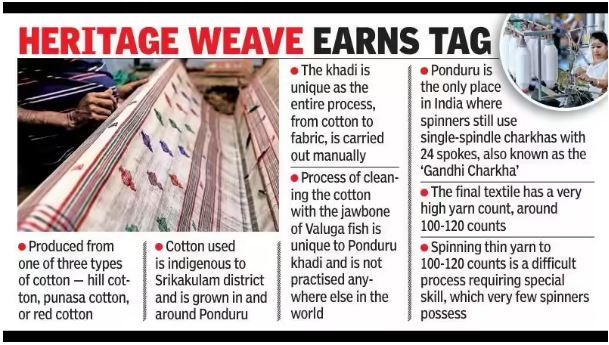
Ponduru Khadi, a traditional handspun and handwoven cotton fabric from Andhra Pradesh, has recently been granted the Geographical Indication (GI) tag by the Geographical Indications Registry under the Union Ministry of Commerce and Industry.
About Ponduru Khadi
- Ponduru Khadi is a heritage textile produced in Ponduru, located in Srikakulam district. Locally, it is known as “Patnulu.” The fabric is widely admired for its extremely fine texture and traditional production techniques that have been preserved for generations.
- The product has also been identified under the One District One Product (ODOP) initiative from Srikakulam district, highlighting its cultural and economic importance.
- During India’s freedom struggle, Mahatma Gandhi praised the fabric’s quality in his journal Young India, recognizing it as an example of self-reliant rural craftsmanship.
Key Characteristics
- Ponduru Khadi stands out due to its fully manual production process. Every step i.e. from cotton cleaning to spinning and weaving is done by hand without the use of mechanised tools.
- The cotton used is locally grown in and around Ponduru and comes from traditional varieties such as hill cotton, punasa cotton, and red cotton. These indigenous varieties contribute to the softness and durability of the fabric.
- The yarn used in Ponduru Khadi is extremely fine, with a yarn count ranging between 100 and 120, making it one of the finest handspun cotton fabrics in India.
Unique features that distinguish Ponduru Khadi
- One of the most distinctive aspects of Ponduru Khadi is the traditional cotton-cleaning method. Artisans use the jawbone of a Valuga fish to separate seeds from cotton — a practice not documented elsewhere in the world.
- Spinning is done using a single-spindle charkha with 24 spokes, popularly referred to as the “Gandhi Charkha.”Ponduru is among the very few places in India where this traditional spinning method is still actively practiced.
Why GI Tag Matters
The GI tag legally recognizes Ponduru Khadi as a product with a specific geographical origin and traditional know-how. This helps:
- Protect it from imitation
- Promote rural artisans
- Enhance export and branding potential
- Preserve intangible cultural heritage
Geminid Meteor Shower

- 17 Dec 2025
In News:
The Geminids are one of the brightest and most reliable annual meteor showers, peaking every year in mid-December.
Origin of the Name
- The meteor shower is named after the constellation Gemini, from where the meteors appear to radiate. This apparent point of origin is called the radiant. However, the constellation is only the direction in the sky - not the actual source of the meteors.
Time of Occurrence
- The Geminids occur every year in December, with peak visibility typically during the late-night and pre-dawn hours, when the radiant rises higher in the sky.
Parent Body – A Rare Case
- A unique scientific feature of the Geminids is their origin. Most meteor showers are produced by comet debris, but the Geminids originate from an asteroid called 3200 Phaethon. This makes the Geminids one of the very few major meteor showers linked to an asteroid rather than a comet.
Meteor Characteristics
- Geminid meteors are known for being bright and relatively slow-moving, which makes them easier to spot. They often produce multi-colored streaks in the sky due to the presence of different minerals that burn at different temperatures.
Understanding Meteors
- Meteors are caused by small space particles entering Earth’s atmosphere at very high speeds.
- A meteoroid is a small rocky or metallic object traveling in space. When it enters Earth’s atmosphere and burns due to friction, it produces a streak of light known as a meteor. If any part of it survives the journey and reaches the ground, it is called a meteorite.
- Meteor showers occur when Earth passes through trails of dust and debris left behind by comets or asteroids. These particles collide with the atmosphere and burn up, creating the visible streaks of light.
Why the Geminids Stand Out
The Geminids are considered special because they are linked to an asteroid instead of a comet, they produce a high number of bright meteors, and they are known for their consistent annual activity. Their slower speed compared to many comet-based meteor showers makes them especially visible and spectacular.
Project Suncatcher

- 16 Dec 2025
In News:
Google has unveiled Project Suncatcher, a long-term research initiative to explore solar-powered AI data centres in space. The plan envisions orbiting satellites equipped with high-performance AI hardware, potentially launching early prototypes by 2027.
Background: Rising Demand for AI Infrastructure
Artificial Intelligence tools such as ChatGPT and Gemini require enormous computing power, which depends on large data centres. These facilities consume vast quantities of:
- Electricity for processing
- Water for cooling systems
- Land and infrastructure for expansion
Global demand for AI data centres is projected to grow rapidly, raising concerns about energy security, water stress, and carbon emissions.
What is Project Suncatcher?
Project Suncatcher is a “moonshot” research effort to develop constellations of satellites that function as orbiting AI data centres. Instead of storing and processing data on Earth, Google proposes to deploy Tensor Processing Units (TPUs) in space.
These space-based nodes would be connected through free-space optical (laser) communication links, forming a distributed computing network similar in structure to internet satellite constellations, but dedicated to AI processing rather than broadband delivery.
Why put Data Centres in Space?
1. Abundant Solar Energy
In orbit, solar panels can be up to 8 times more productive than on Earth and receive near-continuous sunlight. This could provide a steady, renewable power supply without the intermittency issues of terrestrial solar farms.
2. Reduced Environmental Stress on Earth
Shifting computing loads to space could lower:
- Land use conflicts
- Freshwater consumption for cooling
- Local pollution and noise from massive server farms
3. Infrastructure and Regulatory Flexibility
On Earth, building new data centres often faces delays due to land acquisition, environmental clearances, and local opposition. Space offers fewer regulatory constraints, though governance frameworks are still evolving.
How Would It Work?
Satellites in close formation would host AI accelerators and exchange data using high-speed optical interconnects capable of terabit-per-second transmission. Google suggests satellites may need to remain within hundreds of meters to a kilometre of each other to maintain efficient energy sharing and communication.
The company has also tested the radiation tolerance of its latest TPU chips, reporting encouraging resilience under simulated space radiation conditions.
Major Technical Challenges
1. High-Speed Communication: Maintaining ultra-fast, stable links between rapidly moving satellites is difficult. Current wireless optical technologies are still far from matching fibre-optic speeds used in terrestrial data centres.
2. Cooling in Microgravity: Traditional cooling methods rely on gravity-driven convection. In space, heat dissipation is far more complex and requires advanced thermal management systems.
3. Radiation and Space Weather: Electronics in orbit face constant exposure to cosmic radiation and solar storms, which can damage circuits and reduce hardware lifespan.
4. Orbital Mechanics and Formation Control: Satellites must maintain very tight formations, demanding precise station-keeping and increased fuel consumption.
5. Space Debris Risk: Growing congestion in Earth’s orbit increases the likelihood of collisions, posing a threat to delicate computing infrastructure.
Economic Feasibility
Currently, launch costs make space data centres extremely expensive. However, future reductions in launch prices could improve viability. Google is targeting the mid-2030s as a period when costs may become competitive with Earth-based facilities.
Several private firms are also experimenting with space data storage and processing, indicating growing commercial interest in orbital computing.
Strategic Significance
If successful, space-based AI infrastructure could:
- Transform global computing architecture
- Reduce environmental strain from terrestrial data centres
- Provide resilient, disaster-proof computing networks
However, the concept remains experimental, with major engineering, economic, and regulatory hurdles to overcome.
Tapanuli Orangutan
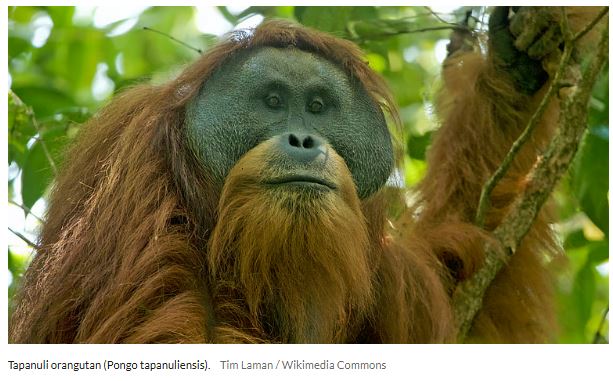
- 16 Dec 2025
In News:
Scientists have warned that Cyclone Senyar-triggered floods and landslides in northern Sumatra may have killed 6–11% of the remaining Tapanuli orangutan population, pushing the species closer to extinction.
About the Tapanuli Orangutan
- The Tapanuli orangutan is the rarest great ape species in the world, formally identified as a distinct species in 2017. Fewer than 800 individuals are believed to survive in the wild.
- Habitat and Distribution
- Tapanuli orangutans are found only in the Batang Toru Ecosystem in North Sumatra, Indonesia.
- Their range is highly fragmented and restricted to upland and submontane rainforests south of Lake Toba, covering less than 3% of their historical range.
- Evidence suggests they were originally better adapted to lower-altitude forests but were pushed into higher terrain due to habitat loss.
- IUCN Status: The species is listed as Critically Endangered on the IUCN Red List due to its extremely small and declining population, restricted range, and ongoing threats.
Physical Characteristics
- Tapanuli orangutans resemble other orangutans in size but have distinct features. They possess smaller skulls, flatter faces, and thicker, frizzier orange fur. Adult flanged males have beards and moustaches, with flatter cheek pads covered in light-colored fuzz.
Behaviour and Ecology
- These orangutans are arboreal and largely solitary, spending most of their lives in the forest canopy.
- They are highly intelligent and known for tool use, using sticks and branches as hooks, scratchers, or to extract insects. Social learning and cultural transmission of behaviors have also been observed.
- Their life history is extremely slow, with one of the longest mother–offspring bonds in mammals (7–11 years). Males exhibit bimaturism, with two forms: unflanged males (smaller, no cheek pads) and dominant flanged males (large cheek pads and throat sacs).
- A unique ecological trait is their diet, which includes certain caterpillars and pinecones not known to be eaten by other orangutan species.
Why the Species is Extremely Vulnerable
The Tapanuli orangutan’s risk of extinction is amplified by:
- Extremely small total population
- Highly restricted and fragmented habitat
- Slow reproduction rate
- Increasing frequency of extreme weather events linked to climate change
- Ongoing habitat pressures from development and infrastructure
Even minor increases in mortality can have irreversible population-level consequences.
Conservation Significance
The Tapanuli orangutan represents the most ancient lineage of orangutans, despite being the most recently described. Its survival is crucial for preserving global great ape diversity and evolutionary history.
The recent cyclone highlights how climate-related disasters can become “extinction-level events” for species already on the brink.
CoalSETU Policy

- 16 Dec 2025
In News:
The Cabinet Committee on Economic Affairs has approved the creation of a new CoalSETU window under the Non-Regulated Sector (NRS) Linkage Policy to enable auction-based allocation of coal linkages for a wider range of industrial uses and exports.
What is CoalSETU?
- CoalSETU (Policy for Auction of Coal Linkage for Seamless, Efficient & Transparent Utilisation) is a reform measure introduced by the Ministry of Coal.
- It creates an additional auction window within the existing NRS Linkage Auction Policy, 2016, allowing industries to access domestic coal in a more flexible and market-driven manner.
- The policy aligns with recent coal sector reforms aimed at liberalising coal allocation and improving efficiency in resource utilisation.
Background: NRS Linkage Policy
Earlier, coal linkages in the Non-Regulated Sector were auctioned only for specified end-use industries such as cement, sponge iron, aluminium, and captive power plants. Each linkage was tied to a defined industrial purpose, limiting flexibility.
With changing market conditions and rising demand, the government reviewed the policy to allow broader participation and reduce dependency on imported coal.
Key Features of the CoalSETU Window
1. Wider Industrial Participation: The CoalSETU window allows any domestic industrial consumer to bid for coal linkages through auctions. Existing eligible sectors under NRS can continue bidding in their respective categories and may also participate in this new window.
2. No End-Use Restrictions
Unlike earlier provisions, coal obtained through CoalSETU can be used for:
- Own industrial consumption
- Coal washing
- Export (subject to limits)
However, resale of coal within India is not permitted, and traders are barred from participating to prevent speculative hoarding.
3. Export Flexibility: Linkage holders can export up to 50% of the allocated coal quantity. Washed coal produced from these linkages can also be exported, opening new trade opportunities.
4. Support for Coal Washeries
The policy encourages coal linkages to washery operators. This is expected to:
- Increase availability of cleaner, washed coal domestically
- Reduce reliance on imported washed coal
- Improve export prospects for value-added coal products
5. Exclusion of Coking Coal: Coking coal is not offered under this window, as it is critical for steel production and has separate allocation mechanisms.
6. Flexibility for Corporate Groups: Companies can distribute the coal secured under CoalSETU among their group companies, allowing better operational planning and efficiency.
Objectives of the Policy
The CoalSETU initiative aims to ensure seamless and transparent utilisation of domestic coal resources. It promotes ease of doing business by providing industries with long-term supply visibility. Another major objective is to reduce India’s dependence on coal imports by increasing domestic availability, especially of washed coal.
Significance of CoalSETU
- Boost to Transparency and Competition: Auction-based allocation ensures a fair and competitive process, moving away from discretionary allotments.
- Reduction in Import Dependence: Improved access to domestic coal and increased supply of washed coal can lower the need for costly imports.
- Support for Industrial Growth: By removing rigid end-use conditions, the policy benefits emerging industries and smaller players that previously struggled to secure coal linkages.
- Alignment with Broader Coal Reforms: CoalSETU complements earlier reforms such as commercial coal mining without end-use restrictions, strengthening India’s move towards a market-driven coal sector.
Rare Early-Universe Supernova Observed by JWST

- 16 Dec 2025
In News:
Astronomers using the James Webb Space Telescope (JWST) have detected a rare supernova in the early universe. The discovery was linked to a distant gamma-ray burst (GRB) that helped scientists trace the explosive death of a massive star dating back to just a few hundred million years after the Big Bang.
What is a Supernova?
A supernova is a powerful and catastrophic explosion marking the end of a star’s life cycle. It is among the most energetic events in the universe.
During a supernova, a star releases an enormous amount of energy in a short time — sometimes emitting more energy in a few seconds than the Sun will produce in its entire lifetime. These explosions can briefly outshine entire galaxies and are visible across vast cosmic distances.
Types of Supernovae
- Type I Supernova: This occurs in a binary star system where a white dwarf star pulls matter from a companion star. When the accumulated mass crosses a critical limit, a runaway nuclear reaction triggers a thermonuclear explosion.
- Type II Supernova: This occurs when a massive star exhausts its nuclear fuel. Without the outward pressure from fusion, gravity causes the core to collapse, leading to a violent explosion known as a core-collapse supernova.
Role of Supernovae in the Universe
Supernovae play a crucial role in cosmic evolution. They are the primary sources of heavy elements such as iron, gold, and uranium, which are later incorporated into new stars, planets, and even living organisms. Thus, they are fundamental to the chemical enrichment of the universe.
How Common are Supernovae?
In a galaxy like the Milky Way, astronomers estimate that about two to three supernovae occur per century. However, since the universe contains billions of galaxies, astronomers observe hundreds of supernovae every year beyond our galaxy.
Significance of the JWST Discovery
The recent observation is particularly important because it captures a supernova from the early universe, only a few hundred million years after the Big Bang. Studying such ancient stellar explosions helps scientists understand:
- The formation of the first generations of stars
- Early chemical enrichment of the universe
- The evolution of galaxies in the cosmic dawn era
The high sensitivity and infrared capabilities of the James Webb Space Telescope make it uniquely suited to observe such distant and ancient cosmic events.
Sustainable Harnessing of Advancement of Nuclear Energy for Transforming India (Shanti Bill)
- 16 Dec 2025
In News:
The Union Cabinet has approved the Atomic Energy Bill, 2025, also called the SHANTI Bill (Sustainable Harnessing of Advancement of Nuclear Technology for India). It represents the biggest reform in India’s nuclear energy governance since the Atomic Energy Act of 1962.
Background of India’s Nuclear Sector
- India’s civilian nuclear power sector has traditionally been under complete government control. Nuclear power plants are operated only by public sector entities such as Nuclear Power Corporation of India Limited (NPCIL) and BharatiyaNabhikiya Vidyut Nigam Limited (BHAVINI).
- Private participation has remained restricted mainly due to the Atomic Energy Act, 1962 and the Civil Liability for Nuclear Damage Act, 2010 (CLND Act), which created legal and liability-related uncertainties for suppliers and investors.
Need for the SHANTI Bill
India has set a target of 100 GW of nuclear power capacity by 2047. Achieving this requires massive investment, advanced technology, and faster project execution. Existing laws were considered outdated, fragmented, and restrictive for modern nuclear expansion, especially with regard to private and foreign participation.
Scope and Nature of the Bill
The SHANTI Bill seeks to create a single, modern legal framework governing nuclear energy in India. It replaces the earlier fragmented legal structure with a unified system covering licensing, safety regulation, liability, and industry participation.
Opening of the Nuclear Value Chain
- The Bill allows private and foreign companies to participate in selected non-strategic areas of the nuclear sector. These include atomic mineral exploration, nuclear fuel fabrication, and the manufacturing of nuclear equipment and components.
- However, sensitive and strategic domains such as nuclear weapons-related activities and certain categories of reactor operations will continue to remain under strict government control.
Reform of the Nuclear Liability Regime
- A key feature of the Bill is the restructuring of the nuclear liability framework. The law aims to clearly define the responsibilities of plant operators, equipment suppliers, and the government in case of a nuclear incident.
- It proposes insurance-backed liability caps to reduce financial uncertainty for private players. Beyond a certain damage threshold, the government will step in to provide additional financial support. This brings India’s framework closer to global nuclear liability practices and addresses long-standing investor concerns under the CLND Act.
Independent Nuclear Safety Authority
- The Bill proposes the establishment of an independent nuclear safety authority. This body will be separate from agencies that promote nuclear energy, ensuring a clear distinction between promotional and regulatory roles. The aim is to enhance transparency, credibility, and adherence to international best practices in nuclear safety.
Dedicated Nuclear Tribunal
A specialised nuclear tribunal will be set up to handle disputes related to nuclear liability, contracts, and compensation. This is expected to ensure faster resolution of cases and reduce legal uncertainty in the sector.
Focus on Advanced Technologies and SMRs
The legislation supports research, development, and deployment of Small Modular Reactors (SMRs). SMRs are considered suitable for industrial decarbonisation, remote regions, and flexible grid integration, and are seen as a key part of the future nuclear expansion strategy.
Strategic Significance
Nuclear energy provides clean and reliable baseload power, which complements intermittent renewable sources like solar and wind. Expansion of nuclear power will help India reduce its dependence on coal and imported fossil fuels, thereby strengthening energy security.
The reform also supports India’s long-term climate commitments, including its net-zero emissions target by 2070, while breaking more than six decades of exclusive state monopoly in the sector.
UMEED Portal and Digitisation of Waqf Properties
- 15 Dec 2025
In News:
The Ministry of Minority Affairs has operationalised the Unified Waqf Management, Empowerment, Efficiency and Development (UMEED) Portal to create an authenticated, transparent digital record of Waqf properties across India.
What is Waqf?
A Waqf is a permanent charitable endowment under Islamic law, where a person dedicates property for religious or public welfare purposes. Once declared Waqf, the property:
- Cannot be sold, inherited, or transferred
- Is managed by a Mutawalli (caretaker)
- Is meant to benefit the community in perpetuity
About the UMEED Portal
Launched on 6 June 2025, the UMEED Portal is a centralised digital platform for registration and regulation of Waqf properties. A six-month window, ending on 6 December 2025, was provided to upload authenticated data of existing Waqf properties.
The portal replaces the earlier Waqf Management System of India (WAMSI), which had long been criticised for inaccurate, inconsistent, and duplicate data. WAMSI was officially disabled on 8 May 2025.
Key Features of the UMEED Portal
- Digital registration with precise measurements and geolocation mapping
- Maker–checker–approver workflow to ensure data verification
- Mandatory documentary evidence at each stage of entry
- Legal awareness provisions clarifying rights of beneficiaries
- Unregistered properties after the deadline to be treated as disputed and referred to Waqf Tribunals
- Ensures compliance with updated legal provisions while protecting the rights of women, children, and economically weaker beneficiaries
Capacity Building and Implementation
To facilitate smooth adoption:
- Seven zonal review-cum-training meetings were conducted with States/UTs
- Around ?10 crore was released in tranches for capacity building
- Helplines, virtual training sessions, and master trainer workshops were organised
Despite these efforts, many Waqf Boards were slow initially and became active only close to the deadline.
Upload Performance and Data Trends
The data upload showed a late surge pattern:
- Minimal uploads in June–August
- Gradual increase in September and October
- Massive surge in November and early December, with over 2.4 lakh properties initiated in the final days
In total, over 5.17 lakh properties were initiated on the portal within the six-month window. The system reportedly handled heavy traffic smoothly, supported by round-the-clock technical assistance.
Several large States recorded substantial verified uploads, including Uttar Pradesh, Maharashtra, Karnataka, Telangana, Gujarat, Punjab, Bihar, Haryana, and Jammu & Kashmir, indicating improved compliance in the final phase.
Why Old WAMSI Data Is Not Comparable
Claims that only a small percentage of Waqf properties have been uploaded stem from comparisons with outdated WAMSI figures. However, WAMSI had:
- Duplicate entries
- Incorrect land measurements
- Zero-area listings
- Inflated or unverifiable records
Because of these inconsistencies, WAMSI was discontinued. In contrast, UMEED uses fresh, verified, document-backed data, making comparisons between the two systems misleading.
Governance Significance
The UMEED Portal represents a major step toward:
- Digitisation of religious endowments governance
- Transparency and accountability in Waqf property management
- Reducing disputes through authenticated land records
- Strengthening institutional oversight and legal clarity
- Promoting good governance through technology (e-Governance reform)
It also improves dispute resolution by directing unresolved cases to Waqf Tribunals, ensuring legal recourse.
India’s First Indigenous Hydrogen Fuel Cell Vessel

- 15 Dec 2025
In News:
India has launched its first fully indigenous hydrogen fuel cell passenger vessel in Varanasi, marking a major milestone in the country’s transition to clean and sustainable inland water transport. The vessel was flagged off at Namo Ghat by the Union Minister for Ports, Shipping and Waterways, Sarbananda Sonowal, symbolising India’s commitment to green mobility and low-carbon infrastructure.
Technological Features of the Vessel
- The vessel has been designed and built indigenously by Cochin Shipyard Limited in collaboration with the Inland Waterways Authority of India (IWAI), which also owns the vessel.
- At its core is a Low-Temperature Proton Exchange Membrane (LT-PEM) fuel cell system. A Proton Exchange Membrane Fuel Cell (PEMFC) generates electricity through an electrochemical reaction between hydrogen and oxygen, without combustion. The only by-product of this process is water vapour, making it a near-zero emission technology.
- The vessel operates through a hybrid energy system, integrating:
- Hydrogen fuel cells
- Battery storage
- Solar power support
This design ensures energy efficiency, operational reliability, and reduced dependence on fossil fuels.
Strategic Policy Alignment
The launch aligns with India’s long-term maritime and climate strategies, including:
- Maritime India Vision 2030 (MIV 2030) – Focuses on sustainable port and waterways infrastructure, digitalisation, and alternative fuels.
- Maritime Amrit Kaal Vision 2047 (MAKV 2047) – Envisions India as a global maritime leader with green and smart transport systems.
It also contributes to India’s broader commitment to achieve net-zero emissions by 2070 by promoting clean energy in transport.
Significance for Inland Water Transport
The introduction of a hydrogen-powered vessel positions Varanasi at the forefront of India’s green waterways initiative. Inland waterways are being promoted as an energy-efficient and cost-effective mode of transport, and this step adds a sustainability dimension.
Key impacts include:
- Reduction in carbon emissions and air pollution in river cities
- Noise-free and pollution-free passenger travel
- Improved connectivity for pilgrims and tourists along the ghats
- Contribution to decongesting roads and lowering logistics costs
- Demonstration of indigenous clean technology leadership
Wider Environmental and Economic Implications
Hydrogen fuel cell technology is emerging as a critical pillar in India’s clean energy transition. Its use in inland waterways demonstrates sectoral decarbonisation beyond road and rail transport.
The project showcases:
- Growth of green shipbuilding capability in India
- Promotion of innovation-driven infrastructure
- Integration of renewable energy with mobility solutions
It also strengthens India’s position in the evolving global market for green maritime technology.
Diving Support Craft (DSC) A20
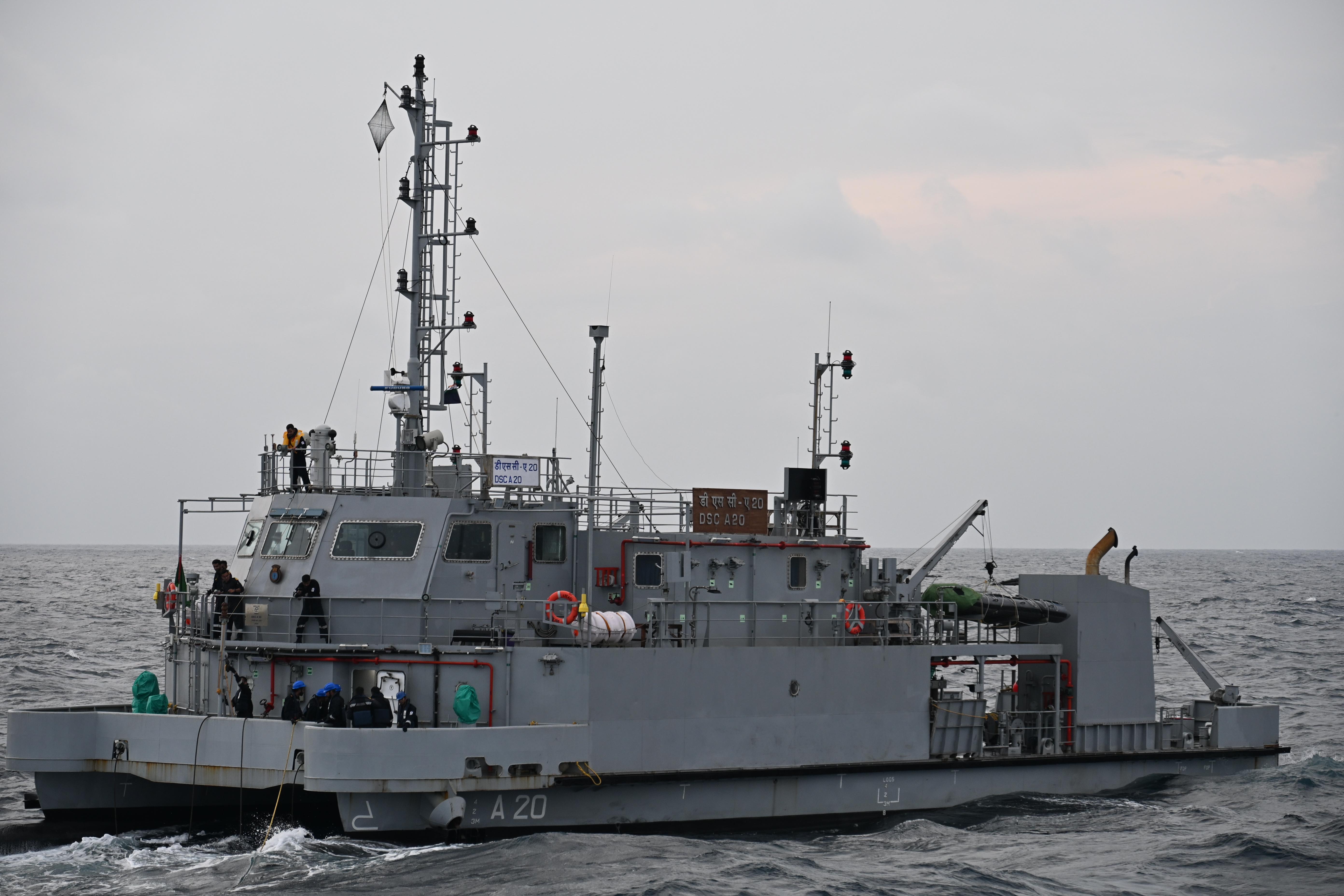
- 15 Dec 2025
In News:
The Indian Navy is set to commission Diving Support Craft (DSC) A20 at Kochi under the aegis of the Southern Naval Command. The vessel marks a significant step in enhancing India’s underwater operational preparedness and advancing indigenisation in specialised naval platforms.
About DSC A20
- DSC A20 is the first indigenously designed and constructed Diving Support Craft and serves as the lead ship in a series of five vessels being built by Titagarh Rail Systems Limited (TRSL), Kolkata.
- It is purpose-built to undertake a wide spectrum of diving and underwater missions in coastal waters, supporting naval operations that require specialised diving assistance and underwater technical intervention.
Key Features
- The vessel features a catamaran hull design, which provides superior stability, larger deck space, and improved seakeeping capabilities compared to conventional hull forms.
- It is equipped with advanced, state-of-the-art diving systems, ensuring high standards of operational efficiency and diver safety.
- DSC A20 has an approximate displacement of 390 tonnes, making it suitable for sustained coastal support roles.
- The ship has been designed and constructed in accordance with the Naval Rules and Regulations of the Indian Register of Shipping (IRS).
- Extensive hydrodynamic analysis and model testing were conducted at the Naval Science and Technological Laboratory (NSTL), Visakhapatnam, to ensure optimal performance and reliability.
Operational Role
DSC A20 is intended to support:
- Diving operations for underwater repairs and maintenance
- Underwater inspection of hulls, harbours, and maritime structures
- Salvage and recovery assistance
- Coastal operational deployment, including emergency response
Once commissioned, the vessel will be based at Kochi and operate under the Southern Naval Command, a key formation responsible for training and operational readiness in the southern maritime theatre.
Strategic and Policy Significance
The induction of DSC A20 reflects India’s progress in maritime self-reliance (Aatmanirbharta) and the success of the Make in India initiative in defence manufacturing. The project represents close collaboration between the Navy, domestic shipbuilding industry, and national research institutions.
By enhancing underwater operational capability, the vessel strengthens India’s preparedness for naval maintenance, search and rescue, disaster response, and maritime security operations in coastal regions.
Supreme Court on Narco-Analysis Tests

- 15 Dec 2025
In News:
The Supreme Court of India has reaffirmed that involuntary narco-analysis tests are unconstitutional, setting aside a decision of the Patna High Court that had permitted such a test. The ruling strengthens the protection of fundamental rights of the accused and underscores that investigative efficiency cannot override constitutional liberties.
What is a Narco Test?
Narco-analysis is an investigative technique in which a person is administered sedatives such as Sodium Pentothal (a barbiturate) to lower inhibitions. In a semi-conscious state, the subject is expected to reveal concealed or suppressed information.
It is often clubbed with other so-called scientific techniques such as:
- Polygraph (lie detector) tests
- Brain mapping / BEAP tests
Although described as “non-violent,” these methods interfere with a person’s mental processes, bodily integrity, and decisional autonomy.
Constitutional Protections Involved
- Article 20(3) - Protection Against Self-Incrimination: This Article states that no accused person can be compelled to be a witness against themselves. Forced narco-analysis extracts responses directly from the mind, amounting to compelled testimony. In Selvi v. State of Karnataka (2010), the Court held that narco, polygraph, and brain-mapping tests cannot be conducted without voluntary consent.
- Article 21 – Right to Life, Privacy, and Dignity: Forcible narco tests violate bodily integrity, mental privacy, and personal liberty. The Court linked this protection with the “Golden Triangle” doctrine flowing from Maneka Gandhi v. Union of India (1978), which requires all State procedures to be just, fair, and reasonable.
Recent Case: Supreme Court Overturns Forced Test
In Amlesh Kumar v. State of Bihar, the Patna High Court had allowed an involuntary narco test during investigation. The Supreme Court struck this down, reiterating that compulsory administration of such tests violates Articles 20(3) and 21, regardless of investigative objectives.
The judgment sends a clear message that constitutional rights cannot be diluted in the name of solving crimes.
Evidentiary Value of Narco Tests
The Court has consistently clarified that narco-analysis results:
- Do not amount to confessions
- Are not admissible as substantive evidence
- Can only provide investigative leads
- Must be corroborated by independent evidence
This position was reiterated in Manoj Kumar Saini v. State of MP and Vinobhai v. State of Kerala, where courts held that narco findings alone cannot establish guilt.
When Can Narco Tests Be Conducted?
The Supreme Court permits narco tests only under strict safeguards and voluntary consent:
- Consent must be informed, voluntary, and recorded before a Judicial Magistrate
- The accused must understand the legal and medical implications
- The test must be conducted by qualified medical professionals
- Legal counsel should be accessible
- Statements made during the test cannot be treated as confessions
Even if an accused volunteers under procedural law such as the Bharatiya Nagarik Suraksha Sanhita (BNSS), courts are not obligated to allow the test automatically.
Why This Judgment Matters
The ruling is significant because it reasserts that rule of law prevails over investigative shortcuts. It protects the dignity and mental privacy of individuals, even when they are accused of crimes. The judgment also reinforces the idea that criminal justice must be guided by due process and fairness, not coercion.
It further highlights the need for better forensic capacity, scientific investigation, and police reforms instead of reliance on ethically and legally questionable techniques.
Concerns Associated with Narco Tests
Narco-analysis raises serious concerns:
- Statements made under sedation may be unreliable, mixing fact and fantasy
- There is a high risk of coerced or influenced consent in custody
- It represents State intrusion into an individual’s thought processes
- There are medical and psychological risks involved
The Supreme Court’s ruling reinforces that constitutional morality and human dignity must guide criminal investigations. While scientific tools may assist policing, they cannot replace voluntariness, fairness, and respect for fundamental rights. The judgment strengthens India’s commitment to a justice system where liberty and due process remain non-negotiable, even in the pursuit of truth.
Champions of the Earth Award
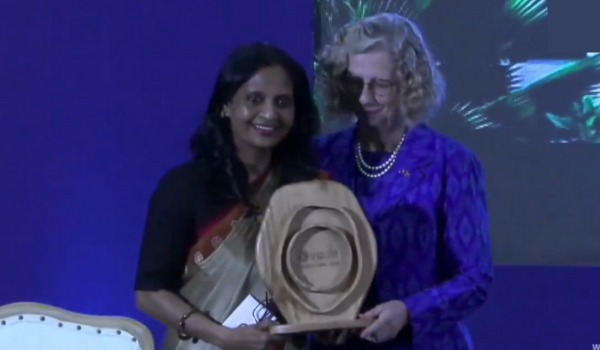
- 15 Dec 2025
In News:
Environmental governance is increasingly central to global sustainable development discourse, particularly amid the escalating triple planetary crisis- climate change, biodiversity loss, and pollution. In this context, the Champions of the Earth Award by the United Nations Environment Programme (UNEP) stands as the world’s highest environmental honour. The 2025 award to Supriya Sahu, Additional Chief Secretary of Environment, Climate Change and Forests, Tamil Nadu, highlights India’s growing role in innovative and inclusive climate action.
About the Champions of the Earth Award
Instituted in 2005 by UNEP, the award recognises individuals and organisations demonstrating transformative environmental leadership. It honours trailblazers working on sustainable solutions to address global ecological challenges.
Award Categories include:
- Policy Leadership – Government leaders shaping environmental governance
- Inspiration and Action – Individuals mobilising people and driving behavioural change (Category of Supriya Sahu)
- Entrepreneurial Vision – Innovators creating sustainable systems and technologies
- Science and Innovation – Scientific and technological pioneers
- Lifetime Achievement – Long-term contribution to environmental protection
Why Supriya Sahu Was Honoured
UNEP recognised her under “Inspiration and Action” for demonstrating how integrated governance, nature-based solutions, and low-cost climate innovations can protect vulnerable communities while reducing greenhouse gas emissions.
Her work bridges climate mitigation, adaptation, biodiversity conservation, and livelihood creation — aligning local development with global climate goals.
Key Environmental Initiatives
1. Operation Blue Mountain (2000)
- Early campaign to eliminate single-use plastics in the Nilgiris
- One of India’s pioneering local anti-plastic movements
2. Cool Roof Project
- School rooftops painted white to reflect sunlight
- Reduced indoor temperatures and improved learning conditions
- A low-cost climate adaptation model now studied globally
3. Ecosystem Restoration
- Large-scale restoration of mangroves and wetlands
- Strengthens coastal resilience against cyclones and sea-level rise
- Enhances carbon sequestration and biodiversity
4. Expansion of Forest Cover
- Creation of 65 new reserve forests
- Combines conservation with community participation
5. Green Livelihoods
- Nature-based initiatives reportedly generated ~2.5 million green jobs
- Demonstrates how climate action can drive inclusive economic growth
Global and National Context
India has previously been recognised under this award, reflecting growing global acknowledgement of its environmental leadership. Notable past recipients include:
- Madhav Gadgil (2024)
- Narendra Modi (2018)
- Cochin International Airport (2018) – For solar-powered airport model
- Afroz Shah (2016) – For beach clean-up movement
This pattern indicates India’s expanding soft power in environmental diplomacy.
World Inequality Report 2026
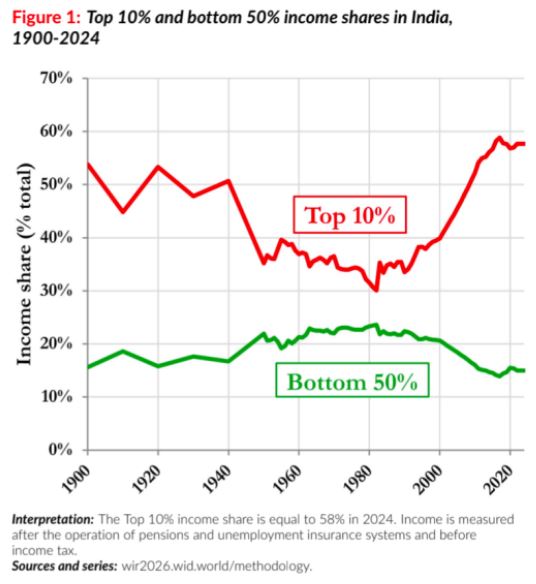
- 14 Dec 2025
In News:
The World Inequality Report 2026, released by the World Inequality Lab, highlights widening disparities in income, wealth, gender earnings, and climate responsibility. India is identified as one of the countries with high concentration of income and wealth at the top.
Global Inequality Trends
- Top 10% of the global population own 75% of total wealth
- Bottom 50% own just 2%
- Top 1% alone control 37% of global wealth, nearly 18 times more than the bottom half of humanity combined
- The ultra-rich (top 0.001%) hold more wealth than billions at the bottom
Gender Inequality
- Women earn 61% of men’s income per working hour (excluding unpaid work)
- Including unpaid care work, this falls to 32%
- Women receive only 26% of global labour income, largely unchanged since 1990
Regional Gender Gaps
- Middle East & North Africa: 16% share of labour income
- South & Southeast Asia: 20%
- Sub-Saharan Africa: 28%
- East Asia: 34%
- Europe/North America/Oceania: ~40%
Climate Inequality
Economic inequality overlaps with environmental injustice:
- Poorest 50% contribute only 3% of carbon emissions linked to private capital
- Top 10% responsible for 77%
- Top 1% alone account for 41%, nearly double the emissions of the bottom 90%
Income Inequality in India
- Top 10% earn 58% of national income
- Bottom 50% receive only 15%
- Female labour income share in India is just 18%, below global average
Wealth Inequality in India
Wealth disparity is even sharper than income inequality:
- Top 10% hold 65% of total wealth
- Top 1% control 40%
- Bottom 50% own less than 6%
Changing Global Economic Geography
1980
- Global elite concentrated in North America & Europe
- India and China largely in the bottom income groups
2025
- China’s population has moved upward into middle and upper-middle income groups
- India’s population remains heavily concentrated in the bottom half of the global distribution
Policy Failures Highlighted
- Ultra-rich often pay lower effective tax rates than middle-income groups
- Regressive tax systems weaken state capacity for:
- Education
- Healthcare
- Social protection
- Climate action
Key Recommendations of the Report
- Progressive Taxation – Higher contributions from the wealthy
- Public Investment – Universal education, healthcare, childcare, nutrition
- Redistributive Measures – Cash transfers, pensions, unemployment benefits
These policies are essential to reduce structural inequality and build inclusive growth.
Generative AI & Copyright: “One Nation, One License, One Payment”
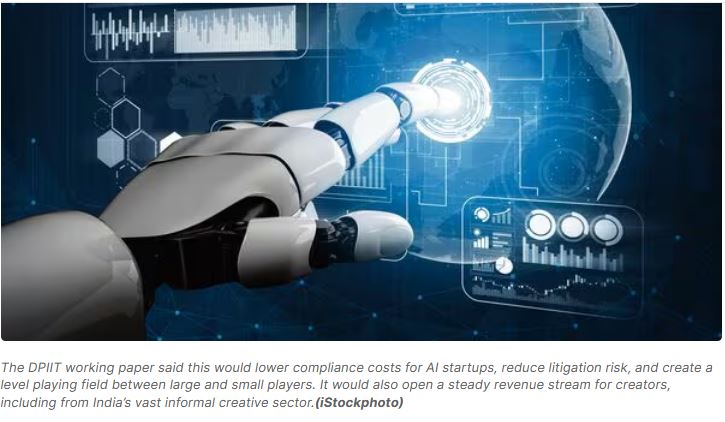
- 14 Dec 2025
In News:
The Government of India released a Working Paper on Generative AI & Copyright proposing a national framework titled “One Nation, One License, One Payment”—India’s first structured model to regulate AI training on copyrighted works while balancing creator rights and AI innovation.
Core Issue
Generative AI (GenAI) models are trained on vast datasets scraped from books, news, music, films, and art—often without permission or compensation to creators.
Legal Gap
India’s Copyright Act, 1957:
- Protects reproduction rights under Section 14
- Provides fair dealing exceptions under Section 52
- Does not explicitly recognise Text & Data Mining (TDM) for commercial AI training
This creates ambiguity on whether large-scale AI training constitutes copyright infringement.
Key Concerns Identified
1. AI Training = Reproduction?
Training requires copying and transforming works, which may amount to reproduction under Section 14.
2. Fair Dealing Limitations: Fair dealing covers private research, criticism, reporting—not commercial AI model training.
3. No Compensation Mechanism: Creators (writers, artists, musicians, journalists) currently receive no royalties despite their works improving AI outputs.
4. Cultural & Economic Risk: Unregulated AI usage may dilute Indian cultural content and reduce long-term incentives for human creativity.
5. Unequal Bargaining Power: Large global AI firms benefit from Indian datasets, while individual creators lack negotiating capacity.
Need for a Balanced Framework
- Protect India’s growing creative economy
- Ensure predictable legal access to data for AI innovation
- Support the IndiaAI Mission and domestic startups
- Maintain cultural diversity and sustainability of creative professions
- Enable fair revenue-sharing between AI firms and Indian creators
Key Proposals of the Working Paper
1. Mandatory Blanket License: AI developers can train on lawfully accessible copyrighted works without individual permissions under a single national licence.
2. Statutory Royalty Payments: Creators will receive royalties linked to AI revenues, ensuring ongoing compensation.
3. Creation of a Collective Management Body: A proposed Copyright Royalties Collective for AI Training (CRCAT) would:
- Collect licence fees
- Distribute royalties to rights holders
- Represent both members and non-members
4. Royalty Rate-Setting Committee: A government-appointed body will determine fair royalty rates with periodic review and oversight.
5. Single-Window Digital Licensing: A simplified compliance system to:
- Reduce legal burden
- Enable startups and MSMEs to innovate
- Provide nationwide validity through one licence → one payment
Why This Model is Significant
- First attempt to align copyright law with AI-era realities
- Seeks to avoid litigation-heavy, opt-out frameworks
- Balances innovation, cultural preservation, and economic justice
- Positions India as a policy pioneer in AI governance
Western Tragopan
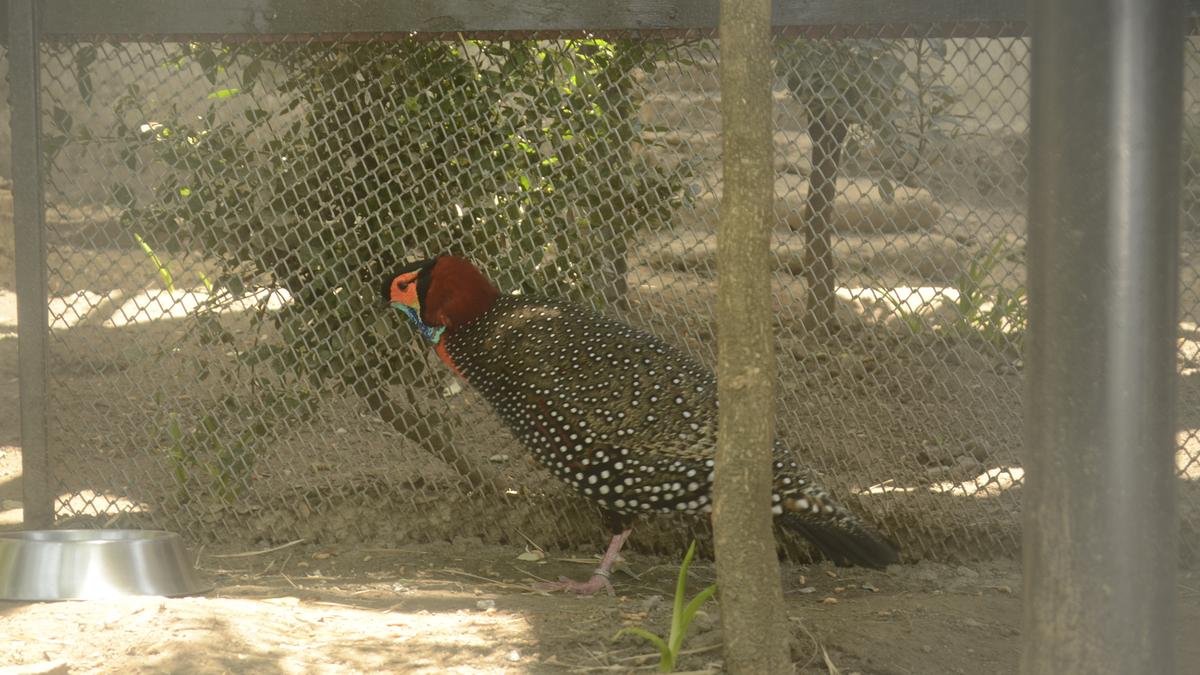
- 14 Dec 2025
In News:
Recent studies indicate that suitable habitats for the Western Tragopan exist in Jammu & Kashmir, but habitat fragmentation and human disturbance continue to threaten the species. Meanwhile, a captivebreeding programme at Sarahan Pheasantry (Himachal Pradesh) has helped stabilise its numbers.
About Western Tragopan
- Common Name: Western Tragopan
- Scientific Name:Tragopan melanocephalus
- Also known as Jujurana or “King of Birds”
- State Bird of Himachal Pradesh
- One of the world’s rarest pheasants
Habitat & Distribution
- Found in the Western Himalayas at elevations of 2,400–3,600 metres
- Prefers:
- Moist temperate forests
- Dense undergrowth
- Ringal bamboo thickets
- Rhododendron shrubs
- Conifer forests
Key Strongholds
- Great Himalayan National Park (Himachal Pradesh)
- Kazinag and Limber areas in Jammu & Kashmir
- Pockets in Uttarakhand and northern Pakistan
Populations now survive only in small, fragmented pockets.
Population Status
- IUCN estimates 3,000–9,500 mature individuals remain
- Entire global population forms a single fragile sub-population
- Around a quarter of the population occurs in the Western Himalayas and northern Pakistan
Key Characteristics
Male
- Velvet-black head
- Bright crimson breast
- White-spotted body
- Distinctive blue and orange facial wattles used in courtship displays
Female
- Smaller, brown and camouflaged
- Immature males resemble females
Behaviour
- Ground-dwelling and shy
- Most active at dawn and dusk
- Diet includes berries, seeds, buds, shoots, and insects
Breeding
- Breeding season: May–June
- Lays 3–5 eggs in well-hidden nests
Threats
- Habitat loss due to forest degradation
- Fragmentation of temperate forests
- Human disturbance (grazing, tourism, infrastructure)
- Hunting and poaching
These pressures reduce safe breeding areas and isolate populations.
Conservation Status
- Listed as Vulnerable on the International Union for Conservation of Nature (IUCN) Red List
- Recognised as a flagship and indicator species of high-altitude forest ecosystem health
Conservation Efforts
- Captive Breeding: The Sarahan Pheasantry in Himachal Pradesh has successfully bred 40+ Western Tragopans, creating an insurance population against extinction.
- Habitat Protection: Protected areas like Great Himalayan National Park and forest reserves in J&K are critical for wild populations.
However, reintroduction into natural habitats remains challenging due to ongoing habitat disturbance.
Sujalam Bharat App
- 14 Dec 2025
In News:
The Union Ministry of Jal Shakti has launched the Sujalam Bharat App, a major digital initiative under the Jal Jeevan Mission (JJM) to create a unified digital system for managing rural drinking water infrastructure across India.
What is the Sujalam Bharat App?
The Sujalam Bharat App is a real-time digital platform designed to integrate and monitor all rural drinking water schemes under Jal Jeevan Mission.
Core Objective
To assign a unique digital identity - Sujal Gaon ID- to every rural habitation and water supply scheme, enabling:
- Clear identification of the source of drinking water
- Tracking of infrastructure condition
- Monitoring of water supply reliability
- Assessment of water quality
- Recording of operation & maintenance (O&M) arrangements
Technological Backbone
The app has been developed with technical support from theBhaskaracharya National Institute for Space Applications and Geo-informatics (BISAG-N).
Key Integrations
- Linked with PM Gati Shakti National Master Plan GIS platform
- Uses geo-referencing and geospatial mapping of water supply networks
- Maintains digital records of:
- Water sources
- Asset inventory
- Scheme designs
- Supply performance
- Water quality reports
- Community feedback
Governance Transformation
The platform shifts rural water governance from fragmented records to a transparent, unified digital registry.
Key Governance Features
- Empowers Gram Panchayats and Village Water & Sanitation Committees (VWSCs)
- Promotes community ownership and accountability
- Enables citizens to access real-time data about their drinking water scheme
- Facilitates monitoring of service providers and maintenance agencies
Why Sujal Gaon ID is Important
The Sujal Gaon ID acts as a digital identity for rural water systems, similar to how Aadhaar provides identity to individuals.
It creates:
- A permanent digital profile for each habitation
- A service history for infrastructure performance
- A system for long-term planning, repair, and expansion
Support for Sustainability & Planning
The Sujalam Bharat digital registry helps maintain records of:
- Infrastructure condition over time
- Maintenance history
- Service-level performance
This ensures better asset management, improved sustainability, and more evidence-based planning for future rural water supply needs.
Deepavali inscribed on UNESCO’s Intangible Cultural Heritage List
- 14 Dec 2025
In News:
Deepavali (Diwali) has been officially inscribed on the Representative List of the Intangible Cultural Heritage of Humanity by UNESCO during the 20th Session of the Intergovernmental Committee held in New Delhi. It becomes the 16th Indian element on the list.
About Deepavali
- Also known as Diwali, meaning “row of lights”
- Celebrated on Kartik Amavasya (October–November)
- A multi-regional, multi-faith festival symbolising light over darkness, renewal, hope and harmony
- Observed across India and the global diaspora
Cultural and Mythological Significance
Deepavali is associated with multiple traditions across regions:
- Return of Lord Rama to Ayodhya after exile
- Victory of Lord Krishna over Narakasura (Naraka Chaturdashi)
- Worship of Goddess Lakshmi for prosperity
- Mahavira’s Nirvana for Jains
- Kali Puja in eastern India
- Govardhan Puja linked to Krishna traditions
- King Bali’s return celebrated in parts of western India
These diverse narratives reflect India’s cultural pluralism.
Key Features as Living Heritage
- Social practices: Lighting diyas, rangoli, rituals, gift exchange, sweets, community feasts
- Five-day celebration: Dhanteras - Naraka Chaturdashi - Lakshmi Puja - Govardhan/Bali Pratipada - Bhai Dooj
- Livelihood linkages: Potters, artisans, sweet-makers, florists, farmers, jewellers, textile workers benefit economically
- Diaspora dimension: Celebrated across Southeast Asia, Africa, Europe, Gulf countries, Caribbean
- Values embodied: Inclusivity, unity, generosity, wellbeing, moral ideal of “Tamso Ma Jyotirgamaya” (darkness to light)
Environmental & Social Dimensions
- Promotion of eco-friendly celebrations (e.g., green crackers)
- Cleaning rituals reinforce hygiene and wellbeing
- Strengthens family bonds and community cohesion
- Supports charity, food distribution, and care for vulnerable groups
About Intangible Cultural Heritage (ICH)
Definition: ICH includes living traditions, rituals, performing arts, craftsmanship, oral traditions, and knowledge systems that communities recognise as part of their cultural identity.
UNESCO Framework
- Governed by the 2003 Convention for the Safeguarding of Intangible Cultural Heritage
- Came into force in 2006
- India ratified in 2005
Five Domains of ICH
- Oral traditions & expressions
- Performing arts
- Social practices, rituals & festivals
- Knowledge concerning nature & the universe
- Traditional craftsmanship
Representative List
Highlights cultural practices that showcase humanity’s diversity and encourage dialogue.
National Mission on Edible Oils (NMEO)
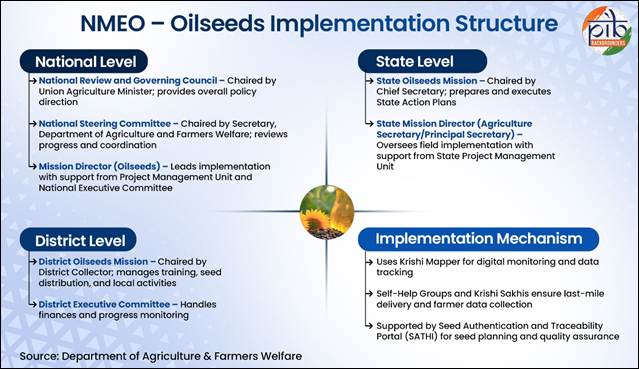
- 13 Dec 2025
In News:
The Government of India is implementing the National Mission on Edible Oils (NMEO) through two components -NMEO–Oil Palm (NMEO-OP) and NMEO–Oilseeds (NMEO-OS), to reduce India’s heavy dependence on edible oil imports. In 2023–24, imports met about 56% of domestic edible oil demand.
NMEO – Oil Palm (NMEO-OP)
- About:Launched in 2021 as a Centrally Sponsored Scheme, NMEO-OP aims to expand oil palm cultivation and increase domestic Crude Palm Oil (CPO) production.
- Financial Outlay: ?11,040 crore
- Key Features
- Viability Price (VP): Price assurance mechanism to protect farmers from fluctuations in global CPO prices
- Higher Subsidies: Assistance for planting material increased significantly (up to ?29,000/ha) along with maintenance support
- Rejuvenation Aid: ?250 per plant for replacing old palms
- Regional Focus: Special emphasis on North-East India and traditional states like Andhra Pradesh and Telangana
- Targets
- Area Expansion: 6.5 lakh hectares under oil palm by 2025–26
- Production:
- 11.2 lakh tonnes CPO by 2025–26
- 28 lakh tonnes CPO by 2029–30
- Consumption Benchmark: Maintain edible oil consumption at 19 kg/person/year till 2025–26
- Progress
- 2.5 lakh hectares added under NMEO-OP (as of Nov 2025)
- Total oil palm area reached 6.2 lakh hectares
- CPO production rose from 1.91 lakh tonnes (2014–15) to 3.8 lakh tonnes (2024–25)
NMEO – Oilseeds (NMEO-OS)
- About:Approved in 2024 for the period 2024–25 to 2030–31, NMEO-OS focuses on achieving self-sufficiency in edible oils by boosting production of major oilseed crops.
- Coverage: Targets 9 major oilseed crops including:Mustard, Groundnut, Soybean, Sunflower, Sesame, Safflower, Niger, Castor, and Linseed
- Also promotes oils from secondary sources such as cottonseed, rice bran, coconut, and tree-borne oilseeds (neem, jatropha, karanja, mahua, simarouba).
Key Objectives
- Bridge yield gaps via improved seeds and technologies
- Expand area using fallow lands and intercropping
- Strengthen seed systems and market access
- Promote value addition and higher farmer returns
Targets
- Increase oilseed area from 29 million ha (2022–23) to 33 million ha (2030–31)
- Raise oilseed production from 39 million tonnes to 69.7 million tonnes
- Add 40 lakh hectares through crop diversification and fallow land use
Combined Impact of NMEO
Together, NMEO-OP and NMEO-OS aim to produce 25.45 million tonnes of edible oil by 2030–31, meeting about 72% of India’s domestic demand.
Implementation Support
- Self-Help Groups and Krishi Sakhis act as Community Agriculture Service Providers (CASPs)
- Use of Krishi Mapper digital platform for real-time monitoring
Oilseeds in India — Key Facts
- Oilseeds are India’s second most important crop group after food grains
- Cover 14.3% of gross cropped area
- Provide 12–13% of dietary energy
- Major producing states: Rajasthan (mustard), Madhya Pradesh (soybean), Gujarat, Maharashtra
- Oil palm concentrated in Andhra Pradesh & Telangana, expanding in North-East states
Economic Importance
- Key source of dietary fats and vitamins (A, D, E, K)
- Important cash crops for farmer income
- Contribute ~8% of agricultural exports
- Domestic edible oil production: 12.18 million tonnes (2023–24) vs high demand
Reasons for Import Dependence
- Decline in self-sufficiency after import duty reductions post-WTO reforms
- 76% oilseed area is rainfed, making production climate-vulnerable
- Rising consumption: Rural intake up 83.68%, urban up 48.74% (2004–05 to 2022–23)
Export Promotion Mission
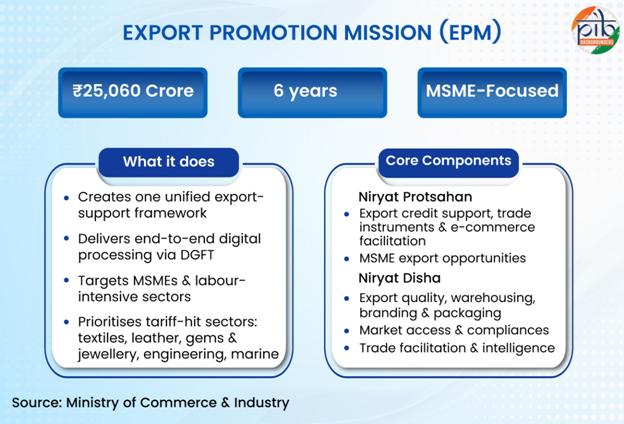
- 13 Dec 2025
In News:
The Government of India has approved the Export Promotion Mission (EPM) to strengthen India’s export ecosystem, with special emphasis on MSMEs, labour-intensive sectors, and low-export-intensity regions.
What is the Export Promotion Mission (EPM)?
The Export Promotion Mission is a unified, digitally driven framework announced in Union Budget 2025–26. It consolidates multiple export-support schemes into one coordinated system to improve efficiency and outcomes.
- Total Outlay: ?25,060 crore
- Duration: FY 2025–26 to FY 2030–31
- Implementing Agency:Directorate General of Foreign Trade (DGFT)
- Anchored through coordination among the Department of Commerce, MSME Ministry, Finance Ministry, Export Promotion Councils, Commodity Boards, financial institutions, industry bodies, and State governments
Two Integrated Sub-Schemes
1. NiryatProtsahan (Financial Support)
Focuses on improving access to affordable trade finance:
- Interest subvention on export credit
- Export factoring and deep-tier financing
- Exporter credit cards for e-commerce
- Collateral support and credit enhancement for MSMEs
2. Niryat Disha (Non-Financial Support)
Enhances export readiness and competitiveness:
- Quality testing, certification, compliance assistance
- Branding, packaging, trade fairs, buyer–seller meets
- Warehousing and logistics support
- Inland transport reimbursement for exporters from remote districts
- District-level export capacity building
Digital Governance
- DGFT operates a paperless digital platform for application, approval, and fund disbursal
- Linked with customs and trade systems for faster processing
- Outcome-based monitoring ensures adaptability to global trade shifts
Sectoral & Regional Focus
EPM prioritizes sectors facing global tariff pressures:
- Textiles
- Leather
- Gems &Jewellery
- Engineering goods
- Marine products
It also targets:
- MSMEs and first-time exporters
- Labour-intensive value chains
- Interior and low-export districts to widen India’s export base
Complementary Financial Support
Credit Guarantee Scheme for Exporters (CGSE)
- Provides 100% government-backed credit guarantee
- Enables additional working capital for exporters, especially MSMEs
- Implemented via National Credit Guarantee Trustee Company
RBI Trade Relief Measures (2025)
The Reserve Bank of India (RBI) introduced steps to ease liquidity stress:
- Moratorium on certain loan repayments
- Extension of export credit tenure up to 450 days
- Relaxation in working-capital norms
- Regulatory forbearance in asset classification
- FEMA relaxation extending export realisation period to 15 months
Expected Outcomes
- Improved access to affordable export finance
- Better quality compliance and global certification
- Stronger international branding of Indian goods
- Growth in exports from non-traditional districts
- Employment generation in manufacturing and logistics
These outcomes support export-led growth, align with Atmanirbhar Bharat, and contribute to the Viksit Bharat @ 2047 vision.
Status of India’s Exports
- Total exports reached USD 778.21 billion in 2023–24
- Growth of 67% since 2013–14
- Services exports contribute ~44% of total exports
- Major markets include: USA, UAE, Netherlands, China, Singapore, UK, Saudi Arabia, Bangladesh, Germany, Italy
- Export basket shifting from low-value goods to electronics, engineering goods, and advanced manufacturing
Other Major Export Promotion Initiatives
India has also launched multiple initiatives to improve export competitiveness:
- PM Gati Shakti for integrated logistics planning
- National Logistics Policy to reduce logistics cost
- RoDTEP&RoSCTL for tax and duty remission
- PLI Schemes to scale up manufacturing
- TIES Scheme for export infrastructure
- Free Trade Agreements for market access
- Districts as Export Hubs (DEH) initiative
- MSME Lean & ZED schemes for quality improvement
Global Environment Outlook–7 (GEO-7), 2025

- 13 Dec 2025
In News:
The 7th edition of the Global Environment Outlook (GEO-7) was released by the United Nations Environment Programme (UNEP) during its session in Nairobi, warning that the world is far off track in meeting climate and environmental goals.
About Global Environment Outlook (GEO)
- The Global Environment Outlook is UNEP’s flagship assessment of the state of the global environment, future risks, and policy solutions. It provides scientific evidence for international environmental decision-making.
Key Findings of GEO-7
Rising Greenhouse Gas Emissions
- Global GHG emissions have grown ~1.5% annually since 1990
- 2024 recorded temperatures around 1.55°C above pre-industrial levels
- Intensifying heatwaves, floods, droughts, and extreme events
Biodiversity Loss
- 1 million species (out of ~8 million) face extinction
- 20–40% of global land is degraded
- Over 3 billion people are affected by land degradation
Economic Costs of Environmental Damage
- Climate-related disasters cost ~USD 143 billion annually
- Air pollution caused USD 8.1 trillion in health damages in 2019 (≈6% of global GDP)
- 9 million deaths per year linked to pollution
Plastic Pollution Crisis
- About 8 billion tonnes of plastic waste pollute ecosystems
- Toxic chemical exposure leads to ~USD 1.5 trillion annual health losses
Projected Impacts if Current Trends Continue
- Temperature thresholds: Likely to exceed 1.5°C in early 2030s and 2°C by 2040s
- Economic decline: Global GDP may fall 4% by 2050 and 20% by 2100
- Loss of fertile land: Equivalent to losing a country-sized fertile area annually
- Food insecurity: Per capita food availability may drop 3.4% by 2050
- Rising hunger, poverty, displacement, and conflict risks
GEO-7 Recommended Transformative Actions
Economy & Finance
- Move beyond GDP to wealth-based indicators
- Price environmental externalities
- Invest in decarbonization, ecosystem restoration, sustainable agriculture
- USD 8 trillion/year investment needed till 2050
- Could generate USD 20 trillion annual benefits by 2070
Materials & Waste
- Promote circular economy models
- Transparent product design and recycling chains
- Shift from linear consumption to regenerative systems
Energy Transition
- Rapid decarbonization of energy
- Improve energy efficiency
- Secure sustainable critical mineral supply chains
- Reduce air pollution → 9 million premature deaths avoidable by 2050
Food Systems
- Promote sustainable diets
- Reduce food loss and waste
- Improve agricultural efficiency
- Could reduce undernourishment by ~200 million people
Ecosystem Protection
- Scale up ecosystem restoration
- Use Nature-based Solutions (NbS) for adaptation
- Stronger mitigation and biodiversity conservation policies
Collaborative & Integrated Governance
- Solutions must involve governments, private sector, civil society, academia, Indigenous communities
- Policies across sectors must be implemented together, not in isolation
About UNEP
- Established in 1972 after the Stockholm Conference
- Headquarters: Nairobi, Kenya
- Leading global authority on environmental issues
- Major reports include:
- Emissions Gap Report
- Adaptation Gap Report
- Global Environment Outlook
- Frontiers Report
African Penguin
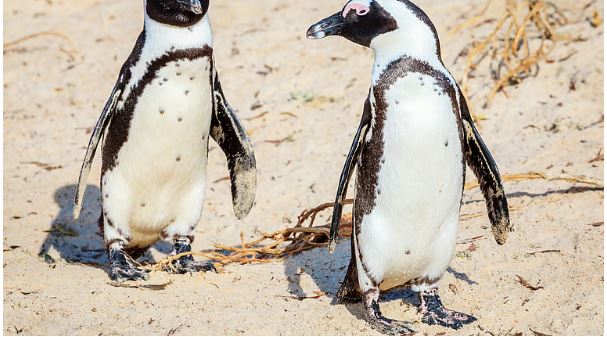
- 13 Dec 2025
In News:
A recent scientific study reported that over 60,000 African penguins died of starvation between 2004 and 2011 after a sharp collapse in sardine stocks off southern Africa. The die-off was particularly severe around Dassen Island and Robben Island.
About the African Penguin
- Common Name: African Penguin
- Scientific Name:Spheniscus demersus
- One of the 18 penguin species globally
- Among the smallest penguins and strong swimmers
- Flightless, adapted to marine life
Distinctive Features
- Black facial mask and unique black chest-spot patterns (like fingerprints)
- Pink glands above the eyes help regulate body temperature (become pinker when hot)
Habitat & Distribution
- Found along the coasts of Namibia and South Africa
- Lives on sandy beaches and rocky shores, unlike Antarctic penguins
- Usually forages within 40 km of the shore
- Comes ashore for breeding, moulting, and resting
Breeding & Life Cycle
- Traditionally breeds in burrows dug into guano, which protect from heat
- Average lifespan: ~20 years in the wild
Annual Moult (Critical Survival Phase)
- Occurs once a year and lasts about 21 days
- Penguins remain on land and cannot enter the sea to feed
- They must build fat reserves before moulting
- During moult, they can lose nearly 50% of body mass
- After moulting, they need reliable food supply to regain strength
What Caused the Mass Starvation?
The study linked penguin deaths to collapse of sardine populations, their primary prey.
Key Findings
- Nearly 62,000 penguins died between 2004–2011
- Sardine stocks fell to ~25% below peak abundance
- Fishing pressure was extremely high, especially west of Cape Agulhas
- Exploitation rates peaked at 80% in 2006
- Large sardine catches occurred close to penguin colonies, reducing food access
Impact on Penguins
- Birds failed to build fat reserves before moult
- Post-moult weakened condition reduced their ability to catch prey
- Increased mortality due to starvation
Role of Climate Change
- Climate change is altering ocean temperatures and currents
- This affects distribution and availability of sardines
- Combined effect of overfishing + climate change intensifies food scarcity
Conservation Status
- Listed as Critically Endangered by the International Union for Conservation of Nature (IUCN)
- Reclassified from Endangered to Critically Endangered in 2024
Conservation Concerns & Measures Needed
- Need for better fisheries management near penguin foraging areas
- Protection of key feeding grounds
- Long-term recovery of sardine biomass
- International conservation efforts under agreements like the African-Eurasian Migratory Waterbirds Agreement
Blue Corner Notice
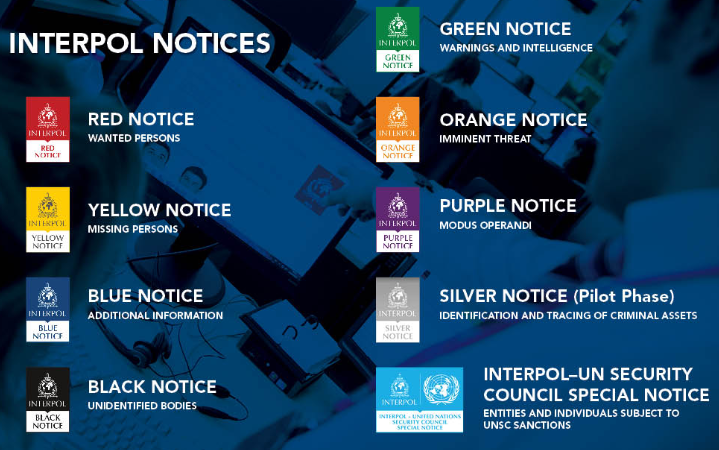
- 13 Dec 2025
In News:
Recently, INTERPOL issued a Blue Corner Notice to trace the missing owners of a Goa nightclub after a major fire incident. The request from India was processed through the Central Bureau of Investigation (CBI), which is India’s nodal agency for INTERPOL coordination.
What is a Blue Corner Notice?
A Blue Corner Notice (also called an Enquiry Notice) is issued to:
- Collect additional information about a person’s identity
- Establish a person’s location
- Gather details about a person’s activities related to an ongoing criminal investigation
It is generally issued before formal criminal charges are filed.
It enables police forces in different countries to share investigative information.
It is not an arrest warrant
It does not automatically require detention
About INTERPOL
INTERPOL stands for the International Criminal Police Organization. It facilitates cooperation among police forces across countries to tackle transnational crimes such as terrorism, trafficking, cybercrime, financial crimes, and organized crime.
- It has 196 member countries
- India became a member in 1949
- Headquarters is located in Lyon, France
- It is not a United Nations agency, but it has had Permanent Observer status at the UN since 1996
- INTERPOL does not have its own police force; it functions as a coordination and information-sharing platform
Different Types of INTERPOL Notices
- Red Notice – Issued to locate and provisionally arrest a person wanted for prosecution or to serve a sentence.
- Blue Notice – Issued to collect additional information about a person’s identity, location, or activities in relation to a criminal investigation.
- Yellow Notice – Used to help locate missing persons, often minors, or to identify persons unable to identify themselves.
- Black Notice – Issued to seek information about unidentified bodies.
- Green Notice – Warns member countries about individuals with a history of criminal behaviour who may pose a future threat.
- Orange Notice – Warns about an event, person, object, or process posing a serious and imminent threat to public safety.
- Purple Notice – Used to share information on criminal methods, devices, concealment techniques, or modus operandi.
- Silver Notice (Pilot Phase) – Helps identify and trace assets linked to criminal activities.
- INTERPOL–UN Special Notice – Issued for individuals and entities subject to UN Security Council sanctions.
India’s UPI: Global Leader in Real-Time Digital Payments
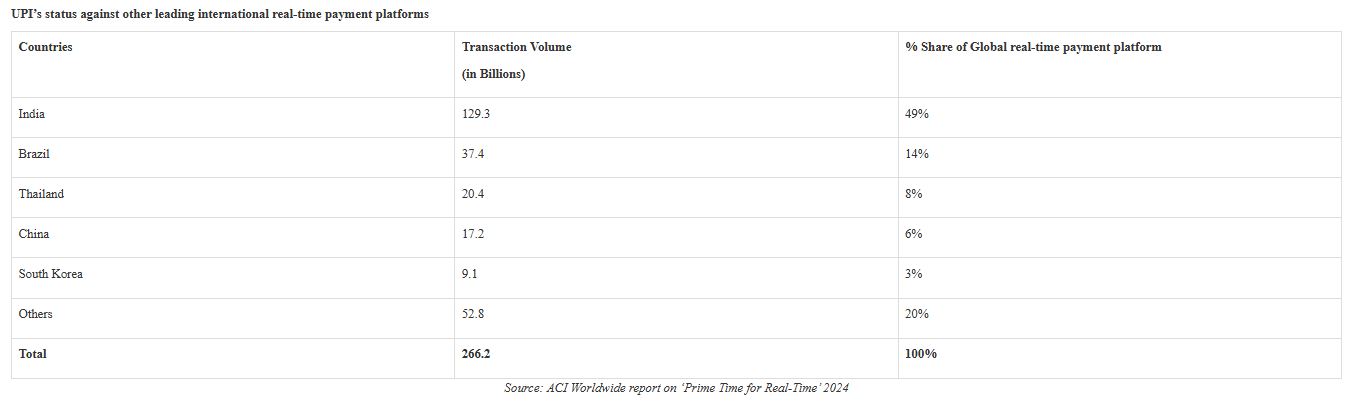
- 12 Dec 2025
In News:
The International Monetary Fund (IMF) in its June 2025 report “Growing Retail Digital Payments – The Value of Interoperability”recognisedIndia’s UPI as the world’s largest retail fast payment system (FPS) by transaction volume.
What is UPI?
Unified Payments Interface (UPI) is an instant, real-time, interoperable payment system enabling bank-to-bank transfers via mobile.
- Developed and operated by National Payments Corporation of India (NPCI)
- Regulated by the Reserve Bank of India (RBI)
- Pilot launched on 11 April 2016 by then RBI Governor Raghuram Rajan
Core Features of UPI
|
Feature |
Description |
|
Real-time |
Transfers in seconds, available 24×7 |
|
Interoperable |
Works across banks, apps, QR codes & merchants |
|
Low/Zero MDR |
Boosts adoption among small merchants |
|
Scalable |
Handles billions of transactions monthly |
|
Versatile |
Supports P2P, P2M, Autopay, credit lines, RuPay linkage |
IMF & Global Recognition
According to IMF and ACI Worldwide (2024):
- UPI share of global real-time payments: 49%
- Annual transaction volume: 129.3 billion
- India is the undisputed global leader in fast digital payments
Comparison with Other Major Systems
|
Country |
Platform |
Volume (Bn) |
Global Share |
|
India |
UPI |
129.3 |
49% |
|
Brazil |
Pix |
37.4 |
14% |
|
Thailand |
PromptPay |
20.4 |
8% |
|
China |
UnionPay / WeChat Pay / Alipay |
17.2 |
6% |
|
South Korea |
— |
9.1 |
3% |
|
Others |
— |
52.8 |
20% |
Total global real-time transactions:266.2 billion
Government & RBI Measures to Boost Adoption
- Incentives for Small Transactions: Promotion of low-value transactions via BHIM–UPI incentive schemes
- Payments Infrastructure Development Fund (PIDF)
- RBI fund to expand digital payment infrastructure in Tier-3 to Tier-6 centres
- Supports deployment of:
- POS terminals
- QR codes
- As of Oct 31, 2025:5.45 crore digital touchpoints deployed
- Merchant QR Expansion
- 56.86 crore QR codes deployed
- Covers ~6.5 crore merchants (FY 2024-25)
RuPay& Sectoral Expansion
- Deepening digital payments via RuPay–UPI integration
- Expansion across:
- Public services
- Transportation
- E-commerce
Internationalisation of UPI
India is enabling cross-border interoperability with several countries:
|
Country |
Local System Linked with UPI |
|
Singapore |
PayNow |
|
UAE |
Merchant QR acceptance |
|
France |
Tourist payments |
|
Nepal |
Cross-border linkage |
|
Bhutan |
UPI acceptance |
|
Mauritius |
QR interoperability |
|
Sri Lanka |
Planned linkage |
|
Indonesia |
Ongoing discussions |
Sudden Stratospheric Warming (SSW)
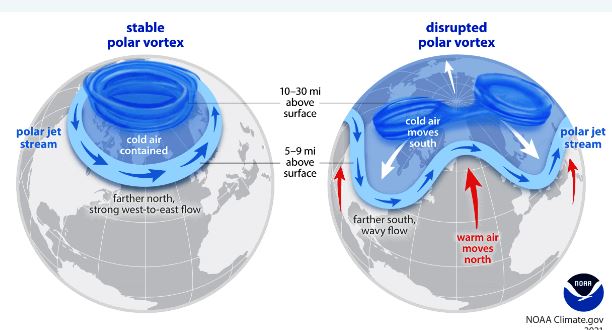
- 12 Dec 2025
In News:
Meteorologists have recently warned of a potential Sudden Stratospheric Warming (SSW) event, which may cause below-average temperatures across parts of the United States and other mid-latitude regions later this month.
What is Sudden Stratospheric Warming?
- Sudden Stratospheric Warming (SSW) is a phenomenon marked by a rapid increase in stratospheric temperatures, sometimes by 30–50°C within a few days.
- It results in the weakening, displacement, or splitting of the polar vortex, a cold air system usually confined to the polar regions.
Mechanism of SSW
- SSW events are triggered by large-scale atmospheric (Rossby) waves generated in the troposphere.
- These waves propagate upward into the stratosphere and break over the polar vortex, similar to ocean waves.
- If sufficiently strong:
- The westerly winds of the polar vortex weaken or reverse to easterlies
- The vortex loses its circular symmetry
- This causes descending air to warm adiabatically, leading to sudden temperature rise in the stratosphere.
Impact of SSW
- The weakened or split polar vortex allows cold Arctic air to spill southward into the mid-latitudes.
- This can result in:
- Cold waves
- Severe winter weather
- Below-normal temperatures over regions such as:
- North America
- Europe
- Asia
Polar Vortex: Key Features
- A large, persistent low-pressure system containing cold air around both poles.
- Extends from:
- Tropopause
- Through the stratosphere
- Up to the mesosphere (above ~50 km)
- Seasonal behavior:
- Stronger in winter
- Weaker in summer
- During winter, it can expand and interact with the jet stream, pushing cold air southward.
Role of Jet Streams
- Jet streams are narrow bands of strong winds located in the upper troposphere (~9–12 km altitude).
- They act as a conduit for polar air outbreaks during polar vortex disturbances.
- Such interactions are common during Northern Hemisphere winters.
India International Science Festival (IISF), 2025
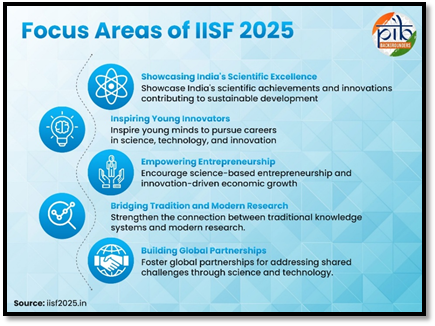
- 12 Dec 2025
In News:
The 11th edition of the India International Science Festival (IISF) 2025 commenced in Panchkula, Haryana, reaffirming India’s commitment to science-led national development and public engagement with science.
About IISF
- Launched: 2015
- Vision: Conceived under the guidance of the Hon’ble Prime Minister of India to promote scientific temper, innovation, and public participation in science
- Nature: India’s flagship annual science outreach and collaboration platform
- Aim:
- Strengthen India’s science culture
- Highlight India’s position as a global S&T leader
- Support national goals in research, innovation, and talent development
- Bridge traditional knowledge systems with modern science
IISF 2025: Key Details
- Edition: 11th
- Venue: Panchkula, Haryana
- Dates: 6–9 December 2025
- Theme:“Vigyan Se Samruddhi: for Aatmanirbhar Bharat”
- Organised by: Ministry of Earth Sciences (MoES)
- Coordinating Institution: Indian Institute of Tropical Meteorology (IITM), Pune
Theme Significance
- Emphasisesscience-led prosperity and self-reliance (Aatmanirbharta)
- Aligns science and technology with:
- Economic growth
- Indigenous innovation
- National and global development goals
- Reflects the broader vision: “Innovation. Aatmanirbharta. India for Global Good”
Scale and Participation
- Expected Participants: Over 40,000 from India and abroad
- Sessions: More than 150 technical and thematic sessions
- Stakeholders Involved:
- Scientists and researchers
- Students and educators
- Startups, industry leaders and investors
- Policy-makers (Union & State Governments)
- Science communicators and media professionals
- Women scientists and early-career researchers
Major Thematic Focus Areas (2025)
- Science, Technology & Ecology of North-West India and Himalayan Region
- Science for Society and Education
- Aatmanirbhar Bharat through Science & Technology
- Biotechnology and Bio-Economy
- Integration of Traditional Knowledge with Modern Science
Priority domains include:
- Artificial Intelligence (AI) and Artificial General Intelligence (AGI)
- Quantum technologies
- Gene editing
- Bio-manufacturing and genomics
- Space science (satellites, launch systems, applications)
- Climate and Himalayan science
Key Components of IISF 2025
- Large-scale science and technology exhibitions
- Business-to-business (B2B) meetings
- Competitions, cultural programmes and outreach activities
- Special sessions for:
- Women in science
- School students
- Young entrepreneurs
- Early-career researchers
Partner Ministries and Institutions
- Department of Science and Technology (DST): Quantum tech, AI, advanced materials
- Department of Biotechnology (DBT): Genomics, health tech, bio-economy
- Council of Scientific & Industrial Research (CSIR): Clean energy, materials, aerospace, sensors
- Department of Space: Satellites, launch vehicles, space applications
- Department of Atomic Energy: Nuclear science, radiation tech, medical isotopes
- Vijnana Bharati (VIBHA): Public outreach and student engagement
Evolution and Significance of IISF (2015–2025)
- Hosted across major Indian cities including Delhi, Kolkata, Lucknow, Chennai, Goa, Bhopal, Faridabad, Assam
- Conducted in virtual and hybrid modes during COVID-19
- Known for:
- Guinness World Records
- Massive public footfall (up to 10 lakh+ visitors in earlier editions)
- Introduction of science villages, innovation expos, and science communication platforms
- Continual emphasis on Swadeshi science, indigenous innovation, and societal relevance
Shyok Tunnel
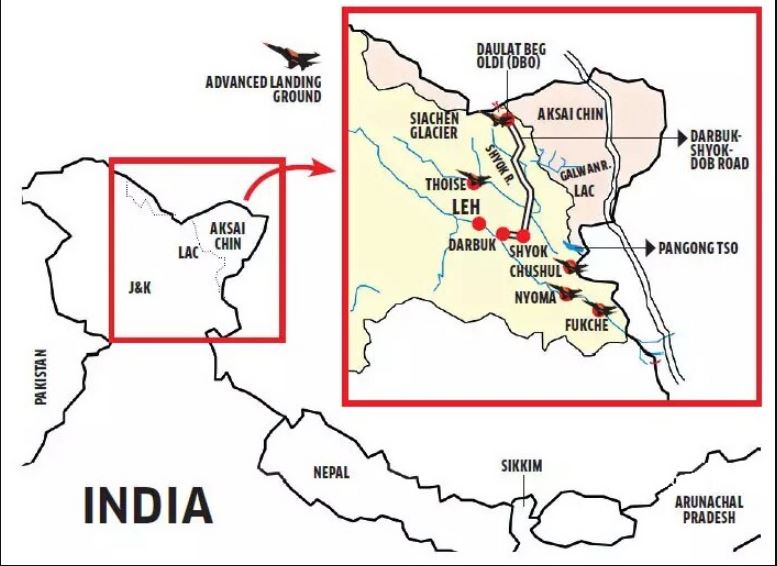
- 12 Dec 2025
In News:
The Defence Minister inaugurated 125 infrastructure projects built by the Border Roads Organisation (BRO), including the strategically significant Shyok Tunnel in eastern Ladakh. The projects, worth about ?5,000 crore, mark the largest single-day inauguration in BRO’s history.
Shyok Tunnel
Location & Type
- Situated on the Darbuk–Shyok–Daulat Beg Oldie (DS-DBO) Road in eastern Ladakh
- Close to the Line of Actual Control (LAC) with China
- Length: 920 metres
- Type: Cut-and-cover tunnel
- Altitude: Over 12,000 feet
Purpose
- Ensures all-weather connectivity by bypassing avalanche- and landslide-prone stretches
- Reduces dependence on air supply for forward posts
Strategic Importance
- Provides reliable surface access to Daulat Beg Oldie (DBO), India’s northernmost military outpost
- Critical for logistics and surveillance near the Siachen region
- Gains added importance after the 2020 Galwan Valley clashes
Karnataka Hate Speech and Hate Crimes (Prevention) Bill, 2025

- 12 Dec 2025
In News:
Karnataka has introduced the first state-level legislation in India specifically aimed at tackling hate speech and hate crimes. The move highlights a long-standing legal gap although the term “hate speech” is widely used, Indian criminal law does not formally define it.
What is Hate Speech?
According to the 267th Report of the Law Commission (2017), hate speech includes words, signs, or visible representations intended to incite hatred, discrimination, or violence against individuals or groups based on identity markers such as religion, caste, race, gender, or sexual orientation.
Constitutional Context
- Article 19(1)(a) guarantees freedom of speech and expression.
- Article 19(2) allows reasonable restrictions in the interests of public order, morality, sovereignty, defamation, and incitement to offences.
Thus, hate speech regulation must balance free expression and social harmony.
Existing Legal Framework in India
India currently regulates hate speech through scattered provisions, mainly focused on public order:
Under the Bharatiya Nyaya Sanhita (BNS), 2023
- Section 196 (earlier IPC 153A): Promoting enmity between groups and acts prejudicial to harmony.
- Section 299 (earlier IPC 295A): Deliberate acts intended to outrage religious feelings.
- Section 353: Statements or misinformation inciting offences or disturbing public order.
These offences are cognisable, allowing arrest without warrant, and usually carry punishment up to three years.
Other Relevant Laws
- Representation of the People Act, 1951 – Disqualification for certain hate-related offences.
- SC/ST (Prevention of Atrocities) Act, 1989 – Penalises caste-based insults and humiliation.
- Protection of Civil Rights Act, 1955 – Addresses promotion of untouchability.
Digital Dimension
Section 66A of the IT Act, 2000 was widely used for online speech but was struck down in Shreya Singhal v. Union of India for being vague and unconstitutional.
Supreme Court’s Approach
The Supreme Court of India has increasingly intervened:
- Shaheen Abdulla v. Union of India – Directed police to take suo motu action on hate speech.
- Tehseen S. Poonawalla v. Union of India – Mandated nodal officers to prevent mob violence.
- Later observations stressed that implementation failures, not legal vacuum alone, are the key challenge.
Karnataka Hate Speech and Hate Crimes (Prevention) Bill, 2025
Key Features
- Clear Definition of Hate Speech: Expression causing injury or disharmony against a person or group based on:Religion, Race, Caste, Gender, Sexual orientation, Place of birth and Disability
- Inclusion of gender and sexual orientation expands protection beyond current BNS scope.
- Collective Liability: If hate speech is committed through an organisation, office bearers or responsible persons can also be held liable.
- Online Regulation: State government empowered to block or remove hateful online content, addressing digital propagation.
- Stringent Punishment
- First offence: 1–7 years imprisonment + ?50,000 fine
- Repeat offence: 2–10 years imprisonment + ?1 lakh fine
- Offences are cognisable and non-bailable
- Victim Compensation: Mandates adequate compensation for victims.
- Public Good Exception: Books, art, research, or material published in good faith for public interest may be exempt.
Past Attempts to Define Hate Speech
- Law Commission 267th Report (2017) – Proposed IPC Sections 153C & 505A.
- Private Member’s Bill (2022) in Rajya Sabha sought a comprehensive definition but was not enacted.
- Committees like Viswanathan (2015) and Bezbaruah (2014) also suggested legal reforms.
Significance of the Karnataka Bill
- First dedicated state law on hate speech
- Attempts to shift focus from public order to dignity and equality
- Recognisesdigital hate propagation
- Expands protection to LGBTQ+ communities and persons with disabilities
NITI Aayog–IBM Quantum Roadmap
- 11 Dec 2025
In News:
The NITI Aayog Frontier Tech Hub, in partnership with IBM, has released a national roadmap titled “Transforming India into a Leading Quantum-Powered Economy.” The roadmap outlines steps to position India among the world’s top three quantum economies by 2047.
What is Quantum Technology?
Quantum technology uses principles of quantum mechanicssuch as superposition and entanglementto develop capabilities beyond classical systems.
Global Potential: By 2035, quantum technologies could generate USD 1–2 trillion in global economic value across sectors.
Four Key Pillars of Quantum Technologies
- Quantum Computing: Uses qubits instead of classical bits, enabling exponential speed-ups for complex problems like optimisation, cryptography, and drug discovery.
- Quantum Communication: Employs Quantum Key Distribution (QKD) and entanglement for ultra-secure communication where eavesdropping can be detected.
- Quantum Sensing & Metrology: Uses quantum effects for extremely precise measurements (atomic clocks, magnetometers, navigation systems).
- Quantum Materials: Development of advanced materials using quantum properties such as superconductivity and topological states.
India’s Quantum Policy Framework
- India entered the global quantum race with the launch of the National Quantum Mission (NQM) in 2023 (2023–24 to 2030–31).
- Objective:To seed, nurture and scale scientific and industrial R&D and build a vibrant quantum innovation ecosystem.
India’s Current Strengths
- Talent Base: India ranks 2nd globally in quantum-relevant graduates (~91,000 annually)
- Strong IT & software ecosystem suitable for quantum software and services
- Growing state-level initiatives, such as:
- Quantum Research Park (Karnataka)
- Amaravati Quantum Valley (Andhra Pradesh)
Vision for 2035
The roadmap outlines measurable goals:
- Incubate at least 10 globally competitive quantum startups, each crossing USD 100 million revenue
- Capture over 50% of global quantum software and services market value
- Achieve scaled deployment of quantum tech in strategic sectors
- Secure key positions in the global quantum supply chain
- Become a source of foundational research and intellectual property
Priority Application Areas
- Secure communications and cybersecurity
- Healthcare and pharmaceuticals (drug discovery, molecular simulation)
- Financial services (risk modelling, portfolio optimisation)
- Logistics and supply chain optimisation
- Climate modelling and advanced materials
Key Recommendations of the Roadmap
- Expand Quantum Workforce: Rapidly scale scientists, engineers, and industry-ready professionals within 2–3 years.
- Accelerate Lab-to-Market Transition: Simplify research, testing, and commercialization pathways to shorten innovation cycles.
- Retain Deep-Tech Startups in India: Make India attractive for quantum startups so most remain domestically registered.
- Lead Global Standards: Actively participate in international quantum standards bodies to ensure Indian technologies gain global acceptance.
- Strengthen Trade Ecosystem: Facilitate easier import/export of quantum components and technologies.
Role of NITI Frontier Tech Hub
- The Frontier Tech Hub of NITI Aayog functions as an “action tank” supporting India’s long-term technology leadership.
- It collaborates with experts across government, academia, and industry to design 10-year roadmaps across 20+ frontier technology sectors.
Significance for India
- Economic Growth: Entry into a high-value, future-defining technology sector
- Strategic Security: Quantum communication and computing have major defence and cybersecurity implications
- Technological Sovereignty: Reduces dependency on foreign critical technologies
- Innovation Leadership: Opportunity to lead rather than follow in a next-generation tech revolution
UNESCO Intergovernmental Committee for the Safeguarding of Intangible Cultural Heritage
- 11 Dec 2025
In News:
- India is hosting the 20th session of the UNESCO Intergovernmental Committee for the Safeguarding of the Intangible Cultural Heritage (ICH) in New Delhi. This is the first time India is hosting a session of this Committee.
- The session is being held at the Red Fort complex, symbolically bringing together India’s tangible and intangible heritage. The Ministry of Culture and Sangeet Natak Akademi are the nodal agencies organising the event.
What is Intangible Cultural Heritage (ICH)?
As defined by UNESCO, Intangible Cultural Heritage includes:Practices, knowledge, skills, expressions, objects, and cultural spaces that communities recognise as part of their cultural identity.
These traditions are:
- Transmitted across generations
- Continuously recreated
- Closely linked to identity, diversity, and creativity
Examples include oral traditions, performing arts, rituals, festivals, traditional craftsmanship, and indigenous knowledge systems.
UNESCO 2003 Convention on ICH
The Convention for the Safeguarding of the Intangible Cultural Heritage was adopted by UNESCO in 2003 at its General Conference in Paris.
Objectives of the Convention:
- Safeguard intangible cultural heritage
- Ensure respect for communities and practitioners
- Raise awareness at local, national, and global levels
- Promote international cooperation and assistance
India ratified the Convention in 2005, marking its formal commitment to protecting living traditions.
Intergovernmental Committee for Safeguarding of ICH
The Intergovernmental Committee is the key body that implements the 2003 Convention.
Composition:
- 24 Member States
- Elected for 4-year terms by the General Assembly of States Parties
India is currently a member of the Committee (2022–2026).
Key Functions:
- Monitor implementation of the Convention
- Recommend safeguarding measures and best practices
- Prepare plans for using the Intangible Cultural Heritage Fund
- Examine periodic reports from States Parties
- Decide on:
- Inscription of elements on UNESCO’s ICH Lists
- Granting international assistance
Significance of Intangible Cultural Heritage
- Cultural Identity & Continuity:ICH strengthens community identity and connects generations.
- Social Cohesion:Shared traditions promote harmony and mutual respect in diverse societies.
- Livelihoods & Economy:Crafts, performing arts, and festivals support artisans, rural economies, and cultural tourism.
- Traditional Knowledge Systems:Indigenous ecological knowledge, healing practices, and agricultural traditions offer sustainable solutions relevant to climate change and biodiversity.
- Education & Intergenerational Learning:ICH carries local histories, values, and skills that enrich learning and cultural literacy.
- Cultural Diplomacy & Soft Power:Elements such as yoga, classical arts, festivals, and crafts enhance India’s global cultural presence.
India’s Role and Contributions
India has played an active role in global ICH safeguarding:
- Served on the Intergovernmental Committee for multiple terms
- Developed national-level documentation, inventories, and safeguarding programmes
- Supports practitioners through schemes under the Ministry of Culture and initiatives of the Sangeet Natak Akademi
India has 15 elements inscribed on UNESCO’s Representative List of the Intangible Cultural Heritage of Humanity, covering performing arts, rituals, craftsmanship, and knowledge traditions.
Importance of Hosting the 20th Session
Hosting the session allows India to:
- Showcase its community-based safeguarding model
- Promote international cooperation and joint nominations
- Increase global visibility of lesser-known traditions
- Strengthen cultural diplomacy and soft power
- Link heritage with sustainable development, livelihoods, and tourism
National Intelligence Grid (NATGRID)
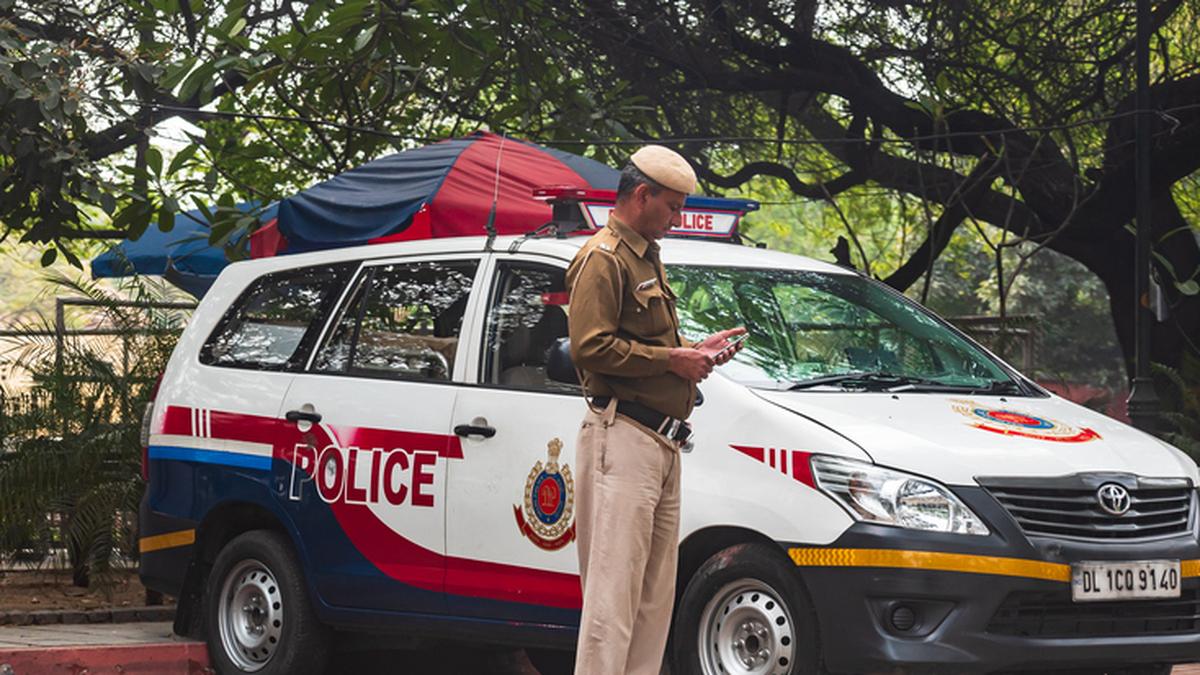
- 11 Dec 2025
In News:
The National Intelligence Grid (NATGRID) is witnessing increased operational use, handling around 45,000 data requests per month as Central agencies and State police forces increasingly rely on it for real-time intelligence access.
What is NATGRID?
NATGRID is a real-time, integrated intelligence platform under the Ministry of Home Affairs (MHA) that enables authorised security and law-enforcement agencies to securely access multiple government and private databases. It was conceived to improve counter-terrorism and organised crime investigations by eliminating delays in inter-agency data sharing.
- Conceptualised: 2009, after the 26/11 Mumbai terror attacks
- Operational rollout: Phased activation in the early 2020s, with wider agency access subsequently enabled
- Nature: Intelligence-support platform (not a surveillance agency itself)
Objectives
- Provide seamless, real-time access to relevant datasets for investigations
- Enable agencies to “connect the dots” across travel, finance, telecom, and identity data
- Reduce bureaucratic delays arising from separate data requests to multiple departments
Key Functions
1. Data Integration: NATGRID links diverse databases such as:
- Banking and financial transaction records
- Telecom subscriber data
- Immigration and visa logs
- Airline Passenger Name Records (PNRs)
- Tax and identity-related databases
- Police records (via integration with digital crime databases)
2. Secure Access for Agencies: Authorised officers now including Superintendent of Police (SP)-rank officials can query the system. All access is logged, encrypted, and monitored to ensure accountability.
3. Intelligence & Investigative Support: NATGRID helps agencies analyse suspicious patterns, track financial trails, map travel histories, and identify links between individuals and networksoften without waiting for lengthy inter-departmental clearances.
4. Inter-Agency Coordination: It serves as a unified platform for agencies such as:
- Intelligence Bureau (IB)
- Research and Analysis Wing (R&AW)
- National Investigation Agency (NIA)
- Enforcement Directorate (ED)
- Financial Intelligence Unit (FIU)
- Narcotics Control Bureau (NCB)
- Directorate of Revenue Intelligence (DRI)
- State police forces
5. Technology Backbone: The platform uses Big Data analytics and secure network architecture to process vast datasets and generate actionable intelligence while maintaining strict cyber safeguards.
Significance
- Counter-terrorism Backbone: Created post-26/11 to prevent intelligence silos and ensure faster threat detection
- Faster Investigations: Reduces time in probes related to terrorism, narcotics, financial fraud, human trafficking, cybercrime, and organised smuggling
- Strengthens Federal Policing: Extends intelligence access beyond central agencies to state-level officers
- Institutional Accountability: Every query is digitally logged, enabling internal audits and oversight
Border Roads Organisation (BRO)

- 11 Dec 2025
In News:
The Defence Minister recently dedicated 125 infrastructure projects worth about ?5,000 crore built by the Border Roads Organisation (BRO). This marks the largest single-day inauguration of projects in BRO’s history. The projects include roads, bridges, tunnels, and other strategic works in border areas such as Ladakh, Jammu & Kashmir, and other frontier states.
What is BRO?
BRO is India’s premier road construction force responsible for developing and maintaining strategic infrastructure in border areas and also in certain friendly foreign countries.
- Established: 7 May 1960
- Administrative Control: Ministry of Defence (fully under MoD since 2015)
- Parent Body: Border Roads Development Board (BRDB)
- Headquarters: New Delhi
- Motto:Shramena Sarvam Sadhyam (Everything is achievable through hard work)
Organisational Setup
The organisation is headed by the Director General Border Roads (DGBR), an officer of Lieutenant General rank.
Its workforce includes:
- Personnel from the General Reserve Engineer Force (GREF)
- Officers and troops from the Indian Army Corps of Engineers on deputation
- Over 2 lakh local workers, providing employment in remote and border regions
Key Roles of BRO
Peace-Time Role
BRO constructs and maintains:
- Strategic border roads
- Bridges, tunnels, airfields, and other infrastructure
It plays a major role in socio-economic development by improving connectivity in remote and backward regions.
War-Time Role
During hostilities, BRO:
- Maintains and repairs roads used for troop movement
- Clears snow, landslides, and avalanches to keep supply lines open
- Supports operational requirements of the armed forces, including forward airfields
International Projects
BRO undertakes infrastructure projects in friendly countries such as:Afghanistan, Bhutan, Myanmar, Tajikistan, and Sri Lanka — strengthening India’s regional connectivity and diplomatic outreach.
Engineering Specialisation
BRO is known for working in extreme terrains, including:
- High-altitude Himalayan regions
- Snow-bound and glaciated zones
- Deserts and marshlands
- Seismically active areas
It uses advanced and indigenous technologies such as Class-70 modular bridges, capable of carrying heavy military equipment.
Strategic Importance
BRO is crucial for national security, as border roads enable rapid troop mobilisation along sensitive frontiers, particularly with China and Pakistan.
It also promotes:
- Economic development and tourism in border regions
- Better access to remote villages
- Disaster response during floods, earthquakes, and landslides
Hindu Rate of Growth

- 11 Dec 2025
In News:
Prime Minister Narendra Modi recently, denounced attempts to link India's past economic slowdown with the Hindu faith, calling the “Hindu rate of growth” label a deliberate distortion.
What is meant by “Hindu Rate of Growth”?
- The phrase refers to India’s persistently low real GDP growth of about 3–4% per year from the 1950s to late 1970s, before growth accelerated in the 1980s and later reforms. It described long-run macroeconomic performance, not any religion-based economic model.
- Coined by: Economist Raj Krishna (Delhi School of Economics) in the late 1970s (often dated to 1978). He used it as a polemical device to highlight how India’s growth appeared stuck at a low, stable trend.
Key Characteristics of the Period
- Low & Persistent Growth: GDP hovered near 3.5–4%, while population growth ~2% kept per-capita income growth modest.
- Stability Across Shocks: Growth changed little despite wars, droughts, political shifts—suggesting a structural equilibrium.
- Licence–Permit–Quota Raj: Extensive industrial licensing, high tariffs, import substitution, and a dominant public sector curbed competition and productivity.
- State-Led Mixed Economy: Planning, public control of core sectors, and tight trade/FDI policies limited private dynamism.
- East Asia Contrast: Economies like South Korea and Taiwan grew 7–10%, underscoring India’s relative underperformance.
Was it “Cultural”?
Later scholarship clarified that “Hindu” was not a technical or religious category. It reflected Krishna’s rhetorical framing about the embeddedness of low growth across decades, not a claim about faith-based behavior. Contemporary debates have criticized the label as misleading or colonial in tone.
Growth Before and After
- Colonial Benchmark: Estimates place late colonial GDP growth near ~1%; early post-Independence growth rose to ~4% in the 1950s–early 1960s, indicating capacity building in heavy industry, power, transport, and basic chemicals.
- 1980s Acceleration (Pre-1991): Evidence shows growth rose to ~5.6–5.8% in the 1980s, before the 1991 liberalisation.
- Attributed to within-system reforms: selective de-licensing, technology imports, export incentives, and fiscal/credit easing.
- Scholars like Baldev Raj Nayar, Arvind Virmani, and Arvind Panagariya highlight the 1980s as a turning point.
- Post-1991: Broad liberalisation deepened competition, trade openness, and private investment, sustaining higher trend growth.
Policy Drivers of the Low-Growth Phase
- Import Substitution Industrialisation (ISI): Protected domestic industry but reduced export competitiveness.
- High Effective Protection & Quotas: Limited scale and innovation.
- Financial Repression: Directed credit and administered interest rates distorted capital allocation.
- Public Sector Dominance: Efficiency varied; crowding-out and soft budget constraints emerged.
What the Term Does Not Mean
- Not a religious doctrine or a formal macroeconomic theory.
- Not uniform stagnation: agriculture, services, and specific industries saw episodic gains; human capital and infrastructure bases expanded.
Horn-Eyed Ghost Crab
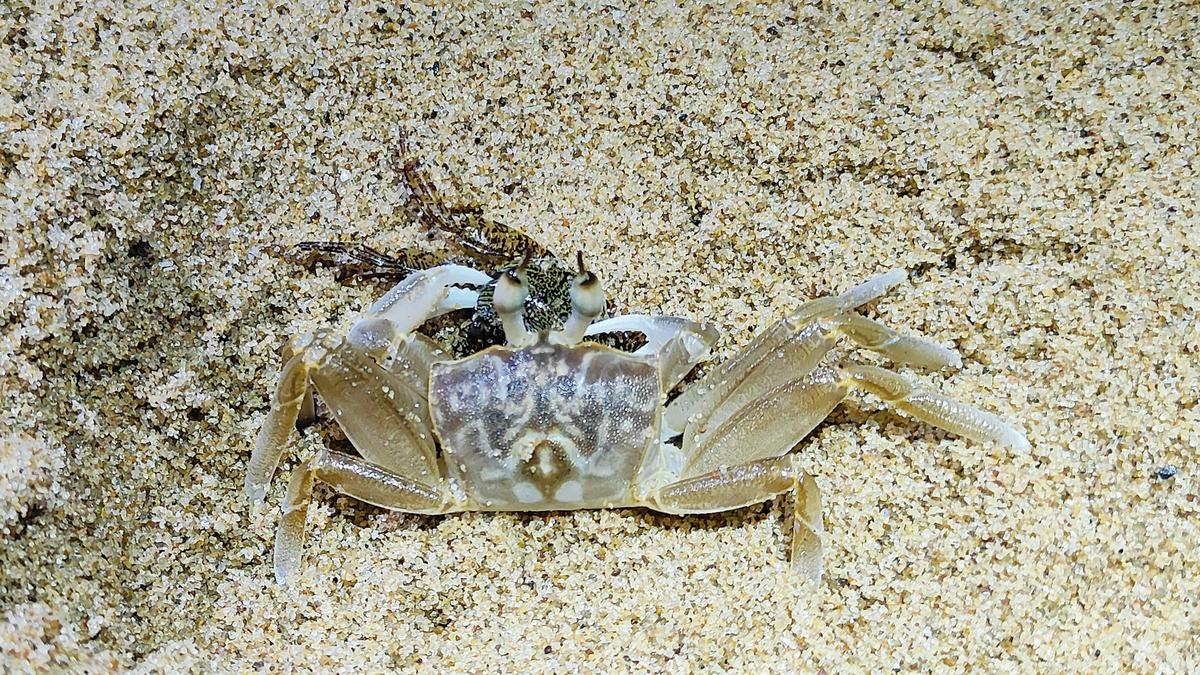
- 10 Dec 2025
In News:
Researchers recently documented unusual predatory behaviour of a horn-eyed ghost crab at Rushikonda Beach, Visakhapatnam, drawing attention to the ecological role of ghost crabs in coastal ecosystems.
Taxonomy
- Belongs to the genus Ocypode
- Commonly known as ghost crabs due to their pale colour and rapid, almost “vanishing” movements on beaches
Habitat
- Found primarily in sandy intertidal zones
- Builds deep burrows above the high-tide line on beaches
- Most active during dawn, dusk, and night, avoiding daytime heat
Distribution
- Occurs widely across the Indo-Pacific region
- Range extends from the east coast of Africa to the Philippines, and from Japan to the Great Barrier Reef
- Absent in the Red Sea
- Six species of ghost crabs have been recorded along the Indian coastline
Physical and Behavioural Features
- Pale, sand-coloured body helps in camouflage against predators
- Possesses long legs adapted for fast sideways running
- The term “horn-eyed” refers to eye stalks that may appear elongated or horn-like
- Known for agile hunting and burrow-dwelling behaviour
Feeding Habits
Although traditionally considered scavengers, recent observations show active predation.
Diet includes:
- Clams
- Snails
- Marine worms
- Isopods
- Shrimps
- Insects
- Other crabs, including small hermit crabs
This highlights their role not just as scavengers but also as important predators in beach ecosystems.
Ecological Role
Horn-eyed ghost crabs are considered:
- Keystone species in sandy shore ecosystems
- Bio-indicators of coastal health
Why important?
- Their burrowing activity aerates sand and influences sediment structure
- Their feeding controls populations of smaller invertebrates
- Healthy ghost crab populations generally indicate less-disturbed beaches
Threats
Ghost crabs are sensitive to environmental disturbances. Major threats include:
- Coastal pollution
- Beach tourism and human trampling
- Changes in sediment patterns due to erosion or construction
- Rising sea temperatures
- Altered tidal cycles due to climate change
Such pressures may force them to shift habitats in search of food and suitable burrowing sites.
Shani Shingnapur Temple
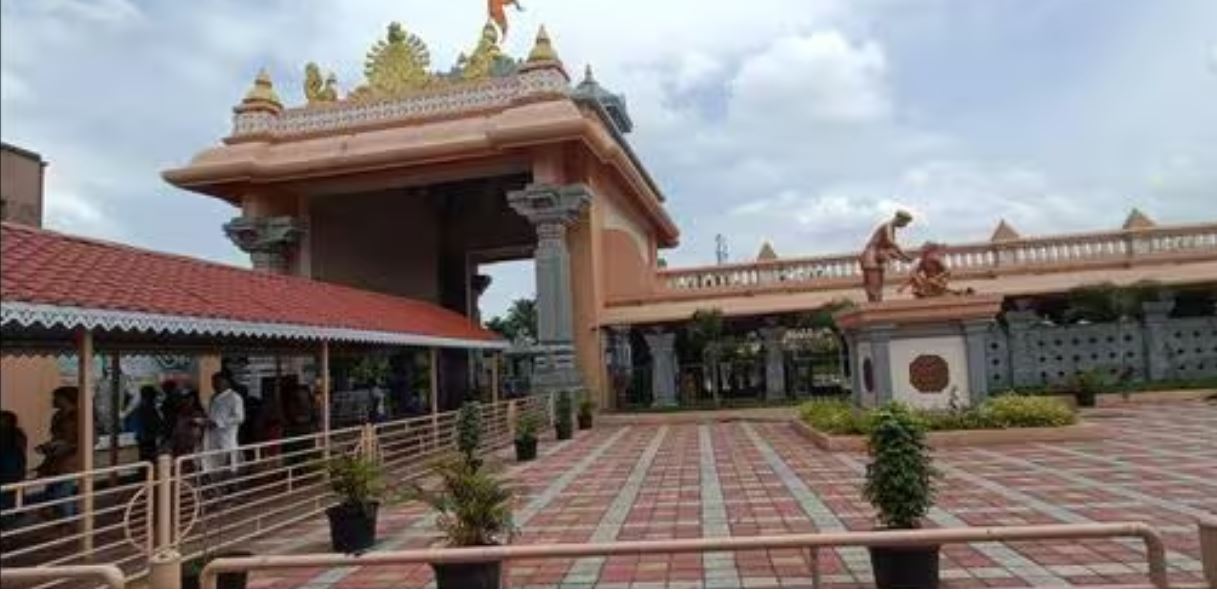
- 10 Dec 2025
In News:
Two employees of the Shani Shingnapur Temple Trust were recently arrested for allegedly diverting funds by manipulating online applications used for booking pooja services, bringing the temple into the news.
Location
- Situated in Shingnapur village, Ahilyanagar (formerly Ahmednagar) district, Maharashtra
- The village itself is culturally famous for its doorless houses
Deity and Religious Significance
- Dedicated to Lord Shanidev (Shani), the Hindu deity associated with the planet Saturn
- The idol is a five-and-a-half-foot-high black stone slab
- Believed to be Swayambhu (self-manifested), not sculpted by humans
- Devotees worship Shani for relief from malefic planetary effects and life hardships
Unique Traditions of Shingnapur Village
- The village is widely known for houses without doors or locks
- The belief is that Lord Shani protects the village, and theft does not occur due to divine fear
- This tradition has made Shingnapur a symbol of faith-based social trust
Temple Architecture and Features
The Shani Shingnapur Temple is architecturally distinct:
- The idol is placed in the open, under the sky
- There is no enclosed sanctum (garbhagriha) with roof or walls over the main deity
- Devotees traditionally offer mustard oil to Lord Shani, poured over the idol from a suspended copper vessel
Other features within the temple complex include:
- A Trishul (trident) near the idol
- A Nandi statue located to the south of the idol
- Small images of Lord Shiva and Hanuman in front of the Shani idol
- A later-built east-facing multi-deity temple situated west of the Shani stone
- A samadhi (tomb) of Saint Udasi Baba
- A temple dedicated to Lord Dattatreya
Cultural and Pilgrimage Importance
- One of the most important Shani temples in India
- Attracts thousands of devotees, especially on Shani Amavasya and Saturdays
- Reflects a blend of folk belief, astrology, and devotional Hindu practices
Significance
- Represents a unique open-sky form of deity worship
- Illustrates strong links between faith and social customs (doorless homes tradition)
- An important religious and cultural landmark in Maharashtra
Dolomedes indicus

- 10 Dec 2025
In News:
Researchers have discovered a new spider species, Dolomedes indicus, in the evergreen rainforests of the Western Ghats, specifically in Wayanad district, Kerala.
What is Dolomedes indicus?
- Dolomedes indicus is a newly identified species of spider belonging to the genus Dolomedes, commonly known as raft spiders or fishing spiders.
- This discovery marks the first recorded member of the Dolomedes genus in India.
Genus Dolomedes (Raft/Fishing Spiders)
- Members of this genus are known for their semi-aquatic lifestyle.
- Unlike web-building spiders, they are active hunters.
- They are typically found near freshwater streams, ponds, and wetlands.
Habitat
- Found in evergreen forest streams of the Western Ghats, a global biodiversity hotspot.
- Prefers cool, clean, shaded freshwater habitats under dense forest canopies.
- Its presence indicates pristine stream ecosystems with minimal disturbance.
Behaviour and Hunting Strategy
Dolomedes indicus is a semi-aquatic predator that:
- Uses surface tension of water to stand and move on water surfaces
- Detects vibrations caused by insects or small aquatic animals struggling in water
- Swiftly lunges across the water to capture prey
- Is capable of swimming and diving to escape predators or catch prey
This makes it ecologically different from typical web-dependent house spiders.
Physical Characteristics
- Males: Identified by a distinctive snow-white marking extending from the face to the middle of the back
- Females: Larger in size and greenish-brown, helping them camouflage against mossy rocks and streamside vegetation
Sexual dimorphism (difference in appearance between males and females) is clearly visible.
Ecological Importance
- Being highly sensitive to environmental changes, Dolomedes indicus may serve as an indicator species
- Its survival depends on:
- Clean freshwater
- Stable forest canopy cover
- Undisturbed stream ecosystems
Thus, its presence can help scientists monitor freshwater ecosystem health and assess the impact of habitat degradation.
Significance of Discovery
- Highlights the rich but understudied biodiversity of the Western Ghats
- Expands the known geographical range of the Dolomedes genus
- Emphasizes the importance of conserving freshwater habitats within forest ecosystems
Infrastructure Investment Trust (InvIT)
- 10 Dec 2025
In News:
The National Highways Authority of India (NHAI) has received SEBI’s in-principle approval to register “Raajmarg Infra Investment Trust (RIIT)” as an Infrastructure Investment Trust (InvIT). This is a step toward expanding public participation in highway infrastructure financing and asset monetisation.
What is an InvIT?
An Infrastructure Investment Trust (InvIT) is a collective investment vehicle, similar in structure to a mutual fund, that allows investors to invest in income-generating infrastructure assets.
- It is set up as a trust and registered with SEBI under the SEBI (Infrastructure Investment Trusts) Regulations, 2014.
- InvITs pool money from retail and institutional investors to invest in infrastructure projects such as highways, power transmission lines, pipelines, and telecom towers.
- Investors receive units of the trust, representing a share in the underlying assets and their cash flows.
Objective of InvITs
InvITs aim to:
- Provide retail investors access to infrastructure investment opportunities that were earlier limited to large institutions
- Enable long-term financing for infrastructure
- Help infrastructure developers monetise operational assets and recycle capital into new projects
Structure of an InvIT
An InvIT typically involves four key entities:
- Sponsor(s)
- Usually infrastructure developers or financial institutions
- Transfer infrastructure assets to the InvIT
- Hold a minimum required stake in the trust
- Trustee
- Registered with SEBI
- Ensures the InvIT operates in the interest of unit holders
- Investment Manager: Responsible for managing the InvIT’s assets and making investment decisions
- Project Manager: Handles the operation and maintenance of the underlying infrastructure assets
How InvITs Work
- Sponsors transfer revenue-generating infrastructure assets to the InvIT
- The InvIT raises funds by issuing units to investors
- Income generated from tolls, tariffs, or user charges is distributed to investors, typically as regular cash flows
- InvITs are designed for stable, long-term returns rather than rapid capital appreciation
Regulatory Framework
- Governed by SEBI (Infrastructure Investment Trusts) Regulations, 2014
- SEBI prescribes norms for:
- Asset composition
- Minimum public holding
- Disclosure and reporting standards
- Distribution of cash flows to investors
- Ensures transparency, investor protection, and standardised governance
NHAI and Raajmarg Infra Investment Trust (RIIT)
- RIIT is NHAI’s proposed Public InvIT for monetising national highway assets
- It aims to unlock value from operational highway projects and provide a long-term investment instrument mainly for domestic and retail investors
- As part of the process for final registration, RIIT must meet regulatory conditions such as:
- Appointment of directors
- Submission of financial statements
- Compliance with SEBI norms within a specified timeframe
NHAI has also set up Raajmarg Infra Investment Managers Pvt. Ltd. (RIIMPL) as the Investment Manager, with participation from major banks and financial institutions.
InvITs in India’s Infrastructure Financing
NHAI has already raised significant funds through:
- -Operate-Transfer (TOT) model – Monetising completed highway stretches
- Private InvITs – Attracting domestic and global investors
Public InvITs like RIIT represent the next step, allowing wider public participation in infrastructure financing.
Significance of InvITs
- Mobiliselong-term capital for infrastructure
- Reduce pressure on government budgets and bank lending
- Improve asset recycling by freeing up developer capital
- Offer investors an avenue for steady income from infrastructure assets
AstroSat
- 10 Dec 2025
In News:
The Indian Institute of Astrophysics (IIA) recently marked 10 years of successful operations of the UltraViolet Imaging Telescope (UVIT) aboard AstroSat, highlighting India’s achievements in space-based ultraviolet astronomy.
About AstroSat
AstroSat is India’s first dedicated astronomy satellite, designed to study celestial objects across multiple wavelengths simultaneously. It enables coordinated observations in ultraviolet (UV), optical, and X-ray bands, making it comparable to international space observatories.
- Launched: 28 September 2015 by ISRO
- Type: Multi-wavelength space observatory
- Orbit Control: Managed by the Mission Operations Complex (MOX) at ISRO’s ISTRAC, Bengaluru
- Significance: Allows simultaneous study of high-energy cosmic processes with a single platform
Scientific Payloads on AstroSat
AstroSat carries five instruments, each designed to observe different energy bands:
- UltraViolet Imaging Telescope (UVIT) – Observes in near-UV, far-UV, and visible wavelengths
- Large Area X-ray Proportional Counter (LAXPC) – Studies high-energy X-ray sources
- Cadmium–Zinc–Telluride Imager (CZTI) – Detects hard X-rays and gamma-ray bursts
- Soft X-ray Telescope (SXT) – Observes low-energy X-rays
- Scanning Sky Monitor (SSM) – Monitors variable X-ray sources across the sky
Together, these cover an energy range of roughly 0.3 keV to 100 keV, along with ultraviolet and limited optical bands.
UltraViolet Imaging Telescope (UVIT)
UVIT is one of the mission’s flagship instruments and was designed and developed by the Indian Institute of Astrophysics (IIA).
- Comprises two telescopes:
- One for near-UV and visible
- One for far-UV
- UV observations must be done from space because Earth’s atmosphere absorbs ultraviolet radiation
- Provides high spatial resolution (≈1.5 arcseconds) with a relatively wide field of view
Over a decade of operation, UVIT has:
- Observed over 1,400 celestial targets
- Contributed to hundreds of scientific research papers and multiple PhD theses
- Provided key insights into stars, star clusters, galaxies, and energetic cosmic phenomena
UVIT data products are made available through ISRO’s PRADAN data archive for the global scientific community.
Scientific Objectives of AstroSat
AstroSat was designed to address major questions in high-energy and stellar astrophysics:
- Study high-energy processes in systems containing neutron stars and black holes
- Estimate magnetic fields of neutron stars
- Investigate star formation regions
- Observe X-ray binaries and transient X-ray sources
- Conduct deep-field surveys in the ultraviolet
- Examine active galactic nuclei (AGN) and distant galaxies
Major Scientific Contributions
Observations from UVIT and other payloads have enabled studies such as:
- Identification of hot companion stars in binary systems
- Study of blue straggler stars in clusters
- Mapping extended UV disks in dwarf galaxies
- Observations of novae in the Andromeda galaxy
- Detection of UV emission from distant galaxies
- Understanding links between UV and X-ray activity in active galaxies
Institutional Collaboration
AstroSat was developed through a national collaboration, involving:
- ISRO centres
- Indian Institute of Astrophysics (IIA)
- IUCAA (Pune)
- TIFR (Mumbai)
- International support including the Canadian Space Agency
Future Outlook
Experience gained from UVIT is feeding into plans for INSIST (Indian Spectroscopic and Imaging Space Telescope), a proposed next-generation space observatory to expand India’s capabilities in ultraviolet and optical astronomy.
Afar Region
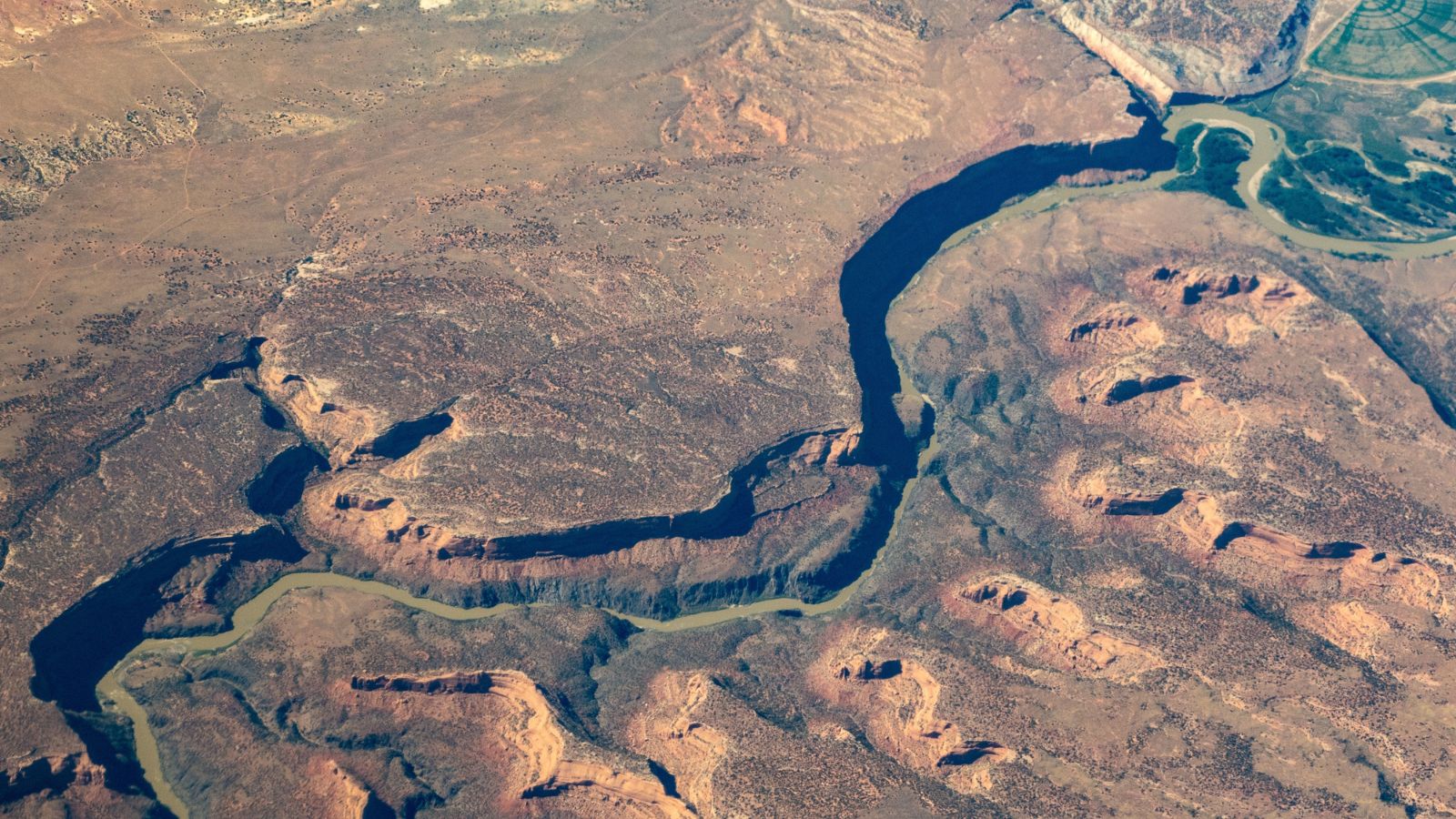
- 09 Dec 2025
In News:
Scientists studying tectonic activity in Africa suggest that the Afar region of northeastern Ethiopia may eventually evolve into a new ocean basin as the African continent slowly splits apart. This geological transformation is expected to unfold over 5–10 million years.
Location and Physical Features
The Afar region lies in northeastern Ethiopia, near where the Red Sea meets the Gulf of Aden. It includes the Afar (Danakil) Depression, one of the hottest and lowest places on Earth.
Key physical features include:
- Desert scrubland and saline lakes
- Chains of active volcanoes
- Deep rift valleys and crustal fissures
- The Awash River Valley in the southern part of the region
The landscape reflects intense tectonic forces shaping the Earth’s crust.
Tectonic Significance
The Afar region is globally important because it lies at a triple junction where three tectonic rift systems meet:
- Red Sea Rift
- Gulf of Aden Rift
- East African Rift (Main Ethiopian Rift)
This triple junction marks a point where the African Plate is gradually pulling apart, and Arabia has already separated from Africa in the past through seafloor spreading.
Continental Break-up in Progress
The East African Rift system stretches nearly 6,000 km (around 4,000 miles) from the Middle East down to Mozambique. In the Afar region, the crust is:
- Thinning
- Stretching
- Fracturing
This process is similar to the early stages of ocean formation seen in the Red Sea. Over millions of years, the rift may widen enough for seawater to flood in, creating a new ocean basin and splitting eastern Africa from the rest of the continent.
Scientists compare this process to a “zipper opening” from northeast to south.
Geological Evidence
Researchers have used magnetic data collected during airborne surveys in the late 1960s, recently reanalysed using modern techniques. These magnetic signatures in the crust record past reversals of Earth’s magnetic field, acting like geological barcodes.
The data confirm:
- Seafloor spreading between Africa and Arabia millions of years ago
- Ongoing crustal stretching in Afar
- A gradual transition from continental crust to oceanic crust
Current estimates suggest the rift is widening at a rate of 5–16 millimetres per year in some sections.
Scientific Importance
The Afar region offers a rare opportunity to observe continental break-up in real time, a process that usually takes place deep under oceans and is difficult to study directly.
It helps scientists understand:
- Formation of new oceans
- Evolution of tectonic plates
- Relationship between volcanism, earthquakes, and rifting
Anthropological Significance
Apart from geology, Afar is also famous for early human evolution discoveries. The fossil “Lucy” (Australopithecus afarensis) was discovered here in 1974, making the region crucial for paleoanthropology.
Open Market Operations (OMO)
- 09 Dec 2025
In News:
In its December 2025 policy review, the Reserve Bank of India (RBI) announced a large-scale Open Market Operation (OMO) purchase of government securities worth ?1 trillion, along with a three-year dollar–rupee buy/sell swap of USD 5 billion, to inject durable liquidity into the financial system. These steps were intended to stabilize markets, strengthen monetary transmission, and support overall financial stability amid pressures on the Indian rupee.
What are Open Market Operations (OMOs)?
Open Market Operations (OMOs) are a key monetary policy instrument used by a central bank to regulate liquidity and influence interest rates by buying and selling government securities in the open market.
- OMO Purchase: When the RBI buys government securities, it injects money into the banking system. This increases liquidity, lowers interest rates, and encourages lending and investment.
- OMO Sale: When the RBI sells government securities, banks pay money to the RBI, which reduces liquidity and tends to push interest rates upwards.
OMOs help the central bank achieve its monetary policy objectives, including inflation control, growth support, and exchange rate stability.
Objectives of OMOs
1. Control Inflation: By selling securities, the RBI can reduce the money supply in the economy, leading to higher interest rates that help dampen excess demand and contain inflationary pressures.
2. Boost Economic Growth: During economic slowdowns or liquidity shortages, OMO purchases inject funds into the banking system. This reduces borrowing costs, encourages credit flow, and supports economic activity.
3. Manage Exchange Rate Pressures: OMOs can influence the exchange rate of the Indian rupee by affecting domestic liquidity conditions. For example, when the rupee weakens sharply (such as crossing key levels against the US dollar), injecting liquidity through OMO purchases can help ease pressure on money markets and improve rupee liquidity.
Why RBI used OMO in December 2025
The announcement came amid sharp depreciation of the Indian rupee, which had crossed the ?90 per US dollar mark. Exchange rate stress often leads to foreign investor outflows, which drain liquidity from the banking system. Reduced liquidity can push up short-term interest rates and weaken monetary policy transmission.
By purchasing government securities under OMOs, the RBI aimed to inject durable funds into banks, improve rupee liquidity, and support smoother transmission of its policy stance across money markets. The RBI also clarified that OMOs differ from short-term tools like repo operations, which manage transient liquidity fluctuations.
OMO and Monetary Policy Tools
- OMO vs Repo:
- OMO is used for durable liquidity adjustments by buying or selling securities outright.
- Repo and Reverse Repo Operations are short-term liquidity operations in the collateralised money market.
- Variable Rate Repo (VRR): The RBI can inject durable liquidity via OMOs while withdrawing short-term liquidity using VRR operations to align short-term rates with the policy repo rate.
As of December 2025, the RBI’s policy repo rate was 5.25%, reflecting an accommodative stance to support growth while managing inflation risks.
Significance
OMOs remain a central pillar of monetary policy implementation. They help the RBI balance price stability and growth objectives, maintain financial market stability, and manage systemic liquidity over the medium term. In the context of exchange rate volatility and global financial uncertainties, durable liquidity measures through OMOs can provide confidence and resilience to India’s financial system.
Onchocerciasis
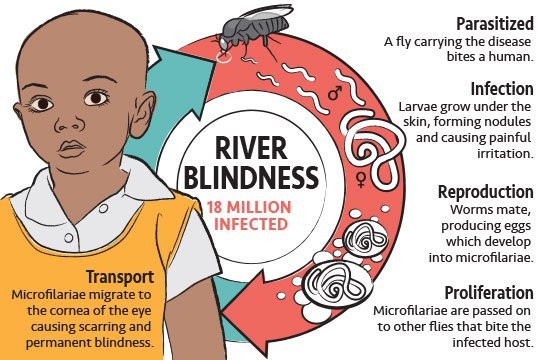
- 09 Dec 2025
In News:
In a historic milestone, Niger has become the first country in Africa to eliminate onchocerciasis, also known as river blindness, as verified by the World Health Organization (WHO). Niger is the fifth country globally to achieve this, joining Colombia, Ecuador, Guatemala and Mexico in halting the transmission of the parasitic disease.
What is Onchocerciasis?
- Onchocerciasis, commonly called river blindness, is a neglected tropical parasitic disease caused by the filarial worm Onchocerca volvulus.
- The parasite is transmitted to humans through repeated bites of infected Simulium blackflies, which breed near fast-flowing rivers and streams.
- Globally, over 99% of cases occur in sub-Saharan Africa and Yemen, with smaller endemic pockets in parts of Latin America. River blindness is the second leading infectious cause of blindness worldwide, after trachoma.
Transmission and Symptoms
- Vector: Bites from infected blackflies introduce larvae into human skin.
- Disease Process: Larvae develop into adult worms under the skin, producing microfilariae that cause severe inflammation.
- Symptoms:
- Skin: Severe itching, rashes, thickening and depigmentation.
- Eyes: Lesions leading to visual impairment and, in advanced cases, permanent blindness.
- Other: Firm nodules under skin; early exposure in children has been linked to epilepsy in some regions.
Treatment and Elimination Strategy
The primary treatment is ivermectin (Mectizan®), administered once or twice a year over 10–15 years- the lifespan of adult worms - to interrupt transmission. Mass drug administration with ivermectin, often supported by global partners, is central to elimination efforts.
Elimination requires high therapeutic coverage, consistent surveillance, vector control where feasible, and strong community participation over many years.
Niger’s Path to Elimination
- Niger’s success reflects decades of coordinated public health action. The country first joined regional control efforts such as the Onchocerciasis Control Programme (OCP) and later the African Programme for Onchocerciasis Control (APOC), involving regular ivermectin distribution and monitoring activities.
- After achieving onchocerciasis control, Niger submitted its elimination dossier to WHO and met the technical criteria for interrupting transmission by early 2025. This was confirmed through sustained surveillance and absence of new infections.
- WHO praised Niger’s commitment and leadership, noting that the achievement ended a long period of human suffering and economic burden associated with river blindness in affected communities.
Global and Regional Significance
- Niger’s milestone is significant for Africa’s public health landscape. It demonstrates that elimination of neglected tropical diseases (NTDs)once considered extremely challenging is achievable with sustained effort, partnerships, and community engagement.
- Niger also previously eliminated Guinea-worm disease (dracunculiasis) in 2013, showcasing its capacity for tackling major parasitic diseases.
- The country’s success provides a model for other African nations still battling onchocerciasis, offering strategic lessons for integrated NTD programmes and WHO’s roadmap to eliminate multiple neglected diseases by 2030.
Directorate General of Civil Aviation (DGCA)

- 09 Dec 2025
In News:
Recent large-scale flight cancellations by a major Indian airline led the Directorate General of Civil Aviation (DGCA) to grant a one-time exemption from the newly implemented Flight Duty Time Limitations (FDTL) rules. These rules are designed to reduce pilot fatigue by regulating maximum duty hours and ensuring mandatory rest periods. The decision has highlighted DGCA’s critical role in balancing aviation safety with operational realities.
About DGCA
The Directorate General of Civil Aviation (DGCA) is India’s statutory civil aviation regulator responsible for ensuring aviation safety, airworthiness, and regulatory compliance in line with international standards.
- Established: 1927 (as a government organisation)
- Statutory Status: Granted under the Aircraft (Amendment) Act, 2020
- Administrative Ministry: Ministry of Civil Aviation (MoCA)
- Mandate: Promote safe, efficient, and reliable air transport through regulatory oversight and alignment with International Civil Aviation Organization (ICAO) standards.
Key Functions of DGCA
1. Safety Regulation & Oversight
- Frames and enforces Civil Aviation Requirements (CARs)
- Conducts surveillance, audits, and inspections of airlines, airports, MROs, and training institutes
2. Aircraft & Aerodrome Certification
- Registers civil aircraft
- Issues Certificates of Airworthiness
- Certifies aerodromes for operational safety
3. Licensing & Training
- Issues licences to pilots, Aircraft Maintenance Engineers (AMEs), Air Traffic Controllers (ATCOs), cabin crew, and flight dispatchers
- Approves flying schools, AME institutes, and simulator training centres
4. Accident & Incident Investigation
- Investigates incidents and serious incidents (aircraft up to 2,250 kg All-Up Weight)
- Implements aviation safety programmes
5. Air Transport Regulation
- Grants Air Operator Certificates (AOCs)
- Regulates scheduled and non-scheduled domestic and international operations
6. ICAO Coordination
- Aligns Indian aviation standards with ICAO norms
- Participates in global aviation safety audits (USOAP)
7. Dangerous Goods & Air Navigation Oversight
- Certifies operators transporting dangerous goods
- Coordinates civil–military airspace usage
Flight Duty Time Limitations (FDTL)
FDTL rules regulate:
- Maximum flying and duty hours for pilots
- Minimum mandatory rest periods
- Fatigue risk management
These are crucial for aviation safety, as pilot fatigue is a significant risk factor in accidents.
Significance of DGCA
- Ensures Passenger Safety: Through strict oversight of aircraft airworthiness, pilot training, and crew rest norms
- Maintains Operational Discipline: Enforces compliance with technical and safety regulations
- Balances Safety & Industry Needs: The recent FDTL exemption shows DGCA’s role in managing real-time operational disruptions while upholding safety standards
- Global Compliance: Ensures India meets international aviation obligations under ICAO
Right to Disconnect Bill, 2025
- 09 Dec 2025
In News:
A Private Member’s Bill titled the Right to Disconnect Bill, 2025 has been reintroduced in the Lok Sabha. The Bill seeks to legally recognise employees’ right to disengage from work-related communication beyond official working hours.
What is the Right to Disconnect?
The Right to Disconnect refers to an employee’s right to not respond to work-related calls, emails, or messages outside prescribed working hours without facing disciplinary action. It aims to address the growing problem of constant digital connectivity, protect mental well-being, and promote a healthier work–life balance.
In the era of smartphones, remote work, and global time zones, employees are often expected to remain available beyond office hours, leading to stress, burnout, and reduced productivity.
Key Provisions of the Bill
The Bill proposes a legal and institutional framework to safeguard employees from after-hours work pressure:
- Right to Refuse After-Hours Communication: Employees cannot be penalised for ignoring work-related communication outside official hours.
- Employees’ Welfare Authority: A statutory body will be established to implement and monitor the right to disconnect.
- Baseline Study: The Authority will conduct a nationwide study to assess the burden of digital communication on employees outside work hours.
- Mandatory Negotiations: Companies with more than 10 employees must negotiate with workers or unions to set clear rules for work beyond office hours. Any such work will qualify for overtime wages.
- Mental Health Support: Provision for counselling services and the establishment of digital detox centres in collaboration with the government.
- Penalties for Non-Compliance: Companies violating the provisions may face penalties of up to 1% of their total employee remuneration.
Private Member’s Bill - Key Facts
- A Private Member’s Bill (PMB) is introduced by an MP who is not a Minister.
- Such Bills are generally taken up on Fridays in Parliament.
- PMBs rarely become law -only 14 have been enacted since Independence, with the last passed in 1970.
Global Perspective
Several countries have already recognised the Right to Disconnect in law:
- France (2017) – One of the first countries to implement it.
- Portugal – Employers are restricted from contacting employees after work hours.
- Australia (2024) – Recently introduced similar legal protections.
These examples show a global shift toward prioritising employee well-being in digital workplaces.
Status in India
India currently has no specific law guaranteeing the Right to Disconnect. However, the concept aligns with constitutional principles:
- Article 38 – Promotes welfare of the people.
- Article 39(e) – Directs the State to protect workers’ health and strength.
Existing labour laws focus on working hours and safety but do not address digital overreach beyond work hours.
Significance
- Promotes work–life balance and mental health
- Reduces risks of burnout, stress, and “telepressure”
- Encourages clear workplace boundaries
- Aligns India with emerging global labour welfare standards
Exercise Harimau Shakti
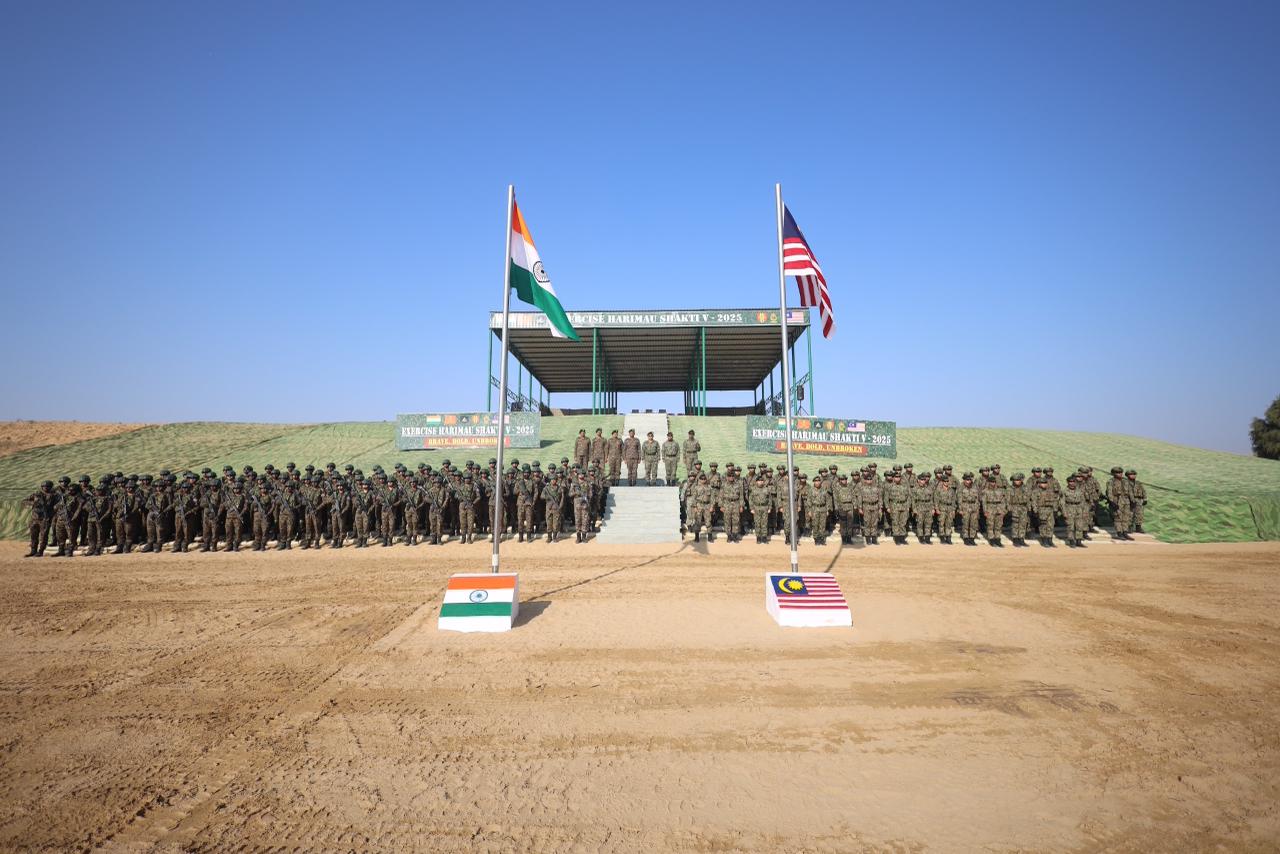
- 08 Dec 2025
In News:
The 5th edition of Exercise Harimau Shakti was conducted at the Mahajan Field Firing Range, Rajasthan. It is a bilateral joint military exercise between India and Malaysia aimed at enhancing operational coordination and interoperability between the two armies.
Participating Forces
- India: Troops primarily from the Dogra Regiment of the Indian Army
- Malaysia: Soldiers from the 25th Battalion, Royal Malaysian Army
Nature of the Exercise
Exercise Harimau Shakti focuses on Sub-Conventional Operations (SCO) under the framework of Chapter VII of the United Nations Charter, which deals with peace enforcement and security operations. The training is designed to simulate counter-terrorism and peacekeeping scenarios in semi-arid and desert terrain.
Key Training Components
The exercise includes joint practice of:
- Cordon and search operations
- Search and destroy missions
- Heliborne operations
- Securing helipads in hostile environments
- Casualty evacuation (CASEVAC) drills during combat
- Combat reflex shooting
- Army Martial Arts Routine (AMAR)
- Yoga sessions for endurance and mental conditioning
These activities aim to improve tactical coordination, combat readiness, and joint response capability during counter-terrorist and UN peacekeeping missions.
Objectives
- Enhance interoperability between the Indian Army and Royal Malaysian Army
- Share best practices, tactics, techniques, and procedures in sub-conventional warfare
- Improve joint planning and execution of operations under a UN peace enforcement mandate
- Reduce risks to life and property during complex operations
Strategic Significance
- Strengthens India–Malaysia defence cooperation
- Supports India’s broader engagement with ASEAN nations
- Contributes to regional stability and collaboration in counter-terrorism and peacekeeping
- Promotes mutual trust and professional military exchanges between the two countries
Mahad Satyagraha

- 08 Dec 2025
In News:
The Mahad Satyagraha was one of India’s earliest organisedcivil rights movements, led by Dr. B. R. Ambedkar in 1927 in Mahad (present-day Raigad district, Maharashtra). It challenged the practice of untouchability and asserted the right of Dalits to access public water sources, marking a crucial step in the evolution of India’s human rights discourse and later constitutional morality.
Background
- In 1923, the Bombay Legislative Council passed the Bole Resolution, recommending that so-called “untouchable” communities be allowed to use public wells, tanks, schools, and other civic facilities. Despite this legal provision, caste discrimination continued, especially in Mahad, where Dalits were denied access to the Chavdar (Chavadar) Tank, a public water reservoir.
- Mahad was chosen by Ambedkar due to its active social reform environment and presence of anti-caste leaders and organisations advocating equality.
Mahad Satyagraha - Phase I (March 19–20, 1927)
- Thousands of Dalits led by Ambedkar marched to the Chavdar Tank and drank water, symbolically asserting their right to equality and human dignity.
- The act triggered backlash from upper-caste groups, who performed “purification rituals” to “cleanse” the tank, reinforcing caste hierarchies.
- Legal disputes followed, with local elites claiming the tank was privately owned, leading to a court stay on Dalit access.
Mahad Satyagraha - Phase II (December 25–26, 1927)
- A second conference was organised at Mahad.
- As the legal case was pending, Ambedkar refrained from directly accessing the tank again.
- Instead, on December 25, 1927, he led the public burning of the Manusmriti, an ancient text seen as justifying caste hierarchy and gender inequality.
- Ambedkar also addressed women participants, stressing that gender equality was integral to the anti-caste struggle.
Key Features
- Assertion of Civil Rights: Access to public resources framed as a fundamental human right.
- Challenge to Scriptural Authority: Symbolic rejection of texts legitimising caste discrimination.
- Non-violent Protest: Inspired by democratic ideals but rooted in Ambedkar’s ethical vision of liberty, equality, and fraternity.
- Women’s Participation: Marked an early articulation of the link between caste oppression and gender inequality.
Outcomes and Legacy
- In 1937, the Bombay High Court ruled that there was no valid custom barring Dalits from public tanks, affirming equal civic rights.
- The movement strengthened Dalit political consciousness and laid the groundwork for later struggles, including temple entry movements.
- The principles articulated at Mahad later influenced the Fundamental Rights, equality provisions, and constitutional morality embedded in the Constitution of India.
- December 25 is commemorated in some traditions as Indian Women’s Liberation Day, recalling Ambedkar’s emphasis on gender justice.
BNHS to Release Critically Endangered Vultures in Assam
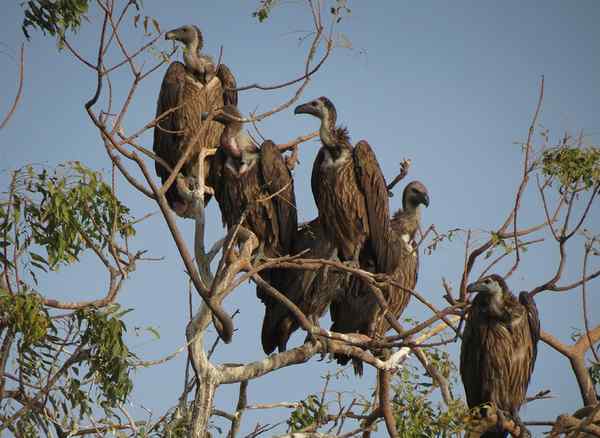
- 08 Dec 2025
In News:
The Bombay Natural History Society (BNHS) is set to release six captive-bred vultures-three males and three females-into the wild in Assam in January 2026. The birds belong to two critically endangered species: the Slender-billed Vulture and the White-rumped Vulture. The release will take place in Kamrup and Biswanath districts, areas within the natural range of these species and close to Kaziranga National Park.
This initiative is part of India’s long-term vulture recovery programme, supported by the Assam Forest Department and the Royal Society for the Protection of Birds (RSPB). BNHS has bred over 800 vulturesacross its conservation breeding centres and has worked for more than 15 years to prepare suitable habitats and community awareness for reintroduction.
Before release, the vultures will undergo a soft-release acclimatisation period of at least three months, allowing them to adapt to natural surroundings and observe other scavengers. Vultures are social birds, mature after about five years, and can live up to 50–60 years.
Slender-billed Vulture (Gyps tenuirostris)
- IUCN Status: Critically Endangered
- Distribution: Assam, Gangetic plains, Nepal, Bangladesh, Myanmar, Cambodia
- Habitat: Open landscapes, riverine areas, tall trees near human settlements
- Identification: Slender narrow bill, dark head, long bare neck, grey plumage
- Breeding: Slow breeder; lays one egg per clutch
- Diet: Carrion, often feeds with other vultures
- Threats: Veterinary drug poisoning (especially diclofenac), habitat loss
Population estimates suggest fewer than 1,000 mature individuals remain globally.
White-rumped Vulture (Gyps bengalensis)
- IUCN Status: Critically Endangered
- Distribution: Indian subcontinent, often near villages and towns
- Habitat: Plains, open country, nesting on tall trees
- Identification: Dark body, distinct white rump patch, white neck ruff
- Breeding: October–March season, one egg
- Diet: Carrion; commonly feeds in mixed-species groups
This species has suffered one of the fastest bird population crashes in history, primarily due to diclofenac, a veterinary anti-inflammatory drug toxic to vultures.
Vultures in India - Key Facts
India hosts 9 vulture species, including:
- Critically Endangered: White-rumped, Slender-billed, Indian (Long-billed), Red-headed Vulture
- Endangered: Egyptian Vulture, Himalayan Griffon (status often regionally assessed)
- Others: Griffon Vulture, Bearded Vulture, Cinereous Vulture
Why Vultures Matter
Vultures are vital scavengers that prevent the spread of diseases by rapidly disposing of carcasses. Their decline has led to ecological imbalance and increased feral dog populations, raising risks of rabies and other zoonotic diseases.
Conservation Measures in India
- Ban on veterinary diclofenac (2006)
- Vulture Safe Zones across several states
- Captive breeding programmes led by BNHS and state forest departments
- Community awareness and monitoring
The 2026 release in Assam marks an important step toward restoring these keystone scavengers to India’s ecosystems.
PM-WANI Scheme
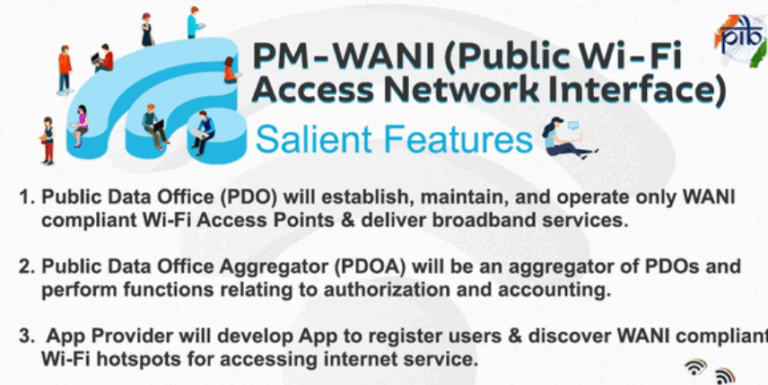
- 08 Dec 2025
In News:
The PM-WANI Scheme, approved on 9 December 2020, is a national framework to expand public Wi-Fi access across India. It is implemented by the Department of Telecommunications (DoT), Ministry of Communications, and aligns with the goals of the National Digital Communications Policy (NDCP) 2018 to create robust digital infrastructure and promote affordable broadband access.
As of November 2025, over 3.9 lakh PM-WANI Wi-Fi hotspots (Public Data Offices – PDOs) have been deployed across the country, reflecting rapid expansion of decentralized public internet access.
Objective
PM-WANI aims to:
- Democratize internet access
- Bridge the digital divide, especially in rural and underserved areas
- Encourage local entrepreneurship through small-scale Wi-Fi providers
- Support digital services such as e-governance, digital payments, telemedicine, and online education
Key Concept
PM-WANI allows small shopkeepers, entrepreneurs, and establishments to provide public Wi-Fi without needing a telecom licence, spectrum, or heavy regulatory compliance. This low-entry model makes broadband delivery affordable and scalable.
Four-Tier Architecture
- Public Data Offices (PDOs):Local entities that set up and operate Wi-Fi hotspots to provide internet access to users.
- Public Data Office Aggregators (PDOAs):They manage authentication, authorization, and accounting functions for PDOs.
- App Providers:Provide mobile/web applications through which users discover hotspots, authenticate, and access services.
- Central Registry (maintained by C-DoT):Stores details of PDOs, PDOAs, and App Providers to ensure interoperability.
Major Reforms and Features
1. Use of FTTH Connections:PDOs can now use regular Fibre-to-the-Home (FTTH) broadband connections, reducing deployment costs.
2. Aggregation of Access Points:Multiple Wi-Fi access points can share a single backhaul connection, enabling wider hotspot coverage.
3. Integration of Existing Wi-Fi Routers:Existing home and business Wi-Fi access points can join the PM-WANI ecosystem, creating additional income streams.
4. Roaming Across Networks:Users can seamlessly switch between hotspots of different PDOAs, similar to mobile network roaming.
5. Mobile Data Offload:PDOs can collaborate with telecom service providers to offload mobile data traffic onto Wi-Fi, improving network efficiency.
6. Consent-Based Communication:PDOAs and App Providers may send promotional or informational content to users only with explicit user consent, ensuring privacy safeguards.
Affordable Broadband for PDOs (TRAI Provision)
The Telecommunication Tariff (71st Amendment) Order, 2025 mandates that retail FTTH broadband plans up to 200 Mbps must be offered to PDOs at not more than twice the tariff of equivalent consumer plans, ensuring cost-effective operations.
Technology and Compliance
Hardware and software are procured by stakeholders (PDOs, PDOAs, App Providers), but all solutions must be PM-WANI compliant and certified by C-DoT as per scheme guidelines.
Significance
PM-WANI strengthens India’s Digital Public Infrastructure ecosystem alongside Aadhaar and UPI. By enabling community-based broadband delivery, it promotes digital inclusion, entrepreneurship, and last-mile connectivity, especially in remote and low-income regions.
Hornbill Festival
- 08 Dec 2025
In News:
The 26th edition of the Hornbill Festival (2025) is being celebrated in Nagaland, with vibrant cultural performances held at the Naga Heritage Village, Kisama, near Kohima. The festival, often called the “Festival of Festivals”, brings together diverse Naga tribes to showcase their heritage, traditions, and artistic expressions.
About the Hornbill Festival
- What: A premier cultural festival of Nagaland celebrating the collective identity of Naga tribes
- When: Held annually from 1–10 December
- Where:Kisama Heritage Village, around 12 km from Kohima
- Started in:2000, by the Government of Nagaland
- Named after: The Hornbill bird, revered in Naga folklore as a symbol of valour, beauty, and cultural pride
Cultural Significance
Nagaland is home to 17 major tribes and several sub-tribes, each with unique customs, attire, music, and oral traditions. Over 86% of the state’s population belongs to tribal communities (Census 2011). The Hornbill Festival provides a platform for:
- Preserving and promoting indigenous traditions
- Strengthening inter-tribal unity
- Encouraging interaction between elders and youth
- Showcasing Naga identity at national and international levels
Key Features of the Festival
1. Cultural Performances: Daily events include:
- Traditional dances and folk songs
- War cries and storytelling traditions
- Indigenous sports and martial displays
Examples of performances include youth dances symbolising joy and festivity, women’s folk dances celebrating hospitality, and traditional combat sports practised in village morungs (youth dormitories).
2. Traditional Arts & Crafts: Exhibitions display:
- Wood carving
- Handwoven textiles
- Tribal ornaments and handicrafts
- Paintings and sculptures
3. Food & Lifestyle Exhibitions
- Indigenous Naga cuisine
- Herbal medicine stalls
- Flower shows
- Traditional archery and wrestling competitions
4. Major Events
- Hornbill International Rock Festival
- Morung (traditional youth dormitory) exhibitions
- Fashion shows featuring tribal attire
- Craft bazaars promoting local entrepreneurship
Participation and Outreach
The festival attracts both domestic and international participation. In recent editions, several partner countries and neighbouring Indian states have participated, strengthening cultural diplomacy and tourism links. Such engagement enhances Nagaland’s visibility as a cultural tourism destination.
Economic and Tourism Impact
The Hornbill Festival significantly boosts:
- Tourism revenue
- Local handicraft and handloom markets
- Food and hospitality sectors
- Employment opportunities for local communities
It serves as an important platform for sustainable cultural tourism in Northeast India.
Digital Hub for Reference and Unique Virtual Address (DHRUVA)
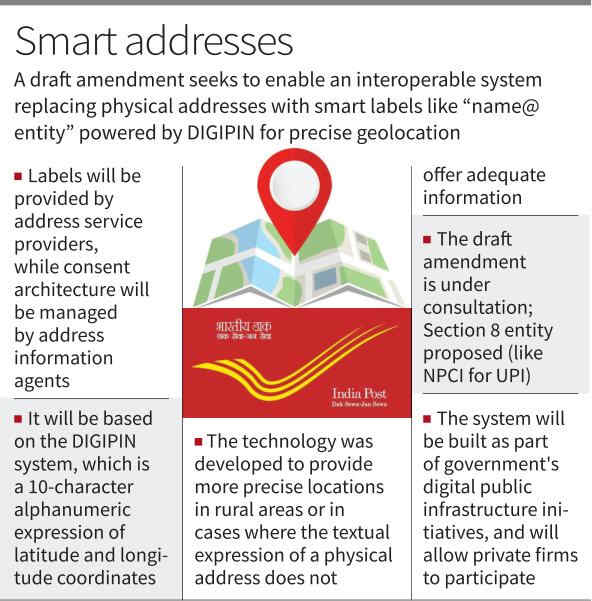
- 07 Dec 2025
In News:
The Department of Posts (DoP) under the Ministry of Communications has proposed a new digital addressing framework called DHRUVA (Digital Hub for Reference and Unique Virtual Address). It aims to create a standardised, interoperable, and user-centric digital address system as part of India’s Digital Public Infrastructure (DPI) initiatives.
What is DHRUVA?
DHRUVA is designed as a national digital address framework that allows individuals to use UPI-like virtual address labels such as “name@entity” instead of repeatedly sharing full physical addresses.
These virtual labels act as proxies for real-world locations and are built on the concept of Address-as-a-Service (AaaS), a system for secure, consent-based management and sharing of address data.
Key Features
1. Virtual Address Labels: Users will be able to share a simple label (similar to a UPI ID or email ID) instead of filling out detailed address forms across platforms.
2. Consent-Based Access: Users can authorise companies to access their address information for a limited duration, after which access must be renewed. This gives citizens control over who can view their address.
3. Interoperability &Standardisation: DHRUVA aims to standardise address formats and ensure interoperability across government services, e-commerce platforms, logistics providers, and emergency services.
4. Public–Private Participation: Private firms can participate in the ecosystem, similar to how the UPI system involves banks and fintech firms. A not-for-profit entity (on the lines of NPCI) may oversee operations under government supervision.
DIGIPIN: Foundational Layer
DHRUVA builds upon the DIGIPIN (Digital Postal Index Number) system.
Key Facts about DIGIPIN:
- Developed by the Department of Posts with IIT Hyderabad and NRSC, ISRO
- A 10-character alphanumeric code representing precise geographic coordinates
- Each code corresponds to roughly a 4 m × 4 m grid (earlier approximated as ~14 sq m area)
- Open-source and covers the entire territory of India
- Useful in areas where traditional textual addresses are unclear or absent
DIGIPIN improves location accuracy for rural areas, logistics, emergency response, and public service delivery.
Institutional Framework
- Address labels will be issued by Address Service Providers (ASPs)
- Consent management will be handled by Address Information Agents (AIAs)
- The platform will be designed with multilingual and mobile-first access
- It may integrate with identity systems like Aadhaar for verification
Significance
- Reduces repetitive address entry across digital platforms
- Enhances privacy through consent-based data sharing
- Improves e-governance, e-commerce, logistics, and emergency services
- Strengthens India’s digital infrastructure alongside Aadhaar and UPI
Antarctic Ozone Hole: Early Closure in 2025
- 07 Dec 2025
In News:
In 2025, the Antarctic ozone hole closed earlier than usual, with closure recorded on 1 December, marking one of the smallest ozone holes in the past five years. The early closure has been seen as a strong sign of long-term recovery of the ozone layer, despite the backdrop of record global temperatures.
What is the Antarctic Ozone Hole?
- The Antarctic ozone hole refers to the seasonal thinning of the stratospheric ozone layer over Antarctica during the austral spring (September–November). Scientists define the ozone hole as regions where ozone concentration falls below 220 Dobson Units (DU).
- It is not a literal hole but an area of severely reduced ozone levels in the stratosphere, first discovered in 1985.
Why Does the Ozone Hole Form Over Antarctica?
Several unique atmospheric conditions combine to intensify ozone depletion in the region:
1. Polar Vortex:During the Antarctic winter, a strong polar vortex traps cold air, preventing mixing with warmer air from lower latitudes.
2. Polar Stratospheric Clouds (PSCs):Extreme cold leads to PSC formation. These clouds facilitate chemical reactions that activate chlorine and bromine from human-made chemicals such as chlorofluorocarbons (CFCs) and halons.
3. Return of Sunlight:When sunlight returns in spring, it triggers rapid chemical reactions that destroy ozone molecules, producing the ozone hole.
2025 Ozone Hole Highlights
- The ozone hole reached a maximum area of just over 21 million sq km, significantly smaller than the record 29 million sq km in 2006.
- It closed earlier than usual, marking the second consecutive year of relatively small ozone holes.
- Scientists attribute this trend to declining levels of ozone-depleting substances (ODS) and favourable atmospheric conditions.
What is Ozone?
Ozone (O?) is a gas made of three oxygen atoms and exists in two layers:
|
Layer |
Type |
Role |
|
Stratosphere (15–30 km) |
Good ozone |
Absorbs harmful UV radiation |
|
Troposphere (near surface) |
Bad ozone |
Pollutant, contributes to smog |
Global average ozone concentration is about 300 DU.
Impacts of Ozone Depletion
- Increased UV-B radiation causes skin cancer, cataracts, and immune suppression
- Damages crops, forests, and marine phytoplankton
- Alters atmospheric circulation patterns in the Southern Hemisphere
Global Response
- Montreal Protocol (1987):A landmark global treaty phasing out ozone-depleting substances. It is the first UN treaty with universal ratification.
- Kigali Amendment (2016):Targets hydrofluorocarbons (HFCs)—not ozone-depleting but potent greenhouse gases.
These actions are estimated to prevent up to 0.5–1°C of global warming by 2050.
Outlook
If current trends continue, scientists estimate ozone levels could return to pre-1980 levels around:
- 2040 globally
- 2045 in the Arctic
- 2066 in Antarctica
Exercise GARUDA SHAKTI
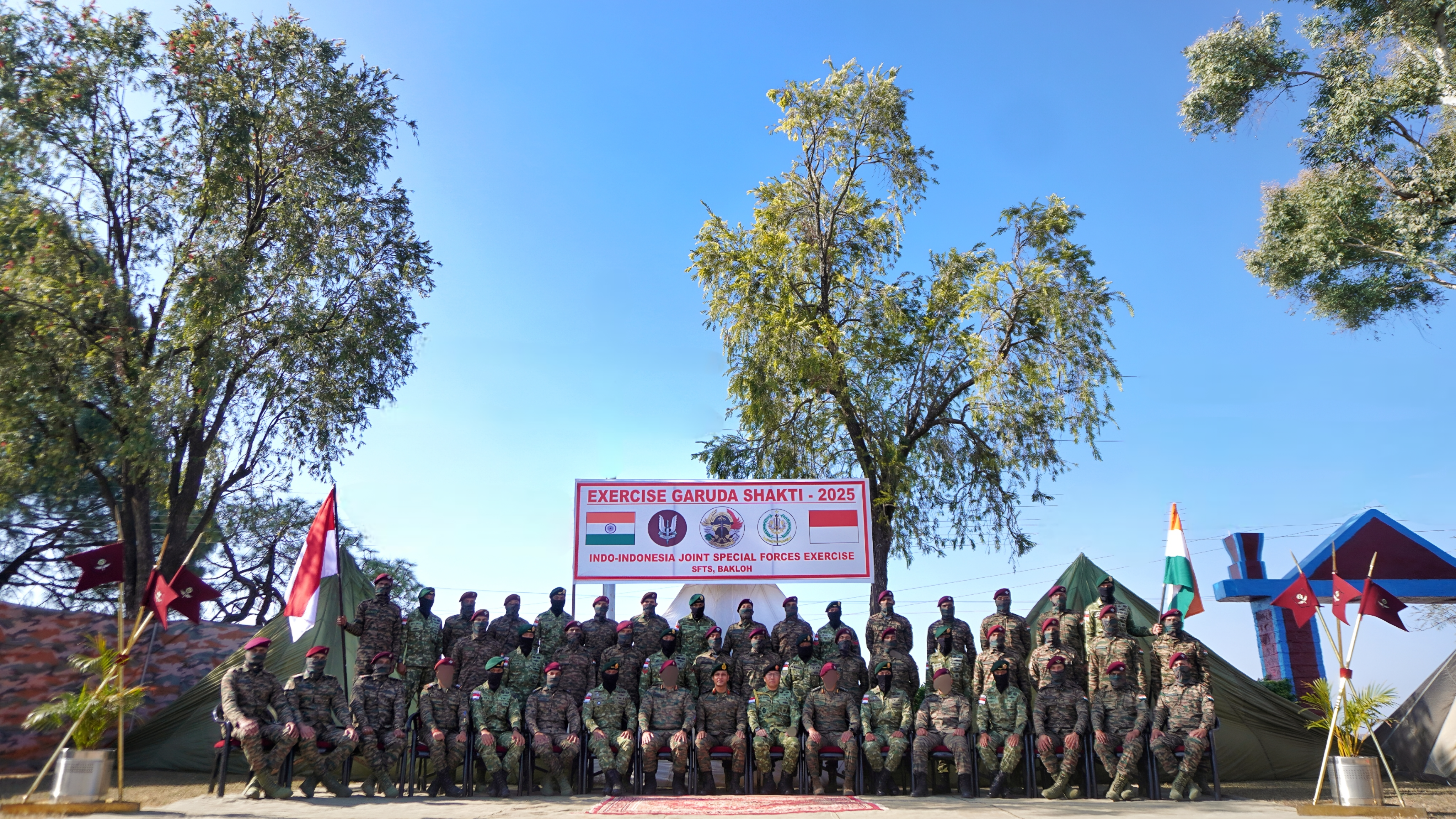
- 07 Dec 2025
In News:
The 10th edition of Exercise GARUDA SHAKTI, a joint Special Forces exercise between India and Indonesia, is being conducted at the Special Forces Training School, Bakloh, Himachal Pradesh.
Participating Forces
- India: Troops from The Parachute Regiment (Special Forces) of the Indian Army
- Indonesia: Personnel from the Indonesian Special Forces
This exercise is part of the growing defence engagement between the two Indo-Pacific partners.
Nature of the Exercise
GARUDA SHAKTI is a bilateral Special Forces exercise designed to enhance mutual understanding, cooperation, and interoperability between elite troops of both nations. It focuses on high-intensity combat training and realistic operational scenarios in semi-mountainous terrain.
Key Areas of Training
The exercise includes a range of tactical and operational drills relevant to modern counter-terror and special operations environments:
- Counter-terrorism tactics at the troop level
- Unarmed combat techniques
- Combat shooting and sniping
- Heliborne operations
- Planning and execution of operations involving:
- Drones
- Counter-Unmanned Aerial Systems (Counter-UAS)
- Loitering munitions
The training emphasisesphysical endurance, tactical coordination, and combat readiness.
Exchange of Expertise
A key component of GARUDA SHAKTI is the exchange of knowledge related to:
- Weapons and specialised equipment
- Tactical drills and operational procedures
- Best practices in special operations
Such exchanges help both sides understand each other’s operational doctrines and capabilities.
Validation Phase
The joint training culminates in a validation exercise, simulating a real-world operational scenario. This phase tests:
- Joint planning capabilities
- Coordination under stress
- Tactical response and decision-making
- Endurance and teamwork of both contingents
Strategic Significance
- Strengthens India–Indonesia defence cooperation
- Enhances interoperability between Special Forces
- Contributes to regional security collaboration in the Indo-Pacific
- Reflects India’s broader policy of deepening defence partnerships with ASEAN nations
Indonesia holds strategic importance due to its location near key Sea Lanes of Communication (SLOCs) such as the Malacca Strait, making defence cooperation crucial for maritime and regional stability.
India’s Special Forces
The Parachute Regiment (Special Forces) is among India’s most elite military units, trained for:
- Counter-terrorism
- Special reconnaissance
- Direct action missions
- High-altitude and difficult terrain operations
World Soil Day (WSD)
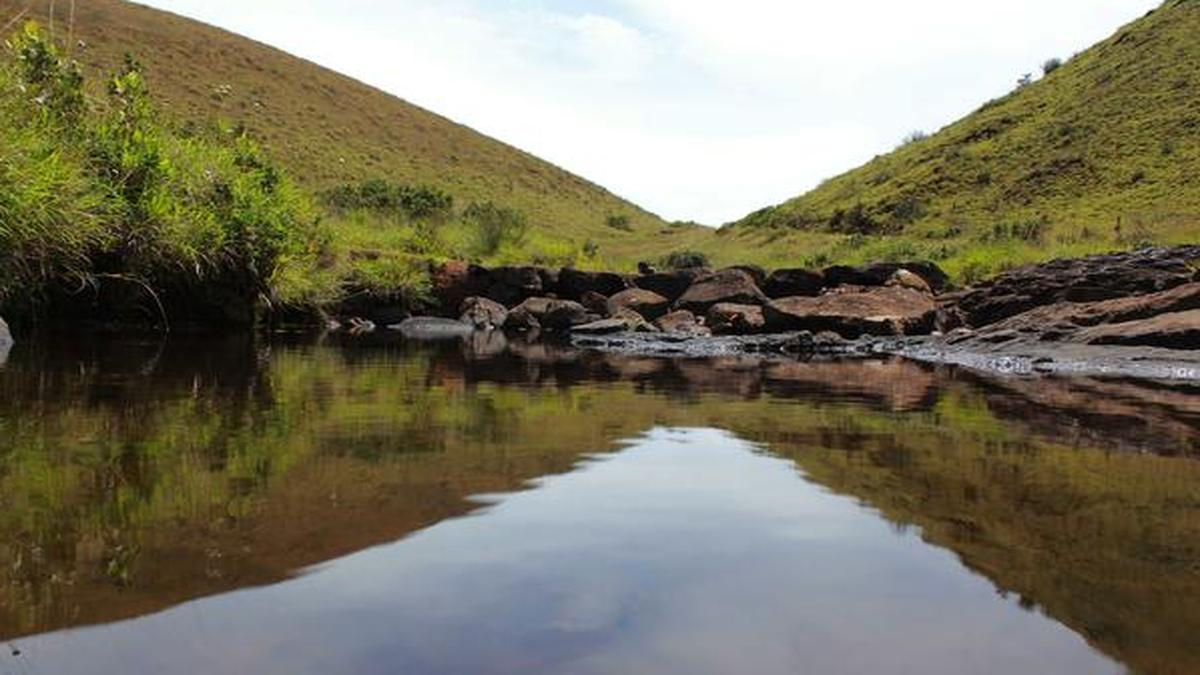
- 07 Dec 2025
In News:
World Soil Day (WSD) is observed annually on 5 December to raise global awareness about the importance of healthy soils and to promote the sustainable management of soil resources. The observance is supported by the Food and Agriculture Organization (FAO) of the United Nations and endorsed by the UN General Assembly (UNGA).
History and Background
- The idea of a global day dedicated to soil conservation was first proposed in 2002 by the International Union of Soil Sciences (IUSS).
- FAO promoted the initiative, and in 2013 the FAO Conference endorsed the proposal and sought formal UN recognition.
- The UN General Assembly officially designated 5 December 2014 as the first World Soil Day.
Theme for 2025
“Healthy Soils for Healthy Cities”
The 2025 theme highlights the critical role of urban soils in supporting sustainable cities. It shifts attention from rural agriculture to the often-overlooked soils beneath urban environments.
Importance of Healthy Soils
Soils are a life-sustaining resource essential for:
- Food production
- Water filtration and groundwater recharge
- Carbon storage and climate regulation
- Biodiversity support
- Nutrient cycling
In urban areas, healthy soils help mitigate:
- Urban heat island effect
- Flooding by acting as natural water sponges
- Pollution through filtration of contaminants
- Food insecurity through urban agriculture
Extent of Soil Degradation
Despite their importance, soils are under severe stress:
- The FAO estimates that nearly one-third of the world’s soils are degraded.
- Urban soils face compaction, contamination, and sealing by concrete, reducing their ecological functions.
- Unsustainable agricultural practices, deforestation, and land misuse further worsen soil erosion and nutrient depletion.
Global Soil Conservation Efforts
1. Global Soil Partnership (GSP):An FAO-led initiative aimed at improving soil governance and promoting sustainable soil management worldwide.
2. United Nations Convention to Combat Desertification (UNCCD):Works to prevent land degradation and achieve Land Degradation Neutrality (LDN) by 2030.
India’s Soil Conservation Initiatives
India has launched multiple programmes to protect and restore soil health:
- Soil Health Card Scheme: Provides farmers with soil nutrient analysis to encourage balanced fertiliser use.
- Paramparagat Krishi Vikas Yojana (PKVY): Promotes organic farming to maintain soil fertility.
- Pradhan Mantri Krishi Sinchayee Yojana (PMKSY): Improves water management and reduces soil erosion.
- Watershed Development Programmes: Enhance soil moisture and prevent land degradation.
- MGNREGA land works: Support soil and water conservation at the local level.
- Smart Cities Mission: Encourages green infrastructure, open spaces, and soil-friendly urban planning.
Tensor Processing Units (TPUs)

- 07 Dec 2025
In News:
Recent reports indicate that Meta is in advanced discussions with Google to use its Tensor Processing Units (TPUs), highlighting growing competition in the global AI hardware ecosystem.
What is a TPU?
A Tensor Processing Unit (TPU) is a custom-designed semiconductor chip developed by Google to accelerate Artificial Intelligence (AI) and Machine Learning (ML) workloads. Unlike Central Processing Units (CPUs), which handle general computing tasks, or Graphics Processing Units (GPUs), which are versatile and widely used for AI and graphics processing, TPUs are application-specific integrated circuits (ASICs) built specifically for deep learning operations.
Google began developing TPUs in the early 2010s to meet the growing computational demands of AI applications such as Google Search, Translate, Photos, and voice recognition systems. The first TPU was introduced around 2015–16, and multiple generations have since been deployed in Google’s data centres and cloud platforms.
How TPUs Work
AI models depend heavily on tensor operations—mathematical calculations involving multi-dimensional arrays of numbers. Deep neural networks process data through repeated matrix multiplications and tensor algebra, which are computationally intensive.
TPUs are optimised for these operations through:
- Massive Parallelism: They perform a very large number of calculations simultaneously.
- Specialised Architecture: Circuits are tailored for AI workloads, reducing unnecessary processing steps.
- Energy Efficiency: TPUs often deliver high performance with lower power consumption compared to traditional GPUs.
This makes them particularly efficient for training and inference in large-scale AI models.
TPUs vs CPUs vs GPUs
|
Feature |
CPU |
GPU |
TPU |
|
Primary Use |
General-purpose computing |
Graphics & parallel tasks |
AI/ML acceleration |
|
Flexibility |
Very high |
High |
Limited to AI tasks |
|
Optimised for |
Sequential tasks |
Parallel processing |
Tensor/matrix operations |
|
Energy Efficiency for AI |
Low |
Moderate |
High |
Strategic Importance
The reported interest of major AI firms in TPUs reflects a shift in the AI hardware landscape. For years, NVIDIA GPUs dominated AI training and deployment due to their performance and software ecosystem. However, large technology companies are increasingly investing in custom AI chips to reduce costs, improve efficiency, and reduce dependence on external suppliers.
Google has begun offering TPU access through its cloud infrastructure, enabling external firms to run AI workloads on TPU clusters. This signals the rise of merchant AI silicon, where companies design chips not only for internal use but also for commercial deployment.
Caller Name Presentation (CNAP)

- 06 Dec 2025
In News:
The Department of Telecommunications (DoT) is set to mandate telecom operators to introduce Caller Name Presentation (CNAP), a system that will display the KYC-registered name of incoming callers on mobile phones. The move aims to curb the rising menace of spam and fraudulent calls by improving caller identification.
What is CNAP?
Caller Name Presentation (CNAP) is a telecom-based feature that allows users to see the name of the caller when receiving a call. Unlike third-party apps such as Truecaller, CNAP will rely on official telecom records.
- The caller’s name will be drawn from the Customer Application Form (CAF) submitted during SIM registration.
- The feature is designed to function as a network-level service, not an app-based solution.
How CNAP Works
- Each telecom operator will maintain a database linking mobile numbers with subscriber names.
- When a call is initiated, the operator’s system will retrieve and transmit the registered name to the recipient’s device.
- Initially, the system may work within the same telecom network (e.g., Airtel-to-Airtel).
- Cross-network name display (e.g., Jio-to-Vi) will require regulatory approvals and technical arrangements for inter-operator data sharing.
Regulatory Background
In February 2024, the Telecom Regulatory Authority of India (TRAI) recommended the implementation of CNAP across telecom networks, especially for smartphones. TRAI emphasised that the feature should be based on verified subscriber data rather than crowd-sourced information.
The DoT is now moving towards making CNAP mandatory for telecom service providers in phases.
Objectives of CNAP
- Reduce spam and fraudulent calls
- Enhance consumer protection
- Increase trust in telecom communication
- Deter misuse of SIM cards obtained through false identity
Key Distinction from Caller ID Apps
|
Feature |
CNAP |
Third-Party Apps |
|
Data Source |
Telecom KYC records |
User-generated/crowdsourced data |
|
Authority |
Regulated by DoT/TRAI |
Private companies |
|
Accuracy |
Based on verified subscriber details |
May contain unverified entries |
|
Integration |
Network-level |
App-based |
Challenges
- Privacy concerns regarding display of registered names
- Data-sharing protocols needed for cross-network calls
- Technical compatibility across diverse handset types
- Handling cases where SIMs are registered under different individuals (e.g., family use)
FAO’s State of the World’s Land and Water Resources for Food and Agriculture (SOLAW) 2025
- 06 Dec 2025
In News:
The Food and Agriculture Organization (FAO) of the United Nations has released the latest edition of its flagship biennial report, The State of the World’s Land and Water Resources for Food and Agriculture (SOLAW) 2025. First published in 2011, SOLAW assesses global trends in land, soil, and water management to guide sustainable agricultural policies and ensure food security.
Purpose of SOLAW
The report evaluates how natural resources are being used for agriculture and identifies pathways to enhance sustainable food production, ecosystem resilience, and rural livelihoods. It bridges scientific research with policymaking at national and global levels.
Key Global Findings
- By 2050, agriculture must produce 50% more food, feed and fibre compared to 2012 levels to meet rising demand.
- However, expanding agricultural land is no longer viable, as most productive land is already in use.
- Agriculture currently covers one-third of Earth’s land surface (about 4.8 billion hectares).
- It accounts for around 72% of global freshwater withdrawals, contributing significantly to water scarcity and groundwater depletion.
- Since 1964, global agricultural output has tripled, mainly through intensification (high-yield crops, irrigation, and technology), while farmland expanded by only 8%.
- More than 1.6 billion hectares of land (over 10% of the world’s land area) are degraded, with over 60% of degradation occurring on agricultural lands.
This cycle of soil degradation, declining water availability, and ecosystem destruction is weakening the resilience of global food systems.
Major Concerns
- Overuse of chemicals and intensive farming is causing soil erosion, pollution, and biodiversity loss.
- Groundwater over-extraction and seawater intrusion threaten freshwater supplies.
- Agricultural expansion remains a driver of deforestation and degradation of carbon-rich ecosystems such as peatlands.
Pathways for Sustainable Production
The report highlights that future food gains must come from “producing more and better”, rather than expanding farmland.
Key Strategies
1. Closing Yield Gaps
- Improve productivity on existing farmland through better crop management and locally suited, resilient varieties.
2. Strengthening Rainfed Agriculture
- Promote soil moisture conservation, crop diversification, and drought-resilient practices.
- Conservation agriculture can enhance productivity without increasing water stress.
3. Integrated Farming Systems
- Adoption of agroforestry, rotational grazing, forage improvement, and rice–fish farming to enhance ecosystem services and diversify incomes.
4. Capacity Building
- Farmer training through extension models like FAO’s Farmer Field Schools (FFS).
- Such approaches support knowledge sharing and sustainable practices at the community level.
Future Outlook
The report indicates that with sustainable intensification, the world has the potential to feed up to 10.3 billion people by 2085 while safeguarding land and water resources.
8th Economic Census (EC) in 2027
- 06 Dec 2025
In News:
India will conduct its 8th Economic Census (EC) in 2027, following the completion of the Population Census (2026–27). The announcement was made by the Ministry of Statistics and Programme Implementation (MoSPI). Data from the upcoming Economic Census will be used to establish a Statistical Business Register (SBR), a comprehensive database of enterprises across the country.
Economic Census (EC)
The Economic Census is a complete count of all establishments engaged in the production and/or distribution of goods and services (excluding those for sole household consumption) within India’s geographical boundaries.
Key Facts
- First conducted: 1977
- Conducting authority: Ministry of Statistics &Programme Implementation (MoSPI) through the National Statistics Office (NSO)
- Implemented in collaboration with Directorates of Economics and Statistics (DES) of States and UTs
- Covers both organised and unorganised sector establishments
Purpose
The EC provides disaggregated data on the number, type, location, ownership, and operational characteristics of establishments. This data supports:
- Evidence-based economic planning
- Employment and enterprise mapping
- Sectoral and regional policy formulation
Statistical Business Register (SBR)
The 8th EC data will be used to build India’s Statistical Business Register, which will:
- Create a unified list of all enterprises in the country
- Track whether enterprises are active, dormant, or closed
- Improve the quality and consistency of national economic statistics
- Enable better sampling frames for future surveys
The government is also working on harmonisation and standardisation of data across ministries and states to improve statistical reliability.
Population Census (2026–27)
The Population Census will precede the Economic Census and will be conducted in two phases:
- House-listing and housing census: April–September 2026
- Population enumeration: February 2027
Key Facts
- Conducted under the Census Act, 1948 and Census Rules, 1990
- Led by the Registrar General and Census Commissioner of India
- The upcoming exercise will be India’s 16th decennial Census (first synchronous census in 1872)
Importance
The Census is the largest source of primary data at village, town, and ward levels. It provides information on:
- Population size and distribution
- Housing and amenities
- Literacy and education
- Work and economic activity
- Migration, fertility, and demographic trends
- Social composition (SC/ST), religion, and language
Significance of Sequencing EC After Census
Conducting the Economic Census after the Population Census allows for:
- Updated administrative and geographical frames
- Improved sampling accuracy
- Better alignment of demographic and economic data
Samagra Shiksha Scheme
- 06 Dec 2025
In News:
The Union Government has reiterated that States must comply with all conditions of the Samagra Shiksha scheme to receive Central funds. Fund release depends on submission of utilisation certificates, audit reports, physical and financial progress reports, State share contributions, and adherence to scheme norms, including alignment with NEP 2020.
About the Scheme
Samagra Shiksha is an Integrated Centrally Sponsored Scheme for School Education implemented by the Department of School Education and Literacy (DoSEL), Ministry of Education since 2018–19. It provides a holistic framework for education from pre-school to Class 12.
It subsumes three earlier schemes:
- Sarva Shiksha Abhiyan (SSA) – Elementary education
- Rashtriya Madhyamik Shiksha Abhiyan (RMSA) – Secondary education
- Teacher Education (TE)
Funding Pattern
- 90:10 – Northeastern & Himalayan States
- 60:40 – Other States
- 100% Central funding – Union Territories without legislatures
Objectives
- Ensure universal access to schooling
- Improve quality of education and learning outcomes
- Reduce social and gender gaps
- Promote equity and inclusion, including for children with disabilities
- Support implementation of the Right to Education (RTE) Act, 2009
- Encourage vocational education and holistic school development
Key Interventions
The scheme supports States/UTs through:
- Composite school grants
- Free uniforms and textbooks
- Library and sports grants
- ICT and digital learning initiatives
- Remedial teaching and teacher training
- Leadership development for school heads
Special focus areas include:
- Kasturba Gandhi Balika Vidyalayas (KGBVs) for girls from disadvantaged groups
- Residential schools and hostels in underserved regions
- Support for Children with Special Needs (CwSN) including assistive devices, Braille kits, stipends, and transport allowances
Alignment with NEP 2020
Samagra Shiksha is aligned with the National Education Policy (NEP) 2020, incorporating:
- New curricular and pedagogical structure (5+3+3+4)
- Early Childhood Care and Education (ECCE)
- Foundational Literacy and Numeracy (FLN)
- Competency-based learning and holistic assessment reforms
Global Linkages
The scheme supports India’s commitments under:
- SDG 4.1 – Free, equitable and quality primary and secondary education
- SDG 4.5 – Elimination of gender disparities and inclusion of vulnerable groups
Indian Maritime Doctrine 2025
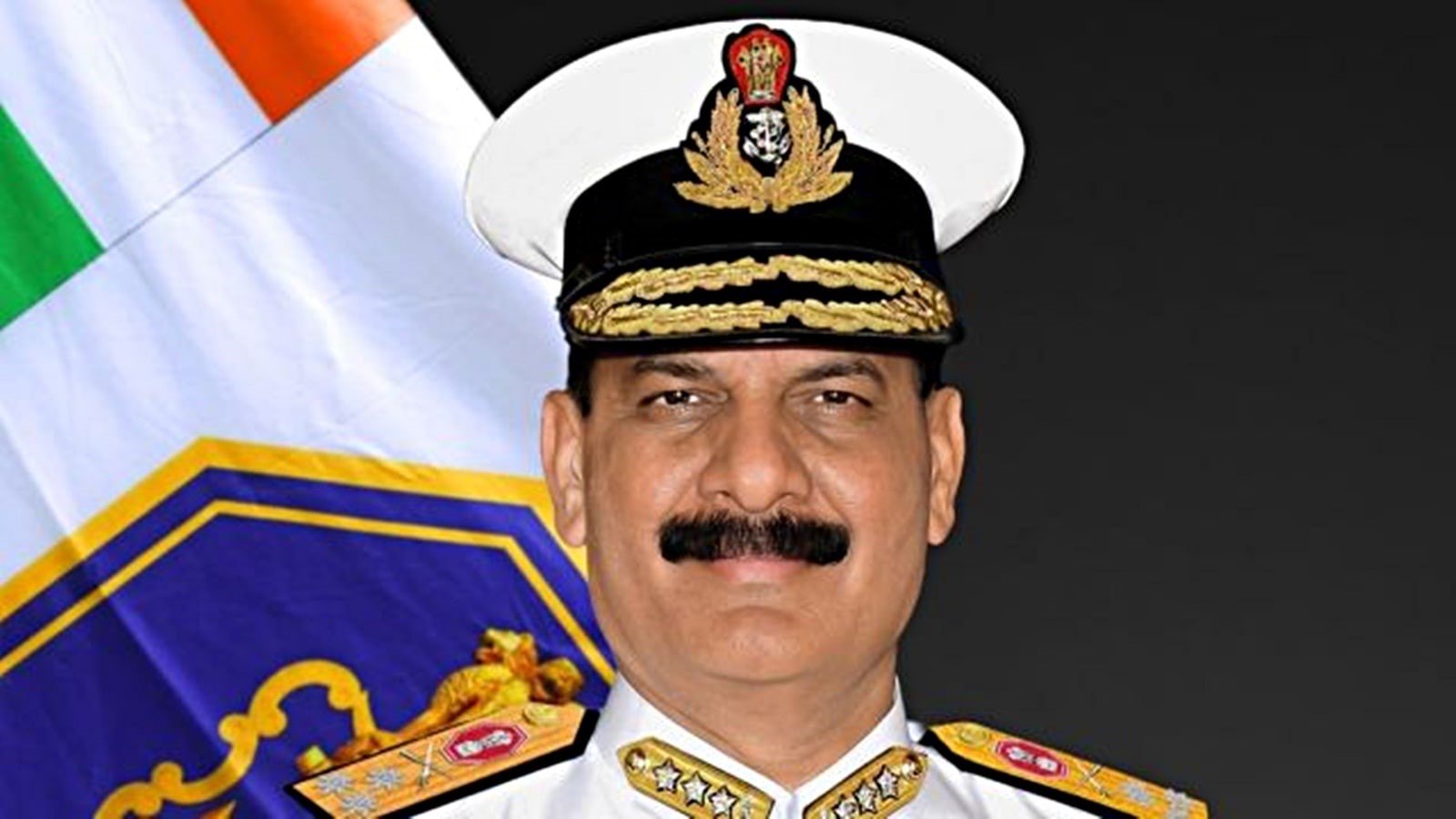
- 06 Dec 2025
In News:
The Indian Maritime Doctrine (IMD) 2025, released by the Chief of the Naval Staff on Indian Navy Day (4 December), is the apex doctrinal publication guiding India’s naval strategy. Navy Day commemorates Operation Trident (1971), when the Indian Navy launched a successful missile attack on Karachi harbour using INS Nipat, Nirghat and Veer, supported by INS Kiltan, Katchall and fleet tanker INS Poshak, crippling Pakistan’s maritime capability.
What is the Indian Maritime Doctrine 2025?
The IMD 2025 defines how India prepares and operates across the full spectrum of maritime conflict, from peacetime presence to warfighting. First issued in 2004 and updated in 2009 and 2015, the 2025 edition reflects India’s evolving maritime environment and Indo-Pacific priorities.
Key Features
1. “No-War, No-Peace” Category:The doctrine formally recognises a grey-zone space between peace and open conflict, where coercion, intimidation, and competition occur without declared war.
2. Multi-Domain and Hybrid Threats:It integrates challenges from cyber, space, electronic and cognitive warfare, along with irregular and hybrid threats.
3. Jointness and Theatre Commands:The document stresses tri-service interoperability and supports India’s move toward theatre command structures.
4. Technology and Modernisation:Emphasis is placed on uncrewed systems, autonomous platforms, AI-enabled surveillance, and network-centric warfare.
5. Maritime Security and Blue Economy:It links naval power to protection of Sea Lanes of Communication (SLOCs), maritime trade, offshore resources, and India’s blue economy ambitions.
Strategic Significance
- The doctrine aligns with national initiatives such as Sagarmala, PM Gati Shakti, Maritime India Vision 2030, Maritime Amrit Kaal Vision 2047, and MAHASAGAR. It positions maritime power as central to achieving Viksit Bharat 2047 and strengthens India’s role as a net security provider in the Indo-Pacific.
Indian Navy: Historical Background
- India’s maritime legacy dates back over 4,000 years, with Harappan ports like Lothal engaged in overseas trade. Ancient Indian navigators influenced Southeast Asia culturally and commercially.
- During the medieval period, powers such as the Cholas, Zamorins, and Marathas developed naval strength. The Maratha Navy under KanhojiAngre resisted European fleets along India’s west coast.
- European dominance began after Vasco da Gama (1498), leading to colonial maritime supremacy. The modern navy evolved from the Royal Indian Navy (RIN), which became the Indian Navy after independence.
Structure and Role Today
The President of India is the Supreme Commander of the Navy. Its motto is “Sam No Varunah” (May Varuna be auspicious to us).
India today maintains a blue-water navy capable of sustained operations across the Indian Ocean Region (IOR) and beyond. Its roles include:
- Maritime security and SLOC protection
- Power projection and deterrence
- Humanitarian assistance and disaster relief (HADR)
- Counter-piracy and anti-terror operations
The Navy’s elite force, MARCOS (Marine Commandos), specialises in amphibious warfare, counter-terrorism, and special operations.
Major Operations
Post-independence milestones include the Liberation of Goa (1961), Operations Trident and Python (1971 war), and ongoing maritime security missions in the IOR.
Chaolung Sukapha
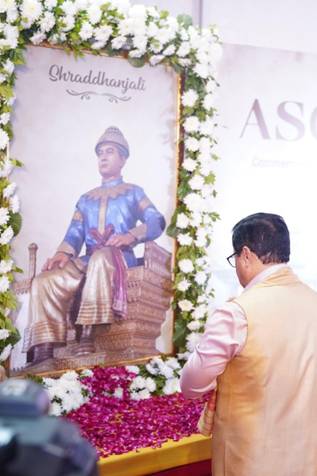
- 05 Dec 2025
In News:
Assam Day (02nd December) celebrations recently paid tribute to Chaolung Sukapha, the founder of the Ahom kingdom and a key figure in Assam’s historical and cultural identity.
Who was Chaolung Sukapha?
- Chaolung Sukapha was a 13th-century ruler who established the Ahom kingdom in Assam, which went on to rule the region for nearly six centuries. He is widely regarded as the architect of “Bor Asom” (Greater Assam) due to his role in unifying diverse communities.
- Sukapha crossed the Patkai hills and established his first principality at Charaideo, which later became an important political and cultural centre of the Ahom rulers.
Administrative System
- Sukapha developed an organised administrative structure that later evolved into the famous Paik system of the Ahoms.
- The kingdom was divided into territorial units called khels (or phoids). Each unit was supervised by an officer responsible for mobilising paiks, able-bodied adult males who provided labour and military service.
- Every adult male between the ages of 16 and 50 was registered as a paik. They served the state in activities such as agriculture, construction, and warfare for a fixed period each year. In return, they were granted land for cultivation.
- Sukapha also emphasised guerrilla warfare tactics suited to Assam’s geography of rivers, forests, and hills, a strategy that later helped the Ahoms resist external invasions.
Policy of Integration and Assimilation
- One of Sukapha’s most significant contributions was his policy of conciliation and assimilation. Instead of conquering local tribes through force, he built alliances and integrated communities into his kingdom.
- He maintained friendly relations with indigenous groups such as the Sutias, Morans, and Kacharis, laying the foundation for a composite Assamese society. His approach fostered social harmony and cultural blending, which became a defining feature of Assam’s identity.
Why Sukapha is Important Today
- Sukapha’s legacy lies in his vision of unity through diversity. His governance model promoted peace, cooperation, and shared prosperity among different ethnic and cultural groups.
- This inclusive approach is often seen as an early example of nation-building through social integration, making his legacy relevant in discussions on cultural harmony and regional identity.
Charaideo and Historical Legacy
- Charaideo, where Sukapha established his initial base, later became the site of the Charaideo Maidams, the burial mounds of Ahom royalty. These maidams have gained global recognition for their historical and cultural importance.
India’s Commitment to Disability Rights and Inclusive Growth
- 05 Dec 2025
In News:
India reaffirmed its commitment to disability inclusion around the International Day of Persons with Disabilities (3 December), with renewed focus on accessibility, digital empowerment, education, livelihoods, and rights-based governance for persons with disabilities (PwDs).
Disability Scenario in India
According to the Census 2011, India has 2.68 crore persons with disabilities, constituting 2.21% of the total population. The Rights of Persons with Disabilities (RPwD) Act, 2016 defines a person with disability as someone with long-term physical, mental, intellectual or sensory impairment which, in interaction with barriers, hinders full and effective participation in society.
Disability and poverty are closely linked, making inclusive growth essential for ensuring dignity, independence, and equal opportunity.
Constitutional and International Commitments
The Indian Constitution supports disability rights through:
- Article 21, which ensures the right to live with dignity
- Article 41 (DPSP), which directs the State to provide assistance in cases of disability
- The State List (Seventh Schedule) includes relief of the disabled
India is also a signatory to the UN Convention on the Rights of Persons with Disabilities (UNCRPD), committing to a rights-based approach to inclusion.
Legal and Policy Framework
- The Rights of Persons with Disabilities Act, 2016 is the cornerstone law. It recognises 21 categories of disabilities, mandates reservations in education and employment, and enforces accessibility, non-discrimination, and inclusive education.
- The National Trust Act, 1999 supports persons with autism, cerebral palsy, intellectual and multiple disabilities.
- The Rehabilitation Council of India (RCI) Act, 1992 regulates training of rehabilitation professionals and maintains a national register.
- The Scheme for Implementation of RPwD Act (SIPDA) supports ministries and states in making infrastructure and services accessible.
Major Government Initiatives
- Sugamya Bharat Abhiyan (Accessible India Campaign), launched in 2015, aims to improve accessibility in public buildings, transport systems, and information and communication technology. The revamped Sugamya Bharat App now serves as a digital accessibility hub with mapping tools, scheme directories, and grievance reporting.
- The Unique Disability ID (UDID) Project creates a national database and provides a universal disability identity card, improving transparency and access to benefits.
- The ADIP Scheme provides assistive devices, including advanced aids like cochlear implants, to support independent living.
- The Deendayal Divyangjan Rehabilitation Scheme (DDRS) funds NGOs working in rehabilitation and education.
- The National Divyangjan Finance and Development Corporation (NDFDC) provides concessional loans for self-employment under schemes such as Divyangjan Swavalamban Yojana.
- ALIMCO, a government-owned enterprise, manufactures and distributes assistive devices nationwide.
Digital and Educational Inclusion
- The PM-DAKSH DEPwD portal links PwDs to skill training and employment opportunities.
- The Indian Sign Language Research and Training Centre (ISLRTC) promotes Indian Sign Language (ISL). The launch of PM e-Vidya Channel 31 provides dedicated ISL training. ISLRTC has also created the world’s largest ISL digital repository and expanded the ISL dictionary to over 10,000 terms.
- The PRASHAST App enables early screening of disabilities in schoolchildren.
Inclusion Through Culture and Enterprise
- The Divya Kala Mela provides market linkages to Divyang artisans and entrepreneurs under the “Vocal for Local” initiative.
- The Purple Fest celebrates inclusion, assistive technologies, and accessibility innovations.
Key Challenges
- Despite progress, barriers remain in accessibility, employment, healthcare costs, awareness, and last-mile delivery. Digital divides and social stigma continue to hinder full participation.
India’s disability framework is shifting toward rights-based, technology-enabled, and inclusion-driven governance. Strengthening awareness, enforcing accessibility standards, expanding financial support, and improving implementation will be crucial for achieving the goal of “inclusive growth with dignity”.
Alaknanda Galaxy

- 05 Dec 2025
In News:
Researchers from the National Centre for Radio Astrophysics (NCRA), Tata Institute of Fundamental Research (TIFR), Pune, have discovered a well-structured spiral galaxy named Alaknanda. This galaxy dates back to just 1.5 billion years after the Big Bang and was identified using NASA’s James Webb Space Telescope (JWST). The finding challenges existing theories about how early galaxies formed.
Why This Discovery is Important
Scientists believed that galaxies in the early universe were generally chaotic, clumpy, and unstable, lacking well-defined structures. Spiral galaxies like the Milky Way were thought to have developed much later. However, Alaknanda shows a mature spiral structure, indicating that complex galactic systems may have evolved far earlier than previously assumed.
Key Facts About the Alaknanda Galaxy
Alaknanda formed when the universe was only about 10 percent of its current age, roughly 1.5 billion years old. It lies approximately 12 billion light-years away from Earth. The galaxy displays a textbook spiral structure with two well-defined spiral arms and a bright central bulge. Its diameter is estimated to be around 30,000 light-years.
The name “Alaknanda” is inspired by the Alaknanda River in the Himalayas, considered the sister river of Mandakini, which is also a Hindi name for the Milky Way galaxy. The naming reflects the idea that this distant galaxy resembles a “sister” of our own galaxy.
Scientific Significance
The discovery adds to growing evidence from JWST that the early universe may have been more mature and structured than earlier models suggested. It challenges current theories of galaxy formation and indicates that organized spiral structures may have emerged earlier in cosmic history.
Future research will focus on studying the motion of gas and stars within Alaknanda to understand how its spiral arms formed. Scientists plan to use further data from JWST and the Atacama Large Millimeter/submillimeter Array (ALMA) in Chile. These studies will help determine whether the galaxy’s disk is dynamically calm or turbulent, which in turn reveals the mechanism behind its structure.
About Galaxies
Galaxies are vast systems made up of stars, planets, gas, dust, dark matter, and usually a supermassive black hole at their centre. They are held together by gravity and vary greatly in size. Some dwarf galaxies contain only a few thousand stars, while giant galaxies can contain trillions of stars and span over a million light-years.
Galaxies are commonly classified into three main types: spiral, elliptical, and irregular.
Galaxies in the Cosmic Web
Galaxies are not randomly scattered. They form groups, which can contain up to about a hundred galaxies, and clusters, which can include thousands. These clusters connect to form superclusters, which are part of the large-scale cosmic web that structures the universe.
Key Processes in Galaxy Evolution
Spiral galaxies often develop stellar bars that influence star formation. Galaxies may collide, causing gas clouds to compress and trigger new star formation. Some collisions lead to mergers, forming a single larger galaxy and altering its structure. Larger galaxies can also grow by absorbing smaller ones, a process sometimes called galactic cannibalism.
Milky Way Galaxy - Important Facts
The Milky Way is a spiral galaxy more than 100,000 light-years across. Earth lies in one of its spiral arms, roughly halfway from the galactic centre. The Milky Way is part of the Local Group, which includes more than 50 galaxies such as the Andromeda Galaxy. This group is located within the vast Laniakea Supercluster. Our solar system takes about 240 million years to complete one orbit around the Milky Way.
SC Tasks CBI to Tackle ‘Digital Arrest’ Scams

- 05 Dec 2025
In News:
The Supreme Court of India has directed the Central Bureau of Investigation (CBI) to lead a pan-India probe into rising cases of “digital arrest” scams, a form of cyber fraud involving impersonation of law-enforcement agencies. The Union government informed the Court that fraudsters have siphoned off thousands of crores of rupees, with senior citizens being frequent victims.
What is a Digital Arrest Scam?
A digital arrest is a cyber fraud where scammers pose as officials from agencies such as the police, CBI, ED, or customs authorities.
Modus Operandi
- Victims receive calls about a fake parcel, KYC issue, or alleged criminal link.
- Fraudsters use spoofed phone numbers, forged documents, and even video calls to appear official.
- Victims are threatened with arrest, passport cancellation, or frozen bank accounts.
- Under psychological pressure, victims are forced to transfer money as a “security deposit” or “fine”.
This scam combines cybercrime and psychological coercion, making it particularly dangerous.
Reasons for the Rise
- Fear-based social engineering exploiting public trust in law enforcement
- Easy access to SIM cards, mule bank accounts, and spoofing tools
- Cross-border cybercrime syndicates operating in organised networks
- Widespread adoption of digital payments (UPI, QR codes, online banking)
- Low digital awareness among vulnerable groups such as elderly citizens
Supreme Court Directions
The Court issued several key directives:
Investigation & Coordination
- CBI given nationwide jurisdiction to probe digital arrest scams.
- States directed to grant consent under Section 6 of the Delhi Special Police Establishment (DSPE) Act, 1946.
- CBI to coordinate with States, Interpol, RBI, telecom authorities, and digital platforms.
Financial Tracking
- RBI asked to explore AI and Machine Learning tools to detect suspicious money “layering” through multiple accounts.
- Banks and financial institutions to assist in identifying mule accounts.
Telecom Accountability
- The Department of Telecommunications (DoT) directed to tighten SIM issuance norms and KYC processes.
- Action sought against negligent telecom operators enabling misuse of SIMs.
Platform Responsibility
- Online intermediaries must comply with IT Rules, 2021 and provide data to investigators.
Institutional Strengthening
- States to operationalise Regional Cybercrime Coordination Centres and integrate them with the Indian Cybercrime Coordination Centre (I4C).
Scale of the Problem
- I4C has blocked over 59,000 WhatsApp accounts linked to such scams.
- Financial cyber fraud reporting systems have saved thousands of crores of rupees through timely intervention.
Challenges in Tackling Digital Arrests
- Use of advanced technologies like deepfakes, encrypted apps, and AI-generated documents
- Dark web networks supplying scam tools
- Cross-border jurisdictional hurdles
- Delayed reporting by victims due to stigma or fear
- Limited cyber forensic and policing capacity
Government Initiatives
|
Initiative |
Purpose |
|
Indian Cyber Crime Coordination Centre (I4C) |
National coordination against cybercrime |
|
National Cyber Crime Reporting Portal |
Public reporting of cyber offences |
|
Helpline 1930 |
Immediate reporting of financial fraud |
|
Anti-spoofing measures by DoT |
Blocking fake international calls masked as Indian numbers |
|
Cyber awareness campaigns (CyberDost, SMS alerts) |
Public education on digital safety |
Bitra Island
- 05 Dec 2025
In News:
India is set to strengthen its military footprint in Lakshadweep, with a new naval detachment on Bitra Island expected to become fully operational next year. Simultaneously, the Indian Air Force (IAF) is expanding facilities on Agatti and planning a new air base on Minicoy. These steps are aimed at enhancing India’s maritime security posture in the Arabian Sea amid rising strategic challenges.
Why Lakshadweep Matters Strategically
Lakshadweep’s location gives India a vantage point over critical sea lanes of communication (SLOCs) in the Arabian Sea, through which a significant portion of global energy and trade flows.
Rising shipping traffic, growing Chinese presence in the Indian Ocean Region (IOR), and threats such as piracy and maritime crime have increased the strategic relevance of the islands. Enhanced surveillance and rapid response capabilities from Lakshadweep will strengthen India’s maritime domain awareness.
About Bitra Island
Basic Facts
- Smallest inhabited island of Lakshadweep
- Part of the Amindivi subgroup
- Located about 483 km west of Kochi in the Arabian Sea
Geographical Setting
- Lies north of Perumal Par and southeast of Byramgore Reef
- A coral atoll, formed from reef growth over submerged volcanic structures
- Features a ring-shaped lagoon system
Physical Features
|
Feature |
Detail |
|
Main Island Area |
~0.177 sq km |
|
Southern Cay |
~0.009 sq km |
|
Lagoon Area |
~45–54 sq km |
|
Reef System |
Coral reef barrier protects lagoon waters |
The surrounding reef keeps lagoon waters relatively calm even during monsoon conditions.
Ecological and Cultural Importance
- Bitra is part of Lakshadweep’s fragile coral ecosystem, historically known as a major seabird breeding ground. The island’s small landmass and reef system make it environmentally sensitive.
- Culturally, Bitra houses the shrine of Malik Mulla, an Arab saint, making it a place of local religious significance.
- It was permanently settled only in 1945, making it one of India’s newest inhabited regions.
Military Developments
Naval Expansion
- A new Indian naval detachment is being established on Bitra.
- It will improve maritime surveillance, especially over shipping routes in the Arabian Sea.
- Development is being carried out in a measured manner, considering ecological sensitivity.
Air Force Expansion
- Agatti Airfield is being expanded.
- A new air base on Minicoy is under development.
- Future plans include long-range cargo drones to support logistics and operations across dispersed island territories.
Strategic Significance
The military expansion in Lakshadweep supports:
- Maritime security and surveillance
- Monitoring of strategic sea lanes
- Countering piracy and illegal activities
- Strengthening India’s role as a net security provider in the IOR
Masala Bond
- 04 Dec 2025
In News:
The Enforcement Directorate (ED) has issued show-cause notices to the Kerala Chief Minister, a former Union Finance Ministry official, and officials of the Kerala Infrastructure Investment Fund Board (KIIFB). The notices relate to alleged violations of the Foreign Exchange Management Act (FEMA) and Reserve Bank of India (RBI) regulations in connection with KIIFB’s 2019 Masala Bond issuance.
The development has revived debate over off-budget borrowings by state-linked entities and their implications for fiscal transparency and regulatory compliance.
What are Masala Bonds?
Masala Bonds are rupee-denominated bonds issued overseas by Indian entities to raise funds from foreign investors.
Key Idea
Although the bonds are sold in international markets, they are denominated in Indian Rupees (INR). Therefore, the currency risk is borne by the investor, not the Indian issuer.
Evolution of Masala Bonds
- First issued internationally by the International Finance Corporation (IFC) in 2014 (?1,000 crore).
- Formally permitted by the RBI in 2015 under the framework for Rupee Denominated Bonds (RDBs).
Objectives
Masala Bonds were introduced to:
- Enable Indian entities to raise global capital in rupees
- Reduce dependence on foreign currency borrowings (External Commercial Borrowings – ECBs)
- Shift exchange rate risk away from Indian borrowers
- Promote the internationalisation of the Indian Rupee
- Develop the offshore rupee bond market
Key Features of Masala Bonds
|
Feature |
Description |
|
Currency |
Denominated in INR but issued overseas |
|
Currency Risk |
Borne by investor, not issuer |
|
Eligible Issuers |
Indian corporates, NBFCs, REITs, InvITs, and certain government-backed entities |
|
Listing |
Can be listed on foreign exchanges (e.g., London, Singapore) |
|
End-Use Restrictions |
Cannot be used for capital market investment, real estate (except affordable housing), land purchase, or prohibited FDI sectors |
|
Minimum Maturity |
Initially 5 years, later reduced to 3 years |
|
Tax Benefits |
Concessional 5% withholding tax on interest; capital gains from rupee appreciation exempt |
Benefits of Masala Bonds
- Protect Indian borrowers from exchange rate volatility
- Provide access to a diversified global investor base
- Support infrastructure financing
- Enhance global confidence in the Indian rupee
Biological Weapons Convention (BWC)
- 04 Dec 2025
In News:
India hosted the international conference titled “50 Years of BWC: Strengthening Biosecurity for the Global South” in New Delhi, marking the Convention’s half-century since entry into force. The event focused on reinforcing biosecurity governance, especially for developing countries facing acute vulnerabilities.
Key Highlights:
India Highlighted:
- Rising risk of bioterrorism and deliberate misuse of biological agents.
- The urgent need to modernise the BWC to keep pace with scientific advances, including genome editing, synthetic biology, and AI-driven biological design.
- The lack of compliance systems and permanent structures as significant challenges.
- Weak infrastructure in many Global South nations, including healthcare surveillance, emergency response, and laboratory networks, which magnify biological risks.
- The importance of shaping the next phase of the BWC with strong input from the Global South to ensure equitable biosecurity.
India’s Contributions and Proposals
EAM Jaishankar outlined India’s growing capabilities in biotechnology and public health:
- India produces an estimated 60% of global vaccines and supplies over 20% of global generic medicines, including 60% of African generics.
- Expansion of the biotech sector from about 50 startups in 2014 to nearly 11,000 today.
- Strengthened laboratory infrastructure, including BSL-3 and BSL-4 facilities under Indian Council of Medical Research (ICMR) and Department of Biotechnology (DBT).
- Vaccine Maitri Initiative during COVID-19, supplying nearly 300 million vaccine doses and medical aid to over 100 nations.
India reiterated longstanding support for:
- A robust compliance and verification system under the BWC.
- Structured review mechanisms for scientific and technological oversight.
- A National Implementation Framework, focusing on:
- Identifying high-risk biological agents.
- Oversight of dual-use research.
- Incident management and response.
- Continuous capacity building and training.
India is also active in other non-proliferation regimes such as the Wassenaar Arrangement, Missile Technology Control Regime, and the Australia Group, with the latter being particularly relevant to biological security.
About Biological Weapons Convention (BWC)
The BWC is the first multilateral treaty to comprehensively ban an entire class of weapons of mass destruction. It prohibits the development, production, stockpiling, acquisition, transfer, and use of biological and toxin weapons. Against the backdrop of rapid advances in biotechnology, artificial intelligence, and synthetic biology, global leaders have underscored the need to modernise and reinforce the BWC to address emerging biological threats.
Historical Background
- Opened for Signature: 10 April 1972 (London, Moscow, Washington).
- Entered into Force: 26 March 1975.
- India’s Participation: India signed and ratified the BWC in 1974 and is a founding State Party.
The Convention marked a significant milestone in international disarmament by establishing a legally binding commitment to eliminate an entire category of weapons.
Core Obligations
Under the BWC, States Parties must:
- Not develop, produce, or stockpile biological and toxin weapons.
- Destroy existing stockpiles, agents, and production facilities within nine months of the treaty’s entry into force.
- Refrain from assisting any other state in prohibited activities.
- Cooperate bilaterally or multilaterally on compliance issues.
The treaty also prohibits any equipment or delivery systems designed to disseminate biological agents for hostile purposes.
Current Membership
- States Parties: 187, including Palestine.
- Signatories: Four (Egypt, Haiti, Somalia, Syria).
- Non-signatories: Ten (e.g., Israel, Eritrea, South Sudan).
- India is part of the global majority committed to full compliance and biosecurity cooperation.
Limitations and Challenges
Lack of Verification Mechanism
A critical gap in the BWC is the absence of a formal, binding verification regime to monitor compliance, which has historically allowed violations. Notable past breaches include alleged programmes in the Soviet Union and Iraq.
No Permanent Institutional Structure
Unlike other arms control regimes, the BWC lacks:
- A permanent technical body.
- A compliance monitoring framework.
- Mechanisms to systematically assess scientific and technological developments.
This institutional deficit weakens confidence and enforcement in the evolving biological landscape.
Sanchar Saathi App
- 04 Dec 2025
In News:
The DoT has mandated that all newly manufactured or imported smartphones sold in India from March 2026 must come with the Sanchar Saathi app pre-installed. This ensures that users have access to security tools and awareness features from the outset.
However, Union Minister Jyotiraditya Scindia clarified that the app is not mandatory for continued use; users can delete it if they choose. The mandatory aspect applies only to pre-installation by manufacturers, not compulsory retention by users.
What is Sanchar Saathi?
Sanchar Saathi is a telecom security and awareness platform developed by the Department of Telecommunications (DoT), Government of India. It is available both as a mobile application and a web portal, designed to empower users to manage their digital identity, report frauds, and safeguard mobile devices against misuse.
The initiative addresses rising concerns over phone theft, cyber fraud, cloning of devices, phishing scams, and unauthorised use of SIM connections, which have become widespread with increased mobile penetration.
Objectives of Sanchar Saathi
The app is designed to:
- Enhance digital safety and awareness among mobile users.
- Prevent telecom and cyber frauds by providing tools to report and track suspicious activities.
- Empower users to manage digital identity linked to mobile connections.
- Strengthen security mechanisms against phone theft and misuse.
These aims support broader national priorities on cybersecurity, consumer protection, and trust in digital services.
Key Features of the Sanchar Saathi Platform
- Fraud & Scam Reporting (‘Chakshu’):Users can report suspicious calls, SMS, or WhatsApp messages, including fake KYC alerts, impersonation scams, phishing links, and fraudulent content. This helps authorities identify and analyse fraud patterns.
- SIM and Identity Protection:Displays all mobile connections linked to a user’s identity, enabling detection of unauthorised or unknown SIMs registered without consent.
- Lost or Stolen Phone Blocking:Users can block the IMEI (International Mobile Equipment Identity) of a lost or stolen device, rendering it unusable on any network. Devices can be unblocked if recovered.
- Device Authenticity Verification:Helps verify whether a handset is genuine or blacklisted, particularly useful in India’s large second-hand phone market.
- Reporting Illegally Masked International Calls:Enables reporting of international calls disguised as local (+91) calls, which are often used in scams.
- Spam & Malicious Link Reporting:Users can report spam calls and messages, unsafe APKs, phishing websites, and fraudulent apps that violate Telecom Regulatory Authority of India (TRAI) rules.
- Local ISP Locator:Helps users identify local wired internet service providers by entering a PIN code, address, or provider name.
- Trusted Contact & Helpline Directory:Provides a repository of verified customer-care numbers, emails, and websites for major institutions, aiding in authentic communication.
Significance and Impact
Sanchar Saathi strengthens India’s defence against digital fraud and mobile misuse by combining security functions with user awareness. Its features help:
- Reduce incidence of cloned or tampered devices.
- Protect users from identity misuse and financial scams.
- Assist authorities in curbing mobile theft and unauthorised network access.
- Provide safeguards to consumers, especially in the pre-owned smartphone market.
Since its launch, the platform has contributed to blocking more than 7 lakh lost or stolen devices, indicating its utility and reach.
Implementation and Accessibility
- For newly sold smartphones, Sanchar Saathi will be pre-installed by manufacturers and appear as a system app.
- Users with existing devices can install the app from official app stores.
- Manufacturers may also push it through software updates to existing devices.
Upon installation, users can log in with their mobile number and access the app’s features through a simple interface.
Exercise EKUVERIN
- 04 Dec 2025
In News:
The 14th edition of Exercise EKUVERIN is scheduled to take place in Thiruvananthapuram, Kerala. This bilateral military exercise is conducted between the Indian Army and the Maldives National Defence Forces (MNDF) to strengthen defence cooperation and interoperability.
Ekuverin means “Friends” in the Dhivehi language, underscoring the close bilateral ties between the two nations.
Purpose and Focus
Exercise EKUVERIN is designed to:
- Enhance interoperability between Indian and Maldivian armed forces.
- Conduct Counter-Insurgency (CI) and Counter-Terrorism (CT) operations.
- Operate in diverse environments including semi-urban, jungle, and coastal terrains.
- Promote integration of niche technologies and joint operational best practices.
The exercise reflects the shared commitment of India and the Maldives towards maintaining peace, security, and stability in the Indian Ocean Region (IOR). It also allows both militaries to exchange expertise on tactical operations and civil-military cooperation in crisis scenarios.
Historical Context
- Inception: The first edition of Exercise EKUVERIN was held in 2009.
- It is one of the three major military exercises between India and the Maldives.
- Conduct Cycle: The exercise is held annually, with hosting duties alternating between the two countries.
Other India–Maldives Military Exercises
- Ekatha: Another bilateral exercise focused on both security and defence collaboration.
- Dosti: A trilateral exercise including Sri Lanka, which broadens regional cooperation.
Strategic Significance
Exercise EKUVERIN is significant in the context of:
- Regional Security Architecture: Enhancing mutual military readiness in the Indian Ocean.
- Counter-Terrorism Cooperation: Strengthening joint frameworks for addressing extremist threats.
- Defence Diplomacy: Cementing India’s role as a security partner for island states like the Maldives.
- Technology Integration: Sharing best practices in modern warfare and tactical solutions.
India–Maldives Relations
India was among the first countries to recognise the Maldives after its independence in 1965 and establish diplomatic relations.The two nations share:
- Ethnic, linguistic, cultural, religious, and commercial links rooted in history.
- A convergent vision for peace, stability, and prosperity in the IOR.
Military exercises such as EKUVERIN and Ekatha reflect trust and deepening defence ties, contributing to India’s broader Neighbourhood First and Security and Growth for All in the Region (SAGAR) policies.
WHO Issues First-Ever Guidelines on GLP-1 Weight-Loss Drugs to Tackle Obesity

- 04 Dec 2025
In News:
The World Health Organization (WHO) has for the first time issued guidelines on the use of Glucagon-Like Peptide-1 (GLP-1) receptor agonists as part of a comprehensive strategy to manage obesity a chronic, relapsing disease affecting over 1 billion people worldwide.
Understanding Obesity
- Definition: Obesity in adults is defined as having a Body Mass Index (BMI) ≥ 30.
- Disease Burden: Obesity contributes significantly to morbidity and mortality through increased risk of type 2 diabetes, cardiovascular diseases, kidney disease, and certain cancers. Globally, over 1 billion people are obese, and if current trends continue, the number is expected to double by 2030.
WHO’s Stance on Obesity
WHO classifies obesity as a chronic disease requiring lifelong care. Its guidelines emphasize that treatment must go beyond medication to include early screening, diagnosis, behavioural support, lifestyle modification, and management of comorbidities.
GLP-1 Therapies: Role and Mechanism
- What they are: GLP-1 receptor agonists are medications that mimic the gut hormone GLP-1, which regulates appetite, digestion, and blood sugar.
- Mechanism: These drugs improve satiety, slow gastric emptying, enhance insulin secretion, and suppress glucagon leading to reduced food intake and improved glycemic outcomes.
- Clinical Benefits: GLP-1 therapies have been shown to produce meaningful weight loss (often ≥5% of body weight) and offer metabolic benefits for cardiovascular and kidney health.
WHO Guidelines on GLP-1 Use
Key Recommendations
- Conditional Long-Term Use:WHO recommends that GLP-1 therapies may be used long term (continuous treatment beyond 6 months) for adults with obesity (BMI ≥ 30), except in pregnant women due to lack of safety data.
- Multimodal Care:GLP-1 medications should be prescribed only as part of a broader, lifelong obesity-care plan that includes:
- Intensive behavioural therapy (diet planning, physical activity, counselling)
- Structured lifestyle interventions
- Continued monitoring and follow-up.
- Equity and Access:WHO highlights the global inequity in access to GLP-1 therapies. Current production capacity could cover only ~100 million people, representing <10% of those living with obesity.
Therefore, equitable access, affordable pricing, and support for generic production are essential for broader reach.
Rationale
The recommendations are conditional due to:
- Limited long-term efficacy and safety data
- High treatment costs
- Health system readiness and infrastructure gaps
- Equity concerns across populations.
Adverse Effects of GLP-1 Therapies
Reported side effects include gastrointestinal symptoms such as nausea, vomiting, diarrhea, and constipation. Rare but more serious effects, including pancreatitis and possible thyroid tumors, are under evaluation.
Obesity: Global and Indian Context
- Global Trends: Obesity prevalence has been rising across countries of all income levels, with substantial increases in both urban and rural populations.
- India: According to national surveys, nearly 24% of women and ~23% of men aged 15–49 are overweight or obese, reflecting a growing public health concern. Unhealthy diets, sedentary lifestyles, and socio-economic shifts underpin this trend.
National Implications for Health Policy
- Epidemiological Transition: India’s dual burden of communicable and non-communicable diseases (NCDs) emphasizes obesity as a priority area in preventive and primary health strategies.
- Health Systems: Integrating obesity screening and management into primary healthcare, strengthening referral pathways, and building patient registries are recommended to support long-term care models.
Italy Recognises Femicide as a Crime

- 03 Dec 2025
In News:
Recently, Italy passed a landmark law formally recognisingfemicide as a separate criminal offence, making life imprisonment the mandatory punishment for gender-motivated killings of women.
Femicide: Concept, Legal Recognition & Global Context
Femicide refers to the intentional killing of women and girls because of their gender. It is regarded as one of the most extreme forms of gender-based violence (GBV) and reflects deep-rooted patriarchal discrimination and control over women.
What is Femicide?
According to UN frameworks, femicide includes gender-related killings committed by:
- Intimate partners (current or former)
- Family members (including relatives by marriage or adoption)
- Other perpetrators, where gender is a primary motive
Femicide is distinct from general homicide because the victim’s gender is central to the motive, often linked to control, honour, jealousy, or refusal to accept autonomy.
Why Recognise Femicide as a Separate Crime?
Countries that legislate specifically on femicide argue that:
- It highlights systemic gender discrimination
- Helps improve data collection and crime classification
- Enables targeted policy and prevention strategies
- Signals stronger state acknowledgment of gender-based violence
Without separate recognition, such crimes may be treated as ordinary homicide, masking the structural gender dimension.
Italy’s Femicide Law
- Italy recently amended its criminal law to explicitly recognise femicide
- Life imprisonment is mandated for killings proven to be gender-motivated
- The law was passed with broad political support
- It follows public outrage over high-profile murders of women, particularly cases involving:
- Former partners
- Patterns of harassment and coercive control
Italy joins a small group of countries with dedicated femicide laws.
Countries with Specific Femicide Laws
- Examples include:Mexico, Chile, Cyprus, Morocco, North Macedonia, Türkiye, Gabon, and Italy (latest addition)
- Many other countries do not define femicide separately but may treat gender as an aggravating factor during sentencing.
Global Situation
- UN reports indicate that tens of thousands of women each year are killed by intimate partners or family members
- However, data gaps remain because many countries do not classify or report femicide separately
- Researchers link femicide to:
- Patriarchal norms
- Gender inequality
- Weak protection mechanisms
- Social tolerance of domestic violence
Debates Around Femicide Laws
Some legal experts argue that:
- Broad definitions may create challenges in proving gender motive
- Laws must be supported by:
- Strong policing and investigation
- Victim protection systems
- Social awareness campaigns
Legal reform alone may not be sufficient without institutional and cultural change.
India’s Position
India does not recognise femicide as a separate legal category, but has several laws addressing gender-based violence and harmful practices:
- Protection of Women from Domestic Violence Act, 2005
- Dowry Prohibition Act, 1961
- Prohibition of Child Marriage Act, 2006
- National Commission for Women Act, 1990
- Specific provisions under IPC/CrPC related to dowry death, cruelty, and sexual offences
In India, gender may act as a contextual or aggravating factor, but homicide laws are not separately classified as femicide.
Related International Observance
International Day for the Elimination of Violence Against Women
- Observed on 25 November
- Designated by the United Nations General Assembly in 1999
- Aims to raise awareness about violence against women and girls (VAWG)
Great Nicobar Crake
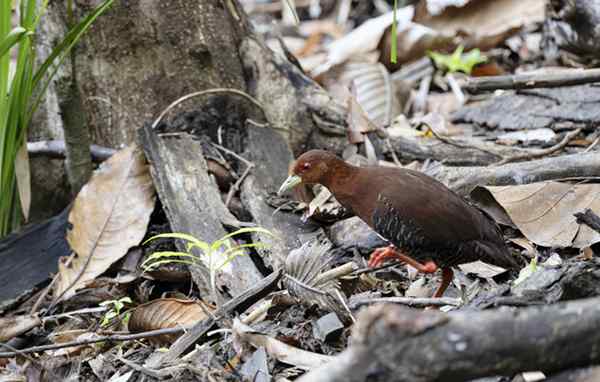
- 03 Dec 2025
In News:
Great Nicobar Island, the southernmost island of India in the Andaman & Nicobar archipelago, is emerging as a major hotspot of biological discoveries. Recent scientific studies from the area identified for a mega infrastructure development project have highlighted the island’s exceptional biodiversity and high endemism.
Since 2021, researchers have reported nearly 40 new species from Great Nicobar, with a significant number formally described only in the last few years. These findings underline the island’s ecological sensitivity.
Key Recent Discoveries
1. New Wolf Snake – Lycodonirwini
- Recently described species of wolf snake
- Known from only four records so far
- Named in honour of Steve Irwin
- Found in a very restricted range on Great Nicobar’s east coast
- Scientists recommend listing it as Endangered under IUCN Red List criteria due to:
- Rarity
- Limited distribution
- Habitat vulnerability
2. Great Nicobar Crake (Genus: Rallina)
A rare forest rail photographed only a handful of times over more than a decade.
Taxonomic Status
- Belongs to the genus Rallina (crakes/forest rails)
- May represent a new species to science based on distinct morphological traits
- Very little known about its distribution, population size, or ecology
Habitat
- Dense tropical rainforest undergrowth
- Associated with wet forest floors, streams, bamboo, cane, and vine thickets
Behaviour
- Ground-dwelling, shy and elusive
- Rarely flies; moves swiftly through vegetation
- Feeds on insects and small invertebrates
Conservation Note
- Not yet officially assessed by IUCN
- Likely to fall under Data Deficient or a threatened category if found to be endemic with a small range
Ecological & Conservation Significance
- Presence of range-restricted species indicates fragile ecosystems
- Frequent discoveries suggest large gaps in scientific knowledge
- Highlights the importance of:
- Long-term ecological monitoring
- Rigorous Environmental Impact Assessments (EIA)
- Habitat protection in the face of large infrastructure projects
Great Nicobar is considered one of the last extensive undisturbed tropical rainforest regions in India, making it critical for biodiversity conservation.
Ellora Caves
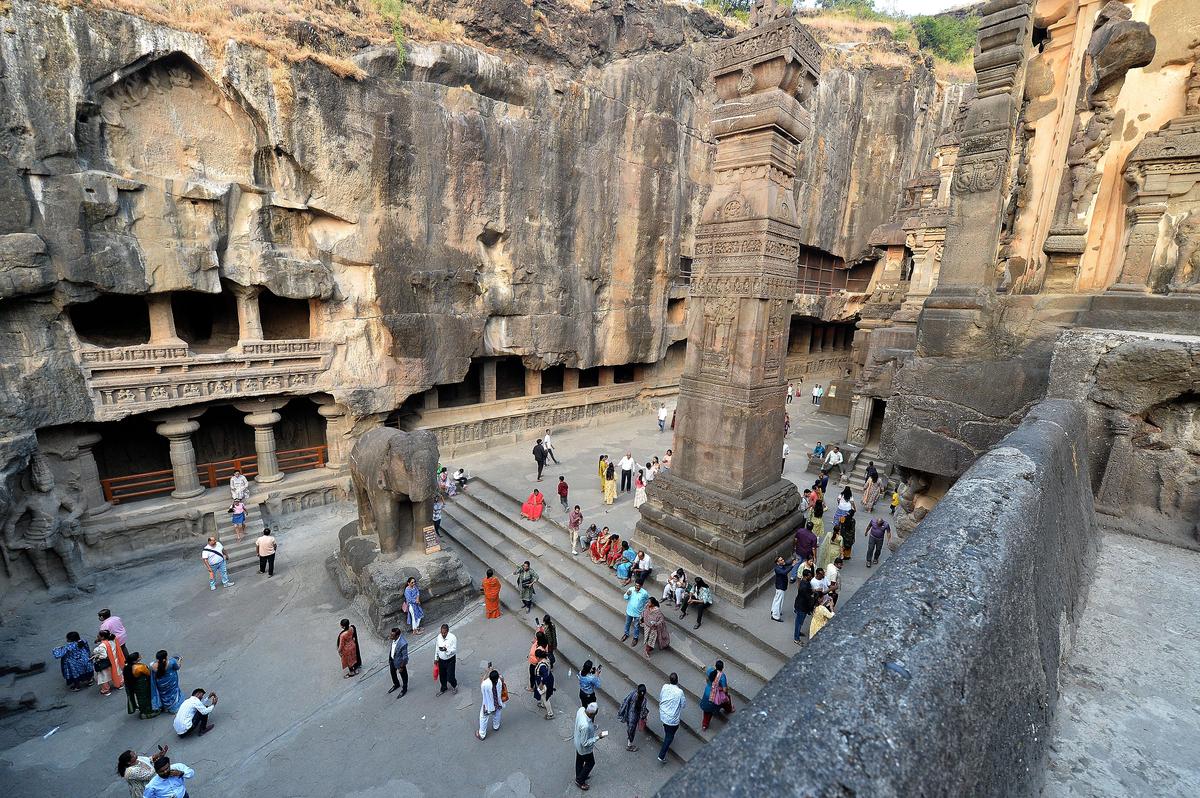
- 03 Dec 2025
In News:
The Ellora Caves, located in Chhatrapati Sambhajinagar (Maharashtra), are among India’s earliest UNESCO World Heritage Sites (inscribed in 1983) and represent one of the largest rock-cut cave complexes in the world. While the caves themselves are globally renowned, the wider Ellora–Khultabad heritage zone contains several historically important but lesser-known monuments that remain under-promoted.
Ellora Caves: Core Facts
Chronology
Constructed between 6th and 10th centuries CE, Ellora reflects continuous religious activity over centuries.
|
Group |
Cave Numbers |
Period |
Features |
|
Buddhist |
1–12 |
c. 600–800 CE |
Viharas (monasteries), chaitya halls, meditation cells |
|
Hindu |
13–29 |
c. 600–900 CE |
Grand sculptural programs, mythological panels |
|
Jain |
30–34 |
c. 800–1000 CE |
Intricate carvings, emphasis on asceticism and detail |
Architectural & Cultural Significance
1. Kailasa Temple (Cave 16)
- Largest monolithic rock-cut structure in the world
- Dedicated to Lord Shiva
- Excavated top-down from a single basalt rock mass
- Estimated 1.5–2 lakh tonnes of rock removed
- Notable features:
- Nandi Mandapa
- Life-size elephant sculptures
- Panels like Ravana shaking Mount Kailasa
- Highly developed Dravidian temple architecture in rock-cut form
2. Multi-Religious Coexistence
- Rare site where Buddhist, Hindu, and Jain monuments coexist
- Demonstrates religious tolerance and artistic continuity in early medieval India
3. Rock-Cut Engineering
- Multi-storeyed structures carved from solid basalt
- Includes pillars, halls, stairways, windows, and elaborate façades
Wider Ellora–Khultabad Heritage Zone
Beyond the caves, the surrounding regionespecially Khultabad, located on the hill above Ellora—contains monuments reflecting layered religious and political history.
1. Malik Ambar’s Tomb
- Mausoleum of Malik Ambar, the Ethiopian-origin military leader and statesman of the Ahmadnagar Sultanate
- Known for administrative reforms and resistance against the Mughals
- Represents Deccan Sultanate architecture
2. Tomb of the First Peshwa
- Refers to an early holder of the Peshwa title (used before and during the Maratha period)
- Highlights the region’s pre-Maratha and Maratha-era political history
3. Empty Tomb of the Last Ottoman Caliph
- Memorial structure linked to the last Ottoman Caliph, Abdulmejid II
- Built by his daughter, who was married into the Hyderabad Nizam’s family
- SymbolisesIndia’s historical connections with West Asia and the Ottoman world
4. Khultabad’s Religious Traditions
- Known for Sufi shrines and long-standing Islamic spiritual traditions
- Also associated with earlier local cults and Naga veneration, indicating continuity of sacred geography
Tourism & Heritage Significance
- Ellora is part of a major heritage circuit including:
- Ajanta Caves
- Daulatabad Fort
- Khultabad monuments
- Together, these sites form a dense cultural landscape spanning:
- Ancient Buddhist heritage
- Early medieval Hindu and Jain architecture
- Deccan Sultanate history
- Maratha-era legacy
- Indo-Islamic and trans-regional Islamic connections
Durand Line
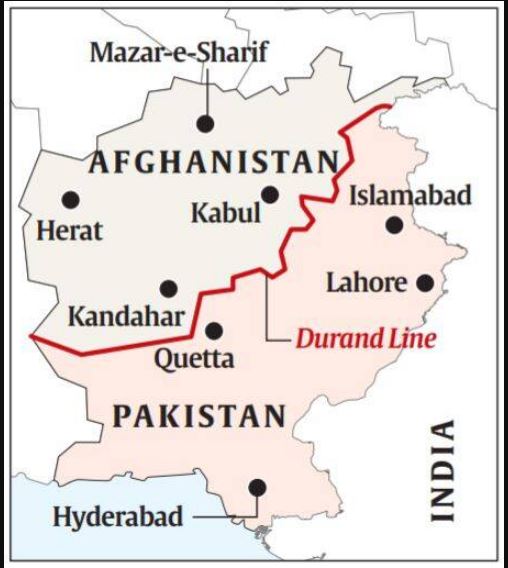
- 03 Dec 2025
In News:
The Durand Line is the 2,600-km boundary separating Pakistan and Afghanistan, running from the Iran border in the west to China’s border in the east, traversing rugged terrain including the Karakoram range and the Registan desert. It remains one of South Asia’s most disputed international borders and a recurring flashpoint in regional geopolitics.
Historical Background
1. The Great Game Context
- During the 19th century, Afghanistan became strategically crucial in the rivalry between the British Empire and Tsarist Russia, known as the Great Game.
- Britain sought to create Afghanistan as a buffer state to protect British India from Russian expansion.
2. Anglo-Afghan Wars
|
War |
Period |
Outcome |
|
First Anglo-Afghan War |
1839–42 |
British forces retreated after strong Afghan resistance |
|
Second Anglo-Afghan War |
1878–80 |
British victory; led to the Treaty of Gandamak (1879) giving Britain control over Afghan foreign policy |
|
Third Anglo-Afghan War |
1919 |
Ended with the Treaty of Rawalpindi, restoring Afghanistan’s foreign policy independence |
Creation of the Durand Line (1893)
- Negotiated between Sir Henry Mortimer Durand, Foreign Secretary of British India, and Emir Abdur Rahman Khan of Afghanistan.
- Formally demarcated between 1894 and 1896 by joint commissions.
- Key consequences:
- Divided Pashtun tribal territories between Afghanistan and British India
- Brought Balochistan under British India
- Recognised the Wakhan Corridor as a buffer between Russian and British spheres of influence
Post-Independence Dispute
Pakistan’s Position
- After Partition in 1947, Pakistan inherited the Durand Line as its western international boundary.
- Pakistan treats it as a legally valid international border under the principle of state succession.
Afghanistan’s Position
- Afghanistan has never formally recognised the Durand Line as an international border.
- It argues that the agreement was:
- A colonial imposition
- Signed under unequal conditions
- Successive Afghan governments including the Taliban regime have maintained this position.
Pashtunistan Issue
- The Durand Line splits the Pashtun ethnic homeland.
- Post-1947, demands emerged for an independent “Pashtunistan”, straining Pakistan–Afghanistan relations.
- Afghanistan was the only country to oppose Pakistan’s admission to the UN (1947), partly over this issue.
Security and Contemporary Relevance
- The border region has long been marked by:
- Militant safe havens
- Cross-border insurgency
- Smuggling and illegal movement
- Pakistan began fencing the border in 2017, which Afghanistan opposed, leading to clashes.
- Recent tensions include allegations of cross-border air strikes and skirmishes, highlighting the border’s volatility.
- The dispute complicates counter-terror cooperation, refugee management, and regional connectivity.
Why the Durand Line Matters for India & the Region
- Affects regional stability in South Asia and Central Asia
- Impacts terror networks operating in the Af-Pak region
- Influences geopolitical alignments involving Pakistan, Afghanistan, China, and the US
- Important for understanding ethnic geopolitics and colonial legacy borders
Bioremediation
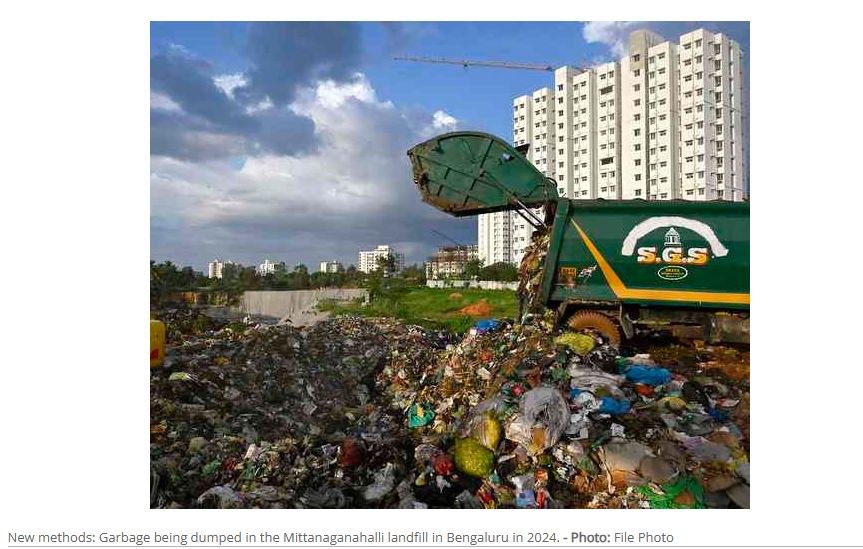
- 03 Dec 2025
In News:
Human waste is leading to a world where access to clean air, water and soil is becoming increasingly difficult. The solution is two-pronged — reduce waste and clean up the waste already made.
What is bioremediation?
Bioremediation refers to the use of living organisms to clean up environmental pollution. The term literally means “restoring life through biology.” It involves harnessing microorganisms such as bacteria, fungi, algae, and plants to degrade, transform, or neutralise harmful contaminants in soil, water, and air.
These organisms use pollutants like oil, pesticides, plastics, and some heavy metals as sources of energy or nutrients. Through natural metabolic processes, they break down toxic substances into less harmful by-products such as water, carbon dioxide, and organic acids. In certain cases, microbes can also convert toxic metals into less mobile or less bioavailable forms, reducing their environmental impact.
Types of Bioremediation
Bioremediation is broadly classified into two types:
- In situ bioremediation involves treating contamination at the original site without removing soil or water. For example, oil-degrading bacteria may be applied directly to an oil spill.
- Ex situ bioremediation involves removing contaminated material to a controlled environment for treatment and returning it once cleaned. This is often used for heavily polluted soil or wastewater.
The effectiveness of bioremediation depends on factors such as temperature, pH, oxygen availability, and nutrient levels, which influence microbial growth and activity.
Modern Advances
Modern bioremediation combines traditional microbiology with advanced biotechnology. Scientists now use genetic and molecular tools to identify microbes with specific pollutant-degrading abilities. In some cases, genetically modified (GM) microorganisms are being designed to break down persistent pollutants like certain plastics or petroleum residues that natural microbes struggle to degrade.
Nanotechnology is also being explored, such as absorbent materials that help collect oil or pollutants before microbial treatment.
Why Bioremediation is important for India
India faces severe environmental challenges due to rapid industrialisation, urbanisation, and poor waste management. Many rivers receive untreated sewage and industrial effluents, while agricultural soils are affected by pesticide residues and heavy metals. Oil spills, landfill leachates, and industrial waste further degrade ecosystems and threaten public health.
Traditional remediation methods are often expensive, energy-intensive, and may generate secondary pollution. Bioremediation offers a cost-effective, scalable, and environmentally friendly alternative, especially for a country with vast contaminated areas and limited remediation resources.
India’s rich biodiversity provides an advantage, as indigenous microbes adapted to local climatic conditions can be more effective than imported strains.
Status of Bioremediation in India
Bioremediation is gradually gaining ground in India, though largely at pilot and project levels. Government-supported research institutions and universities are working on microbial solutions for treating sewage, industrial effluents, oil spills, and contaminated soils.
The Department of Biotechnology (DBT) has supported clean technology initiatives, and research organisations such as CSIR laboratories and IITs have developed microbial formulations and innovative materials for environmental cleanup. Start-ups are also entering the sector with products for wastewater and soil treatment.
Bioremediation aligns with national initiatives such as NamamiGange, Swachh Bharat Mission, and sustainable waste management efforts.
Advantages
Bioremediation is considered environmentally friendly because it relies on natural biological processes rather than harsh chemicals. It is generally cost-effective, requires less heavy infrastructure, and can offer a long-term solution, as pollutants are broken down rather than merely transferred elsewhere. It is particularly useful for treating oil contamination and organic pollutants.
Limitations and Risks
Bioremediation is not universally applicable. It works best for biodegradable pollutants, and some contaminants, particularly certain heavy metals and synthetic chemicals, may not be fully removed. The process can also be slow, sometimes taking months or years.
The use of genetically modified microorganisms raises biosafety concerns. If not properly regulated, their release into open environments could have unintended ecological impacts. There is also a need for site-specific knowledge, regulatory standards, and skilled personnel for large-scale adoption.
India at WorldSkills Asia Competition (WSAC) 2025

- 02 Dec 2025
In News:
India marked its first-ever participation at the WorldSkills Asia Competition (WSAC) 2025 by securing an impressive 8th rank among 29 participating countries. The Indian contingent won one Silver medal, two Bronze medals, and three Medallions for Excellence, highlighting India’s growing strength in technical and vocational education and training (TVET).
What is WorldSkills Asia Competition (WSAC)?
The WorldSkills Asia Competition is a premier continental skill competition conducted under the global WorldSkills movement, which promotes excellence in vocational, technical, and employability skills among youth.
It serves as a platform for young professionals to demonstrate expertise in a wide range of traditional, industrial, digital, and emerging technology skills. The competition also supports international cooperation, industry partnerships, and TVET reforms across Asia.
Background
WorldSkills Asia (WSA) was formed to organise regional skill competitions in Asia under the broader WorldSkills framework.
The first WorldSkills Asia Competition was held in 2018 in Kuala Lumpur, Malaysia. The 2025 edition, in which India made its debut, was hosted by Chinese Taipei and marked the third edition of the continental competition.
Key Features of WSAC 2025
The competition is considered Asia’s largest regional event for skills excellence. More than 500 competitors took part across 44 high-demand skill categories.
The skill areas included:
- Advanced and future-oriented skills such as robotics, artificial intelligence, web technologies, software development, and automation
- Industrial and design-oriented skills like industrial design technology
- Traditional trades such as painting and decorating and electrical installations
The event also aimed to:
- Bridge the education–employment gap
- Promote youth employability
- Strengthen trainer capacity
- Encourage industry–academia partnerships
- Boost international collaboration in skill development
India’s Participation and Performance
India participated with a team of 23 competitors across 21 skill categories, supported by 21 technical experts. The Indian delegation was led by the Ministry of Skill Development and Entrepreneurship (MSDE) along with the National Skill Development Corporation (NSDC).
Medals Won by India
- Silver Medal in Painting and Decorating
- Bronze Medal in Industrial Design Technology
- Bronze Medal in Robot System Integration
- Three Medallions for Excellence in other skill categories
India’s overall 8th rank in its debut reflects the country’s improving ecosystem in vocational training, industry-aligned skills, and global competitiveness in skilled trades.
Significance for India
India’s performance demonstrates:
- Rising global recognition of India’s skilled workforce
- Progress in strengthening the TVET ecosystem
- Alignment with initiatives such as Skill India Mission
- Focus on future-ready skills like robotics, AI, and digital technologies
- Greater integration of traditional trades with modern industry demands
Participation in such competitions helps benchmark India’s skill standards against global peers and improves employability, productivity, and innovation capacity.
Norovirus
- 02 Dec 2025
In News:
Cases of norovirus, commonly known as the "winter vomiting disease," have been rising in the United States in recent weeks, CBS News reported, citing data from the Centers for Disease Control and Prevention.
About Norovirus
- Norovirus is a highly contagious virus that causes acute gastroenteritis, which is inflammation of the stomach and intestines. It is often incorrectly called the “stomach flu,” but it is not related to influenza, which affects the respiratory system. Norovirus outbreaks show a clear seasonal trend, occurring more frequently during colder months.
- Noroviruses are responsible for a major share of viral gastroenteritis cases worldwide, causing the vast majority of outbreaks. People can get infected multiple times in life because there are many different strains and immunity is short-lived.
Transmission
Norovirus spreads very easily and rapidly, especially in crowded and closed environments such as schools, cruise ships, hospitals, hostels, and old-age care facilities.
The virus spreads through:
- Direct contact with an infected person
- Eating contaminated food or drinking contaminated water
- Touching contaminated surfaces and then touching the mouth
- Contact with virus particles present in vomit or faeces
An infected person is contagious from the time symptoms begin and may continue spreading the virus for several days after recovery.
Symptoms
Symptoms usually appear 12 to 48 hours after exposure and are sudden in onset. They include:
- Nausea
- Vomiting (a key feature)
- Diarrhoea
- Stomach cramps
- Low-grade fever
- Headache
- Body aches
- Fatigue
Most cases are mild, but severe fluid loss can lead to dehydration, which is the main complication.
High-Risk Groups
Although people of all ages can be infected, severe disease is more likely in:
- Elderly persons (65 years and above)
- Young children
- Individuals with weakened immune systems
These groups are at higher risk of hospitalisation due to dehydration.
Treatment
There is no specific antiviral drug to cure norovirus infection.
Treatment mainly involves:
- Drinking plenty of fluids or oral rehydration solutions (ORS)
- Rest and supportive care
- Intravenous fluids in severe cases of dehydration
Currently, there is no widely available vaccine for routine prevention.
Prevention
Prevention depends largely on strict hygiene and sanitation.
Key preventive steps include:
- Washing hands thoroughly with soap and water, especially after using the toilet and before eating or preparing food
- Cooking shellfish thoroughly and washing fruits and vegetables properly
- Avoiding raw or undercooked foods
- Cleaning contaminated surfaces with bleach-based disinfectants
- Avoiding close contact with infected individuals
- Staying at home while sick and for at least 48 hours after symptoms stop
- Avoiding preparation of food for others during illness
Alcohol-based sanitizers are less effective against norovirus compared to handwashing with soap and water.
Norovirus vs Influenza
Norovirus affects the digestive system and causes vomiting and diarrhoea, while influenza virus affects the respiratory system and causes cough, sore throat, and body ache. The term “stomach flu” for norovirus is therefore medically incorrect.
India Re-elected to IMO Council (2026–27 Term)

- 02 Dec 2025
In News:
India has been re-elected to the Council of the International Maritime Organization (IMO) in Category B, securing 154 out of 169 votes at the 34th IMO Assembly in London (Nov 2025). This is the second consecutive term in which India has obtained the highest vote tally in its category.
This outcome reflects India’s expanding role in global maritime trade, governance, and sustainability initiatives.
What is the IMO Council?
The IMO Council is the executive organ of the International Maritime Organization, functioning between Assembly sessions.
Key Features
- Constituted under: IMO Convention (1948; in force 1958)
- Election: Every two years by the IMO Assembly
- Total Members: 40 countries
- Divided into three categories (A, B, C)
Category B
- Includes 10 nations with the largest interest in international seaborne trade.
- Current Category B Members:Australia, Brazil, Canada, France, Germany, India, Netherlands, Spain, Sweden, UAE
Functions of the IMO Council
The Council:
- Supervises IMO’s work between Assembly sessions
- Coordinates administrative and financial functions
- Prepares agenda, work programmes, and strategic plans
- Oversees implementation of international maritime conventions
- Promotes cooperation in:
- Maritime safety
- Environmental protection
- Decarbonisation of shipping
- Maritime digitalisation
- Security
- Seafarer welfare
Significance of India’s Re-election
1. Recognition of Maritime Importance
- Reflects India’s growing role in international seaborne trade
- Positions India among leading maritime powers influencing global shipping regulations
2. Policy Influence
India gains a stronger voice in:
- Green shipping and decarbonisation frameworks
- Maritime safety and security norms
- Digital transformation of maritime logistics
- Global standards for sustainable ports and supply chains
3. Alignment with India’s Maritime Vision
- Supports the Maritime Vision 2047 goal of making India a global maritime hub
- Reinforces India’s push for:
- Port-led development
- Modern logistics
- Resilient and smart maritime infrastructure
4. Diplomatic & Strategic Value
- Enhances India’s role in maritime multilateralism
- Strengthens cooperation in the Indian Ocean Region (IOR) and beyond
About the International Maritime Organization (IMO)
|
Aspect |
Details |
|
Established |
By UN Convention (1948); came into force in 1958 |
|
First Session |
1959 |
|
Headquarters |
London, United Kingdom |
|
Specialised Agency of |
United Nations |
|
Objective |
Safe, secure, efficient, and environmentally sound shipping worldwide |
Major Functions of IMO
- Develops global maritime treaties such as:
- SOLAS – Safety of Life at Sea
- MARPOL – Prevention of Marine Pollution
- STCW – Standards of Training, Certification & Watchkeeping
- Regulates:
- Ship design, construction, and operation
- Pollution control from ships
- Seafarer training and certification
- Promotes sustainable maritime transport in line with SDG 14 (Life Below Water)
India’s Energy Policy in the Age of AI and Climate Change

- 02 Dec 2025
In News:
India’s energy policy is undergoing a structural transition as the rapid expansion of Artificial Intelligence (AI) and accelerating climate change reshape electricity demand, supply chains, and governance priorities. The traditional focus on access, affordability, and energy security is expanding to include decarbonisation, climate resilience, digital-era demand, and strategic autonomy, reflecting the changing contours of economic growth and technological transformation.
Key Trends Shaping India’s Energy Policy
- AI-Driven Electricity Demand: The rapid growth of AI and data centres is generating round-the-clock, gigawatt-scale electricity demand, compelling both Union and State governments to rethink renewable capacity addition, grid modernisation, and large-scale energy storage planning.
- Climate Change Pressures:Increasing heatwaves, floods, and extreme weather events are pushing policymakers to decouple GDP growth from carbon-intensive energy, aligning energy policy with India’s 2070 Net Zero commitment.
- Global Green Transition Dynamics:Rising dependence on critical minerals, concentration of renewable manufacturing, and friend-shoring strategies are influencing India’s industrial and strategic energy choices.
- Shift in Energy Governance:Energy governance is moving from a resource-centric approach to a systemic, multi-sectoral framework integrating climate policy, digital infrastructure, industrial strategy, and geopolitics.
Major Emerging Trade-offs
- Coal Economy vs Clean Energy Transition: Coal continues to support livelihoods of nearly 3.5 lakh workers, contributes significantly to state revenues in Jharkhand, Odisha, and Chhattisgarh, and underpins railway freight earnings. Simultaneously, India hosts six of the world’s ten most polluted cities (2024), creating a sharp tension between employment security and climate commitments.
- China-Dominated Green Supply Chains vs Strategic Autonomy:China controls around 80% of global solar module production, 95% of polysilicon and wafers, and 80% of lithium-ion battery processing. While imports from China enable rapid and low-cost renewable deployment, they increase strategic vulnerability, tariff exposure, and supply-chain risks.
- AI Data Centres vs Renewable Infrastructure Constraints:Proposed AI hubs by global and Indian firms demand 24×7 clean power. However, India’s grid-scale storage, pumped hydro capacity, and inter-state transmission networks remain inadequate, pushing some states to extend thermal power generation, thereby undermining decarbonisation goals.
Structural Governance Challenges
- Fragmented Institutional Framework:Energy governance is dispersed across multiple ministries—Power, New and Renewable Energy, Coal, Mines, and Commerce—with no single coordinating authority.
- Policy Incoherence:Industrial incentives promote data-centre expansion, while grid reforms and storage deployment lag behind, creating mismatches in policy objectives.
- Centre–State Divergences:Differences over coal phase-down, land acquisition, renewable corridors, and tariff structures slow capacity addition and infrastructure rollout.
- Inadequate Financing and R&D Models:Public sector–led approaches are insufficient for capital-intensive and R&D-driven sectors such as battery storage, offshore wind, and green hydrogen.
- Weak Policy Alignment:Poor alignment persists between climate commitments, PLI schemes, and technology missions related to AI and semiconductors.
Implications for India
India faces the risk of new energy insecurity if renewable and battery supply chains remain import-dependent. Rising AI-driven electricity demand may increase reliance on fossil fuels, undermining India’s Nationally Determined Contributions (NDCs). Slow expansion of grids and storage could deter investments in AI, electric vehicles, semiconductors, and aerospace, while a poorly managed coal transition may trigger regional unemployment, fiscal stress, and political resistance. Fragmented governance could delay India’s ambition to become a global AI and advanced-technology hub.
Taragiri
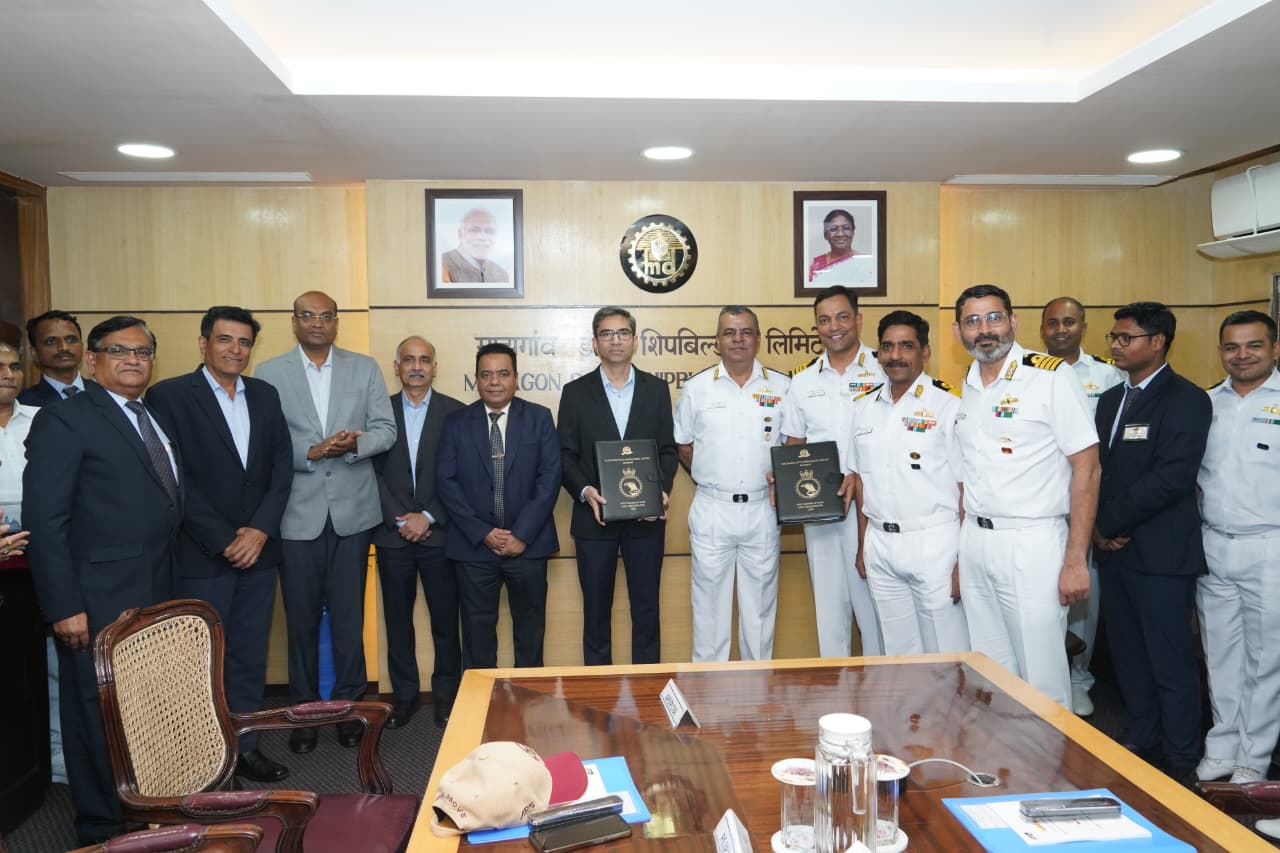
- 02 Dec 2025
In News:
The Indian Navy has received INS Taragiri (Yard 12653), the fourth Nilgiri-class frigate under Project 17A and the third P17A ship built by Mazagon Dock Shipbuilders Ltd (MDL). Delivered in November 2025, the induction of Taragiri marks a major milestone in Aatmanirbhar Bharat and India’s quest for indigenous, advanced warship construction.
INS Taragiri: Key Facts
- Type: Advanced stealth frigate (Nilgiri class)
- Project:Project 17A
- Builder:Mazagon Dock Shipbuilders Limited (MDL)
- Legacy: Reincarnation of the earlier INS Taragiri, a Leander-class frigate that served the Indian Navy from 1980 to 2013 (33 years)
- Designer: Warship Design Bureau (WDB)
Project 17A (Nilgiri Class): Overview
- Programme to build seven advanced stealth frigates as successors to the Shivalik-class (Project 17).
- Shipbuilders:
- MDL:Nilgiri, Udaygiri, Taragiri, Mahendragiri
- **Garden Reach Shipbuilders & Engineers (GRSE): Himgiri, Dunagiri, Vindhyagiri
- Construction philosophy:Integrated Construction Method
- Pre-outfitting of blocks to reduce build time and improve quality.
- Indigenisation: ~75% indigenous content, involving 200+ MSMEs.
- Delivery timeline: Remaining P17A ships to be delivered progressively by August 2026.
Design & Propulsion
- Role: Blue-water, multi-mission frontline combatant
- Propulsion:Combined Diesel or Gas (CODOG) system
- Diesel engine + gas turbine
- Each driving a Controllable Pitch Propeller (CPP)
- Automation: Advanced Integrated Platform Management System (IPMS) for efficient monitoring and control.
Weapons & Sensors Suite
- Missiles:
- BrahMos supersonic surface-to-surface missile
- Long Range Surface-to-Air Missiles (LRSAM) / Barak-8 (MRSAM)
- Guns & CIWS:
- 76 mm Super Rapid Gun Mount
- 30 mm and 12.7 mm close-in weapon systems
- Anti-Submarine Warfare:
- Lightweight torpedoes
- Indigenous Rocket Launchers (IRL)
- Sensors & EW:
- Multi-function radar (MF-STAR)
- Shakti Electronic Warfare Suite
- Airborne early-warning radar
- Surface surveillance radar
- Humsa-NG sonar
Operational Significance
- Capable of anti-surface, anti-air, and anti-submarine warfare.
- Enhanced stealth, survivability, firepower, and automation over earlier frigate classes.
- Reduces dependence on imports and strengthens India’s blue-water naval capabilities.
- Employment generation: ~4,000 direct and 10,000 indirect jobs.
Darjeeling Mandarin Orange Gets GI Tag

- 01 Dec 2025
In News:
Darjeeling Mandarin Orange, a premium citrus fruit grown in the hill regions of West Bengal, has been accorded Geographical Indication (GI) status, recognising its unique quality, flavour, and regional identity. With this, it becomes the third GI-tagged product from the Darjeeling region, after Darjeeling Tea and Dalley Khursani chilli.
About Darjeeling Mandarin Orange
- Botanical name: Citrus reticulata Blanco
- Region: Hills of Darjeeling and Kalimpong, West Bengal
- Local name: Suntala
- Economic importance: Major cash crop of the Darjeeling hills, known for distinct aroma, sweetness, and flavour
- Applicant/Owner: Darjeeling Organic Farmers Producer Organisation (DOFPO), Mirik, ensuring community ownership
Climatic & Edaphic Requirements
- Altitude: 600–1,500 metres above mean sea level
- Climate: Frost-free tropical to subtropical
- Rainfall: ~100–120 cm annually
- Temperature: 10°C–35°C
- Soil: Medium to light loamy soils
Production & Significance
- Output (2016): ~15,000 metric tonnes from Darjeeling & Kalimpong districts
- Market: Historically exported; high demand including European markets
- Challenges: Production declined over the past 15 years due to virus and pest attacks
- Expected impact of GI:
- Revival of cultivation and farmer incomes
- Protection against misuse/imitations
- Branding and premium pricing in domestic and export markets
What is a Geographical Indication (GI) Tag?
- A sign identifying goods as originating from a specific region where quality, reputation, or characteristics are attributable to that origin.
- Covered goods: Agricultural products, foodstuffs, wines & spirits, handicrafts, industrial products.
- Legal framework: Geographical Indications of Goods (Registration and Protection) Act, 1999
- Validity: 10 years, renewable.
Hansa-3 NG Trainer Aircraft

- 01 Dec 2025
In News:
The CSIR–National Aerospace Laboratories (CSIR-NAL), Bengaluru, has launched the production-version of the indigenous Hansa-3 (NG) trainer aircraft, marking a significant step towards strengthening India’s self-reliance in civil aviation training and indigenous aircraft manufacturing.
About Hansa-3 Aircraft
- Type: Indigenous two-seat trainer aircraft
- Developer: CSIR-NAL
- Purpose: Basic / ab-initio flight training
- Primary Users: Flying clubs, pilot training academies, and civil aviation training institutions
Design & Construction
- Built entirely using fiberglass and carbon composite materials
- Advantages:
- High corrosion resistance
- Better damage tolerance
- Ease of repair and maintenance
- Lightweight airframe suited for repetitive training operations
Hansa-3 (NG – New Generation): Key Upgrades
The Hansa-3 NG is an advanced version of the earlier Hansa-3, incorporating modern avionics and performance improvements:
- Digital Glass Cockpit
- Replaces traditional analogue instruments
- Enhances situational awareness and training efficiency
- Increased Fuel Capacity
- Allows longer training sorties
- Improves aircraft endurance
- Improved Flight Characteristics
- Low stall speed
- Stable and predictable handling
- Ideal for first-time trainee pilots
- Training-Friendly Design
- Simple systems
- Forgiving flight envelope for beginners
Significance of Production-Grade Launch
- Transition from prototype to production-ready aircraft
- Boosts Atmanirbhar Bharat in civil aviation
- Reduces dependence on imported trainer aircraft
- Supports expansion of pilot training capacity in India
- Strengthens the civil aerospace ecosystem led by CSIR laboratories
Opening India’s Nuclear Sector to Private Players
- 01 Dec 2025
In News:
The Prime Minister of India, Narendra Modi, has stated that the Government is moving towards opening the nuclear power sector for private participation, marking a major reform similar to earlier liberalisation of the space sector. The reform aims to strengthen energy security, clean energy transition, and technological leadership, while creating opportunities in small modular reactors (SMRs), advanced reactors, and nuclear innovation.
Background: Nuclear Power Sector in India
- Traditionally, nuclear power plants in India are owned and operated only by public sector entities:
- Nuclear Power Corporation of India Limited (NPCIL)
- Bharatiya Nabhikiya Vidyut Nigam (BHAVINI)
Proposed Legal Changes
To enable private sector entry, the Government has proposed amendments to:
- Atomic Energy Act, 1962 – Governs development, control, and regulation of nuclear energy.
- Civil Liability for Nuclear Damage Act, 2010 – Provides compensation mechanisms and fixes liability in case of nuclear incidents.
What is Nuclear Energy?
- Energy released during nuclear reactions:
- Fission: Splitting of heavy nuclei (e.g., uranium, plutonium) – used in nuclear power plants.
- Fusion: Merging of light nuclei (future potential).
- Nuclear fission produces large amounts of energy with low carbon emissions, making it crucial for clean baseload power.
Status of Nuclear Power in India
- Installed Capacity: ~8,180 MW
- Reactors: 24 nuclear reactors in operation
- Long-term Target: 100 GW nuclear capacity by 2047
- Under Construction:
- 10 new reactors (≈8 GW) in Gujarat, Rajasthan, Tamil Nadu, Haryana, Karnataka, Madhya Pradesh
- Approval for a 6 × 1208 MW nuclear plant in Andhra Pradesh in collaboration with the USA
Government Initiatives
- ?20,000 crore R&D mission for development of Small Modular Reactors (SMRs).
- Target to deploy at least five indigenously developed SMRs by 2033.
- NPCIL–NTPC Joint Venture:
- National Thermal Power Corporation (NTPC) and NPCIL formed a JV named ASHVINI.
- ASHVINI will build, own, and operate nuclear power plants, including the 4 × 700 MWe PHWR Mahi-Banswara Rajasthan Atomic Power Project.
Benefits of Private Sector Participation
- Faster Capacity Expansion: Mobilises large-scale private investment.
- Technological Advancement: Access to global expertise and innovation.
- Cost Efficiency: Competitive processes reduce delays and overruns.
- Energy Security: Reduces dependence on fossil fuels and supports climate goals.
- Clean Energy Transition: Strengthens India’s low-carbon energy mix.
Key Concerns
- Regulatory Challenges: Need for strong and clear regulatory oversight.
- High Capital Requirement: Large upfront costs and long gestation periods.
- Liability Issues: High operator liability under existing law deters investors.
- Safety & Security: Nuclear safety, waste management, and national security concerns.
- Public Perception: Fear of radiation risks and nuclear accidents.
Way Forward
- Clear Regulatory Framework: Transparent rules ensuring safety and accountability.
- Public–Private Partnerships (PPPs): Government oversight with private investment and operations.
- Phased Implementation: Pilot projects and SMRs before large-scale private entry.
1st Blind Women’s T20 World Cup 2025
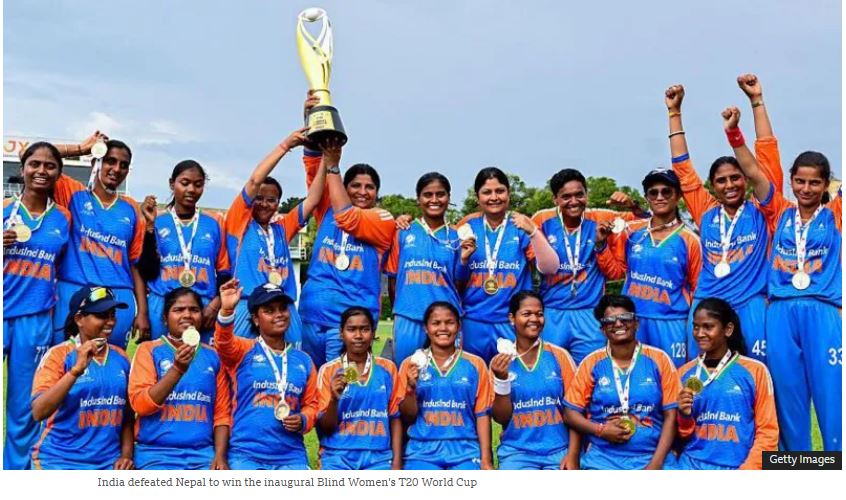
- 01 Dec 2025
In News:
The Prime Minister of India, Narendra Modi, met and felicitated the Indian Women’s Blind Cricket Team after their historic victory in the first-ever Blind Women’s T20 World Cup 2025, where India defeated Nepal in the final.
Key Details:
- The Blind Women’s T20 World Cup 2025 is the first global cricket championship exclusively for women cricketers with visual impairment.
- A landmark initiative promoting inclusivity, representation, and international recognition for blind women athletes.
Organising Body
- Organised by World Blind Cricket Ltd. (WBC)
- Hosted jointly with:
- Cricket Association for the Blind in India (CABI)
- Cricket Association for the Blind in Sri Lanka
Hosts & Venues
- Co-hosts: India and Sri Lanka
- Venues:
- Delhi (India)
- Bengaluru (India)
- Colombo (Sri Lanka)
- Final Venue: P. Sara Oval Stadium, Colombo
Tournament Structure & Format
- Participating Nations (6): India, Nepal, Pakistan, Sri Lanka, Australia, USA
- Format:
- Round-robin league
- Semi-finals
- Final
Unique Playing Features (Blind Cricket Rules)
- Player Categories:
- B1: Totally blind
- B2 & B3: Partially sighted
- Mandatory mix of all categories in the playing XI
- Equipment & Rules:
- White plastic ball with metal bearings to produce sound
- Underarm bowling along the ground
- B1 batters use runners
- Each run scored by a B1 batter is counted double
Results & Indian Team Highlights
- Champion: India (Unbeaten throughout the tournament)
- Final Result: India defeated Nepal by 7 wickets
- Player of the Final: Phula Saren
- Captain of India: Deepika TC (Deepika Gaonkar)
Vikram-I Rocket & India’s Private Space Ecosystem
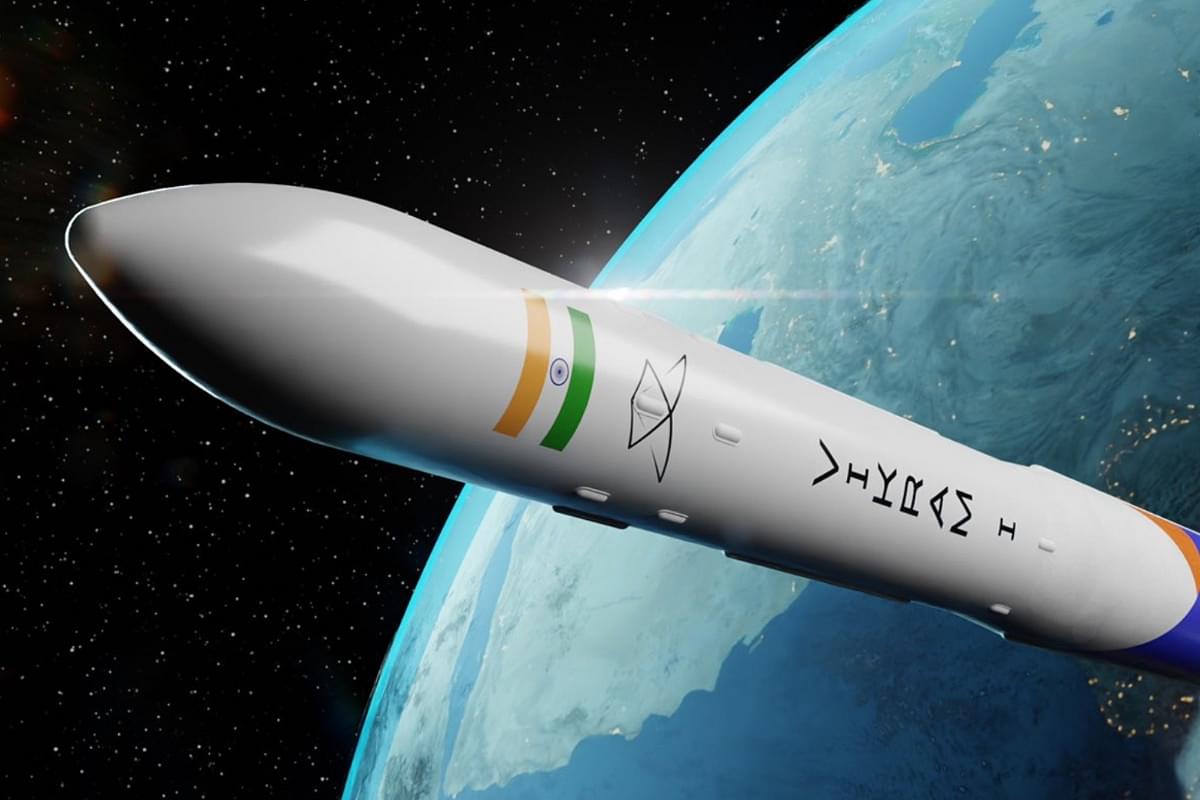
- 01 Dec 2025
In News:
The Prime Minister of India, Narendra Modi, recently inaugurated the Infinity Campus of Skyroot Aerospace and unveiled its first orbital-class launch vehicle, Vikram-I. This milestone highlights the rapid expansion of India’s private space sector following recent space sector reforms.
About Skyroot Aerospace
- India’s leading private space startup.
- Founded by Pawan Chandana and Bharath Dhaka, former scientists of ISRO.
- Became the first Indian private company to launch a rocket to space with the successful sub-orbital launch of Vikram-S (November 2022).
Vikram-I Rocket: Key Features
- Type: India’s first private orbital-class launch vehicle.
- Naming: Named after Vikram Sarabhai, father of India’s space programme.
- Height: ~20 metres.
- Stages: Four-stage rocket
- Stages 1–3: Solid-fuelled
- Stage 4: Hypergolic liquid stage (cluster of four Raman engines using MMH fuel and NTO oxidiser).
- Thrust: ~1,200 kN.
- Structure: All-carbon composite for high strength-to-weight efficiency.
- Payload Capacity:
- Up to 350 kg to Low Earth Orbit (LEO)
- Up to 260 kg to Sun-Synchronous Orbit (SSO)
- Mission-specific capacities (e.g., ~290 kg to 500 km SSO; ~480 kg to 500 km LEO at 45° inclination).
- Launch Readiness: Designed for rapid launches (within ~24 hours from any location).
- Target Segment: Small satellite and multi-satellite launch missions.
Technological Innovations
- 3D-printed rocket engines.
- Advanced avionics with real-time guidance and navigation.
- Ultra-low-shock pneumatic separation systems for satellite safety.
- Hybrid propulsion architecture combining solid stages with a precise liquid upper stage.
Strategic & Economic Significance
- Expected debut: Early 2026.
- Supports India’s goal of a ~$77 billion space economy by 2030.
- Reduces launch burden on ISRO and ensures indigenous, on-demand access to orbit.
- Boosts downstream applications in defence, disaster management, environment monitoring, communication, and infrastructure.
- Strengthens India’s position as a global hub for cost-effective small satellite launches.