
India–GCC Free Trade Agreement (FTA)

- 26 Feb 2026
In News:
India and the Gulf Cooperation Council (GCC) have signed a Joint Statement formally launching negotiations for the proposed India–GCC Free Trade Agreement (FTA), following the previously agreed Terms of Reference. This marks a significant milestone in strengthening India–GCC economic and strategic relations.
About the India–GCC Free Trade Agreement (FTA)
Nature of the Agreement
The India–GCC FTA is a proposed comprehensive trade agreement between India and the six GCC member states:
- Saudi Arabia
- United Arab Emirates (UAE)
- Qatar
- Kuwait
- Oman
- Bahrain
It seeks to establish a structured framework for enhancing:
- Trade in goods
- Trade in services
- Investment flows
- Regulatory cooperation
- Market access
The agreement aims to reduce tariff and non-tariff barriers and facilitate smoother business operations between the two sides.
Economic Significance of India–GCC Trade
1. Major Trading Partner
- The GCC is India’s largest trading partner bloc.
- Accounts for 15.42% of India’s global trade.
- Bilateral trade in FY 2024–25:
- Total Trade: USD 178.56 billion
- Exports: USD 56.87 billion
- Imports: USD 121.68 billion
- Trade has grown at an average annual rate of 15.3% over the past five years.
2. Sectoral Complementarity
Key Indian Exports to GCC:
- Engineering goods
- Rice
- Textiles
- Machinery
- Gems and jewellery
Key Indian Imports from GCC:
- Crude oil
- Liquefied Natural Gas (LNG)
- Petrochemicals
- Precious metals (especially gold)
The trade relationship reflects strong energy–manufacturing complementarity, with the GCC playing a critical role in India’s energy security.
3. Investment Linkages
- GCC countries have invested over USD 31.14 billion (cumulative FDI as of September 2025) in India.
- The FTA is expected to further:
- Facilitate investment flows
- Promote joint ventures
- Enhance financial cooperation
4. Diaspora Dimension
- The GCC region hosts nearly 10 million Indians.
- The diaspora acts as a “living bridge”, strengthening:
- Remittance flows
- Cultural linkages
- Business networks
- Soft power presence
About the Gulf Cooperation Council (GCC)
- Established in 1981
- A regional political and economic alliance
- Members: Bahrain, Kuwait, Oman, Qatar, Saudi Arabia, UAE
- Headquarters: Riyadh, Saudi Arabia
Background
The GCC was formed in response to regional instability, including:
- The Iranian Revolution (1979)
- The Iran–Iraq War (1980–1988)
Objectives
- Economic cooperation
- Security coordination
- Cultural and social integration
Organisational Structure
- Supreme Council (highest authority)
- Composed of heads of member states
- Presidency rotates among members
Renaming of Kerala as “Keralam”
- 26 Feb 2026
In News:
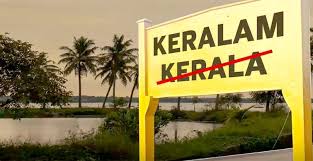
The Union Cabinet has approved a proposal to rename the State of Kerala as “Keralam.” The move reflects linguistic and cultural identity considerations and now requires Parliamentary approval under the constitutional procedure governing alteration of state names.
Historical Evolution of the State of Kerala
Pre-Independence Background
Before Independence, Malayalam-speaking regions were politically fragmented across:
- Malabar District (under British Madras Presidency)
- Princely States of:
- Travancore
- Cochin (Kochi)
In the 1920s, the Aikya (Unified) Kerala Movement emerged, demanding a single state for Malayalam-speaking people based on linguistic identity.
Post-Independence Developments
- 1 July 1949: Travancore and Cochin merged to form the Travancore–Cochin State.
- The Government of India appointed the State Reorganisation Commission (SRC) under Justice Fazl Ali.
- The SRC recommended the creation of linguistic states, including a unified Kerala.
Formation of Kerala
- 1 November 1956: Kerala was formally created under the States Reorganisation Act, 1956.
- It comprised:
- Malabar District (from Madras State)
- Travancore–Cochin State (excluding certain Tamil-majority areas)
Thus, Kerala emerged as a linguistic state representing Malayalam-speaking populations.
Constitutional Procedure to Rename a State
The renaming of a state is governed by Article 3 and Article 4 of the Constitution of India.
Article 3: Powers of Parliament
Parliament may by law:
- Form a new state
- Increase or diminish the area of any state
- Alter state boundaries
- Alter the name of any state
However, two procedural safeguards apply:
- A Bill for such change can be introduced in Parliament only with prior recommendation of the President.
- Before recommending the Bill, the President must refer it to the concerned State Legislature to express its views within a specified period.
Importantly:
- The President (and Parliament) is not bound by the views of the State Legislature.
- Parliament may accept or reject the state’s suggestions.
Article 4: Nature of the Law
- Laws made under Article 3 are not considered Constitutional Amendments under Article 368.
- Such laws:
- Can be passed by simple majority
- Follow the ordinary legislative procedure
Thus, renaming a state does not require a special majority or ratification by states.
Federal and Political Context
The renaming of states often reflects:
- Linguistic identity
- Cultural assertion
- Historical reclamation
- Regional aspirations
For instance, past examples include:
- Orissa → Odisha
- Pondicherry → Puducherry
- Uttaranchal → Uttarakhand
However, not all renaming proposals have been successfully implemented, highlighting the political and procedural complexities involved.
Significance of the “Keralam” Proposal
- Linguistic Authenticity: “Keralam” is the Malayalam name for the state.
- Cultural Identity: Reinforces regional linguistic heritage.
- Federal Procedure in Action: Demonstrates constitutional flexibility under Article 3.
- Non-Amendment Process: Highlights distinction between ordinary legislation and constitutional amendment.
Chicory and FSSAI’s Labelling Advisory
- 26 Feb 2026
In News:
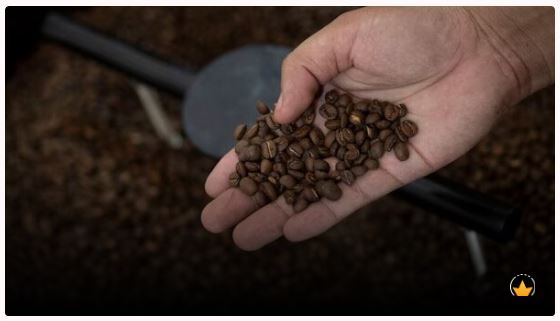
The Food Safety and Standards Authority of India (FSSAI) has issued an advisory mandating that the percentage of chicory content in coffee powder must be prominently displayed on the front of the package. The rule will come into effect from 1 July.
The move aims to enhance consumer awareness and transparency in the coffee market.
About Chicory
- Scientific Name: Cichorium intybus
- Family: Asteraceae
- Nature: Perennial plant
- Cultivation: Primarily grown in temperate regions worldwide
Chicory is a versatile plant known for its medicinal, nutritional, and culinary properties. Various varieties are cultivated and used differently across regions.
Botanical and Nutritional Features
- Considered a local wild edible plant
- Edible parts: Leaves, Flowers, Roots
- Nutritional components include:
- Carbohydrates
- Proteins
- Vitamins
- Minerals
- Soluble fibre (notably inulin)
- Trace elements
- Bioactive phenolic compounds
Chicory root is particularly valued for its fibre content and functional food properties.
Use of Chicory in Coffee
Chicory is widely used as a coffee additive, especially in blended coffee products.
Why It Is Used
- Imparts a darker colour
- Provides an earthy, woody flavour
- Naturally caffeine-free
- More affordable than high-quality coffee beans
In India, chicory-blended coffee is common, particularly in southern states.
FSSAI Advisory: Key Provisions
The FSSAI has directed that:
- The exact percentage of chicory in coffee blends must be clearly mentioned.
- The information must be displayed on the front of the coffee powder packaging.
- The regulation becomes effective from 1 July.
Objective
- Improve consumer transparency
- Prevent misleading marketing practices
- Enable informed consumer choice
- Strengthen regulatory oversight in food labelling
This aligns with FSSAI’s mandate to ensure safe, standardised, and properly labelled food products in India.
Regulatory Background
The Food Safety and Standards Authority of India (FSSAI):
- Functions under the Food Safety and Standards Act, 2006
- Operates under the Ministry of Health and Family Welfare
- Sets standards for food products and regulates manufacturing, storage, distribution, sale, and import
The chicory labelling directive reflects a broader push towards clearer front-of-pack disclosures and consumer-centric food governance.
Exercise Dharma Guardian
- 26 Feb 2026
In News:
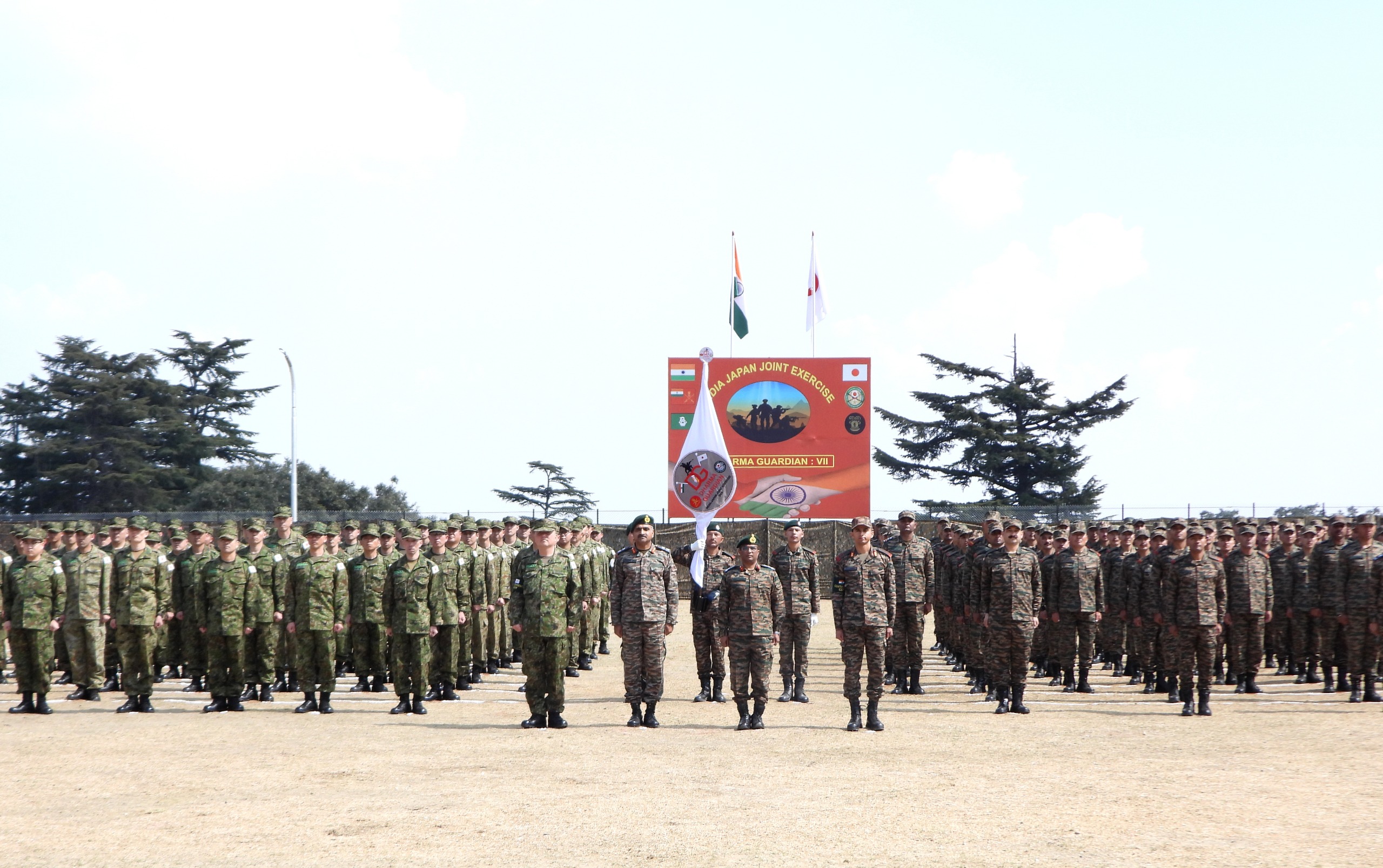
The 7th edition of the India–Japan Joint Military Exercise ‘DHARMA GUARDIAN’ commenced at the Foreign Training Node, Chaubattia (Uttarakhand) from 24 February to 9 March 2026. The exercise represents a significant pillar of growing defence cooperation between India and Japan.
About Exercise DHARMA GUARDIAN
- Type: Annual Joint Military Exercise
- Participants:
- Indian Army
- Japan Ground Self-Defense Force (JGSDF)
- Venue: Conducted alternately in India and Japan
- Participating Contingents (2026)
- 120 personnel from each side
- JGSDF represented by the 32nd Infantry Regiment
- Indian contingent drawn from the Ladakh Scouts
Aim and Objectives
The primary objective of Exercise DHARMA GUARDIAN is to:
- Strengthen military collaboration
- Enhance interoperability
- Improve combined capability to conduct joint operations in semi-urban environments
- Synchronise tactical drills and joint planning processes
- Integrate modern technologies into operational frameworks
The exercise focuses on contemporary operational challenges and coordinated response mechanisms in hostile conditions.
Key Tactical Activities
The exercise includes intensive operational drills such as:
- Establishment of a Temporary Operating Base (TOB)
- Development of an Intelligence, Surveillance and Reconnaissance (ISR) grid
- Setting up Mobile Vehicle Check Posts
- Conducting Cordon and Search Operations in hostile environments
- Executing Heliborne Operations
- Undertaking House Intervention Drills
These activities simulate counter-terror and semi-urban combat scenarios, enhancing readiness and operational synergy between the two forces.
Strategic Significance
1. Strengthening India–Japan Defence Partnership
- Reinforces the Special Strategic and Global Partnership
- Enhances operational trust and coordination
- Deepens land warfare cooperation
2. Indo-Pacific Security Architecture: India and Japan are key stakeholders in ensuring a free, open and rules-based Indo-Pacific. The exercise strengthens defence preparedness in a strategically sensitive region.
3. Interoperability and Modern Warfare Preparedness:
- Promotes joint planning and technology integration
- Enhances capability in hybrid and semi-urban warfare
- Supports coordinated responses to emerging security threats
Other India–Japan Military Exercises
India and Japan conduct multiple bilateral and multilateral exercises across services:
- Malabar Exercise (Naval)
- Participants: India, Japan, USA, Australia
- Focus: Maritime security and Indo-Pacific stability
- JIMEX (Japan-India Maritime Exercise)
- SHINYUU Maitri (Air Force Exercise)
Together, these exercises indicate expanding tri-service defence engagement.
SUJVIKA Portal
- 26 Feb 2026
In News:
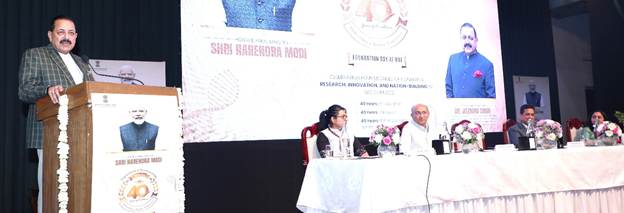
On the occasion of the 40th Foundation Day of the Department of Biotechnology (DBT), the Union Minister of State for Science & Technology launched the SUJVIKA Portal, an AI-driven Biotech Product Data Portal. The initiative reflects India’s broader ambition to build a $1 trillion bioeconomy by 2047 under the vision of Viksit Bharat.
SUJVIKA Portal: Key Features and Significance
What is SUJVIKA?
- SUJVIKA is an AI-driven Trade Statistics Digital Intelligence Platform.
- Developed by Department of Biotechnology (DBT) in collaboration with industry partner ABLE.
- It provides authenticated biotechnology product import data in a structured and accessible format.
Core Objectives
- Present sector-wise data on:
- Biochemical products
- Industrial enzymes
- Other biotechnology imports
- Identify high-value and high-volume imports
- Assess import dependency
- Support indigenisation and R&D prioritisation
- Enable evidence-based policymaking
- Promote public–private partnerships (PPP) in domestic biomanufacturing
Importance for India
SUJVIKA strengthens:
- Strategic trade intelligence
- Domestic bio-manufacturing capacity
- Startup ecosystem planning
- Self-reliance in critical biotech inputs
It aligns with Atmanirbhar Bharat by facilitating targeted import substitution in biotechnology.
Department of Biotechnology (DBT)
Establishment and Mandate
- Established in 1986
- Functions as a nodal agency for Life Sciences research and applications
- Promotes large-scale use of biotechnology across sectors
- Supports R&D in:
- Advanced biofuels
- Waste-to-energy technologies
- Healthcare and vaccines
- Genomics and gene therapy
Over four decades, DBT has evolved from a research-support body into a central driver of India’s bioindustrial ecosystem.
India’s Bioeconomy: Growth Trends and Targets
Rapid Expansion
- Bioeconomy size:
- ~$10 billion (2014)
- $165.7 billion (2024) → Nearly 16-fold growth in a decade
- Biotech startups:
- Fewer than 100 in 2014
- Over 11,000 startups today
India is now:
- Among the top biotech destinations globally
- One of the leading vaccine manufacturers in the world
Vision 2047
India aims to build a $1 trillion bioeconomy by 2047, positioning biotechnology as the backbone of the next industrial revolution.