
Kerala Declares Bacillus subtilis as State Microbe
- 17 Feb 2026
In News:
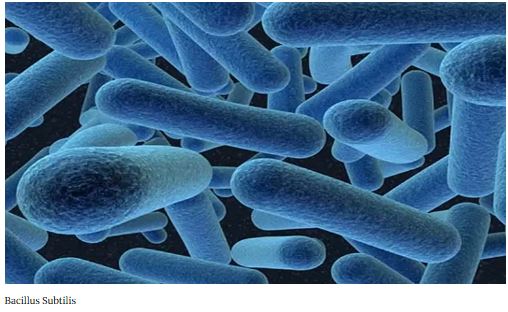
In a pioneering move blending science with public policy, Kerala has declared Bacillus subtilis as its official “State Microbe.” This makes Kerala the first state in India to formally recognise a microorganism, highlighting the growing importance of microbiology in public health, agriculture, and biotechnology. The decision reflects a broader governance approach that integrates scientific research with sustainable development goals.
About Bacillus subtilis
Bacillus subtilis is a non-pathogenic, rod-shaped, gram-positive bacterium commonly found in soil, water, and even the human gut. It is known for its beneficial properties and has been extensively studied due to its resilience and versatility.
Key Characteristics
- Spore-forming ability: Enables survival in extreme environmental conditions.
- Non-pathogenic nature: Safe for human and agricultural applications.
- Probiotic function: Contributes to gut health and strengthens immunity.
- Industrial adaptability: Widely used in fermentation and enzyme production.
Its robust biological properties make it an ideal model organism in microbiological research.
Health and Agricultural Significance
1. Public Health
As a probiotic bacterium, Bacillus subtilis plays a crucial role in:
- Improving digestive health
- Enhancing immune response
- Maintaining healthy gut microbiota
With increasing global focus on microbiome research, such beneficial microbes are gaining importance in preventive healthcare and nutrition.
2. Agricultural Applications
The bacterium is extensively used as:
- Biofertilizer: Promotes plant growth by improving nutrient availability.
- Biocontrol agent: Suppresses plant pathogens and reduces reliance on chemical pesticides.
This aligns with sustainable agriculture and organic farming practices, reducing environmental degradation caused by synthetic inputs.
3. Industrial and Biotechnological Use
Due to its genetic stability and spore-forming capacity, Bacillus subtilis has applications in:
- Enzyme production
- Fermentation industries
- Biotechnology research
- Pharmaceutical manufacturing
Institutional Support: Centre of Excellence in Microbiome
Kerala’s decision is supported by institutional innovation through the Centre of Excellence in Microbiome (CoEM), established under the Kerala State Council for Science, Technology and Environment.
Located in Thiruvananthapuram, CoEM is India’s first dedicated multi-domain research institution focusing on microbiome studies. It promotes interdisciplinary research spanning health, agriculture, environmental science, and biotechnology.
The declaration of a State Microbe complements Kerala’s efforts to position itself as a hub for microbiome research and scientific advancement.
Governance and Policy Significance
- Science-Based Governance: Integrates microbiological research into state identity and policy discourse.
- Sustainable Development: Encourages eco-friendly agriculture and health interventions.
- Public Awareness: Elevates understanding of beneficial microorganisms in everyday life.
- Research Promotion: Strengthens India’s microbiome research ecosystem.
This move parallels other symbolic recognitions such as state animals or birds but uniquely extends recognition to the microbial world, emphasizing ecological interdependence.
India’s First Underwater Road-cum-Rail Tunnel under the Brahmaputra

- 17 Feb 2026
In News:
The Cabinet Committee on Economic Affairs (CCEA) has approved the construction of India’s first underwater twin-tube road-cum-rail tunnel beneath the Brahmaputra River in Assam at a total capital cost of ?18,662 crore. The 33.7 km access-controlled greenfield corridor, including a 15.79 km underwater tunnel, marks a milestone in India’s infrastructure engineering and is expected to significantly enhance connectivity across the Northeast.
Project Overview
What the Project Entails
- Total Length: 33.7 km
- Underwater Twin-Tube Tunnel: 15.79 km beneath the Brahmaputra
- Corridor: Gohpur (NH-15) to Numaligarh (NH-715)
- Development Mode: Engineering, Procurement and Construction (EPC)
- Total Capital Cost: ?18,662 crore
- Civil Cost: ?11,982.36 crore
- Land Acquisition: ?716.65 crore
The project integrates road and rail infrastructure, making it India’s first underwater road-cum-rail tunnel and only the second such structure globally.
Key Engineering Features
- Twin-Tube Design: Two parallel tubes ensure traffic segregation, safety redundancy, and efficient emergency evacuation systems. One tube will also incorporate railway infrastructure.
- Access-Controlled Greenfield Corridor: A four-lane highway designed for high-speed, uninterrupted travel.
- Multi-Modal Integration:
- Connects NH-15 and NH-715
- Integrates with Rangia–Mukongselek and Furkating–Mariani railway sections under Northeast Frontier Railway
- Links 4 major railway stations, 2 airports (Holongi and Tezpur), and 2 inland waterway terminals
- Traffic and Logistics Impact:
- Reduces distance from 240 km to 34 km
- Cuts travel time from 6 hours to 20 minutes
- Estimated AADT (FY-25): 4,680 PCUs
About the Brahmaputra River
The Brahmaputra is one of Asia’s largest rivers, originating from the Chemayungdung Glacier near Lake Mapam in Tibet (~5,300 m). Known as Yarlung Tsangpo in Tibet, Siang/Dihang in Arunachal Pradesh, and Jamuna in Bangladesh, it flows through China, India, and Bangladesh.
- Length: ~2,900 km
- Among the world’s highest average river discharges
- Forms the world’s largest delta with the Ganga
- Characterised by highly braided channels in Assam
Constructing an underwater tunnel beneath such a dynamic and sediment-laden river demonstrates advanced tunnelling and geotechnical capability.
Regional and Strategic Significance
1. Boost to Northeast Connectivity: Though located in Assam, the project benefits Arunachal Pradesh, Nagaland, and the wider Northeast region, improving passenger and freight mobility.
2. Economic Multiplier Effects
- Connects 11 economic nodes, including industrial areas and logistics hubs.
- Facilitates faster freight movement and reduces logistics costs.
- Expected to generate 80 lakh person-days of employment (direct and indirect).
3. Tourism and Social Connectivity
- Enhances access to Kaziranga National Park and Deopahar Archaeological Site.
- Connects aspirational districts like Udalguri and Darrang and tribal district Dima Hasao.
4. Strategic and Border Importance: Improves connectivity to Arunachal Pradesh, strengthening infrastructure in border areas and enhancing national security preparedness.
Discovery of Two New Army Ant Species in the Eastern Ghats
- 17 Feb 2026
In News:
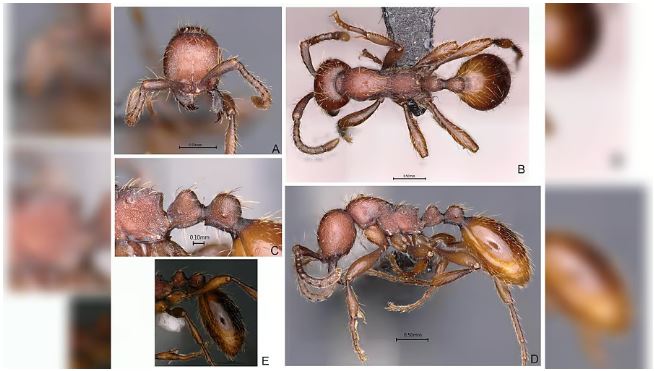
In a significant contribution to India’s biodiversity records, researchers from Karnataka and Odisha have discovered two new species of army ants - Aenictus chittoorensis and Aenictus lankamallensis - in the Eastern Ghats of Andhra Pradesh. The discovery highlights the rich yet underexplored biodiversity of peninsular India and underscores the ecological importance of invertebrate fauna in tropical ecosystems.
About Army Ants
Army ants belong to the subfamily Dorylinae and are known for their nomadic and highly predatory lifestyle. Unlike many other ant species, army ants do not construct permanent nests. Instead, they continuously move in search of food, making them one of the most dynamic components of tropical forest ecosystems.
They are predominantly found in tropical regions and are considered among the “big cats” of the insect world due to their aggressive and coordinated hunting behavior.
Distinctive Characteristics
- Nomadic Lifestyle: Army ants lack permanent nests. Instead, they form temporary living structures called bivouacs, created entirely from the interlocked bodies of worker ants.
- Massive Coordinated Raids: Colonies conduct synchronized raids, overwhelming insects and small invertebrates in their path. Their raids can drastically alter local arthropod populations.
- Morphological Features:
- Large, sharp mandibles
- Strong stinging ability
- Robust body structure adapted for predation
- Chemical Communication: Army ants are practically blind and rely heavily on chemical pheromones to navigate and communicate. They mark trails and follow scent paths laid by other workers.
- Colony Structure:
- A single queen lays all eggs.
- Female workers perform tasks such as foraging, protecting the colony, and tending to larvae.
This high degree of social organization reflects advanced eusocial behavior.
Ecological Role: Keystone Predators
Army ants are considered keystone predators in tropical ecosystems. Their ecological contributions include:
- Regulating arthropod populations by consuming large quantities of insects daily.
- Influencing forest biodiversity by reshaping prey communities.
- Supporting ecological networks — several bird species are known to follow army ant raids to capture fleeing insects.
By controlling invertebrate populations, they help maintain ecological balance and prevent outbreaks of certain insect species.
Significance of the Discovery
- Biodiversity Documentation: The identification of Aenictus chittoorensis and Aenictus lankamallensis adds to India’s documented insect diversity and strengthens taxonomic knowledge of the Eastern Ghats.
- Eastern Ghats as a Biodiversity Hotspot: Though less celebrated than the Western Ghats, the Eastern Ghats possess significant endemic diversity. Discoveries such as this underline the need for systematic biodiversity surveys in these fragmented hill ranges.
- Conservation Imperative: Habitat fragmentation, deforestation, mining, and climate change threaten forest ecosystems in the Eastern Ghats. The discovery reinforces the urgency of conserving lesser-known invertebrate fauna alongside charismatic megafauna.
- Scientific Relevance: Understanding army ant behavior and ecological dynamics can contribute to broader ecological research on predator-prey relationships and forest ecosystem functioning.
Startup India Fund of Funds 2.0
- 17 Feb 2026
In News:
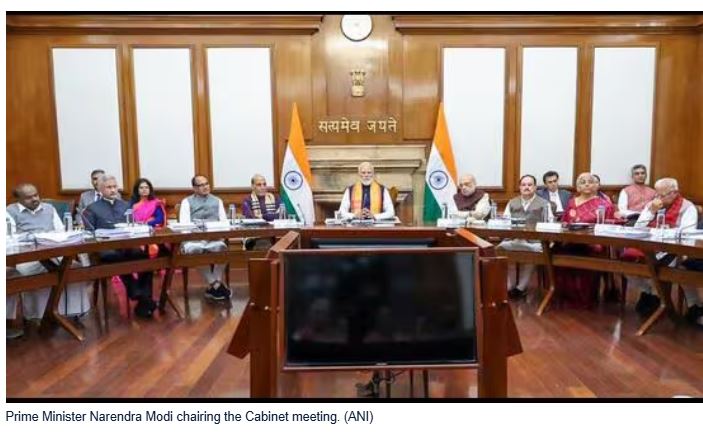
In February 2026, the Union Cabinet approved the establishment of Startup India Fund of Funds 2.0 (FoF 2.0) under the Startup India initiative. With a corpus of ?10,000 crore, the scheme aims to mobilise long-term domestic capital, strengthen the venture capital (VC) ecosystem, and accelerate innovation-led economic growth. It represents the next phase of India’s startup policy architecture, moving from ecosystem creation to strategic capital deepening.
Background: Evolution of Startup India
Launched in 2016, the Startup India initiative has transformed India into one of the world’s largest startup ecosystems.
- Growth from fewer than 500 startups in 2016 to over 2 lakh DPIIT-recognised startups today.
- 2025 recorded the highest-ever annual startup registrations, indicating sustained entrepreneurial momentum.
To address early-stage funding gaps, the Government launched the Fund of Funds for Startups (FFS 1.0) in 2016.
Performance of FFS 1.0
- ?10,000 crore corpus fully committed to 145 Alternative Investment Funds (AIFs).
- Supported AIFs invested over ?25,500 crore in 1,370 startups.
- Investments spanned agriculture, AI, robotics, clean tech, fintech, biotechnology, manufacturing, space tech and more.
FFS 1.0 catalysed domestic venture capital, crowded in private investment, and nurtured first-time founders, laying a strong foundation for innovation financing.
Rationale for FoF 2.0
Despite ecosystem growth, structural gaps remain:
- Limited availability of patient capital for deep tech and high-risk sectors.
- Over-concentration of funding in metro cities.
- Dependence on foreign capital in the VC space.
- Funding constraints for early-growth stage startups.
FoF 2.0 seeks to address these high-risk capital gaps and align startup financing with national economic priorities.
Key Features of Startup India FoF 2.0
1. Financial Outlay: ?10,000 crore corpus dedicated to mobilising venture capital for startups.
2. Targeted, Segmented Funding Approach
(a) Deep Tech & Tech-Driven Manufacturing
- Focus on breakthrough technologies requiring long-term, patient capital.
- Supports sectors critical for strategic and economic self-reliance.
(b) Early-Growth Stage Support
- Acts as a safety net for innovative ideas.
- Reduces early-stage failures caused by funding shortages.
(c) National Reach
- Encourages investments beyond major metropolitan hubs.
- Promotes geographically inclusive innovation.
(d) Addressing High-Risk Capital Gaps: Directs greater capital to priority areas aligned with self-reliance and economic growth.
(e) Strengthening Domestic VC Base
- Special emphasis on smaller domestic funds.
- Reduces overdependence on foreign venture capital flows.
Economic and Strategic Significance
- Innovation-Led Growth: Supports globally competitive technologies and products.
- Manufacturing Boost: Aligns with the push for advanced and tech-driven manufacturing.
- Job Creation: Facilitates high-quality employment opportunities.
- Economic Resilience: Strengthens domestic capital formation in strategic sectors.
- Regional Inclusivity: Democratizes access to venture funding across states.
The scheme aligns with the broader vision of Viksit Bharat @ 2047, positioning startups as engines of structural transformation rather than peripheral economic actors.
PM RAHAT (Road Accident Victim Hospitalization and Assured Treatment) Scheme
- 17 Feb 2026
In News:
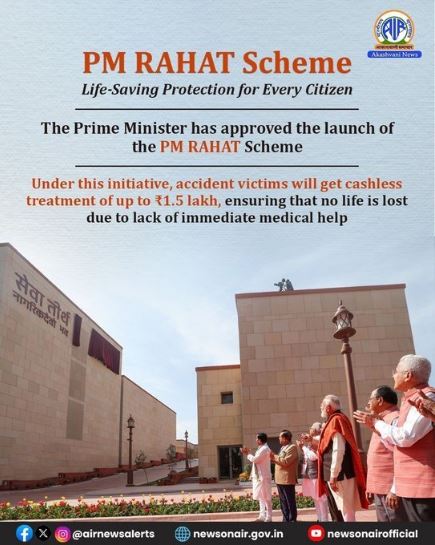
India records one of the highest numbers of road accident fatalities globally. A substantial proportion of these deaths occur due to delayed medical intervention during the critical “Golden Hour.” In this context, the Government of India launched the PM RAHAT (Road Accident Victim Hospitalization and Assured Treatment) Scheme to institutionalize timely, cashless, and technology-enabled trauma care. The scheme represents a structural reform in India’s road safety and emergency health response architecture.
Rationale: The Golden Hour Imperative
Studies indicate that nearly 50% of road accident deaths can be prevented if victims receive hospital treatment within the first hour of injury. However, barriers such as financial uncertainty, delayed ambulance response, and procedural bottlenecks often hinder prompt care. PM RAHAT addresses these systemic gaps through integrated digital platforms, assured financing, and district-level accountability.
Key Features of PM RAHAT
1. Cashless Treatment
- Every eligible road accident victim on any category of road is entitled to cashless treatment up to ?1.5 lakh per victim.
- Coverage is available for 7 days from the date of accident.
- Stabilization care:
- 24 hours for non-life-threatening cases
- 48 hours for life-threatening cases
- Treatment is subject to police authentication within defined timelines, without interrupting emergency care.
2. Integration with ERSS 112
The scheme is integrated with the Emergency Response Support System (ERSS) 112.
- Victims, Good Samaritans (Rah-Veer), or bystanders can dial 112 to locate the nearest designated hospital and request ambulance services.
- Ensures coordination between police, hospitals, and emergency responders to secure treatment within the Golden Hour.
3. Technology-Driven Implementation
PM RAHAT integrates:
- Electronic Detailed Accident Report (eDAR) of the Ministry of Road Transport and Highways, and
- Transaction Management System (TMS 2.0) of the National Health Authority.
This digital convergence ensures seamless linkage from accident reporting to hospital admission, authentication, claim processing, and reimbursement, enhancing transparency and efficiency.
Financing Mechanism
Reimbursements to hospitals are made through the Motor Vehicle Accident Fund (MVAF).
- If the offending vehicle is insured: payment is drawn from contributions made by General Insurance Companies.
- In uninsured or hit-and-run cases: payment is made through budgetary allocation by the Government of India.
- Approved claims by the State Health Agency must be settled within 10 days, providing financial certainty to hospitals and incentivizing participation.
Grievance Redressal and Accountability
- A Grievance Redressal Officer is nominated by the District Road Safety Committee.
- The Committee is chaired by the District Collector/District Magistrate/Deputy Commissioner, ensuring district-level oversight and accountability.
- Police confirmation timelines (24–48 hours) maintain institutional discipline while safeguarding emergency care.
Significance
- Human-Centric Governance: Ensures that no victim is denied treatment due to inability to pay.
- Strengthening Road Safety Framework: Complements broader road safety initiatives under the Motor Vehicles (Amendment) Act.
- Digital Governance Model: Demonstrates effective integration of transport, health, insurance, and policing databases.
- Encouragement of Good Samaritans: Reduces hesitation in assisting victims by providing structured institutional backing.