
Blue Flag Certification
- 15 Oct 2025
In News:
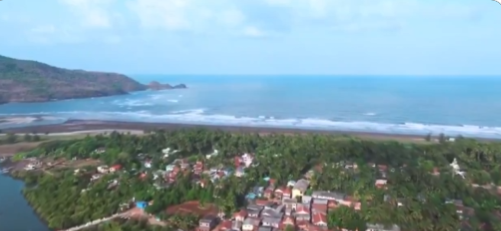
- Five beaches in Maharashtra have recently been awarded the prestigious Blue Flag certification, a global eco-label that recognises high standards in environmental management, cleanliness, and sustainable tourism.
- The certified beaches include Shrivardhan and Nagaon (Raigad district), Parnaka (Palghar), and Guhagar and Ladghar (Ratnagiri district). The announcement was made by the state government, marking a significant achievement in coastal conservation and eco-tourism promotion.
About Blue Flag Certification
The Blue Flag is an internationally recognised eco-label awarded by the Foundation for Environment Education (FEE), Denmark. Established in France in 1985 and expanded globally in 2001, it is regarded as one of the world's most prestigious voluntary awards for beaches, marinas, and sustainable tourism boats.
Criteria and Objectives
To receive the Blue Flag, sites must meet 33 stringent criteria across key focus areas:
- Water quality
- Environmental management
- Environmental education and awareness
- Safety and essential services
The certification aims to promote sustainable development in coastal and freshwater ecosystems by ensuring high cleanliness standards, protecting natural habitats, and encouraging responsible tourism practices. Its mission centers on environmental education, conservation, and sustainable tourism development.
Blue Flag Beaches in India
With the addition of the five Maharashtra beaches, India continues to expand its presence on the global sustainable tourism map. Previously recognised Indian Blue Flag beaches include:
- Shivrajpur (Gujarat)
- Ghoghla (Diu)
- Kasarkod and Padubidri (Karnataka)
- Kappad (Kerala)
- Rushikonda (Andhra Pradesh)
- Golden Beach (Odisha)
- Radhanagar (Andaman & Nicobar)
- Kovalam (Tamil Nadu)
- Eden (Puducherry)
- Minicoy Thundi and Kadmat (Lakshadweep)
Significance
This recognition underscores India's ongoing efforts to align coastal tourism with global environmental standards, enhance beach amenities, and promote eco-friendly tourism models. It also strengthens India's initiative to improve coastal governance under programmes like the Integrated Coastal Zone Management Project and the government's broader sustainability mission.
NATO’s ‘Steadfast Noon’ Exercise
- 15 Oct 2025
In News:
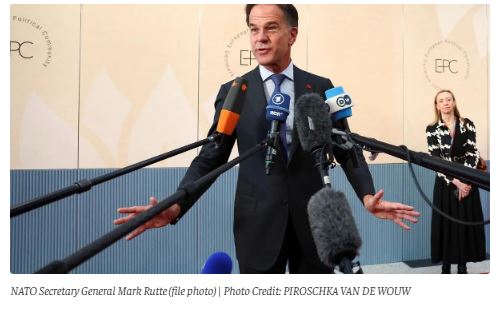
NATO is set to conduct its annual nuclear deterrence drill, ‘Steadfast Noon’, with the 2025 edition hosted by the Netherlands. The exercise, a key component of NATO’s nuclear defence strategy, underscores the alliance’s commitment to maintaining credible deterrence capabilities amid evolving global security challenges.
About Steadfast Noon
Steadfast Noon is a long-standing annual nuclear readiness exercise conducted by the North Atlantic Treaty Organization (NATO). It serves as a crucial test of the alliance’s nuclear deterrence procedures, operational coordination, and preparedness to defend member states against strategic threats.
Key Features
- Host Country (2025): Netherlands
- Main Operating Base:Volkel Air Base, Netherlands
- Additional Bases:KleineBrogel (Belgium), Lakenheath (UK), Skrydstrup (Denmark)
- Participants: 14 NATO nations including the U.S., Germany, Poland, Finland, Belgium, the UK, the Netherlands, and Denmark
- Aircraft Involved: ~70–71 aircraft, including dual-capable fighter jets like the German Tornado and U.S./Dutch F-35s
- Nature of Exercise: Training for nuclear-mission capable aircraft — no live nuclear weapons are carried or flown
Dual-capable aircraft are equipped to deliver both conventional and nuclear payloads, making this exercise significant for testing operational flexibility and readiness.
Purpose and Strategic Context
The exercise is intended to:
- Validate operational procedures for NATO’s nuclear deterrent
- Strengthen coordination among allied air forces
- Signal commitment to collective defence under Article 5 of the NATO Treaty
- Deter adversaries by demonstrating credible nuclear readiness
Non-Participation of France
France does not take part in Steadfast Noon as it maintains an independent nuclear command and does not integrate its nuclear forces into NATO’s command-and-control system.
Armenia Joins IUCN
- 15 Oct 2025
In News:
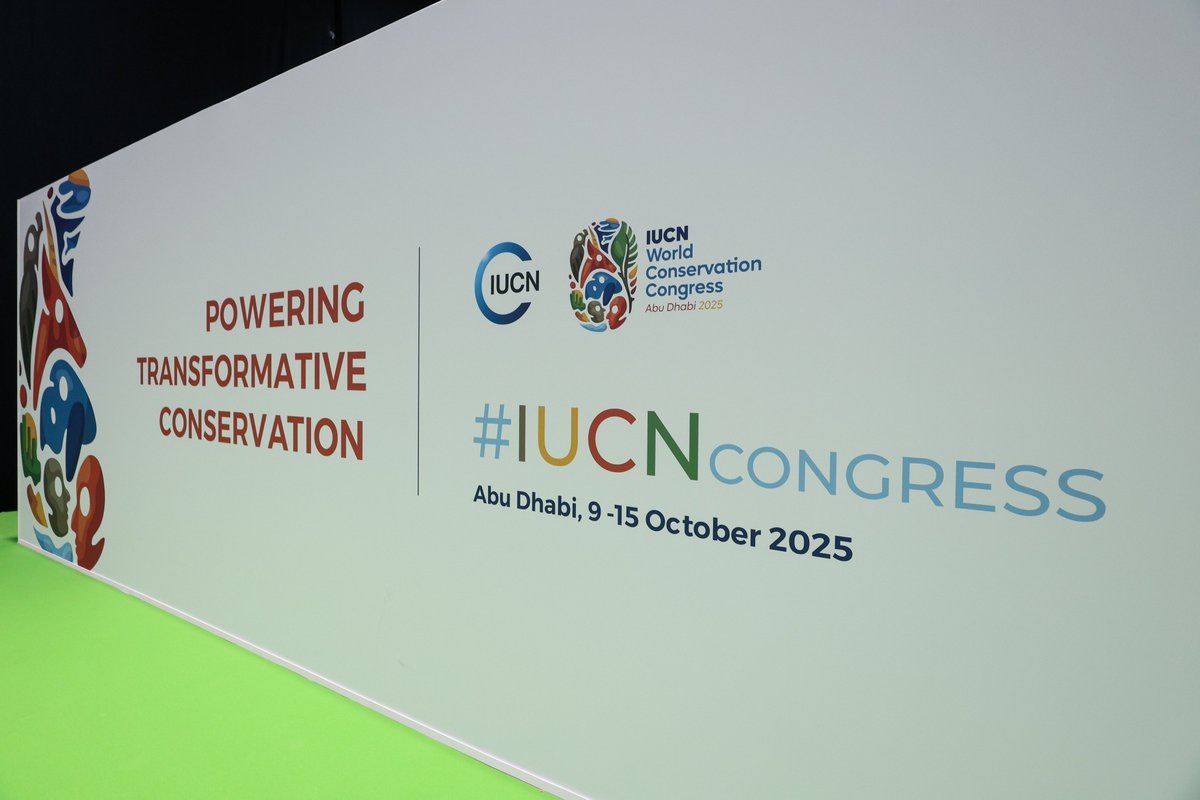
Armenia has recently become the newest State Member of the International Union for Conservation of Nature (IUCN), marking a key milestone in its environmental policy direction. The announcement was made at the IUCN World Conservation Congress in Abu Dhabi, reflecting Armenia’s growing commitment to global biodiversity protection, sustainable development, and alignment with international conservation frameworks.
Significance of Membership
By joining IUCN, Armenia gains access to global research, conservation tools, and international collaborations. This step also supports its preparations to host COP17 of the Convention on Biological Diversity in 2026, signalling its intent to play a leadership role in global biodiversity discussions.
IUCN leadership has welcomed Armenia’s membership, noting that it aligns with the country’s efforts to expand protected areas, restore degraded ecosystems, and bring its environmental laws in line with international standards.
Armenia’s Biodiversity and Conservation Efforts
Situated at the crossroads of Europe and Asia, Armenia hosts varied ecosystems—from alpine meadows and mountain forests to semi-deserts and freshwater bodies. These habitats support several threatened and endemic species, including:
- Caucasian leopard (Critically Endangered)
- Bezoar goat
- Sevan trout, native to Lake Sevan
The country has made progress in environmental governance through initiatives such as its National Biodiversity Strategy and Action Plan and the Red Book of Armenia. Its conservation agenda includes forest restoration across 12.9% of its territory by 2030, strengthening biodiversity monitoring, and expanding protected areas.
Geographical and Environmental Profile of Armenia
- Location: Southern Caucasus; landlocked
- Borders: Georgia (north), Azerbaijan (east), Iran (southeast), Turkey (west)
- Terrain: Dominated by the Lesser Caucasus Mountains; volcanic soils rich in nitrogen, potash, phosphates
- Highest Peak:Mount Aragats (4,090 m)
- Climate: Highland continental — hot summers, cold winters
- Rivers: Aras, Hrazdan, Arpa, Vorotan — key for irrigation and hydropower
- Major Lake:Lake Sevan, Armenia’s largest freshwater body
- Resources: Small deposits of copper, gold, molybdenum, zinc, bauxite
- Capital & Language: Yerevan; Armenian
LEAPS 2025
- 15 Oct 2025
In News:
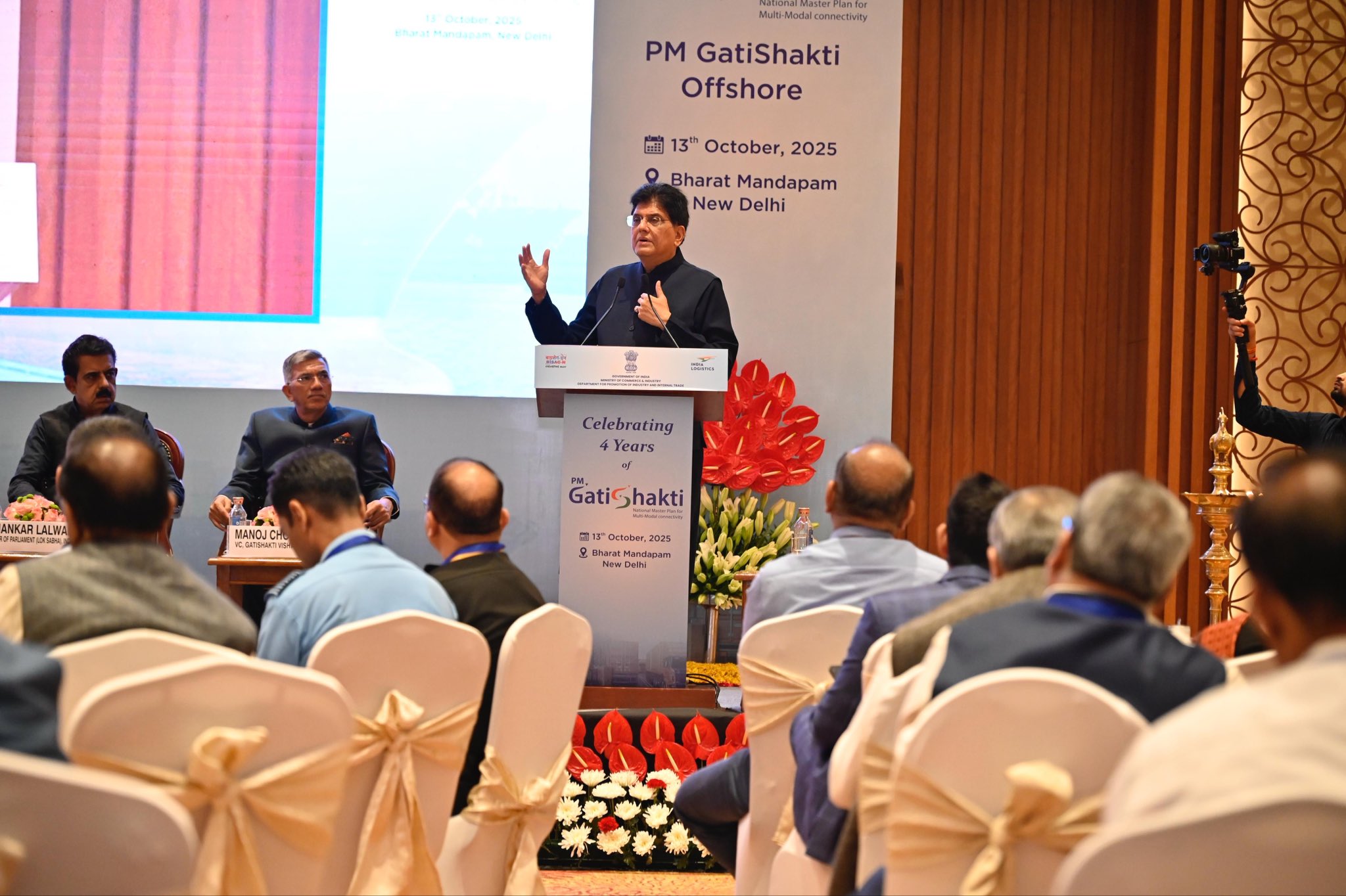
The Union Minister for Commerce and Industry recently launched the Logistics Excellence, Advancement, and Performance Shield (LEAPS) 2025 in New Delhi, marking a major initiative to accelerate reforms and innovation in India’s logistics ecosystem. The launch also coincided with the 4th anniversary of the PM GatiShakti initiative, reaffirming the government’s commitment to building an efficient, integrated, and future-ready logistics network.
About LEAPS 2025
LEAPS 2025 is a flagship programme of the Department for Promotion of Industry and Internal Trade (DPIIT) under the Ministry of Commerce and Industry. It seeks to benchmark logistics excellence across the country by recognising outstanding performance, leadership, and innovative practices within the logistics sector.
Objectives
- Promote global-standard logistics performance and efficiency
- Strengthen competitiveness in line with the National Logistics Policy (NLP)
- Encourage sustainability and ESG-centric logistics models
- Foster collaboration among Government, Industry, and Academia
- Support Make in India, Atmanirbhar Bharat, and the vision of Viksit Bharat 2047
Key Focus Areas
- Logistics innovation and technology adoption
- Green logistics and sustainable supply chain practices
- Ease of movement through multimodal connectivity
- Capacity building and skilling in logistics and supply chain management
Coverage and Award Categories
The initiative spans a wide spectrum of logistics stakeholders, including:
- Freight operators (air, road, maritime, and rail)
- Multimodal transport operators
- Industrial, consumer, and agricultural warehousing firms
- MSMEs and logistics start-ups
- Academic and training institutions
- E-commerce logistics service providers
- Third-party and freight forwarding operators
A total of 13 award categories have been introduced, targeting core logistics, MSMEs, start-ups, institutions, and special service providers. Registrations are open on the RashtriyaPuraskar Portal until 15 November 2025.
Alignment with National Logistics Vision
LEAPS 2025 builds on the strategic framework of the National Logistics Policy (2022) and PM GatiShakti, which aims to integrate road, rail, air, and waterways to reduce logistics costs and improve last-mile connectivity. PM GatiShakti—backed by a ?100-trillion multi-modal infrastructure development vision—addresses infrastructure gaps, optimises multimodal movement, and strengthens India’s position in global supply chains.
Significance
- Boosts logistics efficiency and transparency
- Encourages innovation and technology in supply chain operations
- Strengthens export readiness and reduces logistics costs
- Promotes sustainable logistics and environmental stewardship
- Enhances India's competitiveness in global trade
Virtual Museum of Stolen Cultural Objects
- 15 Oct 2025
In News:
Recently, UNESCO launched the world’s first Virtual Museum of Stolen Cultural Objects during the MONDIACULT 2025 Conference. This global digital initiative marks a vital step in protecting cultural heritage, raising awareness about illicit trafficking, and facilitating the return of stolen artefacts to their countries of origin.
Key Features and Objectives
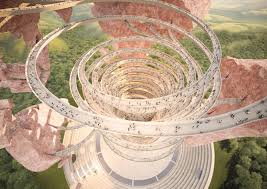
The virtual museum serves as an immersive digital platform reconnecting community with cultural treasures lost to theft, smuggling, and colonial-era plundering. Unlike traditional museums, its purpose is not to accumulate artefacts but to systematically empty itself by aiding restitution efforts. Visitors can explore high-resolution 2D and 3D reconstructions of objects, along with contextual history and cultural significance.
The project contributes to the goals of UNESCO’s 1970 Convention on preventing illicit trafficking of cultural property and aligns with a recent UN General Assembly resolution urging stronger international cooperation to restore stolen heritage.
Institutional Framework
- Developed by UNESCO in collaboration with INTERPOL
- Financially supported by Saudi Arabia; additional contribution from the United States
- Announced earlier at MONDIACULT 2022 and launched in September 2025
- Currently displays ~240 missing cultural objects from 46 countries
- Represents diverse cultural forms: manuscripts, sculptures, ritual objects, architectural fragments, artworks, coins, and archaeological finds
The digital experience is designed like a baobab tree, symbolizing resilience and interconnectedness, created by renowned Burkinabe architect Francis Kéré. The platform includes:
- Gallery of Stolen Objects
- Auditorium
- Return & Restitution Room, highlighting successful repatriation stories
India’s Contribution and Significance
Three culturally significant Indian artefacts are showcased:
- 9th-century sandstone sculptures of Nataraja and Brahma from Mahadev Temple, Pali (Chhattisgarh)
- Stone sculpture of Bhairava (undated)
These items reflect India’s rich temple heritage and spiritual aesthetic. Their listing reinforces India’s continuing struggle against antiquities smuggling.
India has intensified its efforts to recover stolen heritage in recent years. Since 2014, over 600 antiquities have been brought back to India. The leadership has repeatedly emphasized ethical cultural restitution, with an official stance that “no museum should hold artefacts acquired unethically.”
Global and Youth Focus
The platform especially targets youth and digital natives, using interactive storytelling to:
- Promote cultural sensitivity
- Highlight community identities tied to artefacts
- Encourage global cooperation on heritage protection