
India at WorldSkills Asia Competition (WSAC) 2025
- 02 Dec 2025
In News:
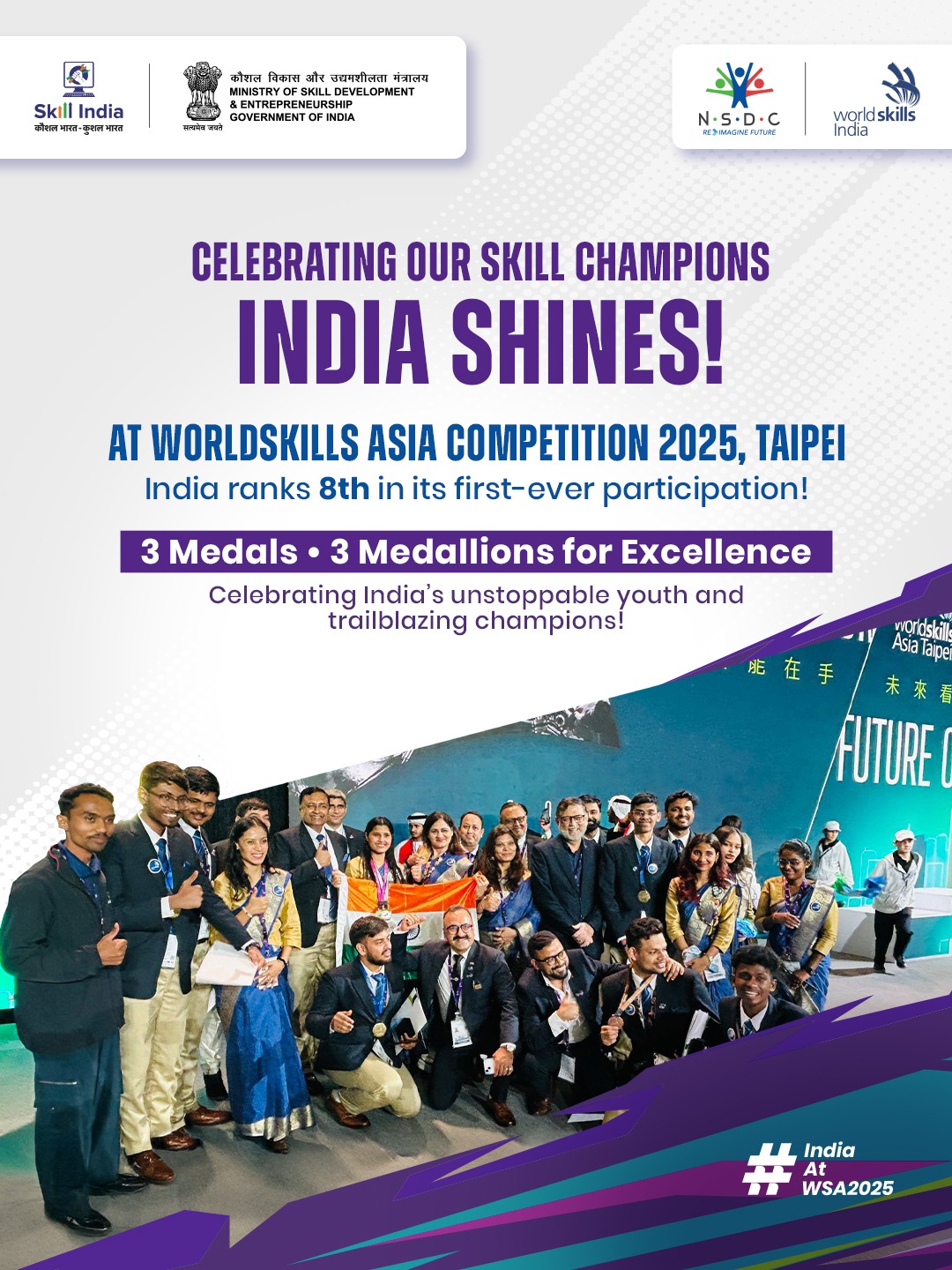
India marked its first-ever participation at the WorldSkills Asia Competition (WSAC) 2025 by securing an impressive 8th rank among 29 participating countries. The Indian contingent won one Silver medal, two Bronze medals, and three Medallions for Excellence, highlighting India’s growing strength in technical and vocational education and training (TVET).
What is WorldSkills Asia Competition (WSAC)?
The WorldSkills Asia Competition is a premier continental skill competition conducted under the global WorldSkills movement, which promotes excellence in vocational, technical, and employability skills among youth.
It serves as a platform for young professionals to demonstrate expertise in a wide range of traditional, industrial, digital, and emerging technology skills. The competition also supports international cooperation, industry partnerships, and TVET reforms across Asia.
Background
WorldSkills Asia (WSA) was formed to organise regional skill competitions in Asia under the broader WorldSkills framework.
The first WorldSkills Asia Competition was held in 2018 in Kuala Lumpur, Malaysia. The 2025 edition, in which India made its debut, was hosted by Chinese Taipei and marked the third edition of the continental competition.
Key Features of WSAC 2025
The competition is considered Asia’s largest regional event for skills excellence. More than 500 competitors took part across 44 high-demand skill categories.
The skill areas included:
- Advanced and future-oriented skills such as robotics, artificial intelligence, web technologies, software development, and automation
- Industrial and design-oriented skills like industrial design technology
- Traditional trades such as painting and decorating and electrical installations
The event also aimed to:
- Bridge the education–employment gap
- Promote youth employability
- Strengthen trainer capacity
- Encourage industry–academia partnerships
- Boost international collaboration in skill development
India’s Participation and Performance
India participated with a team of 23 competitors across 21 skill categories, supported by 21 technical experts. The Indian delegation was led by the Ministry of Skill Development and Entrepreneurship (MSDE) along with the National Skill Development Corporation (NSDC).
Medals Won by India
- Silver Medal in Painting and Decorating
- Bronze Medal in Industrial Design Technology
- Bronze Medal in Robot System Integration
- Three Medallions for Excellence in other skill categories
India’s overall 8th rank in its debut reflects the country’s improving ecosystem in vocational training, industry-aligned skills, and global competitiveness in skilled trades.
Significance for India
India’s performance demonstrates:
- Rising global recognition of India’s skilled workforce
- Progress in strengthening the TVET ecosystem
- Alignment with initiatives such as Skill India Mission
- Focus on future-ready skills like robotics, AI, and digital technologies
- Greater integration of traditional trades with modern industry demands
Participation in such competitions helps benchmark India’s skill standards against global peers and improves employability, productivity, and innovation capacity.
Norovirus
- 02 Dec 2025
In News:
Cases of norovirus, commonly known as the "winter vomiting disease," have been rising in the United States in recent weeks, CBS News reported, citing data from the Centers for Disease Control and Prevention.
About Norovirus
- Norovirus is a highly contagious virus that causes acute gastroenteritis, which is inflammation of the stomach and intestines. It is often incorrectly called the “stomach flu,” but it is not related to influenza, which affects the respiratory system. Norovirus outbreaks show a clear seasonal trend, occurring more frequently during colder months.
- Noroviruses are responsible for a major share of viral gastroenteritis cases worldwide, causing the vast majority of outbreaks. People can get infected multiple times in life because there are many different strains and immunity is short-lived.
Transmission
Norovirus spreads very easily and rapidly, especially in crowded and closed environments such as schools, cruise ships, hospitals, hostels, and old-age care facilities.
The virus spreads through:
- Direct contact with an infected person
- Eating contaminated food or drinking contaminated water
- Touching contaminated surfaces and then touching the mouth
- Contact with virus particles present in vomit or faeces
An infected person is contagious from the time symptoms begin and may continue spreading the virus for several days after recovery.
Symptoms
Symptoms usually appear 12 to 48 hours after exposure and are sudden in onset. They include:
- Nausea
- Vomiting (a key feature)
- Diarrhoea
- Stomach cramps
- Low-grade fever
- Headache
- Body aches
- Fatigue
Most cases are mild, but severe fluid loss can lead to dehydration, which is the main complication.
High-Risk Groups
Although people of all ages can be infected, severe disease is more likely in:
- Elderly persons (65 years and above)
- Young children
- Individuals with weakened immune systems
These groups are at higher risk of hospitalisation due to dehydration.
Treatment
There is no specific antiviral drug to cure norovirus infection.
Treatment mainly involves:
- Drinking plenty of fluids or oral rehydration solutions (ORS)
- Rest and supportive care
- Intravenous fluids in severe cases of dehydration
Currently, there is no widely available vaccine for routine prevention.
Prevention
Prevention depends largely on strict hygiene and sanitation.
Key preventive steps include:
- Washing hands thoroughly with soap and water, especially after using the toilet and before eating or preparing food
- Cooking shellfish thoroughly and washing fruits and vegetables properly
- Avoiding raw or undercooked foods
- Cleaning contaminated surfaces with bleach-based disinfectants
- Avoiding close contact with infected individuals
- Staying at home while sick and for at least 48 hours after symptoms stop
- Avoiding preparation of food for others during illness
Alcohol-based sanitizers are less effective against norovirus compared to handwashing with soap and water.
Norovirus vs Influenza
Norovirus affects the digestive system and causes vomiting and diarrhoea, while influenza virus affects the respiratory system and causes cough, sore throat, and body ache. The term “stomach flu” for norovirus is therefore medically incorrect.
India Re-elected to IMO Council (2026–27 Term)
- 02 Dec 2025
In News:
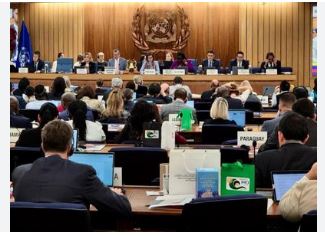
India has been re-elected to the Council of the International Maritime Organization (IMO) in Category B, securing 154 out of 169 votes at the 34th IMO Assembly in London (Nov 2025). This is the second consecutive term in which India has obtained the highest vote tally in its category.
This outcome reflects India’s expanding role in global maritime trade, governance, and sustainability initiatives.
What is the IMO Council?
The IMO Council is the executive organ of the International Maritime Organization, functioning between Assembly sessions.
Key Features
- Constituted under: IMO Convention (1948; in force 1958)
- Election: Every two years by the IMO Assembly
- Total Members: 40 countries
- Divided into three categories (A, B, C)
Category B
- Includes 10 nations with the largest interest in international seaborne trade.
- Current Category B Members:Australia, Brazil, Canada, France, Germany, India, Netherlands, Spain, Sweden, UAE
Functions of the IMO Council
The Council:
- Supervises IMO’s work between Assembly sessions
- Coordinates administrative and financial functions
- Prepares agenda, work programmes, and strategic plans
- Oversees implementation of international maritime conventions
- Promotes cooperation in:
- Maritime safety
- Environmental protection
- Decarbonisation of shipping
- Maritime digitalisation
- Security
- Seafarer welfare
Significance of India’s Re-election
1. Recognition of Maritime Importance
- Reflects India’s growing role in international seaborne trade
- Positions India among leading maritime powers influencing global shipping regulations
2. Policy Influence
India gains a stronger voice in:
- Green shipping and decarbonisation frameworks
- Maritime safety and security norms
- Digital transformation of maritime logistics
- Global standards for sustainable ports and supply chains
3. Alignment with India’s Maritime Vision
- Supports the Maritime Vision 2047 goal of making India a global maritime hub
- Reinforces India’s push for:
- Port-led development
- Modern logistics
- Resilient and smart maritime infrastructure
4. Diplomatic & Strategic Value
- Enhances India’s role in maritime multilateralism
- Strengthens cooperation in the Indian Ocean Region (IOR) and beyond
About the International Maritime Organization (IMO)
|
Aspect |
Details |
|
Established |
By UN Convention (1948); came into force in 1958 |
|
First Session |
1959 |
|
Headquarters |
London, United Kingdom |
|
Specialised Agency of |
United Nations |
|
Objective |
Safe, secure, efficient, and environmentally sound shipping worldwide |
Major Functions of IMO
- Develops global maritime treaties such as:
- SOLAS – Safety of Life at Sea
- MARPOL – Prevention of Marine Pollution
- STCW – Standards of Training, Certification & Watchkeeping
- Regulates:
- Ship design, construction, and operation
- Pollution control from ships
- Seafarer training and certification
- Promotes sustainable maritime transport in line with SDG 14 (Life Below Water)
India’s Energy Policy in the Age of AI and Climate Change
- 02 Dec 2025
In News:
India’s energy policy is undergoing a structural transition as the rapid expansion of Artificial Intelligence (AI) and accelerating climate change reshape electricity demand, supply chains, and governance priorities. The traditional focus on access, affordability, and energy security is expanding to include decarbonisation, climate resilience, digital-era demand, and strategic autonomy, reflecting the changing contours of economic growth and technological transformation.
Key Trends Shaping India’s Energy Policy
- AI-Driven Electricity Demand: The rapid growth of AI and data centres is generating round-the-clock, gigawatt-scale electricity demand, compelling both Union and State governments to rethink renewable capacity addition, grid modernisation, and large-scale energy storage planning.
- Climate Change Pressures:Increasing heatwaves, floods, and extreme weather events are pushing policymakers to decouple GDP growth from carbon-intensive energy, aligning energy policy with India’s 2070 Net Zero commitment.
- Global Green Transition Dynamics:Rising dependence on critical minerals, concentration of renewable manufacturing, and friend-shoring strategies are influencing India’s industrial and strategic energy choices.
- Shift in Energy Governance:Energy governance is moving from a resource-centric approach to a systemic, multi-sectoral framework integrating climate policy, digital infrastructure, industrial strategy, and geopolitics.
Major Emerging Trade-offs
- Coal Economy vs Clean Energy Transition: Coal continues to support livelihoods of nearly 3.5 lakh workers, contributes significantly to state revenues in Jharkhand, Odisha, and Chhattisgarh, and underpins railway freight earnings. Simultaneously, India hosts six of the world’s ten most polluted cities (2024), creating a sharp tension between employment security and climate commitments.
- China-Dominated Green Supply Chains vs Strategic Autonomy:China controls around 80% of global solar module production, 95% of polysilicon and wafers, and 80% of lithium-ion battery processing. While imports from China enable rapid and low-cost renewable deployment, they increase strategic vulnerability, tariff exposure, and supply-chain risks.
- AI Data Centres vs Renewable Infrastructure Constraints:Proposed AI hubs by global and Indian firms demand 24×7 clean power. However, India’s grid-scale storage, pumped hydro capacity, and inter-state transmission networks remain inadequate, pushing some states to extend thermal power generation, thereby undermining decarbonisation goals.
Structural Governance Challenges
- Fragmented Institutional Framework:Energy governance is dispersed across multiple ministries—Power, New and Renewable Energy, Coal, Mines, and Commerce—with no single coordinating authority.
- Policy Incoherence:Industrial incentives promote data-centre expansion, while grid reforms and storage deployment lag behind, creating mismatches in policy objectives.
- Centre–State Divergences:Differences over coal phase-down, land acquisition, renewable corridors, and tariff structures slow capacity addition and infrastructure rollout.
- Inadequate Financing and R&D Models:Public sector–led approaches are insufficient for capital-intensive and R&D-driven sectors such as battery storage, offshore wind, and green hydrogen.
- Weak Policy Alignment:Poor alignment persists between climate commitments, PLI schemes, and technology missions related to AI and semiconductors.
Implications for India
India faces the risk of new energy insecurity if renewable and battery supply chains remain import-dependent. Rising AI-driven electricity demand may increase reliance on fossil fuels, undermining India’s Nationally Determined Contributions (NDCs). Slow expansion of grids and storage could deter investments in AI, electric vehicles, semiconductors, and aerospace, while a poorly managed coal transition may trigger regional unemployment, fiscal stress, and political resistance. Fragmented governance could delay India’s ambition to become a global AI and advanced-technology hub.
Taragiri
- 02 Dec 2025
In News:
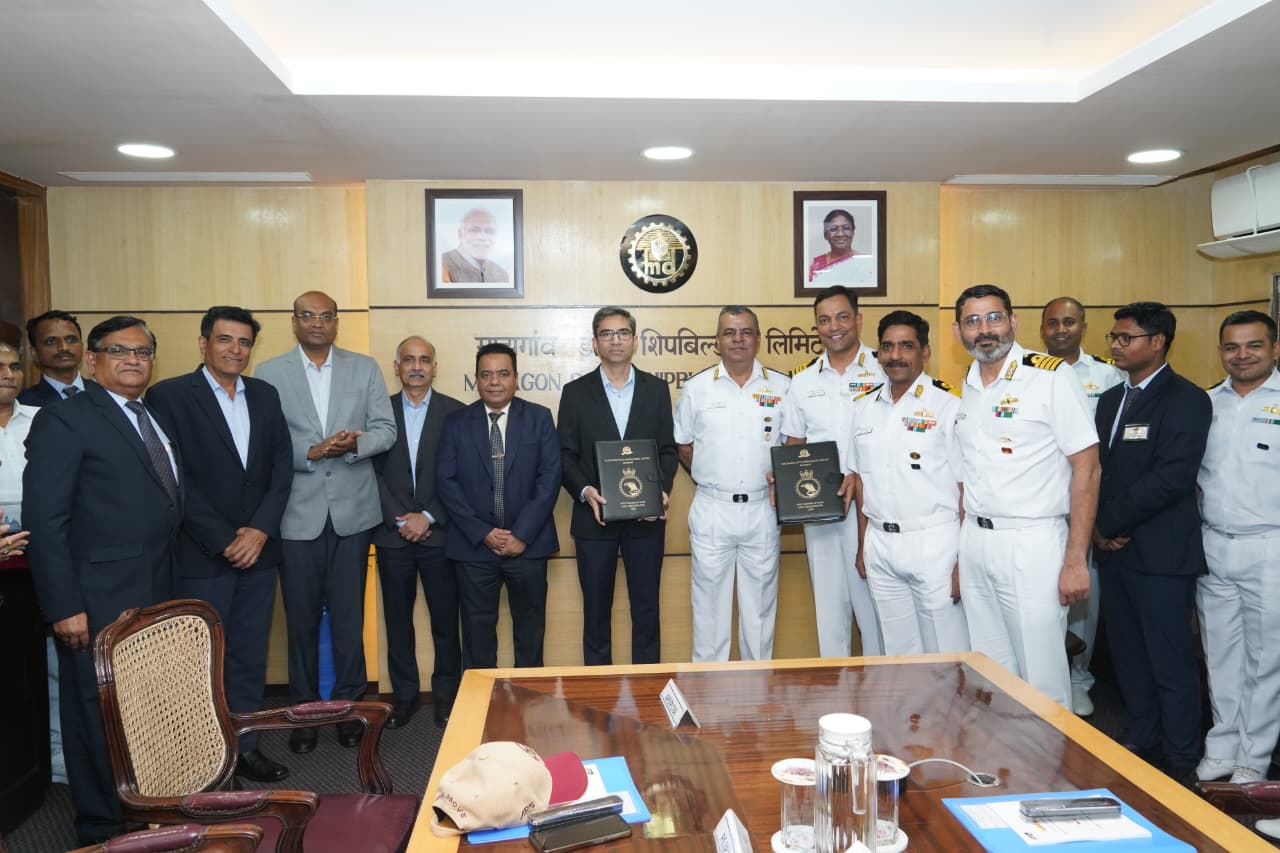
The Indian Navy has received INS Taragiri (Yard 12653), the fourth Nilgiri-class frigate under Project 17A and the third P17A ship built by Mazagon Dock Shipbuilders Ltd (MDL). Delivered in November 2025, the induction of Taragiri marks a major milestone in Aatmanirbhar Bharat and India’s quest for indigenous, advanced warship construction.
INS Taragiri: Key Facts
- Type: Advanced stealth frigate (Nilgiri class)
- Project:Project 17A
- Builder:Mazagon Dock Shipbuilders Limited (MDL)
- Legacy: Reincarnation of the earlier INS Taragiri, a Leander-class frigate that served the Indian Navy from 1980 to 2013 (33 years)
- Designer: Warship Design Bureau (WDB)
Project 17A (Nilgiri Class): Overview
- Programme to build seven advanced stealth frigates as successors to the Shivalik-class (Project 17).
- Shipbuilders:
- MDL:Nilgiri, Udaygiri, Taragiri, Mahendragiri
- **Garden Reach Shipbuilders & Engineers (GRSE): Himgiri, Dunagiri, Vindhyagiri
- Construction philosophy:Integrated Construction Method
- Pre-outfitting of blocks to reduce build time and improve quality.
- Indigenisation: ~75% indigenous content, involving 200+ MSMEs.
- Delivery timeline: Remaining P17A ships to be delivered progressively by August 2026.
Design & Propulsion
- Role: Blue-water, multi-mission frontline combatant
- Propulsion:Combined Diesel or Gas (CODOG) system
- Diesel engine + gas turbine
- Each driving a Controllable Pitch Propeller (CPP)
- Automation: Advanced Integrated Platform Management System (IPMS) for efficient monitoring and control.
Weapons & Sensors Suite
- Missiles:
- BrahMos supersonic surface-to-surface missile
- Long Range Surface-to-Air Missiles (LRSAM) / Barak-8 (MRSAM)
- Guns & CIWS:
- 76 mm Super Rapid Gun Mount
- 30 mm and 12.7 mm close-in weapon systems
- Anti-Submarine Warfare:
- Lightweight torpedoes
- Indigenous Rocket Launchers (IRL)
- Sensors & EW:
- Multi-function radar (MF-STAR)
- Shakti Electronic Warfare Suite
- Airborne early-warning radar
- Surface surveillance radar
- Humsa-NG sonar
Operational Significance
- Capable of anti-surface, anti-air, and anti-submarine warfare.
- Enhanced stealth, survivability, firepower, and automation over earlier frigate classes.
- Reduces dependence on imports and strengthens India’s blue-water naval capabilities.
- Employment generation: ~4,000 direct and 10,000 indirect jobs.