
Exercise Harimau Shakti
- 08 Dec 2025
In News:
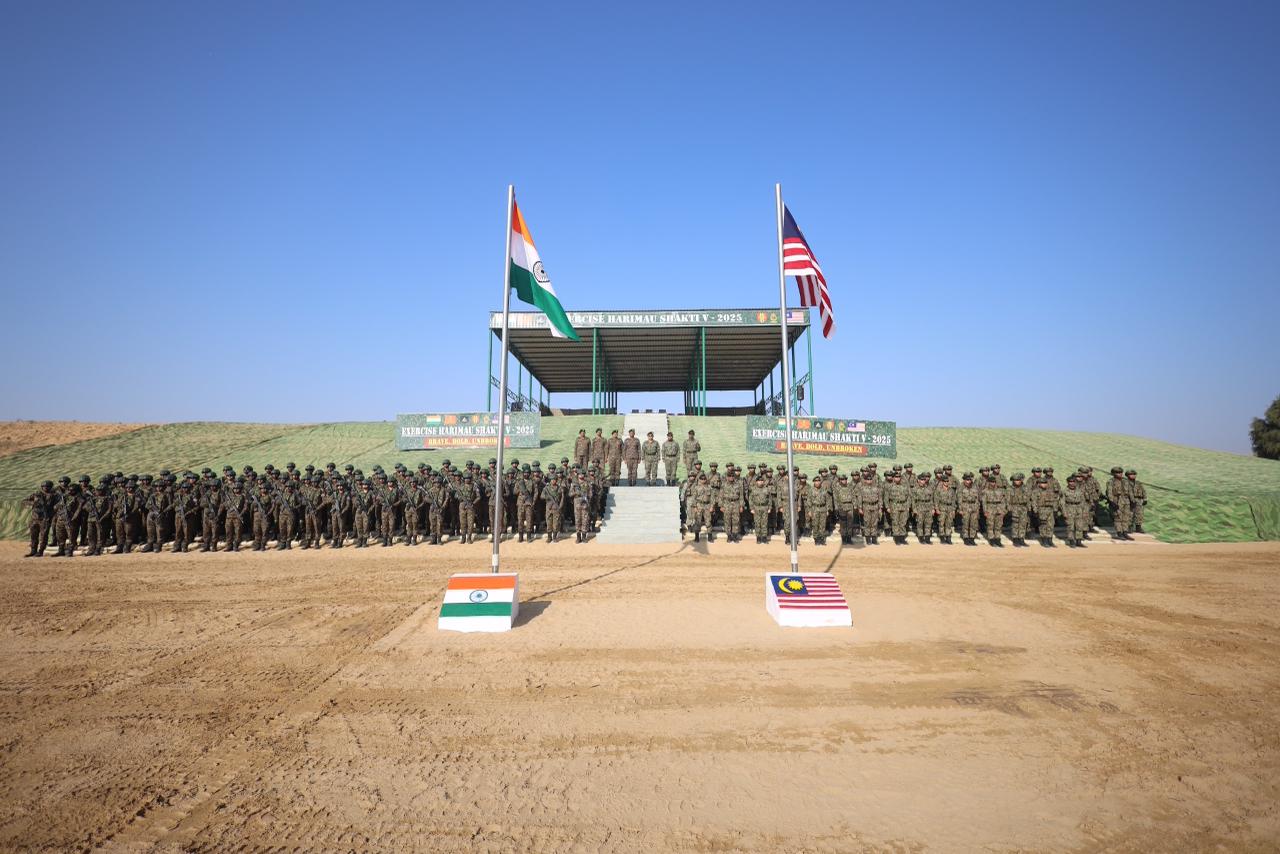
The 5th edition of Exercise Harimau Shakti was conducted at the Mahajan Field Firing Range, Rajasthan. It is a bilateral joint military exercise between India and Malaysia aimed at enhancing operational coordination and interoperability between the two armies.
Participating Forces
- India: Troops primarily from the Dogra Regiment of the Indian Army
- Malaysia: Soldiers from the 25th Battalion, Royal Malaysian Army
Nature of the Exercise
Exercise Harimau Shakti focuses on Sub-Conventional Operations (SCO) under the framework of Chapter VII of the United Nations Charter, which deals with peace enforcement and security operations. The training is designed to simulate counter-terrorism and peacekeeping scenarios in semi-arid and desert terrain.
Key Training Components
The exercise includes joint practice of:
- Cordon and search operations
- Search and destroy missions
- Heliborne operations
- Securing helipads in hostile environments
- Casualty evacuation (CASEVAC) drills during combat
- Combat reflex shooting
- Army Martial Arts Routine (AMAR)
- Yoga sessions for endurance and mental conditioning
These activities aim to improve tactical coordination, combat readiness, and joint response capability during counter-terrorist and UN peacekeeping missions.
Objectives
- Enhance interoperability between the Indian Army and Royal Malaysian Army
- Share best practices, tactics, techniques, and procedures in sub-conventional warfare
- Improve joint planning and execution of operations under a UN peace enforcement mandate
- Reduce risks to life and property during complex operations
Strategic Significance
- Strengthens India–Malaysia defence cooperation
- Supports India’s broader engagement with ASEAN nations
- Contributes to regional stability and collaboration in counter-terrorism and peacekeeping
- Promotes mutual trust and professional military exchanges between the two countries
Mahad Satyagraha
- 08 Dec 2025
In News:
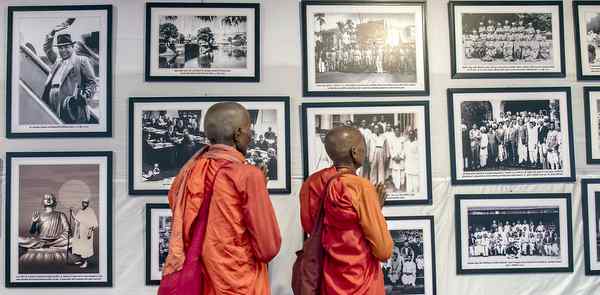
The Mahad Satyagraha was one of India’s earliest organisedcivil rights movements, led by Dr. B. R. Ambedkar in 1927 in Mahad (present-day Raigad district, Maharashtra). It challenged the practice of untouchability and asserted the right of Dalits to access public water sources, marking a crucial step in the evolution of India’s human rights discourse and later constitutional morality.
Background
- In 1923, the Bombay Legislative Council passed the Bole Resolution, recommending that so-called “untouchable” communities be allowed to use public wells, tanks, schools, and other civic facilities. Despite this legal provision, caste discrimination continued, especially in Mahad, where Dalits were denied access to the Chavdar (Chavadar) Tank, a public water reservoir.
- Mahad was chosen by Ambedkar due to its active social reform environment and presence of anti-caste leaders and organisations advocating equality.
Mahad Satyagraha - Phase I (March 19–20, 1927)
- Thousands of Dalits led by Ambedkar marched to the Chavdar Tank and drank water, symbolically asserting their right to equality and human dignity.
- The act triggered backlash from upper-caste groups, who performed “purification rituals” to “cleanse” the tank, reinforcing caste hierarchies.
- Legal disputes followed, with local elites claiming the tank was privately owned, leading to a court stay on Dalit access.
Mahad Satyagraha - Phase II (December 25–26, 1927)
- A second conference was organised at Mahad.
- As the legal case was pending, Ambedkar refrained from directly accessing the tank again.
- Instead, on December 25, 1927, he led the public burning of the Manusmriti, an ancient text seen as justifying caste hierarchy and gender inequality.
- Ambedkar also addressed women participants, stressing that gender equality was integral to the anti-caste struggle.
Key Features
- Assertion of Civil Rights: Access to public resources framed as a fundamental human right.
- Challenge to Scriptural Authority: Symbolic rejection of texts legitimising caste discrimination.
- Non-violent Protest: Inspired by democratic ideals but rooted in Ambedkar’s ethical vision of liberty, equality, and fraternity.
- Women’s Participation: Marked an early articulation of the link between caste oppression and gender inequality.
Outcomes and Legacy
- In 1937, the Bombay High Court ruled that there was no valid custom barring Dalits from public tanks, affirming equal civic rights.
- The movement strengthened Dalit political consciousness and laid the groundwork for later struggles, including temple entry movements.
- The principles articulated at Mahad later influenced the Fundamental Rights, equality provisions, and constitutional morality embedded in the Constitution of India.
- December 25 is commemorated in some traditions as Indian Women’s Liberation Day, recalling Ambedkar’s emphasis on gender justice.
BNHS to Release Critically Endangered Vultures in Assam
- 08 Dec 2025
In News:
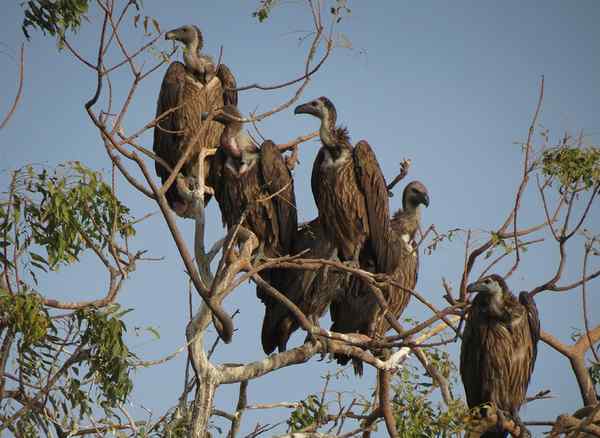
The Bombay Natural History Society (BNHS) is set to release six captive-bred vultures-three males and three females-into the wild in Assam in January 2026. The birds belong to two critically endangered species: the Slender-billed Vulture and the White-rumped Vulture. The release will take place in Kamrup and Biswanath districts, areas within the natural range of these species and close to Kaziranga National Park.
This initiative is part of India’s long-term vulture recovery programme, supported by the Assam Forest Department and the Royal Society for the Protection of Birds (RSPB). BNHS has bred over 800 vulturesacross its conservation breeding centres and has worked for more than 15 years to prepare suitable habitats and community awareness for reintroduction.
Before release, the vultures will undergo a soft-release acclimatisation period of at least three months, allowing them to adapt to natural surroundings and observe other scavengers. Vultures are social birds, mature after about five years, and can live up to 50–60 years.
Slender-billed Vulture (Gyps tenuirostris)
- IUCN Status: Critically Endangered
- Distribution: Assam, Gangetic plains, Nepal, Bangladesh, Myanmar, Cambodia
- Habitat: Open landscapes, riverine areas, tall trees near human settlements
- Identification: Slender narrow bill, dark head, long bare neck, grey plumage
- Breeding: Slow breeder; lays one egg per clutch
- Diet: Carrion, often feeds with other vultures
- Threats: Veterinary drug poisoning (especially diclofenac), habitat loss
Population estimates suggest fewer than 1,000 mature individuals remain globally.
White-rumped Vulture (Gyps bengalensis)
- IUCN Status: Critically Endangered
- Distribution: Indian subcontinent, often near villages and towns
- Habitat: Plains, open country, nesting on tall trees
- Identification: Dark body, distinct white rump patch, white neck ruff
- Breeding: October–March season, one egg
- Diet: Carrion; commonly feeds in mixed-species groups
This species has suffered one of the fastest bird population crashes in history, primarily due to diclofenac, a veterinary anti-inflammatory drug toxic to vultures.
Vultures in India - Key Facts
India hosts 9 vulture species, including:
- Critically Endangered: White-rumped, Slender-billed, Indian (Long-billed), Red-headed Vulture
- Endangered: Egyptian Vulture, Himalayan Griffon (status often regionally assessed)
- Others: Griffon Vulture, Bearded Vulture, Cinereous Vulture
Why Vultures Matter
Vultures are vital scavengers that prevent the spread of diseases by rapidly disposing of carcasses. Their decline has led to ecological imbalance and increased feral dog populations, raising risks of rabies and other zoonotic diseases.
Conservation Measures in India
- Ban on veterinary diclofenac (2006)
- Vulture Safe Zones across several states
- Captive breeding programmes led by BNHS and state forest departments
- Community awareness and monitoring
The 2026 release in Assam marks an important step toward restoring these keystone scavengers to India’s ecosystems.
PM-WANI Scheme
- 08 Dec 2025
In News:
The PM-WANI Scheme, approved on 9 December 2020, is a national framework to expand public Wi-Fi access across India. It is implemented by the Department of Telecommunications (DoT), Ministry of Communications, and aligns with the goals of the National Digital Communications Policy (NDCP) 2018 to create robust digital infrastructure and promote affordable broadband access.
As of November 2025, over 3.9 lakh PM-WANI Wi-Fi hotspots (Public Data Offices – PDOs) have been deployed across the country, reflecting rapid expansion of decentralized public internet access.
Objective
PM-WANI aims to:
- Democratize internet access
- Bridge the digital divide, especially in rural and underserved areas
- Encourage local entrepreneurship through small-scale Wi-Fi providers
- Support digital services such as e-governance, digital payments, telemedicine, and online education
Key Concept
PM-WANI allows small shopkeepers, entrepreneurs, and establishments to provide public Wi-Fi without needing a telecom licence, spectrum, or heavy regulatory compliance. This low-entry model makes broadband delivery affordable and scalable.
Four-Tier Architecture
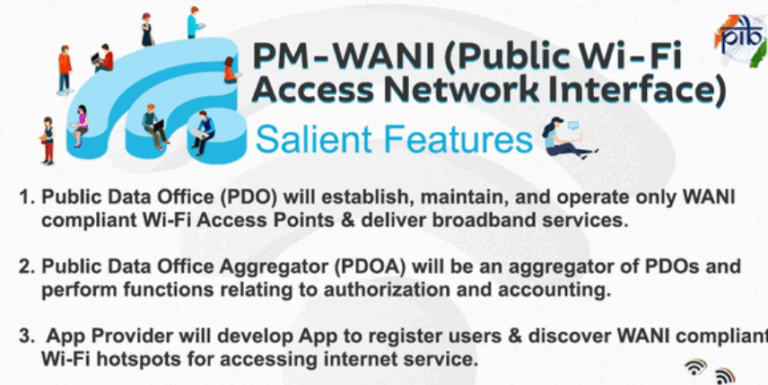
- Public Data Offices (PDOs):Local entities that set up and operate Wi-Fi hotspots to provide internet access to users.
- Public Data Office Aggregators (PDOAs):They manage authentication, authorization, and accounting functions for PDOs.
- App Providers:Provide mobile/web applications through which users discover hotspots, authenticate, and access services.
- Central Registry (maintained by C-DoT):Stores details of PDOs, PDOAs, and App Providers to ensure interoperability.
Major Reforms and Features
1. Use of FTTH Connections:PDOs can now use regular Fibre-to-the-Home (FTTH) broadband connections, reducing deployment costs.
2. Aggregation of Access Points:Multiple Wi-Fi access points can share a single backhaul connection, enabling wider hotspot coverage.
3. Integration of Existing Wi-Fi Routers:Existing home and business Wi-Fi access points can join the PM-WANI ecosystem, creating additional income streams.
4. Roaming Across Networks:Users can seamlessly switch between hotspots of different PDOAs, similar to mobile network roaming.
5. Mobile Data Offload:PDOs can collaborate with telecom service providers to offload mobile data traffic onto Wi-Fi, improving network efficiency.
6. Consent-Based Communication:PDOAs and App Providers may send promotional or informational content to users only with explicit user consent, ensuring privacy safeguards.
Affordable Broadband for PDOs (TRAI Provision)
The Telecommunication Tariff (71st Amendment) Order, 2025 mandates that retail FTTH broadband plans up to 200 Mbps must be offered to PDOs at not more than twice the tariff of equivalent consumer plans, ensuring cost-effective operations.
Technology and Compliance
Hardware and software are procured by stakeholders (PDOs, PDOAs, App Providers), but all solutions must be PM-WANI compliant and certified by C-DoT as per scheme guidelines.
Significance
PM-WANI strengthens India’s Digital Public Infrastructure ecosystem alongside Aadhaar and UPI. By enabling community-based broadband delivery, it promotes digital inclusion, entrepreneurship, and last-mile connectivity, especially in remote and low-income regions.
Hornbill Festival
- 08 Dec 2025
In News:
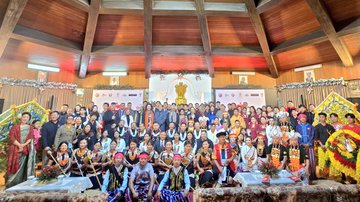
The 26th edition of the Hornbill Festival (2025) is being celebrated in Nagaland, with vibrant cultural performances held at the Naga Heritage Village, Kisama, near Kohima. The festival, often called the “Festival of Festivals”, brings together diverse Naga tribes to showcase their heritage, traditions, and artistic expressions.
About the Hornbill Festival
- What: A premier cultural festival of Nagaland celebrating the collective identity of Naga tribes
- When: Held annually from 1–10 December
- Where:Kisama Heritage Village, around 12 km from Kohima
- Started in:2000, by the Government of Nagaland
- Named after: The Hornbill bird, revered in Naga folklore as a symbol of valour, beauty, and cultural pride
Cultural Significance
Nagaland is home to 17 major tribes and several sub-tribes, each with unique customs, attire, music, and oral traditions. Over 86% of the state’s population belongs to tribal communities (Census 2011). The Hornbill Festival provides a platform for:
- Preserving and promoting indigenous traditions
- Strengthening inter-tribal unity
- Encouraging interaction between elders and youth
- Showcasing Naga identity at national and international levels
Key Features of the Festival
1. Cultural Performances: Daily events include:
- Traditional dances and folk songs
- War cries and storytelling traditions
- Indigenous sports and martial displays
Examples of performances include youth dances symbolising joy and festivity, women’s folk dances celebrating hospitality, and traditional combat sports practised in village morungs (youth dormitories).
2. Traditional Arts & Crafts: Exhibitions display:
- Wood carving
- Handwoven textiles
- Tribal ornaments and handicrafts
- Paintings and sculptures
3. Food & Lifestyle Exhibitions
- Indigenous Naga cuisine
- Herbal medicine stalls
- Flower shows
- Traditional archery and wrestling competitions
4. Major Events
- Hornbill International Rock Festival
- Morung (traditional youth dormitory) exhibitions
- Fashion shows featuring tribal attire
- Craft bazaars promoting local entrepreneurship
Participation and Outreach
The festival attracts both domestic and international participation. In recent editions, several partner countries and neighbouring Indian states have participated, strengthening cultural diplomacy and tourism links. Such engagement enhances Nagaland’s visibility as a cultural tourism destination.
Economic and Tourism Impact
The Hornbill Festival significantly boosts:
- Tourism revenue
- Local handicraft and handloom markets
- Food and hospitality sectors
- Employment opportunities for local communities
It serves as an important platform for sustainable cultural tourism in Northeast India.