
Afar Region
- 09 Dec 2025
In News:
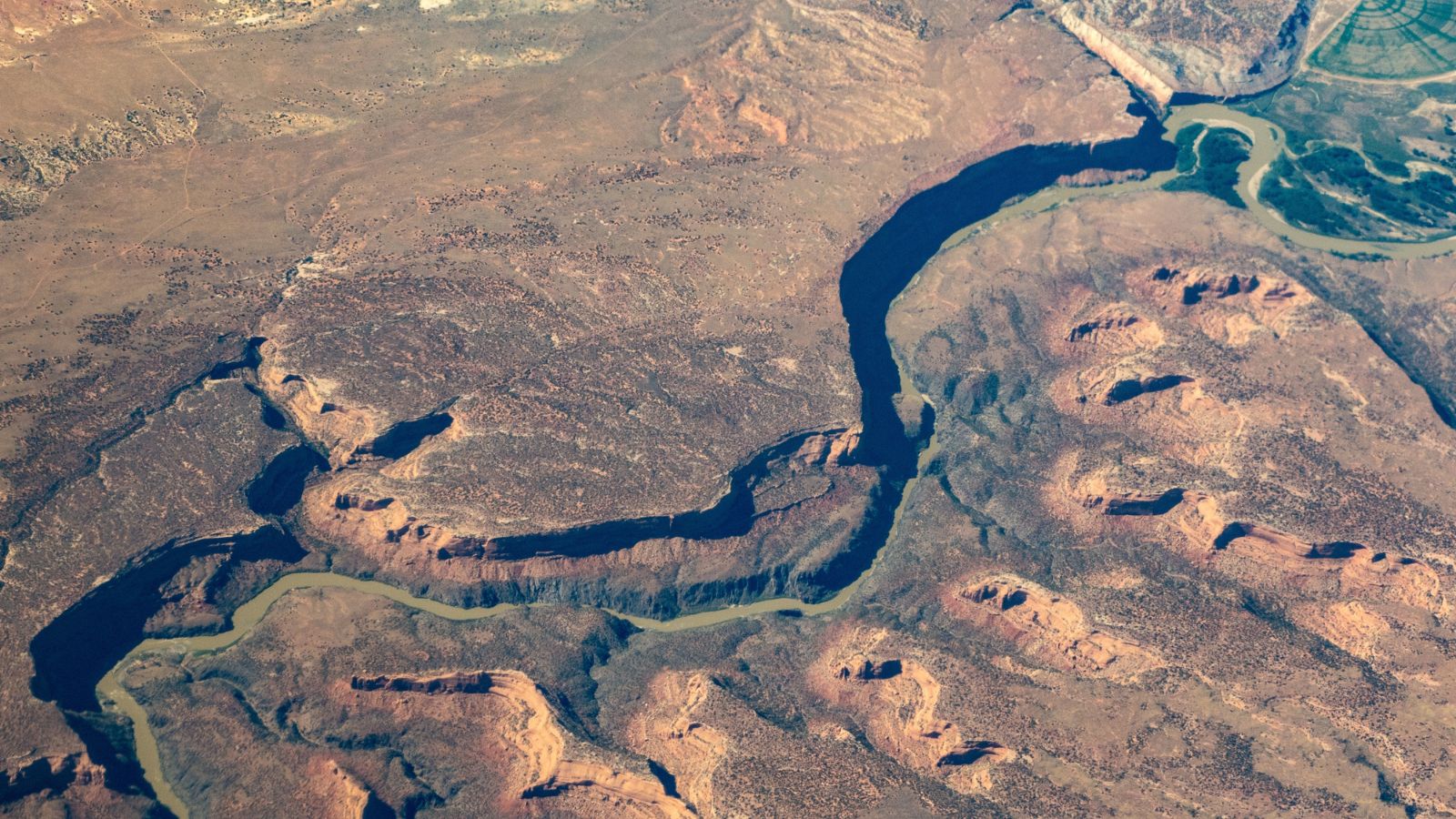
Scientists studying tectonic activity in Africa suggest that the Afar region of northeastern Ethiopia may eventually evolve into a new ocean basin as the African continent slowly splits apart. This geological transformation is expected to unfold over 5–10 million years.
Location and Physical Features
The Afar region lies in northeastern Ethiopia, near where the Red Sea meets the Gulf of Aden. It includes the Afar (Danakil) Depression, one of the hottest and lowest places on Earth.
Key physical features include:
- Desert scrubland and saline lakes
- Chains of active volcanoes
- Deep rift valleys and crustal fissures
- The Awash River Valley in the southern part of the region
The landscape reflects intense tectonic forces shaping the Earth’s crust.
Tectonic Significance
The Afar region is globally important because it lies at a triple junction where three tectonic rift systems meet:
- Red Sea Rift
- Gulf of Aden Rift
- East African Rift (Main Ethiopian Rift)
This triple junction marks a point where the African Plate is gradually pulling apart, and Arabia has already separated from Africa in the past through seafloor spreading.
Continental Break-up in Progress
The East African Rift system stretches nearly 6,000 km (around 4,000 miles) from the Middle East down to Mozambique. In the Afar region, the crust is:
- Thinning
- Stretching
- Fracturing
This process is similar to the early stages of ocean formation seen in the Red Sea. Over millions of years, the rift may widen enough for seawater to flood in, creating a new ocean basin and splitting eastern Africa from the rest of the continent.
Scientists compare this process to a “zipper opening” from northeast to south.
Geological Evidence
Researchers have used magnetic data collected during airborne surveys in the late 1960s, recently reanalysed using modern techniques. These magnetic signatures in the crust record past reversals of Earth’s magnetic field, acting like geological barcodes.
The data confirm:
- Seafloor spreading between Africa and Arabia millions of years ago
- Ongoing crustal stretching in Afar
- A gradual transition from continental crust to oceanic crust
Current estimates suggest the rift is widening at a rate of 5–16 millimetres per year in some sections.
Scientific Importance
The Afar region offers a rare opportunity to observe continental break-up in real time, a process that usually takes place deep under oceans and is difficult to study directly.
It helps scientists understand:
- Formation of new oceans
- Evolution of tectonic plates
- Relationship between volcanism, earthquakes, and rifting
Anthropological Significance
Apart from geology, Afar is also famous for early human evolution discoveries. The fossil “Lucy” (Australopithecus afarensis) was discovered here in 1974, making the region crucial for paleoanthropology.
Open Market Operations (OMO)
- 09 Dec 2025
In News:
In its December 2025 policy review, the Reserve Bank of India (RBI) announced a large-scale Open Market Operation (OMO) purchase of government securities worth ?1 trillion, along with a three-year dollar–rupee buy/sell swap of USD 5 billion, to inject durable liquidity into the financial system. These steps were intended to stabilize markets, strengthen monetary transmission, and support overall financial stability amid pressures on the Indian rupee.
What are Open Market Operations (OMOs)?
Open Market Operations (OMOs) are a key monetary policy instrument used by a central bank to regulate liquidity and influence interest rates by buying and selling government securities in the open market.
- OMO Purchase: When the RBI buys government securities, it injects money into the banking system. This increases liquidity, lowers interest rates, and encourages lending and investment.
- OMO Sale: When the RBI sells government securities, banks pay money to the RBI, which reduces liquidity and tends to push interest rates upwards.
OMOs help the central bank achieve its monetary policy objectives, including inflation control, growth support, and exchange rate stability.
Objectives of OMOs
1. Control Inflation: By selling securities, the RBI can reduce the money supply in the economy, leading to higher interest rates that help dampen excess demand and contain inflationary pressures.
2. Boost Economic Growth: During economic slowdowns or liquidity shortages, OMO purchases inject funds into the banking system. This reduces borrowing costs, encourages credit flow, and supports economic activity.
3. Manage Exchange Rate Pressures: OMOs can influence the exchange rate of the Indian rupee by affecting domestic liquidity conditions. For example, when the rupee weakens sharply (such as crossing key levels against the US dollar), injecting liquidity through OMO purchases can help ease pressure on money markets and improve rupee liquidity.
Why RBI used OMO in December 2025
The announcement came amid sharp depreciation of the Indian rupee, which had crossed the ?90 per US dollar mark. Exchange rate stress often leads to foreign investor outflows, which drain liquidity from the banking system. Reduced liquidity can push up short-term interest rates and weaken monetary policy transmission.
By purchasing government securities under OMOs, the RBI aimed to inject durable funds into banks, improve rupee liquidity, and support smoother transmission of its policy stance across money markets. The RBI also clarified that OMOs differ from short-term tools like repo operations, which manage transient liquidity fluctuations.
OMO and Monetary Policy Tools
- OMO vs Repo:
- OMO is used for durable liquidity adjustments by buying or selling securities outright.
- Repo and Reverse Repo Operations are short-term liquidity operations in the collateralised money market.
- Variable Rate Repo (VRR): The RBI can inject durable liquidity via OMOs while withdrawing short-term liquidity using VRR operations to align short-term rates with the policy repo rate.
As of December 2025, the RBI’s policy repo rate was 5.25%, reflecting an accommodative stance to support growth while managing inflation risks.
Significance
OMOs remain a central pillar of monetary policy implementation. They help the RBI balance price stability and growth objectives, maintain financial market stability, and manage systemic liquidity over the medium term. In the context of exchange rate volatility and global financial uncertainties, durable liquidity measures through OMOs can provide confidence and resilience to India’s financial system.
Onchocerciasis
- 09 Dec 2025
In News:
In a historic milestone, Niger has become the first country in Africa to eliminate onchocerciasis, also known as river blindness, as verified by the World Health Organization (WHO). Niger is the fifth country globally to achieve this, joining Colombia, Ecuador, Guatemala and Mexico in halting the transmission of the parasitic disease.
What is Onchocerciasis?
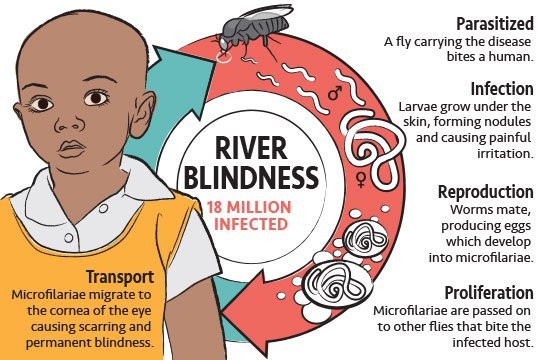
- Onchocerciasis, commonly called river blindness, is a neglected tropical parasitic disease caused by the filarial worm Onchocerca volvulus.
- The parasite is transmitted to humans through repeated bites of infected Simulium blackflies, which breed near fast-flowing rivers and streams.
- Globally, over 99% of cases occur in sub-Saharan Africa and Yemen, with smaller endemic pockets in parts of Latin America. River blindness is the second leading infectious cause of blindness worldwide, after trachoma.
Transmission and Symptoms
- Vector: Bites from infected blackflies introduce larvae into human skin.
- Disease Process: Larvae develop into adult worms under the skin, producing microfilariae that cause severe inflammation.
- Symptoms:
- Skin: Severe itching, rashes, thickening and depigmentation.
- Eyes: Lesions leading to visual impairment and, in advanced cases, permanent blindness.
- Other: Firm nodules under skin; early exposure in children has been linked to epilepsy in some regions.
Treatment and Elimination Strategy
The primary treatment is ivermectin (Mectizan®), administered once or twice a year over 10–15 years- the lifespan of adult worms - to interrupt transmission. Mass drug administration with ivermectin, often supported by global partners, is central to elimination efforts.
Elimination requires high therapeutic coverage, consistent surveillance, vector control where feasible, and strong community participation over many years.
Niger’s Path to Elimination
- Niger’s success reflects decades of coordinated public health action. The country first joined regional control efforts such as the Onchocerciasis Control Programme (OCP) and later the African Programme for Onchocerciasis Control (APOC), involving regular ivermectin distribution and monitoring activities.
- After achieving onchocerciasis control, Niger submitted its elimination dossier to WHO and met the technical criteria for interrupting transmission by early 2025. This was confirmed through sustained surveillance and absence of new infections.
- WHO praised Niger’s commitment and leadership, noting that the achievement ended a long period of human suffering and economic burden associated with river blindness in affected communities.
Global and Regional Significance
- Niger’s milestone is significant for Africa’s public health landscape. It demonstrates that elimination of neglected tropical diseases (NTDs)once considered extremely challenging is achievable with sustained effort, partnerships, and community engagement.
- Niger also previously eliminated Guinea-worm disease (dracunculiasis) in 2013, showcasing its capacity for tackling major parasitic diseases.
- The country’s success provides a model for other African nations still battling onchocerciasis, offering strategic lessons for integrated NTD programmes and WHO’s roadmap to eliminate multiple neglected diseases by 2030.
Directorate General of Civil Aviation (DGCA)

- 09 Dec 2025
In News:
Recent large-scale flight cancellations by a major Indian airline led the Directorate General of Civil Aviation (DGCA) to grant a one-time exemption from the newly implemented Flight Duty Time Limitations (FDTL) rules. These rules are designed to reduce pilot fatigue by regulating maximum duty hours and ensuring mandatory rest periods. The decision has highlighted DGCA’s critical role in balancing aviation safety with operational realities.
About DGCA
The Directorate General of Civil Aviation (DGCA) is India’s statutory civil aviation regulator responsible for ensuring aviation safety, airworthiness, and regulatory compliance in line with international standards.
- Established: 1927 (as a government organisation)
- Statutory Status: Granted under the Aircraft (Amendment) Act, 2020
- Administrative Ministry: Ministry of Civil Aviation (MoCA)
- Mandate: Promote safe, efficient, and reliable air transport through regulatory oversight and alignment with International Civil Aviation Organization (ICAO) standards.
Key Functions of DGCA
1. Safety Regulation & Oversight
- Frames and enforces Civil Aviation Requirements (CARs)
- Conducts surveillance, audits, and inspections of airlines, airports, MROs, and training institutes
2. Aircraft & Aerodrome Certification
- Registers civil aircraft
- Issues Certificates of Airworthiness
- Certifies aerodromes for operational safety
3. Licensing & Training
- Issues licences to pilots, Aircraft Maintenance Engineers (AMEs), Air Traffic Controllers (ATCOs), cabin crew, and flight dispatchers
- Approves flying schools, AME institutes, and simulator training centres
4. Accident & Incident Investigation
- Investigates incidents and serious incidents (aircraft up to 2,250 kg All-Up Weight)
- Implements aviation safety programmes
5. Air Transport Regulation
- Grants Air Operator Certificates (AOCs)
- Regulates scheduled and non-scheduled domestic and international operations
6. ICAO Coordination
- Aligns Indian aviation standards with ICAO norms
- Participates in global aviation safety audits (USOAP)
7. Dangerous Goods & Air Navigation Oversight
- Certifies operators transporting dangerous goods
- Coordinates civil–military airspace usage
Flight Duty Time Limitations (FDTL)
FDTL rules regulate:
- Maximum flying and duty hours for pilots
- Minimum mandatory rest periods
- Fatigue risk management
These are crucial for aviation safety, as pilot fatigue is a significant risk factor in accidents.
Significance of DGCA
- Ensures Passenger Safety: Through strict oversight of aircraft airworthiness, pilot training, and crew rest norms
- Maintains Operational Discipline: Enforces compliance with technical and safety regulations
- Balances Safety & Industry Needs: The recent FDTL exemption shows DGCA’s role in managing real-time operational disruptions while upholding safety standards
- Global Compliance: Ensures India meets international aviation obligations under ICAO
Right to Disconnect Bill, 2025
- 09 Dec 2025
In News:
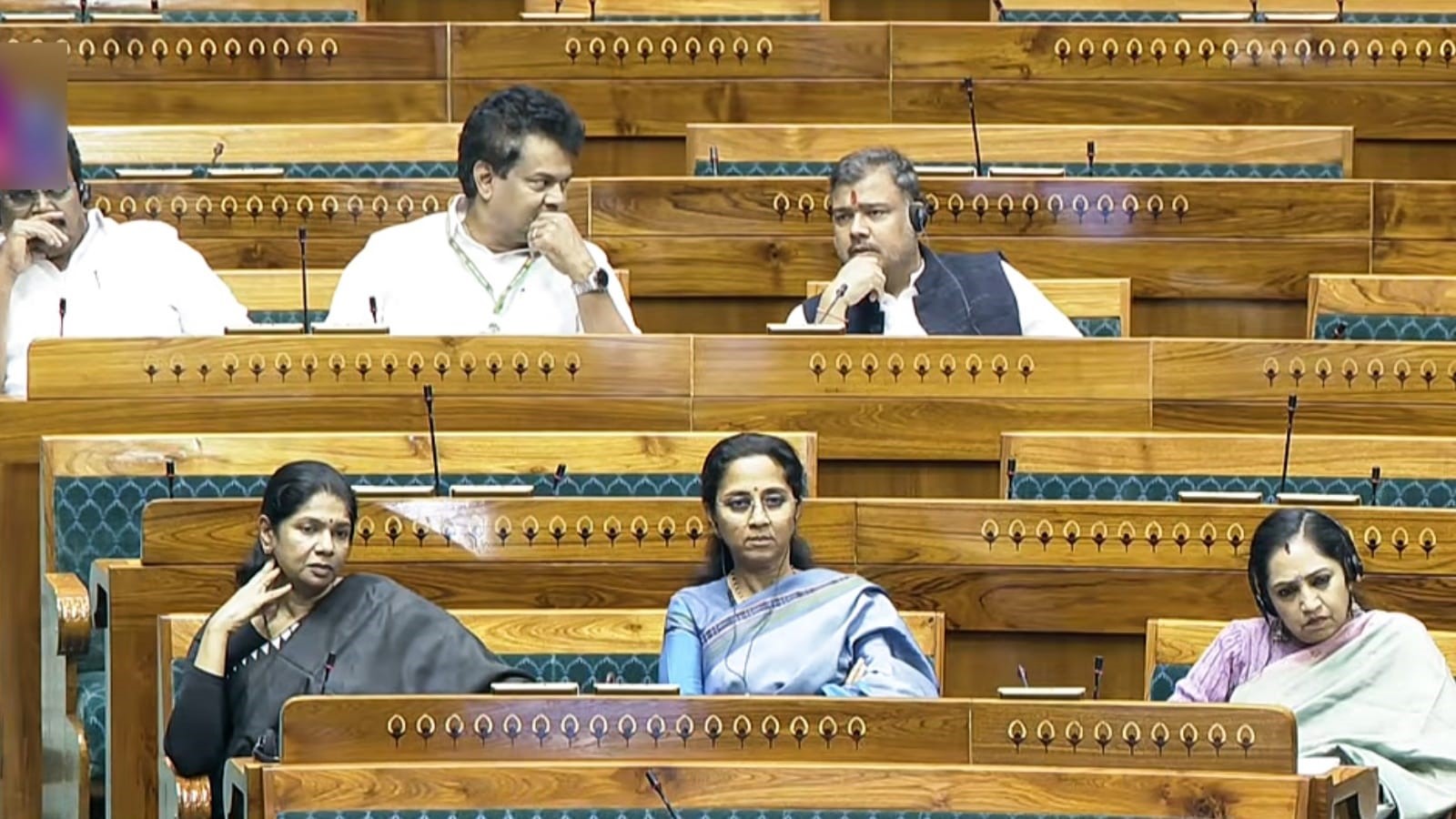
A Private Member’s Bill titled the Right to Disconnect Bill, 2025 has been reintroduced in the Lok Sabha. The Bill seeks to legally recognise employees’ right to disengage from work-related communication beyond official working hours.
What is the Right to Disconnect?
The Right to Disconnect refers to an employee’s right to not respond to work-related calls, emails, or messages outside prescribed working hours without facing disciplinary action. It aims to address the growing problem of constant digital connectivity, protect mental well-being, and promote a healthier work–life balance.
In the era of smartphones, remote work, and global time zones, employees are often expected to remain available beyond office hours, leading to stress, burnout, and reduced productivity.
Key Provisions of the Bill
The Bill proposes a legal and institutional framework to safeguard employees from after-hours work pressure:
- Right to Refuse After-Hours Communication: Employees cannot be penalised for ignoring work-related communication outside official hours.
- Employees’ Welfare Authority: A statutory body will be established to implement and monitor the right to disconnect.
- Baseline Study: The Authority will conduct a nationwide study to assess the burden of digital communication on employees outside work hours.
- Mandatory Negotiations: Companies with more than 10 employees must negotiate with workers or unions to set clear rules for work beyond office hours. Any such work will qualify for overtime wages.
- Mental Health Support: Provision for counselling services and the establishment of digital detox centres in collaboration with the government.
- Penalties for Non-Compliance: Companies violating the provisions may face penalties of up to 1% of their total employee remuneration.
Private Member’s Bill - Key Facts
- A Private Member’s Bill (PMB) is introduced by an MP who is not a Minister.
- Such Bills are generally taken up on Fridays in Parliament.
- PMBs rarely become law -only 14 have been enacted since Independence, with the last passed in 1970.
Global Perspective
Several countries have already recognised the Right to Disconnect in law:
- France (2017) – One of the first countries to implement it.
- Portugal – Employers are restricted from contacting employees after work hours.
- Australia (2024) – Recently introduced similar legal protections.
These examples show a global shift toward prioritising employee well-being in digital workplaces.
Status in India
India currently has no specific law guaranteeing the Right to Disconnect. However, the concept aligns with constitutional principles:
- Article 38 – Promotes welfare of the people.
- Article 39(e) – Directs the State to protect workers’ health and strength.
Existing labour laws focus on working hours and safety but do not address digital overreach beyond work hours.
Significance
- Promotes work–life balance and mental health
- Reduces risks of burnout, stress, and “telepressure”
- Encourages clear workplace boundaries
- Aligns India with emerging global labour welfare standards