
Masala Bond
- 04 Dec 2025
In News:
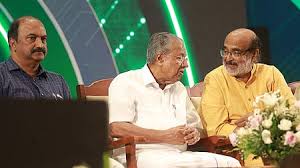
The Enforcement Directorate (ED) has issued show-cause notices to the Kerala Chief Minister, a former Union Finance Ministry official, and officials of the Kerala Infrastructure Investment Fund Board (KIIFB). The notices relate to alleged violations of the Foreign Exchange Management Act (FEMA) and Reserve Bank of India (RBI) regulations in connection with KIIFB’s 2019 Masala Bond issuance.
The development has revived debate over off-budget borrowings by state-linked entities and their implications for fiscal transparency and regulatory compliance.
What are Masala Bonds?
Masala Bonds are rupee-denominated bonds issued overseas by Indian entities to raise funds from foreign investors.
Key Idea
Although the bonds are sold in international markets, they are denominated in Indian Rupees (INR). Therefore, the currency risk is borne by the investor, not the Indian issuer.
Evolution of Masala Bonds
- First issued internationally by the International Finance Corporation (IFC) in 2014 (?1,000 crore).
- Formally permitted by the RBI in 2015 under the framework for Rupee Denominated Bonds (RDBs).
Objectives
Masala Bonds were introduced to:
- Enable Indian entities to raise global capital in rupees
- Reduce dependence on foreign currency borrowings (External Commercial Borrowings – ECBs)
- Shift exchange rate risk away from Indian borrowers
- Promote the internationalisation of the Indian Rupee
- Develop the offshore rupee bond market
Key Features of Masala Bonds
|
Feature |
Description |
|
Currency |
Denominated in INR but issued overseas |
|
Currency Risk |
Borne by investor, not issuer |
|
Eligible Issuers |
Indian corporates, NBFCs, REITs, InvITs, and certain government-backed entities |
|
Listing |
Can be listed on foreign exchanges (e.g., London, Singapore) |
|
End-Use Restrictions |
Cannot be used for capital market investment, real estate (except affordable housing), land purchase, or prohibited FDI sectors |
|
Minimum Maturity |
Initially 5 years, later reduced to 3 years |
|
Tax Benefits |
Concessional 5% withholding tax on interest; capital gains from rupee appreciation exempt |
Benefits of Masala Bonds
- Protect Indian borrowers from exchange rate volatility
- Provide access to a diversified global investor base
- Support infrastructure financing
- Enhance global confidence in the Indian rupee
Biological Weapons Convention (BWC)
- 04 Dec 2025
In News:
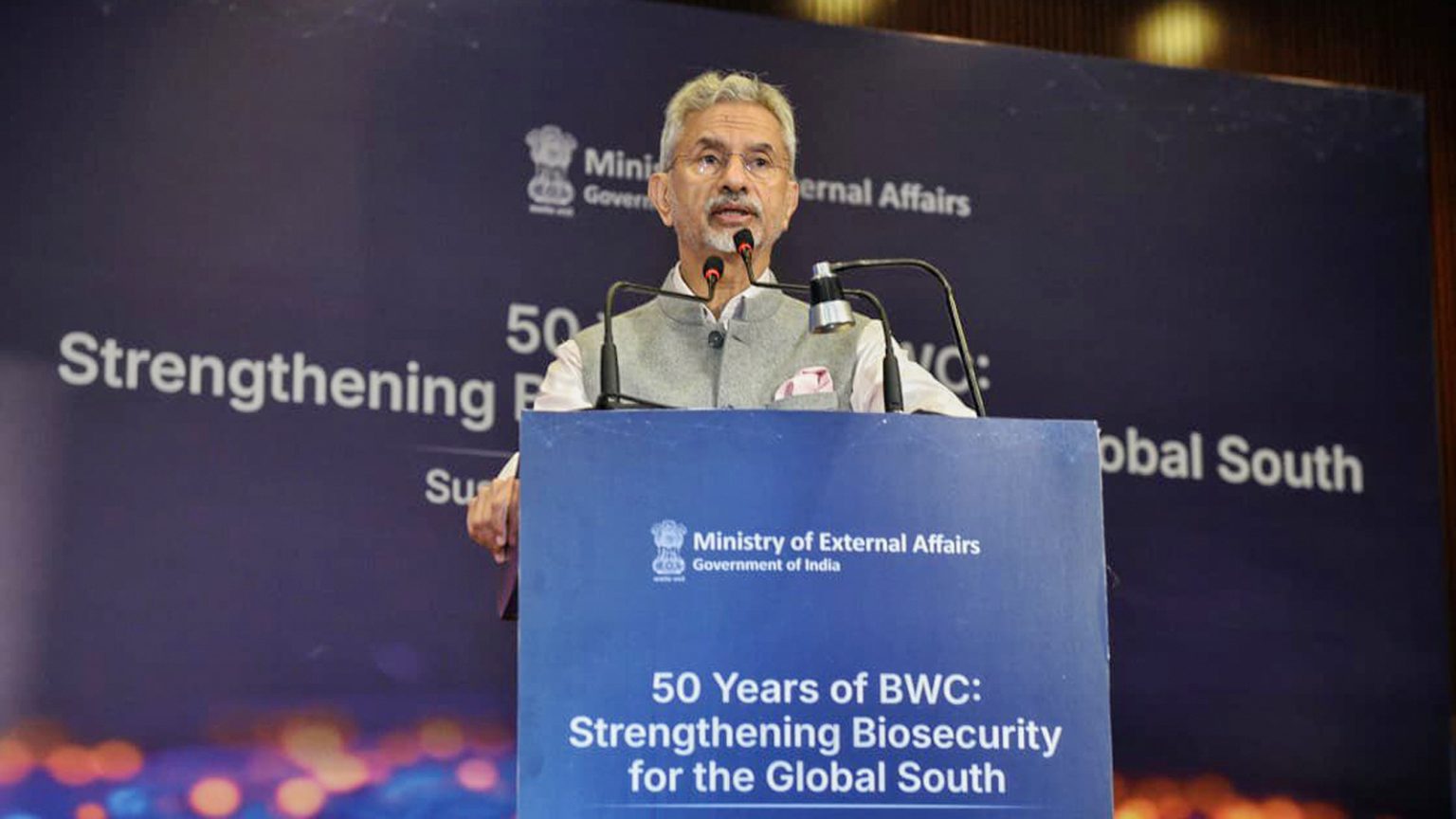
India hosted the international conference titled “50 Years of BWC: Strengthening Biosecurity for the Global South” in New Delhi, marking the Convention’s half-century since entry into force. The event focused on reinforcing biosecurity governance, especially for developing countries facing acute vulnerabilities.
Key Highlights:
India Highlighted:
- Rising risk of bioterrorism and deliberate misuse of biological agents.
- The urgent need to modernise the BWC to keep pace with scientific advances, including genome editing, synthetic biology, and AI-driven biological design.
- The lack of compliance systems and permanent structures as significant challenges.
- Weak infrastructure in many Global South nations, including healthcare surveillance, emergency response, and laboratory networks, which magnify biological risks.
- The importance of shaping the next phase of the BWC with strong input from the Global South to ensure equitable biosecurity.
India’s Contributions and Proposals
EAM Jaishankar outlined India’s growing capabilities in biotechnology and public health:
- India produces an estimated 60% of global vaccines and supplies over 20% of global generic medicines, including 60% of African generics.
- Expansion of the biotech sector from about 50 startups in 2014 to nearly 11,000 today.
- Strengthened laboratory infrastructure, including BSL-3 and BSL-4 facilities under Indian Council of Medical Research (ICMR) and Department of Biotechnology (DBT).
- Vaccine Maitri Initiative during COVID-19, supplying nearly 300 million vaccine doses and medical aid to over 100 nations.
India reiterated longstanding support for:
- A robust compliance and verification system under the BWC.
- Structured review mechanisms for scientific and technological oversight.
- A National Implementation Framework, focusing on:
- Identifying high-risk biological agents.
- Oversight of dual-use research.
- Incident management and response.
- Continuous capacity building and training.
India is also active in other non-proliferation regimes such as the Wassenaar Arrangement, Missile Technology Control Regime, and the Australia Group, with the latter being particularly relevant to biological security.
About Biological Weapons Convention (BWC)
The BWC is the first multilateral treaty to comprehensively ban an entire class of weapons of mass destruction. It prohibits the development, production, stockpiling, acquisition, transfer, and use of biological and toxin weapons. Against the backdrop of rapid advances in biotechnology, artificial intelligence, and synthetic biology, global leaders have underscored the need to modernise and reinforce the BWC to address emerging biological threats.
Historical Background
- Opened for Signature: 10 April 1972 (London, Moscow, Washington).
- Entered into Force: 26 March 1975.
- India’s Participation: India signed and ratified the BWC in 1974 and is a founding State Party.
The Convention marked a significant milestone in international disarmament by establishing a legally binding commitment to eliminate an entire category of weapons.
Core Obligations
Under the BWC, States Parties must:
- Not develop, produce, or stockpile biological and toxin weapons.
- Destroy existing stockpiles, agents, and production facilities within nine months of the treaty’s entry into force.
- Refrain from assisting any other state in prohibited activities.
- Cooperate bilaterally or multilaterally on compliance issues.
The treaty also prohibits any equipment or delivery systems designed to disseminate biological agents for hostile purposes.
Current Membership
- States Parties: 187, including Palestine.
- Signatories: Four (Egypt, Haiti, Somalia, Syria).
- Non-signatories: Ten (e.g., Israel, Eritrea, South Sudan).
- India is part of the global majority committed to full compliance and biosecurity cooperation.
Limitations and Challenges
Lack of Verification Mechanism
A critical gap in the BWC is the absence of a formal, binding verification regime to monitor compliance, which has historically allowed violations. Notable past breaches include alleged programmes in the Soviet Union and Iraq.
No Permanent Institutional Structure
Unlike other arms control regimes, the BWC lacks:
- A permanent technical body.
- A compliance monitoring framework.
- Mechanisms to systematically assess scientific and technological developments.
This institutional deficit weakens confidence and enforcement in the evolving biological landscape.
Sanchar Saathi App
- 04 Dec 2025
In News:
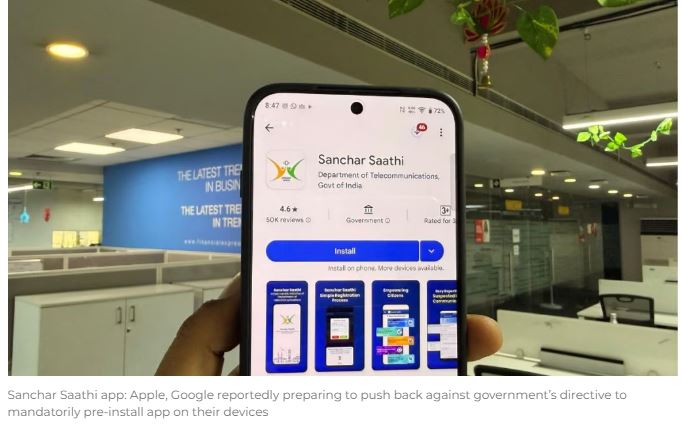
The DoT has mandated that all newly manufactured or imported smartphones sold in India from March 2026 must come with the Sanchar Saathi app pre-installed. This ensures that users have access to security tools and awareness features from the outset.
However, Union Minister Jyotiraditya Scindia clarified that the app is not mandatory for continued use; users can delete it if they choose. The mandatory aspect applies only to pre-installation by manufacturers, not compulsory retention by users.
What is Sanchar Saathi?
Sanchar Saathi is a telecom security and awareness platform developed by the Department of Telecommunications (DoT), Government of India. It is available both as a mobile application and a web portal, designed to empower users to manage their digital identity, report frauds, and safeguard mobile devices against misuse.
The initiative addresses rising concerns over phone theft, cyber fraud, cloning of devices, phishing scams, and unauthorised use of SIM connections, which have become widespread with increased mobile penetration.
Objectives of Sanchar Saathi
The app is designed to:
- Enhance digital safety and awareness among mobile users.
- Prevent telecom and cyber frauds by providing tools to report and track suspicious activities.
- Empower users to manage digital identity linked to mobile connections.
- Strengthen security mechanisms against phone theft and misuse.
These aims support broader national priorities on cybersecurity, consumer protection, and trust in digital services.
Key Features of the Sanchar Saathi Platform
- Fraud & Scam Reporting (‘Chakshu’):Users can report suspicious calls, SMS, or WhatsApp messages, including fake KYC alerts, impersonation scams, phishing links, and fraudulent content. This helps authorities identify and analyse fraud patterns.
- SIM and Identity Protection:Displays all mobile connections linked to a user’s identity, enabling detection of unauthorised or unknown SIMs registered without consent.
- Lost or Stolen Phone Blocking:Users can block the IMEI (International Mobile Equipment Identity) of a lost or stolen device, rendering it unusable on any network. Devices can be unblocked if recovered.
- Device Authenticity Verification:Helps verify whether a handset is genuine or blacklisted, particularly useful in India’s large second-hand phone market.
- Reporting Illegally Masked International Calls:Enables reporting of international calls disguised as local (+91) calls, which are often used in scams.
- Spam & Malicious Link Reporting:Users can report spam calls and messages, unsafe APKs, phishing websites, and fraudulent apps that violate Telecom Regulatory Authority of India (TRAI) rules.
- Local ISP Locator:Helps users identify local wired internet service providers by entering a PIN code, address, or provider name.
- Trusted Contact & Helpline Directory:Provides a repository of verified customer-care numbers, emails, and websites for major institutions, aiding in authentic communication.
Significance and Impact
Sanchar Saathi strengthens India’s defence against digital fraud and mobile misuse by combining security functions with user awareness. Its features help:
- Reduce incidence of cloned or tampered devices.
- Protect users from identity misuse and financial scams.
- Assist authorities in curbing mobile theft and unauthorised network access.
- Provide safeguards to consumers, especially in the pre-owned smartphone market.
Since its launch, the platform has contributed to blocking more than 7 lakh lost or stolen devices, indicating its utility and reach.
Implementation and Accessibility
- For newly sold smartphones, Sanchar Saathi will be pre-installed by manufacturers and appear as a system app.
- Users with existing devices can install the app from official app stores.
- Manufacturers may also push it through software updates to existing devices.
Upon installation, users can log in with their mobile number and access the app’s features through a simple interface.
Exercise EKUVERIN
- 04 Dec 2025
In News:
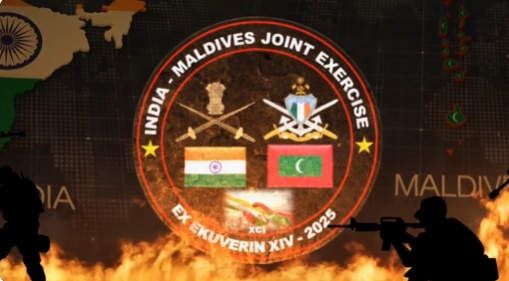
The 14th edition of Exercise EKUVERIN is scheduled to take place in Thiruvananthapuram, Kerala. This bilateral military exercise is conducted between the Indian Army and the Maldives National Defence Forces (MNDF) to strengthen defence cooperation and interoperability.
Ekuverin means “Friends” in the Dhivehi language, underscoring the close bilateral ties between the two nations.
Purpose and Focus
Exercise EKUVERIN is designed to:
- Enhance interoperability between Indian and Maldivian armed forces.
- Conduct Counter-Insurgency (CI) and Counter-Terrorism (CT) operations.
- Operate in diverse environments including semi-urban, jungle, and coastal terrains.
- Promote integration of niche technologies and joint operational best practices.
The exercise reflects the shared commitment of India and the Maldives towards maintaining peace, security, and stability in the Indian Ocean Region (IOR). It also allows both militaries to exchange expertise on tactical operations and civil-military cooperation in crisis scenarios.
Historical Context
- Inception: The first edition of Exercise EKUVERIN was held in 2009.
- It is one of the three major military exercises between India and the Maldives.
- Conduct Cycle: The exercise is held annually, with hosting duties alternating between the two countries.
Other India–Maldives Military Exercises
- Ekatha: Another bilateral exercise focused on both security and defence collaboration.
- Dosti: A trilateral exercise including Sri Lanka, which broadens regional cooperation.
Strategic Significance
Exercise EKUVERIN is significant in the context of:
- Regional Security Architecture: Enhancing mutual military readiness in the Indian Ocean.
- Counter-Terrorism Cooperation: Strengthening joint frameworks for addressing extremist threats.
- Defence Diplomacy: Cementing India’s role as a security partner for island states like the Maldives.
- Technology Integration: Sharing best practices in modern warfare and tactical solutions.
India–Maldives Relations
India was among the first countries to recognise the Maldives after its independence in 1965 and establish diplomatic relations.The two nations share:
- Ethnic, linguistic, cultural, religious, and commercial links rooted in history.
- A convergent vision for peace, stability, and prosperity in the IOR.
Military exercises such as EKUVERIN and Ekatha reflect trust and deepening defence ties, contributing to India’s broader Neighbourhood First and Security and Growth for All in the Region (SAGAR) policies.
WHO Issues First-Ever Guidelines on GLP-1 Weight-Loss Drugs to Tackle Obesity

- 04 Dec 2025
In News:
The World Health Organization (WHO) has for the first time issued guidelines on the use of Glucagon-Like Peptide-1 (GLP-1) receptor agonists as part of a comprehensive strategy to manage obesity a chronic, relapsing disease affecting over 1 billion people worldwide.
Understanding Obesity
- Definition: Obesity in adults is defined as having a Body Mass Index (BMI) ≥ 30.
- Disease Burden: Obesity contributes significantly to morbidity and mortality through increased risk of type 2 diabetes, cardiovascular diseases, kidney disease, and certain cancers. Globally, over 1 billion people are obese, and if current trends continue, the number is expected to double by 2030.
WHO’s Stance on Obesity
WHO classifies obesity as a chronic disease requiring lifelong care. Its guidelines emphasize that treatment must go beyond medication to include early screening, diagnosis, behavioural support, lifestyle modification, and management of comorbidities.
GLP-1 Therapies: Role and Mechanism
- What they are: GLP-1 receptor agonists are medications that mimic the gut hormone GLP-1, which regulates appetite, digestion, and blood sugar.
- Mechanism: These drugs improve satiety, slow gastric emptying, enhance insulin secretion, and suppress glucagon leading to reduced food intake and improved glycemic outcomes.
- Clinical Benefits: GLP-1 therapies have been shown to produce meaningful weight loss (often ≥5% of body weight) and offer metabolic benefits for cardiovascular and kidney health.
WHO Guidelines on GLP-1 Use
Key Recommendations
- Conditional Long-Term Use:WHO recommends that GLP-1 therapies may be used long term (continuous treatment beyond 6 months) for adults with obesity (BMI ≥ 30), except in pregnant women due to lack of safety data.
- Multimodal Care:GLP-1 medications should be prescribed only as part of a broader, lifelong obesity-care plan that includes:
- Intensive behavioural therapy (diet planning, physical activity, counselling)
- Structured lifestyle interventions
- Continued monitoring and follow-up.
- Equity and Access:WHO highlights the global inequity in access to GLP-1 therapies. Current production capacity could cover only ~100 million people, representing <10% of those living with obesity.
Therefore, equitable access, affordable pricing, and support for generic production are essential for broader reach.
Rationale
The recommendations are conditional due to:
- Limited long-term efficacy and safety data
- High treatment costs
- Health system readiness and infrastructure gaps
- Equity concerns across populations.
Adverse Effects of GLP-1 Therapies
Reported side effects include gastrointestinal symptoms such as nausea, vomiting, diarrhea, and constipation. Rare but more serious effects, including pancreatitis and possible thyroid tumors, are under evaluation.
Obesity: Global and Indian Context
- Global Trends: Obesity prevalence has been rising across countries of all income levels, with substantial increases in both urban and rural populations.
- India: According to national surveys, nearly 24% of women and ~23% of men aged 15–49 are overweight or obese, reflecting a growing public health concern. Unhealthy diets, sedentary lifestyles, and socio-economic shifts underpin this trend.
National Implications for Health Policy
- Epidemiological Transition: India’s dual burden of communicable and non-communicable diseases (NCDs) emphasizes obesity as a priority area in preventive and primary health strategies.
- Health Systems: Integrating obesity screening and management into primary healthcare, strengthening referral pathways, and building patient registries are recommended to support long-term care models.