
Digital Payments Revolution
- 13 Apr 2026
In News:
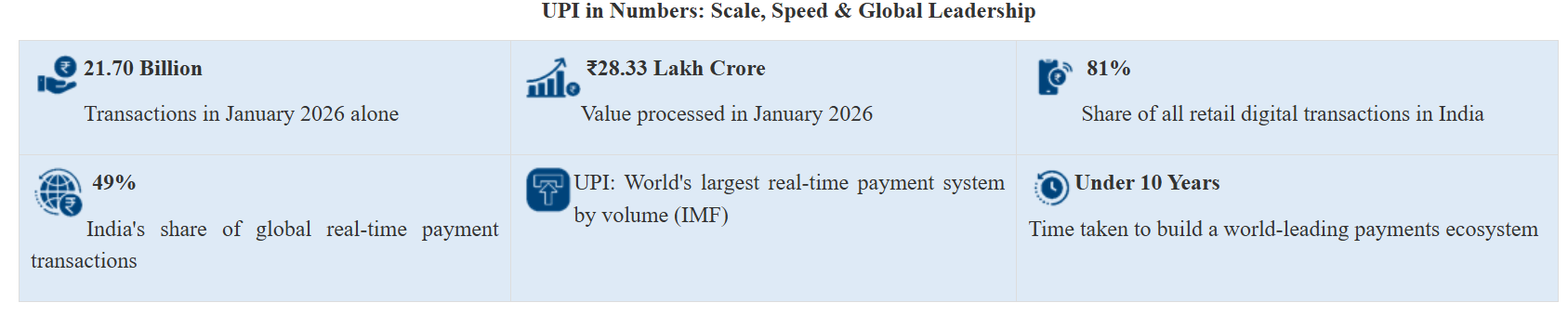
India’s financial landscape has undergone a radical metamorphosis, transitioning from a cash-heavy, urban-centric banking model to a world-leading, real-time digital infrastructure. As of January 2026, India has solidified its global leadership in fintech, processing a record 21.70 billion transactions worth ?28.33 lakh crore in a single month.
The Evolution of Payment Systems
The journey from "Queues to QR Codes" can be categorized into four distinct phases:
- The Traditional Era: Reliance on physical cash, barter, and cheques; limited to urban centers.
- Institutional Formalization (2004–2010): Introduction of RTGS and IMPS, enabling 24/7 transfers, yet restricted to the banked elite.
- The Structural Breakthrough (JAM): The combination of Jan Dhan (Access), Aadhaar (Identity), and Mobile (Connectivity) created the bedrock for mass financial inclusion.
- The UPI Radicalization (2016–Present): The launch of the Unified Payments Interface (UPI) by NPCI democratized payments via Virtual Payment Addresses (VPA) and QR codes.
The Architectural Pillars: JAM Trinity & DBT
The JAM Trinity acted as a catalyst for "Aatmanirbhar" banking:
- Pradhan Mantri Jan-Dhan Yojana: Brought the "unbanked" into the formal fold via zero-balance accounts.
- Aadhaar: Provided a digital, biometric identity for seamless authentication.
- Mobile Connectivity: Served as the primary interface for transactions.
- The DBT Effect: This framework enabled the Direct Benefit Transfer (DBT) system, ensuring government aid reaches beneficiaries without intermediaries, thereby reducing leakages and building public trust in digital systems.
UPI: The Global Gold Standard
UPI is now the world’s largest real-time payment system by volume. Key 2026 statistics highlight its dominance:
- Market Share: UPI accounts for 81% of all retail digital transactions in India.
- Global Footprint: India contributes 49% of total global real-time payment transactions.
- Institutional Growth: The network has expanded from 216 banks (2021) to 691 banks (2026).
- International Reach: Operational or linked in countries including France, UAE, Singapore, Bhutan, Nepal, Sri Lanka, Mauritius, and Qatar.
Beyond Payments: Socio-Economic Significance
- Financial Inclusion: Dissolves the urban-rural divide; village mandis and street vendors now transact with the same speed as metropolitan hubs.
- Formalization of Credit: Digital footprints allow informal workers (auto drivers, domestic help) to access formal credit, insurance, and pre-approved credit lines.
- Economic Efficiency: Reduces the heavy "cost of cash" (printing, storage, transport) and speeds up the velocity of money.
- Enhanced Security: Effective April 1, 2026, the RBI mandated Multi-layer/Two-factor authentication (biometrics, secure tokens, and PINs) to combat digital fraud.
Critical Challenges
Despite its success, the ecosystem faces several hurdles:
- Cybersecurity: Sophisticated phishing and identity theft remain persistent threats.
- Digital Literacy: A gap exists in the deep-tech understanding required to resolve transaction failures among first-time rural users.
- Infrastructure Load: Processing 20 billion monthly transactions puts immense pressure on bank servers and the NPCI central switch.
- Data Privacy: The massive volume of financial data necessitates a robust legal framework to prevent commercial misuse.
Way Forward: The Road to 2030
To sustain this momentum, the focus must shift toward:
- Product Diversification: Scaling UPI Lite (small-value offline payments) and UPI AutoPay (recurring bills).
- Credit Integration: Leveraging "Credit on UPI" to turn a payment tool into a comprehensive financial services platform.
- Deep-Rural Outreach: Ensuring 100% connectivity in remote regions to digitize the "last mile" of the economy.
- Cross-Border Dominance: Positioning UPI as a cheaper, faster alternative for global remittances.
1,000-km Quantum Communication Network
- 13 Apr 2026
In News:
India has achieved a significant milestone under the National Quantum Mission (NQM) by developing a 1,000 km quantum communication network. Developed using indigenous technology by QNu Labs with support from the Department of Science and Technology (DST), this achievement comes less than two years after the mission’s launch, putting India well ahead of its interim targets.
The National Quantum Mission (NQM): Overview
- Launch: Approved in April 2023; officially launched in October 2024.
- Nodal Agency: Department of Science and Technology (DST).
- Budget: ?6,003 crore for a period of eight years (2023-24 to 2030-31).
- Objective: To seed, nurture, and scale up R&D in quantum technologies, positioning India among the top six nations globally (joining the US, China, Canada, Austria, Finland, and France).
Key Pillars of NQM & Targets
The mission is structured around four primary domains:
- Quantum Computing: Developing computers with 50 to 1,000 physical qubits using superconducting and photonic platforms.
- Quantum Communication:
- Terrestrial: Inter-city QKD networks over 2,000 km using existing optical fibers.
- Satellite: Secure satellite-based communication between ground stations over 2,000 km (including international links).
- Quantum Sensing & Metrology: High-sensitivity magnetometers and atomic clocks for precision navigation (GPS/Aviation) and defense.
- Quantum Materials: Synthesis of superconductors, topological materials, and semiconductors for device fabrication.
Technical Spotlight: Quantum Key Distribution (QKD)
The 1,000-km network relies on QKD, which is the "gold standard" for secure communication.
- How it works: It uses quantum particles (photons) to share secret encryption keys.
- The "Observer Effect": Based on the laws of quantum mechanics (No-cloning theorem), any attempt to intercept or eavesdrop on the key disturbs the quantum state of the photons.
- Instant Detection: This disturbance alerts the communicating parties immediately, making the communication virtually unhackable.
Significance of the 1,000-km Milestone
- Global Standing: This is one of the longest terrestrial QKD deployments globally, demonstrating India’s rapid execution capabilities.
- Strategic Security: Essential for protecting sensitive data in Defense, Finance, and Critical National Infrastructure (Power grids, nuclear plants).
- Terrain Versatility: The indigenous technology is designed to function across diverse and challenging terrains, including underwater and underground environments.
- Aatmanirbharta (Self-Reliance): Reduces dependence on foreign encryption patents and imported hardware, fostering a home-grown deep-tech ecosystem.
Institutional & Startup Ecosystem
- Thematic Hubs (T-Hubs): Four dedicated hubs have been established in top academic and R&D institutes to drive the mission’s goals.
- Support for Deep-Tech: The mission currently supports 17 ventures.
- Innovative Financing: The government is employing Optionally Convertible Debt (OCD). This allows startups to access capital without immediate equity dilution, encouraging private sector participation in high-risk, high-reward quantum research.
Hib Disease
- 13 Apr 2026
In News:
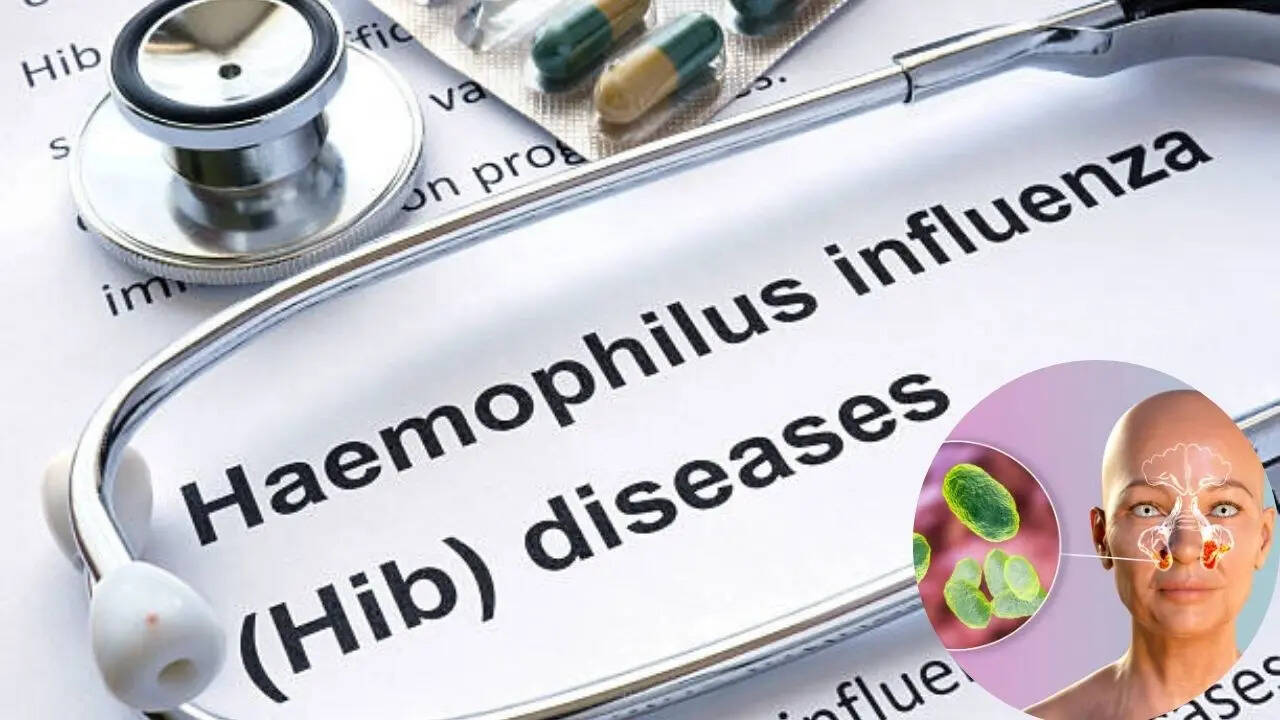
Haemophilus influenzae type b (Hib), once a major cause of childhood mortality and morbidity, is re-emerging as a significant public health threat. Recent reports from the United States indicate a resurgence of the disease linked directly to a decline in childhood vaccination rates. For India, which transitioned to universal Hib vaccination only in the last decade, these global trends offer a critical warning on the "immunity debt" and the dangers of vaccine hesitancy.
Understanding the Pathogen: Hib
- Nature: It is a Gram-negative bacterium. Contrary to its name, it does not cause influenza (which is viral).
- Affected Population: Primarily children under 5 years; however, adults with comorbidities (immunocompromised) or those in crowded settings are also vulnerable.
- Transmission: Spread via respiratory droplets (coughing/sneezing) or prolonged close contact with an infected person.
- Clinical Profile:
- Invasive Disease: Causes meningitis (lining of brain/spinal cord), septicemia (bloodstream infection), epiglottitis (severe swelling of the throat), and pneumonia.
- Non-Invasive Disease: Ear infections (Otitis media) and bronchitis.
- Long-term Impact: Even with treatment, survivors of Hib meningitis may suffer from permanent brain damage, hearing loss, or learning disabilities.
Current Global Concern: The US Scenario
- Declining Coverage: Recent CDC data (2024-2025) reveals a 1-2 percentage point drop in the primary Hib series coverage among children by age 24 months.
- The "Vulnerability Gap": The decline is attributed to post-pandemic disruptions in routine healthcare and rising vaccine skepticism.
- Adult Clusters: Recent outbreaks have also been noted among specific adult populations, including those experiencing homelessness or housing instability, highlighting that Hib can exploit gaps in community immunity.
The Indian Context & Universal Immunization Programme (UIP)
- Historical Burden: Before the public sector rollout, India accounted for nearly 20% of global Hib-related deaths.
- Policy Intervention (The Pentavalent Vaccine):
- India introduced the Pentavalent Vaccine in a phased manner starting in 2011, reaching national scale by 2015.
- Components: It protects against five diseases: Diphtheria, Pertussis, Tetanus, Hepatitis B, and Hib.
- Impact: Hib incidence in India has plummeted by over 90% in regions with high pentavalent coverage.
- Recent Trends: As per WUENIC (WHO/UNICEF) 2024-2025 estimates, India’s Hib (3rd dose) coverage remains robust at approximately 93-94%, significantly higher than the global average of 78%.
Challenges in Management
- Antibiotic Resistance: While antibiotics are the primary treatment, H. influenzae is increasingly showing resistance to common drugs, making vaccination the only sustainable defense.
- Asymptomatic Carriage: Many people carry the bacteria in their noses and throats without being ill, acting as "silent spreaders" to unvaccinated infants.
- Catch-up Gaps: Children who missed doses during the COVID-19 pandemic remain at risk. In India, catch-up is recommended up to age 5.
GLP-1 Drugs
- 13 Apr 2026
In News:
The Drugs Controller General of India (DCGI) has recently intensified regulatory surveillance over the unauthorized sale and unsupervised use of GLP-1 (Glucagon-Like Peptide-1) receptor agonists. This move comes amid rising concerns over misleading advertisements and the "on-demand" availability of these drugs for weight loss without medical supervision.
What are GLP-1 Drugs?
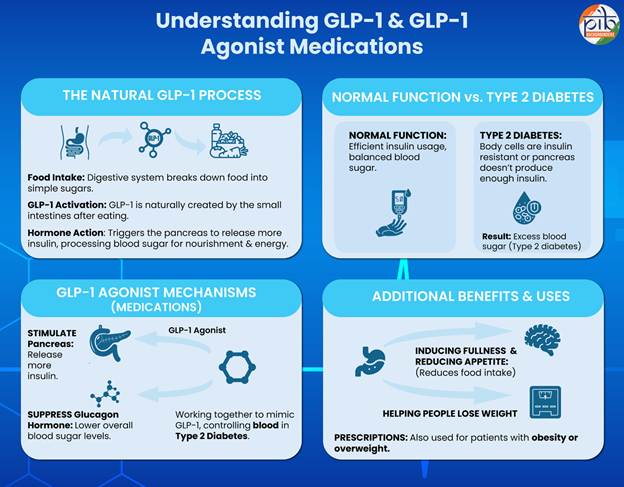
- Mechanism: These drugs mimic the natural GLP-1 hormone produced in the gut.
- Functions:
- Insulin Regulation: Stimulate the pancreas to release insulin and suppress glucagon, helping control blood sugar in Type 2 Diabetes.
- Appetite Suppression: They slow gastric emptying (keeping food in the stomach longer), signaling the brain to feel full.
- Medical Use: Primarily approved for Type 2 Diabetes mellitus and, in specific formulations, for Chronic Weight Management (Obesity).
The Dual Burden: Diabetes & Obesity in India
- Diabetes: A chronic condition where the body cannot effectively use insulin. Untreated, it leads to complications like kidney failure, stroke, and blindness.
- Obesity: Defined by a Body Mass Index (BMI) ≥25kg/m2 in the Indian context. It is a major driver for cardiovascular diseases and insulin resistance.
- Trend: India is witnessing a "twin epidemic," making the demand for weight-loss medications like GLP-1 agonists surge.
Key Regulatory Concerns
- Unsupervised Use: Use of these drugs without a doctor's preion for "cosmetic weight loss" can lead to severe side effects (e.g., gastrointestinal issues, potential thyroid risks, or pancreatitis).
- Unauthorized Sales: Availability through online platforms, wholesalers, and wellness clinics without valid preions.
- Misleading Advertisements: Promotion of these drugs as "magic pills" for weight loss, violating the Drugs and Magic Remedies (Objectionable Advertisements) Act.
Punatsangchhu-I Hydroelectric Project
- 13 Apr 2026
In News:
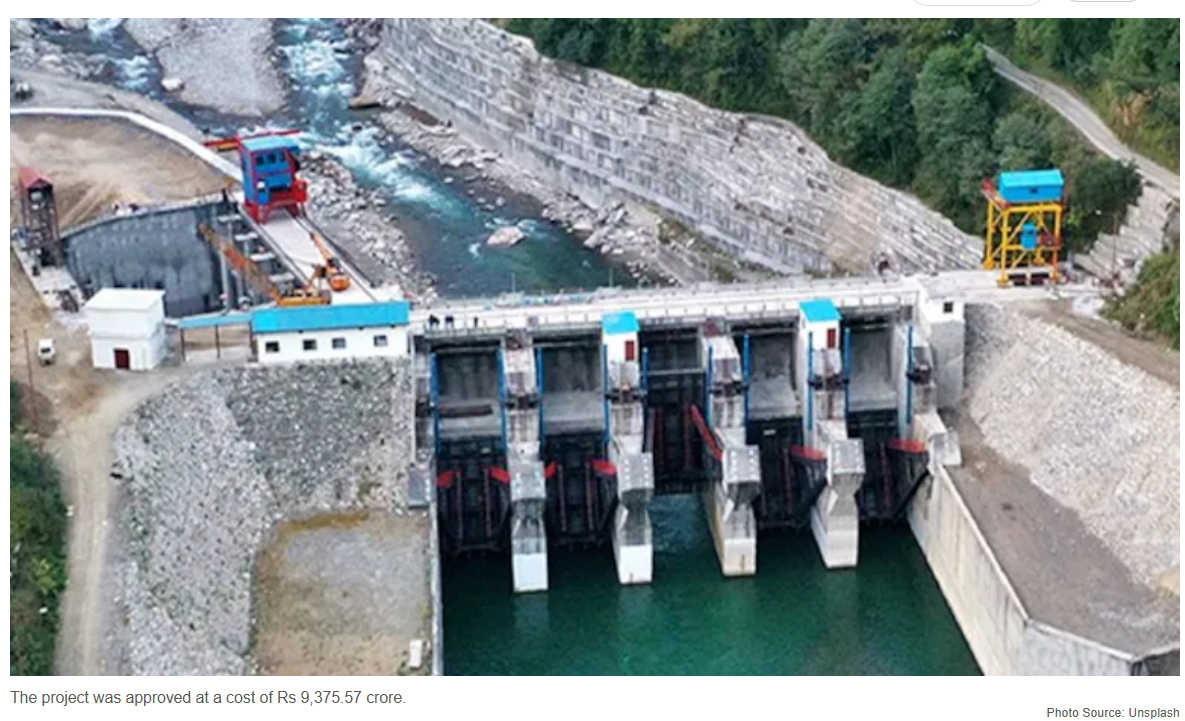
Recently, a significant milestone in India-Bhutan bilateral relations was achieved with the resumption of dam construction at the 1,200 MW Punatsangchhu-I Hydroelectric Project. After a seven-year hiatus caused by complex geological setbacks, India’s Union Power Minister attended the concrete pouring ceremony, signaling a renewed commitment to complete Bhutan's largest ongoing hydropower venture.
Key Project Specifications
- Capacity: 1,200 MW (comprising six 200 MW turbines).
- Type: Run-of-the-river (RoR) scheme.
- Location: Left bank of the Punatsangchhu River, Wangdue Phodrang district, Southern Himalayas (approx. 80 km from Thimphu).
- Infrastructure:
- Concrete Dam: 130m height x 239m length.
- Powerhouse: Underground facility for electricity generation.
- Implementing Agency:Punatsangchhu-I Hydroelectric Project Authority (PHPA), a joint autonomous body of the Royal Government of Bhutan and the Government of India.
Financing Model: The 60:40 Framework
The project is a hallmark of India’s development assistance to Bhutan, following a unique financial arrangement:
- 40% Grant: Non-repayable aid from the Government of India.
- 60% Loan: Provided at a 10% annual interest rate.
- Repayment: 12 equated annual installments beginning one year after the project’s commercial operation date.
- Revenue Model: Bhutan will export all surplus power to India, providing a steady stream of revenue for its national exchequer.
Why was the project suspended?
The project, which began in 2008, was originally slated for completion in 2015. However, it encountered severe "Geological Surprises":
- Right-Bank Instability: In 2013, a massive landslide destabilized the right bank slope at the dam site.
- Geological Fragility: The Himalayan terrain posed unforeseen challenges in both surface and underground excavations, leading to multiple design changes.
- Suspension (2019–2026): Main dam works were halted in 2019 to conduct comprehensive technical studies and ensure the structural safety of the project.
Strategic Significance of PHEP-I
- Economic Backbone for Bhutan: Upon completion, it will boost Bhutan's total hydropower capacity by nearly 30%. Hydropower currently contributes ~14% to Bhutan's GDP and over 25% of government revenue.
- India’s Green Energy Goals: The surplus power (approx. 5,670 million units annually) will help India meet its Nationally Determined Contributions (NDCs) under the Paris Agreement by increasing the share of renewable energy in its grid.
- Grid Stability: Hydropower provides "peaking power," which is essential for balancing India’s national grid, especially with the increasing integration of intermittent solar and wind energy.
- Strategic Interdependence: These projects create deep economic linkages that act as a buffer against external geopolitical shifts in the Himalayan region.
Current Status & Future Outlook
- Physical Progress: As of early 2026, the project has achieved approximately 88% physical completion and 93.7% financial progress.
- Estimated Completion: The revised timeline aims for commissioning within the next five years (by 2031), subject to the success of new stabilization measures.
- Bilateral Momentum: The restart of PHEP-I follows the successful operationalization of Punatsangchhu-II (1,020 MW) in late 2025, reinforcing the long-term goal of developing 10,000 MW of hydropower in Bhutan.