
IIT Bombay breakthrough in CAR T-Cell and Adoptive T-Cell Therapies
- 09 Feb 2026
In News:
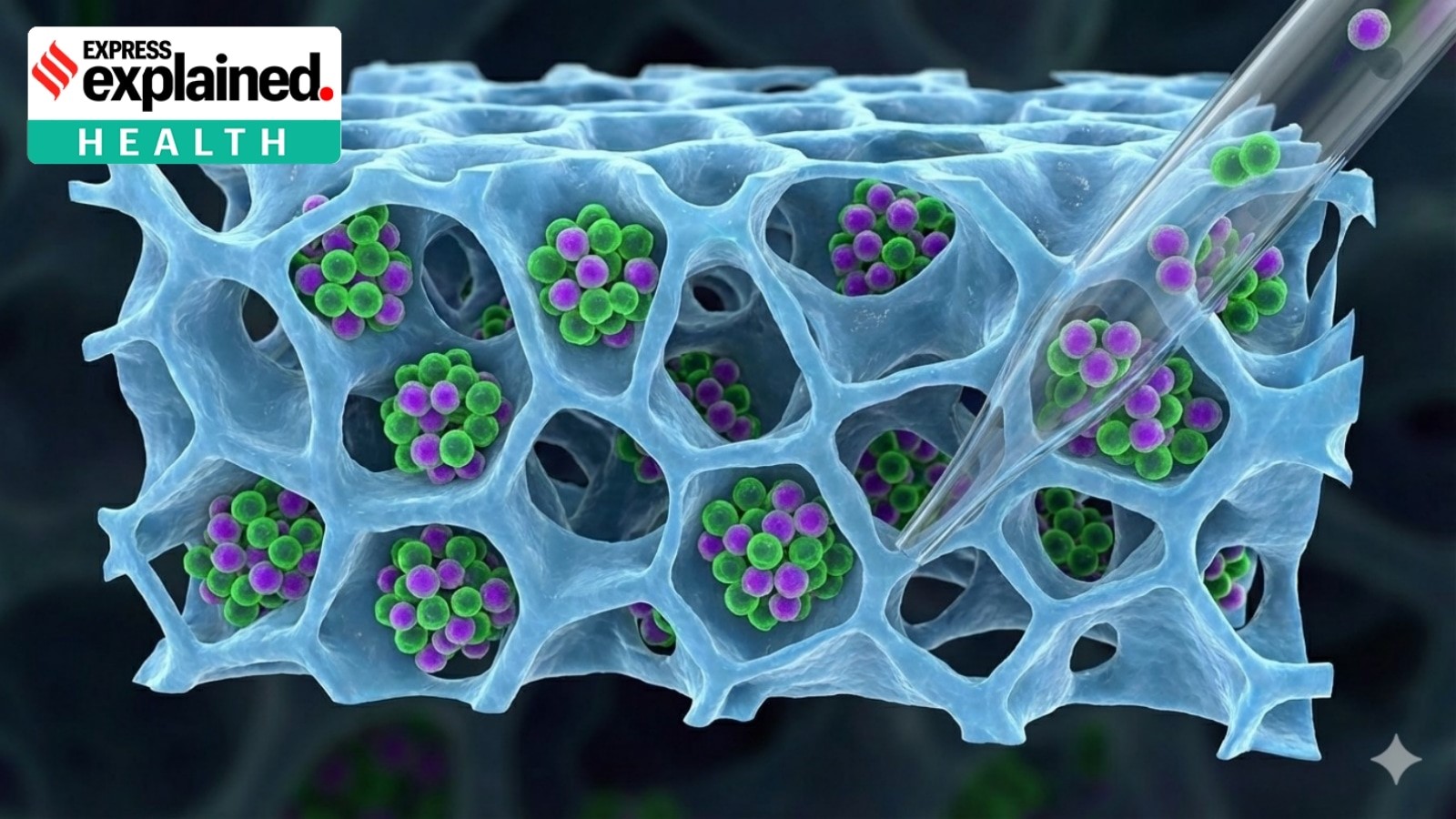
Researchers at Indian Institute of Technology Bombay (IIT Bombay) have addressed a key technical bottleneck in CAR T-cell and other Adoptive T-cell Transfer (ACT) therapies, safe recovery of lab-grown T-cells without loss of viability or immune function. The study demonstrates that using a gentler enzyme (Accutase) significantly improves therapeutic reliability and may reduce costs of cancer immunotherapy in India.
Basics for Prelims
T-Cells
- A type of white blood cell central to the immune response
- Detect and destroy infected or abnormal (cancerous) cells
- Coordinate other immune cells, making them crucial for immunotherapy
CAR T-Cell Therapy
- A personalised cancer treatment using a patient’s own T-cells
- Process:
- T-cells collected from patient’s blood
- Genetically engineered to express Chimeric Antigen Receptors (CARs)
- CARs act like GPS, guiding T-cells to cancer cells
- Cells are multiplied in the lab and infused back into the patient
- Approved globally for certain blood cancers (leukaemia, lymphoma)
- Indian milestone: NexCAR19, the world’s first humanised CAR-T therapy, developed by ImmunoACT
Key Research Development (IIT Bombay)
The Challenge
- T-cells are grown on 3D fibrous scaffolds to mimic the body’s environment
- These scaffolds improve growth and potency, but cells adhere tightly, making recovery difficult
- Harsh recovery methods damage surface proteins, reducing therapeutic effectiveness
Methods Tested
- Manual flushing
- TrypLE enzyme (harsh)
- Accutase enzyme (gentle)
Findings
- Cell yield: Similar across all methods
- Cell viability & immune function:
- TrypLE → higher cell death, reduced immune activity
- Accutase → preserved viability, clustering ability, and cancer-killing potency
- T-cells grown on scaffolds and recovered with Accutase remained highly effective against cancer cells
Significance of the Study
- Improves reliability of CAR T-cell and ACT therapies
- Potentially reduces production costs of immunotherapy
- Enhances India’s capacity for indigenous, affordable advanced cancer treatments
- Supports expansion of immunotherapy beyond elite centres
Benefits of CAR T-Cell Therapy
- Targeted precision: Spares healthy cells compared to chemotherapy
- Personalised: Uses patient’s own engineered cells
- Long-lasting protection: Engineered T-cells persist in the body
- Reduced hospitalisation and costs (especially with indigenous innovations)
- Expands future possibilities in cancer immunotherapy research
Indian National Centre for Ocean Information Services (INCOIS)
- 09 Feb 2026
In News:
The Indian National Centre for Ocean Information Services (INCOIS) will launch three new ocean information services-JellyAIIP, SAMUDRA 2.0 Mobile App, and SIVAS, along with a new institutional logo during its foundation day celebrations.
About INCOIS
- Established: 1999
- Status: Autonomous body
- Ministry: Ministry of Earth Sciences (MoES)
- Headquarters: Hyderabad, Telangana
- Mandate:
- Provide ocean information and advisory services to society, industry, government agencies, and the scientific community
- Based on sustained ocean observations and focused scientific research
- International Role: Permanent member of Intergovernmental Oceanographic Commission (IOC) of UNESCO
- Key Infrastructure:
- Established the Indian Tsunami Early Warning Centre (ITEWC), which issues tsunami alerts within 10 minutes
- Serves India and 28 Indian Ocean countries
Major Existing Initiatives of INCOIS
- SARAT (Search and Rescue Aided Tool): Assists Indian Coast Guard, Navy, and Coastal Security Police in locating persons or objects lost at sea
- SynOPS Platform: A data visualisation and integration system for real-time ocean and weather data, improving coordination during extreme events
Newly Launched Ocean Information Services
1. JellyAIIP
- Full Form: Jellyfish Aggregation Information Interactive Portal
- Type: National web-based platform
- Purpose: Reporting and visualisation of jellyfish aggregation, swarming, and stranding events along the Indian coast
- Features:
- Geospatial mapping and hotspot analysis
- Multilingual first-aid guidance for jellyfish stings
2. SAMUDRA 2.0 Mobile App
- Nature: Upgraded version of the existing SAMUDRA platform
- Function: Delivers ocean advisories and early warnings
- Target Users: Fishermen and maritime stakeholders
- Key Feature: Multilingual interface for wider accessibility
3. SIVAS
- Full Form: Swell-Surge Inundation Vulnerability Advisory System
- Type: Coastal inundation early warning service
- Function: Provides advance alerts for swell-surge flooding events
- Current Coverage: Operational for the Kerala coast
- Output: Multilingual forecast bulletins
Significance
- Enhances coastal hazard preparedness and marine safety
- Strengthens early warning systems for fishermen and coastal communities
- Supports climate resilience and disaster risk reduction along India’s coastline
India’s First Lung Cancer Treatment Guidelines
- 09 Feb 2026
In News:
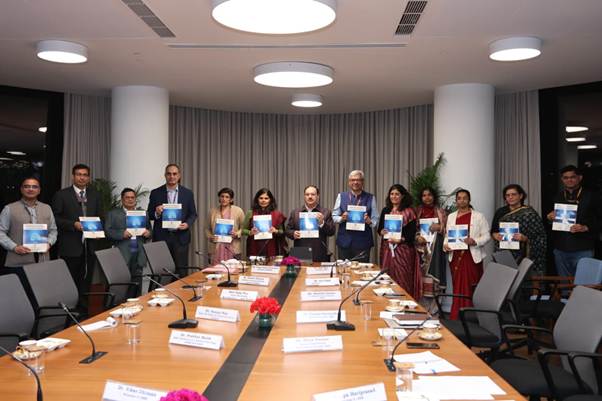
The Union Minister for Health & Family Welfare, Jagat Prakash Nadda, released India’s first nationally developed, evidence-based Lung Cancer Treatment and Palliation Guidelines at Kartavya Bhavan, New Delhi, on the eve of World Cancer Day. The guidelines aim to standardise lung cancer care across India and reduce disparities in treatment outcomes.
Objective
- To provide a uniform, evidence-based framework for diagnosis, treatment, and palliative care of lung cancer
- To minimise variations in clinical practice across public and private healthcare systems
- To ensure accessible, patient-centric, and quality cancer care suited to Indian healthcare realities
Key Features
- Comprise 15 evidence-based recommendations covering both curative treatment and palliation
- Developed using systematic evidence synthesis and internationally accepted methodologies
- Contextualised to India’s disease burden, resource settings, and healthcare infrastructure
- Focus on science-driven and indigenous solutions, rather than direct replication of Western protocols
Focus Areas
- Early diagnosis, identified as a major challenge in lung cancer management
- Strengthened screening and prevention, especially for high-risk populations
- Standardised treatment pathways to improve clinical decision-making
- Enhanced palliative care services to improve quality of life and survivorship
Institutional Framework
- Developed by the Department of Health Research (DHR) and the Directorate General of Health Services (DGHS)
- Prepared in collaboration with leading oncology experts and partner institutions
- Released under the aegis of the Ministry of Health & Family Welfare
Significance
- Marks a milestone as India’s first national, evidence-based cancer guideline
- Strengthens credibility, consistency, and validity of clinical decision-making
- Reinforces India’s leadership in context-specific healthcare policymaking
- Supports the national fight against cancer through scientific rigour, compassion, and inclusivity
Accessibility
- Full guidelines hosted on the DHR website
- A plain-language summary to be released for patients, families, and caregivers
Eurasian Otter
- 09 Feb 2026
In News:
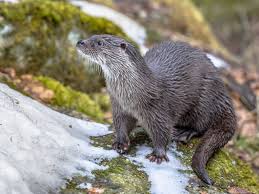
The Eurasian otter has been recently sighted in the Sindh River in Ganderbal district of Jammu and Kashmir. This observation is ecologically significant as the species was earlier believed to have disappeared from the region, highlighting improving riverine ecosystem conditions and possible cross-border wildlife movement.
About Eurasian Otter
- Scientific Name: Lutra lutra
- Also known as: European otter, Common otter, Old World otter
- Type: Semi-aquatic, carnivorous mammal
- Behaviour: Elusive and largely solitary in nature
Distribution
- Global: Middle East, Europe, Northern Africa, Russia, China, and other parts of Asia
- India: Northern, North-Eastern, and Southern India
- In the Indian subcontinent, it is commonly associated with cold hill regions and mountain streams
Habitat
- Occupies a wide range of freshwater and coastal ecosystems such as:
- Rivers and streams
- Highland and lowland lakes
- Marshes, swamp forests, and coastal areas
- Habitat selection is independent of size, origin, or latitude of the water body
Key Adaptations and Features
- Webbed feet for efficient swimming
- Ability to close ears and nostrils underwater
- Dense, short fur that traps air for insulation
- Highly developed sense of sight, smell, and hearing, aiding hunting and survival
Ecological Significance
- Considered an indicator species for healthy freshwater ecosystems
- Presence reflects low pollution levels and good prey availability
Threats
- Water pollution
- Habitat degradation
- Illegal hunting for fur
Conservation Status
- IUCN Red List: Near Threatened
- CITES: Appendix I
- Wildlife (Protection) Act, 1972: Schedule II
Global Teacher Prize 2026
- 09 Feb 2026
In News:
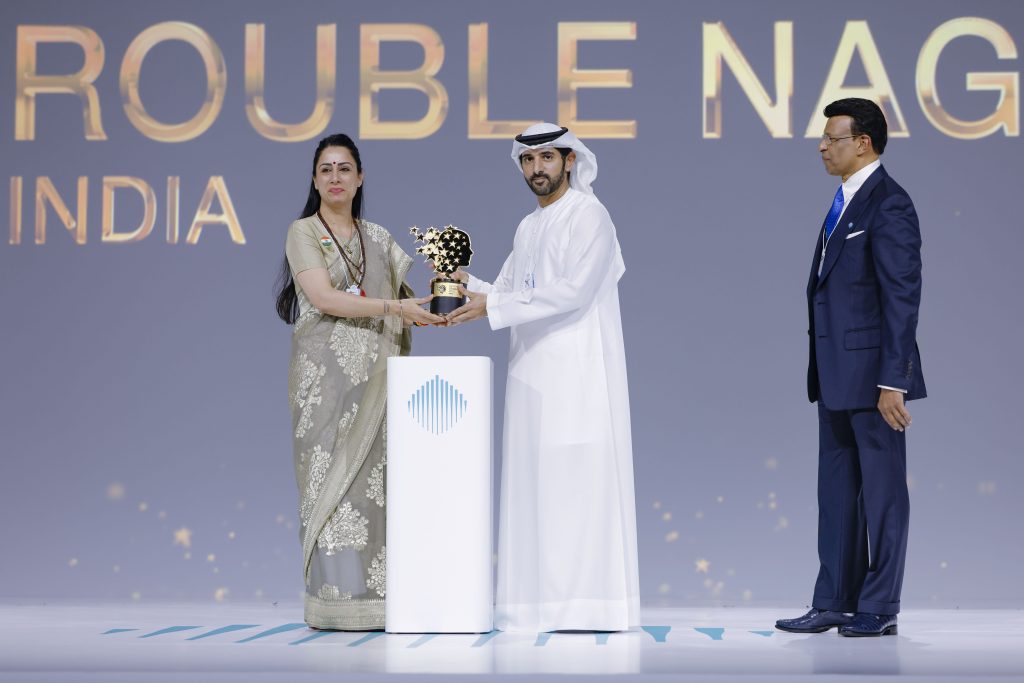
Rouble Nagi, an Indian educator and social innovator, has been awarded the Global Teacher Prize 2026 at the World Government Summit in Dubai. She received the USD 1 million prize in the 10th edition of the award, presented by GEMS Education and organised by the Varkey Foundation in collaboration with UNESCO.
About the Global Teacher Prize
- Established: 2014
- Nature: Annual international award, often called the “Nobel Prize of Teaching”
- Objective: To recognise exceptional teachers who make transformative contributions to education and society
- Eligibility: Open to teachers worldwide across public, private, and alternative educational settings
- Selection Criteria: Innovative pedagogy, classroom impact, community engagement, work in challenging environments
- Nomination: Self-nomination or nomination by others
- Award: USD 1 million cash prize
Why Rouble Nagi Was Honoured
- Over two decades, she has used art as an educational tool to reach marginalised children.
- Founded the Rouble Nagi Art Foundation, establishing 800+ learning centres across 100+ underserved communities and villages in India.
- Concept of “living walls of learning”: transforming abandoned walls into open-air classrooms teaching literacy, numeracy, public health, and environmental awareness.
- Helped integrate over 1 million out-of-school children into formal education.
- Trained 600+ teachers and volunteers, creating a scalable and community-driven education model.
- Achieved over 50% reduction in school dropout rates and improved long-term educational retention.
- Selected from 5,000+ nominations and applications spanning 139 countries.
Future Use of Prize Money
- Establishment of a free vocational and digital literacy institute aimed at improving life opportunities for underprivileged children and youth.