
Gulf Cooperation Council
- 19 Nov 2025
In News:
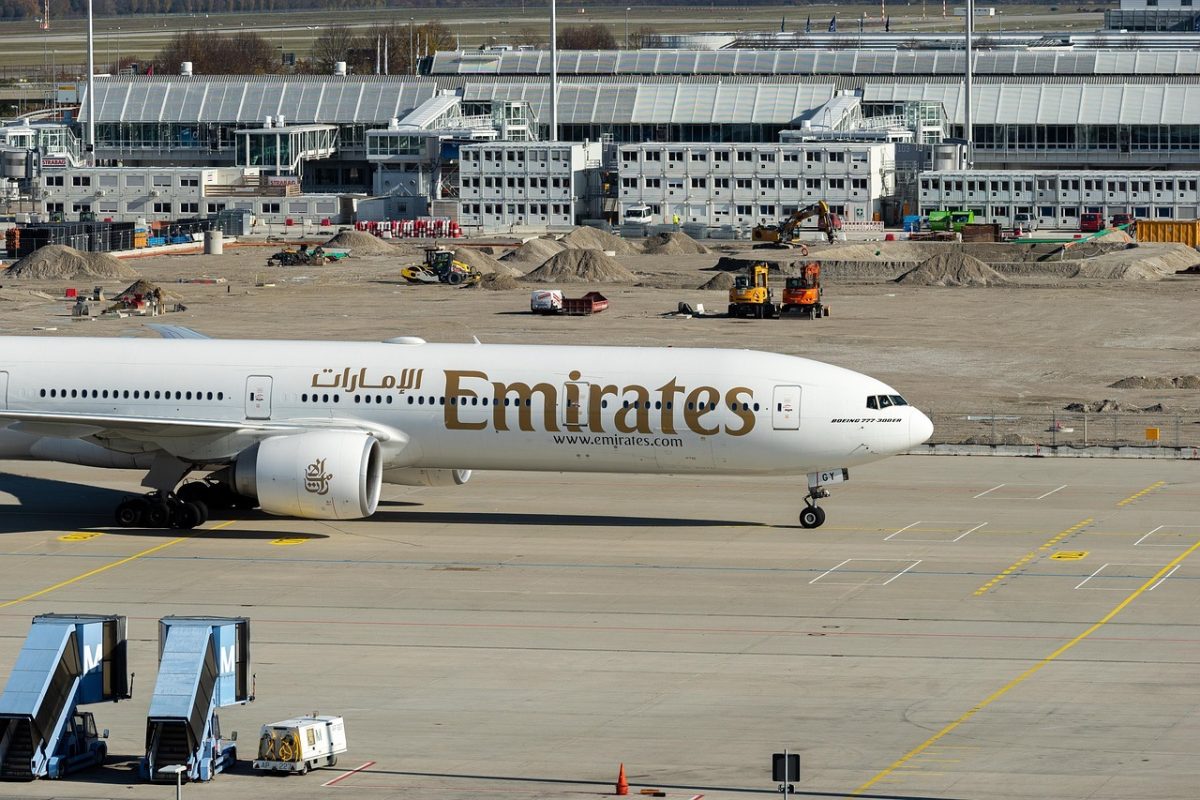
The Gulf Cooperation Council (GCC) has approved a landmark One-Stop Travel System to facilitate seamless movement across member states. The initiative marks a significant step toward deeper regional integration and enhanced mobility in the Gulf region.
About the Gulf Cooperation Council
- Established: 1981
- Members: Bahrain, Kuwait, Oman, Qatar, Saudi Arabia, United Arab Emirates (UAE)
- Headquarters: Riyadh, Saudi Arabia
- Nature: Regional political and economic alliance
Objectives
- Promote economic, security, social, and cultural cooperation
- Strengthen collective defence and regional stability
- Enhance economic integration among Gulf states
Background
The GCC was formed amid heightened geopolitical tensions, especially:
- Iranian Revolution (1979)
- Iran–Iraq War (1980–88)
Organizational Structure
1. Supreme Council
- Highest decision-making body
- Composed of heads of member states
- Presidency rotates alphabetically
- Meets annually in regular sessions
2. Ministerial Council
- Includes foreign ministers or designated representatives
- Implements decisions of the Supreme Council
- Proposes and coordinates policies
3. Secretariat General
- Conducts studies and planning for cooperation and integration
- Manages implementation of joint Gulf initiatives
GCC One-Stop Travel System – Key Features
The GCC has approved a unified travel processing system to reduce redundancies and speed up travel across the region.
Purpose
- Eliminate multiple checks during travel
- Strengthen inter-state cooperation
- Improve movement for citizens and residents
How it works
- All travel procedures—immigration, customs, and security checks—will be completed at a single departure checkpoint
- On arrival, passengers simply collect baggage and exit
- Supported by a shared electronic platform enabling data exchange between member states
Pilot Phase
- Launching December 2025
- Countries involved: UAE and Bahrain
- Initially limited to air travel
Future Expansion
- To be scaled up to all six GCC countries if successful
- Part of a wider regional connectivity strategy
Complementary Regional Initiatives
1. GCC Grand Tours Visa
- A Schengen-style unified tourist visa
- Pilot launch expected in Q4 2025
- Full rollout by 2026
- Aimed at promoting the Gulf as a single tourism destination
2. Gulf Railway Network
- Under development with a 2030 completion deadline
- Length: ≈ 2,177 km
- Will link all six GCC nations
- Designed to enable:
- Seamless passenger travel
- Fully integrated freight transport
Foraminifera
- 19 Nov 2025
In News:
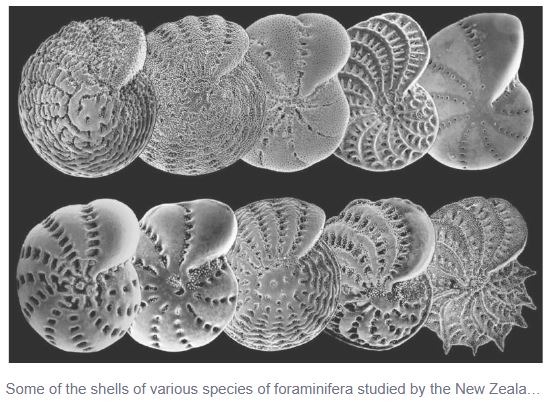
A recent global scientific review has identified 57 new living species of foraminifera, including newly recorded species from New Zealand waters. This research, published in Micropaleontology, used advanced DNA sequencing and morphological analysis to classify living species found in coastal and shallow seafloor sediments worldwide.
What are Foraminifera?
- Foraminifera (forams) are single-celled marine organisms found in:Open oceans, Coastal waters, and Estuaries
- They possess protective shells (tests) and exist as:Planktonic (free-floating), and Benthic (living on the sea floor)
Population Structure
- About 8,000–9,000 living species are known globally.
- Only ~40 species are planktonic; the majority are benthic.
- They generally measure less than 500 microns, though some tropical species can reach 20 cm.
Meaning of the Name
- “Foraminifera” comes from the presence of many tiny shell openings called foramina (“windows” in Latin).
- They extend pseudopodia (false feet) through these holes to move and capture food.
Feeding Habits
- Diet includes:Detritus on the sea floor, Diatoms, Algae, Bacteria, Tiny animals such as copepods
Shell Structure
- Forams build shells made of:
- Calcium carbonate (calcareous)or
- Aggregated sand grains (agglutinated)
- Shells range from single-chambered forms to complex multi-chambered coiling structures, despite their simple cellular structure.
Ecological and Scientific Importance
Foraminifera have existed for millions of years, making them valuable for:
- Paleoclimate reconstruction
- Sea-level change studies
- Pollution and sediment runoff assessment
- Understanding coastal earthquake and tsunami history
- Tracking marine ecosystem shifts
They are widely used in geology, paleoenvironmental studies, and environmental monitoring due to the long-term preservation of their shells in sediments.
Key Findings from the Latest Global Review
Diversity Distribution
- Highest diversity found in the Northwest Pacific (China–Japan coasts): 74 species
- Followed by Australia: 58 species
- No species recorded from Antarctica
- 24 species identified around the Arctic Ocean
New Zealand Findings
- Three new species were documented from:
- Stewart Island
- Tolaga Bay
- Waitemata Harbour
- These specimens are now stored in NZ museum collections.
Human-Driven Species Transport
- At least 33 non-native species were found far from their natural evolutionary origins.
- Likely transported across oceans unintentionally via:
- Ballast water from ships
- Sediment movement
This highlights the role of human activity in altering marine biodiversity patterns.
Marburg Virus Disease
- 19 Nov 2025
In News:
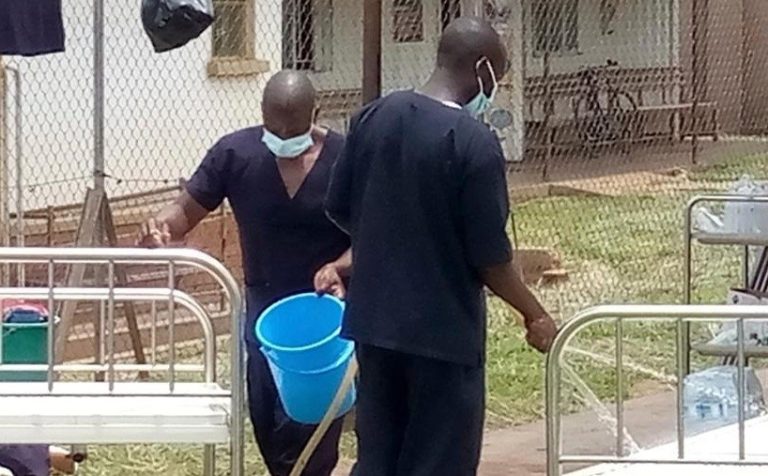
The World Health Organization (WHO) has confirmed Ethiopia’s first-ever outbreak of Marburg Virus Disease (MVD), with nine laboratory-confirmed cases reported from Jinka town in the South Ethiopia Region. This marks a significant expansion of the geographical spread of the virus, previously limited mostly to central and eastern Africa.
What is Marburg Virus Disease?
- A severe, highly fatal hemorrhagic fever caused by:
- Marburg virus (MARV)
- Ravn virus (RAVV)
- Both belong to the species Orthomarburgvirusmarburgense, within the Filoviridae family.
- It is clinically similar to Ebola, the only other filovirus known to infect humans.
- Case fatality rate (CFR): up to 88%
History and Origin
- First identified during simultaneous outbreaks in 1967 in:
- Marburg (Germany)
- Frankfurt (Germany)
- Belgrade (Serbia)
- Outbreaks initially linked to laboratory exposure to infected African green monkeys.
Natural Reservoir
- The natural host is believed to be the Rousettus aegyptiacus fruit bat (Egyptian rousette), from the Pteropodidae family.
- These bats can carry the virus without showing signs of illness.
Transmission
- Primary transmission (animal to human): Direct exposure to fruit bats or their droppings.
- Secondary transmission (human to human): Direct contact with:
- Blood, saliva, vomit, urine, or sweat of infected persons
- Contaminated surfaces, clothing, or medical equipment
- Burial practices involving contact with the body increase spread.
Geographical Spread
- Most outbreaks occur in sub-Saharan Africa.
- Reported inTanzania, Uganda, Angola, Kenya, Ghana, Zimbabwe, Rwanda, South Africa, Congo, and Equatorial Guinea
Genetic analysis indicates Ethiopia's strain is similar to previous East African outbreaks.
Symptoms of Marburg Virus Disease
- Early Stage: High fever, Severe headache, Muscle aches, Fatigue
- Advanced Stage (within a week)
- Severe bleeding (internal and external)
- Multi-organ failure
- Liver dysfunction
- Shock
- Death typically within 8–9 days of symptom onset
Treatment and Prevention
- No approved antiviral treatment or vaccine currently exists.
- Supportive therapy is the only effective option:
- IV/oral rehydration
- Electrolyte balancing
- Treating secondary infections
- Maintaining oxygen and blood pressure
- Early supportive care improves survival but remains limited.
Current Response in Ethiopia
National authorities, with WHO support, are implementing:
- Case isolation
- Contact tracing
- Community-wide screening
- Public awareness campaigns
- Deployment of medical supplies and emergency teams
The focus is on containing transmission and preventing cross-border spread.
Maram Naga Tribe

- 19 Nov 2025
In News:
The Central Government has recently sanctioned ?9 crore under the Jan Man Scheme (JanMan) for the development, welfare, and cultural preservation of the Maram Naga tribe of Manipur. This initiative aims to uplift vulnerable and marginalized tribal groups through targeted infrastructure creation, social welfare schemes, and cultural conservation.
Who are the MaramNagas?
- The Maram Naga tribe is part of the Naga ethnic group inhabiting:
- Northeastern India, primarily Manipur
- Western Myanmar
- Major concentration is in:
- Senapati district (primary habitat)
- Kangpokpi district
- Estimated population in Manipur: around 50,000
- They belong ethnically to the Mongoloid race within the Tibeto-Burman family.
Language
- The Maram language belongs to the Sino-Tibetan language family.
- Dialects vary by geographical region.
- Written using Roman script.
Occupation and Livelihood
- Agriculture is the dominant occupation.
- Practice both:
- Shifting cultivation (jhum)
- Wet cultivation
- Hunting serves as an important secondary occupation.
Belief System and Festivals
- They worship supernatural benevolent and malevolent forces, reflecting animistic traditions.
- Major festivals include:
- Punghi – celebrated in July
- Kanghi – celebrated in December
- A unique women-centric festival, Mangkang, is observed annually in April.
- Traditional Morungs (youth dormitories) form the core of their socio-cultural life.
Government Initiatives under Jan Man Scheme
The ?9 crore sanctioned fund will support:
1. Welfare and Housing
- Implementation of:
- PMAY (Pradhan Mantri Awas Yojana)
- Ayushman Bharat
- Construction of Anganwadi Centres.
2. Community Infrastructure
- Building of:
- Community halls
- Water storage structures
- Basic civic amenities
3. Cultural Preservation
- Protection and restoration of:
- Traditional Morungs
- Indigenous art forms
- Ancestral practices
4. Empowerment and Self-reliance
- Boosting local livelihoods and skill development in line with:
- “Development for everyone – together we trust progress.”
- Enhancing tribal access to government schemes.
VrindavaniVastra
- 19 Nov 2025
In News:
The Government of Assam has initiated formal discussions with the British Museum to facilitate the return of the VrindavaniVastra, a priceless 16th–17th century Assamese textile that holds immense cultural, historical, and religious significance. The move is part of broader efforts to reclaim India’s cultural artefacts preserved abroad.
What is VrindavaniVastra?
- A 400-year-old traditional textile originating from Assam.
- The word Vrindavani refers to Vrindavan, the sacred land of Lord Krishna’s childhood; Vastra means cloth.
- The textile depicts:
- Scenes from Lord Krishna’s childhood.
- His lilas (divine exploits).
- Various events of Vaishnav devotional narratives.
Origin & Patronage
- Created during the rule of Koch King Nara Narayan (16th century).
- Produced under the guidance of SrimantaSankardeva, the founder of Assamese Neo-Vaishnavism.
- Sankardeva took refuge under Nara Narayan after he faced hostility from sections of Ahom-era Brahmin priests.
Weaving Technique
- Made of woven silk using the complex lampas technique.
- Lampas weaving requires:Two weavers working simultaneously, making it a technically demanding process.
- Uses a rich palette of colours:Red, yellow, green, black, white, and others.
- Combines artistic traditions from:
- Assam
- Bengal
- Tibetan and broader Himalayan influences
Historical Journey
- The textile originally consisted of 15 separate silk panels, later stitched into a continuous piece.
- The specimen held in the British Museum is:
- Nine and a half metres long
- Assembled from several draped silk sections
- It travelled from Assam to Tibet through ancient cultural exchanges.
- Acquired by the British Museum in 1904, where it remains one of the most significant exhibits from South Asia.
Cultural Significance
- A masterpiece of Assamese Vaishnavite art and a visual representation of Sankardeva’s devotional philosophy.
- Reflects a synthesis of:
- Textile craftsmanship
- Storytelling
- Religious aesthetics
- Represents the rich heritage of Sattriya tradition, associated with monasteries (sattras) founded by Sankardeva.