
Rajagopalachari Statue to replace Lutyens at Rashtrapati Bhavan
- 24 Feb 2026
In News:
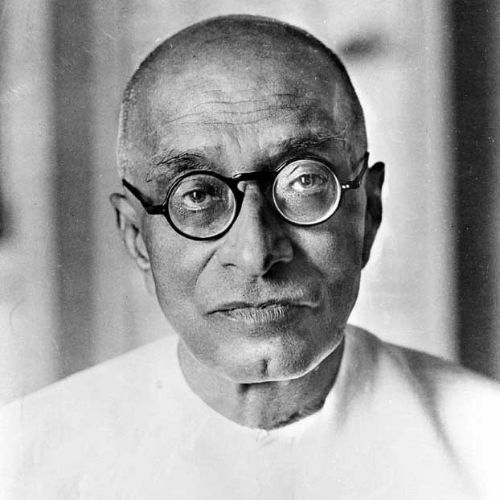
The Prime Minister announced that the statue of British architect Edwin Lutyens at Rashtrapati Bhavan will be replaced by that of C. Rajagopalachari (Rajaji).
- Edwin Lutyens designed Rashtrapati Bhavan.
- Rajaji was the first Indian occupant of Rashtrapati Bhavan as Head of State (Governor-General of India).
C. Rajagopalachari (Rajaji)
Basic Facts
- Full Name: Chakravarti Rajagopalachari
- Born: 10 December 1878, Salem (Madras Province, now Tamil Nadu)
- Popularly known as: Rajaji
- First and last Indian Governor-General of India (1948–1950)
Role in Freedom Movement
- Inspired by Bal Gangadhar Tilak.
- Active member of the Indian National Congress.
- Hosted Mahatma Gandhi during the Anti-Rowlatt agitation.
- Led the Vedaranyam Salt Satyagraha (1930), mirroring the Dandi March in South India.
Political & Administrative Roles
- Prime Minister of Madras Province (1937).
- Promoted Khadi.
- Advocated abolition of Zamindari.
- Governor of West Bengal (Post-Independence).
- Union Home Minister (after Sardar Vallabhbhai Patel).
- Contributed to the drafting of the First Five-Year Plan.
- Piloted the Preventive Detention Act, 1950.
C.R. Formula (1944)
- Proposed in pamphlet “The Way Out”.
- Attempted to resolve constitutional deadlock between INC and Muslim League regarding Pakistan demand.
Founder of Swatantra Party
- Established Swatantra Party (1959).
- Advocated market economy and opposed excessive state control.
- As Chief Minister of Madras State, decontrolled foodgrain distribution and prices.
Literary Contributions
- Founded an ashram in 1925 for social reform.
- Published:
- Vimochanam (Tamil)
- Prohibition (English)
- Won Sahitya Akademi Award (1958) for Tamil retelling of Ramayana (Chakravarthi Thirumagan).
Awards
- One of the first three recipients of the Bharat Ratna (1954), along with:
- Sarvepalli Radhakrishnan
- C. V. Raman
Edwin Lutyens
About
- British architect and town planner.
- Key designer of New Delhi during British rule.
- Collaborated with Sir Herbert Baker.
Major Architectural Contributions
- Rashtrapati Bhavan
- North Block
- South Block
- India Gate
A central administrative zone of New Delhi is popularly called “Lutyens’ Delhi.”
National Organ and Tissue Transplant Organization (NOTTO)
- 24 Feb 2026
In News:
India has recorded unprecedented progress in organ donation and transplantation:
- Transplants increased fourfold:
- < 5,000 (2013) → ~20,000 (2025)
- 18% of transplants now from deceased donors.
- 1,200 families donated organs of loved ones in 2025.
- 4.8 lakh citizens registered for posthumous organ donation via Aadhaar-based verification system (since 17 September 2023).
- India leads globally in hand transplants and performs the highest number worldwide.
- High competence in complex transplants: Heart, Lung, Pancreas.
About NOTTO
Establishment
- Set up under the Directorate General of Health Services (DGHS).
- Ministry: Ministry of Health and Family Welfare.
- Located in New Delhi.
- Mandated by the Transplantation of Human Organs and Tissues (Amendment) Act, 2011.
Organizational Structure
NOTTO comprises two divisions:
- National Human Organ and Tissue Removal and Storage Network
- National Biomaterial Centre
It functions as the apex coordinating centre for organ procurement, allocation, and data registry across India.
Core Functions
1. Coordination & Allocation
- National-level coordination of organ procurement and distribution.
- Facilitates inter-state sharing of organs.
- Ensures equitable and transparent allocation.
2. National Registry
- Maintains and publishes the National Organ & Tissue Transplant Registry.
- Compiles data from States and Regions.
- Maintains transplant surveillance and databank.
3. Policy & Protocols
- Frames guidelines and Standard Operating Procedures (SOPs).
- Aligns transplant systems with global best practices.
4. Capacity Building
- Strengthens:
- SOTTOs (State Organ & Tissue Transplant Organizations)
- ROTTOs (Regional Organ & Tissue Transplant Organizations)
- Assists States in data management and transplant monitoring.
5. Public Awareness
- Promotes deceased organ donation.
- Engages youth, institutions, Panchayati Raj Institutions.
- Encourages multiorgan donation as a family choice.
Government Reforms Strengthening NOTTO
- Real-time digital organ allocation system.
- Expansion & modernization of National Registry.
- Promotion of Green Corridors for rapid organ transport.
- Aadhaar-based donor registration.
- Enhanced hospital connectivity and digital integration.
These measures have reduced logistical barriers and improved clinical outcomes.
Hoysala Temples of Karnataka
- 24 Feb 2026
In News:
Hoysala architecture (1050–1300 CE) is best known for its star-shaped (stellate) temple plans, soapstone carvings, and hybrid Vesara style blending Nagara and Dravida features.
Historical Background – Hoysala Dynasty
- Period: c. 11th–14th century CE
- Initially feudatories of the Western Chalukyas (Kalyana Chalukyas), later emerged as an independent power.
- Founder: Nripa Kama II (early phase as vassal).
- Capitals:
- Initially Belur
- Later shifted to Dwarasamudra (modern Halebidu)
- Ruled large parts of present-day Karnataka and parts of Tamil Nadu for over three centuries.
Notable Rulers
- Vishnuvardhana (Bittideva) – Major territorial expansion; prolific temple patronage; converted from Jainism to Vaishnavism under the influence of Ramanuja.
- Veera Ballala II
- Veera Ballala III
Architectural Style: Vesara Tradition
Hoysala architecture represents the Vesara style, a hybrid blending:
- Nagara (North Indian) features
- Dravida (South Indian) features
It evolved into a distinct regional idiom in Karnataka.
Core Architectural Features
1. Building Material
- Chloritic schist (soapstone)
- Soft when quarried → allows intricate carving
- Hardens over time
- Enabled microscopic detailing (ornaments, curls, fingernails)
2. Ground Plan Variations
- Ekakuta – Single shrine
- Dvikuta – Two shrines
- Trikuta – Three shrines
- Chatushkuta / Panchakuta – Four or five shrines
Most temples stand on a raised jagati (platform) with a stellate (star-shaped) plan, producing rhythmic projections and recesses.
Distinctive Feature: Unlike the cruciform Panchayatan layout, Hoysala temples maximize sculptural surface through multiple star-shaped projections.
3. Sculptural Ornamentation
- Outer walls resemble sculptural manus.
- Horizontal friezes depict:
- Elephants (strength)
- Horses
- Mythical beasts
- Episodes from Ramayana, Mahabharata, Puranas
- Bracket figures: Madanikas (celestial dancers)
- Detailed jewellery and costumes carved in stone.
4. Shikhara (Superstructure)
- Tiered arrangement with horizontal mouldings.
- Interconnected chambers crowned by proportionate towers.
- Harmonious vertical elevation.
Important Hoysala Temples
1. Chennakeshava Temple
- Located at Belur.
- Commissioned by King Vishnuvardhana after victory over the Cholas.
- Dedicated to Vishnu.
- Known for exquisite bracket figures (madanikas).
- Inscribed under UNESCO (2023).
2. Hoysaleswara Temple
- Grand Shiva temple at Halebidu.
- Elaborate narrative friezes and mythological panels.
- One of the most sculpturally dense monuments.
- UNESCO inion (2023).
3. Keshava Temple
- 13th-century Trikuta Vaishnava temple.
- Built by Somanatha Dandanayaka under Narasimha III.
- Exemplifies mature Hoysala detailing.
- UNESCO inion (2023).
Other Important Monuments (Prelims Focus)
- Veera Narayana Temple (c. 1200 CE) – Large ranga-mandapa, interior emphasis.
- Nageshwara & Govindeshwara Temples (Koravangala) – Transitional phase from Chalukyan to mature Hoysala style.
- Bucheshwara Temple (1173 CE) – High sculptural density; star-shaped platform.
- Lakshminarasimha Temple (1250 CE, Javagal) – Trikuta shrine; polished pillars.
- Lakshmidevi Temple (1114 CE) – Early experiment; rare Mahakali shrine; patronized by merchant Sahaja Devi.
- Panchalingeshwara Temple (Mandya) – Rare Panchakuta design (five east-facing Shiva shrines).
- Jain Basadis at Halebidu – Parshvanatha, Shantinatha, Adinatha; restrained aesthetic.
- Hulikere Kalyani – 12th-century stepped tank integrating cosmological symbolism.
UNESCO Recognition
In 2023, the following were inscribed as “Sacred Ensembles of the Hoysalas” during the 45th World Heritage Committee session:
- Chennakeshava Temple (Belur)
- Hoysaleswara Temple (Halebidu)
- Keshava Temple (Somanathapura)
Namo Bharat Rapid Rail and Meerut Metro
- 24 Feb 2026
In News:
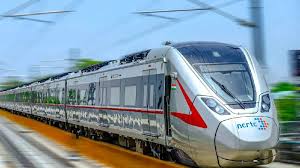
- The Prime Minister inaugurated both the Namo Bharat Rapid Rail and the Meerut Metro from a single platform, marking the first instance in India where a rapid rail (regional system) and a metro (intra-city system) were launched together on the same day.
- The Meerut Metro operates on the same infrastructure as the Namo Bharat corridor in a first-of-its-kind integrated model.
About Namo Bharat
- India’s first Regional Rapid Transit System (RRTS).
- Dedicated semi-high-speed commuter rail network.
- Designed to transform connectivity across the National Capital Region (NCR).
- Speed Specifications
- Design Speed: 180 km/h
- Operational Speed: Up to 160 km/h
- Average Speed: ~100 km/h
- Primary Objective
- Reduce congestion on roads and conventional rail networks.
- Provide high-frequency, fast connectivity for commuters traveling 100–200 km distances.
- Promote sustainable and transit-oriented regional development.
Flagship Corridor
Delhi–Ghaziabad–Meerut RRTS
- Length: ~82 km
- Full operations inaugurated in February 2026.
- Connects Delhi with key urban centres in western Uttar Pradesh.
Distinction from Other Rail Systems
1. RRTS vs Metro
|
Feature |
RRTS (Namo Bharat) |
Metro |
|
Coverage |
Regional (Inter-city within NCR) |
Intra-city |
|
Stops |
Fewer |
Frequent |
|
Speed |
Higher (up to 160 km/h) |
Lower comparatively |
|
Distance |
100–200 km |
Short urban distances |
2. RRTS vs Vande Bharat Express
|
Feature |
RRTS |
Vande Bharat |
|
Route Type |
Regional commuter |
Long-distance inter-city |
|
Frequency |
High |
Moderate |
|
Target Users |
Daily regional commuters |
Inter-city travelers |
|
Distance |
Short-medium regional |
Long-distance routes |
Meerut Metro
Key Features
- Connects Meerut South – Modipuram.
- India’s fastest metro with speeds up to 120 km/h.
- Operates on shared infrastructure with Namo Bharat in certain sections—first such model in India.
Significance
- Integrated Urban–Regional Mobility Model: First example of metro and rapid rail operating together on common infrastructure.
- Decongestion of NCR: Encourages modal shift from private vehicles to mass transit.
- Economic Growth: Boosts real estate, employment, and regional economic integration.
- Sustainable Transport: Energy-efficient, high-capacity public transport reduces carbon footprint.
PRASHAD Scheme
- 24 Feb 2026
In News:
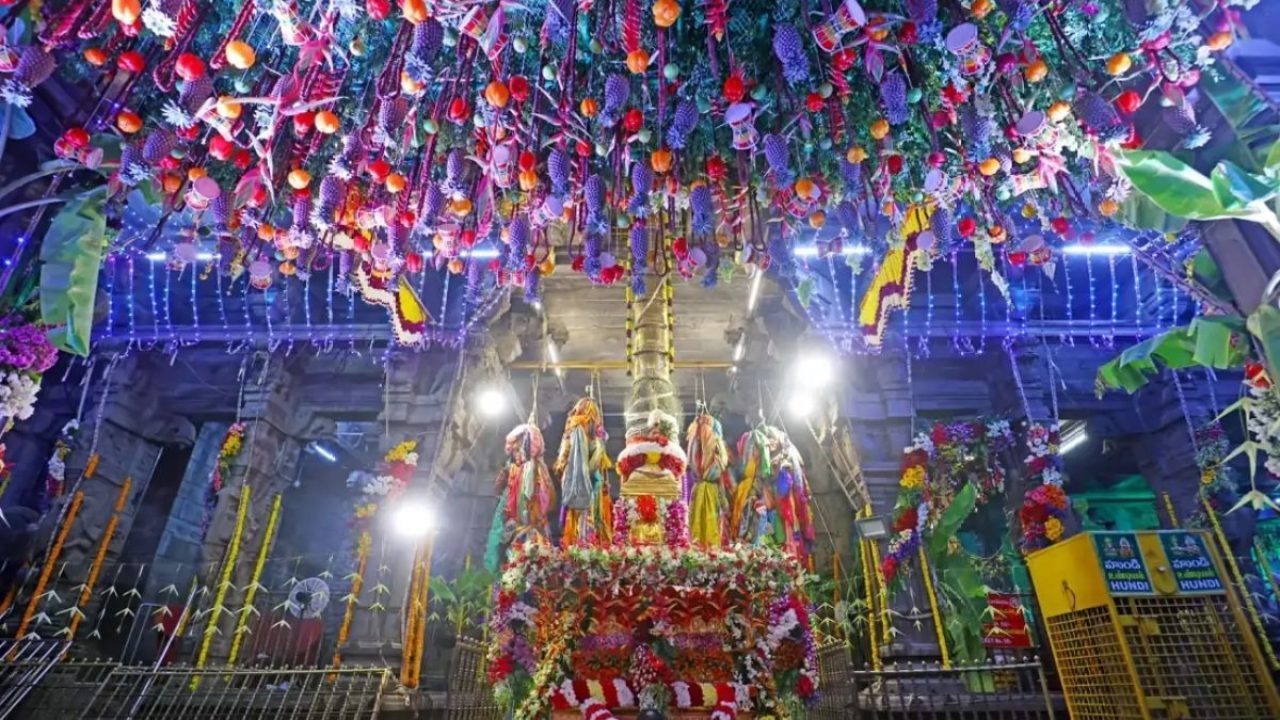
The Union Civil Aviation Minister recently stated that the Centre is preparing plans to further develop tourist destinations around prominent temples in Andhra Pradesh under the PRASHAD scheme, highlighting renewed focus on temple-based tourism infrastructure.
About Pilgrimage Rejuvenation and Spiritual Heritage Augmentation Drive (PRASHAD) Scheme
- PRASHAD is a Central Sector Scheme (100% Central funding) launched in 2014–15 for integrated development of identified pilgrimage and heritage destinations.
- Nodal Ministry: Ministry of Tourism
- Objective:
- Integrated development of identified pilgrimage and spiritual heritage destinations.
- Improvement of tourism infrastructure to enhance pilgrim and visitor experience.
- Funding Pattern:
- 100% financial assistance by the Central Government for public-funded project components.
- Encourages additional support through: Corporate Social Responsibility (CSR) and Public-Private Partnership (PPP)
- Implementation Mechanism:
- A dedicated Mission Directorate under the Ministry of Tourism oversees execution.
- Coordinates with State Governments/UT Administrations and other stakeholders.
- Identifies projects in selected cities and ensures integrated planning.
- Focus Areas of Development
- Projects typically include:
- Last-mile connectivity
- Tourist amenities (toilets, drinking water, parking)
- Illumination and landscaping
- Riverfront and heritage area development
- Interpretation centres
- Signage and visitor facilitation centres
- Projects typically include:
- Significance
- Boost to Religious Tourism: Pilgrimage tourism is one of the largest segments of domestic tourism in India.
- Employment Generation: Infrastructure development creates direct and indirect employment in hospitality, transport, handicrafts, and local services.
- Local Skill & Capacity Development: Enhances livelihood opportunities for local communities.
- Cultural Preservation: Strengthens conservation and promotion of India’s spiritual and heritage assets.
- Economic Multiplier Effect: Promotes regional economic growth through tourism-led development.