
Megamalai Wildlife Sanctuary
- 17 Mar 2026
In News:
The Zoological Survey of India (ZSI) has documented nine new species, including jumping spiders, damselflies, and mayflies, in the Megamalai Wildlife Sanctuary in Tamil Nadu, highlighting the rich biodiversity of the Western Ghats.
About Megamalai Wildlife Sanctuary
- Also known as the “High Wavy Mountains”
- Located in Tamil Nadu, forming part of the Western Ghats biodiversity hotspot
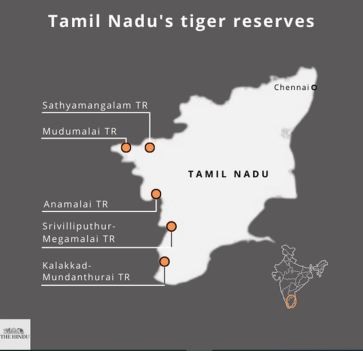
- Since 2021, it is a core component of the Srivilliputhur–Megamalai Tiger Reserve (SMTR), India’s 51st Tiger Reserve
- Eco-Sensitive Zone (ESZ) notified earlier in 2018
Habitat Diversity
The sanctuary features a mosaic of ecosystems, including:
- Montane Shola forests and grasslands
- Tropical wet evergreen forests
- Plantation landscapes (tea and cardamom) interspersed with natural vegetation
Hydrological Importance
- Acts as a critical watershed for southern Tamil Nadu
- Major rivers:
- Vaigai River (lifeline of the region)
- Suruliyaru and Shanmuganathi (tributaries)
- Several ephemeral streams (Arjuna Nadhi, Mudangiar, Gundar) support local agriculture and water supply
Key Ecological Features
1. Wildlife Corridor
- Forms a continuous ecological corridor connecting:
- Periyar Tiger Reserve (Kerala)
- Grizzled Giant Squirrel Sanctuary (Tamil Nadu)
- Supports movement of elephants and tigers
2. Bio-indicators
- Presence of mayflies and amphibians indicates:
- High water quality
- Stable ecosystems
3. Eco-Sensitive Zone: Buffer zone ranging from 0 to 1.7 km to reduce human-wildlife conflict
New Species Discovered
The ZSI survey recorded 977 species, including nine species new to science:
Key Discoveries
- Jumping Spider: Stenaelurillus megamalai
- Mayfly: Edmundsula meghamalaiensis
- Damselflies:
- Thraulus vellimalaiensis
- Protosticta sholai (endemic)
- Bark Lice & Cockroaches:
- Allacta vellimalai
- Lachesilla vellimalai
Other Notable Fauna
- Megamalai rock gecko (Hemidactylus vanam)
- Historical presence of the Critically Endangered Malabar Civet
Lower Kopili Hydroelectric Project
- 17 Mar 2026
In News:
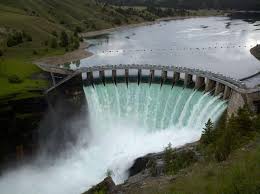
The Prime Minister recently virtually inaugurated the 120 MW Lower Kopili Hydroelectric Project in Assam, marking a significant step in strengthening renewable energy infrastructure in the Northeast.
About the Lower Kopili Hydroelectric Project
- Type: Run-of-the-river hydropower project
- Capacity: 120 MW
- Location:
- West Karbi Anglong and Dima Hasao (North Cachar Hills) Autonomous District Council areas
- Situated in Central Assam
- River Basin: Kopili River
- Implementing Agency: Assam Power Generation Corporation Limited (APGCL)
- Funding: Supported by the Asian Development Bank (ADB) under the Assam Power Sector Investment Program
Key Features
- Environmentally more sustainable than large storage dams due to minimal reservoir requirement
- Designed to harness the natural flow of the river for power generation
About the Kopili River
- Type: Interstate river in Northeast India
- States Covered: Meghalaya and Assam
- Origin: Meghalaya Plateau
- Course:
- Flows through Karbi Anglong and Nagaon districts
- Joins the Brahmaputra River as its largest south-bank tributary in Assam
- Length:
- Total: 256 km
- Shared between Meghalaya–Assam: 78 km
- Within Assam: 178 km
Force Majeure

- 17 Mar 2026
In News:
Amid the escalating Iran–US–Israel conflict (2026), major Gulf energy producers such as Qatar, Kuwait, and Bahrain have invoked the force majeure clause on oil and gas exports due to shipping disruptions and infrastructure attacks.
What is Force Majeure?
Force majeure is a contractual legal provision that allows a party to suspend or terminate obligations without liability when extraordinary events prevent performance.
- Derived from French, meaning “superior force”
- Widely used in international trade, energy contracts, and maritime law
- Applies to both Acts of God (natural disasters) and Acts of Man (war, conflict, pandemics)
Objective
- To protect contracting parties from penalties or legal action
- To ensure fair risk distribution when circumstances are beyond control
- To provide legal clarity during crises
Key Features of Force Majeure
- : The triggering event must be unexpected at the time of contract formation.
- Externality: The cause must arise from external factors, not internal negligence.
- Irresistibility (Impossibility): The event must make performance impossible, not merely difficult or costly.
- Notification Requirement: The affected party must formally inform counterparts immediately (e.g., oil companies like Kuwait Petroleum).
- Duty to Mitigate: Even after invocation, parties must show reasonable efforts to minimize disruption.
Application in the Current Crisis
- Ongoing conflict has led to:
- Disruption of shipping routes (including critical maritime chokepoints)
- Attacks on energy infrastructure
- Gulf exporters have invoked force majeure to:
- Suspend oil and LNG deliveries
- Avoid contractual penalties and liabilities
Drawida vazhania
- 17 Mar 2026
In News:
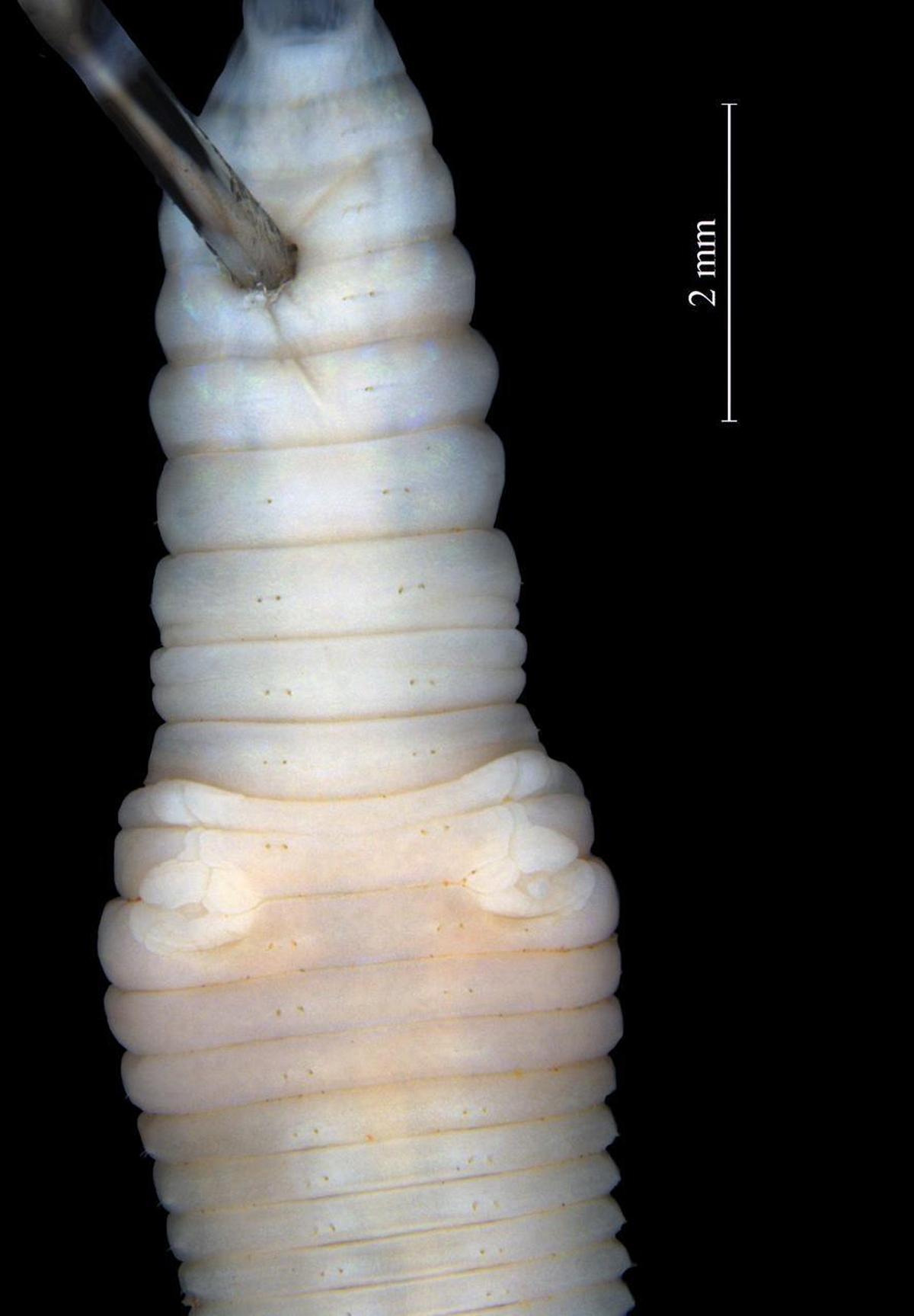
Researchers have discovered a new species of earthworm, Drawida vazhania, from the Vazhani Dam region of the Peechi–Vazhani Wildlife Sanctuary in Kerala’s Thrissur district, highlighting the rich and still unexplored biodiversity of the Western Ghats.
About Drawida vazhania
- It belongs to:
- Genus: Drawida
- Family: Moniligastridae
- Distribution of the Genus: The genus Drawida is naturally distributed across South, Southeast, and East Asia, indicating its biogeographical significance.
Key Morphological Features
- Small body size, classified under the Barwelli species group.
- Distinct characteristics that differentiate it from related species include:
- Grooved male genital field
- Kidney/bean-shaped prostate gland
- Narrow, tubular C-shaped prostatic capsule
- Small sessile atrium on the body wall
These unique anatomical features played a crucial role in identifying it as a new species.
Biodiversity Significance
- With this discovery:
- Total Drawida species in India: 83
- Total Drawida species in the Western Ghats: 55
Importance
- Highlights the Western Ghats as a global biodiversity hotspot.
- Demonstrates that even less conspicuous organisms like earthworms remain underexplored.
- Reinforces the role of soil biodiversity in maintaining ecosystem health.
Ecological Importance of Earthworms
- Known as “ecosystem engineers” due to their role in:
- Soil aeration and nutrient cycling
- Decomposition of organic matter
- Enhancing soil fertility and agricultural productivity
Their diversity reflects the health of terrestrial ecosystems.
Jnanpith Award
- 17 Mar 2026
In News:
Renowned Tamil lyricist and author R. Vairamuthu has been selected for the Jnanpith Award 2025, becoming the third Tamil writer to receive this prestigious honour.
About the Jnanpith Award
The Jnanpith Award is regarded as the highest literary honour in India, recognizing exceptional contributions to Indian literature.
- Institution: Established in 1961 by the Bharatiya Jnanpith, a cultural and literary organization.
- First Awarded: 1965
- First Recipient: Malayalam poet G. Sankara Kurup for Odakkuzhal.
- Objective: To honour writers for their outstanding contribution to literature across Indian languages.
Components of the Award
- Cash prize of ?11 lakh
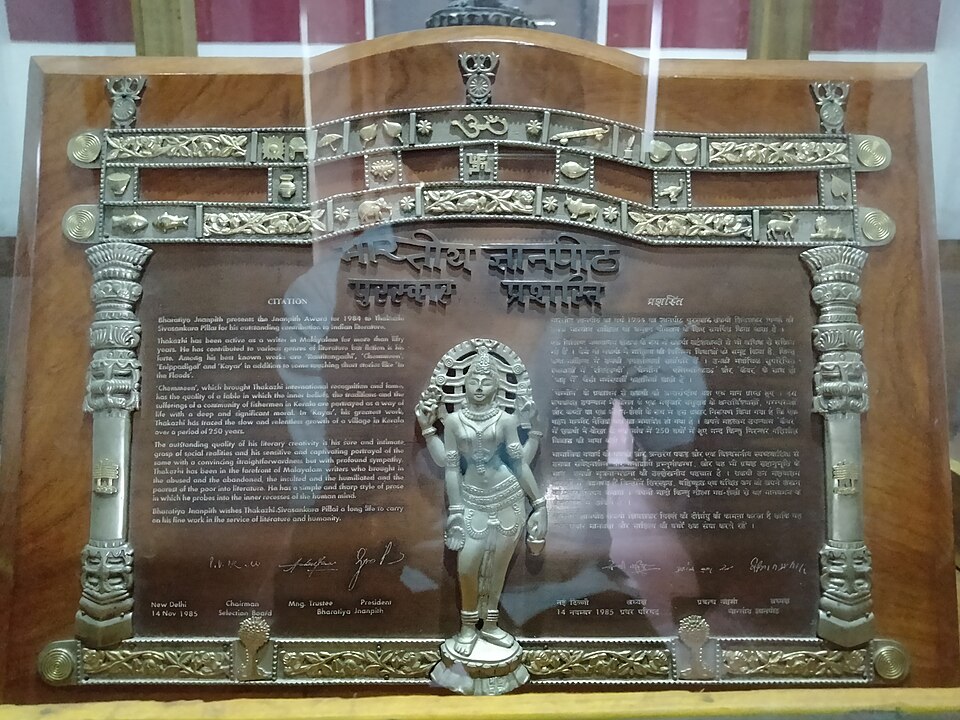
- Bronze statuette of Vagdevi (Saraswati)
- Citation
Eligibility and Selection Criteria
- Awarded annually to Indian citizens for creative writing.
- Eligible languages include those listed in the Eighth Schedule of the Constitution and English.
- Only living authors are considered.
- A recipient can receive the award only once.
- The same language is not eligible for consideration for the next two years after receiving the award.
- The Selection Board may withhold the award if no candidate meets the required standard.
R. Vairamuthu and Significance of the Award
- R. Vairamuthu is a prominent Tamil poet, lyricist, and novelist known for his contributions to modern Tamil literature and cinema.
- His selection marks:
- Continued recognition of regional language literature
- Strengthening of Tamil literary prominence at the national level
- Reinforcement of India’s linguistic and cultural diversity