
ALMA Telescope
- 03 Mar 2026
In News:
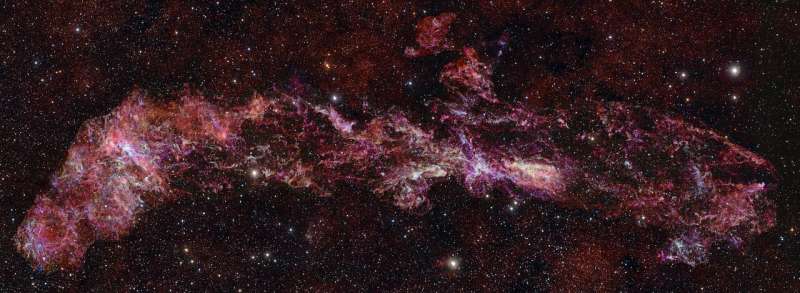
Recent astronomical observations have produced the largest and most detailed image of the central region of the Milky Way, revealing a complex network of filaments of cosmic gas and previously hidden chemical structures. The discovery was made using the Atacama Large Millimeter/submillimeter Array (ALMA), one of the world’s most advanced radio telescope facilities. These observations provide new insights into the chemical composition, gas dynamics, and star-formation processes occurring near the centre of our galaxy.
Atacama Large Millimeter/submillimeter Array (ALMA)
- ALMA is a state-of-the-art radio telescope array designed to study the universe in millimetre and submillimetre wavelengths, which are particularly useful for observing cold gas, dust, and molecular clouds that are often invisible to optical telescopes.
Location and Development
- ALMA is located in the Atacama Desert of northern Chile, one of the driest places on Earth, offering ideal conditions for radio astronomy due to minimal atmospheric moisture.
- The observatory became fully operational in 2013.
- It is a major international collaboration involving:
- National Radio Astronomy Observatory (NRAO), USA
- National Astronomical Observatory of Japan (NAOJ)
- European Southern Observatory (ESO).
Key Features
- 66 high-precision antennas arranged across distances of up to 16 km on the Chajnantor Plateau.
- The antennas can be repositioned, allowing astronomers to adjust resolution similar to a camera’s zoom lens.
- ALMA possesses extremely high sensitivity, enabling detection of very faint radio emissions from distant cosmic objects.
- It functions as an interferometer, combining signals from multiple antennas to produce extremely detailed astronomical images.
Recent Discovery: Mapping the Milky Way’s Central Region
Using ALMA, astronomers recently produced the largest high-resolution image of the Milky Way’s galactic centre at millimetre wavelengths. This region, located about 26,000 light-years from Earth, is dense with gas clouds, dust, and extreme astrophysical activity.
Key Findings
- Network of Gas Filaments
- The observations revealed a vast network of thin filaments of molecular gas distributed across the central region.
- These filaments likely play a crucial role in transporting matter and energy across the galaxy’s core.
- Hidden Chemical Structures
- Scientists identified previously undetected molecules and complex chemical interactions within dense gas clouds.
- These findings help researchers understand the chemical evolution of galaxies and the origins of complex organic molecules in space.
- Star Formation and Galactic Activity
- The galactic centre hosts intense star formation and energetic processes, influenced by strong gravitational forces and radiation.
- Mapping these structures provides clues about how stars form in extreme environments.
- Improved Understanding of Galactic Dynamics
- Detailed imaging allows astronomers to track gas movements, turbulence, and interactions near the Milky Way’s centre.
- This may help explain how matter accumulates around the supermassive black hole Sagittarius A* at the core of the galaxy.
Major Contributions of ALMA to Astronomy
Since becoming operational, ALMA has produced several landmark discoveries:
- Early Starburst Galaxies: ALMA detected starburst galaxies that existed earlier in the universe than previously believed, altering our understanding of galaxy formation.
- Protoplanetary Disc Around HL Tauri: It captured high-resolution images of the protoplanetary disc around HL Tauri, a young star about 450 light-years from Earth, revealing rings where planets are likely forming.
- Observation of Einstein Rings: ALMA has helped scientists study Einstein rings, a phenomenon predicted by Einstein’s theory of general relativity where light from a distant galaxy bends around a massive object, forming a ring-like structure due to gravitational lensing.
Scientific Significance
The recent mapping of the Milky Way’s centre highlights the importance of millimetre and submillimetre astronomy in uncovering cosmic phenomena hidden behind dust clouds. Observations from ALMA help scientists:
- Understand the chemical composition of interstellar space.
- Study the processes of star and planet formation.
- Investigate the dynamics of galactic centres and supermassive black holes.
- Explore the evolution of galaxies across cosmic time.
Missile Defence in the US-Israel-Iran Conflict

- 03 Mar 2026
In News:
Recent tensions in West Asia, particularly involving the United States, Israel, and Iran, have highlighted the growing importance of missile defence systems in contemporary warfare. The increasing use of ballistic missiles, cruise missiles, and armed drones has compelled countries to develop multi-layered air defence architectures capable of detecting, tracking, and intercepting hostile projectiles before they reach their targets. These systems play a crucial role not only in protecting civilian infrastructure and military installations but also in strengthening deterrence and strategic stability.
What is a Missile Defence System?
A missile defence system is an integrated military architecture designed to detect, track, and destroy incoming missiles or aerial threats before impact. Such systems combine advanced sensors, command networks, and interceptor missiles to neutralise threats during different phases of flight.
Key Components
- Sensors and Detection Systems:
- Satellites and ground-based radar stations continuously monitor the sky.
- They detect launches and track the speed, altitude, and trajectory of incoming threats.
- Command and Control Centres:
- Advanced computing systems process sensor data.
- Military operators assess whether the object is a threat and determine the appropriate defensive response.
- Interceptor Missiles: These are defensive missiles launched to destroy the incoming projectile mid-air.
Strategic Importance
Missile defence systems serve multiple purposes:
- Protection of lives and infrastructure by neutralising aerial threats.
- Deterrence, as adversaries may hesitate to launch attacks if interception is likely.
- Decision-making time, allowing governments and military authorities to evaluate response options during crises.
How Missile Interceptors Work
The functioning of missile interceptors involves several coordinated stages:
- Detection and Tracking: Ground-based radar scans the sky by emitting radio beams. When these signals bounce off an object, computers analyse the reflection to determine its speed, altitude, and trajectory.
- Target Locking: If the object is identified as a threat, the radar focuses on it, continuously updating its location.
- Launch of Interceptor: A command centre calculates the interception trajectory and instructs the launcher system to fire the interceptor missile.
- Mid-course Guidance: Radar tracks both the incoming missile and the interceptor, transmitting guidance signals to ensure the interceptor moves toward the target.
- Terminal Phase Destruction: In the final stage, the interceptor uses onboard sensors (seekers) to precisely locate the target and destroy it using either:
- Proximity fuse: detonates a warhead near the target to destroy it with shrapnel.
- Hit-to-kill technology: directly collides with the target using kinetic energy, a method used in many modern systems.
Major Missile Defence Systems in the US–Israel–Iran Theatre
United States
The United States deploys multiple interceptor systems forming a layered defence network:
- THAAD (Terminal High Altitude Area Defense): Intercepts short- and intermediate-range ballistic missiles during the terminal phase at high altitudes using hit-to-kill technology.
- Patriot Missile System: Provides point defence against ballistic missiles, cruise missiles, and aircraft, widely used to protect military bases and critical infrastructure.
- SM-3 and SM-6 (US Navy): Sea-based interceptors launched from naval vessels.
- SM-3: Targets ballistic missiles during the mid-course phase outside the atmosphere.
- SM-6: Engages aircraft, missiles, and drones in the terminal phase.
- Indirect Fire Protection Capability (IFPC): Uses AIM-9X interceptors to counter rockets, artillery shells, and drones while conserving expensive missile defence systems like Patriot.
Israel
Israel maintains one of the world’s most sophisticated multi-layered air defence systems:
- Arrow-3: Intercepts long-range ballistic missiles outside the atmosphere.
- Arrow-2: Engages ballistic missiles within the atmosphere.
- David’s Sling: Designed to intercept medium- and long-range rockets, cruise missiles, and tactical ballistic missiles.
- Iron Dome: Highly effective short-range defence system used to intercept rockets, artillery shells, and drones.
- Iron Beam: A laser-based directed energy system aimed at destroying drones and small projectiles at relatively low cost.
Iran
Iran has developed indigenous and imported air defence systems to counter aerial threats:
- Bavar-373: Long-range air defence system capable of intercepting aircraft and ballistic missiles.
- Sevom-e-Khordad: Mobile system targeting aircraft and cruise missiles, improving survivability through mobility.
- Tor-M1: Short-range defence system used to intercept drones and precision-guided munitions.
- Majid and Azarakhsh: Systems designed primarily to counter drones and low-flying aerial threats.
United Arab Emirates
- Cheongung II: A South Korean medium-range air defence system featuring 360-degree radar coverage and vertical launch capability, designed to intercept cruise missiles and tactical ballistic threats.
Rare Disease Day
- 03 Mar 2026
In News:
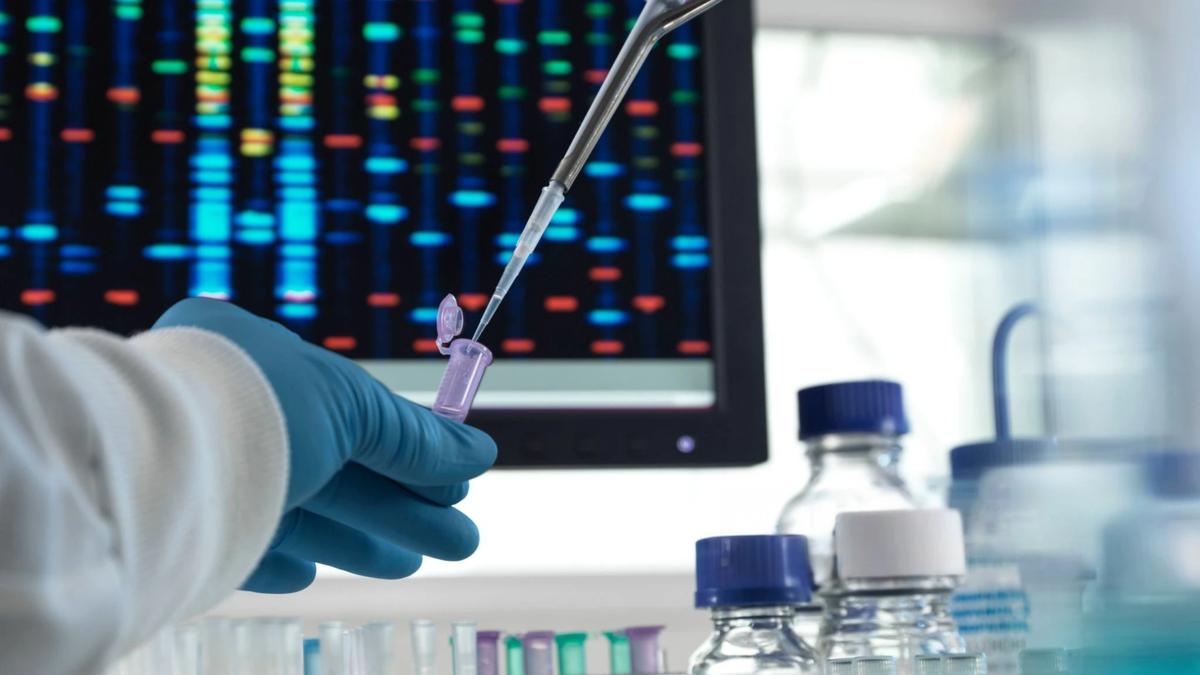
- Rare Disease Day is observed globally on 28 February (or 29 February in leap years, symbolically the rarest day) to highlight the medical, social, and economic challenges faced by persons living with rare diseases.
- Established in 2008 and coordinated by EURORDIS (European Organisation for Rare Diseases) in partnership with over 70 national patient alliances, the day seeks to promote equity in diagnosis, healthcare access, research, and treatment availability.
Understanding Rare Diseases
Definition
There is no single universal definition of a rare disease. Globally, an emerging consensus defines it as a condition affecting ≤ 1 in 2,000 persons in a WHO-defined region. The classification is prevalence-based in many countries, though approaches vary.
Key Characteristics
- 6,000–10,000 identified rare diseases globally
- Affect an estimated 300–450 million people worldwide
- 50–75% manifest in childhood or at birth
- Nearly 80% are of genetic origin (e.g., lysosomal storage disorders)
- Others include rare cancers, autoimmune and infectious diseases
A major concern is the treatment gap—approximately 95% of rare diseases lack approved curative therapies, making them a serious global public health challenge.
Rare Diseases in India
India does not adopt a strict prevalence-based definition due to limited epidemiological data. Instead, the National Policy for Rare Diseases 2021 (NPRD 2021) categorises diseases based on:
- Group 1: Disorders requiring one-time curative treatment
- Group 2: Diseases requiring long-term or lifelong treatment
- Group 3: Conditions where treatment is available but costly and requires sustained therapy
Estimates suggest 72–96 million people in India may be living with rare diseases, indicating a significant though under-documented burden.
Policy and Financial Support Mechanisms
1. Financial Assistance
Under NPRD 2021:
- Financial support of up to ?50 lakh per patient
- Applicable for any of the 63 identified rare diseases
- Treatment provided at designated Centres of Excellence (CoEs)
However, implementation challenges such as delayed fund disbursal, limited diagnostic infrastructure, and uneven geographical distribution of CoEs have affected access to treatment.
2. Budgetary and Fiscal Measures (Union Budget 2026–27)
- Seven additional rare diseases included for exemption from import duties on personal imports of drugs, medicines, and food for special medical purposes.
- Rare diseases identified as a focus area under the Production Linked Incentive (PLI) Scheme for Pharmaceuticals, encouraging domestic manufacturing of orphan drugs.
These measures aim to reduce dependency on expensive imports and improve affordability.
Salar de Pajonales
- 03 Mar 2026
In News:
Recent scientific research in Chile’s Salar de Pajonales has revealed that gypsum deposits can act as microscopic shields, protecting living microbes and preserving ancient fossils. The findings hold major implications for astrobiology and the ongoing search for life on Mars, as similar mineral formations exist on the Martian surface.
Geographical and Environmental Profile
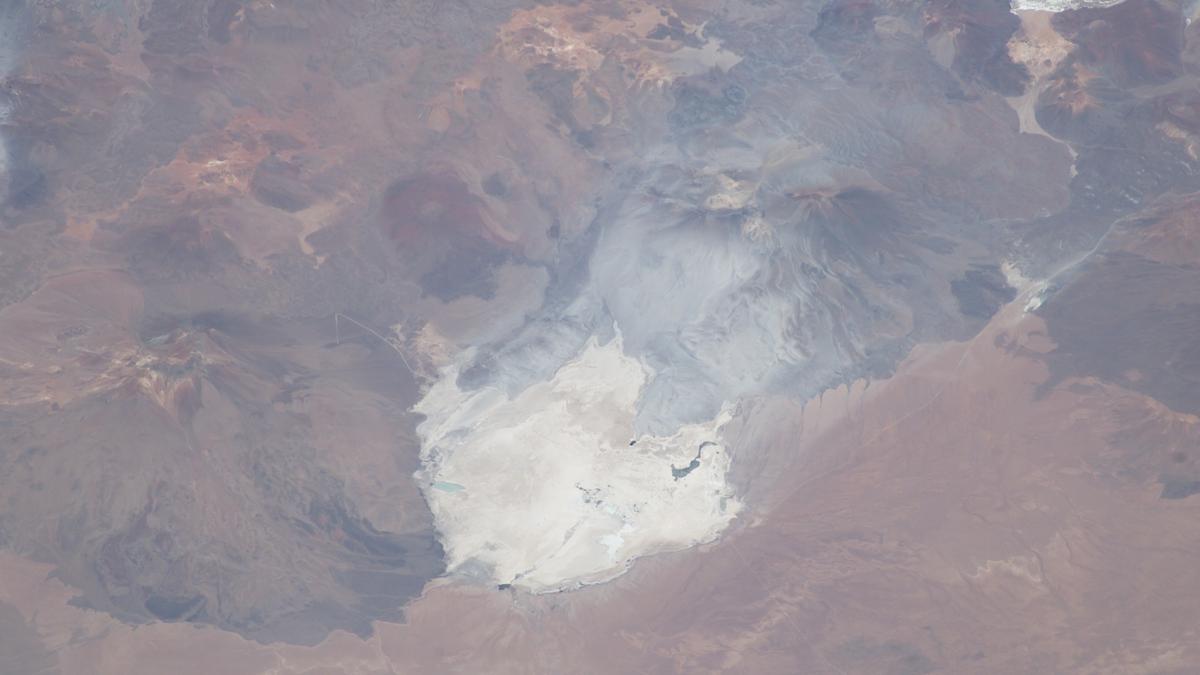
Salar de Pajonales is a large playa (salt flat) located in northern Chile on the western margin of the Altiplano-Puna plateau, at an elevation of approximately 3,500 metres above sea level. It is the third-largest salar in the Atacama Region, after Salar de Atacama and Salar de Punta Negra.
The region lies within the hyper-arid core of the Atacama Desert, one of the driest places on Earth.
Polyextreme Conditions
The site experiences polyextreme environmental conditions, including:
- Extreme aridity
- High altitude and low atmospheric pressure
- Intense solar and ultraviolet radiation
- Large diurnal temperature variations
- Sulfate-rich mineral composition
These characteristics closely resemble surface conditions on Mars, making the region a significant Martian analogue site.
Hydrological and Geological Features
Salar de Pajonales is an endorheic basin (a closed drainage system with no outflow), sustained primarily by groundwater inputs.
The surface is dominated by evaporitic deposits, particularly:
- Gypsum (calcium sulfate dihydrate) crusts
- Layered microbial structures known as stromatolites
These mineral and biological structures provide a natural laboratory to study life under extreme conditions.
Gypsum as a Microbial Shield
Recent studies have demonstrated that gypsum acts as a microscopic protective barrier.
Key Findings
- Active extremophile communities: Halophilic bacteria and archaea survive within protected microhabitats inside gypsum crystals.
- Preserved fossilized microbes
- Ancient microbial remains and molecular biosignatures are trapped within gypsum layers.
- Some biosignatures date back thousands of years.
- Radiation and Desiccation Protection
- Gypsum shields biological material from ultraviolet radiation.
- It prevents rapid dehydration in hyper-arid conditions.
Thus, gypsum serves as a natural repository of biosignatures, preserving evidence of life even in extreme environments.
Astrobiological Significance
The environmental conditions in Salar de Pajonales mirror those believed to have existed on early Mars. Importantly, gypsum has also been detected on Mars by orbital and rover missions.
The study suggests that:
- Future Mars missions should prioritize gypsum-rich terrains.
- Orbiters and rovers can target sulfate deposits as prime candidates for detecting ancient life.
- Mineralogical mapping can guide astrobiological exploration strategies.
This research strengthens the hypothesis that if microbial life ever existed on Mars, its traces may be preserved within evaporitic minerals like gypsum.
Coconut Promotion Scheme
- 03 Mar 2026
In News:
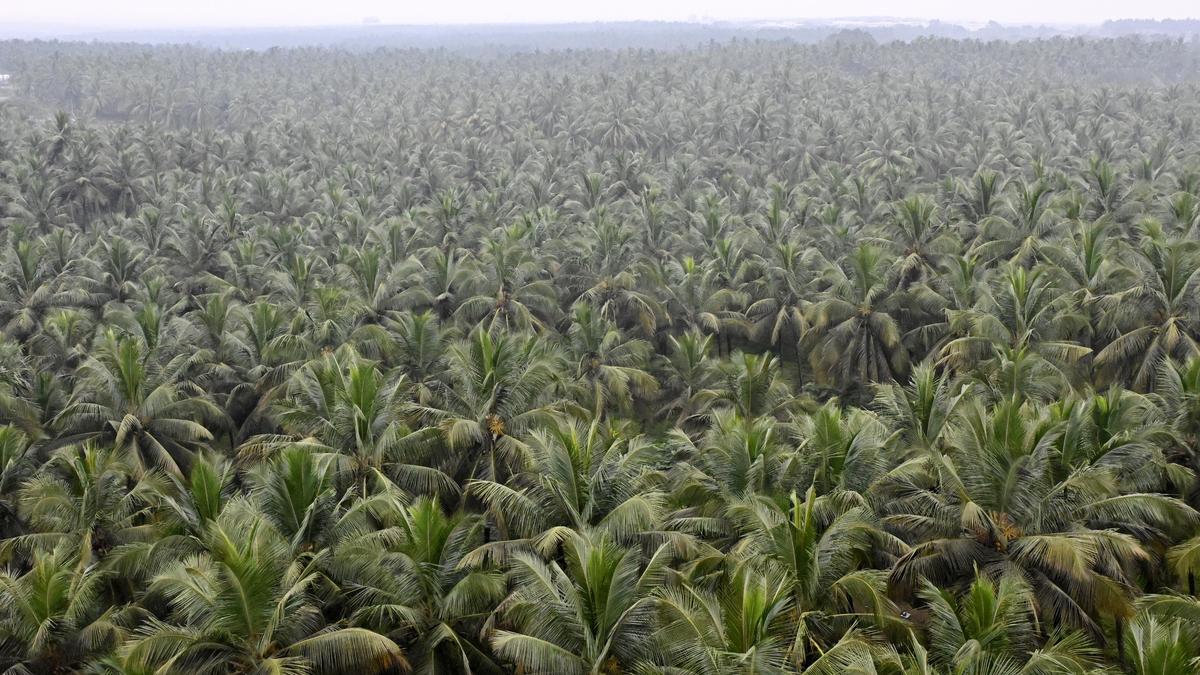
The Union Budget 2026–27 announced a Coconut Promotion Scheme, signalling renewed policy focus on India’s coconut economy. The scheme aims at rejuvenating old, senile, and low-yielding gardens with high-yielding varieties and promoting new plantations, particularly along coastal belts. This aligns with India’s broader objective of strengthening plantation crops for rural livelihoods, export potential, and climate resilience.
Coconut: Botanical and Agro-Climatic Profile
Coconut is a perennial plantation crop and a monocotyledonous palm belonging to the family Arecaceae. It is native to the Indo-Pacific region, with origins commonly traced to Southeast Asia.
Climatic Requirements:
- Warm and humid tropical climate
- Optimum temperature: 25°C–30°C
- High and well-distributed rainfall
- Sensitivity to prolonged drought and extreme weather
Soil Requirements:
- Well-drained sandy loam
- Alluvial soils
- Laterite soils
- Coastal sandy soils
Production and Distribution in India
- India is the world’s largest producer and consumer of coconuts, reflecting both domestic demand and agro-ecological suitability. The crop is predominantly cultivated in: Kerala, Tamil Nadu, Karnataka, Andhra Pradesh, Odisha, Goa, and West Bengal
- In recent years, cultivation has expanded into non-traditional regions such as parts of Gujarat, Assam, and other non-peninsular areas, supported by diversification initiatives of the Coconut Development Board (CDB).
- The coconut sector supports the livelihoods of nearly 30 million people, including around 10 million farmers, highlighting its socio-economic significance.
Institutional Framework: Role of the Coconut Development Board
The Coconut Development Board (CDB) has been implementing schemes for:
- Rejuvenation of senile plantations
- Expansion into new agro-climatic zones
- Quality planting material distribution
- Technology dissemination
- Value addition and market support
The proposed Coconut Promotion Scheme builds on these efforts, aiming to enhance productivity and area expansion.
Emerging Challenge: Productivity vs Sustainability
While productivity enhancement has historically been the policy focus, contemporary challenges necessitate a shift toward sustainable coconut cultivation. Key concerns include:
- Climate Change:
- Increased frequency of droughts, cyclones, and erratic rainfall
- Coastal salinity intrusion
- Temperature stress affecting yield
- Monocropping and Soil Degradation:
- Declining soil fertility
- Reduced biodiversity
- Greater vulnerability to pests and diseases
- Water Stress: Coconut cultivation is water-intensive; inefficient irrigation practices exacerbate groundwater depletion.
- Economic Viability: Price fluctuations and rising input costs affect farmer incomes.
Path Towards Sustainable Coconut Economy
A sustainability-oriented strategy should include:
- Climate-resilient varieties and drought-tolerant hybrids
- Integrated farming systems (intercropping with spices, cocoa, banana)
- Water-use efficiency through drip irrigation and rainwater harvesting
- Organic and natural farming practices
- Value addition (virgin coconut oil, coconut sugar, coir products, activated carbon)
- Strengthened farmer producer organizations (FPOs)
Sustainability enhances long-term productivity while protecting ecological balance and farmer incomes.