
Black-Capped Capuchin Monkey

- 19 Dec 2025
In News:
The Bannerghatta Biological Park has imported eight black-capped capuchin monkeys from South Africa under an animal exchange programme.
About Black-Capped Capuchin Monkey
- Scientific Name:Sapajusapella
- Common Name: Tufted capuchin / Black-capped capuchin
- Native Range: Widespread across South America, especially the Amazon Basin
- Habitat: Black-capped capuchins are highly adaptable and inhabit:
- Tropical and subtropical forests
- Dry and submontane forests
- Savannah woodlands
- Mangroves
- Behaviour and Ecology
- Lifestyle: Arboreal (tree-dwelling) and diurnal (active during the day)
- Diet: Omnivorous - feeds on fruits, seeds, nuts, insects, lizards, eggs, and small crustaceans
- Communication: Uses vocal calls, body postures, touch, and scent cues
- Ecological Role: Acts as an important seed disperser, supporting forest regeneration
- Conservation Status
- IUCN Red List: Least Concern
Despite being widespread, habitat loss and illegal pet trade can pose local threats.
Bannerghatta Biological Park (BBP)
- Located about 22 km south of Bengaluru, Karnataka
- Was earlier part of Bannerghatta National Park and became an independent establishment in 2002
- Comprises multiple conservation and visitor facilities:
- Zoo
- Safari Park
- Butterfly Park
- Rescue & Rehabilitation Centre
- Special Feature: Houses India’s first fenced, forested elephant sanctuary within a biological park setting.
National Energy Conservation Awards
- 19 Dec 2025
In News:
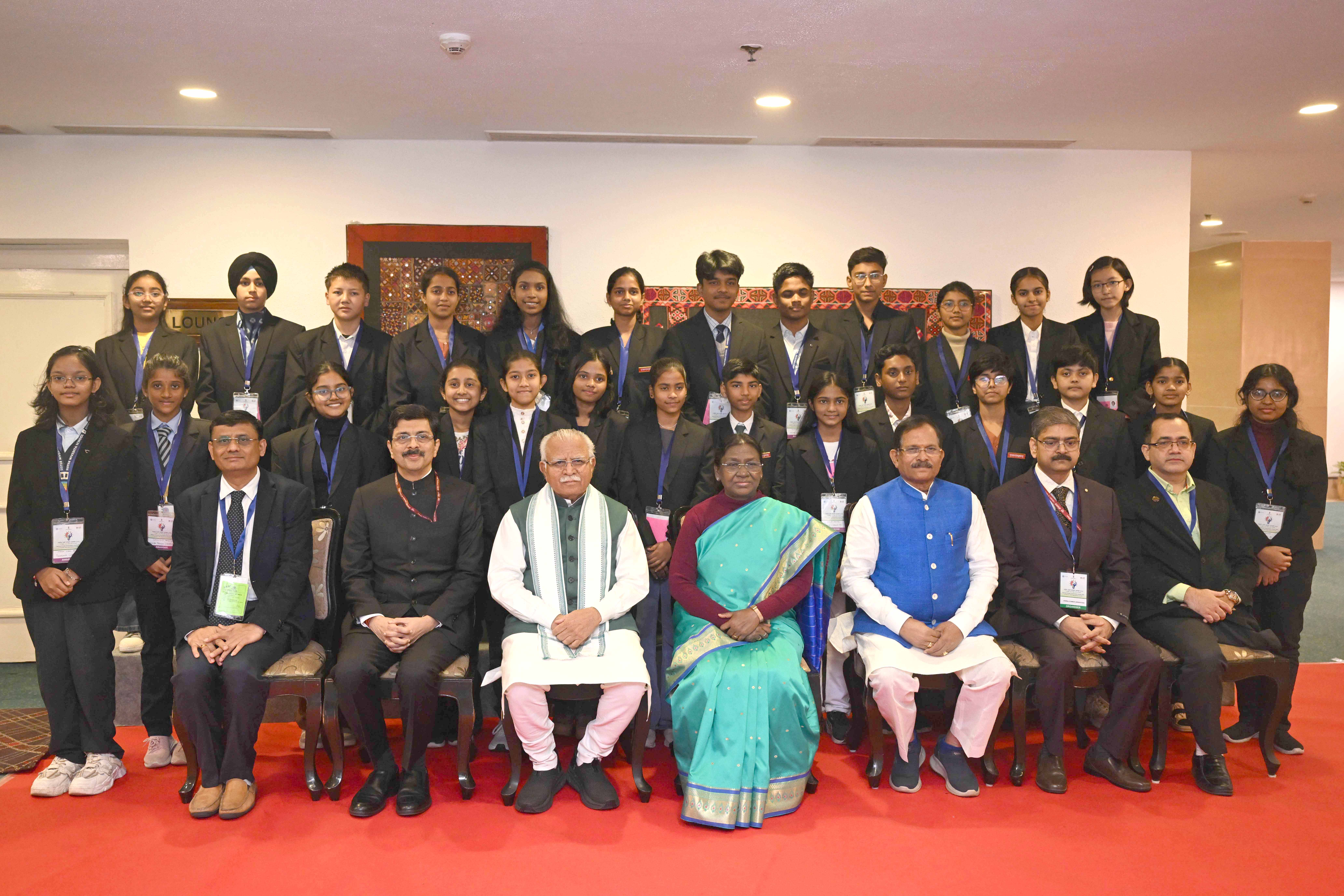
On 14 December 2025 (National Energy Conservation Day), the President of India presented the National Energy Conservation Awards 2025 in New Delhi.
National Energy Conservation Awards (NECA)
- Instituted by: Bureau of Energy Efficiency
- Started: 1991
- Purpose: To recogniseorganisations and institutions that achieve significant energy savings while maintaining or improving productivity.
Sectors Covered
- Industries
- Commercial buildings
- Transport sector
- Institutions
- Energy-efficient appliances
Objectives of the Awards
- Promote adoption of energy-efficient technologies
- Encourage best practices in energy management
- Raise awareness about the role of energy efficiency in sustainable development
- Support India’s commitments toward climate mitigation
Bureau of Energy Efficiency (BEE)
About
- A statutory body under the Energy Conservation Act
- Established on 1 March 2002
- Functions under the Ministry of Power
Major Functions
BEE promotes energy efficiency through national programmes such as:
- Standards & Labelling (S&L) Programme: Introduces star ratings for appliances to guide consumers toward energy-efficient products.
- Demand Side Management (DSM): Encourages efficient energy use across sectors including agriculture, industry, and households.
- Carbon Credit Trading Scheme (CCTS), 2023: Replaces the earlier Perform, Achieve and Trade (PAT) scheme, promoting market-based mechanisms for emission reduction.
- Public Awareness & Capacity Building: Campaigns, training programmes, and competitions (like NECA and painting contests for students)
India’s energy efficiency efforts in 2023–24 reportedly led to savings of 53.60 million tonnes of oil equivalent (MTOE), along with substantial reductions in CO? emissions.
Related National Initiatives
Energy conservation aligns with broader programmes such as:
- Pradhan Mantri Surya Ghar Muft Bijli Yojana (rooftop solar adoption)
- National Green Hydrogen Mission
- Renewable Consumption Obligations and Production Linked Incentive schemes
It also supports India’s global message of Lifestyle for Environment, encouraging sustainable consumption patterns.
Copyright Act Reforms for Artificial Intelligence

- 19 Dec 2025
In News:
The Government of India is considering amendments to the Copyright Act to address legal challenges posed by Artificial Intelligence (AI), especially the use of copyrighted works for AI training.
Background
The Copyright Act, 1957 protects original literary, artistic, musical, dramatic works, films, and sound recordings. It grants creators exclusive rights to reproduce, adapt, publish, translate, and communicate their works to the public. However, the rise of generative AI has exposed gaps in the law regarding training data usage and ownership of AI-generated outputs.
Key Proposed Amendments
1. Mandatory Blanket License for AI Training: AI developers may receive a statutory blanket license allowing them to use lawfully accessed copyrighted works for training AI models.
- Individual permission from each copyright owner would no longer be required.
- Rights holders may lose the ability to opt out of AI training use.
2. Statutory Right to Remuneration: Creators would be entitled to royalties when their works are used in AI training.
- Compensation could be calculated as a fixed share of revenue generated by AI systems.
- Payments would become due once AI products are commercialised, not during data collection.
3. Centralised Royalty Collection Mechanism: A government-designated, non-profit bodycomprising copyright societies and collective management organisationsmay be set up to collect and distribute royalties.
4. Concessions for Startups and MSMEs: Differential royalty structures may be introduced to ensure smaller AI firms are not disproportionately burdened.
Why Reform is Needed
- Absence of AI-Specific Definitions: The Act does not define terms such as AI, machine learning, generative AI, or training data, leading to legal uncertainty.
- Ambiguity Over AI Training: It is unclear whether AI training amounts to reproduction or adaptation under Section 14, or whether it qualifies as “fair dealing” under Section 52.
- Uncompensated Use of Creative Works: Mass data scraping for AI training currently occurs without systematic permission or remuneration for creators.
- Authorship of AI-Generated Content: The Act recognises authors in human terms, leaving uncertainty about ownership and protection of AI-created outputs.
- Cross-Border Issues: Existing provisions do not address AI systems trained abroad using Indian works or cloud-based data processing, complicating enforcement.
Key Features of the Copyright Act, 1957
- Section 2: Defines categories of works (literary, dramatic, artistic, etc.)
- Section 13: Extends protection to literary, musical, dramatic works, films, and sound recordings
- Section 14: Grants exclusive rights to copyright owners
- Section 52: Lists exceptions such as fair dealing
- Copyright exists automatically upon creation; registration is not mandatory
Judicial Highlights
Indian courts have emphasised balancing creator rights and public interest:
- Educational photocopying has been upheld as fair dealing
- Digital piracy has been actively restrained through blocking rogue websites
- Limited use of copyrighted content may not always constitute infringement
Global Approaches to AI & Copyright
|
Country/Region |
Approach |
|
United States |
Copyright requires human creativity; purely AI-generated works not protected |
|
European Union |
Focus on AI training data transparency; legal framework evolving |
|
China |
Courts have recognised AI-generated images as protected works in some cases |
|
United Kingdom |
Law assigns authorship of computer-generated works to the person making arrangements, but rarely applied |
India’s proposed model differs by combining mandatory licensing with creator remuneration, aiming to balance innovation and rights protection.
Dandami Maria Tribe
- 19 Dec 2025
In News:
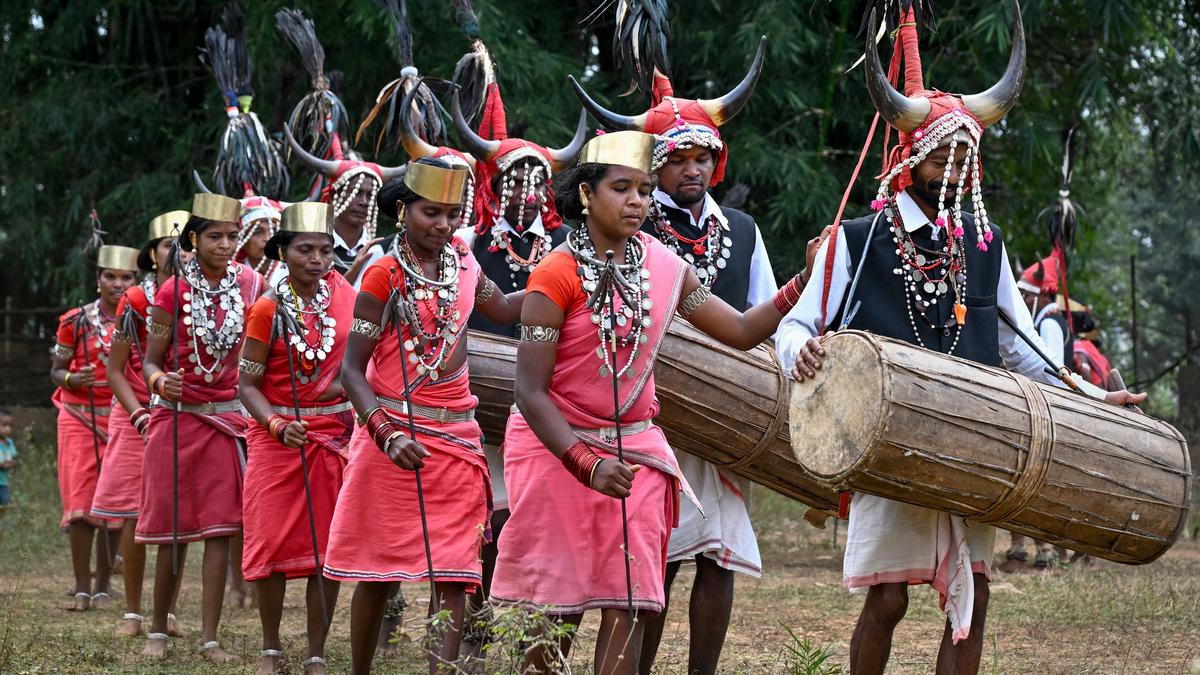
Members of the Dandami Madia tribe performed the traditional Bison Horn Maria dance during a village festival at Judiya Para in Jagdalpur, highlighting the enduring tribal cultural traditions of the Bastar region.
About the Tribe
- Alternate names:Dandami Maria, Bison Horn Maria, Khalpati Maria
- Region: Predominantly in Chhattisgarh (Bastar region)
- Ethnic affiliation: Identify as part of the larger Gond tradition
- Distinctive feature: Ceremonial bison-horn–shaped headgear, worn during festivals and rituals, from which the name “Bison Horn Maria” is derived
Language
- Primary language:Dandami Maria
- Related speech: Some members speak Gondi dialects, an oral language of Dravidian origin
Society, Economy and Beliefs
- Livelihood: Subsistence agriculture, supplemented by hunting and fishing
- Social institution:Ghotul (youth dormitory) - a key cultural institution for unmarried boys and girls, fostering social learning and community cohesion
- Customs: Permit divorce and widow remarriage
- Belief system: A syncretic mix of Hindu practices and animistic traditions
Cultural Expression
- Bison Horn Maria Dance:
- Performed by both men and women during village festivals
- Characterised by rhythmic movements, traditional attire, and the iconic horned headgear
- Serves as a collective expression of identity, ritual celebration, and community bonding
PerumbiduguMutharaiyar II
- 19 Dec 2025
In News:
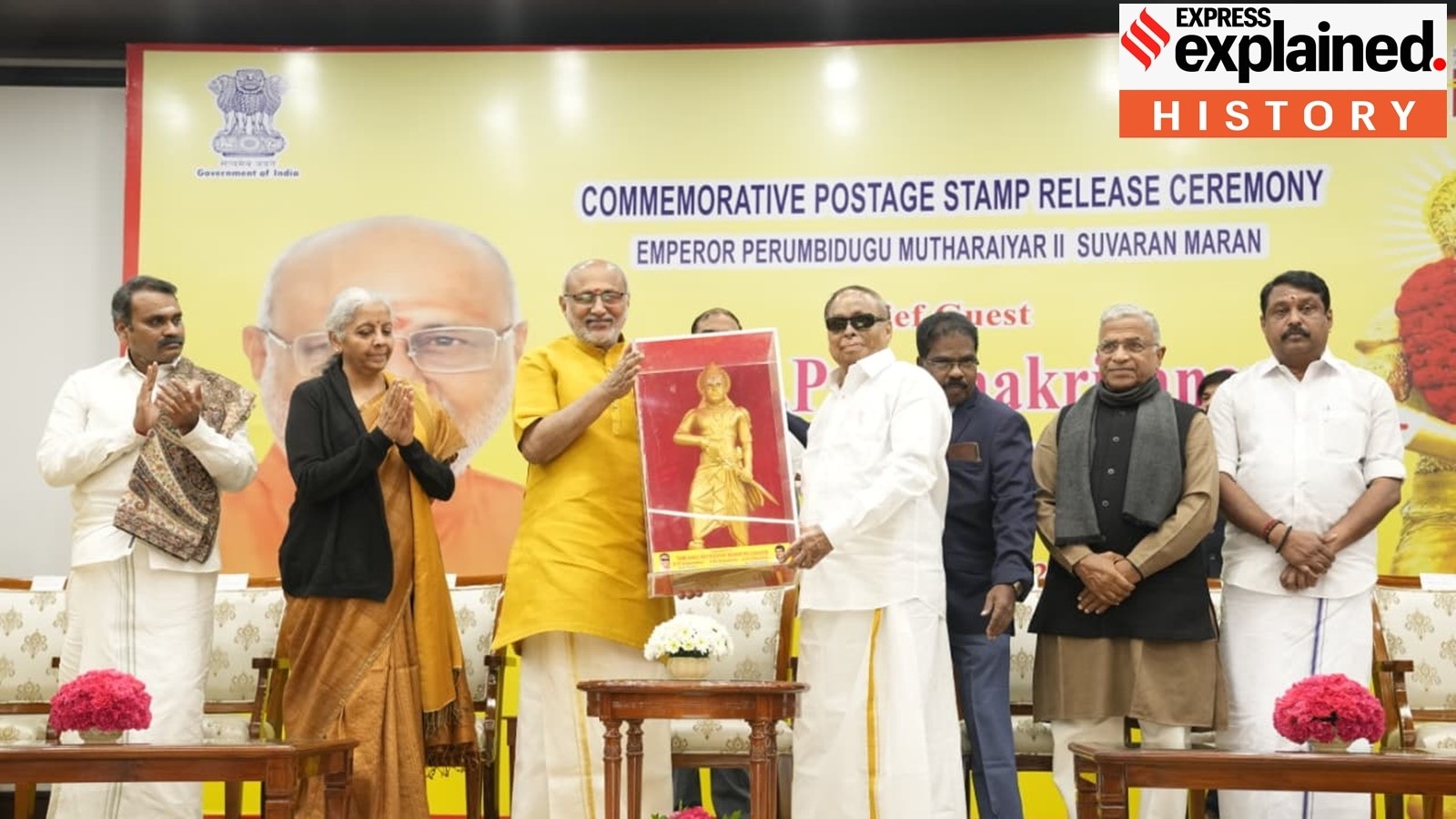
A commemorative postage stamp honouringPerumbiduguMutharaiyar II was released by the Vice President of India, recognising his role in early medieval Tamil history.
Who was PerumbiduguMutharaiyar II?
- Period: c. 705–745 CE
- Also known as:Suvaran Maran, Shatrubhayankar
- Lineage: Ruler from the Mutharaiyar dynasty
- Political status: Feudatory of the Pallavas; later exercised near-sovereign authority as Pallava power waned
- Military role: Fought alongside Pallava king Nandivarman
- Reputation: Capable administrator; remembered for stability and governance
Mutharaiyars: Polity & Region
- Territory: Central Tamil Nadu-Thanjavur, Pudukkottai, Perambalur, Tiruchirappalli and adjoining Cauvery basin areas
- Historical trajectory: Rose in prominence as Pallava authority declined
- Cultural legacy: Influential temple builders; active in cave-temple enterprises into the early 9th century
- Architectural significance: Their innovations influenced later Chola temple architecture
Religion & Patronage
- Religious climate: Period of Hindu revival alongside Jain and Buddhist presence
- Patronage: Supported Shaivism and scholarly debates; Jain monk Vimalachandra is recorded to have visited his court for theological discussions
- Inions: Credit him with temple endowments, irrigation works, and Tamil literary patronage
Historical Importance
- Demonstrates the transition from Pallava feudatories to regional rulers
- Bridges Pallava and early Chola phases in Tamil polity and architecture
- Highlights plural religious discourse in early medieval South India