
LaBL 2.0 (Lighting a Billion Lives 2.0)
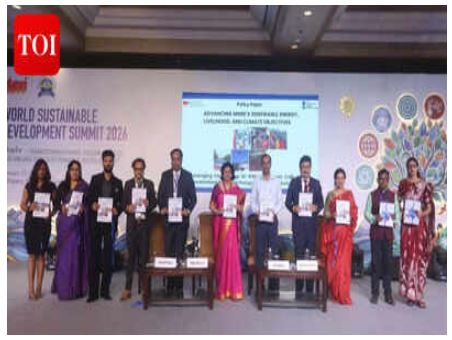
- 11 Mar 2026
In News:
India’s transition to clean energy increasingly emphasizes decentralised renewable energy (DRE) solutions to address energy poverty and support sustainable development in rural areas. In this context, The Energy and Resources Institute (TERI) launched LaBL 2.0 (Lighting a Billion Lives 2.0) in New Delhi. The initiative seeks to scale up clean energy access while promoting rural livelihoods, women’s entrepreneurship, and climate action. It represents the next phase of the earlier Lighting a Billion Lives programme launched in 2008, which provided solar lighting solutions to off-grid communities across India.
About LaBL 2.0
LaBL 2.0 is a next-generation decentralised renewable energy programme aimed at expanding clean energy access while enabling productive economic activities in rural and underserved regions. Unlike the earlier initiative that mainly focused on household lighting, LaBL 2.0 emphasizes energy for livelihoods, climate finance integration, and sustainable development.
Objectives
The programme aims to:
- Expand clean and decentralised renewable energy access in remote and underserved areas.
- Promote green livelihoods and rural enterprises powered by renewable energy.
- Encourage women-led entrepreneurship in the clean energy sector.
- Integrate climate finance mechanisms and carbon markets with grassroots energy initiatives.
- Contribute to broader sustainable development and climate mitigation goals.
Key Features
- Expansion of Decentralised Renewable Energy (DRE)
- Promotes solar and other renewable technologies in off-grid and energy-deficit rural areas.
- Encourages distributed energy solutions such as solar micro-grids and clean energy appliances.
- Productive Use of Energy for Livelihoods: Focuses on using renewable energy for income-generating activities, including rural enterprises, small industries, and agricultural processing.
- Women-led Clean Energy Entrepreneurship: Encourages women entrepreneurs to manage renewable energy enterprises, enhancing both economic empowerment and energy access.
- Climate Impact Measurement: Introduces Monitoring, Reporting and Verification (MRV) frameworks to track carbon reduction and climate benefits.
- Integration with Climate Finance: Develops finance-ready project models linking decentralised energy initiatives with carbon markets and climate finance mechanisms to attract investments.
- Flagship Demonstration Projects
- Includes initiatives such as:
- Hastinapur Model City
- HUDCO Model Solar Village
- GCC DRE Carbon Credit Programme
- Solar technology partnerships for rural energy solutions.
- Includes initiatives such as: