
Methanol
- 11 Apr 2026
In News:
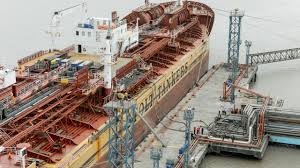
In a major leap toward decarbonizing the maritime sector, the Deendayal Port Authority (Kandla Port) on India's western coast has successfully advanced its methanol bunkering capabilities. This milestone, aligns with the Maritime Amrit Kaal Vision 2047 and India’s commitment to achieving a net-zero maritime future by 2050.
Methanol: The Fuel of the Future
Methanol, also known as wood alcohol (CH3OH), is the simplest alcohol and is emerging as a critical alternative to traditional bunker fuels (like Heavy Fuel Oil) in shipping.
1. Production and Properties
- Process: Typically produced via steam-reforming natural gas to create synthesis gas (syngas), which is then reacted over a catalyst to produce methanol.
- Physical State: A colorless, volatile liquid with a faintly sweet odor. It is completely miscible in water.
- Performance: It is a high-octane, clean-burning fuel. Unlike solid or heavy liquid fuels, its combustion results in significantly lower emissions of SOx (Sulfur Oxides), NOx (Nitrogen Oxides), and particulate matter.
2. Why Methanol for Shipping?
- Energy Security: It can be manufactured from various domestic feedstocks, including coal, natural gas, and biomass, reducing dependency on imported crude.
- Safety: Methanol has a lower risk of flammability compared to gasoline and is biodegradable in marine environments.
- Cost-Efficiency: It is relatively cheaper to produce and store than other emerging alternatives like liquid hydrogen.
- Existing Infrastructure: Since Kandla Port has handled "grey methanol" as cargo for years, much of the necessary storage, pipeline, and jetty infrastructure is already compatible.
Milestone at Deendayal Port (Kandla)
The port has transitioned from a cargo-handling hub to a bunkering hub (a location where ships refuel).
Key Achievements:
- Trial Success: On April 2, 2026, the port successfully conducted a shore-to-ship methanol bunkering trial in collaboration with partners like Indian Oil (IOCL) and Stolt Tankers. This validated safety protocols and transfer processes.
- Port Readiness Level (PRL): Following an assessment by DNV Maritime Advisory Services, the port was rated at Level 6 on the International Association of Ports and Harbors (IAPH) scale, indicating high operational readiness.
- Future Target: The port aims to supply 500 KTPA of e-methanol (Renewable Fuel of Non-Biological Origin) by 2028-29 to support dual-fuel vessels on the Asia-Europe trade route.
World’s First CO? to Methanol Plant
- 10 Nov 2024
In News:
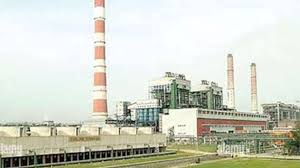
- NTPC has achieved the first-ever synthesis of CO? (captured from flue gas) and hydrogen (produced via a PEM electrolyzer) into methanol at its Vindhyachal plant.
- This marks a significant step in carbon management technology, aimed at advancing sustainable fuel production.
About CO?-to-Methanol Conversion:
- Carbon Dioxide Capture:
- CO? is captured from industrial sources, such as power plants, or directly from the atmosphere.
- Hydrogen Production:
- Renewable energy sources like solar or wind power are used to produce hydrogen through water electrolysis.
- Methanol Synthesis:
- The captured CO? is combined with hydrogen in the presence of a catalyst to produce methanol, typically under high pressure and temperature conditions.
Benefits of CO?-to-Methanol Conversion:
- Carbon Capture and Utilization (CCU):
- This technology reduces the impact of CO? on the atmosphere by converting it into useful products.
- Renewable Fuel Source:
- Methanol produced through this process can be used as a fuel for transportation, power generation, or as a feedstock for chemicals.
- Energy Storage:
- Methanol offers a more practical storage and transportation option than hydrogen, making it a potential energy storage solution and aiding the transition to hydrogen-based energy systems.
- Versatile Feedstock:
- Methanol is widely used in producing chemicals, solvents, and plastics, supporting various industrial applications.
What is Methanol?
- Brief: Methanol, also known as methyl alcohol or wood alcohol, is the simplest form of alcohol. It is a clear, colorless, and flammable liquid with a distinctive odor.
- Key Properties:
- Colorless, miscible with water, toxic if ingested, flammable.