
Hib Disease
- 13 Apr 2026
In News:
Haemophilus influenzae type b (Hib), once a major cause of childhood mortality and morbidity, is re-emerging as a significant public health threat. Recent reports from the United States indicate a resurgence of the disease linked directly to a decline in childhood vaccination rates. For India, which transitioned to universal Hib vaccination only in the last decade, these global trends offer a critical warning on the "immunity debt" and the dangers of vaccine hesitancy.
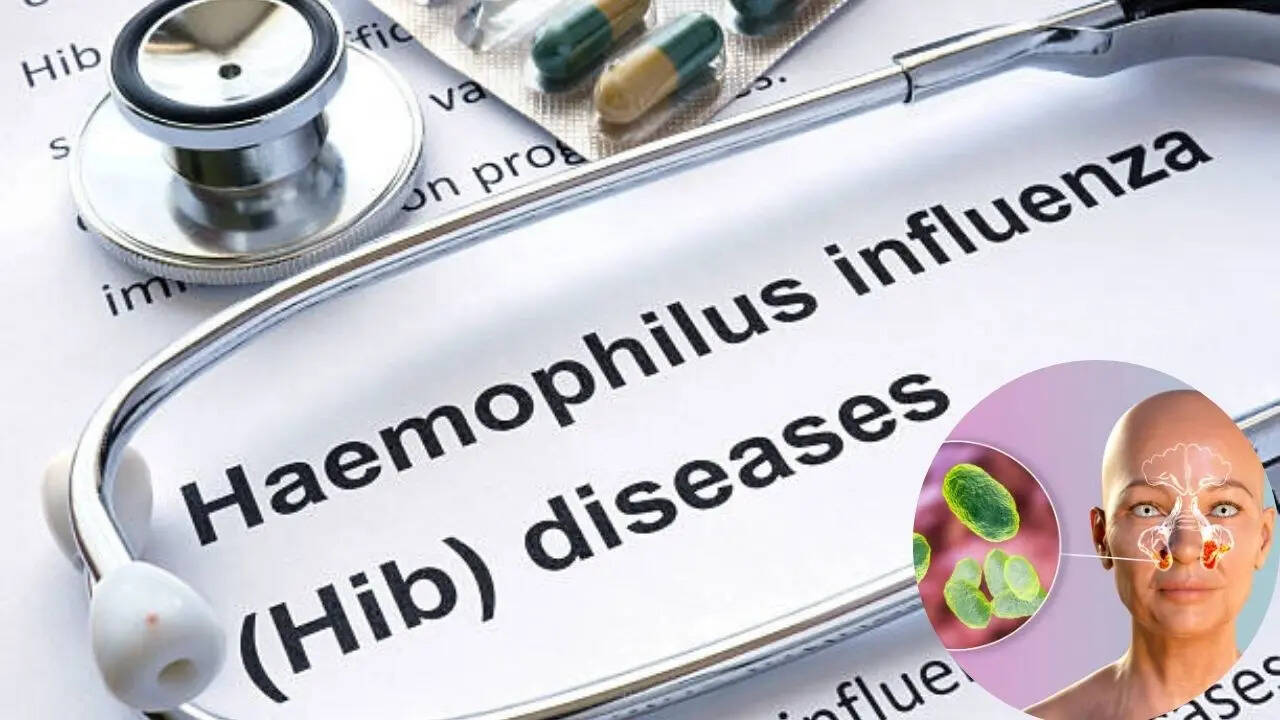
Understanding the Pathogen: Hib
- Nature: It is a Gram-negative bacterium. Contrary to its name, it does not cause influenza (which is viral).
- Affected Population: Primarily children under 5 years; however, adults with comorbidities (immunocompromised) or those in crowded settings are also vulnerable.
- Transmission: Spread via respiratory droplets (coughing/sneezing) or prolonged close contact with an infected person.
- Clinical Profile:
- Invasive Disease: Causes meningitis (lining of brain/spinal cord), septicemia (bloodstream infection), epiglottitis (severe swelling of the throat), and pneumonia.
- Non-Invasive Disease: Ear infections (Otitis media) and bronchitis.
- Long-term Impact: Even with treatment, survivors of Hib meningitis may suffer from permanent brain damage, hearing loss, or learning disabilities.
Current Global Concern: The US Scenario
- Declining Coverage: Recent CDC data (2024-2025) reveals a 1-2 percentage point drop in the primary Hib series coverage among children by age 24 months.
- The "Vulnerability Gap": The decline is attributed to post-pandemic disruptions in routine healthcare and rising vaccine skepticism.
- Adult Clusters: Recent outbreaks have also been noted among specific adult populations, including those experiencing homelessness or housing instability, highlighting that Hib can exploit gaps in community immunity.
The Indian Context & Universal Immunization Programme (UIP)
- Historical Burden: Before the public sector rollout, India accounted for nearly 20% of global Hib-related deaths.
- Policy Intervention (The Pentavalent Vaccine):
- India introduced the Pentavalent Vaccine in a phased manner starting in 2011, reaching national scale by 2015.
- Components: It protects against five diseases: Diphtheria, Pertussis, Tetanus, Hepatitis B, and Hib.
- Impact: Hib incidence in India has plummeted by over 90% in regions with high pentavalent coverage.
- Recent Trends: As per WUENIC (WHO/UNICEF) 2024-2025 estimates, India’s Hib (3rd dose) coverage remains robust at approximately 93-94%, significantly higher than the global average of 78%.
Challenges in Management
- Antibiotic Resistance: While antibiotics are the primary treatment, H. influenzae is increasingly showing resistance to common drugs, making vaccination the only sustainable defense.
- Asymptomatic Carriage: Many people carry the bacteria in their noses and throats without being ill, acting as "silent spreaders" to unvaccinated infants.
- Catch-up Gaps: Children who missed doses during the COVID-19 pandemic remain at risk. In India, catch-up is recommended up to age 5.