
Designated Repositories
- 09 Apr 2026
In News:
In a strategic move to bolster India’s conservation framework, the National Biodiversity Authority (NBA), in collaboration with the Ministry of Environment, Forest and Climate Change (MoEFCC), has notified two new institutions as Designated Repositories. This expansion under the Biological Diversity Act (BDA), 2002, reflects India's commitment to the systematic documentation and safe custody of its vast genetic and biological wealth.
The New Additions to the National Network
The notification brings two specialized research centers into the national fold, taking the total number of designated repositories in India to 20.
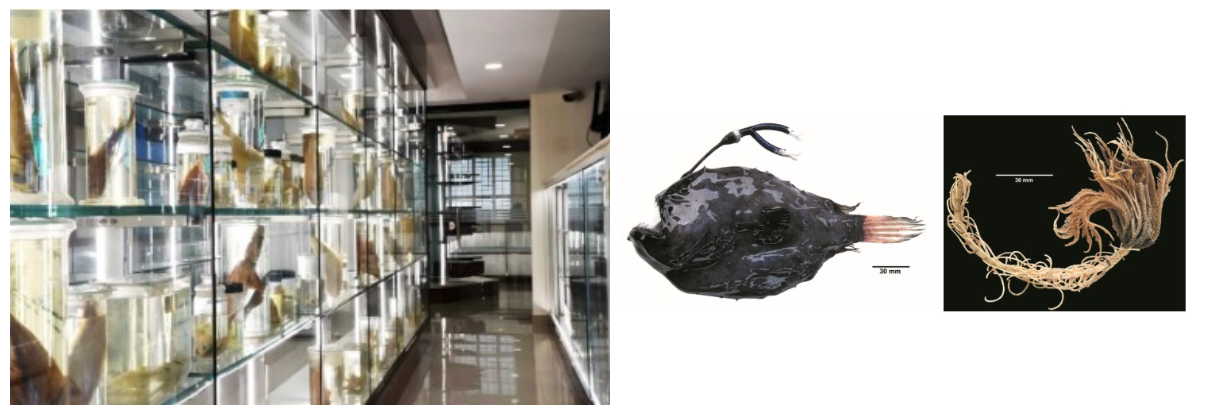
- Referral Centre Bhavasagara (CMLRE, Kochi): Located at the Centre for Marine Living Resources and Ecology, this center specializes in marine biological resources, critical for India's "Blue Economy" ambitions.
- MACS Collection of Microorganisms & National Fungal Culture Collection (ARI, Pune): Housed at the Agharkar Research Institute, this repository focuses on microbial and fungal diversity, essential for biotechnological and agricultural innovation.
Statutory Framework: Repositories under Section 39
Under Section 39 of the Biological Diversity Act, 2002, the Central Government is empowered to designate specific institutions as repositories for different categories of biological resources.
- Mandate: These institutions are entrusted with the safe custody of biological materials. They ensure that samples are preserved under rigorous scientific conditions.
- Legal Obligation for Discovery: A key provision of the Act requires any person discovering a new taxon (a new species or group) to notify and deposit samples with the designated repository.
- Accessibility: Beyond preservation, these centers act as libraries of life, making biological materials accessible for legitimate research, innovation, and intellectual property claims.
The National Biodiversity Authority (NBA): An Overview
The NBA serves as the apex body overseeing the implementation of the BDA, 2002.
- Nature: A statutory and autonomous body established in 2003, headquartered in Chennai.
- Core Functions: It performs advisory, regulatory, and facilitative roles regarding the conservation of biological diversity, sustainable use of its components, and the Fair and Equitable Sharing of Benefits (ABS) arising from the use of biological resources.
- Three-Tier Structure: The Act mandates a decentralized decentralization model to ensure grassroots participation:
- National Level: National Biodiversity Authority (NBA).
- State Level: State Biodiversity Boards (SBBs).
- Local Level: Biodiversity Management Committees (BMCs) at the village/local body level.