
Emperor Penguin and Antarctic Fur Seal
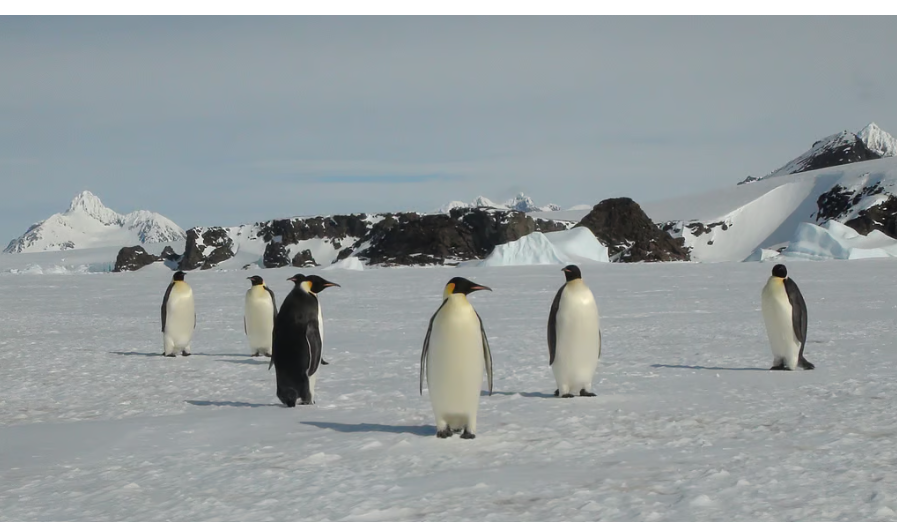
- 10 Apr 2026
In News:
In a significant move reflecting the accelerating degradation of polar ecosystems, the International Union for Conservation of Nature (IUCN) has officially uplisted two iconic Antarctic species, the Emperor penguin and the Antarctic fur seal—to the Endangered category in its latest Red List update (April 2026). This reclassification highlights a critical shift from "Near Threatened" and "Least Concern," respectively, driven primarily by human-induced climate change.
1. The Emperor Penguin (Aptenodytes forsteri)
The Emperor penguin, the largest of all penguin species, is considered a sentinel species—an indicator of the overall health of the Antarctic ecosystem.
- Habitat and the "Fast Ice" Crisis: These birds rely on fast ice (sea ice fastened to the coastline or ocean floor) for breeding, raising chicks, and the annual moulting season.
- The Climate Threat: Rising global temperatures cause early spring ice break-ups. Because penguin chicks are not waterproof until they grow adult feathers, early ice collapse leads to the catastrophic loss of entire breeding colonies.
- Population Data: Satellite imagery confirms a 10% population loss (over 20,000 adults) between 2009 and 2018. Projections suggest that without rapid decarbonization, populations could be halved by the 2080s.
2. The Antarctic Fur Seal (Arctocephalus gazella)
Previously listed as "Least Concern," the Antarctic fur seal has seen one of the most drastic status jumps due to a collapse in the marine food web.
- The Krill Dependency: Fur seals rely almost exclusively on Antarctic Krill. As oceans warm, krill move deeper into colder waters or further south, moving out of reach for foraging seals.
- Population Collapse: The population has plummeted by over 50%, dropping from 2.18 million in 1999 to just 944,000 in 2025.
- Demographic Crisis: Extreme pup mortality in their first year due to starvation has resulted in an ageing breeding population, making it difficult for the species to replenish its numbers.
- Compounding Factors: They face increased competition from recovering baleen whale populations and heightened predation from killer whales and leopard seals.
3. Emerging Threats: The Southern Elephant Seal and Bird Flu
The IUCN has also moved the Southern elephant seal from "Least Concern" to Vulnerable. This is largely attributed to a biological threat exacerbated by warming: Highly Pathogenic Avian Influenza (HPAI) - H5N1.
- Mortality: In some colonies, the virus has killed over 90% of newborn pups.
- Vulnerability: Animals living in dense colonies are particularly susceptible to rapid disease transmission, a risk that increases as warming temperatures allow pathogens to survive in previously cold-protected polar regions.