
Meningococcal Infections
- 01 Mar 2026
In News:
In late February 2026, the Government of Meghalaya issued a public health advisory after suspected cases of meningococcal infection were reported among trainees at an Army training centre in Shillong, prompting heightened surveillance and containment measures.
Context and Incident Overview
The advisory by the State’s Health and Family Welfare Department was prompted by the deaths of two Agniveer trainees due to suspected meningococcal infection at the Assam Regimental Centre (ARC) in Shillong. All close contacts of the affected individuals were identified, isolated, and placed under medical observation.
Health authorities, including the State Surveillance Unit (SSU) and the District Surveillance Unit (DSU), East Khasi Hills, have initiated active epidemiological investigation, including case investigation, contact tracing, laboratory sample review, and enhanced surveillance in the affected institution and surrounding areas.
Officials have stated that no new suspected cases have been detected outside the initial cluster and that the situation is under close monitoring, with no current indication of wider spread.
About Meningococcal Infection
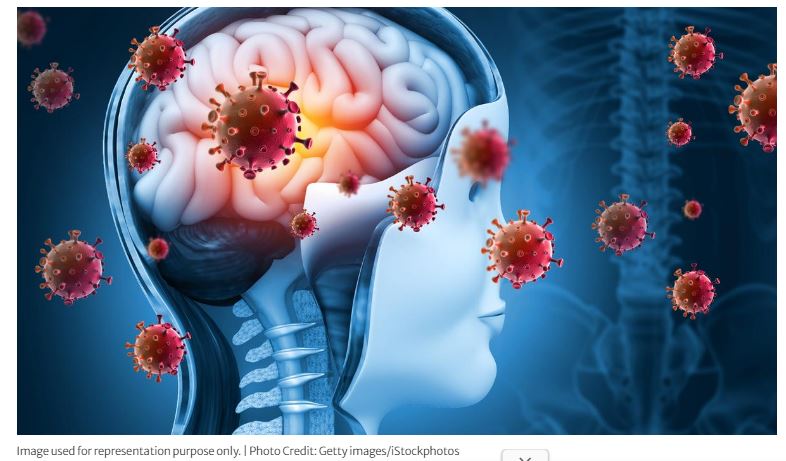
Meningococcal disease is caused by the bacterium Neisseria meningitidis, which can cause:
- Meningitis: Inflammation of the protective membranes covering the brain and spinal cord.
- Meningococcemia: Bloodstream infection that can progress rapidly and be fatal.
It is transmitted through respiratory and throat secretions via close or prolonged contact. It is less contagious than common cold or influenza pathogens but can spread quickly in crowded settings like hostels, barracks, or training facilities.
Although meningococcal disease occurs sporadically, the region has history of outbreaks; for instance, significant outbreaks were reported in North East India, including Meghalaya, in the past.
Clinical Features and Treatment
Initial symptoms often resemble mild illnesses but may quickly escalate, including:
- High fever
- Severe headache
- Neck stiffness
- Nausea, vomiting
- Non-blanching purpuric rash
- Confusion or altered consciousness
Early recognition and swift treatment are critical, as untreated cases can result in rapid deterioration and high mortality. Standard management includes prompt antibiotic therapy and supportive care such as fluid management and respiratory support.
Public Health Measures and Advisory
In its advisory, the Meghalaya government urged citizens to:
- Avoid crowded places and follow respiratory hygiene by covering mouth and nose while coughing or sneezing.
- Maintain hand hygiene using soap and water or sanitiser.
- Wear masks, especially if experiencing symptoms or in densely populated settings.
- Monitor for symptoms such as fever, severe headache, or rash, and seek immediate medical care if signs appear.
These steps align with standard outbreak response protocols, including identification and monitoring of close contacts.
Public Health Importance and Surveillance
Meningococcal disease is a notifiable condition under India’s Integrated Disease Surveillance Programme (IDSP), which aims to detect early warning signals of outbreaks and initiate appropriate follow-up actions.
Strengthened surveillance, especially in institutional settings and among populations engaged in close living quarters, helps prevent potential outbreaks and supports early containment.