
Qdenga Vaccine for Dengue
- 05 Apr 2026
In News:
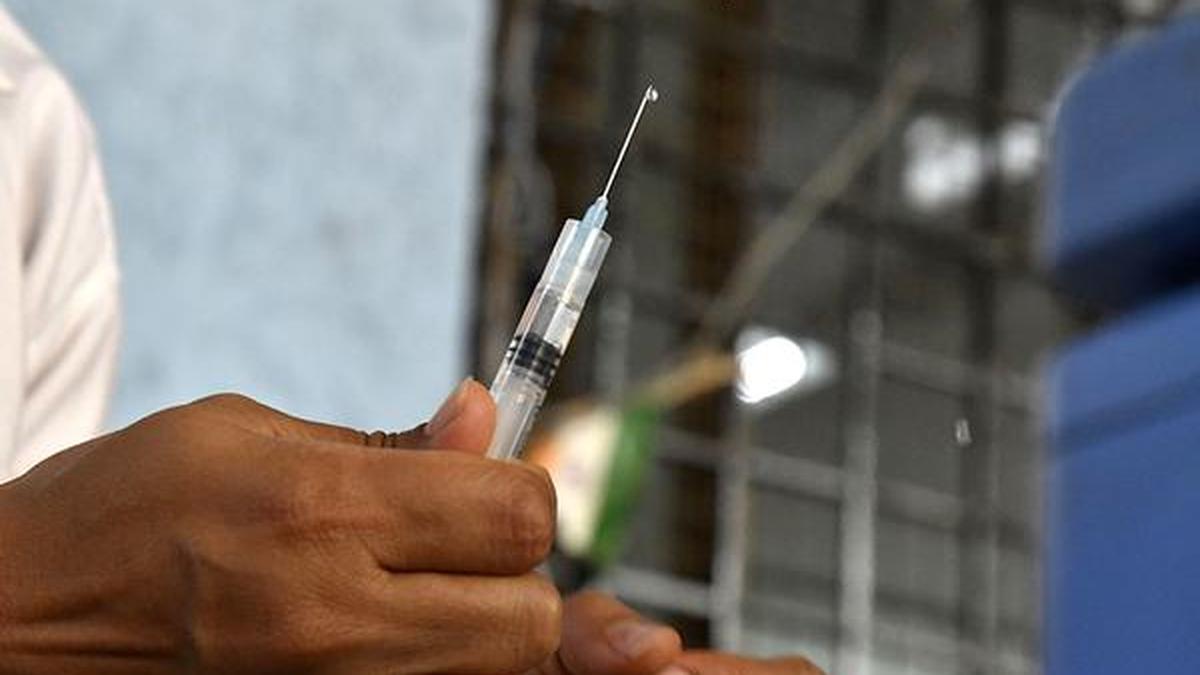
In a watershed moment for India's public health, the Drugs Controller General of India (DCGI), following a recommendation from the Subject Expert Committee (SEC), has approved Takeda's TAK-003 (brand name Qdenga). This marks India’s transition from a reactive model of vector control (fogging and sanitation) to a proactive, preventive immunization strategy against one of the world's most widespread mosquito-borne diseases.
Understanding Qdenga (TAK-003)
Qdenga is a live-attenuated tetravalent vaccine designed to protect against all four serotypes of the dengue virus (DENV-1, DENV-2, DENV-3, and DENV-4).
- Target Group: Approved for individuals aged 4 to 60 years.
- Scientific Backbone: The vaccine uses a weakened DENV-2 virus as its genetic skeleton, with surface proteins from the other three serotypes engineered into it.
- Administration: It is a two-dose regimen administered three months apart.
- A Major Advantage: Unlike the earlier vaccine Dengvaxia, Qdenga does not require pre-vaccination screening for prior infection. It can be safely administered to both "seropositive" (previously infected) and "seronegative" (never infected) individuals.
Clinical Significance and Limitations
While the approval is a historic milestone, health experts emphasize that the vaccine is a disease-modifying tool, not a "silver bullet."
- Efficacy Disparity: While highly effective against DENV-2 (due to its genetic backbone), its efficacy against DENV-3 and DENV-4 is significantly lower, especially in people who have never had dengue before.
- Severity vs. Infection: TAK-003 is primarily designed to reduce clinical severity, hospitalization, and death. It does not necessarily prevent a person from getting infected or eliminate the possibility of outbreaks.
- Shifting Epidemiology: In India, the prevalence of serotypes varies by region. Recent data shows a rise in DENV-3 (now contributing 20–30% of cases), which could potentially limit the vaccine's overall impact on the population level.
Challenges to Universal Rollout
For the vaccine to be integrated into India’s Universal Immunization Programme (UIP), several hurdles must be cleared:
- Affordability: The estimated cost of the full two-dose course is between ?6,000 and ?12,000. This poses a major barrier for low-income and rural populations without government subsidies.
- Real-world Data: The SEC has mandated post-marketing studies to track the vaccine's effectiveness across India’s diverse geographical regions and serotype patterns.
- Supply Chain: Maintaining the cold chain for a live-attenuated vaccine remains a logistical challenge in India's hotter climates.
The Indigenous Pipeline: "DengiAll"
While Qdenga provides an immediate solution, India is betting on domestic innovation for long-term sustainability. The Indian Council of Medical Research (ICMR) and Panacea Biotec are developing DengiAll.
- Status: Currently in Phase III clinical trials involving over 10,000 participants across 19 sites.
- Advantage: It aims for a more balanced immune response across all four serotypes and is being developed specifically for the Indian epidemiological context.
- Timeline: If successful, it could be available by 2027, potentially as a more affordable, single-dose alternative.