
Reform Express Initiative
- 26 Mar 2026
In News:
In a major push to align Indian Railways with the National Logistics Policy, the Union Ministry of Railways has unveiled five pivotal structural reforms under the "Reform Express" initiative. This brings the total number of policy interventions in 2026 to nine. The initiative targets three critical pillars: Cargo Logistics, Infrastructure Integrity, and Passenger Digital Empowerment, aiming to reduce logistics costs and enhance the ease of travel.
I. Revolutionizing Cargo & Freight Logistics
The reforms specifically target the transport of essential and high-value commodities to increase the railways' modal share in freight.
- Specialized Salt Logistics: India is a top global producer of salt, yet rail transport has historically faced challenges due to the corrosive nature of the commodity.
- Innovation: Introduction of top-loading, stainless steel containers with hydraulic side-discharge mechanisms.
- Impact: Prevents wagon corrosion, eliminates water seepage (common in traditional open wagons), and allows for seamless multimodal "site-to-warehouse" transport.
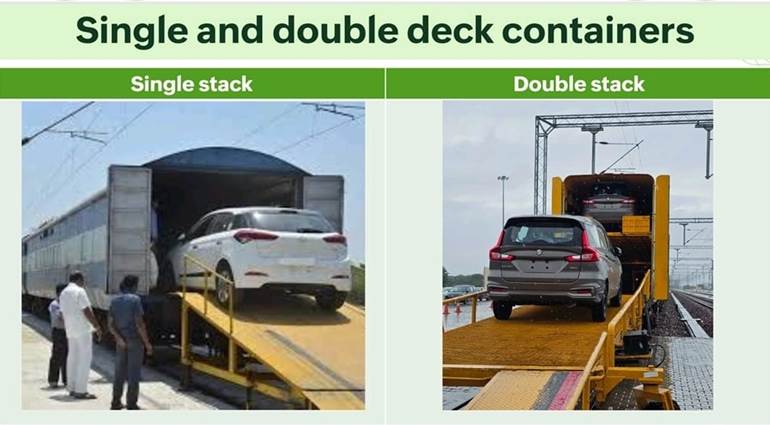
- Flexible Automobile Transport: Currently, rail accounts for approximately 24% of passenger vehicle movement.
- Innovation: Introduction of route-specific, flexible wagon designs. This allows manufacturers to customize wagons to bypass physical constraints like low-clearance bridges and narrow tunnels.
- Impact: Enhances capacity utilization and accelerates the delivery of automobiles across diverse terrains.
II. Infrastructure Governance and Project Execution
To address delays and "predatory bidding," the Ministry has overhauled the contracting framework for railway projects.
- Stricter Contractor Eligibility: The single-project experience requirement has been raised from 35% to 50% of the total project value. Additionally, at least 20% of prior experience must be in railway-specific works.
- Financial Safeguards: * Bid Security: Fixed at a flat 2% of the project value to deter frivolous bidders.
- Anti-Predatory Measures: If a bid is more than 5% below the estimated cost, the bidder must provide an additional 5% performance guarantee to ensure project quality is not compromised.
- Accountability: Subcontracting limits have been reduced from 70% to 40%, forcing primary contractors to execute at least 60% of the work directly.
III. Enhancing Passenger Experience and Ticketing Integrity
Digital reforms have been implemented to protect genuine travelers from touts and speculative bookings.
- Ticketing Clean-up: Through advanced data analytics and Aadhaar-based OTP verification, the Railways removed nearly 3 crore (30 million) fake accounts from the IRCTC database.
- Revised Cancellation Windows: To curb last-minute speculation, the cancellation slabs have been revised to 72, 24, and 8 hours before departure.
- Note: No refunds are permitted for cancellations made less than 8 hours before departure.
- Dynamic Flexibility:
- Boarding Point Change: Passengers can now digitally change their boarding station up to 30 minutes before the train's departure from its origin.
- Class Upgrades: Digital class upgrades are now permitted up to 30 minutes before departure (previously restricted to before chart preparation).
- Refund Automation: The requirement for filing a Ticket Deposit Receipt (TDR) for e-tickets has been abolished; refunds are now processed automatically upon cancellation.