
Kerala Declares Bacillus subtilis as State Microbe
- 17 Feb 2026
In News:
In a pioneering move blending science with public policy, Kerala has declared Bacillus subtilis as its official “State Microbe.” This makes Kerala the first state in India to formally recognise a microorganism, highlighting the growing importance of microbiology in public health, agriculture, and biotechnology. The decision reflects a broader governance approach that integrates scientific research with sustainable development goals.
About Bacillus subtilis
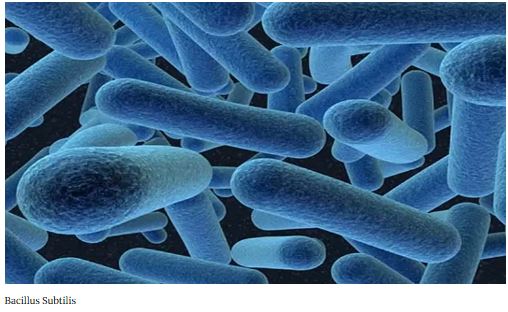
Bacillus subtilis is a non-pathogenic, rod-shaped, gram-positive bacterium commonly found in soil, water, and even the human gut. It is known for its beneficial properties and has been extensively studied due to its resilience and versatility.
Key Characteristics
- Spore-forming ability: Enables survival in extreme environmental conditions.
- Non-pathogenic nature: Safe for human and agricultural applications.
- Probiotic function: Contributes to gut health and strengthens immunity.
- Industrial adaptability: Widely used in fermentation and enzyme production.
Its robust biological properties make it an ideal model organism in microbiological research.
Health and Agricultural Significance
1. Public Health
As a probiotic bacterium, Bacillus subtilis plays a crucial role in:
- Improving digestive health
- Enhancing immune response
- Maintaining healthy gut microbiota
With increasing global focus on microbiome research, such beneficial microbes are gaining importance in preventive healthcare and nutrition.
2. Agricultural Applications
The bacterium is extensively used as:
- Biofertilizer: Promotes plant growth by improving nutrient availability.
- Biocontrol agent: Suppresses plant pathogens and reduces reliance on chemical pesticides.
This aligns with sustainable agriculture and organic farming practices, reducing environmental degradation caused by synthetic inputs.
3. Industrial and Biotechnological Use
Due to its genetic stability and spore-forming capacity, Bacillus subtilis has applications in:
- Enzyme production
- Fermentation industries
- Biotechnology research
- Pharmaceutical manufacturing
Institutional Support: Centre of Excellence in Microbiome
Kerala’s decision is supported by institutional innovation through the Centre of Excellence in Microbiome (CoEM), established under the Kerala State Council for Science, Technology and Environment.
Located in Thiruvananthapuram, CoEM is India’s first dedicated multi-domain research institution focusing on microbiome studies. It promotes interdisciplinary research spanning health, agriculture, environmental science, and biotechnology.
The declaration of a State Microbe complements Kerala’s efforts to position itself as a hub for microbiome research and scientific advancement.
Governance and Policy Significance
- Science-Based Governance: Integrates microbiological research into state identity and policy discourse.
- Sustainable Development: Encourages eco-friendly agriculture and health interventions.
- Public Awareness: Elevates understanding of beneficial microorganisms in everyday life.
- Research Promotion: Strengthens India’s microbiome research ecosystem.
This move parallels other symbolic recognitions such as state animals or birds but uniquely extends recognition to the microbial world, emphasizing ecological interdependence.