
Pradhan Mantri Jan Arogya Yojana
- 21 Mar 2026
In News:
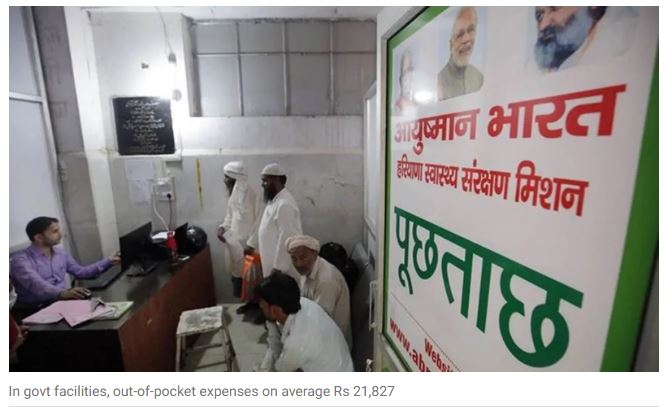
An evaluation study commissioned by NITI Aayog and submitted to its Development Monitoring and Evaluation Office (DMEO) has highlighted that beneficiaries of Pradhan Mantri Jan Arogya Yojana continue to incur significant out-of-pocket expenditure (OOPE), especially in private hospitals. This raises concerns regarding the scheme’s effectiveness in delivering financial protection.
About PM-JAY
- Launched in 2018 under the Ayushman Bharat initiative, PM-JAY is the world’s largest government-funded health assurance programme, aimed at advancing Universal Health Coverage (UHC) and reducing catastrophic health expenditure.
- It is implemented by the National Health Authority in coordination with State Health Agencies.
Salient Features
- Provides ?5 lakh per family per year for secondary and tertiary care hospitalization
- Covers pre- and post-hospitalisation expenses (3 days prior, 15 days after)
- Includes all pre-existing diseases from Day 1
- Based on SECC 2011 criteria, with no cap on family size, age, or gender
- Ensures cashless, paperless treatment and national portability across empanelled hospitals
- Expanded in 2024 to include all citizens aged 70 (Ayushman Vay Vandana Card) and frontline workers
The scheme follows a cost-sharing model between Centre and States (60:40; 90:10 for special category states).
Key Findings of the Evaluation Study
The study reveals structural gaps in financial protection:
Persistent Out-of-Pocket Expenditure
- Average OOPE in private hospitals: ~?53,965 per hospitalization
- Average OOPE in public hospitals: ~?21,827
- Private care costs are more than twice that of public facilities
Limited Cashless Access
- Only 35% beneficiaries experienced fully cashless treatment
- Around 65% incurred direct expenditure, contradicting the scheme’s core promise
Marginal Financial Relief
- Average OOPE under PM-JAY: ~?34,790
- Uninsured patients: ~?38,084
- Indicates limited reduction in financial burden
Major Cost Drivers
- Medicines and diagnostics
- Transportation (explicitly not covered under the scheme)
Achievements of PM-JAY
Despite challenges, PM-JAY has significantly expanded healthcare access:
- 42 crore Ayushman Cards issued
- ~11 crore hospital admissions recorded by 2025
- Improved healthcare access for vulnerable populations
- Promoted gender inclusion, with women accounting for nearly half of beneficiaries
- Strengthened digital health ecosystem through platforms like Ayushman App
Exercise Dharma Guardian
- 26 Feb 2026
In News:
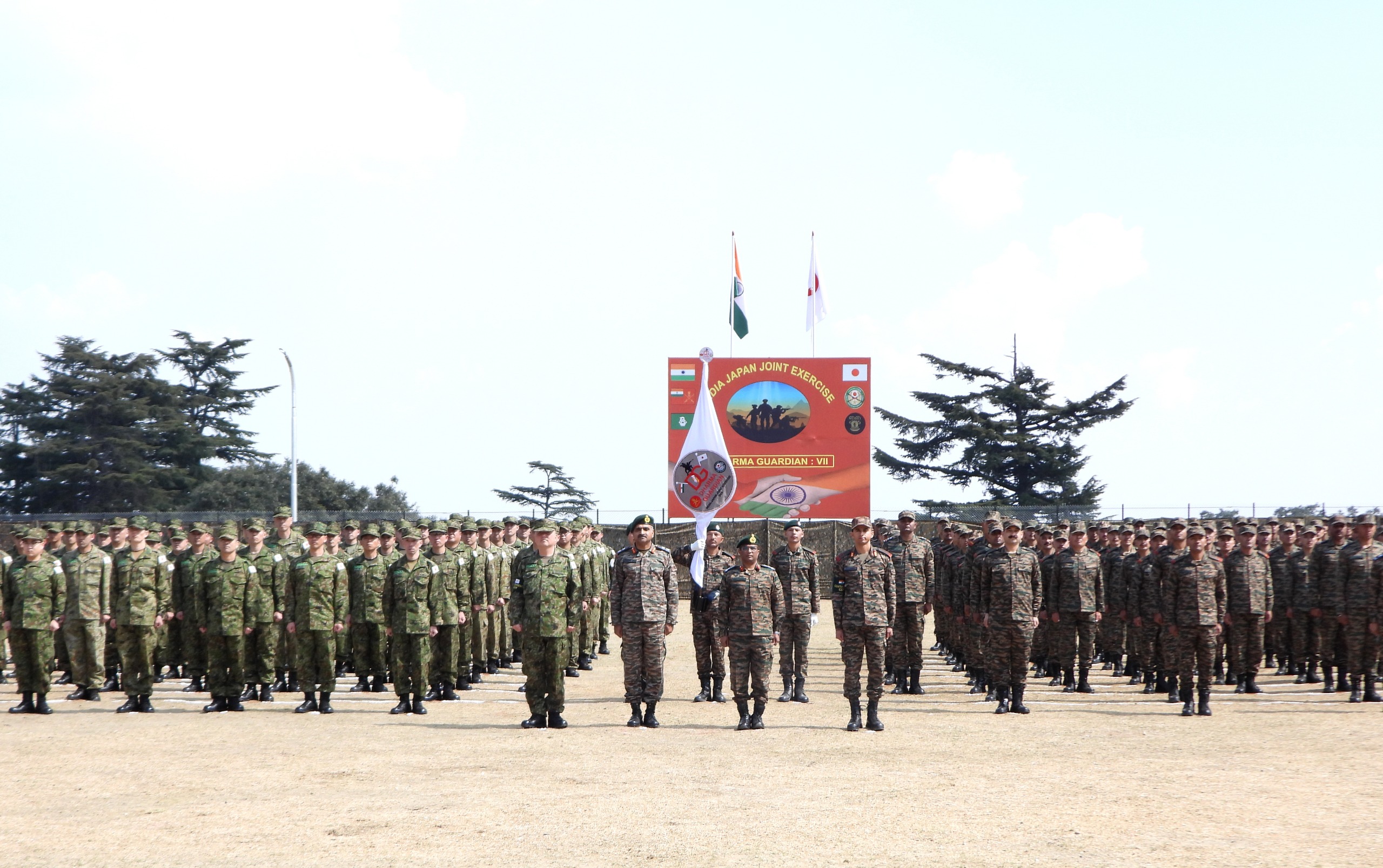
The 7th edition of the India–Japan Joint Military Exercise ‘DHARMA GUARDIAN’ commenced at the Foreign Training Node, Chaubattia (Uttarakhand) from 24 February to 9 March 2026. The exercise represents a significant pillar of growing defence cooperation between India and Japan.
About Exercise DHARMA GUARDIAN
- Type: Annual Joint Military Exercise
- Participants:
- Indian Army
- Japan Ground Self-Defense Force (JGSDF)
- Venue: Conducted alternately in India and Japan
- Participating Contingents (2026)
- 120 personnel from each side
- JGSDF represented by the 32nd Infantry Regiment
- Indian contingent drawn from the Ladakh Scouts
Aim and Objectives
The primary objective of Exercise DHARMA GUARDIAN is to:
- Strengthen military collaboration
- Enhance interoperability
- Improve combined capability to conduct joint operations in semi-urban environments
- Synchronise tactical drills and joint planning processes
- Integrate modern technologies into operational frameworks
The exercise focuses on contemporary operational challenges and coordinated response mechanisms in hostile conditions.
Key Tactical Activities
The exercise includes intensive operational drills such as:
- Establishment of a Temporary Operating Base (TOB)
- Development of an Intelligence, Surveillance and Reconnaissance (ISR) grid
- Setting up Mobile Vehicle Check Posts
- Conducting Cordon and Search Operations in hostile environments
- Executing Heliborne Operations
- Undertaking House Intervention Drills
These activities simulate counter-terror and semi-urban combat scenarios, enhancing readiness and operational synergy between the two forces.
Strategic Significance
1. Strengthening India–Japan Defence Partnership
- Reinforces the Special Strategic and Global Partnership
- Enhances operational trust and coordination
- Deepens land warfare cooperation
2. Indo-Pacific Security Architecture: India and Japan are key stakeholders in ensuring a free, open and rules-based Indo-Pacific. The exercise strengthens defence preparedness in a strategically sensitive region.
3. Interoperability and Modern Warfare Preparedness:
- Promotes joint planning and technology integration
- Enhances capability in hybrid and semi-urban warfare
- Supports coordinated responses to emerging security threats
Other India–Japan Military Exercises
India and Japan conduct multiple bilateral and multilateral exercises across services:
- Malabar Exercise (Naval)
- Participants: India, Japan, USA, Australia
- Focus: Maritime security and Indo-Pacific stability
- JIMEX (Japan-India Maritime Exercise)
- SHINYUU Maitri (Air Force Exercise)
Together, these exercises indicate expanding tri-service defence engagement.
SAHI and BODH Initiative
- 18 Feb 2026
In News:
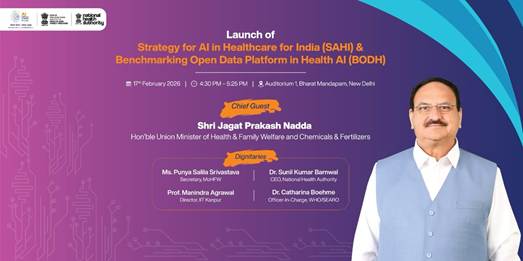
At the India AI Summit held at Bharat Mandapam, the Union Minister of Health and Family Welfare launched two key national initiatives - the Strategy for Artificial Intelligence in Healthcare for India (SAHI) and the Benchmarking Open Data Platform for Health AI (BODH). Together, these initiatives seek to establish a structured, ethical, and technology-driven framework for integrating Artificial Intelligence (AI) into India’s healthcare ecosystem, aligning innovation with public health priorities.
Rationale: The Need for Governance in Health AI
Artificial Intelligence holds transformative potential in areas such as diagnostics, disease surveillance, medical imaging, predictive analytics, and health system management. However, its deployment raises critical concerns related to:
- Data privacy and security
- Algorithmic bias and accountability
- Clinical validation and safety
- Ethical use and regulatory oversight
In a country with diverse health challenges and socio-economic disparities, the integration of AI must be inclusive, evidence-based, and aligned with public welfare objectives. SAHI and BODH aim to address these systemic gaps.
SAHI: Strategy for Artificial Intelligence in Healthcare for India
SAHI serves as a national guidance framework for the responsible adoption of AI in healthcare.
Core Objectives:
- Safe and Ethical Deployment – Establishes principles for transparency, accountability, and fairness in AI systems.
- Evidence-Based Validation – Emphasises scientific testing and performance benchmarking before large-scale adoption.
- Data Stewardship and Governance – Provides direction on responsible data use, storage, and sharing.
- Monitoring and Evaluation – Ensures continuous oversight of AI solutions in real-world settings.
- Support to States and Institutions – Aligns AI adoption with local health priorities and public health objectives.
By offering strategic direction on governance, validation, and deployment, SAHI aims to mainstream AI within India’s health infrastructure while preventing misuse or premature adoption.
BODH: Benchmarking Open Data Platform for Health AI
Complementing SAHI, BODH is a privacy-preserving benchmarking platform developed by the Indian Institute of Technology (IIT) Kanpur in collaboration with the National Health Authority.
Key Features:
- Enables rigorous evaluation of AI models using diverse, real-world health data.
- Operates without sharing underlying datasets, thereby preserving patient privacy.
- Functions as a digital public good under the Ayushman Bharat Digital Mission (ABDM).
- Strengthens transparency and quality assurance in AI-based health solutions.
By creating a standardised benchmarking environment, BODH promotes trust and reliability in AI systems used for clinical or administrative purposes.
Significance
- Institutionalising AI Governance – Moves beyond pilot projects to structured regulation.
- Enhancing Trust – Ensures accountability and public confidence in AI tools.
- Promoting Interoperability – Aligns with ABDM’s digital health ecosystem.
- Global Competitiveness – Positions India as a responsible innovator in health AI.
- Equity in Healthcare Delivery – Supports inclusive and evidence-based adoption across regions.
DHRUV64
- 20 Dec 2025
In News:
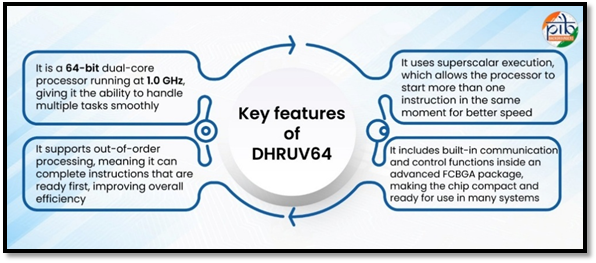
India has achieved a significant milestone in its semiconductor journey with the development of DHRUV64, the country’s first 1.0 GHz, 64-bit dual-core indigenous microprocessor. Developed by Centre for Development of Advanced Computing (C-DAC) under the Microprocessor Development Programme (MDP) of Ministry of Electronics and Information Technology (MeitY), DHRUV64 represents a major step towards technological self-reliance in advanced chip design, a core requirement for India’s digital and strategic autonomy.
Why Indigenous Microprocessors Matter
Microprocessors form the backbone of modern digital infrastructure, powering devices ranging from smartphones and automobiles to defence systems, satellites and medical equipment. For India, dependence on imported processors poses risks related to supply chain disruptions, strategic vulnerabilities and high foreign exchange outflows. Given that India consumes nearly 20% of globally manufactured microprocessors, indigenous capability is critical for sustaining the country’s expanding digital economy.
Key Features of DHRUV64
DHRUV64 incorporates modern architectural features that enhance efficiency, multitasking capability and system reliability. Its design enables seamless integration with diverse external hardware platforms, making it suitable for a wide range of applications, including:
- 5G and telecom infrastructure
- Automotive electronics
- Industrial automation
- Consumer electronics
- Internet of Things (IoT) ecosystems
The processor thus bridges the gap between strategic requirements and commercial scalability, a long-standing challenge in India’s chip ecosystem.
Strategic Significance for India
DHRUV64 strengthens India’s indigenous processor pipeline and reduces long-term reliance on foreign technologies. It contributes to:
- Secure digital infrastructure, especially for strategic sectors
- Technological sovereignty in critical electronics
- Capacity building for India’s large pool of chip design engineers
The development of DHRUV64 builds upon earlier indigenous processors such as SHAKTI (IIT Madras), AJIT (IIT Bombay), VIKRAM (ISRO–SCL) and THEJAS64 (C-DAC), collectively fostering a national processor ecosystem rather than isolated projects.
Role of RISC-V and Digital India RISC-V (DIR-V) Programme
DHRUV64 has been developed under the Digital India RISC-V Programme (DIR-V) initiative, which aims to establish India as a global hub for Electronics System Design and Manufacturing (ESDM).
RISC-V, being an open-source instruction set architecture, eliminates licence fees and enables shared innovation among academia, startups and industry. Its adoption:
- Lowers entry barriers for indigenous chip development
- Encourages collaborative research and standardisation
- Supports long-term scalability of Indian processors
Under DIR-V, DHRUV64 is the third fabricated chip, following THEJAS32 and THEJAS64, while next-generation DHANUSH and DHANUSH System-on-Chip (SoC) variants are currently under development.
Impact on R&D, Innovation and Human Capital
DHRUV64 provides a homegrown, affordable platform for startups, academia and industry to prototype and scale computing products without foreign dependence. It strengthens India’s R&D ecosystem by:
- Enabling low-cost system architecture experimentation
- Supporting indigenous product development
- Enhancing skill formation for semiconductor professionals
Given that India already accounts for nearly 20% of the world’s chip design workforce, such platforms are crucial for converting talent into domestic intellectual property.
Institutional and Policy Support Framework
India’s indigenous processor development is supported by a coordinated institutional ecosystem:
- MeitY: Provides policy direction, funding and long-term planning through programmes such as MDP, DIR-V, Chips to Startup (C2S) and the India Semiconductor Mission.
- C-DAC: Leads processor IP design, SoCs, development boards and toolchains, and is spearheading future RISC-V processors like Dhanush and Dhanush .
Key national programmes strengthening this ecosystem include:
- India Semiconductor Mission (ISM) – facilitating large-scale semiconductor investments
- Chips to Startup (C2S) – building manpower and fabless design capacity
- Design Linked Incentive (DLI) Scheme – incentivising semiconductor design
- INUP-i2i Programme – providing access to national nanofabrication facilities
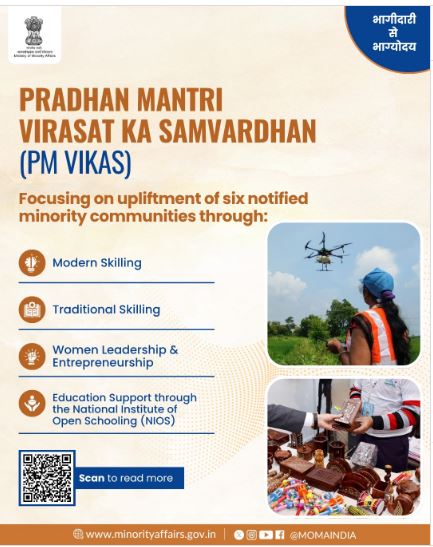
PM VIKAS Scheme (Pradhan Mantri Virasat Ka Samvardhan)
- 05 Feb 2026
In News:
The Union Minister for Minority Affairs, Kiren Rijiju, informed the Rajya Sabha about the implementation status of the PM VIKAS scheme.
About the Scheme
- Full Name: Pradhan Mantri Virasat Ka Samvardhan (PM VIKAS)
- Type: Central Sector Scheme
- Launch: Guidelines approved in January 2025; implementation underway
- Nodal Ministry: Ministry of Minority Affairs
- Target Groups: Socio-economic empowerment of six notified minority communities, with special focus on artisans, women, and youth
Core Objectives
- Skill Development
- Training in both traditional and non-traditional trades
- Employment-linked, need-based courses
- Cultural Preservation
- Promotion of traditional arts, crafts, and literature
- Safeguarding Intangible Cultural Heritage (ICH)
- Educational Inclusion
- Support for school dropouts from minority communities
- Certification at 8th, 10th, and 12th levels through open schooling via the National Institute of Open Schooling
- Women Leadership & Entrepreneurship
- Confidence building, leadership training
- Financial and enterprise support
- Infrastructure Support: Convergence with Pradhan Mantri Jan Vikas Karyakram for minority area development
Key Features
- Financial Support: Provided through the National Minorities Development & Finance Corporation (NMDFC)
- Market Linkages: Facilitated by the Export Promotion Council for Handicrafts
- Artisan Cluster Model: “Hub and Spoke” model to develop Vishwakarma Villages for craft-based livelihoods
- Pan-India Implementation: Funds are not directly allocated to States; projects are executed through approved agencies and PIAs
Mahatma Gandhi Gram Swaraj Initiative (MGGSI)
- 02 Feb 2026
In News:
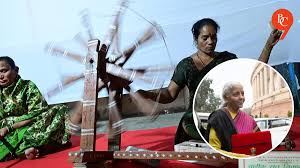
The Union Budget 2026–27 introduced the Mahatma Gandhi Gram Swaraj Initiative (MGGSI) as a focused intervention to revitalise India’s traditional rural industries. The programme seeks to strengthen khadi, handloom, and handicrafts by improving competitiveness, market access, and sustainability of artisan livelihoods. In doing so, it draws inspiration from the Gram Swaraj vision of Mahatma Gandhi, which emphasised self-reliant villages built on local production and decentralized economic power.
Objectives and Target Groups
MGGSI is designed to make traditional sectors economically viable in a modern market environment while preserving India’s craft heritage. It focuses on:
- Weavers and artisans in khadi, handloom, and handicrafts
- Village industries and rural micro-enterprises
- Beneficiaries under the One District One Product (ODOP) initiative
- Rural youth, encouraging them to view traditional industries as viable careers
The initiative recognises that these sectors not only sustain livelihoods but also represent cultural capital and employment-intensive growth, particularly in labour-surplus rural regions.
Addressing Structural Challenges
Traditional craft sectors suffer from long-standing bottlenecks:
- Fragmented supply chains that raise costs and reduce efficiency
- Inconsistent quality standards, limiting access to premium and export markets
- Weak branding and marketing, leading to dependence on middlemen
- Limited integration with modern retail and e-commerce platforms
MGGSI aims to address these constraints through institutional support, quality standardisation, design innovation, and better market linkages. It encourages artisans to adopt modern production techniques and tools without compromising traditional craftsmanship.
Market Access and Branding
A core pillar of MGGSI is improving global and domestic market access. The initiative promotes:
- Professional branding and packaging
- Entry into organised retail chains
- Access to export markets
- Integration with digital and online marketplaces
This shift from subsistence production to market-oriented enterprise aligns with the broader “Vocal for Local” philosophy and the push to strengthen MSMEs as engines of inclusive growth.
Link to Gandhi’s Gram Swaraj Vision
Gandhi’s concept of Gram Swaraj envisioned villages as self-sufficient republics, economically independent and socially cohesive. However, contemporary rural India faces challenges such as agrarian distress, migration, inequality, and weak non-farm employment opportunities, which prevent villages from achieving that ideal.
MGGSI attempts to reinterpret Gram Swaraj for the 21st century by:
- Promoting local production for wider markets
- Generating non-farm rural employment
- Reducing distress migration
- Enhancing economic self-reliance through village industries
Thus, instead of isolation, the modern approach combines local production with global connectivity.
Digital Hub for Reference and Unique Virtual Address (DHRUVA)
- 07 Dec 2025
In News:
The Department of Posts (DoP) under the Ministry of Communications has proposed a new digital addressing framework called DHRUVA (Digital Hub for Reference and Unique Virtual Address). It aims to create a standardised, interoperable, and user-centric digital address system as part of India’s Digital Public Infrastructure (DPI) initiatives.
What is DHRUVA?
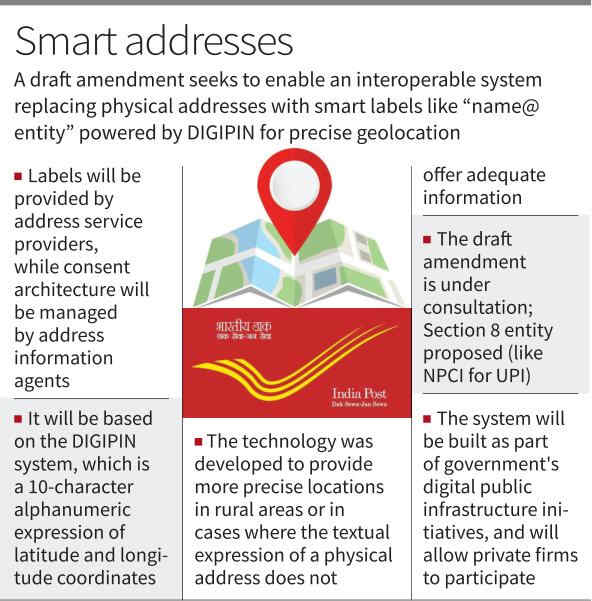
DHRUVA is designed as a national digital address framework that allows individuals to use UPI-like virtual address labels such as “name@entity” instead of repeatedly sharing full physical addresses.
These virtual labels act as proxies for real-world locations and are built on the concept of Address-as-a-Service (AaaS), a system for secure, consent-based management and sharing of address data.
Key Features
1. Virtual Address Labels: Users will be able to share a simple label (similar to a UPI ID or email ID) instead of filling out detailed address forms across platforms.
2. Consent-Based Access: Users can authorise companies to access their address information for a limited duration, after which access must be renewed. This gives citizens control over who can view their address.
3. Interoperability &Standardisation: DHRUVA aims to standardise address formats and ensure interoperability across government services, e-commerce platforms, logistics providers, and emergency services.
4. Public–Private Participation: Private firms can participate in the ecosystem, similar to how the UPI system involves banks and fintech firms. A not-for-profit entity (on the lines of NPCI) may oversee operations under government supervision.
DIGIPIN: Foundational Layer
DHRUVA builds upon the DIGIPIN (Digital Postal Index Number) system.
Key Facts about DIGIPIN:
- Developed by the Department of Posts with IIT Hyderabad and NRSC, ISRO
- A 10-character alphanumeric code representing precise geographic coordinates
- Each code corresponds to roughly a 4 m × 4 m grid (earlier approximated as ~14 sq m area)
- Open-source and covers the entire territory of India
- Useful in areas where traditional textual addresses are unclear or absent
DIGIPIN improves location accuracy for rural areas, logistics, emergency response, and public service delivery.
Institutional Framework
- Address labels will be issued by Address Service Providers (ASPs)
- Consent management will be handled by Address Information Agents (AIAs)
- The platform will be designed with multilingual and mobile-first access
- It may integrate with identity systems like Aadhaar for verification
Significance
- Reduces repetitive address entry across digital platforms
- Enhances privacy through consent-based data sharing
- Improves e-governance, e-commerce, logistics, and emergency services
- Strengthens India’s digital infrastructure alongside Aadhaar and UPI
Operation Sagar Bandhu

- 30 Nov 2025
In News:
India has launched Operation Sagar Bandhu, a rapid Humanitarian Assistance and Disaster Relief (HADR) mission, to support Sri Lanka in the aftermath of Cyclone Ditwah, which triggered severe floods and landslides across the island nation, causing over 80 deaths and large-scale displacement.
Background and Launch
Cyclone Ditwah brought intense rainfall from mid-November, leading to riverine flooding particularly in Sri Lanka’s Western Province and widespread damage to homes and infrastructure. In response, India initiated Operation Sagar Bandhu as part of its Neighbourhood First Policy and Vision MAHASAGAR, underscoring its commitment to regional solidarity and maritime cooperation.
Relief Deployment and Coordination
The operation is coordinated by the Ministry of External Affairs, with operational support from the Indian Navy and the Indian Air Force.
- Sea-based relief: India’s aircraft carrier INS Vikrant and frontline warship INS Udaigiri reached Colombo carrying emergency supplies and HADR equipment.
- Air-based relief: An IAF C-130J transport aircraft delivered approximately 12 tonnes of humanitarian aid, including tents, tarpaulins, blankets, hygiene kits, and ready-to-eat food.
This sea–air integrated logistics ensured swift delivery to affected areas and flexibility to scale assistance as conditions evolved.
Humanitarian Impact
Sri Lanka’s Disaster Management Centre reported extensive flooding across multiple provinces, thousands of affected families, and damage to hundreds of homes. Heavy rainfall warnings exceeding 150–200 mm in several districts raised concerns of further inundation. India’s relief supplies were handed over to Sri Lankan authorities to support immediate shelter, sanitation, and food needs.
Diplomatic Significance
India’s leadership highlighted solidarity with its “closest maritime neighbour.” The mission demonstrates India’s readiness to act as a first responder in the Indian Ocean Region, reinforcing trust and cooperation during crises. It also showcases India’s growing HADR capability, combining naval reach, airlift capacity, and inter-ministerial coordination.
2nd Regional Open Digital Health Summit (RODHS) 2025
- 23 Nov 2025
In News:
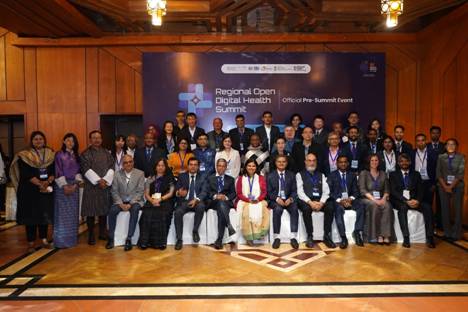
India hosted the 2nd Regional Open Digital Health Summit (RODHS) 2025 in New Delhi, bringing together South-East Asian countries to accelerate Universal Health Coverage (UHC) through Digital Public Infrastructure (DPI), open standards, and interoperable digital health systems.
About RODHS 2025
- Nature: A regional, multi-stakeholder platform to advance open, interoperable, people-centred digital health systems across the WHO South-East Asia Region.
- Organisers:
- National e-Governance Division (NeGD), Ministry of Electronics & IT
- National Health Authority (NHA)
- World Health Organization South-East Asia Regional Office (WHO-SEARO)
- UNICEF
- Participation: India, Bangladesh, Sri Lanka, Thailand, Nepal, Maldives and other South-East Asian countries.
- Context: Builds on momentum from the inaugural summit (Nairobi) and aligns digital health with SDGs and health security.
Key Objectives
- Integrate DPI and open standards into national health systems to support UHC.
- Promote interoperability, trust, skills, and community-centric design.
- Develop country-specific roadmaps for scalable digital health implementation.
- Move from pilot projects to population-scale systems.
India’s DPI Showcase
India highlighted its DPI stack and health platforms as scalable digital public goods:
- Aadhaar (digital identity)
- UPI (digital payments)
- CoWIN (vaccination platform)
- Ayushman Bharat Digital Mission (ABDM) (national digital health ecosystem)
These were presented as models for secure data exchange, federated architecture, and nationwide scale.
Major Themes & Discussions
- Open Standards & Interoperability:
- Adoption of WHO SMART Guidelines (Standards-based, Machine-readable, Adaptive, Requirements-based, Testable).
- FHIR as the global standard for health data exchange; emphasis on governance, workforce capacity and sustained investment.
- Foundational DPI for Health:Role of digital identity, payments, registries and data exchange layers in resilient health ecosystems.
- AI & Generative AI in Health:Use-cases in diagnostics, clinical documentation, multilingual engagement and data integration-enabled by interoperable data.
- Equity & Trust:UNICEF and WHO stressed privacy, child-centric design, health-worker enablement, and community adoption.
Outcomes & Significance
- Reinforced regional cooperation for interoperable digital health.
- Positioned DPI + open standards as core enablers of UHC and health system resilience.
- Encouraged joint governance between health and IT ministries to avoid silos.
- Emphasised that success should be measured by health outcomes, not just digital adoption.
Indira Gandhi Peace Prize
- 22 Nov 2025
In News:
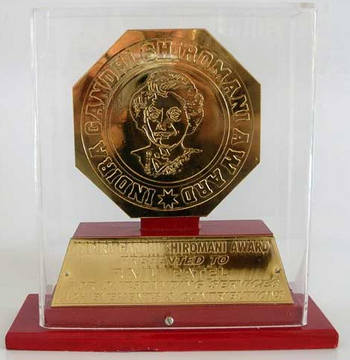
Former Chilean President Michelle Bachelet has been awarded the Indira Gandhi Prize for Peace, Disarmament and Development for 2024, recognising her global contributions to human rights, social justice and inclusive governance.
About the Indira Gandhi Peace Prize
- Instituted:1986, in memory of former Prime Minister Indira Gandhi
- Instituted by: Indira Gandhi Memorial Trust
- Official Name:Indira Gandhi Prize for Peace, Disarmament and Development
- Nature: Annual international award
- Eligibility: Individuals or organisationsirrespective of nationality, race or religion
- Award Components:
- ?25 lakh cash prize
- Citation
Objectives of the Award
The prize recognisescreative and sustained efforts towards:
- Promotion of international peace, disarmament, racial equality, and harmony among nations
- Strengthening economic cooperation and a new international economic order
- Accelerating the all-round development of developing countries
- Using science and modern knowledge for the larger good of humanity
- Expanding freedom, human dignity and the human spirit
Why Michelle Bachelet was Awarded
- Political Leadership: Two-time President of Chile (2006–10, 2014–18); first woman to hold the office
- Global Human Rights Role: Former UN High Commissioner for Human Rights and first Director of UN Women
- Domestic Reforms in Chile:
- Education and tax reforms
- Establishment of the Ministry of Women and Gender Equality
- Creation of the National Institute for Human Rights and the Museum of Memory and Human Rights
- Promotion of women’s political participation and LGBTQ rights
- Global Standing: Known for advocacy on civil liberties, democratic values and protection of vulnerable groups
Select Past Recipients
- 1987: Mikhail Gorbachev
- 1989: UNICEF
- 1997: Jimmy Carter
- 2003: United Nations & Kofi Annan
- 2013: Angela Merkel
- 2014: Indian Space Research Organisation (ISRO)
- 2017: Manmohan Singh
- 2019: Sir David Attenborough
- 2021: Pratham NGO
- 2022: Indian Medical Association & Trained Nurses Association of India
- 2023: Daniel Barenboim & Ali Abu Awwad
BvS10 Sindhu

- 21 Nov 2025
In News:
Infrastructure major Larsen & Toubro (L&T), in partnership with BAE Systems, has secured a contract from the Indian Army to supply BvS10 Sindhu, a specialised all-terrain armoured vehicle. The platform will be manufactured in India, strengthening indigenous defence production.
About BvS10 Sindhu
- Base Platform: BvS10 (Bandvagn S10), a proven articulated all-terrain vehicle used by several European militaries.
- Sindhu Variant: An upgraded, India-specific version adapted for the country’s terrain and climatic extremes.
- Manufacturing: To be produced by L&T at its Armoured Systems Complex, Hazira (Gujarat), with design and technical support from BAE Systems Hägglunds (Sweden), the original BvS10 manufacturer.
Design & Capabilities
- Articulated Configuration: Two connected vehicle sections improve mobility over terrain where conventional wheeled or tracked vehicles struggle.
- All-Terrain Performance: Optimised for high-altitude areas, deserts, marshlands, snow, and flood-prone regions.
- Amphibious Capability: Can operate in waterlogged and flooded environments, enhancing operational reach.
- Protection & Mobility: Armoured design balances crew protection with high mobility in adverse conditions.
Operational Flexibility
The BvS10 Sindhu can be reconfigured for multiple roles, including:
- Troop transport
- Command post
- Ambulance/medical evacuation
- Recovery and logistics support
- Weapon-armed variants
This modularity suits the diverse mission profiles of the Indian Army across varied theatres.
Global Usage (Base BvS10)
- In Service: Austria, France, Netherlands, Sweden, Ukraine, United Kingdom
- On Order / Selected: Germany; selected for the U.S. Army’s Cold Weather All-Terrain Vehicle (CATV) programme
This underscores the platform’s global acceptance and proven performance.
Industrial & Strategic Significance
- Make in India / Atmanirbhar Bharat: Indigenous manufacturing with global OEM support enhances self-reliance.
- Lifecycle Support: The contract includes integrated logistics support for deployment, maintenance, and sustainment.
- Capability Boost: Addresses mobility gaps in extreme and amphibious terrains, critical for border and disaster-response operations.
Dhvani Hypersonic Missile
- 03 Nov 2025
In News:
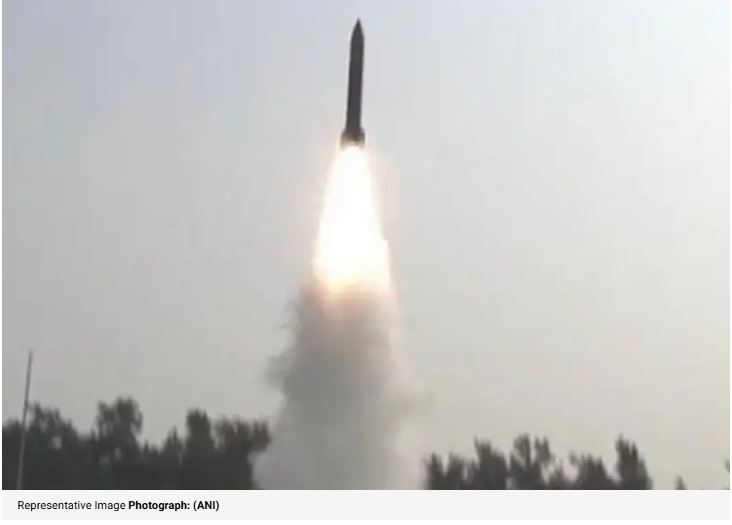
The Defence Research and Development Organisation (DRDO) is preparing for the first test of Dhvani, India’s next-generation hypersonic missile system. Its development marks a major advancement in India’s indigenous strategic and aerospace capabilities, placing the country among a select group working on Hypersonic Glide Vehicle (HGV) technology.
What is Dhvani?
- Dhvani is an upcoming hypersonic missile being developed by DRDO.
- It is designed as a Hypersonic Glide Vehicle (HGV), enabling high-speed, maneuverable flight at hypersonic speed (greater than Mach 5 or approx. 7,400 km/h).
- The system departs from conventional ballistic or cruise missile trajectories by:
- Being launched to very high altitudes, and
- Then gliding at hypersonic speeds toward the target with significant maneuvering capability.
This flight profile complicates detection and interception by most existing missile defence systems.
Key Technical Features
1. Speed & Range
- Expected to fly at Mach 5–6+.
- Estimated operating range: 6,000–10,000 km (long-range strategic class).
2. Hypersonic Glide Vehicle Design
- Blended wing–body configuration
- Approx. 9 m length
- Approx. 2.5 m width
- Optimized for lift generation and maneuverability during hypersonic glide.
3. Thermal Protection System
- Uses ultra-high-temperature ceramic composites.
- Can withstand 2,000–3,000°C generated during atmospheric re-entry and sustained hypersonic flight.
4. Stealth Features
- Stealth-shaped geometry with:
- Angled surfaces
- Smooth contours
- Intended to reduce radar cross-section (RCS) and enhance survivability against surveillance systems.
5. Guidance & Precision: Designed to strike both land and maritime targets with high accuracy.
Technology Background
- Dhvani builds on technologies proven in the Hypersonic Technology Demonstrator Vehicle (HSTDV), including:
- Scramjet propulsion research
- Thermal shielding systems
- High-temperature material development
The success of HSTDV provided DRDO the platform to develop operational HGV systems such as Dhvani.
Samriddh Gram Phygital Services Pilot Project
- 01 Nov 2025
In News:
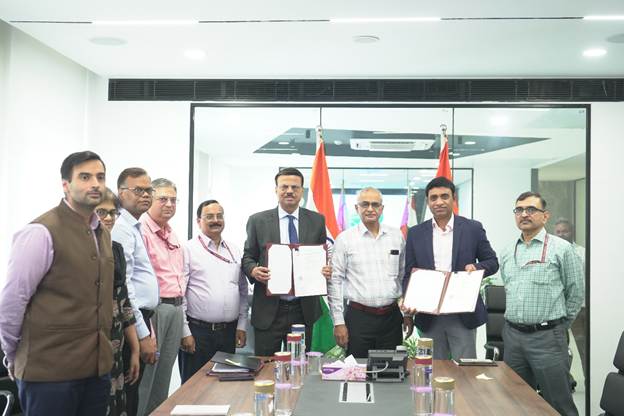
The Samriddh Gram Phygital Services Pilot Project, launched by the Department of Telecommunications (DoT) through the Telecom Centres of Excellence (TCoE), is a rural digital empowerment initiative aimed at bridging the digital divide by integrating physical infrastructure with digital service delivery (“phygital model”). It leverages BharatNet — India’s flagship rural broadband programme — to ensure seamless access to essential citizen-centric services.
Pilot Locations & Implementation
The pilot is being implemented in three villages, each hosting a Samriddhi Kendra:
- Ari & Umri (Madhya Pradesh) – Partner: Digital Empowerment Foundation
- Narakoduru (Andhra Pradesh) – Partner: Corpus Enterprises Pvt. Ltd.
- Chaurawala (Uttar Pradesh) – Partner: I-Novate Infotech Pvt. Ltd.
These Kendras act as integrated digital service hubs, providing both physical support and digital-enabled services.
Objectives:
- To create a replicable and scalable rural digital service model.
- To deliver last-mile digital access through BharatNet-powered connectivity.
- To enhance education, agriculture, health, governance, and financial inclusion in rural areas.
- To enable digital entrepreneurship and strengthen participation in the digital economy.
Key Features & Services
1. Education & Skilling
- Smart classrooms, digital content
- AR/VR-based learning
- Skill development aligned with national skilling schemes
2. Agriculture
- IoT-based soil testing
- Drone-enabled services (monitoring, spraying)
- Smart irrigation solutions
3. Healthcare
- Teleconsultations
- Health ATMs for diagnostics
- Basic emergency care support
4. e-Governance
- Assisted access to government services
- Document facilitation
- Grievance redress mechanisms
5. E-Commerce & Entrepreneurship
- Integration with ONDC
- Digital marketplace access for local products
- Support for rural microenterprises
6. Financial Inclusion
- Digital banking services
- Payment systems & UPI-assisted transactions
7. Connectivity Backbone
- BharatNet FTTH connectivity
- Village Area Network (VAN)
- Public Wi-Fi hotspots
Significance
- Strengthens Digital India at the grassroots.
- Demonstrates a phygital last-mile service delivery model.
- Enhances socio-economic outcomes in rural areas by integrating technology with governance and service delivery.
- Designed as a sustainable and scalable model for nationwide expansion.
Scheme for Innovation and Technology Association with Aadhaar
- 18 Oct 2025
In News:
- The Unique Identification Authority of India (UIDAI) has launched the Scheme for Innovation and Technology Association with Aadhaar (SITAA) to advance India's digital identity framework and safeguard Aadhaar against evolving cyber threats, particularly AI-driven deepfakes, spoofing, and biometric fraud.
- The initiative reflects India's objective to build secure, scalable, indigenous, and globally benchmarked identity solutions, aligning with the broader vision of Digital Public Infrastructure and Atmanirbhar Bharat.
Key Objectives
- Strengthen the security and reliability of Aadhaar authentication.
- Develop cutting-edge biometric and AI-based security technologies.
- Foster collaboration among startups, academia, and industry for co-development.
- Encourage indigenization of identity-tech solutions.
- Build future-ready digital identity systems capable of countering emerging threats.
Strategic Partnerships
To operationalize the programme, UIDAI has partnered with:
- MeitY Startup Hub (MSH) – for technical mentoring, incubation and accelerator support.
- NASSCOM – for industry linkages, global outreach, and entrepreneurship support.
Pilot Phase Focus Areas
The SITAA pilot has launched three innovation challenges open to eligible startups, research institutions, and industry partners (applications open till 15 November 2025):
|
Challenge |
Objective |
Key Requirements |
|
Face Liveness Detection |
Prevent spoofing in face-based authentication |
SDK for passive/active liveness; detect photos, videos, masks, morphs, deepfakes; work across devices/environments; edge + server capability |
|
Presentation Attack Detection (PAD) |
Enhance AI/ML-based face authentication resilience |
Real-time PAD for print, replay, morphs, masks, deepfakes; privacy-compliant; scalable; interoperable with Aadhaar APIs |
|
Contactless Fingerprint Authentication |
Enable mobile-based fingerprint verification |
Capture fingerprint via smartphone/low-cost devices; spoof detection; AFIS-compliant templates; demo app & QC tool required |
Why SITAA Matters
- Deepfake threat escalation: Attempts to bypass biometric security demand next-gen AI counter-measures.
- Contactless biometrics: Essential in post-pandemic authentication models and mobile-first delivery.
- Demographic and environmental variability: Aadhaar works across diverse conditions and populations, making robust tech essential.
- Strengthening trust in India’s digital public infrastructure systems like Aadhaar, UPI, DigiLocker, and ABHA.
Technological Focus Areas
- Advanced biometrics (face, fingerprint)
- AI-driven liveness and spoof detection
- Privacy-preserving authentication methods
- Secure digital identity frameworks
- Mobile-first biometric solutions
Dhvani Missile
- 07 Oct 2025
In News:
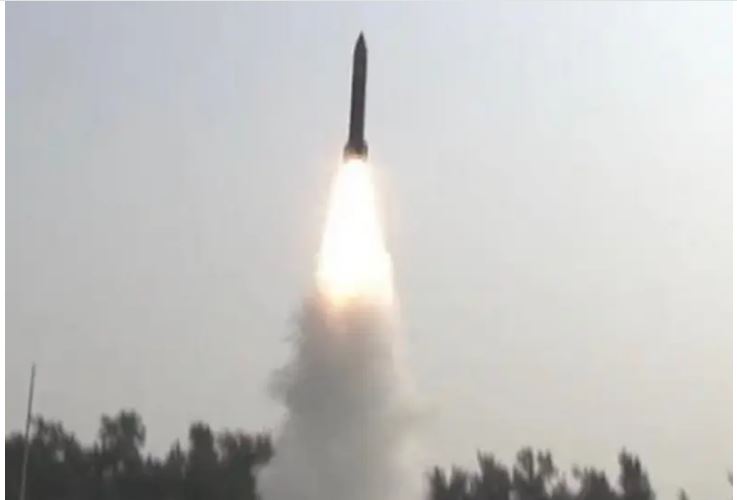
India is on the verge of a historic breakthrough with the upcoming test of Dhvani, a cutting-edge hypersonic missile developed by the Defence Research and Development Organisation (DRDO). This missile positions India among an elite group of nations with hypersonic capabilities, including the United States, Russia, and China.
About Dhvani:
- Dhvani is being developed as a Hypersonic Glide Vehicle (HGV), capable of speeds exceeding Mach 5 (over 7,400 km/h).
- Unlike conventional missiles that follow predictable trajectories, Dhvani is launched to extreme altitudes and then glides toward its target with high maneuverability, making detection and interception extremely difficult. It is designed to strike both land-based and maritime targets with precision.
- Estimated ranges are 6,000 to 10,000 kilometers, potentially doubling the reach of India’s current Agni-V intercontinental ballistic missile.
Design and Technology:
- Dimensions: Approximately 9 meters long and 2.5 meters wide with a blended wing-body configuration.
- Heat Protection: Uses ultra-high-temperature ceramic composites to withstand 2,000–3,000°C during atmospheric reentry.
- Stealth Features: Angled surfaces and smooth contours reduce radar visibility.
- Indigenous Development: Built on technologies demonstrated by the Hypersonic Technology Demonstrator Vehicle (HSTDV), including scramjet propulsion and thermal shielding.
Strategic Implications:
The Dhvani missile significantly enhances India’s strategic deterrence, creating a technological edge in South Asia. Its ability to perform unpredictable maneuvers during the terminal phase renders most current missile defense systems ineffective, thereby deterring adversaries.
Global Context:
Dhvani is comparable to China’s DF-ZF, Russia’s Avangard, and U.S. programs such as Dark Eagle and HACM, which face developmental delays. India’s achievement demonstrates self-reliance in critical defense technologies and strengthens its capability for both regional security and global power projection.
Pradhan Mantri Mudra Yojana (PMMY)
- 22 Sep 2025
In News:
Launched in 2015, the Pradhan Mantri Mudra Yojana (PMMY) is a flagship financial inclusion initiative of the Government of India. The scheme seeks to provide affordable credit to micro and small enterprises (MSEs) engaged in non-farm income-generating activities, thereby integrating them into the formal financial ecosystem.
Objective
- PMMY aims to “fund the unfunded” by facilitating access to institutional credit for small entrepreneurs who traditionally lack collateral or formal financial history.
- The scheme empowers these enterprises through loans provided by Public Sector Banks (PSBs), Regional Rural Banks (RRBs), Cooperative Banks, Private Banks, Foreign Banks, Micro Finance Institutions (MFIs), and Non-Banking Financial Companies (NBFCs).
Key Features and Loan Details
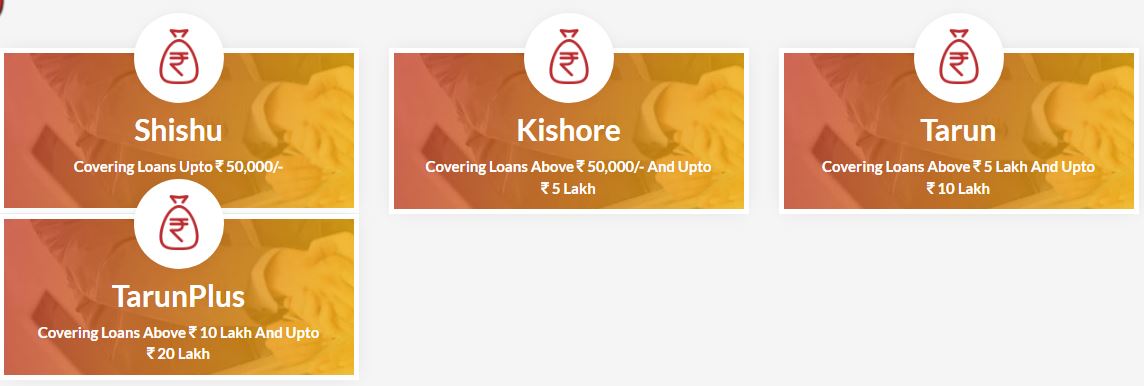
- Loan Amount: Up to ?10 lakh for non-farm income-generating activities across sectors such as manufacturing, processing, trading, and services.
- Eligibility: Any Indian citizen with a viable business plan for such activities can apply for a MUDRA loan through approved institutions.
- Subsidy: PMMY does not directly offer subsidies; however, if linked to other government schemes with capital subsidies, those benefits can be availed concurrently.
Categories of MUDRA Loans
|
Category |
Loan Range |
Target Group |
|
Shishu |
Up to ?50,000 |
New or micro enterprises in the early stage |
|
Kishore |
?50,000 – ?5 lakh |
Businesses seeking growth or consolidation |
|
Tarun |
?5 lakh – ?10 lakh |
Enterprises looking to expand operations |
Achievements under MUDRA 1.0
- Credit Outreach: Over ?27.75 lakh crore has been disbursed to nearly 47 crore beneficiaries, expanding access to formal credit for small entrepreneurs.
- Social Inclusion: Around 69% of loan accounts are held by women, while 51% belong to SC, ST, and OBC categories — strengthening financial inclusion and social equity.
- Employment Generation: The scheme has spurred job creation and self-employment, particularly in rural and semi-urban areas, fostering local entrepreneurship and economic decentralisation.
Vision for MUDRA 2.0
To further enhance the scheme’s reach and impact, the proposed MUDRA 2.0 envisions the following reforms:
- Wider Outreach: Greater focus on underserved rural and semi-urban regions through digital platforms and community-level facilitation.
- Financial Literacy & Mentorship: National-level programmes to improve awareness about budgeting, savings, digital transactions, and credit management to ensure sustainable enterprise growth.
- Enhanced Credit Guarantee Scheme (ECGS): A robust guarantee mechanism to minimise lender risk and encourage more credit flow to micro enterprises.
- Real-Time Monitoring Framework: Technology-driven systems for tracking disbursal, utilisation, and repayment to ensure transparency and reduce misuse.
- Impact Evaluation: Periodic socio-economic assessments to measure outcomes on income generation, employment, and business viability.
Matanomadh in Kutch

- 08 Sep 2025
In News:
- A remote village in Gujarat’s Kutch district, Matanomadh, is emerging as a potential analogue site for India’s future Mars missions.
- Researchers from the Space Applications Centre (ISRO), Savitribai Phule Pune University, and the Birbal Sahni Institute of Palaeosciences have confirmed the presence of jarosite, a mineral also discovered on Mars, making the region significant for planetary studies.
Jarosite and Its Relevance
- Composition: Jarosite is a yellow-brown mineral composed of potassium, iron, and sulphate, typically formed in arid, saline environments under extreme geochemical conditions.
- Formation: On Earth, it is linked to volcanic activity, where volcanic ash containing sulphur reacts with water-rich environments.
- Global Occurrence: Rare on Earth; found in Mexico, Canada, Japan, Spain, USA (Utah, California), and in India at Kerala’s Varkala cliffs and now Kutch.
- On Mars: First detected in 2004 by NASA’s Opportunity Rover at Meridiani Planum, jarosite is considered strong evidence of water activity on the red planet.
The Kutch Discovery
- Age: Jarosite deposits at Matanomadh have been dated to around 55 million years ago (Paleocene period).
- Geological Significance: Indicates that environmental and chemical conditions in Kutch millions of years ago resembled those on Mars.
- Current Findings: The mineral occurs as fine deposits mixed with clay. When mixed with water, this clay expands—closely resembling Martian sulphate-clay formations.
Importance for Space Research
- Field Analogue for Mars: The site provides a natural laboratory to test rovers, instruments, drilling, geochemistry, and astrobiology experiments for upcoming missions like Mangalyaan-2.
- Astrobiology Potential: Sulphates such as jarosite can trap organic molecules, offering clues to possible microbial life.
- Palaeo-evolution Insights: Helps decode the geological and chemical history of Mars.
- Complementary Sites: While Ladakh’s Tso Kar Valley (HOPE Mission) simulates Martian living conditions, Kutch offers geological parallels for studying surface mineralogy.
Challenges
- The site is currently waterlogged and threatened by coal mining activities in the vicinity. Scientists have urged that Matanomadh be declared a site of planetary geo-heritage to protect its unique deposits.
Exercise Yudh Kaushal 3.0
- 06 Sep 2025
In News:
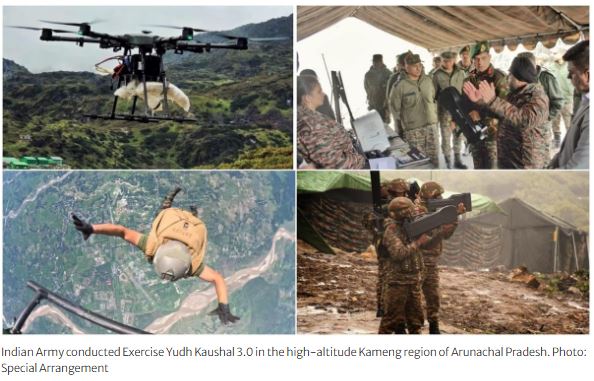
The Indian Army recently conducted Exercise Yudh Kaushal 3.0 in the high-altitude Kameng region of Arunachal Pradesh, reaffirming its preparedness for next-generation warfare in extreme Himalayan terrain.
The exercise underscored the Army’s shift towards multi-domain operations, greater reliance on emerging technologies, and closer engagement with the domestic defence industry.
Key Highlights of the Exercise
- Terrain & Conditions: Conducted in high-altitude, harsh Himalayan conditions, validating combat effectiveness and operational resilience.
- Technological Integration: Featured drone surveillance, precision strikes, real-time target acquisition, air–littoral operations, and synchronized battlefield tactics, reflecting the Army’s technological adaptation.
- Debut of ASHNI Platoons: Marked the first operational deployment of the newly raised ASHNI platoons, designed to combine advanced technology with traditional combat expertise for decisive battlefield advantage.
- Indigenous Defence Industry Participation: Reflected India’s emphasis on Atmanirbhar Bharat and the “Decade of Transformation,” with active involvement of the domestic defence sector.
Strategic Significance
- Demonstrated India’s ability to conduct large-scale, coordinated operations in sensitive border regions.
- Validated the Army’s preparedness for multi-domain conflicts involving land, air, cyber, and unmanned systems.
- Reinforced the importance of self-reliance in defence technology by incorporating indigenous systems in live combat simulations.
- Showcased India’s resolve to maintain combat superiority in high-altitude operational theatres along the Line of Actual Control (LAC).
Pradhan Mantri Garib Kalyan Anna Yojana (PMGKAY)
- 05 Sep 2025
In News:
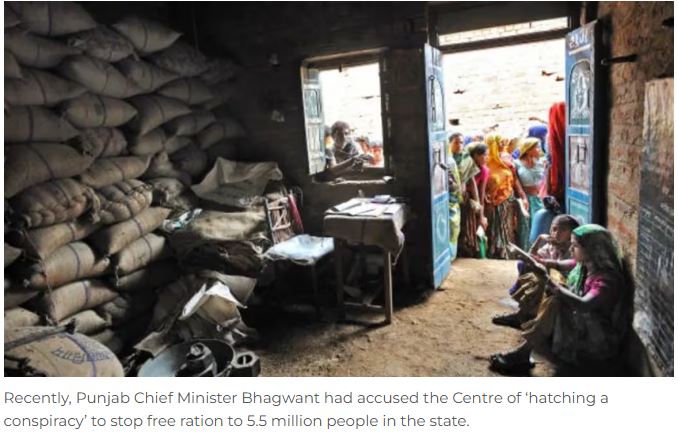
The Pradhan Mantri Garib Kalyan Anna Yojana (PMGKAY), launched in March 2020 as a COVID-19 relief measure, has evolved into one of the world’s largest food security initiatives.
Implemented under the National Food Security Act (NFSA), 2013, the scheme provides free rice and wheat to eligible households through the Public Distribution System (PDS). While it has ensured nutritional security for ~81 crore people, the soaring food subsidy bill (?2.03 lakh crore in FY26) has prompted the Union government to initiate a review for fiscal sustainability.
Key Features of PMGKAY
- Coverage: ~81.35 crore beneficiaries (75% rural, 50% urban population).
- Entitlements:
- Antyodaya Anna Yojana (AAY): 35 kg per family per month.
- Priority Households (PHH): 5 kg per person per month.
- Annual Distribution: 56–58 million tonnes of foodgrains.
- Mode of Delivery: ~5.4 lakh fair price shops (FPSs).
- Cost: Entirely free of cost since January 2023 (earlier, NFSA beneficiaries paid nominal prices).
- Transparency Measures: 83% Aadhaar-based e-KYC completed; 204 million household ration cards seeded.
Current Review and Concerns
- Rising Subsidy Burden
- Food subsidy bill has crossed ?2 lakh crore in FY26, widening the fiscal strain.
- Gap between economic cost (procurement, storage, transportation) and issue prices has grown, since prices were never revised after NFSA’s enactment.
- Ineligible Beneficiaries
- About 10% of the 800 million listed beneficiaries were found in government databases (taxpayers, vehicle owners, company directors, etc.).
- Several beneficiaries did not lift their share of grains for months.
- States like Rajasthan, Odisha, and Madhya Pradesh have started removing ineligible ration cards.
- Re-verification Drive
- States asked to reverify ration cards issued a decade ago to weed out ineligible households and add new ones.
- Field verification and inter-ministerial data convergence with CBDT, CBIC, MCA, Road Transport, and PM-Kisan databases are being carried out.
- Equity Concerns
- In some cases, single-member AAY households received 35 kg/month, raising questions on fairness.
- Conversely, deserving families remain excluded due to outdated lists.
Reform Measures Underway
- Database Cleansing: Aadhaar-based authentication to ensure rightful targeting.
- Infrastructure Creation: ?1.25 lakh crore project for modern grain storage in cooperatives and integration of PACS godowns into the supply chain.
- Policy Options:
- Introducing a partial cost-sharing model for better-off sections.
- Rationalising coverage to focus more on nutritional outcomes (shift to nutri-cereals).
- Savings redirected towards agri-R&D, irrigation, and value chain efficiency.
YudhAbhyasExercise
- 04 Sep 2025
In News:
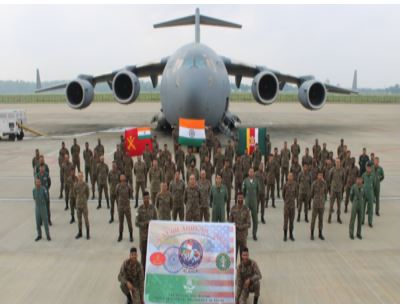
Despite rising bilateral tariff tensions, India and the United States have commenced their largest-ever edition of the YudhAbhyas Army exercise at Fort Wainwright, Alaska. The two-week-long exercise underscores the strategic depth of the India–US defence partnership, even amid political and trade frictions.
About YudhAbhyas Exercise
- Nature: Annual bilateral military exercise between the Indian Army and the US Army.
- Initiation: Started in 2004 under the India–US Defence Cooperation Framework.
- Hosting: Conducted alternately in India and the US.
- Focus: Joint training in counter-terrorism, peacekeeping, mountain and high-altitude warfare.
2025 Edition Highlights
- Location: Fort Wainwright, Alaska — subarctic conditions comparable to Himalayan terrain.
- Indian Participation: Over 450 soldiers from the Madras Regiment.
- US Participation: Troops from the 5th Infantry Regiment “Bobcats”, Arctic Wolves Brigade Combat Team, 11th Airborne Division.
Training Features
- Joint heliborne operations.
- Surveillance and UAV deployment.
- Rock-craft and mountain warfare.
- Casualty evacuation and combat medical aid.
- Integrated use of artillery, aviation, and electronic warfare.
Strategic Significance
- Operational Readiness
- Enhances interoperability and coordination in extreme cold climates, vital for Himalayan and Arctic theatres.
- Strengthens joint capabilities in counter-terrorism, peace support, and disaster relief operations.
- Defence Cooperation Beyond Exercises
- The US has secured Indian defence deals worth over $25 billion since 2007.
- Recent major acquisitions:
- 99 GE-F404 turbofan engines (for Tejas Mk-1A fighters) worth $716 million.
- Proposed deal for 113 more engines worth $1 billion.
- 31 MQ-9B Predator drones worth $3.8 billion, deliveries expected in 2029–30.
- Geopolitical Context
- Exercises continue despite 50% tariffs imposed by the US on India under President Trump, straining economic ties.
- Defence cooperation remains resilient, reflecting two decades of strategic partnership.
- India balances ties with Russia and cautiously re-engages with China, maintaining its strategic autonomy.
- Quad Linkages
- Parallel planning is underway for the Malabar Naval Exercise among Quad nations (India, US, Japan, Australia) off Guam in November 2025, further deepening maritime security collaboration in the Indo-Pacific.
PM SVANidhi 2.0
- 01 Sep 2025
In News:
The Prime Minister Street Vendor’s AtmaNirbhar Nidhi (PM SVANidhi) Scheme, launched on 1st June 2020 amidst the COVID-19 crisis, has emerged as a landmark initiative for supporting urban street vendors by providing collateral-free working capital loans, promoting digital inclusion, and enabling social security access.
In August 2025, the Union Cabinet approved the restructuring and extension of the scheme till 31st March 2030, with an enhanced outlay of ?7,332 crore to benefit 1.15 crore beneficiaries, including 50 lakh new entrants.
Key Features of the Restructured Scheme
- Enhanced Loan Tranches
- 1st tranche: ?15,000 (earlier ?10,000)
- 2nd tranche: ?25,000 (earlier ?20,000)
- 3rd tranche: ?50,000 (unchanged)
- UPI-linked RuPay Credit Card
- Available for vendors who have repaid the second loan.
- Ensures instant credit access for business and personal needs.
- Digital Incentives
- Cashback up to ?1,600 on digital transactions.
- Promotes financial literacy and digital adoption.
- Expanded Coverage
- From statutory towns to census towns, peri-urban areas, in a phased manner.
- Capacity Building & Convergence
- Training in entrepreneurship, financial literacy, and digital skills.
- Food safety & hygiene certification for street food vendors in partnership with FSSAI.
‘SVANidhi se Samriddhi’ Component
- Ensures saturation coverage of welfare schemes for vendors’ families.
- Monthly Lok Kalyan Melas to connect beneficiaries with schemes like PM Suraksha Bima Yojana, PM Jeevan Jyoti Bima Yojana, Ayushman Bharat, and PM Jan Dhan Yojana.
Achievements Till Date (as of July 2025)
- 96 lakh loans disbursed worth ?13,797 crore to 68 lakh vendors.
- 47 lakh digitally active beneficiaries with over 557 crore transactions worth ?6.09 lakh crore.
- ?241 crore cashback earned by vendors.
- 46 lakh beneficiaries profiled across 3,564 ULBs, leading to 1.38 crore scheme sanctions.
- Recognitions:
- PM’s Award for Excellence in Public Administration (2023) for Innovation.
- Silver Award (2022) for Government Process Re-engineering in Digital Transformation.
SarvottamYudhSeva Medals
- 24 Aug 2025
In News:
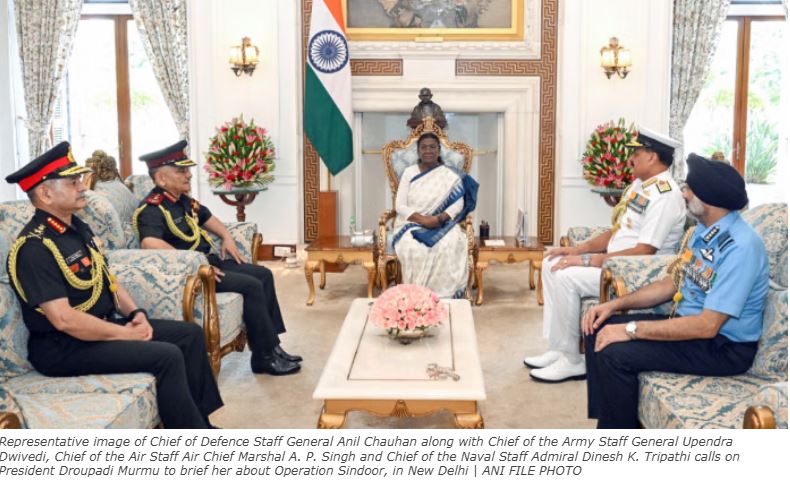
On the eve of the 79th Independence Day, President DroupadiMurmu approved the awarding of seven SarvottamYudhSeva Medals (SYSM), the nation’s highest wartime distinguished service honour, to the leaders of Operation Sindoor, marking the first such awards since the Kargil War.
About the SarvottamYudhSeva Medal:
- Institution: 26 June 1980, to recognise distinguished service of the highest order during war, conflict, or hostilities.
- Eligibility: All ranks of the Army, Navy, Air Force, including Territorial Army Units, Auxiliary and Reserve Forces, and lawfully constituted Armed Forces when embodied. Nursing officers and members of the Nursing Services are also eligible. Awards can be given posthumously.
- Design: Circular medal, 35 mm in diameter, gold gilt, with the State Emblem and inscription “SARVOTTAM YUDH SEVA MEDAL” on the obverse, and a five-pointed star on the reverse. The ribbon is golden with a red vertical stripe in the centre. Subsequent awards are recognised by a Bar on the ribbon with a miniature insignia.
- Significance: Considered the wartime equivalent of the Param VishishtSeva Medal (PVSM) for exceptional service in peacetime. Previously awarded to three officers for Kargil War leadership: Lt Gen Amarjit Singh Kalkat, Air Marshal Vinod Patney, and Lt Gen Hari Mohan Khanna.
Pradhan Mantri Viksit Bharat Rozgar Yojana
- 23 Aug 2025
In News:
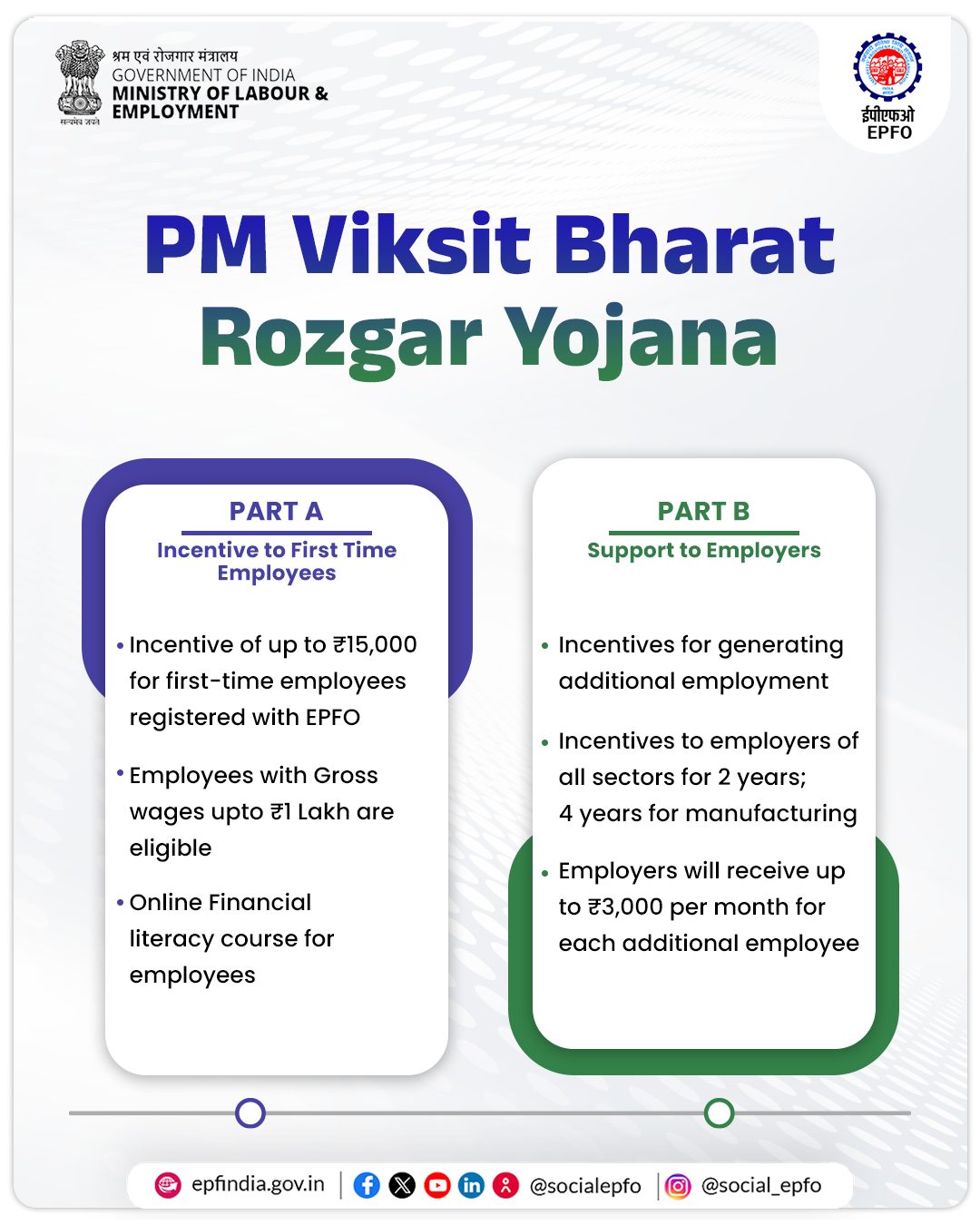
In his 12th Independence Day address from the Red Fort (15 August 2025), Prime Minister Narendra Modi announced the launch of the Pradhan Mantri Viksit Bharat Rozgar Yojana (PMVBRY). With an ambitious financial outlay of nearly ?1 lakh crore, the scheme aims to generate over 3.5 crore jobs in two years, representing a landmark initiative to strengthen the bridge from Swatantra Bharat to Samriddha Bharat through massive employment creation.
Objectives
The scheme seeks to:
- Boost formal job creation by offering direct financial incentives to both employees and employers.
- Promote workforce formalisation by bringing more workers under the ambit of the Employees’ Provident Fund Organisation (EPFO).
- Encourage savings and financial literacy among youth entering the workforce for the first time.
- Catalyse employment growth in the manufacturing sector, a critical pillar of Make in India and Atmanirbhar Bharat.
Key Features of the Scheme
Part A – Support to First-Time Employees
- Targets first-time employees registered with EPFO.
- Provides one month’s EPF wage support up to ?15,000, disbursed in two instalments:
- First instalment after 6 months of continuous service.
- Second instalment after 12 months, subject to completion of a financial literacy programme.
- Incentive is partly locked in a savings/deposit account to encourage long-term financial discipline.
- Employees earning up to ?1 lakh per month are eligible.
- Expected to benefit 1.92 crore first-time employees.
Part B – Incentives for Employers
- Employers will be incentivised to create additional formal jobs, with a focus on manufacturing.
- Incentive: up to ?3,000 per employee per month for two years, provided the employment is sustained for at least six months.
- For the manufacturing sector, support will extend to the 3rd and 4th year as well.
- Expected to facilitate the creation of 2.6 crore jobs.
Incentive Payment Mechanism
- Payments to employees under Part A will be made via Direct Benefit Transfer (DBT) using the Aadhaar Bridge Payment System (ABPS).
- Payments to employers under Part B will be credited directly into PAN-linked accounts.
Pradhan Mantri National Dialysis Programme (PMNDP)
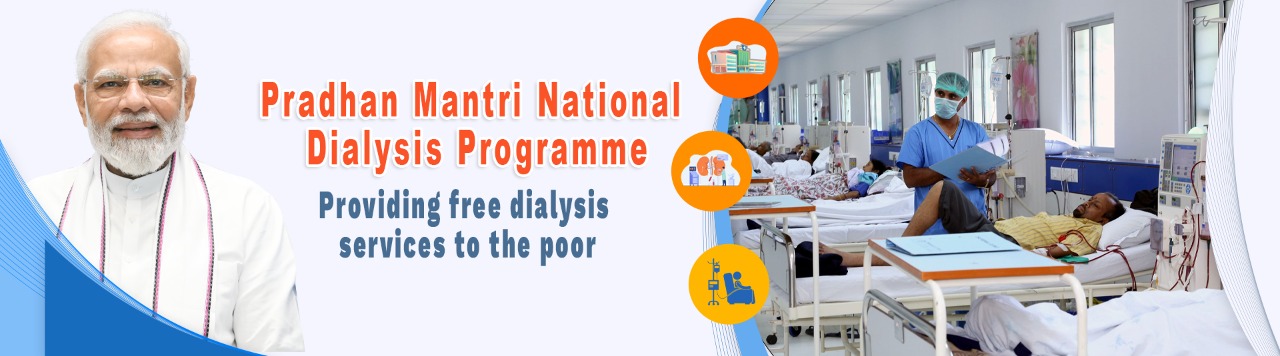
- 05 Aug 2025
In News:
The Pradhan Mantri National Dialysis Programme (PMNDP) has been significantly expanded by the Government of India and is now operational in all 36 States and Union Territories, covering 751 districts. As of June 30, 2025, a total of 1,704 dialysis centres are functional under the programme.
Background and Objectives
- Launched in 2016, the PMNDP aims to provide free dialysis services to patients suffering from end-stage kidney failure, with special focus on Below Poverty Line (BPL) beneficiaries.
- It is implemented under the National Health Mission (NHM) in Public-Private Partnership (PPP) mode.
- The programme addresses the rising burden of chronic kidney disease and aims to ensure equitable access to life-saving renal care across India.
Key Features
- Dialysis Services: Supports both Haemodialysis and Peritoneal Dialysis.
- Infrastructure Expansion: Initially recommended at all district hospitals, with flexibility to scale down to Community Health Centres (CHCs), especially in remote and tribal regions.
- PMNDP Portal: Integrates all NHM-supported dialysis centres, facilitates creation of a renal registry, and ensures service portability within states (“One State–One Dialysis”) and eventually nationwide (“One Nation–One Dialysis”).
- Funding Mechanism: The NHM provides financial assistance to States/UTs for setting up and operating dialysis centres.
- Implementation Strategy: Expansion is based on gap assessments carried out by States/UTs as part of their annual Programme Implementation Plans (PIPs).
Significance
- Health Equity: Extends life-saving kidney care to vulnerable groups, including rural and tribal populations.
- Cost Reduction: Provides free dialysis, reducing the out-of-pocket burden on families.
- Data Integration: The renal registry aids in epidemiological tracking and planning of kidney health interventions.
- Public Health Impact: Strengthens India’s healthcare delivery under Universal Health Coverage (UHC) goals.
Setubandha Scholar Scheme

- 31 Jul 2025
In News:
The Setubandha Scholar Scheme (also referred to as Setubandha Vidwan Yojana) is a pioneering national initiative launched by the Ministry of Education to integrate scholars from traditional gurukuls into India's mainstream research ecosystem—especially at premier institutions like IITs.
Key Highlights:
- Objective: To formally recognise traditional learning and connect Indian Knowledge Systems (IKS) with modern scientific disciplines.
- Implementing Agency: Indian Knowledge System (IKS) division under the Central Sanskrit University (CSU).
- Eligibility: Minimum 5 years of rigorous study in a recognised gurukul and proven expertise in Shastras or traditional knowledge. No formal academic degree is required.
- Age Limit: Maximum 32 years.
Fellowships & Research Grants:
|
Category |
Fellowship (per month) |
Annual Research Grant |
Equivalent Academic Level |
|
Category 1 |
?40,000 |
?1,00,000 |
Postgraduate (Master’s) |
|
Category 2 |
?65,000 |
?2,00,000 |
Doctoral (PhD) |
- Research Domains (18 Fields): Ayurveda, health sciences, mathematics, astronomy, physics, grammar, strategic studies, political theory, cognitive science, architecture, performing arts, and more.
- Notable traditional categories include Anvikshiki Vidya (philosophy), Ganit-Bhaut-Jyotish Vidya (mathematics, physics, astronomy), and Bhaishajya-Arogya Vidya (health sciences).
Policy Context: NEP 2020 and Beyond
The scheme is a direct outcome of reforms envisioned under the National Education Policy (NEP) 2020, which emphasizes integrating traditional Indian knowledge systems with modern education, promoting multidisciplinary learning, and creating a flexible, inclusive research environment.
NEP-Driven Initiatives Linked to Setubandha:
- Nipun Bharat: Improved foundational literacy and numeracy by Class 2.
- Vidya Pravesh & Balvatikas: Early childhood education integration.
- Bharatiya Bhasha Pustak Yojana: Democratizing Indian language access.
- National Digital Depository for IKS: Repository of classical knowledge.
- PM Shri Schools: Model schools aligned with NEP's vision.
- Academic Bank of Credits (ABC) and Multiple Entry-Exit options.
- Anusandhan NRF & PMRF 2.0: Boosting research funding and fellowships.
- Global Outreach: Foreign universities (e.g., Deakin, Wollongong) setting up campuses in India.
Wider Impact and Significance:
- Institutional Recognition: For the first time, gurukul-trained scholars can pursue advanced research alongside IIT peers.
- Inclusivity in Education: Enables non-formal scholars to access elite academic spaces.
- Global Relevance: As interest grows in Ayurveda, Yoga, Sanskrit linguistics, and indigenous governance, India is positioning itself as a global knowledge hub.
- Empowerment of Marginalised Groups: Over 7.12 lakh girls in Kasturba Gandhi Balika Vidyalayas, and hostel schemes for PVTGs reflect NEP’s inclusive approach.
Mera Gaon Mera Dharohar Programme
- 31 Jul 2025
In News:
The Mera Gaon Meri Dharohar (MGMD) initiative is a nationwide cultural mapping project launched by the Ministry of Culture on 27th July 2023 as part of the Azadi Ka Amrit Mahotsav. It operates under the National Mission on Cultural Mapping (NMCM) and is implemented by the Indira Gandhi National Centre for the Arts (IGNCA).
Key Highlights:
- Objective: To digitally document and preserve the intangible cultural heritage of all 6.5 lakh villages across India through a comprehensive virtual cultural portfolio.
- Current Status (as of 2025):
- Over 4.7 lakh villages have been culturally mapped.
- The data is accessible on the MGMD web portal.
- Thematic Categories: Each village is documented based on one or more of seven cultural themes:
- Arts and Crafts Villages
- Ecologically Oriented Villages
- Scholastic Villages (linked to texts and scriptural traditions)
- Epic Villages (associated with Ramayana, Mahabharata, Puranas, and oral epics)
- Historical Villages (linked to local or national history)
- Architectural Heritage Villages
- Other culturally significant villages (e.g., fishing, horticulture, pastoral communities)
Significance:
- Preservation of Heritage: Helps safeguard India’s diverse village-level traditions and practices.
- Cultural Inclusion: Recognizes lesser-known cultural narratives and identities.
- Rural Development: Encourages economic and artistic growth through cultural awareness.
- Digital Cultural Infrastructure: Enables access to cultural data via online platforms.
About National Mission on Cultural Mapping (NMCM)
Launched in 2017, the NMCM is a flagship initiative of the Ministry of Culture aimed at documenting and promoting India’s cultural diversity with a focus on grassroots-level heritage.
Key Components:
- Mera Gaon Meri Dharohar (MGMD) – Mapping of village-level cultural assets.
- Sanskritik Pratibha Khoj – Campaigns to discover artistic talent and promote folk and tribal arts.
- National Cultural Workplace (NCWP) – A digital platform and mobile app to create databases of artists, art forms, and cultural services.
This initiative strengthens India’s commitment to heritage conservation, digital documentation, and self-reliant cultural development, in line with Atmanirbhar Bharat.
Pradhan Mantri Divyasha Kendra (PMDK)
- 17 Jul 2025
In News:
The Union Ministry of Social Justice & Empowerment has recently inaugurated the 75th Pradhan Mantri Divyasha Kendra (PMDK) at the Government Medical College, Badaun, Uttar Pradesh, marking a significant milestone in India's efforts toward inclusive social welfare.
About PMDK
The Pradhan Mantri Divyasha Kendra (PMDK) is a flagship initiative of the Government of India aimed at delivering integrated rehabilitation and assistive services under one roof. It caters primarily to:
- Persons with Disabilities (Divyangjan), as identified under the Rights of Persons with Disabilities Act, 2016.
- Senior Citizens, especially those from economically weaker sections (EWS).
These centres offer comprehensive services including:
- Assessment and evaluation
- Counselling
- Distribution of assistive devices
- Post-distribution follow-up care
Institutional Framework
PMDKs operate under the aegis of the Ministry of Social Justice & Empowerment, and are implemented by the Artificial Limbs Manufacturing Corporation of India (ALIMCO), a Central Public Sector Undertaking under the Department of Empowerment of Persons with Disabilities (DEPwD).
Schemes Implemented through PMDKs
- Assistance to Disabled Persons for Purchase/Fitting of Aids and Appliances (ADIP Scheme): Aims to assist Divyangjan with suitable, durable, and scientifically manufactured aids and appliances.
- Rashtriya Vayoshri Yojana (RVY): Focuses on providing free-of-cost assistive devices to senior citizens from BPL or economically weaker backgrounds.
Beneficiary-Oriented Impact
- With the inauguration of the latest centre in Badaun, the total number of operational PMDKs in the country has reached 75.
- These centres have collectively benefited over 1.4 lakh individuals, distributing assistive devices worth ?179.15 lakh.
- Devices offered include:
- Tricycles, wheelchairs, walkers
- Hearing aids and artificial limbs
- Other mobility and sensory support equipment
Significance and Relevance
The PMDK initiative plays a crucial role in addressing the accessibility gap in health and welfare services for Divyangjan and elderly citizens. By establishing these centres at regional medical hubs, the government is:
- Reducing the travel burden and logistical challenges for beneficiaries.
- Ensuring dignified, timely, and localised support.
- Strengthening the implementation of constitutional and legal mandates under Articles 41 and 46, which call for state support to the vulnerable sections of society.
Dharti AabaJanbhagidari Abhiyan (DAJA)
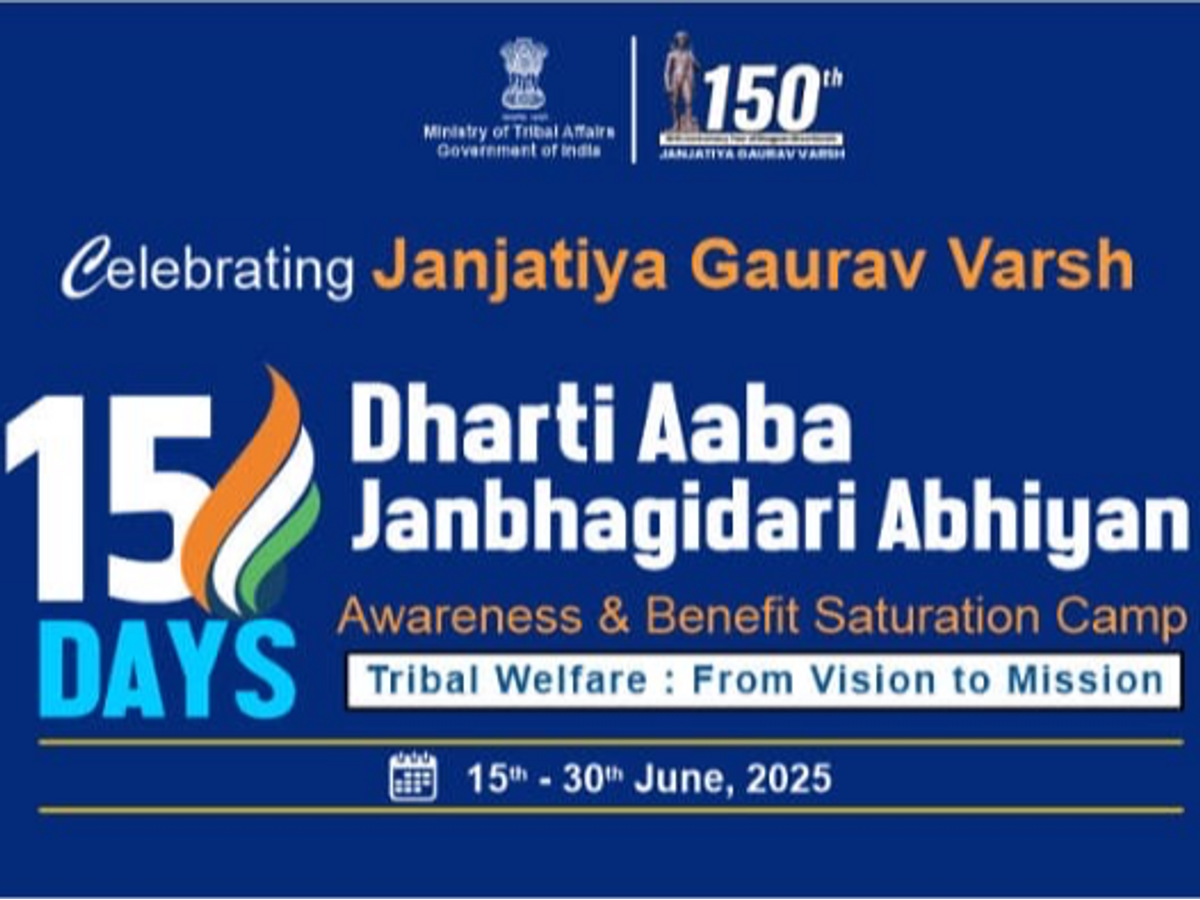
- 28 Jun 2025
In News:
In a landmark initiative for tribal inclusion, the Government of India has launched the Dharti AabaJanbhagidari Abhiyan (DAJA)—India’s largest-ever tribal outreach and empowerment campaign. The programme aims to ensure saturation of welfare schemes and promote tribal pride and participation, covering over 1 lakh tribal villages and PVTG habitations across 31 States and Union Territories.
What is DAJA?
- Full Name: Dharti AabaJanbhagidari Abhiyan — named in honour of Bhagwan Birsa Munda, a revered tribal freedom fighter.
- Launched by: Ministry of Tribal Affairs, Government of India.
- Nature: A people-centric campaign focused on participatory governance and last-mile delivery of services among Scheduled Tribes (STs) and Particularly Vulnerable Tribal Groups (PVTGs).
Objectives of DAJA
- Saturate government welfare schemes across all tribal settlements.
- Empower over 5.5 crore tribal citizens through Janbhagidari (people’s participation).
- Preserve and promote tribal identity and cultural heritage, invoking the legacy of Birsa Munda.
- Strengthen last-mile governance through technological and administrative convergence.
Key Features:
Feature Description
Geographic Coverage - 1 lakh+ tribal villages, including remote PVTG habitations, across 31 States/UTs.
Scheme Integration - Converges services such as Aadhaar, Ayushman Bharat, PM Kisan, PM
Ujjwala, Jan Dhan, pension schemes, and Forest Rights Act (FRA) claims.
Five Foundational Pillars -
- Janbhagidari (people’s participation)
- Saturation of welfare benefits
- Cultural inclusion
- Convergence of schemes
- Last-mile delivery
Technology-Driven Monitoring - Use of real-time dashboards and data analytics for
transparent tracking and reporting.
Cultural Revival - Celebrates tribal cuisines, folk arts, handicrafts, and oral traditions
during outreach camps to reaffirm cultural identity.
Significance:
- Governance: Represents a shift toward targeted and integrated tribal welfare, reducing administrative fragmentation.
- Inclusion: PrioritisesPVTGs, often the most marginalised and underserved groups.
- Empowerment: Embeds a participatory model, aligning with the spirit of democratic decentralisation.
- Cultural Reaffirmation: Bridges the gap between development and cultural identity, crucial for tribal dignity and preservation.
Operation Sindhu
- 21 Jun 2025
In News:
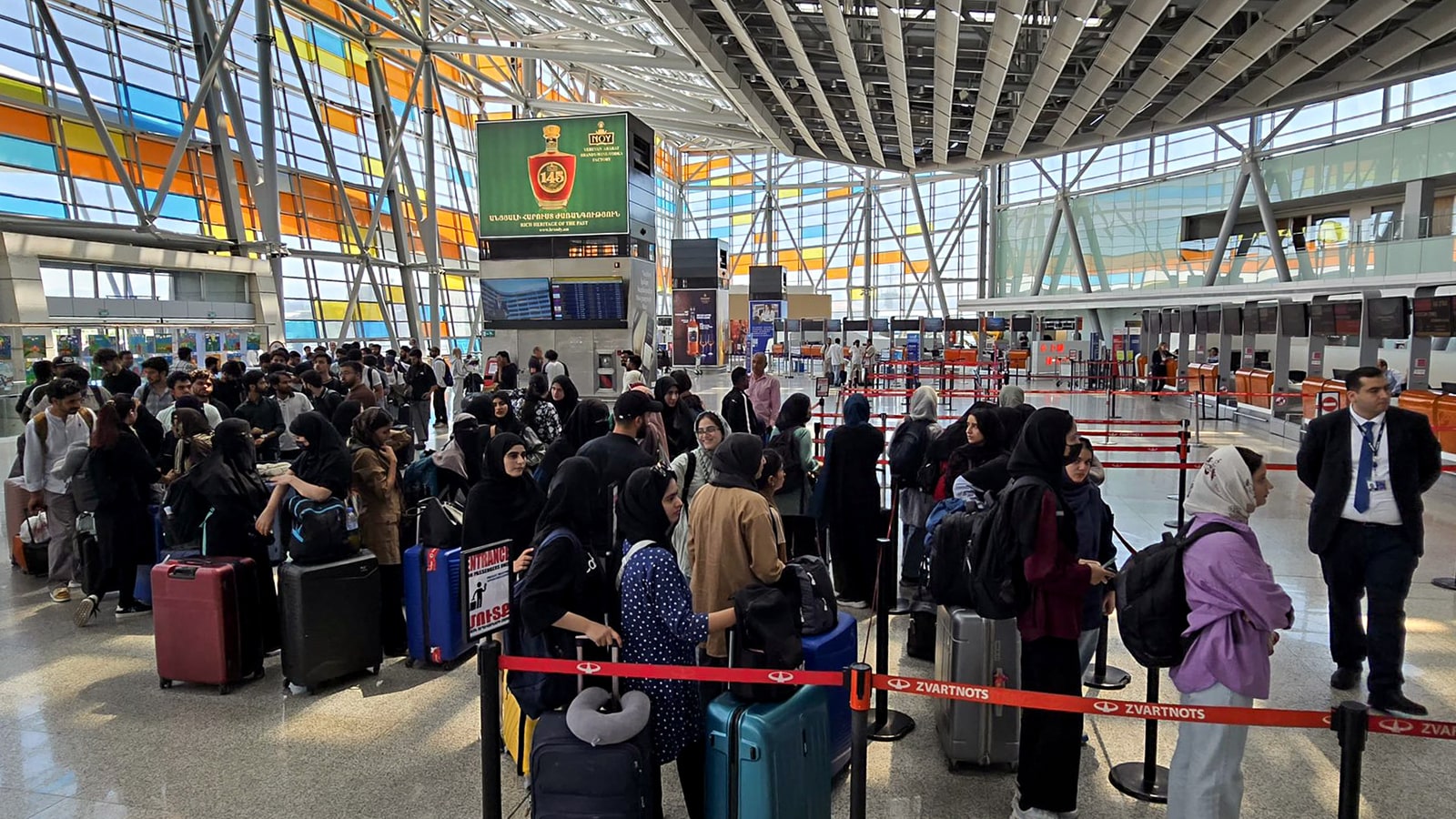
As tensions escalate in West Asia due to the ongoing Iran-Israel conflict, the Government of India has launched Operation Sindhu to evacuate Indian nationals, particularly students, stranded in conflict-affected regions of Iran.
- The first flight under Operation Sindhu, carrying 110 Indian students, successfully landed in New Delhi, marking the beginning of the evacuation process.
What is Operation Sindhu?
Operation Sindhu is a government-led evacuation mission launched in 2025 to ensure the safe repatriation of Indian citizens from war-hit Iran.
- Launched by: Ministry of External Affairs (MEA), Government of India
- Assisted by: Indian Embassies in Iran and Armenia
Objectives:
- To safely evacuate Indian citizens, particularly students, from volatile zones in Iran.
- To coordinate safe land-based exit routes through Armenia, due to restricted or dangerous air routes over Iran.
Key Features of the Operation:
Feature Details
Evacuation Route Northern Iran → Yerevan (Armenia) → New Delhi
Monitoring Real-time updates and continuous monitoring by Indian missions
Coordination Close coordination with governments of Iran and Armenia
Control Room 24/7 MEA Control Room operational in New Delhi
India’s Major Air Evacuation Missions (Chronological Overview):
Mission Name Year Objective
Vande Bharat Mission 2020 Evacuation of Indians stranded abroad during the COVID-19 pandemic
Operation Devi Shakti 2021 Evacuation from Afghanistan after the Taliban takeover
Operation Ganga 2022 Evacuation from Ukraine amid Russia-Ukraine war
Operation Kaveri 2023 Rescue of Indian nationals from conflict-hit Sudan
Operation Ajay 2023 Repatriation of Indians from Israel amid regional conflict
Operation Sindhu 2025 Ongoing evacuation from Iran amid Iran–Israel escalation
Significance for India
- Diaspora Safety: Reinforces India’s commitment to protecting its citizens abroad.
- Diplomatic Efficiency: Reflects India’s growing capabilities in executing rapid and complex evacuation logistics in volatile geopolitical environments.
- Soft Power and Foreign Policy: Enhances India’s global image as a responsible nation ensuring citizen welfare, even beyond borders.
PM-JANMAN and Dharti Aaba Initiatives
- 19 Jun 2025
In News:
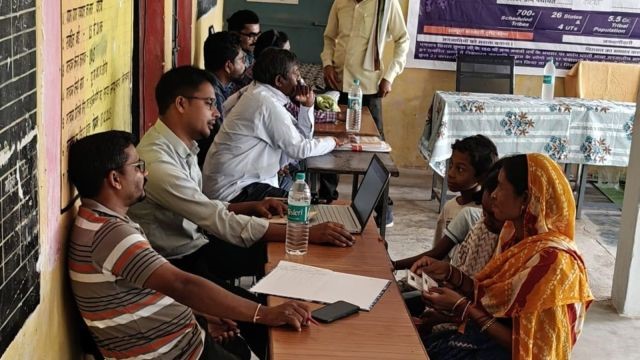
- The Ministry of Tribal Affairs has launched a nationwide outreach campaign targeting over 500 districts and 1 lakh tribal-dominated villages and habitations.
- The campaign aims to ensure benefit saturation and last-mile delivery of welfare schemes under the Pradhan Mantri Janjati Adivasi Nyaya Maha Abhiyan (PM-JANMAN) and the Dharti Aaba Janjatiya Gram Utkarsh Abhiyan.
- This initiative is part of the ongoing Janjatiya Gaurav Varsh (Tribal Pride Year), a year-long celebration started on November 15, 2024 — the birth anniversary of Birsa Munda, a revered anti-colonial tribal icon.
Pradhan Mantri Janjati Adivasi Nyaya Maha Abhiyan (PM-JANMAN)
- Launched: 2023 on Janjatiya Gaurav Diwas
- Focus: Holistic development of Particularly Vulnerable Tribal Groups (PVTGs)
- Type: Includes both Central Sector and Centrally Sponsored Schemes
- Objectives:
- Safe housing (via PMAY)
- Clean drinking water
- Health, nutrition, and education access
- Road and telecom connectivity
- Electrification of unelectrified households
- Sustainable livelihood opportunities
- Time Frame: 3-year targeted implementation
- Vision: Supports Viksit Gaon, Viksit Bharat, and inclusive development with social justice
Dharti Aaba Janjatiya Gram Utkarsh Abhiyan
- Launched: October 2, 2024, by PM Modi in Jharkhand
- Named After: Birsa Munda, also known as Dharti Aaba (Father of the Earth)
- Aim: Transform tribal villages into centres of opportunity and dignity
- Approach:
- Multi-sectoral convergence with 17 line ministries
- 25 targeted interventions for integrated rural development
- Welfare activities include: hostel construction, rural electrification, livestock and fisheries support, housing under PMAY, etc.
- Budget Allocation (Union Budget 2025–26):
- Total: ?79,156 crore over 5 years
- Central Share: ?56,333 crore
- State Share: ?22,823 crore
Outreach Campaign (June 2025) Highlights
- Duration: Fortnight-long outreach starting June 15, 2025
- Coverage: 1 lakh tribal villages and habitations across 500+ districts
- Services at Doorstep:
- Aadhaar and Ayushman Bharat card enrollment
- Forest Rights Act (FRA) land title distribution
- Opening of pension and Jan Dhan accounts
- Goal: Awareness generation and saturation of benefits at block and hamlet levels
- Strategy: On-ground ‘benefit saturation camps’ to popularize uptake of the schemes
Significance
- Focus on PVTGs, who are the most marginalized among tribal communities
- Promotes digital inclusion, financial inclusion, and documentation access
- Demonstrates convergent governance through coordination across ministries
- Reinforces India’s tribal empowerment narrative and acknowledges historical contributions through Birsa Munda's legacy
National e-Vidhan Application (NeVA)

- 08 Jun 2025
In News:
Union Minister of State Dr. L. Murugan will inaugurate the National e-Vidhan Application (NeVA) for the Puducherry Legislative Assembly.
What is NeVA?
- Full Form: National e-Vidhan Application
- Launched by: Ministry of Parliamentary Affairs (MoPA)
- Aim: Make legislative functioning paperless across all 37 State/UT legislatures under the idea of “One Nation – One Application.”
Key Features:
- Unified digital platform for legislative work
- Enables real-time document access, online notices, and session management
- Integrates AI/ML-based real-time translation (via partnership with BHASHINI, MeitY)
- Promotes transparency, efficiency, and environmental sustainability
Funding & Implementation:
- Approved by: Public Investment Board (PIB) on 15 January 2020
- Budget: ?673.94 crore
- Model: Centrally Sponsored Scheme (CSS)
Significance:
- Digital transformation of legislative processes
- Creation of a central data repository
- Enhanced inter-legislature connectivity
- Boosts Digital India and Good Governance goals
Udhampur-Srinagar-Baramulla Rail Link (USBRL)
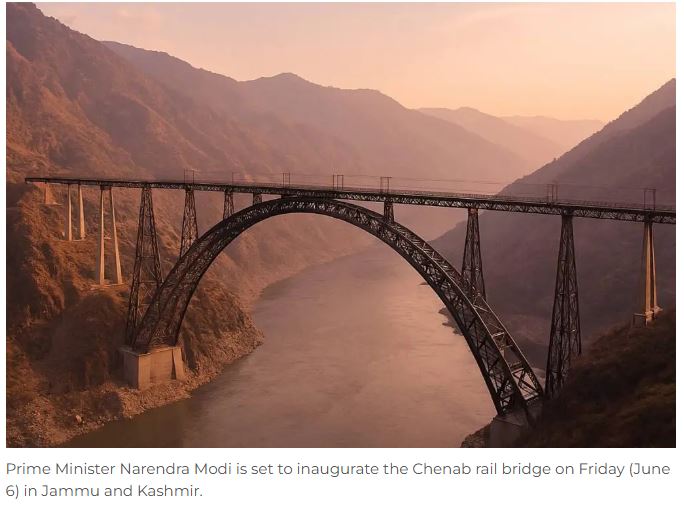
- 06 Jun 2025
In News:
The Udhampur-Srinagar-Baramulla Rail Link (USBRL) is a transformative 272-km railway project aimed at connecting the Kashmir Valley to the Indian Railways network. With Prime Minister Narendra Modi inaugurating the Chenab Rail Bridge and flagging off Vande Bharat trains in June 2025, the project nears full operationalization.
Key Details:
Chenab Rail Bridge – World’s Highest Railway Arch Bridge
- Height: 359 metres above riverbed (taller than the Eiffel Tower).
- Length: 1,315 metres; Arch span: 467 metres.
- Status: Highest railway arch bridge in the world.
- Engineering feat in Reasi district, Jammu and Kashmir.
Strategic All-Weather Connectivity
- Reduces dependency on the Srinagar-Jammu highway, which is prone to closure due to snow and landslides.
- Ensures year-round transportation and supply lines.
Enhanced Military Mobility
- Enables rapid movement of troops and equipment to border regions.
- Crucial for national security due to the region's proximity to international borders.
- Designed to withstand blasts and harsh weather.
Anji Bridge – India’s First Cable-Stayed Rail Bridge
- Length: 473 metres; Height: 331 metres.
- Located on the Katra-Banihal section.
- Supported by 48 cables, suitable for rugged Himalayan terrain.
Vande Bharat Connectivity
- High-speed trains introduced on Katra–Srinagar route.
- Improves passenger comfort and reduces travel time.
Economic Boost via Trade
- Improves market access for Kashmiri products: apples, saffron, handicrafts, and dry fruits.
- Facilitates faster freight movement, integrating the region into national trade networks.
Tourism Promotion
- Easier access to religious and scenic sites.
- Expected to boost tourism post disruptions (e.g., Pahalgam incident).
- Cheaper and faster rail travel enhances domestic footfall.
Engineering Resilience
- Chenab Bridge:
- Blast-resistant (withstands up to 40 kg TNT).
- Wind resistant (up to 260 kmph).
- Seismic-resilient with a 120-year design life.
- Symbol of India’s capability in building infrastructure in high-risk zones.
Time Efficiency
- Travel time between Jammu and Srinagar will reduce from 6 hours (by road) to 3–3.5 hours (by rail).
- Facilitates emergency services, logistics, and routine travel.
National Integration and Inclusion
- 943 bridges, 36 tunnels covering 119 km — overcoming Himalayan terrain challenges.
- Integrates remote districts of Jammu & Kashmir into India's railway grid.
- Promotes inclusive development and better governance outreach.
DHRUVA(Digital Hub for Reference and Unique Virtual Address)
- 01 Jun 2025
In News:
In May 2025, the Department of Posts, under the Ministry of Communications, released the policy framework for DHRUVA (Digital Hub for Reference and Unique Virtual Address) — a key initiative aimed at creating a standardized, geo-coded digital address infrastructure across India.
What is DHRUVA?
DHRUVA is a Digital Public Infrastructure (DPI) initiative that conceptualizes Address-as-a-Service (AaaS) — a secure, consent-based, and interoperable system for managing and sharing address data. It builds upon the earlier DIGIPIN (Digital Postal Index Number) system, which created a national-level, geo-tagged addressing grid for improved governance and service delivery.
Objectives of DHRUVA
- Transform address information into a digital public good.
- Enable secure, standardized, and interoperable access to address data across sectors.
- Empower users with control and consent over how their address data is shared.
- Promote public-private collaboration in areas like logistics, e-governance, and financial inclusion.
Key Features
- DIGIPIN Backbone: Utilizes the Digital Postal Index Number system, allowing logical and directional naming of addresses with precise geolocation.
- Address-as-a-Service (AaaS): Facilitates seamless address validation, authentication, and sharing across government and private platforms.
- User Autonomy: Individuals can manage and consent to how their address data is used, ensuring privacy and user-centric governance.
- Open & Inclusive Access: The infrastructure is freely accessible, promoting innovation and broad-based adoption.
- Consent Framework: Address data sharing will be user-approved, ensuring a secure and trusted digital ecosystem.
Significance of DHRUVA
- Geospatial Governance: Enhances planning, disaster management, and delivery of public services through precise address mapping.
- Improved Logistics & E-Commerce: Enables more efficient last-mile delivery, reducing ambiguity in address identification.
- Financial Inclusion: Facilitates smoother KYC, subsidy disbursement, and service access in rural and underserved areas.
- Ease of Living & Digital India: Aligns with broader national goals by supporting smart governance and digital transformation.
- Public-Private Synergy: Encourages co-creation of solutions by government bodies and private enterprises based on shared, trusted digital address data.
Pradhan Mantri MUDRA Yojana (PMMY)
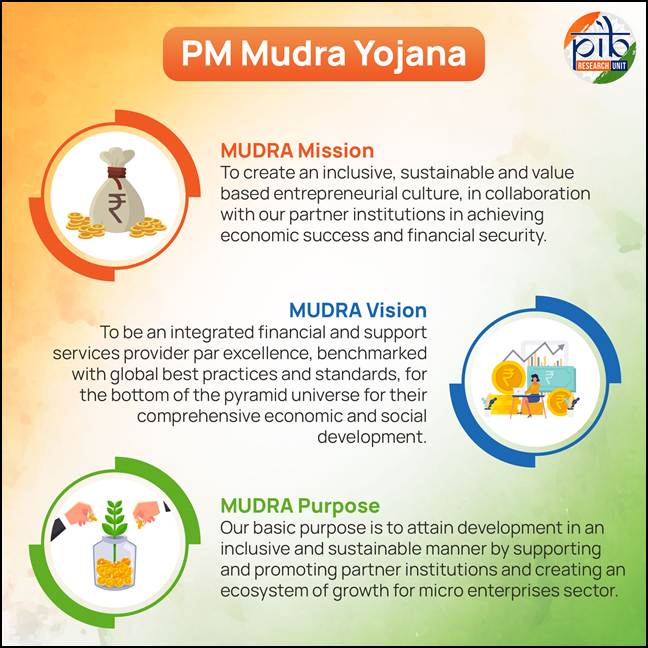
- 08 Apr 2025
In News:
The Pradhan Mantri MUDRA Yojana (PMMY), a flagship initiative aimed at providing financial support to unfunded micro and small enterprises, has completed 10 years since its launch in 2015.
Overview of PMMY
- Objective: To offer collateral-free institutional credit to non-corporate, non-farm micro and small enterprises.
- Loan Limit: Up to ?20 lakh without any collateral.
- Implementing Institutions (MLIs):
- Scheduled Commercial Banks
- Regional Rural Banks (RRBs)
- Non-Banking Financial Companies (NBFCs)
- Micro Finance Institutions (MFIs)
Categories of MUDRA Loans
Loan Category Loan Amount Range
Shishu Up to ?50,000
Kishor ?50,000 to ?5 lakh
Tarun ?5 lakh to ?10 lakh
Tarun Plus ?10 lakh to ?20 lakh
Key Achievements (2015–2025)
- Boost to Entrepreneurship: PMMY has sanctioned over 52 crore loans amounting to ?32.61 lakh crore, catalyzing a grassroots entrepreneurship revolution.
- MSME Sector Financing: Lending to MSMEs increased significantly:
- From ?8.51 lakh crore in FY14
- To ?27.25 lakh crore in FY24
- Projected to exceed ?30 lakh crore in FY25
- Women Empowerment: 68% of Mudra beneficiaries are women, highlighting the scheme’s impact in fostering women-led enterprises.
- Social Inclusion:
- 50% of loan accounts are held by SC, ST, and OBC entrepreneurs.
- 11% of beneficiaries belong to minority communities, showcasing PMMY’s contribution to inclusive growth.
DRR Dhan 100 (Kamala) &Pusa DST Rice 1
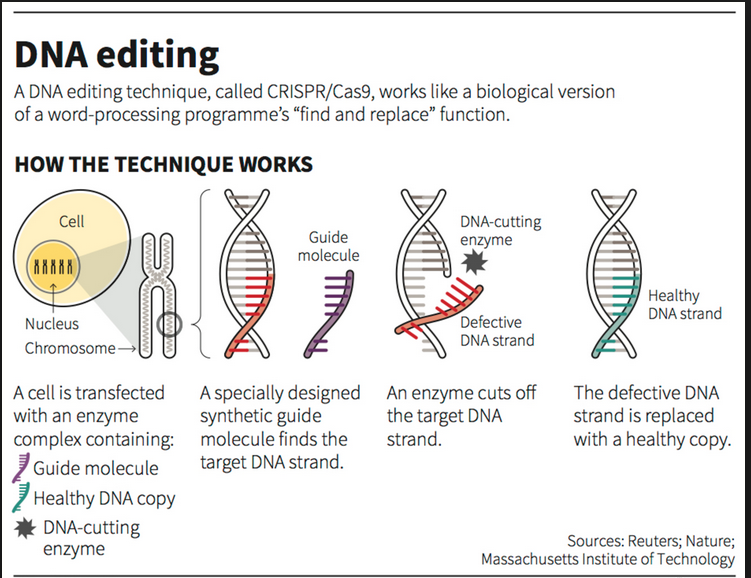
- 06 May 2025
In News:
- Recently, the Union Ministry of Agriculture and Farmers’ Welfare launched India’s first genome-edited rice varieties—DRR Dhan 100 (Kamala) and Pusa DST Rice 1.
- Developed by ICAR-IIRR (Hyderabad) and ICAR-IARI (New Delhi) using CRISPR-Cas9 technology under SDN1/SDN2 methods.
About the Varieties
DRR Dhan 100 (Kamala)
- Developed by: ICAR-Indian Institute of Rice Research (IIRR), Hyderabad
- Parent variety: Samba Mahsuri (BPT 5204)
- Features:
- 19% increase in yield
- Matures in ~130 days (20 days earlier than parent)
- Stronger stem – reduces lodging
- Saves ~7,500 million cubic meters of irrigation water
- Lower methane emissions
- Edited gene: CKX2 (Gn1a) – increases grain number per panicle
Pusa DST Rice 1
- Developed by: ICAR-Indian Agricultural Research Institute (IARI), New Delhi
- Parent variety: MTU 1010 (Cotton Dora Sannalu)
- Features:
- Improved tolerance to drought and salinity
- Yield increase: Up to 30.4% in saline/alkaline soils
- Edited gene: DST gene
- Developed using SDN1 genome editing – no foreign DNA inserted
Technology Used
- CRISPR-Cas9 genome editing system:
- Enables precise editing of native genes without inserting foreign DNA
- SDN1/SDN2 methods approved by India’s biosafety regulations
- Genome editing vs GMOs:
- Genome editing makes internal gene alterations
- GMOs involve insertion of foreign genetic material
- GM crops are banned for cultivation/import in India (except Bt cotton)
Benefits Claimed
- Increased agricultural productivity:
- 19% increase in yield (DRR Dhan 100)
- Up to 30.4% increase in saline soils (Pusa DST Rice 1)
- Environmental benefits:
- Reduced greenhouse gas emissions (~20%)
- Lower methane release due to early maturation
- Major water conservation
- Target states: Andhra Pradesh, Telangana, Tamil Nadu, Kerala, Karnataka, Chhattisgarh, Maharashtra, Madhya Pradesh, Odisha, Jharkhand, Bihar, Uttar Pradesh, West Bengal, and Puducherry
Concerns and Criticisms
Biosafety and Unintended Effects
- Unintended mutations: CRISPR-Cas enzymes may cause off-target gene edits, potentially resulting in unknown protein formations.
- Lack of global standardisation on enzyme concentration and specificity.
- Some scientists warn of genetic instability in SDN1-based edits.
Seed Sovereignty & Intellectual Property Rights (IPR)
- Genome editing tools are IPR-protected, raising concerns over farmers' seed sovereignty.
- Activist groups like Coalition for a GM-Free India demand transparency on IPR ownership and oppose reliance on proprietary technologies.
- Risk of monoculture, loss of rice genetic diversity, and trade barriers for India’s non-GM rice exports.
Policy and Regulatory Framework
- India’s biosafety guidelines (2022) permit SDN1 and SDN2 genome editing for general crops.
- The Union Budget 2023–24 allocated ?500 crore for advancing genome editing in agriculture.
- ICAR expanding genome editing to oilseeds and pulses.
Delhi Joins National e-Vidhan Application (NeVA)
- 29 Mar 2025
In News:
The Delhi Legislative Assembly has become the 28th legislature in India to sign a tripartite Memorandum of Understanding (MoU) with the Ministry of Parliamentary Affairs (MoPA) and the Government of NCT of Delhi for implementing the National e-Vidhan Application (NeVA). This move marks a significant advancement in India's push for paperless, transparent, and efficient legislative processes.
About NeVA:
- Developed by: Ministry of Parliamentary Affairs
- Hosted on:Meghraj 2.0, India’s national cloud infrastructure
- Objective: To digitize legislative operations across State Legislatures and Union Territory Assemblies
- Vision: Aligned with the “One Nation, One Application” initiative
Key Features:
Feature Description
Device-Neutral Accessible via smartphones, tablets, laptops, and desktops
Real-Time Access Legislators can view agendas, bills, questions, committee reports, and proceedings anytime
Digital Repository Secure storage for legislative documents with confidentiality and integrity
Multilingual Support Facilitates linguistic inclusivity across India
Member-Centric Tools Access to member directories, notices, starred/unstarred Q&A, digital bulletins, and
house business
Public Interface Allows citizens and media to access legislative documents and updates
Smart Legislative Tools Aids Speakers/Chairs in conducting proceedings smoothly
Stakeholders Benefiting from NeVA:
- Members of Legislative Assemblies and Councils
- Government Ministers and Department Staff
- Assembly Secretariat Officials
- Media and General Public
Delhi’s Onboarding Highlights:
- Signed By: Ministry of Parliamentary Affairs, Delhi Legislative Assembly, and GNCTD
- Purpose: To empower Delhi MLAs with digital tools and reduce paper-based procedures
- Significance: Part of Delhi’s 100-day governance agenda aimed at modernization and transparency
Madhav National Park
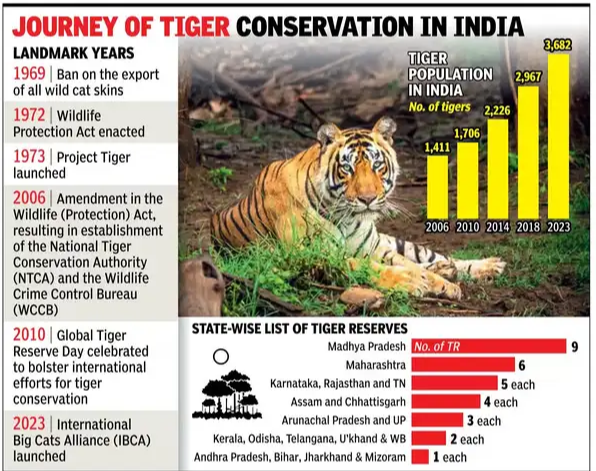
- 13 Mar 2025
In News:
Madhav National Park in Madhya Pradesh has been declared India’s 58th Tiger Reserve and the 9th in Madhya Pradesh, strengthening the state's status as a leader in tiger conservation.
About Madhav National Park
- Location: Shivpuri district, Madhya Pradesh; part of the Chambal region and the Upper Vindhyan Hills on the northern fringe of the Central Highlands.
- Established: As Madhya Bharat National Park in 1955; renamed Madhav National Park in 1959.
- National Park Status: Since 1958.
- Area: Approx. 354 sq km (expanded from 165 sq km).
- Historical Significance: Former hunting ground of Mughal emperors and Maharaja of Gwalior; named after Maharaja Madhav Rao Scindia.
Ecological Profile
- Vegetation:
- Northern Tropical Dry Deciduous Forests
- Dry Thorn Forests typical of North-Western Madhya Pradesh
- Fauna:
- Large Mammals: Tigers, leopards, wolves, jackals, foxes, wild dogs
- Antelopes: Nilgai, Chinkara, Chowsinga
- Deer Species: Chital, Sambar, Barking Deer
- Others: Crocodiles, porcupines, wild pigs, pythons
- Aquatic Ecosystems:
- Two major lakes: Sakhya Sagar and Madhav Sagar support aquatic biodiversity
Tiger Conservation Highlights
- Declared a Tiger Reserve: In 2024, becoming India’s 58th and Madhya Pradesh’s 9th.
- Tiger Reintroduction: Began in 2023; currently home to five tigers, including two cubs.
- Core and Buffer Zones:
- Core Zone: Strictly protected, no human activity
- Buffer Zone: Allows limited, regulated human use to support coexistence
Governance and Protection Framework
- Tiger Reserve Status:
- Notified under Section 38V of the Wildlife Protection Act, 1972
- Falls under Project Tiger (1973), monitored by the National Tiger Conservation Authority (NTCA)
- Approval Process:
- State Government Proposal
- NTCA Evaluation
- MoEFCC Final Notification
- Monitoring System: M-STrIPES (Monitoring System for Tigers – Intensive Protection and Ecological Status) used for surveillance and conservation.
PashuAushadhi Initiative
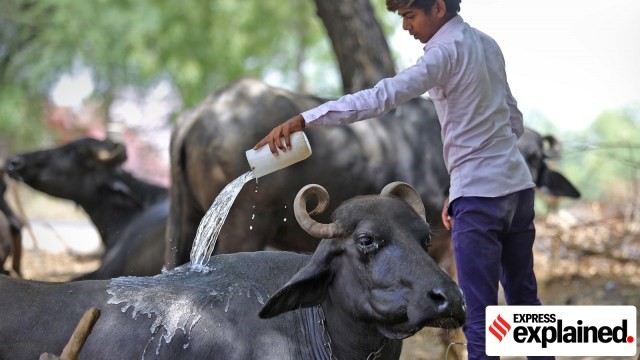
- 12 Mar 2025
In News:
The Government of India has launched the PashuAushadhi initiative to establish dedicated stores across the country offering affordable, high-quality generic veterinary medicines. This move aims to reduce the out-of-pocket expenditure of farmers and enhance animal health and productivity, especially in the livestock and dairy sectors.
Key Features:
- Modelled on PMBJK: Inspired by the success of the Pradhan Mantri BharatiyaJanaushadhiKendras (PMBJK) that provide generic human medicines, the PashuAushadhiKendras will serve the same purpose for animals.
- Affordable Veterinary Drugs: These Kendras will provide non-branded (generic) veterinary medicines at significantly lower prices.
- Ethnoveterinary Medicines: Alongside allopathic drugs, they will also stock traditional remedies based on indigenous knowledge, compiled by the National Dairy Development Board (NDDB). These include formulations for fever, diarrhoea, indigestion, mastitis, and more.
Implementation Framework
- The initiative is part of the revised Livestock Health and Disease Control Programme (LHDCP), approved by the Union Cabinet.
- Run by Co-operative Societies & PM-KisanSamriddhiKendras (PMKSKs).
- An initial budget of ?75 crore has been allocated under the LHDCP for veterinary medicine access and sales incentives.
Livestock Health and Disease Control Programme (LHDCP)
- With an outlay of ?3,880 crore for 2024–25 and 2025–26, the LHDCP focuses on:
- Prophylactic vaccination against major animal diseases (e.g., FMD, Brucellosis, CSF, PPR, Lumpy Skin Disease).
- Disease surveillance and veterinary infrastructure strengthening.
- Capacity building of veterinary services across India.
Need and Significance
- As per the 20th Livestock Census (2019), India has 535.78 million livestock, including over 302 million bovines.
- Livestock productivity is often hampered by preventable diseases.
- Farmers bear significant expenses on veterinary care, highlighting the need for cost-effective treatment options.
Payodhi Milk Bank at AIIMS
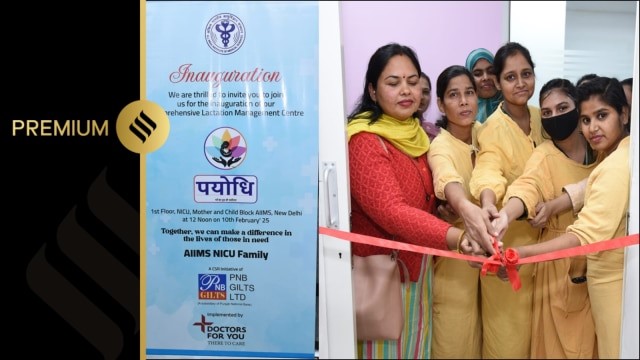
- 07 Mar 2025
In News:
Payodhi, a human milk bank and lactation management centre at AIIMS, New Delhi, has emerged as a critical facility for premature and critically ill newborns in the Neonatal Intensive Care Unit (NICU). Launched in September 2024, it provides pasteurised donor breast milk to newborns who require it due to medical conditions or where the mother cannot breastfeed.
Objectives:
- Provide Safe and Processed Human Milk: Ensures critically ill or premature infants receive the essential nutrients they need for survival, brain development, and immune system strengthening.
- Support Lactating Mothers: Provides counselling, milk donation, and storage facilities to lactating mothers, helping them contribute to milk banks if they have excess milk or cannot breastfeed.
- Free-of-Cost Service: The milk bank offers these services free of charge, ensuring equitable access to life-saving nutrition for vulnerable newborns.
- Global Standards: Payodhi follows guidelines set by the World Health Organization (WHO) and the Government of India on infant nutrition.
Significance:
- Lifesaving Nutrition: The use of donor milk reduces mortality risks in preterm babies, helping to prevent conditions like sepsis, necrotising enterocolitis (NEC), and retinopathy—common complications faced by premature infants.
- Prevents Milk Wastage: By utilising excess milk from donor mothers, Payodhi prevents the wastage of breast milk, which could otherwise be discarded.
- Support for Medical Conditions: The milk bank is crucial for infants whose mothers cannot produce sufficient milk due to medical reasons, such as pulmonary hypertension or those undergoing surgery.
Medical and Health Benefits of Donor Milk:
- Sepsis Reduction: Donor breast milk reduces the risk of sepsis by 19%, compared to formula feeding.
- Reduction in NEC: It significantly lowers the risk of necrotising enterocolitis (NEC) by 79%, a severe infection with a high mortality rate in premature infants.
- Improved Health Outcomes: Early initiation of breast milk within an hour of birth can reduce neonatal deaths by 22%. It also reduces feeding intolerance, vomiting, and shortens NICU stays.
Expansion and Reach:
Payodhi is one of around 90 milk banks in India, contributing to the nationwide effort to reduce neonatal deaths. AIIMS is working to expand its donor pool by reaching out to mothers whose babies have undergone surgery or those whose infants are in long-term NICU care. The milk bank also plans to reach out to working mothers, encouraging them to express and donate excess milk, benefiting both the infants and their own health.
Why Donating Milk is Beneficial:
Donating milk not only helps save newborns but also benefits the donor mothers by stimulating lactation and preventing milk suppression. The act of expressing milk helps maintain milk production, which is essential for the health of both the baby and the mother.
Aadhaar Governance Portal

- 07 Mar 2025
In News:
The government has introduced the Aadhaar Governance Portal, a new initiative developed by the Ministry of Electronics and Information Technology (MeitY). This platform is designed to streamline the approval process for Aadhaar authentication requests and further enhance citizen services.
Key Features:
- Simplified Authentication Process: The portal offers a step-by-step guide to help both government and private entities apply for Aadhaar authentication. It aims to improve the overall delivery of services, reducing administrative delays.
- Seamless Onboarding: Entities can now access detailed Standard Operating Procedures (SOPs) for onboarding Aadhaar authentication services. The portal serves as a comprehensive resource for entities seeking authentication approval.
- Wide Applications Across Sectors: The portal will be used for Aadhaar authentication in multiple sectors, including healthcare, education, e-commerce, and hospitality. It enables citizens to access essential services with ease.
- Face Authentication: The integration of face authentication in customer-facing applications will allow for anytime, anywhere authentication, enhancing the flexibility and accessibility of services.
Impact on Governance:
This initiative comes as part of the government's broader agenda to support good governance through technology and improve the delivery of welfare services. The new rules, introduced under the Aadhaar Authentication for Good Governance (Social Welfare, Innovation, Knowledge) Rules, 2025, aim to enhance service delivery and simplify processes for both citizens and service providers.
Role of Aadhaar:
Aadhaar, a 12-digit unique identification number, serves as proof of identity linked to an individual’s biometric and demographic information. Launched by UIDAI in 2009, Aadhaar has become integral to the delivery of government services and is now widely used by private entities for identification purposes.
With its ability to ensure verified identities, Aadhaar is crucial for streamlining processes in sectors ranging from welfare distribution to digital banking.
Dholavira
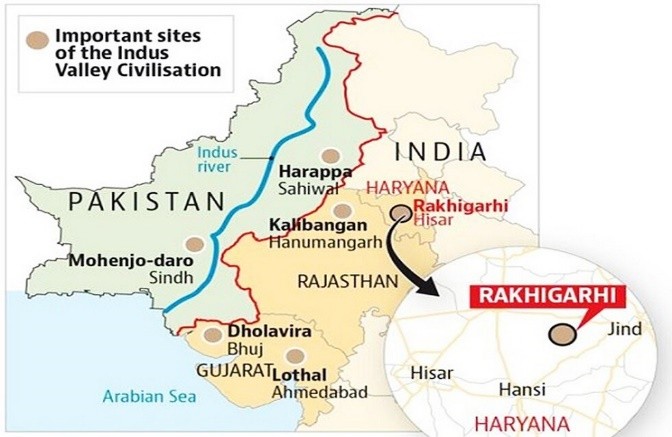
- 05 Mar 2025
In News:
President DroupadiMurmu recently visited Dholavira, a UNESCO World Heritage Site located in Gujarat, India. She expressed appreciation for the Archaeological Survey of India’s (ASI) meticulous conservation efforts to preserve this ancient site, despite its remote location.
Location and Significance:
Dholavira is situated on Khadir Bet Island in the Great Rann of Kutch, Gujarat, within the Kutch Desert Wildlife Sanctuary and along the Tropic of Cancer. It was inscribed as a UNESCO World Heritage Site in 2021 due to its remarkable contributions to understanding the Harappan (Indus Valley) Civilization, one of the world's earliest urban cultures.
Key Features:
- City Layout and Construction:Dholavira is distinct from other Harappan sites in its layout, divided into three main sections: the Citadel, the Middle Town, and the Lower Town. The city is unique for its extensive use of stone in construction, unlike the brick-built cities of Harappa and Mohenjo-Daro. It also featured multi-purpose grounds, including a marketplace and a festive area.
- Water Conservation System:The site is renowned for its sophisticated water management techniques, which included 16 massive reservoirs, stepwells, check dams, and underground water storage systems. This advanced water conservation system earned it the name "Jal Durga" or "Water Fort." The engineering skills of the Harappans, especially in water harvesting, were far ahead of their time and continue to be admired today.
- Trade and Cultural Exchange:Dholavira was a significant trade hub, connected to regions such as Magan (modern Oman) and Mesopotamia. It is believed to have been involved in the trade of copper, jewelry, and timber. The site yielded a variety of artifacts, including terracotta pottery, seals, ornaments, and evidence of metallurgy, along with inscriptions in the Indus Valley script.
- Archaeological Discoveries:The site was first discovered by Jagat Pati Joshi in 1967 and excavated systematically between 1990 and 2005 under Dr. Ravindra Singh Bisht of ASI. It is the fifth-largest site of the Indus Valley Civilization and provides evidence of habitation over seven cultural phases from 3000 to 1500 BCE. Notably, no human remains have been found, but the presence of architectural structures, artifacts, and inscriptions gives a rich understanding of the ancient civilization's culture and economy.
- Technological Advancements:The President, during her visit, highlighted the technological advancements of the Harappans, particularly in urban planning and water management, which were superior in many respects to the technology of modern times.
Historical Context:
The Harappan Civilization, flourishing from around 3300 to 1300 BCE along the Indus River, was an urban society known for its advanced city planning, sanitation systems, and trade networks. Dholavira stands out as a crucial link in understanding the broader scope of this civilization. Other key Harappan sites include Harappa, Mohenjo-Daro, Banawali, Lothal, and Ropar.
Pradhan Mantri Annadata Aay Sanrakshan Abhiyan (PM-AASHA)
- 21 Feb 2025
In News:
Context:
The Government of India has approved the continuation of the PM-AASHA Scheme till 2025–26, aligning with the 15th Finance Commission cycle, to strengthen farmer income security and achieve self-sufficiency in pulses production.
Overview of PM-AASHA Scheme
- Launched by: Ministry of Agriculture & Farmers’ Welfare
- Objective: To ensure remunerative prices to farmers and stabilize market prices of key crops.
- Type: Umbrella scheme combining various price support mechanisms.
Key Components
- Price Support Scheme (PSS)
- Procurement of pulses, oilseeds, and copra at Minimum Support Prices (MSP) through NAFED and NCCF.
- Covers 25% of national production, except for 100% procurement of Tur, Urad, and Masur during 2024–25 and extended for the next four years.
- Procurement is done from pre-registered farmers through State-level agencies.
- Price Deficiency Payment Scheme (PDPS)
- Farmers receive direct payments for the shortfall between the MSP and market price.
- Covers 40% of oilseed production for a duration of four months.
- Price Stabilization Fund (PSF)
- Maintains buffer stocks of pulses and onions.
- Aims to stabilize prices, prevent hoarding, and ensure affordable supply for consumers.
- Market Intervention Scheme (MIS)
- Provides price support for perishable horticultural crops.
- Covers 25% of production with direct financial transfers to farmers, not physical procurement.
Recent Developments (2025)
- Procurement Commitment:The Union Government announced 100% procurement of Tur (Arhar), Urad, and Masur under PSS for 2024–25, extended for four years, to reduce import dependence and promote self-sufficiency.
- Tur Procurement Approval:Union Agriculture Minister Shivraj Singh Chouhan approved procurement of 13.22 Lakh Metric Tonnes (LMT) of Tur for Kharif 2024–25 in 9 states:
Andhra Pradesh, Chhattisgarh, Gujarat, Haryana, Karnataka, Madhya Pradesh, Maharashtra, Telangana, and Uttar Pradesh. - Procurement Progress(as of 15 Feb 2025):
- 0.15 LMT of Tur procured from Andhra Pradesh, Karnataka, Maharashtra, and Telangana.
- 12,006 farmers have benefited so far.
- Procurement in remaining states will commence shortly.
- Central procurement is conducted by NAFED and NCCF.
Exercise Dharma Guardian 2025
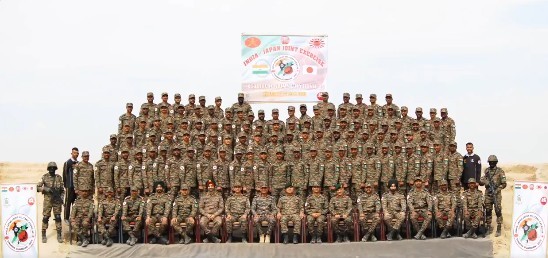
- 20 Feb 2025
In News:
The 6th edition of Exercise Dharma Guardian, a joint annual military exercisealternately hosted in India and Japan since 2018is scheduled from February 25 to March 9, 2025, at Mount Fuji, Japan.
Key Highlights:
Objectives:
- Strengthen Bilateral Defence Relations: Enhances military diplomacy under the India–Japan Special Strategic and Global Partnership.
- Promote Interoperability: Develops joint operational capabilities and tactical synergy in line with UN peacekeeping mandates (Chapter VII).
- Urban and Semi-Desert Warfare: Trains troops in counter-terrorism operations and urban combat scenarios.
- Regional Stability: Supports the Indo-Pacific security architecture and complements Quad defence objectives (India, Japan, US, Australia).
Key Features of Dharma Guardian 2025
- Advanced Tactical Training: Close-quarter battle drills, live-fire exercises, battlefield medical evacuation.
- Joint Counter-Terror Operations: Conducted under UN charter guidelines for multinational cooperation.
- 48-hour Validation Exercise: Simulated real-time combat for assessing operational readiness and coordination.
- ISR and Tactical Mobility Drills: Involves establishing temporary operating bases, ISR (Intelligence, Surveillance, Reconnaissance) grids, mobile vehicle checkpoints, and heliborne insertions.
- House Intervention & Search Operations: Practical training for securing urban areas against militant threats.
- Weapons & Equipment Display: Demonstrates India’s growing defence manufacturing under the Atmanirbhar Bharat initiative.
Mount Fuji – Host Site
- Geographical Significance: Japan’s highest peak at 3,776.24 meters, located 100 km southwest of Tokyo.
- Cultural Importance: Recognized as a UNESCO World Heritage Site (2013) and revered as one of Japan’s “Three Holy Mountains.”
- Training Terrain: Its stratovolcanic landscape provides a realistic backdrop for high-altitude and rugged terrain operations.
Related India-Japan Military Exercises
India and Japan conduct a wide spectrum of bilateral and multilateral defense exercises across all services:
Exercise Name Service Branch Focus Area
Dharma Guardian Army Land-based counter-terror and urban warfare
JIMEX Navy Naval interoperability and maritime security
Malabar (Quad) Navy (Multilateral) Naval drills with US and Australia
Veer Guardian Air Force Air combat tactics and coordination
ShinyuuMaitri Air Force Air mobility and humanitarian operations
Prime Minister Dhan-Dhaanya Krishi Yojana (PMDKY)
- 18 Feb 2025
In News:
Announced in Union Budget 2025, the Prime Minister Dhan-Dhaanya Krishi Yojana (PMDKY) aims to boost agricultural productivity, sustainability, and rural income in India’s lagging agricultural regions.
Inspired by the Aspirational Districts Programme (ADP), PMDKY targets 100 districts marked by low productivity, moderate cropping intensity, and limited credit access, benefiting approximately 1.7 crore farmers.
Key Highlights:
Objectives:
- Enhancing Agricultural Productivity:Promote scientific techniques and modern farming to improve crop yield and land use efficiency.
- Crop Diversification & Sustainable Practices:Encourage climate-resilient and eco-friendly farming methods, reducing dependence on water-intensive crops.
- Post-Harvest Infrastructure Development:Establish storage and agro-processing units at panchayat and block levels to reduce post-harvest losses (currently ~35-40%).
- Improving Irrigation Efficiency:Support micro-irrigation techniques like drip and sprinkler systems to raise water-use efficiency from the current 38%.
- Expanding Agricultural Credit:Facilitate short- and long-term institutional credit, especially through the Kisan Credit Card (KCC) and agri-fintech models.
Implementation Framework:
- Targeted District Identification:Based on cropping intensity, productivity, and credit penetration, using data from the Ministry of Agriculture, NABARD, and Department of Financial Services.
- Integrated Funding Approach:Leverages existing schemes like RKVY, PMKSY, NFSM, and SMAM through convergence for efficient fund utilization.
- Institutional Mechanism:Multi-tier coordination involving the Centre, States, and District-level authorities for implementation and real-time performance tracking.
- Technology Integration:GIS mapping, AI advisories, blockchain for supply chain transparency, and sensor-based monitoring for precision agriculture.
- Farmer Empowerment:Strengthening Krishi Vigyan Kendras (KVKs) and Farmer Producer Organizations (FPOs) to support knowledge dissemination, skill development, and market access.
Strategic Significance of PMDKY:
- Bridging Regional Disparities:Targets structurally weak districts to ensure balanced regional growth in agriculture.
- Food and Water Security:Supports climate-resilient farming amid rising rainfall variability (+15–20% by 2050) and increasing water scarcity (55% of agriculture is rainfed).
- Boosting Rural Incomes:Aimed at transforming smallholder agriculture, as ~80% of Indian farmers are marginal with an average income of ?1.2 lakh annually.
- Reducing Post-Harvest Losses:Addresses infrastructural bottlenecks causing 35–40% losses, especially in perishables like fruits and vegetables.
Pradhan Mantri AnusuchitJaatiAbhyuday Yojana (PM-AJAY)
- 14 Feb 2025
In News:
It is a 100% Centrally Sponsored Scheme initiated by the Ministry of Social Justice and Empowerment. The scheme aims at the socio-economic upliftment of the Scheduled Caste (SC) communities, particularly targeting the reduction of poverty through various initiatives that focus on skill development, infrastructure, and income-generating projects.
Key Highlights:
- Launch and Funding: Launched in 2021, the scheme is fully funded by the central government, though states and Union Territories (UTs) have the option to contribute additional funds from their own resources. PM-AJAY is the consolidation of three pre-existing schemes:
- Pradhan Mantri Adarsh Gram Yojana (PMAGY)
- Special Central Assistance to Scheduled Castes Sub Plan (SCA to SCSP)
- BabuJagjivan Ram Chhatrawas Yojana (BJRCY)
- Objectives of PM-AJAY: The scheme is focused on improving the overall well-being of SC communities by:
- Reducing poverty through income-generating schemes, skill development, and infrastructure projects.
- Promoting social and economic development by improving literacy rates, educational enrolment, and providing better livelihood opportunities.
- Transforming SC-majority villages into model villages with integrated development, enhancing socio-economic indicators like education, healthcare, and financial inclusion.
- Eligibility Criteria
- Scheduled Caste (SC) persons living below the poverty line (BPL) are eligible for benefits.
- For infrastructure development, villages with 50% or more SC population are prioritized for grants.
- Key Components of PM-AJAY: The scheme comprises three core components:
- Adarsh Gram Development (formerly PMAGY): Aims to develop SC-majority villages into model villages with holistic improvements in education, healthcare, infrastructure, and skill development.
- Grants-in-Aid for District/State-Level Projects (formerly SCA to SCSP): Financial assistance is provided for livelihood development projects, including skill development programs and infrastructure projects, to generate sustainable income for SC communities.
- Construction of Hostels in Higher Educational Institutions (formerly BJRCY): Focuses on promoting higher education among SC students by constructing hostels in top-ranked institutions according to the National Institutional Ranking Framework (NIRF). This aims to reduce dropout rates and enhance access to quality education.
Special Provisions under the Grants-in-Aid Component
- 15% of the total grants are exclusively allocated for income-generating schemes for SC women.
- 30% of the grants are allocated for infrastructure development in SC-dominated areas.
- 10% of funds are reserved for skill development programs.
- The scheme encourages the formation of SC women cooperatives for producing and marketing consumer goods and services.
Achievements (2022-23)
- 1,260 villages were declared as Adarsh Gram in the financial year 2023-24 under the Adarsh Gram component.
- Nine new hostels were sanctioned under the Hostel Construction component.
- Perspective plans for seven states were approved under the Grants-in-Aid component.
Dhimsa Dance
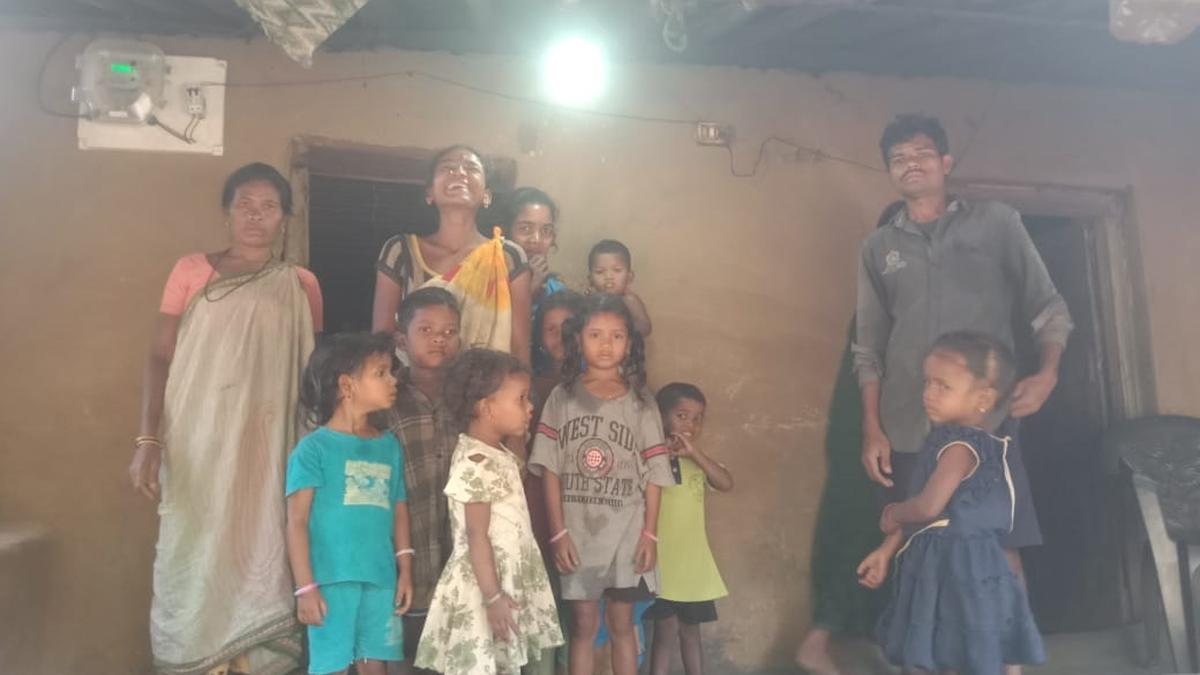
- 06 Feb 2025
In News:
In a significant development, tribal families from Neelabandha, a remote hilltop hamlet in Anakapalli district, Andhra Pradesh, received electricity for the first time since Independence. In celebration, they performed the Dhimsa dance, a vibrant expression of tribal culture.
About Dhimsa Dance:
- Origin & Region:
- Dhimsa is a traditional tribal dance predominantly performed in Andhra Pradesh, especially in the tribal belts of the Eastern Ghats.
- Its origin can be traced to the Koraput region (present-day Odisha and bordering Andhra Pradesh), primarily home to the Gond tribe.
- Communities Performing Dhimsa:
- Tribes such as Bagata, Valmiki, Poraja, Khond, Gadaba, Kondadora, Mukadora, and Kotia actively perform this dance.
- Occasions:
- Commonly performed during festivals, weddings, and the hunting festival in April.
- Celebratory, spiritual, and social in nature, symbolizing unity and joy.
- Dance Formation and Movements:
- Performed in circular formations with dancers holding each other's arms.
- Emphasis on synchronized hand and leg movements.
- Troupes usually consist of 20 or more dancers.
- Themes:
- Dhimsa is a narrative dance that expresses tribal mythologies, folktales, cultural mores, economic activities, kinship, and marital life.
- Musical Instruments Used:
- Dappu, Tudumu, Mori, Kidgi, Gilka, and Jodukommulu.
- A combination of percussion and wind instruments drives the rhythm and variation in the dance.
- Varieties:
- There are 12 known types of Dhimsa dances, each varying in pace, rhythm, and purpose.
Rural Electrification of Neelabandha Village:
- Background:
- Neelabandha is located in Arla Panchayat of Rolugunta Mandal in Anakapalli district.
- Consists of four households (approximately 20 individuals) who had been living without electricity since Independence.
- Implementation:
- The electrification was part of the Andhra Pradesh government’s rural development drive to provide basic infrastructure to underdeveloped tribal villages.
- Under the directions of District Collector Vijaya Krishnan, and CMD of APEPDCL, Prithvi Tej, the Eastern Power Distribution Company of Andhra Pradesh (EPDCL) carried out the electrification.
- Challenges Overcome:
- The hamlet lacked motorable roads, making it difficult to transport materials.
- Electricity poles had to be carried manually for over 6 km to reach the village.
- Outcome:
- Free electricity was provided to the villagers, marking a major milestone in tribal welfare.
- In a heartfelt celebration, the villagers performed Dhimsa under electric lights for the first time.
Issues Still Persisting:
- Infrastructure Deficits:
- The village still lacks road connectivity, educational access, and healthcare facilities.
- These gaps hinder children's ability to attend school and access essential services.
- Community Response:
- Local leaders, including CPI(M) district committee member K. Govind, welcomed the electrification but urged the government to address remaining developmental needs.
PM Shram Yogi Maandhan Yojana (PM-SYM)
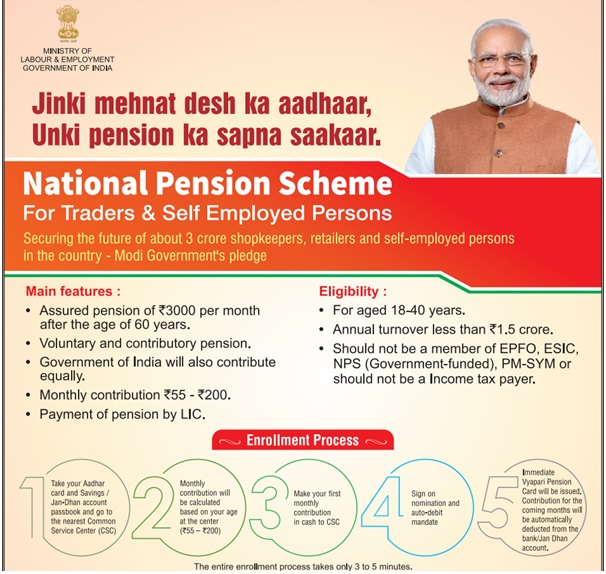
- 04 Feb 2025
In News:
The Union Budget 2025–26 has accorded the highest-ever allocation of ?32,646 crore to the Ministry of Labour and Employment, representing an 80% increase over the previous year's Revised Estimates.
The enhanced funding reflects the government's strategic focus on employment generation and strengthening social security mechanisms for unorganised workers and gig economy participants.
Key Budgetary Highlights:
1. Employment Generation Scheme:
- ?20,000 crore has been allocated to the new Employment Generation Scheme, double the previous year’s allocation.
- The scheme is aimed at fostering large-scale employment opportunities and skilling across various sectors.
2. Employees’ Pension Scheme:
- Allocation increased by ?300 crore, strengthening retirement security for formal sector workers.
3. PM Shram Yogi Maandhan Yojana (PM-SYM):
- Allocation increased by 37% compared to last year.
- The scheme provides old-age social security to unorganised workers through a voluntary, contributory pension model.
About Pradhan Mantri Shram Yogi Maandhan Yojana (PM-SYM)
Objective:
To provide minimum assured pension and social security to unorganised sector workers, including street vendors, construction workers, agriculture laborers, domestic workers, etc.
Eligibility:
- Indian citizen aged 18–40 years
- Monthly income below ?15,000
- Not a member of EPFO, ESIC, or NPS
Key Features:
- Minimum Assured Pension: ?3,000 per month after 60 years of age.
- Voluntary and Contributory Scheme:
- Contributions made via auto-debit from bank accounts.
- 50:50 matching contribution by the Central Government.
- Pension Fund Management:
- Administered by the Ministry of Labour and Employment.
- Implemented by LIC and CSC e-Governance Services India Ltd.
- LIC acts as the Pension Fund Manager.
Family Pension Provision:
- In case of subscriber's death:
- Spouse receives 50% of the pension amount as family pension.
- If death occurs before 60 years, the spouse may continue contributions or exit the scheme as per norms.
Exit Provisions:
- Exit before 10 years: Subscriber's share with accrued interest is returned.
- Exit after 10 years but before 60 years: Entire contribution with interest returned to the subscriber.
Social Security for Gig Workers
Recognising the gig economy as a critical pillar of India’s modern workforce, the government has taken key steps to enhance their social security:
- e-Shram registration
- Provision of unique identity cards
- Access to healthcare benefits under PM Jan Arogya Yojana
- Expected to benefit around 1 crore gig workers
PM Dhan Dhanya Krishi Yojana
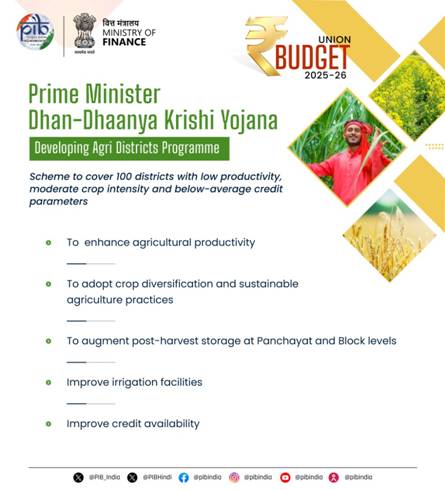
- 03 Feb 2025
In News:
- Recently, the Union Government has introduced the PM Dhan Dhanya Krishi Yojana which aims at enhancing agricultural productivity.
- Objective: To boost agricultural productivity, modernize farming practices, and enhance rural prosperity by addressing region-specific challenges in backward agricultural districts.
Key Features:
- Integrated Approach:
- Consolidates multiple existing agricultural schemes under one umbrella for greater synergy and implementation efficiency.
- Draws inspiration from the Aspirational Districts Programme, which has improved socio-economic outcomes in backward regions.
- District-Specific Interventions:
- Focuses on districts with:
- Low crop productivity
- Moderate crop intensity
- Limited institutional credit access
- Implements customized strategies based on the unique challenges of each region.
- Focuses on districts with:
- Core Focus Areas:
- Enhancing farm productivity through modern technology.
- Improving irrigation infrastructure.
- Increasing formal credit availability to reduce dependence on informal moneylenders.
- Promoting crop diversification and sustainable agriculture.
- Strengthening post-harvest infrastructure like storage at Panchayat and block levels.
- Technology-Driven Solutions:
- Encourages adoption of climate-resilient and precision farming.
- Supports digital access to credit and advisory services.
- Financial Inclusion:
- Strengthens linkages with government financial programs, microfinance institutions, and banks.
- Aims to reduce rural indebtedness and promote formal financial participation.
- State and Centre Collaboration: Implementation will involve both central and state governments, ensuring localized solutions with national support.
- Reducing Distress Migration: By improving rural livelihoods and opportunities, the scheme aims to make migration a choice rather than a compulsion.
10 years of Beti Bachao Beti Padhao (BBBP)
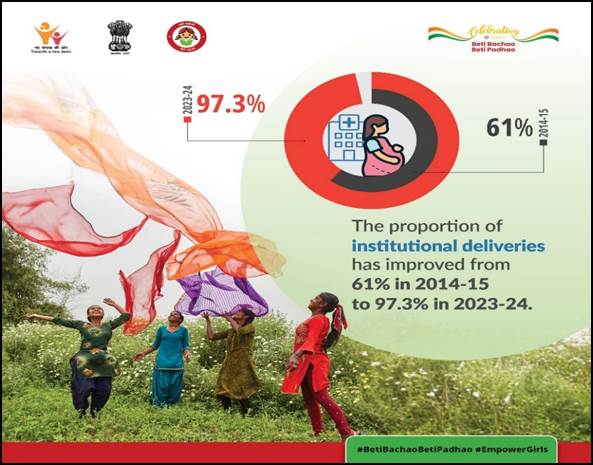
- 23 Jan 2025
In News:
Launched on 22nd January 2015 in Panipat, Haryana, BBBP was initiated in response to the declining Child Sex Ratio (CSR), which stood at 918 girls per 1000 boys (Census 2011). It marked a key step towards gender equality, aiming to curb gender-biased sex-selective elimination and improve the status of the girl child.
Key Highlights:
Core Objectives
- Improve Sex Ratio at Birth (SRB) by two points annually.
- Sustain institutional delivery rate at ≥95%.
- Increase 1st trimester ANC registration and girls' enrollment in secondary education by 1% annually.
- Reduce dropout rates among girls.
- Promote safe menstrual hygiene management (MHM).
Target Groups
- Primary: Young couples, expecting parents, adolescents, households, communities.
- Secondary: Schools, AWCs, health professionals, PRIs, ULBs, NGOs, SHGs, media, and religious leaders.
Implementation Structure
- Type: Centrally Sponsored Scheme (CSS) with 100% Central funding.
- Ministries Involved:
- Women and Child Development
- Health and Family Welfare
- Education
- Financial Assistance (Per District/Year):
- Rs. 40 lakh (SRB ≤918)
- Rs. 30 lakh (SRB 919–952)
- Rs. 20 lakh (SRB >952)
Integration with Mission Shakti (2021–2026)
BBBP now functions under Mission Shakti, which comprises two verticals:
- Sambal (Safety & Security):
- One Stop Centres (OSCs)
- Women Helpline (181)
- Nari Adalat: Alternative dispute resolution
- Samarthya (Empowerment):
- Sakhi Niwas, Palna Creches
- Shakti Sadans (rehabilitation)
- PM Matru Vandana Yojana: Extended support for a second girl child
- SANKALP-HEW: District-level single-window system for all women-centric schemes
Achievements in 10 Years (2015–2025)
- SRB: Improved from 918 (2014-15) to 930 (2023-24)
- Girls’ GER: Rose from 75.5% (2014-15) to 78% (2023-24) in secondary education
- Institutional Deliveries: Increased from 61% to 97.3%
- Kanya Shiksha Pravesh Utsav: Re-enrolled over 1 lakh out-of-school girls
- Economic Empowerment: Integration with skilling initiatives and 70% of PM Mudra loans disbursed to women
- Awareness Campaigns:
- Selfie with Daughter
- Beti Janmotsav
- Yashaswini Bike Expedition
- "Betiyan Bane Kushal" Skill Conference
Sukanya Samriddhi Yojana (SSY) – A Financial Tool for Empowerment
Launched under BBBP, SSY is a small savings scheme to ensure the financial security of girl children.
Key Features
- Eligibility: Indian girl child below 10 years.
- Account: Max 2 per family (exceptions for twins/triplets).
- Deposit Limit: ?250 to ?1.5 lakh/year (15 years).
- Tenure: Account matures 21 years after opening.
- Withdrawals: Up to 50% for higher education after 18 years.
- Tax Benefits: Exempt under Section 80C (EEE status).
Impact
- Over 4.1 crore accounts opened by Nov 2024.
- Promotes long-term savings and financial inclusion.
- Complements BBBP by addressing economic empowerment of girls.
Mission Vatsalya
- Formerly ICPS (2009), then Child Protection Services (2017).
- Merged into Mission Vatsalya in 2021.
- Focuses on:
- Juvenile justice
- Child protection
- Advocacy and rehabilitation
- Ensures “no child is left behind” principle aligned with SDGs.
Pradhan Mantri Matru Vandana Yojana (PMMVY)
- Supports pregnant and lactating mothers:
- ?5,000 in 3 installments + ?1,000 (JSY)
- Now extended to second girl child to promote gender equity.
Targets wage compensation, safe delivery, maternal nutrition, and reduced MMR/IMR.
Ratnagiri Buddhist Site
- 19 Jan 2025
In News:
The Archaeological Survey of India (ASI) has resumed excavations at the ancient Buddhist site of Ratnagiri in Odisha’s Jajpur district, unveiling monumental discoveries that underline its rich religious, cultural, and maritime legacy. This renewed effort comes more than 60 years after the site was first excavated between 1958 and 1961.
About Ratnagiri
- Meaning: Ratnagiri translates to “Hill of Jewels.”
- Location: Situated on a hill between the Brahmani and Birupa rivers, northeast of Bhubaneswar.
- Part of the Diamond Triangle: Along with Lalitgiri and Udaygiri, Ratnagiri forms Odisha’s famed “Diamond Triangle” of Buddhist heritage sites.
- Historical Period: Flourished between the 5th and 13th centuries CE, peaking under the Bhauma-Kara dynasty (8th–10th century CE).
- Buddhist School: An important centre for Mahayana and especially Vajrayana (Tantrayana) Buddhism.
- It possibly rivalled Nalanda in prominence as a Buddhist learning centre.
- The monastery complex at Ratnagiri is the only one in India with a curvilinear roof, once housing about 500 monks.
Recent Discoveries by ASI
- Three colossal Buddha heads, each measuring 3–4 feet.
- A massive palm sculpture, 5 feet in size.
- Hundreds of votive stupas, sculptures of Buddhist deities.
- A monolithic elephant statue, 5 feet long and 3.5 feet tall.
- Pottery, inscribed stones, beads, stone pillars, and a brick wall believed to be part of a larger structure.
- Rich ceramic assemblages, which may shed light on the region’s cultural and technological evolution.
These artefacts are estimated to date back to the 8th and 9th centuries CE and are believed to enhance understanding of Buddhism’s evolution in Odisha and its linkages with other cultures.
Buddhism in Odisha & Southeast Asian Links
- Buddhism gained a strong foothold in Odisha after Emperor Ashoka’s conquest of Kalinga (modern-day Odisha) in 261 BCE, a turning point that led him to embrace Buddhism.
- Though Buddha never visited Odisha, the region became instrumental in spreading Buddhism to Southeast Asia, especially during the Bhauma-Kara period.
- The state maintained robust maritime trade and cultural links with regions like Java, Bali, Sumatra, Borneo, Myanmar, and Sri Lanka.
- Baliyatra Festival: A vibrant annual event held in Cuttack, commemorating Odisha’s ancient seafaring ties with Bali and other Southeast Asian regions.
- According to some studies, Chinese monk Hiuen Tsang may have visited Ratnagiri during his travels in India (638–639 CE).
Significance of the Renewed Excavations
- The ASI aims to uncover partially visible structures, complete the site’s mapping, and contextualize the findings within the broader Buddhist history of India and Southeast Asia.
- Researchers hope to discover signs of foreign architectural or cultural influences, further confirming ancient Odisha’s global Buddhist and trade connections.
- The discoveries reaffirm Ratnagiri’s importance as a cornerstone of Buddhist learning and art, potentially on par with other renowned ancient centres like Nalanda and Vikramashila.
Kuka Rebellion and Namdhari Sect
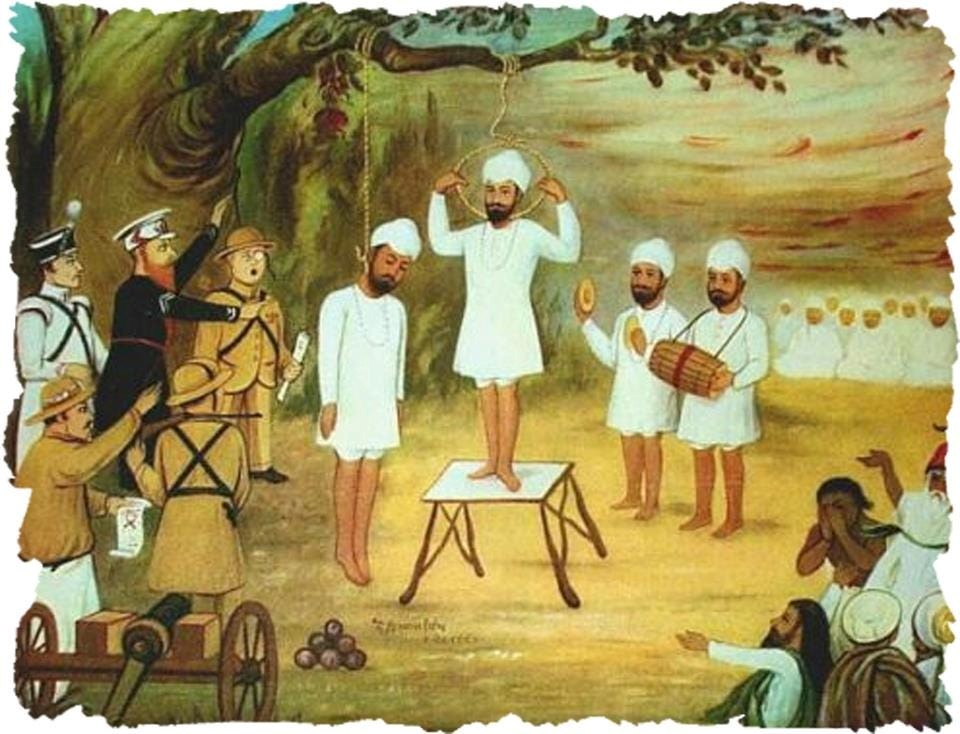
- 18 Jan 2025
In News:
On January 17, Punjab Chief Minister Bhagwant Mann paid tribute at the Namdhari Shaheed Smarak in Malerkotla to commemorate Kuka Martyrs’ Day. The event marks the execution of 66 Namdhari Sikhs by the British in January 1872.
Kuka Rebellion: An Overview
The Kuka Rebellion was an anti-British movement led by the Namdhari sect in Punjab. It combined religious reform with resistance to colonial rule, reaching its peak in January 1872.
Key Events:
- January 13, 1872: Kukas, led by Hira Singh and Lehna Singh, protested against cow slaughter in Malerkotla.
- January 15, 1872: Clashes occurred between Kukas and government officials. A contingent attacked Malaudh Fort but was repulsed.
- January 17-18, 1872: 66 Kukas were executed by being blown up with cannons under orders of British official John Lambert Cowan.
Reasons Behind the Movement:
- Religious Reform: Opposed meat consumption, alcohol, and social vices.
- Colonial Oppression: Protested against British rule and native collaborators.
- Cow Protection: Strongly opposed cow slaughter, leading to confrontations with British authorities.
Impact and Aftermath:
- Suppression: The British crushed the movement with extreme brutality.
- Exile of Leaders: Satguru Ram Singh and other key leaders were exiled to Rangoon, Burma.
- Legacy of Martyrdom: The sacrifice of young Namdharis like 12-year-old Bishan Singh and Waryam Singh inspired future resistance movements in India.
Who are the Namdharis?
The Namdharis, also called Kukas, are a Sikh sect founded by Satguru Ram Singh in 1857 in Ludhiana. Their distinctive practices include:
- High-pitched recitation of Gurbani (hence the name ‘Kuka’ meaning ‘crying’ or ‘screaming’ in Punjabi).
- Wearing white attire as a sign of mourning for their exiled leader.
- Early adoption of Swadeshi principles, boycotting British goods and services.
Current Status of Namdhari Sect:
- The Namdharis, numbering around 2 lakh in Punjab today, have faced internal divisions since the death of Satguru Jagjit Singh in 2012.
- Two major factions exist:
- One led by Thakur Dilip Singh, headquartered in Sirsa, Haryana.
- Another led by Sangrur Uday Singh, headquartered at Bhaini Sahib, Ludhiana.
- A core belief remains that Satguru Ram Singh is still alive and will return one day.
Significance:
The Kuka Rebellion, though localized, was an important precursor to later national movements against British rule. It showcased the early spirit of resistance, long before organized freedom movements gained momentum in the 20th century.
Ayushman Bharat Pradhan Mantri Jan Arogya Yojana (AB PM-JAY)
- 15 Jan 2025
In News:
Odisha has become the 34th state to implement the Ayushman Bharat Pradhan Mantri Jan Arogya Yojana (AB PM-JAY). The National Health Authority (NHA) of the Union Ministry of Health signed a Memorandum of Understanding (MoU) with the Department of Health and Family Welfare, Government of Odisha to onboard the state under the scheme.
Key Highlights:
- The scheme will be implemented alongside the existing Gopabandhu Jan Arogya Yojana in Odisha.
- It provides health coverage of Rs. 5 lakh per family per annum, with an additional Rs. 5 lakh for women members.
- Approximately 1.03 crore families will be covered under the scheme.
- Shri JP Nadda, Union Health Minister, emphasized that the scheme is the world’s largest and fastest-growing health coverage initiative.
- Shri Mohan Charan Majhi, Chief Minister of Odisha, highlighted that people will now have access to cashless treatment in over 29,000 empaneled hospitals.
About Ayushman Bharat PM-JAY:
- Launched in 2018 under the Ministry of Health & Family Welfare (MoH&FW).
- Targets 12 crore families (~55 crore beneficiaries).
- Provides cashless hospital coverage for secondary and tertiary care.
- Fully funded by the government, with cost-sharing between the Centre and states.
- Covers nearly 2,000 medical procedures, including major surgeries.
Since its inception, over 8.19 crore hospital admissions have been recorded, with ?1.13 lakh crore spent on healthcare for marginalized sections.
Toda Tribe
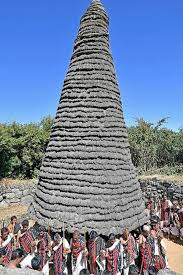
- 11 Jan 2025
In News:
- The Toda tribe, one of the oldest Dravidian ethnic groups in the Nilgiris Hills of Tamil Nadu, celebrated their traditional Modhweth festival marking the New Year.
What is the Modhweth Festival?
- About:
- Celebrated annually on the last Sunday of December or the first Sunday of January.
- Held at the Moonpo temple in Muthanadu Mund village, Nilgiri district.
- The Moonpo temple features a unique vertical spire with a thatched roof and a flat stone on top, making it one of the last Toda temples of its kind in the Nilgiris.
- Rituals and Celebrations:
- Prayers are offered to the deity, Thenkish Amman, for good health, rains, and bountiful harvest.
- Participants perform a traditional dance outside the temple.
- Unique Customs:
- Toda youth showcase their strength and masculinity by lifting a greased boulder weighing around 80 kg.
- Women are not part of the celebrations as per traditional customs.
What is the Toda Tribe?
- About:
- A pastoral tribe native to the Nilgiri Hills of Tamil Nadu.
- Classified as a Particularly Vulnerable Tribal Group (PVTG) in Tamil Nadu.
- The Toda language is Dravidian but stands out for its uniqueness among Dravidian languages.
- Significance:
- Toda lands are part of the Nilgiri Biosphere Reserve, a UNESCO International Biosphere Reserve.
- Their territory is also recognized as a UNESCO World Heritage Site.
- Religion and Beliefs:
- Their religious practices are based on a pantheon of gods, with Tökisy (goddess) and Ön (god of the underworld) as central deities.
Nilgiri Biosphere Reserve (NBR)
- About:
- Established in 1986 as India’s first Biosphere Reserve.
- Located across Tamil Nadu, Karnataka, and Kerala.
- India’s first biosphere reserve under UNESCO’s Man and the Biosphere Programme.
- Tribal Groups in NBR:
- Home to several groups such as Adiyan, Aranadan, Kader, Kurichian, Kuruman, and Kurumbas.
- Ecological Significance:
- Represents the confluence of Afro-tropical and Indo-Malayan biotic zones.
- Fauna:
- Home to species like Nilgiri tahr, Nilgiri langur, gaur, Indian elephant, Nilgiri danio (freshwater fish), and Nilgiri barbare.
- Protected Areas in NBR:
- Mudumalai Wildlife Sanctuary, Wayanad Wildlife Sanctuary, Bandipur National Park, Nagarhole National Park, Mukurthi National Park, and Silent Valley.
Translocation of Tigers from Madhya Pradesh
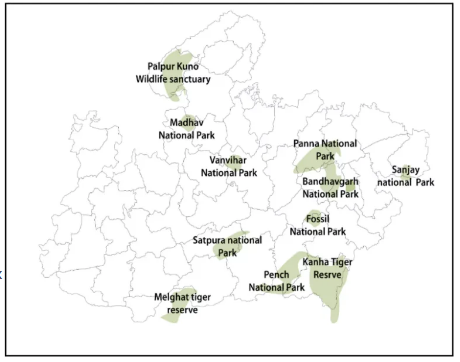
- 05 Jan 2025
In News:
Madhya Pradesh to translocate 15 Tigers to Rajasthan, Odisha and Chhattisgarh.
Key Highlights of the Translocation:
- Scale of Translocation: Largest relocation of big cats from a single state in India.
- Approval: NTCA has approved the translocation of 15 tigers from Madhya Pradesh to Rajasthan, Chhattisgarh, and Odisha.
- Source Reserves:
- Bandhavgarh, Panna, Kanha, and Pench Tiger Reserves in Madhya Pradesh.
- Distribution Plan:
- Rajasthan: 4 tigresses.
- Chhattisgarh: 2 male tigers and 6 tigresses.
- Odisha: 1 male tiger and 2 tigresses.
- Funding: States receiving tigers will bear all expenses related to translocation.
Objectives of the Translocation:
- Enhance Tiger Conservation: Reintroduce and bolster tiger populations in recipient states.
- Population Management: Relocate tigers to areas with suitable habitats to alleviate territorial disputes in overpopulated reserves.
- Genetic Diversity: Introduce new individuals to isolated tiger groups to prevent inbreeding and support long-term species survival.
About Kanha, Bandhavgarh, and Pench Tiger Reserves:
- Kanha Tiger Reserve:
- Location: Maikal range of the Satpura Mountains.
- Significance: Largest national park in Madhya Pradesh.
- Distinct Feature: First tiger reserve in India with an official mascot, ‘Bhoorsingh the Barasingha’.
- Flora and Fauna: Rich biodiversity with Royal Bengal Tigers, leopards, and the IUCN Vulnerable species, Barasingha.
- Bandhavgarh Tiger Reserve:
- Location: Between Vindhyan and Satpura ranges in Umaria district, Madhya Pradesh.
- Significance: Known for one of the highest densities of Royal Bengal Tigers in India.
- Historical Link: The ancient Bandhavgarh Fort, linked to the legend of Lord Rama and Lakshmana.
- Pench Tiger Reserve:
- Location: Spans Seoni and Chhindwara districts in Madhya Pradesh, extends into Maharashtra.
- Significance: Inspiration for Rudyard Kipling’s The Jungle Book.
- Flora and Fauna: Includes teak, saag, mahua forests; tigers, leopards, wild dogs, and gaur are key species.
Tiger Translocation Project Overview:
- First Project:
- Initiated in 2018, two tigers relocated from Kanha and Bandhavgarh to Satkosia Tiger Reserve in Odisha.
- Main Objectives:
- Reintroduce Tigers: In areas where they have been extirpated or extinct.
- Alleviate Territorial Disputes: Overpopulated reserves need additional tigers to reduce human-animal conflict.
Benefits of Translocation:
- Ecological Balance: Restores predator-prey dynamics in underpopulated reserves.
- Human-Animal Conflict Mitigation: Reduces conflict in overcrowded reserves.
- Rewilding Landscapes: Revives areas where tigers were locally extinct.
Concerns Associated with Translocation:
- Local Community Protests: Villagers fear tigers will pose a threat to their safety.
- Territorial Disputes: New tigers may face conflict with resident tigers.
- Poor Forest Management: Inadequate prey augmentation and habitat management may hinder success.
Madhya Pradesh’s Role in Tiger Conservation:
- Largest Tiger Population: Madhya Pradesh hosts the largest number of tigers in India, with 785 tigers as per NTCA’s 2022 report.
- Tiger Reserves: The state is home to nine tiger reserves, including the newly notified Madhav Tiger Reserve in Shivpuri.
- Translocation Strategy: Madhya Pradesh’s involvement helps reduce local tiger population pressure and contributes to broader conservation efforts across India.
Inter-State Tiger Translocation Goals:
- Reinforcement and Reintroduction: Introduce tigers into areas historically part of their range but from which they have been extirpated or extinct.
- Genetic Diversity: Introduce new tigers to isolated populations to maintain long-term population health.
BharatiyaVayuyanVidheyak Bill, 2024
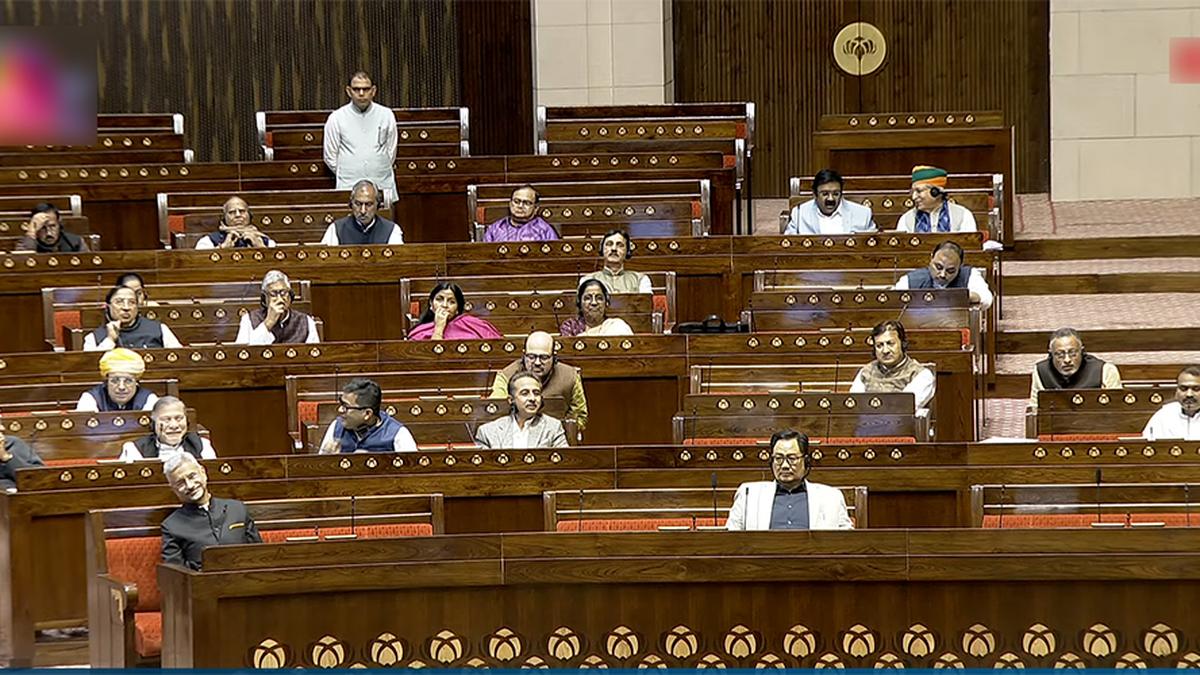
- 06 Dec 2024
In News:
In a significant move, the Indian Parliament passed the BharatiyaVayuyanVidheyak Bill, 2024 on December 5, 2024, bringing much-needed reforms to the aviation sector. The Bill, which replaces the Aircraft Act of 1934, aims to streamline aviation regulations and improve the ease of doing business in the industry.
Key Highlights of the BharatiyaVayuyanVidheyak Bill, 2024:
- Single-Window Clearance for Aviation Personnel: One of the major changes is the transfer of responsibility for the Radio Telephone Operator Restricted (RTR) certification from the Department of Telecom (DoT) to the Directorate General of Civil Aviation (DGCA). This move consolidates the certification process under a single authority, making it easier for aviation personnel like pilots, engineers, and flight dispatchers to obtain their licenses.
- Regulation of Aircraft Design: The Bill not only retains provisions for regulating aircraft manufacturing, maintenance, and repair, but also introduces new provisions to regulate aircraft design and the places where aircraft are designed.
- Enhanced Penalties for Violations: The Bill specifies severe penalties for violations, such as dangerous flying, carrying prohibited items (like arms or explosives), or littering near airports. Offenders may face imprisonment up to three years, fines up to ?1 crore, or both.
- Introduction of Second Appeal Mechanism: For the first time, the Bill introduces a second appeal process against decisions of regulatory bodies like the DGCA and BCAS, ensuring further scrutiny of decisions related to penalties.
- Improved Licensing Process: The shift of the RTR certification process from the DoT to DGCA aims to curb allegations of corruption associated with the previous system, where candidates often had to pay bribes to clear exams.
Organizational Setup and Authorities:
The Bill outlines the establishment of three key authorities under the Ministry of Civil Aviation:
- DGCA: Responsible for civil aviation safety, licensing, and ensuring compliance with international standards.
- BCAS: Ensures aviation security and develops relevant security measures.
- AAIB: Investigates aviation accidents and incidents.
The central government retains supervision over these bodies, with the power to modify or review their orders.
Criticisms and Concerns:
- Lack of Autonomy for DGCA: The DGCA, unlike independent regulators in other sectors (such as telecom or insurance), operates under direct government supervision. The lack of clear qualifications, selection process, and tenure for the DGCA Director General has raised concerns about the regulator's independence.
- Unilateral Appointment of Arbitrators: The Bill empowers the government to unilaterally appoint an arbitrator in certain cases, which has been criticized for potentially violating the right to equality under Article 14 of the Constitution. The Supreme Court has previously ruled that such unilateral appointments may be unconstitutional.
- Discretionary Criminal Penalties: The central government is granted the discretion to impose criminal penalties for rule violations, which some argue could undermine the principle of separation of powers, as it is the legislature's role to define criminal offenses and penalties.
- Exclusionary Hindi Title: Some critics argue that the Hindi title of the Bill may alienate non-Hindi-speaking populations, which make up a significant portion of India’s demographic.
RangeenMachli App
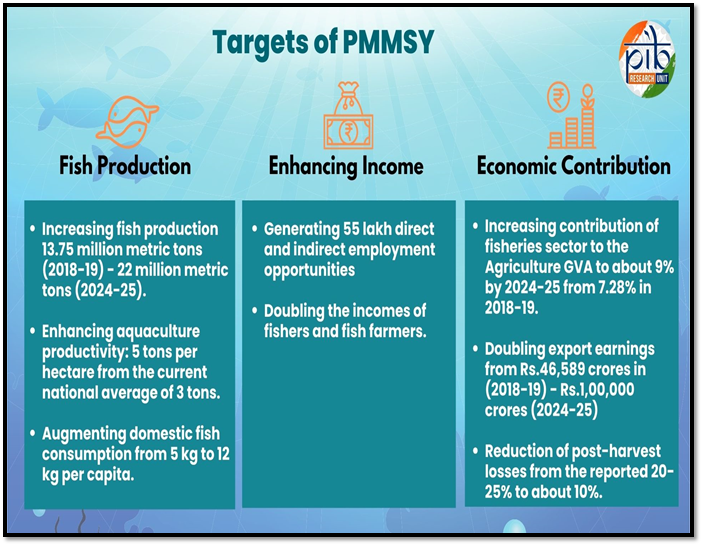
- 06 Dec 2024
In News:
The app was developed by the ICAR-Central Institute of Freshwater Aquaculture (ICAR-CIFA) with support from the Pradhan Mantri MatsyaSampada Yojana (PMMSY) under the Ministry of Fisheries, Animal Husbandry & Dairying, Government of India.
Key Highlights:
- Target Audience: The app caters to hobbyists, farmers, and professionals in the ornamental fish industry.
- Multilingual Support: The app offers content in eight Indian languages, making it accessible to a broad and diverse audience.
- Main Objectives:
- Provide information on popular ornamental fish species and their care.
- Promote local aquarium businesses through dynamic directories.
- Enhance knowledge of ornamental aquaculture techniques for fish farmers and shop owners.
- Serve as an educational tool for newcomers and professionals in the ornamental fish industry.
- Salient Features:
- Multilingual Content: Ensures broader reach and user accessibility.
- Comprehensive Fish Information: Offers detailed guidance on fish care, breeding, and maintenance.
- Find Aquarium Shops Tool: A directory updated by shop owners, helping users find reliable local aquarium shops and promoting local businesses.
- Educational Modules:
- Basics of Aquarium Care: Covers key aspects like aquarium types, filtration, lighting, feeding, and maintenance.
- Ornamental Aquaculture: Focuses on breeding and rearing ornamental fish, particularly for farmers.
- Economic and Social Impact:
- Promoting Local Businesses: The app encourages economic growth by increasing visibility for local aquarium shops and creating opportunities for business owners.
- Authenticity and Reliability: Users can access verified information, reducing the reliance on unverified sources and promoting healthier aquariums.
- Sustainability and Growth: The app’s features are designed to foster sustainability and growth in the ornamental fish trade by providing reliable information and empowering users.
Pradhan Mantri MatsyaSampada Yojana (PMMSY):
- Objective: Aimed at transforming the fisheries sector, improving fish production, productivity, quality, technology, infrastructure, and management, while strengthening the value chain and promoting the welfare of fishers.
- Launch: The scheme was launched in 2020 with an investment of Rs. 20,050 crores for a 5-year period (2020-21 to 2024-25).
- Focus Areas:
- Inland fisheries and aquaculture.
- Fisheries management and regulatory framework.
- Infrastructure and post-harvest management.
- Doubling fishers' and fish farmers' incomes.
- Components:
- Central Sector Scheme (CS): Fully funded by the central government.
- Centrally Sponsored Scheme (CSS): Partially funded by the central government and implemented by states.
- Sub-Schemes:
- Pradhan Mantri MatsyaKisanSamridhiSah-Yojana (PM-MKSSY): Launched under PMMSY to formalize the fisheries sector and support micro and small enterprises with over Rs. 6,000 crore investment (FY 2023-24 to 2026-27).
- Beneficiaries: Includes fishers, farmers, fish vendors, fisheries cooperatives, SC/STs, women, differently-abled persons, state and central entities, and private firms.
Fisheries Sector Contribution:
- Supports around 30 million people.
- India is the 3rd largest fish producer globally, with a fish production of 175.45 lakh tons in FY 2022-23.
- Contributes 1.09% to the Gross Value Added (GVA) of India and 6.72% to agricultural GVA.
Related Schemes:
- Fisheries and Aquaculture Infrastructure Development Fund (FIDF): Launched with a fund of Rs. 7,522.48 crore.
- Kisan Credit Card (KCC): Extended to fishers and farmers from FY 2018-19.
- Sustainable fisheries development.
- Doubling income and job creation in the sector.
- Boosting exports and agricultural GVA.
- Social and economic security for fishers.
Madhya Pradesh’s 8th Tiger Reserve: Ratapani
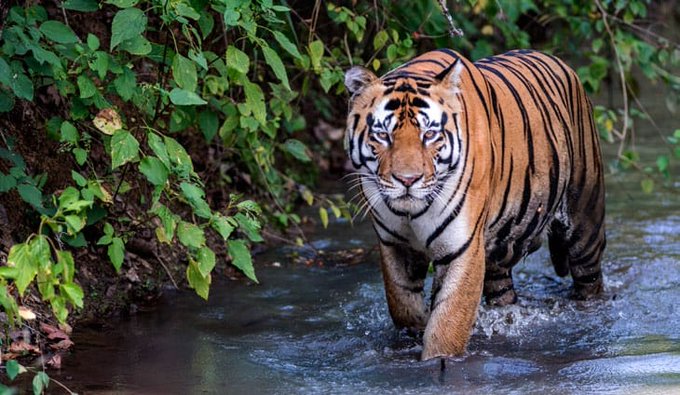
- 03 Dec 2024
In News:
Recently, the Ratapani Wildlife Sanctuary in Madhya Pradesh was officially declared a Tiger Reserve, making it the 8th such reserve in the state. This declaration follows approval from the Ministry of Environment, Forest and Climate Change through the National Tiger Conservation Authority (NTCA).
Key Details:
- Core Area: 763.8 sq. km
- Buffer Area: 507.6 sq. km
- Total Area: 1,271.4 sq. km
- Ratapani Tiger Reserve is located in the Raisen and Sehore districts, within the Vindhya hills, and is home to approximately 90 tigers.
- It also forms a crucial part of Madhya Pradesh’s tiger habitat and serves as a migration corridor from the Satpura ranges.
Economic and Ecotourism Benefits:
- The designation will boost ecotourism, generating employment and improving livelihoods for local communities.
- Eco-development programs will support residents, providing new opportunities and addressing the balance between conservation and human interests.
Wildlife Conservation and Management:
- The reserve will focus on habitat management, wildlife protection, and community engagement.
- The core area has been recognized as a critical tiger habitat under the Wildlife Protection Act, 1972.
- Efforts will include strengthening anti-poaching measures, improving surveillance, and enhancing prey base restoration.
Significance for Madhya Pradesh:
- This move places Madhya Pradesh as the "Tiger State of India", with significant conservation focus on the Ratapani and Madhav National Park (also in the process of becoming a tiger reserve).
- Madhya Pradesh now hosts 8 tiger reserves, contributing significantly to the country's overall tiger conservation efforts.
Mahabodhi Mahotsav at Sanchi
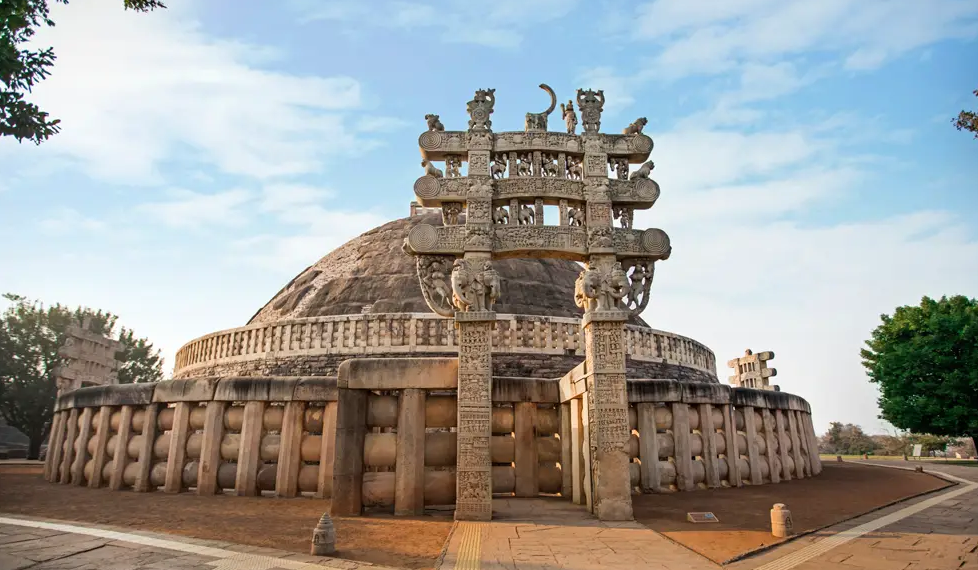
- 30 Nov 2024
In News:
A two-day Mahabodhi Mahotsav is currently being held at the Great Stupa in Sanchi, Madhya Pradesh, a UNESCO World Heritage Site.
Key Highlights:
- The festival will include religious ceremonies and cultural activities centered around the relics of Lord Buddha’s chief disciples, Sariputra and Maudgalyayana.
- Cultural Significance: The Mahotsav serves as a platform for celebrating and reaffirming the cultural and spiritual heritage of the region, with a focus on the teachings of Lord Buddha.
About Sanchi Stupa:
Sanchi Stupa is one of the oldest and most significant monuments of Buddhist architecture in India. It has stood as a symbol of Buddhist history, spirituality, and culture for over two millennia.
- Historical Importance:Commissioned by Emperor Ashoka in the 3rd century BCE, the stupa was later expanded by the Shunga and Satavahana rulers. It stands as a testament to the spread of Buddhism across India and beyond.
- Architectural Features:
- Hemispherical Dome (Anda): The large dome represents the universe, encapsulating the essence of Buddhist cosmology.
- Chatras: The umbrella-like structures on top of the dome symbolize divine protection and royalty.
- Harmika: A small balcony on the dome, which is considered the abode of the gods.
- Medhi: The base of the stupa, which stores sacred relics.
- Toranas: Four intricately carved gateways that depict scenes from the life of Buddha and various Jataka tales. These gateways point to the four cardinal directions, symbolizing the universality of Buddha’s teachings.
- Vedica: The railings surrounding the stupa serve as sacred enclosures.
- Paradakshinapatha: Pathways for circumambulation, allowing devotees to walk around the stupa as a sign of respect.
- Symbolism:The stupa’s architecture is an example of early Buddhist aniconism, where the Buddha is not directly depicted but is represented symbolically through footprints, wheels, or empty thrones.
- Inscriptions:The stupa contains important inscriptions, including the Ashokan Lion Capital and inscriptions in Brahmi and Kharosthi scripts, reflecting the historical significance of the site.
- UNESCO World Heritage Status:In 1989, Sanchi Stupa was declared a UNESCO World Heritage Site, recognizing its exceptional historical and cultural importance as a center for Buddhist art, architecture, and philosophy.
Significance of the Mahabodhi Mahotsav:
The Mahabodhi Mahotsav at Sanchi not only provides a spiritual experience but also highlights the historical and cultural legacy of Buddhism in India. The event brings attention to the preservation and promotion of Buddhist heritage, reflecting India’s rich diversity and commitment to maintaining its ancient traditions. Through this festival, Sanchi continues to be a center of pilgrimage and learning, attracting visitors from around the world who seek to understand and experience the teachings of Lord Buddha.
Riyadh Design Law Treaty (DLT)

- 27 Nov 2024
In News:
- India reaffirms its commitment to inclusive growth and strengthening its intellectual property (IP) ecosystem.The signing of the treaty comes after nearly two decades of negotiations.
Key Highlights:
Purpose of the DLT:
- Aims to harmonize industrial design protection frameworks across multiple jurisdictions.
- Improves efficiency and accessibility of design registration processes.
Key Features of the DLT:
- Grace Period: A 12-month grace period after the first disclosure of the design, ensuring its validity for registration.
- Flexibility for Applicants: Provides relief measures such as relaxed deadlines, reinstatement of lost rights, and flexibility in adding priority claims.
- Simplified Processes: Includes simplified procedures for design renewals, assignment, and license recording.
- E-Filing Systems: Promotes the adoption of electronic filing systems and exchange of priority documents.
Benefits of DLT:
- Empowering SMEs and Startups: Helps small and medium-sized enterprises (SMEs) and startups protect designs globally, enhancing competitiveness and market growth.
- Reduced Administrative Burden: Standardizes procedures, making the design protection process less complex, more predictable, and affordable.
- Support for Developing Countries: Offers technical assistance for implementation in developing and least-developed countries.
Significance for India:
- India’s rich heritage of design and craftsmanship underscores the importance of design protection for sustainable economic growth.
- Design registrations in India have surged, with a 120% increase in domestic filings over the last two years.
Supporting Programs:
- The treaty’s provisions align with India’s initiatives like Startup India and the Startups Intellectual Property Protection (SIPP) Scheme to boost the protection and commercialization of designs for Indian innovators.
Broader Impact:
- DLT aims to integrate design protection with traditional knowledge and cultural expressions, further enhancing protection for India’s diverse creative sectors.
About WIPO:
- The World Intellectual Property Organization (WIPO), headquartered in Geneva, Switzerland, is a specialized UN agency established in 1967, promoting IP rights globally.
- India is a member of WIPO, which has 193 member countries.
Overview of Intellectual Property (IP):
- IP includes creations like inventions, industrial designs, literary and artistic works, symbols, and more, which are used in commerce.
- IP rights protect creators, allowing them to benefit from their work when commercially exploited.
Mission for Integrated Development of Horticulture (MIDH)
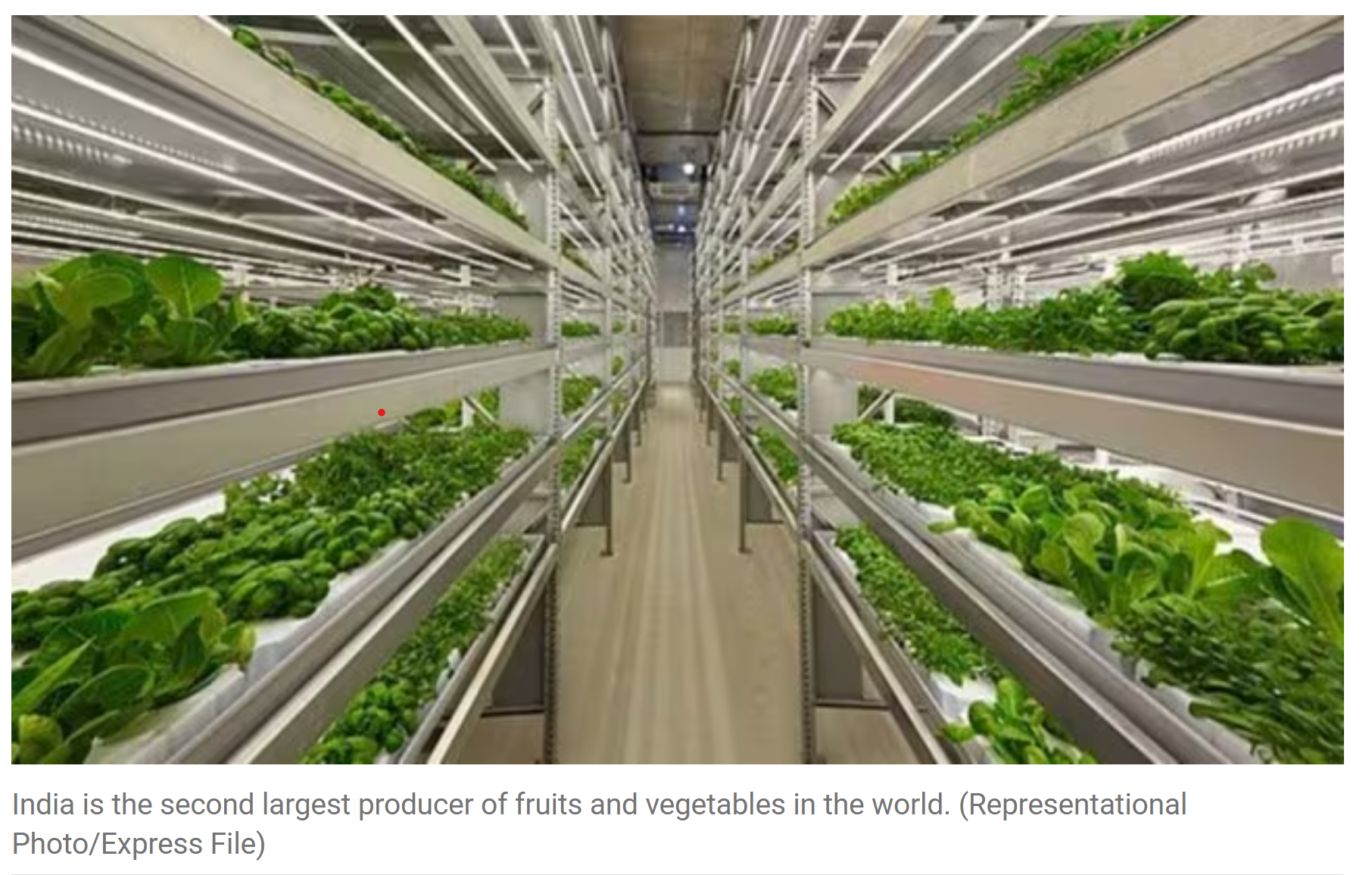
- 29 Oct 2024
In News:
- The Union Government has decided to introduce four new components under the Mission for Integrated Development of Horticulture (MIDH), aimed at promoting modern farming techniques:Hydroponics, Aquaponics, Vertical Farming&Precision Agriculture
Key Features of MIDH:
- MIDH is a Central Sponsored Scheme (CSS) aimed at the integrated development of various horticulture crops, including:
- Fruits, vegetables, root and tuber crops, mushrooms, spices, flowers, aromatic plants, coconut, cashew, cocoa, and bamboo.
- The scheme focuses on pre-production, production, post-harvest management, processing, and marketing activities.
Revision of Operational Guidelines and Cost Norms:
- The Ministry of Agriculture and Farmers' Welfare is revising the MIDH operational guidelines and cost norms, which were last updated in April 2014.
- The revised guidelines are expected to be released within one month.
- Cost norms are likely to increase by 20% compared to the existing rates, addressing concerns from various states about outdated guidelines.
Reason for Revision:
- Several states, including Odisha, have raised concerns over the old rates under MIDH. For example, Odisha’s Agriculture Minister highlighted that the state was still using 10-year-old rates.
- The Union Cabinet had already approved the rationalization of all CSS operating under the Ministry into two umbrella schemes:
- Pradhan Mantri Rashtriya Krishi Vikas Yojana (PM-RKVY)
- Krishonnati Yojana (KY)
Growth in India's Horticulture Sector:
- India’s horticulture production has significantly increased in recent years:
- Total production reached 334.60 million metric tonnes in 2020-21, up from 240.53 million metric tonnes in 2010-11.
- India is now the second largest producer of fruits and vegetables globally, surpassing food grain production.
- MIDH Annual Budget:The annual allocation for MIDH in the current financial year (2024-25) is ?2,000 crore.
International Abhidhamma Divas
- 16 Oct 2024
In News:
Recently, International Abhidhamma Divas was celebrated at Vigyan Bhavan, New Delhi, with PM Narendra Modi.
Key Details:
- India's Spiritual Legacy: Birthplace of Buddhism; site of Gautam Buddha's enlightenment.
- Sacred Sites: Veneration of locations like Bodh Gaya, symbolizing Buddha's journey and teachings.
- Core Teachings: Abhidhamma as a key philosophical component emphasizing mental discipline and self-awareness.
International Abhidhamma Divas
- Global Observation: Celebrates the significance of Abhidhamma in ethical conduct and mindfulness.
- Cultural Connection: Highlights India's role in preserving Buddhism and bridging ancient wisdom with contemporary practices.
Historical Background and Significance
- Commemoration: Marks Buddha’s descent from T?vati?sa to Sankassiya (Sankisa Basantapur).
- Teaching Period: Buddha taught the Abhidhamma to deities for three months; linked to the end of the Rainy Retreat and the Pav?ra?? festival.
Teachings of Abhidhamma
- Systematic Analysis: Provides a detailed exploration of mind and matter, differing from Sutta Pi?aka.
- Specialized Vocabulary: Key terms include "citta" (consciousness), "cetasika" (mental factors), "r?pa" (materiality), and "nibb?na" (liberation).
- Textual Framework: Six core books of Abhidhamma Piñaka cover moral states, aggregates, and causal relationships.
- Key Treatise: The Paññh?na offers in-depth causal analysis, essential for practitioners’ understanding.
Modern Observance and Celebrations
- Significance of Pali: Recognition of Pali as a classical language; promoting India's Buddhist heritage.
- Participants: Gathering of ambassadors, monks, scholars from 14 countries; emphasizes Abhidhamma's relevance today.
- Program Highlights: Dhamma discourse, academic sessions on Abhidhamma’s significance, exhibitions on Pali's evolution and Buddha's teachings.
Classical Status of Pali Language
- Pali's Role: Sacred language for delivering Buddha's teachings; recognized as a Classical Language by India.
- Buddhist Canon: Major texts include the Tipitaka (Vinaya, Sutta, Abhidhamma Pitaka) and commentarial traditions.
- Literary Heritage: Jataka Kathas reflect shared moral values; status enhances Pali studies in education and research.
Significance
- Significance of Celebration: Abhidhamma Divas underscores efforts to preserve and promote Buddhism’s legacy.
- Revitalization of Buddhism: Fosters global engagement and appreciation for Buddha’s teachings, reaffirming India's role in Buddhist studies.
Pradhan Mantri Awas Yojana-Gramin (PMAY-G)
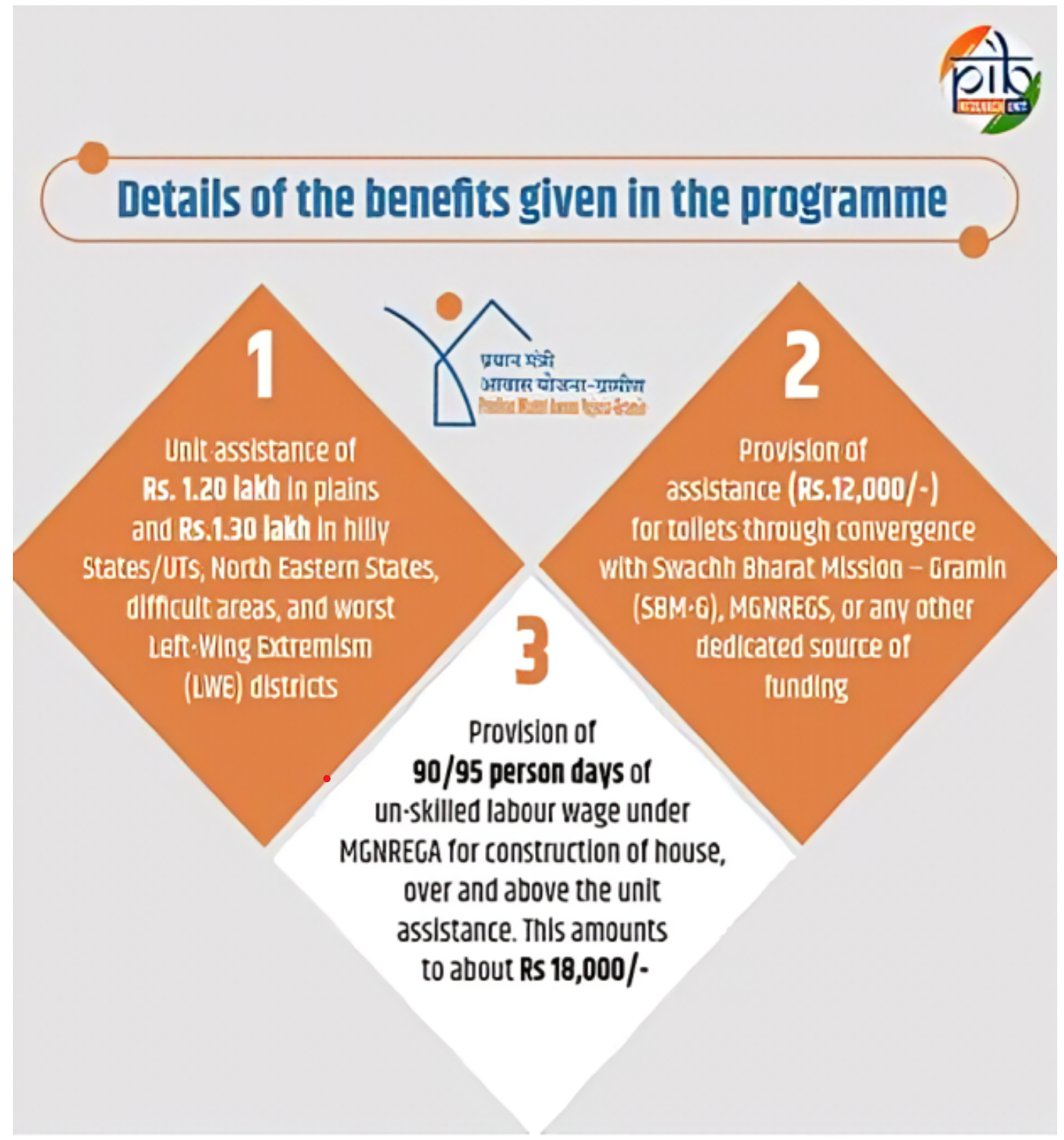
- 09 Oct 2024
Recent Initiatives:
- The Indian government has launched a nationwide survey of kutcha houses.
- Introduction of the Awas Sakhi mobile app to streamline housing assistance.
Purpose of the Kutcha House Survey
- Identify Housing Needs: The survey aims to collect data on families living in kutcha (temporary) houses, enabling targeted support for those in need.
- Support for Awas Sakhi App: The survey will enhance the functionality of the Awas Sakhi app, facilitating the application process and providing beneficiaries with vital housing information.
Overview of PMAY-G
- Launch: Initiated in 2016, PMAY-G aims to provide secure housing for the poorest communities.
- Beneficiary Selection Process: A comprehensive three-stage validation, including the Socio-Economic Caste Census 2011, Gram Sabha approvals, and geo-tagging, ensures that aid reaches those most deserving.
Benefits for PMAY-G Beneficiaries
- Financial Assistance:
- ?1.20 lakh for families in plain areas.
- ?1.30 lakh for families in hilly regions, including northeastern states and union territories.
- Support for Sanitation:
- An additional ?12,000 for toilet construction, aligned with the Swachh Bharat Mission – Gramin or MGNREGS.
- Employment Opportunities:
- Provision of 90/95 days of unskilled wage employment through MGNREGA for house construction.
- Access to Basic Amenities:
- Connections for water, LPG, and electricity facilitated through relevant schemes.
- Cost Sharing Structure:
- Expenses are shared in a 60:40 ratio for plain areas and a 90:10 ratio for northeastern states and selected Himalayan states. The Centre covers 100% of costs for other Union Territories.
Progress Under PMAY-G
- Targets: The government aims to construct 2.95 crore houses.
- Current Status: As of August 2024, 2.94 crore houses have been sanctioned, with 2.64 crore completed, enhancing living conditions for millions in rural areas.
Recent Developments
- In August 2024, the Union Cabinet approved funding for two crore additional houses at existing assistance rates.
- Eligibility Criteria Changes:
- Individuals owning bikes or scooters are now eligible.
- The income limit for eligibility has been raised from ?10,000 to ?15,000 per month.
Future Goals
- This initiative, spanning FY 2024-2029, aims to address ongoing housing demands, benefiting approximately 10 crore individuals by providing safe, hygienic, and socially inclusive housing.
Pradhan Mantri-Kisan Samman Nidhi (PM-KISAN) Scheme
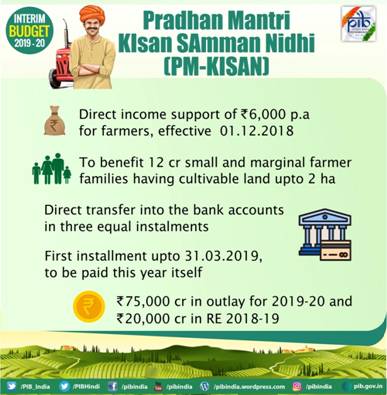
- 05 Oct 2024
In News:
The Prime Minister of India is set to announce the 18th installment of the PM-KISAN scheme in Washim, Maharashtra. This will benefit over 9.4 crore farmers nationwide, with the government allocating more than ?20,000 crore for this initiative.
About PM-KISAN
The Pradhan Mantri Kisan Samman Nidhi (PM-KISAN) is a Central Sector Direct Benefit Transfer (DBT) initiative aimed at providing income support to farmers.
Key Features:
- Financial Assistance: The scheme offers ?6,000 annually to small and marginal farmer families, distributed in three equal installments.
- Eligibility: Initially targeted at families with up to 2 hectares of cultivable land, the scope was later broadened to include all farmer families, regardless of land size.
- Family Definition: The definition of a family under this scheme includes the husband, wife, and minor children.
- Identification of Beneficiaries: State governments and Union Territory administrations are responsible for identifying eligible farmer families based on the scheme's guidelines.
- Direct Transfers: The funds are directly credited to the beneficiaries' bank accounts.
Exclusion Criteria
Certain categories of individuals are not eligible for benefits under the PM-KISAN scheme, including:
- Institutional Land-holders: Those who hold land under institutional ownership.
- High-Profile Government Officials: This includes former and current holders of constitutional posts, ministers, members of legislative assemblies, mayors, and district panchayat chairpersons.
- Government Employees: Serving or retired officers and employees of central or state government ministries and departments are excluded.
- Pensioners: Retired pensioners receiving a monthly pension of ?10,000 or more, as well as those in the previously mentioned categories, are also ineligible.
- Income Tax Filers: Individuals who have paid income tax in the last assessment year.
- Registered Professionals: Professionals such as doctors, engineers, lawyers, chartered accountants, and architects who are engaged in practice and registered with professional bodies.
PRADHAN MANTRI JANJATIYA UNNAT GRAM ABHIYAN
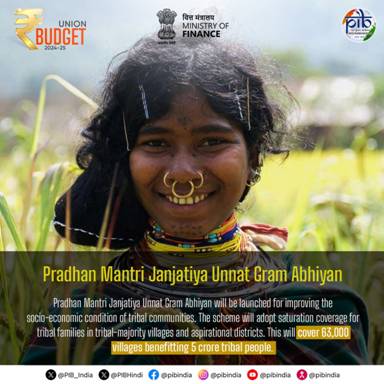
- 20 Sep 2024
In News:
The Union Cabinet, chaired by Prime Minister Narendra Modi, approved the Pradhan Mantri Janjatiya Unnat Gram Abhiyan. This mission aims to enhance the socio-economic conditions of tribal communities by saturating more than 63,000 tribal-majority villages and aspirational districts with a total budget of ?79,156 crore.
Budget Breakdown
- Total Outlay: ?79,156 crore
- Central Share: ?56,333 crore
- State Share: ?22,823 crore
Target Beneficiaries
The initiative is expected to benefit over 5 crore tribal people across 549 districts and 2,740 blocks in 30 States/UTs.
Context
- India's Scheduled Tribe (ST) population stands at 10.45 crore, according to the 2011 Census, with more than 705 tribal communities often residing in remote areas. This mission builds upon the successes of the Pradhan Mantri Janjati Adivasi Nyaya Maha Abhiyan (PM-JANMAN), launched on November 15, 2023.
Mission Objectives
- The mission aims to address critical gaps in social infrastructure, health, education, and livelihood through a comprehensive approach involving 25 interventions across 17 ministries.
Key Goals and Interventions
Goal 1: Developing Enabling Infrastructure
- Housing: Provision of pucca houses under the PMAY (Gramin) for eligible households, along with access to tapped water and electricity.
- Village Infrastructure: Improvement of all-weather road connectivity, mobile connectivity, and educational and health infrastructure.
Goal 2: Promotion of Economic Empowerment
- Skill Development: Enhanced training and self-employment opportunities for ST youth through initiatives like the Skill India Mission and support for tribal marketing.
Goal 3: Universal Access to Good Education
- Education Initiatives: Increase the gross enrollment ratio in schools and higher education, along with setting up tribal hostels for students.
Goal 4: Healthy Lives and Dignified Ageing
- Health Access: Provision of quality health facilities, aiming to meet national standards in maternal and child health indicators through mobile medical units.
Innovative Schemes
- Tribal Home Stay Initiative: Promotion of 1,000 homestays in tribal areas to boost tourism and provide alternate livelihoods. Each household can receive up to ?5 lakh for construction and ?3 lakh for renovations.
- Sustainable Livelihood for FRA Holders: Focus on 22 lakh FRA patta holders, enhancing their rights and providing livelihood support through various government schemes.
- Improving Educational Infrastructure: Upgrading tribal residential schools and hostels to improve local educational resources and retention rates.
- Sickle Cell Disease Management: Establishing Centers of Competence for affordable diagnostic services and prenatal care in regions where the disease is prevalent.
- Tribal Multipurpose Marketing Centres (TMMCs): Setting up 100 TMMCs to improve marketing of tribal products and facilitate better prices for producers.
Pradhan Mantri Annadata Aay Sanrakshan Abhiyan (PM-AASHA)
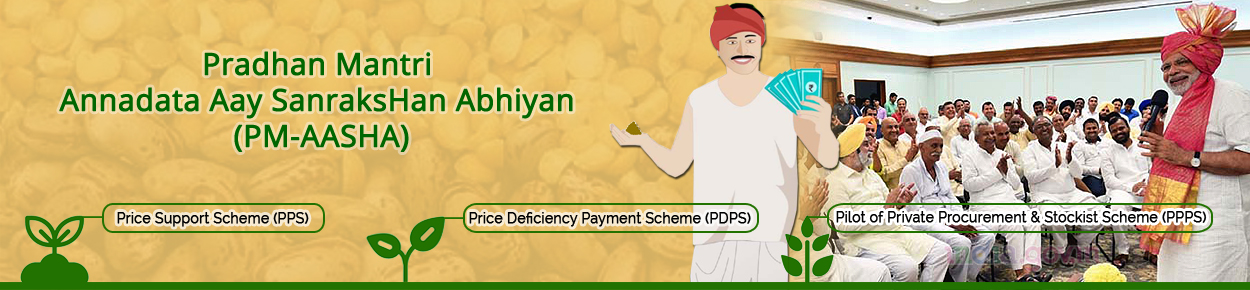
- 19 Sep 2024
In News:
- The Union Cabinet, chaired by Prime Minister Narendra Modi, approved the continuation of the PM-AASHA scheme to provide remunerative prices to farmers and control price volatility of essential commodities for consumers.
- Total Financial Outlay: ?35,000 crore during the 15th Finance Commission Cycle, up to 2025-26.
Scheme Integration
- The government has merged the Price Support Scheme (PSS) and Price Stabilization Fund (PSF) into PM-AASHA to enhance efficiency.
- Components of PM-AASHA:
- Price Support Scheme (PSS)
- Price Stabilization Fund (PSF)
- Price Deficit Payment Scheme (PDPS)
- Market Intervention Scheme (MIS)
Procurement Details
- MSP Procurement: Starting from the 2024-25 season, procurement of notified pulses, oilseeds, and copra at Minimum Support Price (MSP) will be on 25% of national production.
- Exceptions for 2024-25: 100% procurement of Tur, Urad, and Masur will be implemented.
- Government Guarantee: The existing government guarantee for procurement has been enhanced to ?45,000 crore.
Consumer Protection Measures
- The extension of the PSF scheme will help protect consumers from extreme price volatility by maintaining strategic buffer stocks of pulses and onions.
- Procurement of pulses at market prices will be handled by the Department of Consumer Affairs (DoCA) when prices exceed MSP.
Enhanced State Participation
- PDPS Coverage: The coverage for the Price Deficit Payment Scheme for notified oilseeds has been increased from 25% to 40% of state production.
- Implementation Period: Extended from 3 months to 4 months, with compensation limited to 15% of MSP.
Market Intervention Scheme (MIS) Adjustments
- The MIS has been extended to provide remunerative prices for perishable horticultural crops.
- Coverage for MIS has increased from 20% to 25% of production, with an option for direct differential payments to farmers.
- For TOP (Tomato, Onion, Potato) crops, the government will cover transportation and storage costs to ensure price stability.
SAMRIDH Scheme
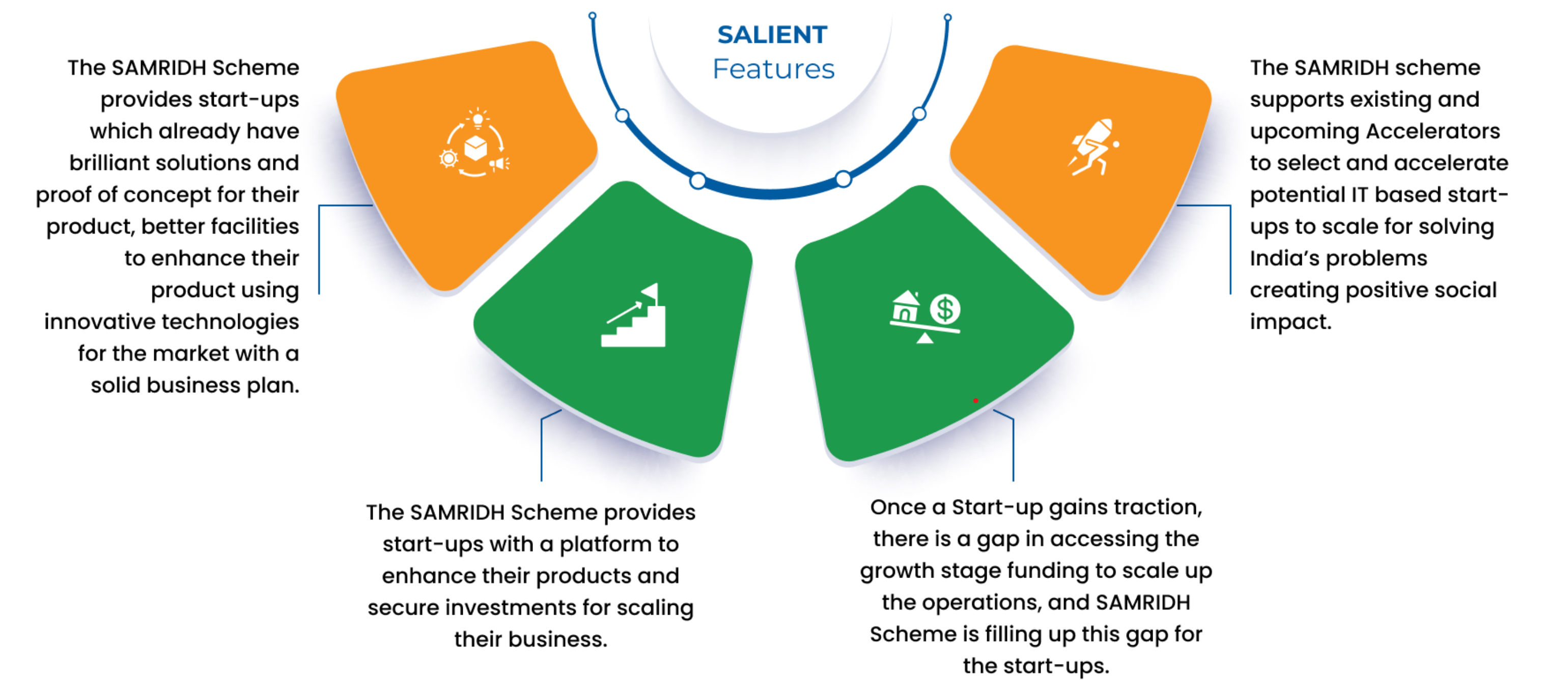
- 06 Sep 2024
In News:
- Ministry of Electronics and Information Technology (MeitY) launches 2nd Cohort of Startup Accelerators of MeitY for Product Innovation, Development and Growth (SAMRIDH).
About SAMRIDH Scheme:
- SAMRIDH is a flagship programme of MeitY for startups acceleration under National Policy on Software Products – 2019.
- The SAMRIDH programme, launched in August 2021 aims to support 300 software product startups with outlay of ?99 crore over a period of 4 years.
- SAMRIDH is being implemented through potential and established accelerators across India which provide services like making products market fit, business plan, investor connect and international expansion to startups plus matching funding upto ?40 lakh by MeitY.
- The scheme is being implemented by MeitY Start-up Hub (MSH), Digital India Corporation (DIC).
- In the first round of cohort, 22 Accelerators spread across 12 states are supporting 175 startups, selected through a multilevel screening process.
- Major Objective:
- The SAMRIDH scheme aims to support existing and upcoming Accelerators to select and accelerate potential IT-based startups to scale.
- Among others, the program focuses on accelerating the startups by providing customer connect, investors connect and connect to international markets
- Eligibility of Accelerator:
- Should be a registered Section-8/Society, [Not-for-Profit Company (eligible to hold equity)] having operations in India.
- The Accelerator and the team are recommended to have more than 3 years of startup experience and should have supported more than 50 start-ups of which at least 10 startups should have received investment from external Investors
- The Accelerator should have an experience of running startup program cohorts with activities listed as desirable under SAMRIDH program.
4 Years of Pradhan Mantri Matsya Sampada Yojana (PMMSY)
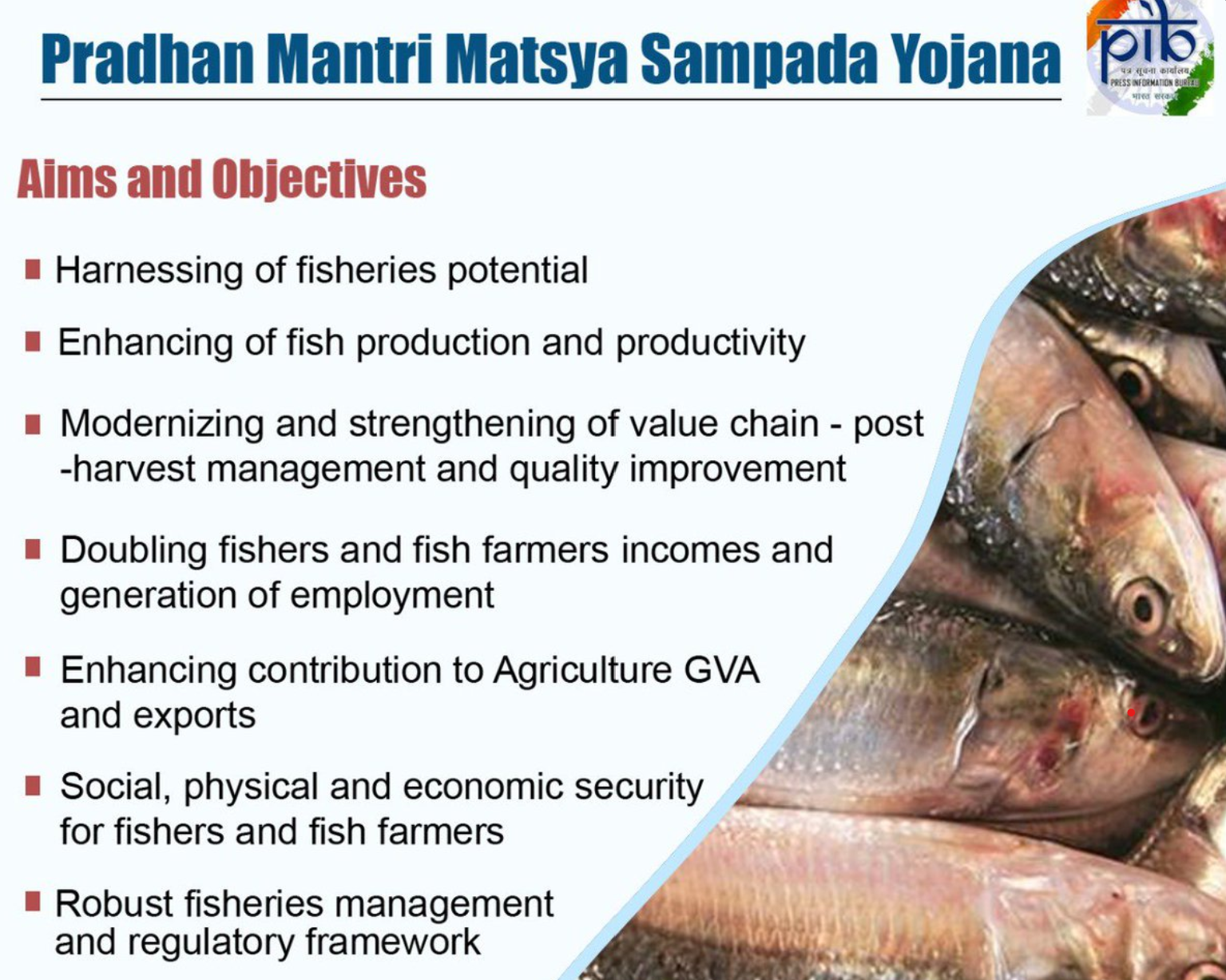
- 14 Sep 2024
Context:
Celebrating Four Years of Pradhan Mantri Matsya Sampada Yojana (PMMSY)
The Pradhan Mantri Matsya Sampada Yojana (PMMSY) has marked its fourth anniversary since its launch in 2020. This flagship scheme, managed by the Department of Fisheries under the Ministry of Fisheries, Animal Husbandry, and Dairying, aims to transform India’s fisheries sector into a vibrant and sustainable industry.
About PMMSY
The PMMSY is designed to invigorate the fisheries sector through a comprehensive approach that consolidates various existing schemes and initiatives. It operates as an umbrella scheme with two main components:
- Central Sector Scheme (CS)
- Centrally Sponsored Scheme (CSS)
The CSS component is divided into:
Non-Beneficiary Oriented Subcomponents:
- Enhancement of Production and Productivity
- Infrastructure and Post-Harvest Management
- Fisheries Management and Regulatory Framework
Fisheries Sector Overview
India stands as the third-largest fish producer globally and the second-largest in aquaculture production. It is also the fourth-largest exporter of fish and fisheries products, experiencing a notable 26.73% growth in exports from FY 2021-22 to FY 2022-23. Andhra Pradesh leads the country in fish production, followed by West Bengal and Gujarat. The sector supports the livelihoods of over 30 million people.
The Department of Fisheries is spearheading the PMMSY to foster a "Blue Revolution" through sustainable and responsible development of the fisheries sector.
Challenges Facing the Fisheries Sector
1. Overfishing: Excessive fishing pressure threatens fish stocks and disrupts ecosystem balance.
2. Illegal, Unreported, and Unregulated (IUU) Fishing: Practices such as fishing without proper authorization and using banned gear undermine conservation efforts.
3. Lack of Infrastructure and Technology: Outdated technology and inadequate storage and transportation facilities result in post-harvest losses and reduced productivity.
4. Poor Fisheries Management: Inefficient regulation enforcement and lack of comprehensive data exacerbate overfishing and IUU fishing.
5. Pollution and Habitat Destruction: Industrial pollution and habitat destruction from activities like coastal reclamation impact marine and freshwater ecosystems.
6. Climate Change: Altered oceanic and freshwater environments affect fish distribution and reproductive cycles, disrupting fisheries ecosystems.
7. Socio-Economic Issues: Poverty and limited livelihood options increase the vulnerability of fishing communities.
Government Initiatives for Sector Growth
1. National Fisheries Development Board (NFDB): Established in 2006, the NFDB plans and promotes fisheries development, enhancing production and infrastructure.
2. Blue Revolution: Launched in 2015, this initiative focuses on sustainable development, modern technology adoption, and strengthening fisheries governance.
3. Sagarmala Programme: Also launched in 2015, it aims to boost port-led development and includes projects to develop fishing harbors and cold chain infrastructure.
4. National Fisheries Policy: Introduced in 2020, this policy provides a framework for sustainable fisheries development, focusing on responsible management and socio-economic improvements.
5. Fish Farmers Development Agencies (FFDAs): Established at the district level to provide technical guidance and support to fish farmers.
6. Fisheries and Aquaculture Infrastructure Development Fund (FIDF): Created in 2018-19 with a fund of Rs 7,522.48 crore to address infrastructure needs, resulting in 121 approved projects.
7. Coastal Aquaculture Authority (CAA): Regulates coastal aquaculture to ensure sustainability and environmental conservation.
Way Forward
The fisheries sector in India holds immense potential due to its extensive coastline and water resources. Key measures to further enhance the sector include:
- Strengthening Monitoring and Enforcement: Combat IUU fishing with better monitoring and regulatory mechanisms.
- Supporting Sustainable Practices: Provide financial incentives for adopting modern technologies and sustainable practices.
- Protecting Aquatic Habitats: Ensure the conservation and restoration of vital habitats like mangroves and coral reefs.
- Improving Supply Chain Infrastructure: Develop better market linkages to ensure fair pricing and access to markets.
With these strategies, the PMMSY aims to drive the sustainable growth of India’s fisheries sector and bolster its contribution to the economy and livelihoods.
Ayushman Bharat Pradhan Mantri Jan Arogya Yojana (AB PM-JAY)
- 12 Sep 2024
In News:
- The Union Cabinet has approved a major expansion of the Ayushman Bharat Pradhan Mantri Jan Arogya Yojana (AB PM-JAY) to cover all senior citizens aged 70 years and above.
- This change allows anyone in this age group to be eligible for health insurance, regardless of their income level.
- This expansion aims to address the healthcare needs of the elderly, who often face higher medical expenses as they age.
- By lifting income restrictions, the government is ensuring that more senior citizens can benefit from much-needed health coverage, which will help ease the financial burden of healthcare.
How does the scheme work?
- The AB PM-JAY now covers an additional 6 crore individuals from 4.5 crore families, focusing on seniors aged 70 and above. Each senior citizen will be given a health card, allowing them easy access to healthcare services under the scheme.
- The scheme provides Rs 5 lakh coverage annually per family. If there are multiple senior citizens in the same family, this coverage is shared among them. The scheme is particularly beneficial for nuclear families, where the financial burden on elderly members can be more difficult to manage.
Key details of the scheme for senior citizens above 70
- Eligibility - All senior citizens aged 70 and above are eligible for Rs 5 lakh health coverage, regardless of income or social status.
- Top-up coverage - For families already enrolled in Ayushman Bharat, senior members will receive an extra Rs 5 lakh top-up, which is solely for their use.
- Private insurance - Senior citizens with private health insurance can still take advantage of the scheme without any conflict with their existing coverage.
- Public health schemes - Seniors who are part of other public health schemes like the Central Government Health Scheme (CGHS), Ex-Servicemen Contributory Health Scheme (ECHS), or Ayushman Central Armed Police Force (CAPF) will need to choose between their current insurance and the new Ayushman Bharat health coverage.
- New health cards - All eligible senior citizens will receive a separate health card, which will help them access the scheme’s benefits more efficiently.
Who pays for the coverage?
- The cost of this expanded coverage will be Rs 3,437 crore initially. State governments will bear 40% of the expenses, while the Centre will cover the remaining 60%. For states in hilly and northeastern regions, the Centre will fund 90% of the costs.
- As more senior citizens enrol, the costs may increase. Experts point out that covering elderly individuals often costs more than providing insurance for younger, economically weaker sections of society. However, the government is prepared to scale up the coverage based on demand.
Ayushman Bharat Pradhan Mantri Jan Arogya Yojana (AB PM-JAY)
- AB PM-JAY launched in 2018, is a flagship program designed to offer affordable and accessible healthcare to millions of vulnerable families across India.
- The primary aim is to provide health insurance coverage up to ?5 lakhs per family annually for secondary and tertiary care hospitalization.
- The scheme currently supports 55 crore individuals from 12.34 crore families throughout the country.
Psychoanalysis

- 24 Apr 2024
Why is it in the News?
Sudhir Kakar, a pioneering Indian psychoanalyst, author, and cultural critic, passed away on Monday at the age of 85.
What is Psychoanalysis?
- Psychoanalysis is a set of psychological theories and therapeutic methods that focus on the unconscious mind, as well as the role of repressed emotions and desires in shaping behavior and mental health.
- Developed by Sigmund Freud in the late 19th and early 20th centuries, psychoanalysis is based on the idea that many of our thoughts, feelings, and actions are influenced by unconscious motives and conflicts, often rooted in childhood experiences.
- Psychoanalysis has three core components:
- A method of investigation of the mind and the way one thinks.
- A systematized set of theories about human behavior.
- A method of treatment for psychological and emotional issues.
- Key concepts in psychoanalysis include the id, ego, and superego (the structural model of the psyche), the Oedipus complex, defense mechanisms (such as repression, denial, and projection), and dream interpretation.
- During psychoanalysis therapy, a patient works closely with a therapist to explore and understand unconscious thoughts and feelings, often by discussing dreams, memories, and other experiences.
- The goal is to bring repressed emotions to the surface and address any underlying conflicts in order to alleviate mental distress and improve overall well-being.
- While psychoanalysis has had a significant influence on psychology and mental health treatment, it remains a controversial approach due to its lack of scientific rigor and emphasis on subjective interpretation.
- Nevertheless, many of its concepts have been adapted or integrated into other forms of therapy, and psychoanalysis remains an important part of the history and development of psychology.
Significance:
- It has profoundly impacted the fields of psychology and mental health treatment, as well as culture, literature, and the arts. Its significance can be understood through the following points:
- Foundational Role: Psychoanalysis provided a groundbreaking approach to understanding the human mind and behavior, shifting the focus from conscious experiences to unconscious mental processes.
- Influence on Psychology: Many concepts introduced by psychoanalysis, such as the unconscious mind, defense mechanisms, and the influence of early childhood experiences, have been adopted and adapted by various schools of psychology, including cognitive-behavioral, humanistic, and psychodynamic approaches.
- Therapeutic Approach: Psychoanalysis revolutionized the way mental health issues were treated, moving away from a purely medical model and emphasizing the importance of talking therapy in addressing psychological problems.
- Cultural Impact: The ideas of psychoanalysis have permeated culture, literature, and the arts, influencing our understanding of human motivations, relationships, and emotions. Concepts like Freudian slips, dream interpretation, and the Oedipus complex have become part of everyday language.
- Interdisciplinary Applications: The principles of psychoanalysis have been applied in fields beyond psychology, including sociology, anthropology, literature, and film studies.
- Despite criticisms and revisions, psychoanalysis remains a significant and influential theory that has shaped our understanding of the human mind and behavior.
- It continues to contribute to the development of psychological theories and therapeutic approaches, enriching our comprehension of mental health and human nature.
Gujarat Freedom of Religion Act
- 13 Apr 2024
Why is it in the News?
The Gujarat government recently clarified that Buddhism and Hinduism must be considered as two separate religions for religious conversions in the state.
Why did the Gujarat Government Issue the Circular?
- The Gujarat government issued the circular to address an issue regarding the application process for converting from Hinduism to Buddhism.
- The circular, issued by the Home Department highlights that the proper procedures outlined in the Gujarat Freedom of Religion Act (GFR Act) are not being followed.
- The circular points out that some offices are rejecting these conversion applications, arguing that under Article 25(2) of the Constitution, Sikhism, Jainism, and Buddhism are considered part of Hinduism.
- Therefore, applicants are told they don't need permission for religious conversion.
- This interpretation refers to Article 25, which guarantees religious freedom.
- Article 25(2)(b) allows laws for social welfare or reform for Hindus, which includes Sikhs, Jains, and Buddhists.
- Notably, the circular contrasts with a proposed 2006 amendment to the GFR Act, which suggested considering Jainism and Buddhism as part of Hinduism.
- However, the circular clarifies that, according to the GFR Act, Buddhism must be seen as a separate religion.
How does the GFR Act Govern Religious Conversions in Gujarat?
- The Gujarat Freedom of Religion Act (GFR Act) controls how people change their religion in Gujarat.
- According to the state government, this law aims to stop religious conversion by offering rewards, using force, lying, or tricking people.
- One part of the law, Section 3, makes it a crime to force or persuade someone to change their religion, whether by using force, offering rewards, trickery, or arranging marriages.
- Another part, Section 3A, added in 2021, lets anyone who feels harmed or their relatives report these crimes to the police.
- People who break Section 3 can be sent to jail for up to three years and fined up to Rs 50,000.
- If the person affected is a woman, a child, or from certain communities, the punishment is harsher – up to four years in jail and a fine of Rs 1 lakh.
- For a religious conversion to be legal, Section 5 says the person leading the ceremony must get permission from the District Magistrate beforehand.
- And the person who changes their religion must tell the District Magistrate afterward.
- Not doing this can result in a one-year jail term or a fine of up to Rs 1,000.
- In 2021, the GFR Act was changed to include more rules.
- It now makes it a crime to change religion through marriage (Section 4A) and says marriages are void if one person converts before or after getting married (Section 4B).
- It also punishes people involved in organizations that unlawfully convert others (Section 4C). The accused now have to prove that the conversion was legal (Section 6A).
SUVIDHA Portal
- 08 Apr 2024
Why is it in the News?
The Election Commission said that over 73 thousand applications had been received on the Suvidha Portal in just 20 days since the announcement of General Elections 2024.
About SUVIDHA Portal:
- The Suvidha portal is a technological solution developed by the Election Commission of India (ECI) to ensure a level playing field upholding the democratic principles of free, fair, and transparent elections.
- Suvidha's robust track record showcases its ability to streamline requests for permissions and facilities during election campaigns, catering to diverse needs such as rallies, canvassing, and temporary party offices.
- The Suvidha portal offers both online and offline submission options, ensuring inclusivity and equal opportunity for all stakeholders.
- Permission requests can be processed efficiently through a robust IT platform managed by nodal officers from various state departments.
- The portal's user-friendly design allows political parties and candidates to submit requests from anywhere, at any time.
- To enhance transparency and convenience, Suvidha also provides a companion app for real-time tracking of application statuses.
- Available on both iOS and Android platforms, the app ensures a seamless user experience.
- Moreover, the Suvidha portal promotes accountability by offering features such as real-time tracking, status updates, timestamped submissions, and SMS communication.
- Data collected on the Suvidha platform serves as a valuable resource for scrutinizing election expenditures, thereby promoting greater integrity in the electoral process.
- With Suvidha, the Election Commission of India demonstrates its commitment to facilitating a fair, efficient, and transparent electoral environment, granting equal access to all political parties and candidates seeking permissions and clearances during election campaigns.
Sannati: Ancient Buddhist Site
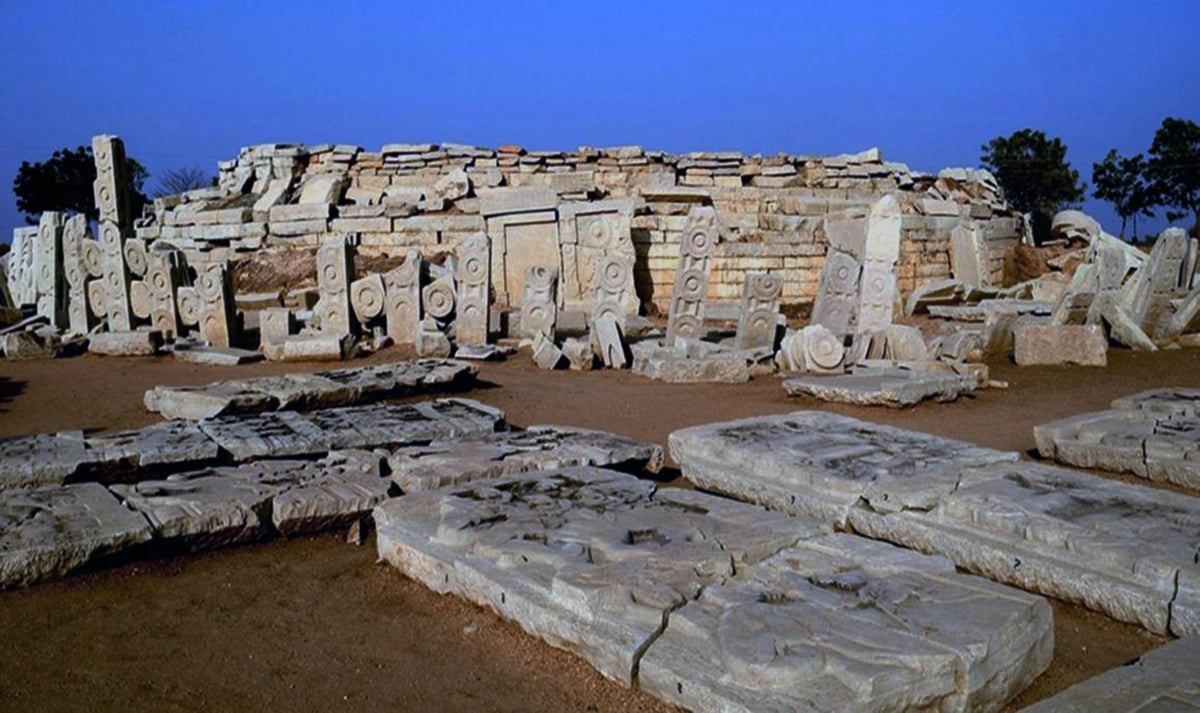
- 05 Apr 2024
Why is it in the News?
Left neglected for many years after it came to light through the ASI excavations in the 1990s, the ancient Buddhist site of Sannati on the bank of the Bhima River got a restoration project in 2022.
About Ancient Sannati Buddhist site:
- This ancient Sannati Buddhist site, situated alongside the Bhima River near Kanaganahalli in Karnataka's Kalaburagi district, offers a rich historical and cultural experience.
- Notably, it also boasts the Chandrala Parameshwari Temple, a popular attraction among tourists.
Key discoveries at this site include evidence of development across three distinct phases:
- Maurya, Early Satavahana, and Later Satavahana periods, span from the 3rd Century B.C. to the 3rd Century A.D.
- The Ranamandala area of Sannati presents a unique chronological timeline from prehistoric to early historic eras.
- Among the remarkable findings is an inscription in the Prakrit language, inscribed using Brahmi script.
- Noteworthy is the recovery of a significant stone sculpture portraying Mauryan Emperor Ashoka, surrounded by his queens and attendants, with the inscription "Raya Asoko" in Brahmi script, leaving no doubt about the identity of the depicted figure.
- The excavation also yielded around 60 dome slabs featuring sculptural depictions of Jataka stories, significant events in the life of Buddha, portraits of Shatavahana monarchs, and unique representations of Buddhist missionaries dispatched by Ashoka to various regions.
- Moreover, the ancient Nagavi Ghatikasthana, often dubbed as the Takshashila of the South, lies approximately 40 km from Sannati.
- Functioning as a prominent educational center akin to a modern-day university during the Rashtrakuta and Kalyana Chalukya dynasties from the 10th to 12th Centuries, it held great historical significance.
Vaikom Satyagraha
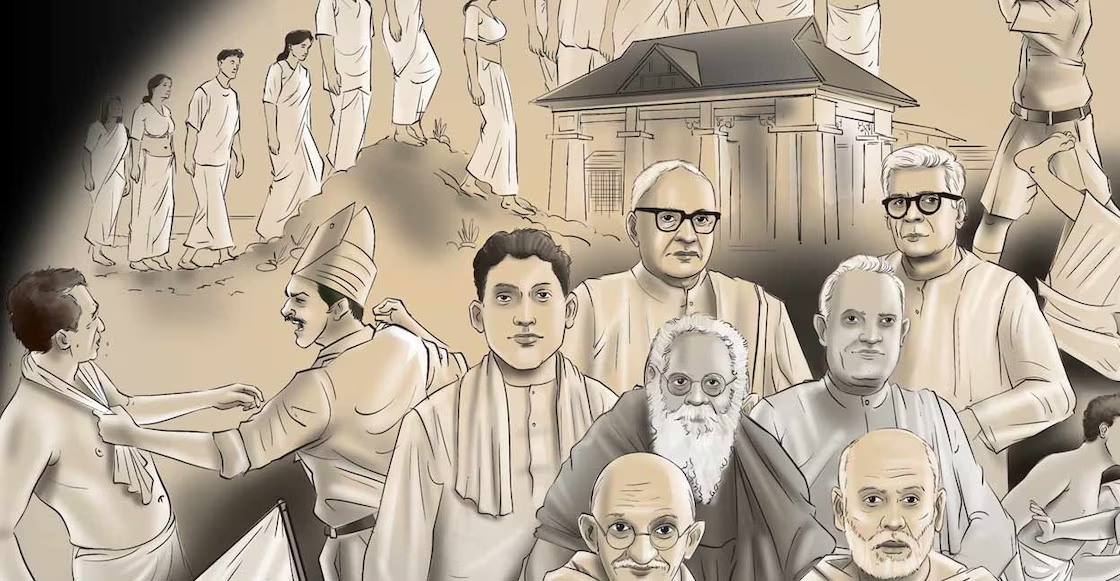
- 30 Mar 2024
Why is it in the News?
Vaikom, a temple town in the princely state of Travancore, saw the start of a non-violent agitation on March 30, 1924 — the first among temple entry movements that would soon sweep across the country.
What is Vaikom Satyagraha?
- Vaikom Satyagraha was a significant non-violent protest against the caste-based discrimination prevalent in the princely state of Travancore, characterized by a feudal, militaristic governance system entrenched with rigid social norms and customs.
- Discriminatory practices, such as the prohibition of lower castes like the Ezhavas and Pulayas from temple entry and even walking on roads near temples, were pervasive.
Contribution of Leaders:
- In 1923, the issue was brought to attention as a resolution by Madhavan during the Kakinada meeting of the All India Congress Committee.
- Subsequently, the Kerala Pradesh Congress Committee formed the Congress Untouchability Committee in January 1924 to address the matter.
- Pioneers of the Vaikom Satyagraha movement include Madhavan, K.P. Kesava Menon, then secretary of the Kerala Pradesh Congress Committee, and K. Kelappan, a prominent Congress leader and educationist known as Kerala Gandhi.
Factors Leading to Satyagraha:
- The expansion of Christian missionaries, backed by the East India Company, led to conversions among lower castes seeking liberation from an oppressive system.
- Maharaja Ayilyam Thirunal initiated several progressive reforms, notably the establishment of a modern education system providing free primary education for all, including lower castes.
- These reforms, alongside the influence of capitalism, contributed to the emergence of new social hierarchies, sometimes conflicting with traditional ones.
Commencement of Satyagraha:
- On March 30, 1924, the Satyagrahis embarked on a procession towards the restricted public roads, where a board warned oppressed communities against walking (near the Vaikom Mahadeva temple).
- Despite being halted 50 yards away, individuals such as Govinda Panikkar (Nair), Bahuleyan (Ezhava), and Kunjappu (Pulaya), adorned in khadi attire, courageously defied the prohibition orders.
- Subsequently, they were stopped by the police and, in protest, sat on the road, resulting in their arrest.
- Following this incident, three volunteers from different communities were designated each day to walk on the prohibited roads. Within a week, the movement's leaders were all apprehended by authorities.
Role of Women:
- Large-scale participation of women was witnessed for the first time during the Satyagraha, marking the passage of women into the socio-political consciousness of the country.
- Nagammai, the wife of Periyar, and Kannammal, his sister, played unprecedented roles in the struggle.
Arrival of Gandhi:
- In March 1925, Gandhi arrived at Vaikom and engaged in discussions with leaders from various caste groups.
- He also met with the Maharani Regent at her Varkala camp.
Withdrawal of Vaikom Satyagraha:
- The Vaikom Satyagraha was officially terminated on November 30, 1925, following consultations between Gandhi and W.H. Pitt, the police commissioner of Travancore.
- A compromise was reached, leading to the release of all prisoners and the granting of access to roads.
Temple Entry Proclamation:
- In 1936, the historic Temple Entry Proclamation was signed by the Maharaja of Travancore, abolishing the age-old ban on temple entry.
Significance:
- During a period of growing nationalist fervor and widespread agitation, the Vaikom Satyagraha emerged as a pivotal catalyst for social reform.
- Introducing Gandhian principles of nonviolent resistance to Travancore for the first time, marked a significant departure from traditional modes of protest.
- Enduring for over 600 consecutive days, despite social pressure, police interventions, and even a natural disaster in 1924, the steadfastness of the movement is commendable.
- The Vaikom Satyagraha fostered unprecedented unity across caste lines, showcasing a remarkable display of solidarity among diverse communities.
Six Heritage Sites on Tentative UNESCO List
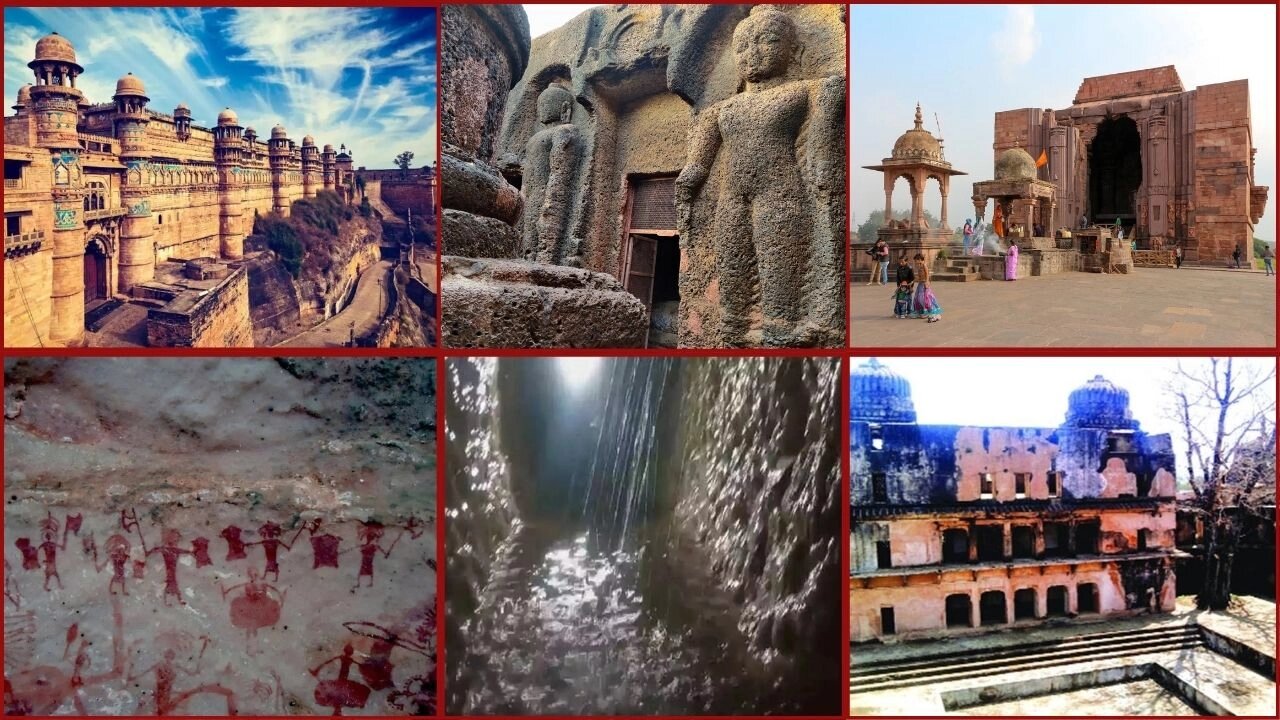
- 20 Mar 2024
Why is it in the News?
In a significant boost to its rich cultural and historical legacy, 6 new sites from Madhya Pradesh have found a place in the tentative UNESCO list of World Heritage Sites (WHS).
Six New Sites From MP In the UNESCO Tentative List:
- The sites included in the tentative list are Gwalior Fort, the Historical Group of Dhamnar, Bhojeshwar Mahadev Temple, Rock Art Sites of Chambal Valley, Khooni Bhandara, Burhanpur, and God Memorial of Ramnagar, Mandla.
- The UNESCO tentative list includes those that provide a forecast of the properties that a State Party may decide to submit for inscription in the next five to ten years.
- Gwalior Fort: An imposing fortress atop a hill, featuring impenetrable walls, exquisite sculptures, and stunning architecture.
- Built-in the 6th century AD by Rajput warrior Suraj Sen and expanded by Tomar ruler Maan Singh in 1398.
- Dhamnar Caves: Rock-cut temple site in Mandsaur district, constructed in the 7th century AD.
- It comprises 51 caves, stupas, chaityas, and dwellings, with a colossal Gautam Buddha statue.
- Bhojeshwar Mahadev Temple: Located near Bhopal, this temple is dedicated to Lord Shiva, with a huge Linga carved from a single stone.
- Built between 1010 and 1053 AD by Raja Bhoj but was never completed.
- Chambal Valley Rock Art Sites: The world's largest concentration of rock art sites across MP, Rajasthan, and Uttar Pradesh, depicting ancient daily life, rituals, and hunting scenes.
- Khooni Bhandara: A unique water supply system built in Burhanpur in 1615 by ruler Abdurrahim Khankhana, still operational today.
- Gond Statue, Mandla: Moti Mahal, a five-storied palace built in Mandla in 1667 by Gond king Hriday Shah, showcasing the strong willpower of the king despite limited resources.
What is UNESCO’s Tentative List?
- A World Heritage Site is a site with outstanding universal value.
- It also denotes cultural and natural significance that transcends national boundaries and is of common importance for current and future generations of all humanity.
- According to UNESCO, a tentative list lists the properties each State Party intends to consider for nomination.
- The government of any nation must have a nomination document ready for the UNESCO World Heritage Committee to review once as soon as UNESCO includes it in a location on the Tentative List.
- After this, a UNESCO representative will evaluate the situation and inspect it.
What is the Tentative List Process?
- The States Parties are encouraged to submit their Tentative Lists of properties that they consider cultural and natural heritage of outstanding universal value and, therefore, suitable for inscription on the World Heritage List.
- The States Parties are encouraged to prepare their Tentative Lists with the participation of stakeholders such as site managers, local and regional governments, local communities, NGOs, and other interested parties and partners.
- The States Parties should submit the Tentative Lists to the World Heritage Centre at least one year before submitting any nomination.
- The list should not be exhaustive.
- The States Parties can re-examine and re-submit their list at least every ten years.
- The States Parties are also requested to submit their lists using a submission format (English or French) that should contain the name of the properties, geographical location, a brief description of the properties, and why the property is of outstanding universal value.
- Nomination will only be considered once the property is added to the State Party's Tentative List.
On Dandi March anniversary, PM Modi launches master plan for Sabarmati Gandhi Ashram redevelopment
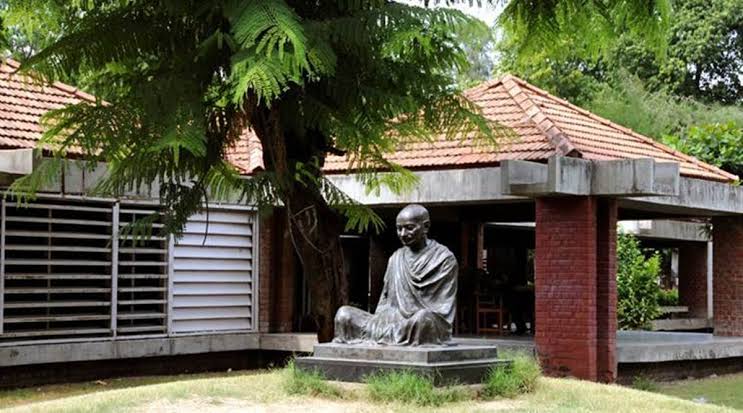
- 13 Mar 2024
Why is it in the News?
Describing various initiatives of his government as “a way of its dedication towards Mahatma Gandhi”, Prime Minister Narendra Modi launched a master plan for the Sabarmati Gandhi Ashram redevelopment project in Ahmedabad recently, on the anniversary of the historic Dandi March.
About Sabarmati Gandhi Ashram redevelopment project:
- On the anniversary of the historic Dandi March, Prime Minister Narendra Modi launched a master plan for the Sabarmati Gandhi Ashram redevelopment project in Ahmedabad.
- This joint initiative by the central government and the Gujarat government, known as the Gandhi Ashram Memorial and Precinct Development Project, is set to cost around Rs 1,200 crore.
- During the inauguration, PM Modi emphasized the importance of conserving heritage sites, stating that "a country which cannot conserve its heritage also loses its future."
- He highlighted the collective responsibility of all Indians to preserve this globally renowned site, which holds immense historical and cultural significance.
- The government's commitment to restoring old buildings to their original form, with the aim of eliminating the need for new constructions, was outlined by PM Modi.
- This approach aligns with the principle of preserving the authenticity and integrity of heritage sites, ensuring that future generations can experience and appreciate their true essence.
- The Sabarmati Gandhi Ashram, established by Mahatma Gandhi in 1917, played a pivotal role in India's struggle for independence.
- By undertaking this redevelopment project, the government seeks to honor the legacy of the father of the nation and create a space that inspires future generations to learn from his life and teachings.
About Dandi March:
- The Dandi March, also known as the Salt March or Salt Satyagraha, was a significant non-violent protest action led by Mahatma Gandhi in March-April 1930.
- This landmark event marked the beginning of a larger civil disobedience campaign that Gandhi waged against British rule in India, which extended into early 1931.
- The Dandi March garnered widespread support for Gandhi among the Indian populace and drew considerable international attention.
- The motivations behind the Dandi March were rooted in the British monopoly over salt production and distribution in India.
- A series of laws prohibited Indians from producing or selling salt independently, forcing them to purchase heavily taxed salt that was often imported.
- This affected the majority of Indians, who were poor and could not afford the high cost of salt. Indian protests against the salt tax had begun in the 19th century and remained a major point of contention throughout British rule.
- By undertaking the Dandi March and defying the salt laws, Gandhi sought to mobilize the Indian populace against British oppression and galvanize support for the Indian independence movement.
- The march, which covered over 240 miles from Sabarmati Ashram to Dandi, symbolized the spirit of nonviolent resistance and civil disobedience that would come to characterize India's struggle for freedom.
Impact of Dandi March:
- The Dandi March had a profound impact on the Indian independence movement and left an indelible mark on the country's history.
- The mass civil disobedience that ensued after Gandhi's iconic march led to millions of Indians breaking the salt laws by making or buying illegal salt.
- Gandhi's unwavering commitment to satyagraha against the salt tax inspired countless others to join the movement, including prominent leaders like Jawaharlal Nehru.
- Thousands were arrested and imprisoned, including Gandhi himself, but the spirit of resistance only grew stronger.
- News of Gandhi's detention galvanized tens of thousands more to join the satyagraha, and the march on the Dharasana salt works went ahead as planned in May 1931.
- Despite facing violent opposition from the police, the peaceful marchers, led by the poet Sarojini Naidu, persisted in their nonviolent resistance.
- Gandhi's release from custody in January 1931 marked a turning point, as he began negotiations with Lord Irwin aimed at ending the satyagraha campaign.
- These efforts culminated in the Gandhi-Irwin Pact, signed on March 5, 1931, which formalized a truce between the Indian independence movement and the British government.
- The Dandi March, therefore, served as a catalyst for change, uniting Indians from all walks of life in a shared struggle for freedom and justice.
- The events of the Salt Satyagraha remain an enduring symbol of the power of nonviolent resistance and the indomitable spirit of the Indian people in their quest for self-determination.
Kamaladevi Chattopadhyay, the unsung feminist freedom fighter in the history of India
- 09 Mar 2024
Why is it in the News?
Post-Independence, the revival of the crafts sector began with Kamaladevi Chattopadhyay who strongly championed the handicrafts movement for the role it could play in social and economic upliftment.
About Kamaladevi Chattopadhyay:
- Kamaladevi was born in April 1903 in a liberal Chitrapur Saraswat Brahmin family in Mangalore (now Mangaluru).
- She completed her primary education at the local St Ann’s Convent.
- Growing up in a land with a rich cultural heritage, especially of the music and dance form Yakshagana, she developed a taste for traditional art forms.
- After her father’s untimely death, Kamaladevi moved to her maternal uncle’s house.
- There, she met renowned freedom fighters, including Gopalkrishna Gokhale, Srinivasa Shastri, Ramabai Ranade and Annie Besant.
- Kamaladevi was married off at the age of 14 and widowed two years later.
- Unperturbed by these life events, she joined Queen Mary’s College in Madras (now Chennai) for higher studies.
- There, she met Sarojini (Chattopadhyay) Naidu’s brother Harindranath Chattopadhyay which led to their wedlock.
- However, their marriage ended over incompatibility issues and this, too, created history – Kamaladevi was the first legal divorce granted through an Indian court of law.
- Kamaladevi played a prominent role in political reforms and India’s freedom struggle.
- She was the first woman to contest the Madras provincial elections.
- Though she lost by a narrow margin, she got recognition and was appointed secretary of the All-India Women’s Conference.
- She joined Indian National Congress in 1927 and was elected to the All-India Congress Committee within a year.
- During the Salt March to Dandi, she convinced Gandhi to give women equal opportunity to be in the forefront of the march.
- Later, she joined Seva Dal and trained women activists.
- However, the British government banned Seva Dal and threw Kamaladevi into jail.
- There, she contracted jaundice. Having experienced the pathetic condition of the prison hospital, she built a hospital for inmates upon release.
- Kamaladevi got attracted to socialism and took up the problems of laborers and peasants.
- During World War II, she visited America and met several political activists, mostly blacks, and shared with them India’s non-violent approach to freedom struggle.
- The British got wind of her activism and banned her from returning to India.
- Unmoved, Kamaladevi continued on her journey, visiting South Africa, China, Japan and Vietnam.
- Kamaladevi was inarguably the embodiment of women’s empowerment.
- She was an advocate of female sexual freedom and birth control.
- Her remarriage after widowhood and legal divorce from her second marriage were symbolic of her self-empowerment.
- She acted in many films (a Kannada film, too) when the film industry was not considered a respectable place for women.
- Indeed, Kamaladevi’s immense travel and experiences shaped her as a secular, socialist world citizen.
- Such were her ideals that led to her building the city of Faridabad to rehabilitate some 50,000 craftsmen who moved to India from Pakistan during Partition.
- Post-independence, she helped revive Indian handicrafts and built institutions for a ‘New India’-- to name a few, the National School of Drama, Bharatiya Natya Sangha, Lady Irwin College, Sangeet Natak Academy, Central Cottage Industries Emporium, World Craft Council, Craft Council of India, and the Delhi Craft Council.
- Kamaladevi was a prolific writer, too and wrote 18 books altogether, touching upon women’s issues, Indian handicrafts and her foreign visits.
- She published her autobiography, “Inner Recesses, Outer Spaces: Memoir” (1986).
- She received several awards in recognition of her public service, like Padma Bhushan and Padma Vibhushan, the Ramon Magsaysay Award and the UNESCO Award.
- She died in Mumbai on October 29, 1988, aged 85.
Will the ‘Paruveta Festival’ celebrated in Andhra’s Ahobilam get UNESCO recognition?
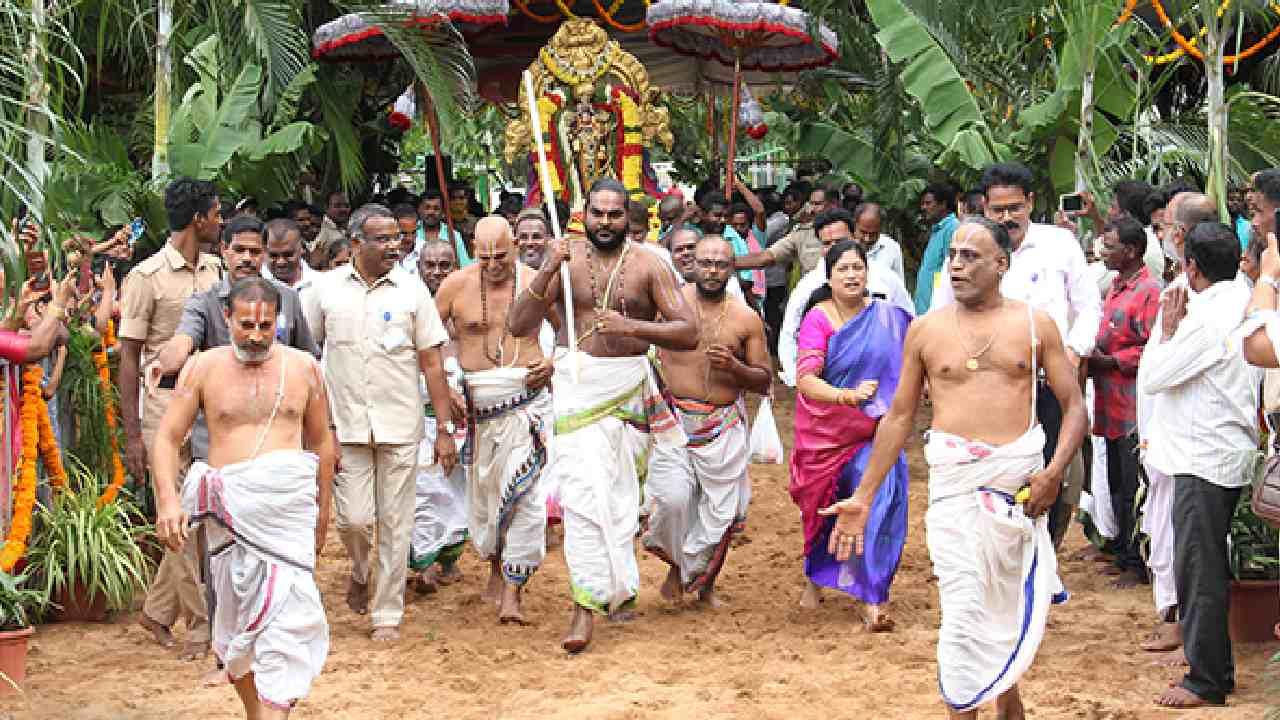
- 22 Feb 2024
Why is it in the News?
INTACH is striving to obtain UNESCO recognition for the yearly 'Paruveta' festival, emphasising its cultural significance.
About the Paruveta Festival:
- Paruveta Festival, also known as the 'mock hunting festival', is a celebrated tradition at the Sri Narasimha Swamy temple in Ahobilam, Andhra Pradesh.
- It stands out as a symbol of communal harmony, where devotees from various religious backgrounds, including Muslims, come together to offer prayers.
Origin and Significance:
- According to folklore, the festival commemorates Lord Vishnu's incarnation as Narasimha, who married Chenchulakshmi, a tribal girl, symbolising unity across different communities.
- The festival's rituals, typically observed during Vijayadashami or Sankranti, extend for a 'mandala' period of forty days in Ahobilam.
Activities and Customs:
- During the festival, the temple deity is carried to the 32 Chenchu tribal villages surrounding Ahobilam for forty days.
- The journey begins with a symbolic act where tribals shoot arrows at the deity's palanquin, signifying protection and reverence.
- Chenchus participated by undertaking 'Narasimha Deeksha', wearing yellow robes and Tulasi Mala, while observing celibacy.
- The temple staff reside in these villages throughout the festival, showcasing the tradition of a casteless society with no traces of untouchability.
Key Points about Chenchu Tribes:
- Geographic Distribution: Chenchu tribes primarily inhabit the hills of southern India, particularly in Andhra Pradesh.
- Additionally, Chenchu communities can be found in Tamil Nadu, Karnataka, and Orissa.
- Language and Communication: Their native language, known as Chenchu, belongs to the Dravidian language family.
- While many Chenchu individuals speak Telugu, their traditional language holds cultural significance.
- Livelihood and Occupation: Historically, Chenchu people pursued a nomadic lifestyle, relying on food gathering.
- However, due to factors such as agricultural expansion, many have transitioned to working as farmers or forest labourers.
- Housing and Settlements: Chenchu dwellings are typically hive-shaped structures constructed from wattle thatch, composed of interwoven poles, twigs, reeds, or branches.
- These houses reflect their traditional architectural style and are adapted to their environment.
- Social Structure: Chenchu society is organised into clans, which are extended family units, as well as local groups and individual families.
- They adhere to exogamous marriage practices, prohibiting unions within the same clan.
- Additionally, Chenchu kinship is patrilineal, tracing descent through male lineage.
After 30 years, Buddha relics travel to Thailand

- 21 Feb 2024
Why is it in the News?
Four of the 20 relics of Lord Buddha preserved at the National Museum are being taken to Thailand for a month-long exposition beginning recently, in a rare trip abroad for the delicate antiquities recovered more than a century ago.
About the Relics of Lord Buddha:
- The relics of Lord Buddha and his disciples Arahata Sariputra and Arahata Maudgalayana are known as the ‘Kapilvastu Relics.’
- The relics date back to around the 4th or 5th Century BC.
- They were found in Bihar’s Piprahwa — a site that is believed to be the ancient city of Kapilvastu.
- Piprahwa today is located in Uttar Pradesh’s Siddharthnagar district.
- The relics were discovered by a team of Archaeological Survey of India (ASI) officials in the 1970s.
- The ASI conducted excavations at Piprahwa from 1971-77 under the supervision of the archaeology director KM Srivastava.
History:
- Lord Buddha achieved Mahaparinirvana at the age of 80 in Kushinagar.
- The Mallas of Kushinagara cremated his body with ceremonies befitting a ‘Universal King’ (‘cakravartin’).
- His holy relics, from the funeral pyre, were collected, divided and given by Brahmin priest Dhona of Kushinagar to kings and priests.
- The eight shares were distributed among Ajatashatru of Magadha, the Licchavis of Vaishali, the Sakyas of Kapilavastu, Mallas of Kushinagar, Bullies of Allakappa, the Mallas of Pava, the Koliyas of Ramagrama and a Brahmana of Vethadipa.
- The sacred relics were commemorated in eight different stupas.
- Two more stupas came into existence, one over the urn in which the relics had been collected and one over the embers.
- Thus, stupas erected over the bodily relics of Buddha (Saririka-stupas) are the earliest surviving Buddhist shrines.
- It is stated that Ashoka (circa 272-232 BC), being an ardent follower of Buddhism, opened up seven of these eight stupas, and collected a major portion of the relics for enshrinement within innumerable stupas built by him to popularise Buddhism and spread dharma.
- In 1898, the discovery of an inscribed casket by William Claxton Peppé, a British colonial engineer and an estate manager at a Buddhist stupa site at Piprahwa, was an epoch-making incident.
- The inscription on the lid referred to the relics of Buddha and his community.
- The bone relics present in the stone coffer were presented to King Rama V of Thailand.
- The relics were further divided into three shares and gifted to Thailand, Myanmar and Sri Lanka.
- In Thailand, the holy relic has been enshrined in a chedi on the top of Suwanbanphot, Bangkok.
- Every year, during the Loi Krathong Festival, there is a seven-day and seven-night celebration, which has become a tradition to worship the Buddha’s relics.
Bird flu outbreak in Andhra: Could H5N1 spark the next pandemic?
- 19 Feb 2024
Why is it in the News?
A bird flu outbreak in poultry in Andhra Pradesh’s Nellore district was reported recently. Laboratory tests by the National Institute of High-Security Animal Diseases in Bhopal confirmed that it was caused by the type A strain of the H5N1 variant of the avian influenza virus.
What is Bird Flu/Avian Influenza?
- Bird flu, also known as avian influenza, is a viral respiratory illness primarily affecting birds.
- It's caused by specific strains of the Influenza A virus.
- Bird flu spreads between both wild and domesticated birds.
- It has also been passed from birds to humans who are in close contact with poultry or other birds.
- There is no clear evidence that the virus can be transmitted from human to human.
- However, this may have happened in rare cases, where a person has become ill after caring for a sick family member.
- While most types don't infect humans, certain strains like H5N1, H7N9, and H5N6 have caused concern due to their ability to transmit to humans in rare cases.
- Transmission:
- Birds: Spreads easily between birds through bodily fluids (saliva, faeces, nasal discharge) and contaminated environments.
- Humans: Primarily occurs through direct contact with infected birds or surfaces, inhaling infected droplets, or consuming undercooked poultry meat from infected birds.
- Symptoms:
- The symptoms of bird flu in humans are similar to those of regular influenza and include:
- Can range from mild (fever, cough, sore throat, muscle aches) to severe (pneumonia, respiratory failure, multi-organ failure, death).
- Symptoms usually appear within 3-7 days of exposure.
- Treatment: Antiviral medications like Tamiflu have proven effective in managing human infections caused by avian influenza viruses, reducing both the severity of symptoms and the likelihood of fatalities.
Avian Influenza in India:
- Initial Incidence: The first instance of Highly Pathogenic Avian Influenza (HPAI) H5N1 in India occurred in 2006 in Navapur, Maharashtra, marking the onset of recurrent annual outbreaks.
- The emergence of H5N8 was documented in India in November 2016, primarily affecting wild birds in five states, with Kerala reporting the highest number of cases.
- This disease has been identified in 24 states and union territories, prompting the culling of over 9 million birds to curb its spread.
- Corresponding Strategy: India's strategy for managing Highly Pathogenic Avian Influenza (HPAI) revolves around a "detect and cull" approach, as delineated in the National Action Plan for Prevention, Control, and Containment of Avian Influenza (revised - 2021).
PM-SVANidhi Boosted the Annual Income of Street Vendors (Indian Express)
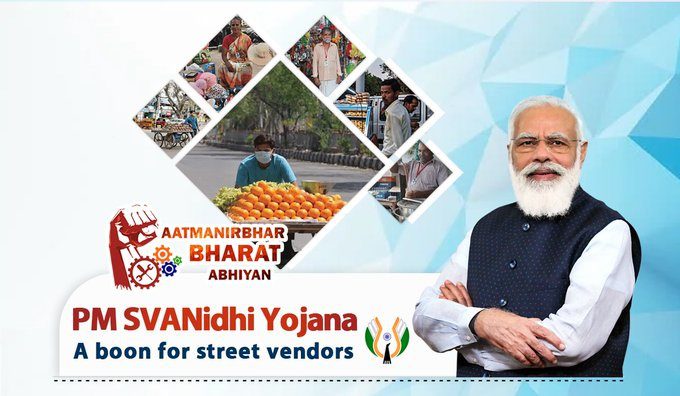
- 12 Feb 2024
Why is it in the News?
A study that evaluated the impact of the PM SVANidhi, a small working capital loan scheme for street vendors, has found that the first tranche of `10,000 led to an additional annual income of `23,460 for each beneficiary.
News Summary:
- Commissioned by the Union Ministry of Housing and Urban Affairs, the study was conducted by the Centre for Analytical Finance at the Indian School of Business (ISB) from January to June 2023.
- Although the report's findings will inform the Ministry's assessment of the PM SVANidhi scheme, it is not expected to be publicly released.
Key Findings of the Report:
- 94% of beneficiaries who received the initial Rs 10,000 loan reported using it for business investments, rising to 98% for those who received a second loan.
- The first loan contributed to an average additional monthly income of Rs 1,955, totalling Rs 23,460 over the one-year loan period.
- Approximately 13.9% of disbursed loans were categorized as non-performing assets (NPAs), indicating no payments for three months or more.
- Beneficiaries demonstrated a lower debt-to-income (DTI) ratio compared to typical small businesses, indicating high creditworthiness.
- Despite the PM SVANidhi program, there was limited improvement in street vendors accessing formal credit from other sources, with only 9% having loans from financial institutions.
What is PM SVANidhi?
- The Prime Minister Street Vendor’s AtmaNirbhar Nidhi (PM SVANidhi) stands as a flagship initiative of the Ministry of Housing and Urban Affairs, Government of India, launched on June 1, 2020.
- Its core aim is to extend accessible credit to street vendors, enabling them to revive their businesses and achieve self-reliance.
- The scheme is specifically tailored to empower street vendors, including hawkers, rehri walas, thelewala, and those operating in urban and peri-urban areas.
- PM SVANidhi facilitates eligible street vendors to obtain working capital loans devoid of collateral requirements.
- These loans, with a maximum cap of Rs. 10,000 and a one-year tenure, are intended to support vendors in procuring essential items, securing raw materials, and meeting their operational expenses.
- Furthermore, the scheme offers a 7% interest subsidy to vendors who repay their loans promptly, promoting timely repayments and fostering financial discipline.
How Does PM SVANidhi Work?
- The PM SVANidhi scheme operates through a streamlined and accessible application process designed to maximize participation and outreach among street vendors.
- Vendors can apply for the scheme via a dedicated online portal or through Common Service Centers (CSCs) established nationwide.
- Once the application is submitted, it undergoes a brief verification process conducted by relevant authorities.
- Upon successful verification, the loan amount is directly transferred to the vendor's bank account.
- Vendors can then utilize the funds to revive their businesses, purchase inventory, and cover operational expenses.
Key Features and Benefits of PM SVANidhi:
- Affordable Credit: PM SVANidhi offers accessible working capital loans of up to Rs. 10,000 to street vendors, facilitating credit access without the need for collateral.
- Interest Subsidy: The scheme provides a 7% interest subsidy to vendors who repay their loans promptly, incentivizing timely repayments and easing financial burdens.
- Digital Empowerment: PM SVANidhi promotes digital transactions and payments among street vendors, fostering adaptation to evolving business practices and enhancing financial literacy.
- Enhanced Livelihood: By availing of PM SVANidhi benefits, street vendors can improve their livelihoods, expand their businesses, and generate sustainable income for themselves and their families.
- Access to Social Security Schemes: Street vendors enrolled in PM SVANidhi are eligible for various social security schemes, including Pradhan Mantri Suraksha Bima Yojana (PMSBY) and Pradhan Mantri Jeevan Jyoti Bima Yojana (PMJJBY), providing financial coverage and protection during unforeseen events.
Conclusion
The Prime Minister Street Vendor’s AtmaNirbhar Nidhi (PM SVANidhi) scheme stands as a beacon of hope for street vendors throughout India. By offering accessible credit, digital empowerment, and access to social security schemes, PM SVANidhi is propelling the advancement and prosperity of street vendors, empowering them to establish sustainable livelihoods. This groundbreaking initiative, with its manifold advantages and inspiring success stories, underscores the Government of India's dedication to fostering an inclusive and self-sufficient economy.
Pradhan Mantri Matsya Kisan Samridhi Sah-Yojana (PM-MKSSY) (PIB)

- 09 Feb 2024
Why is it in the News?
Recently, the Union Cabinet approved the Pradhan Mantri Matsya Kisan Samridhi Sah-Yojana (PM-MKSSY), a sub-scheme under the Pradhan Mantri Matsya Sampada Yojana.
About Pradhan Mantri Matsya Kisan Samridhi Sah-Yojana:
- Implemented as a Central Sector Sub-scheme within the broader framework of the PMMSY, this initiative aims to bolster the fisheries sector.
- Funding: With an estimated outlay of Rs. 6,000 crore, the scheme comprises 50% public finance, including contributions from the World Bank and the AFD, and the remaining 50% anticipated investment from beneficiaries and the private sector.
- Duration: Operational for four years from FY 2023-24 to FY 2026-27, spanning all States and Union Territories.
Intended Beneficiaries:
- Fishers, Fish (Aquaculture) Farmers, Fish workers, Fish Vendors or such other persons directly engaged in the fisheries value chain.
- Micro and Small enterprises in the form of Proprietary Firms, Partnership Firms and Companies registered in India, Societies, Limited Liability Partnerships (LLPs), Cooperatives, Federations, Village Level Organizations like Self Help Groups (SHGs), Fish Farmers Producer Organizations (FFPOs) and Startups engaged in fisheries and aquaculture value chains.
- FFPOs also include Farmer's Producer Organizations (FPOs).
- Any other beneficiaries that may be included by the Department of Fisheries, Gol as targeted beneficiaries.
Aims and objectives of PM-MKSSY:
- Gradual Formalization of the unorganized fisheries sector through self-registration of fishers, fish farmers and supportive workers under a National Fisheries Sector Digital Platform including the creation of work-based digital identities of fish workers for improved service delivery.
- Facilitating access to institutional financing fisheries sector micro and small enterprises.
- Providing a one-time incentive to beneficiaries for purchasing aquaculture insurance.
- incentivising fisheries and aquaculture microenterprises through performance grants for improving fisheries sector value-chain efficiencies including the creation and maintenance of jobs.
- Incentivising micro and small enterprises through performance grants for the adoption and expansion of fish and fishery product safety and quality assurance systems including the creation and maintenance of jobs.
World Sustainable Development Summit 2024 (TERI)
- 08 Feb 2024
Why is it in the News?
Vice-President Jagdeep Dhankhar inaugurated the World Sustainable Development Summit in New Delhi recently in the presence of Prime Minister of Guyana Mark Phillips.
About the World Sustainable Development (WSDS) Summit:
- The WSDS Summit, organized annually by The Energy and Resources Institute (TERI), stands as a flagship event in the realm of sustainable development.
- Instituted in 2001, the Summit series boasts a distinguished legacy spanning over two decades, dedicated to advancing 'sustainable development' as a universally embraced objective.
- Distinguished as the sole independently convened international summit on sustainable development and environment originating from the Global South, the WSDS endeavours to forge enduring solutions for the global community.
- It achieves this by convening the world's foremost leaders and intellectuals on a singular platform.
- The upcoming WSDS 2024 marks the 23rd edition of this significant summit, revolving around the theme 'Leadership for Sustainable Development and Climate Justice'.
Key Facts about The Energy and Resources Institute (TERI):
- TERI stands as a premier think tank committed to conducting research aimed at fostering sustainable development in India and across the Global South.
- Established in 1974 as an information centre focusing on energy issues, TERI expanded its scope to encompass multifaceted research, policy analysis, consultancy, and implementation initiatives.
- TERI's research endeavours, commencing in the late 1980s, are rooted in its steadfast belief that the efficient utilization of energy and sustainable management of natural resources are indispensable for developmental progress.
- Across various sectors, TERI concentrates its efforts on:
- Promoting the efficient utilization of resources
- Enhancing access to and adoption of sustainable practices and inputs
- Mitigating environmental and climate impacts
- TERI's headquarters are located in New Delhi, serving as a hub for its diverse activities and initiatives.
Rajya Sabha passes Bills to add PVTGs of Odisha, A.P. in ST lists (Indian Express)
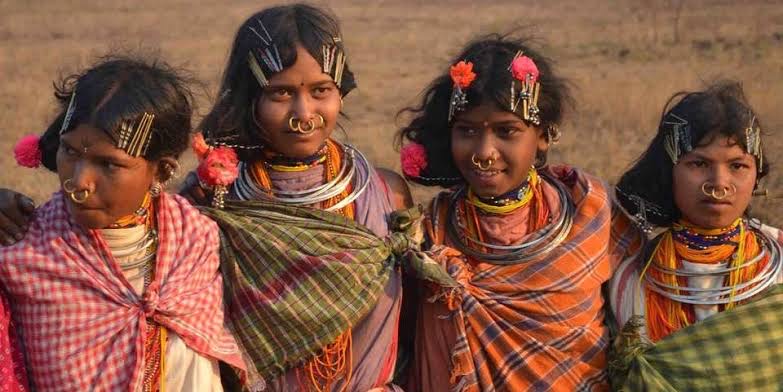
- 07 Feb 2024
Why is it in the News
The Rajya Sabha recently passed two Bills, which seek to modify the list of Scheduled Castes and Scheduled Tribes in Odisha and Andhra Pradesh.
News Summary:
- The Rajya Sabha recently approved the Constitution (STs) Order Amendment Bill 2024 and the Constitution (SCs and STs) Order Amendment Bill 2024, introduced by the Ministry of Tribal Affairs.
- This development paves the path for the inclusion of numerous new communities in the Scheduled Tribes (STs) list of Odisha, along with the incorporation of synonyms and phonetic variations of existing tribes in the ST lists of both Andhra Pradesh and Odisha.
About the Legislation:
- The recently passed bills introduced notable changes to the Scheduled Tribes (STs) lists of Odisha and Andhra Pradesh, particularly focusing on the inclusion of seven Particularly Vulnerable Tribal Groups (PVTGs), a subset of STs, with four additions in Odisha and three in Andhra Pradesh.
- In Odisha, the PVTGs added include:
- Pauri Bhuyan and Paudi Bhuyan as synonyms of the Bhuyan tribe.
- Chuktia Bhunjia as a synonym of the Bhunjia tribe.
- Bondo as a sub-tribe of the Bondo Poraja tribe.
- Mankidia as a synonym for the Mankirdia tribe.
- In Andhra Pradesh, the PVTGs added are:
- Bondo Porja and Khond Porja as synonyms of the Porja tribe.
- Konda Savaras as a synonym for the Savaras tribe.
- These additions mark a significant step as these groups, belonging to PVTGs, have been included in the scheduled list after 75 years of independence.
Additional Changes:
- Apart from these additions, the bills also facilitated changes in Odisha's ST list, including the relocation of two entries, Tamadia and Tamudia, from the Scheduled Castes list to the Scheduled Tribes list.
- Furthermore, synonyms, phonetic variations, and sub-tribes of at least eight existing communities in Odisha's ST list were added through the bill.
- Expanding Odisha's ST list, the bills introduced two new entries:
- The Muka Dora community (and synonyms) in undivided Koraput District, which comprises Koraput, Nowrangapur, Rayagada, and Malkangiri districts.
- The Konda Reddy (and synonyms) community.
Who are Particularly Vulnerable Tribal Groups (PVTGs)?
- Particularly Vulnerable Tribal Groups (PVTGs), as defined by the Ministry of Tribal Affairs (MoTA), comprise 75 distinct tribal communities in India.
- These groups are characterized by:
- Pre-agriculture level of technology,
- Stagnant or declining population trends,
- Extremely low literacy rates, and
- Subsistence level of economy.
- PVTGs were identified as a separate category based on the recommendations of the 1961 Dhebar Commission. Initially, there were 52 PVTGs, and over time, the list has expanded to include 75 groups across 18 states and Union Territories.
- According to data from the MoTA and the 2011 Census, Odisha has the largest population of PVTGs, with 8.66 lakh individuals, followed by Madhya Pradesh with 6.09 lakh and Andhra Pradesh (including Telangana) with 5.39 lakh.
- Overall, the total PVTG population exceeds 40 lakh, with Odisha's Saura community being the largest PVTG, numbering 5.35 lakh individuals.
Pradhan Mantri Bhartiya Jan Aushadhi Kendras (PIB)
- 07 Feb 2024
Why is it in the News
PACS have been allowed by the Government to operate Pradhan Mantri Bhartiya Jan Aushadhi Kendras (PMBJK) under the Pradhan Mantri Bhartiya Jan Aushadhi Pariyojana of Department of Pharmaceuticals, Ministry of Chemicals and Fertilizers (GOI).
About Pradhan Mantri Bhartiya Jan Aushadhi Kendras:
- Pradhan Mantri Bhartiya Jan Aushadhi Kendras are established as part of the Pradhan Mantri Bhartiya Janaushadhi Pariyojana, initiated by the Department of Pharmaceuticals, Ministry of Chemicals and Fertilisers in November 2008.
Objective:
- The primary objective is to ensure the availability of quality medicines at affordable prices for all segments of society, particularly the economically disadvantaged, thereby reducing out-of-pocket healthcare expenses.
- These Kendras offer generic drugs that are equivalent in quality and efficacy to expensive branded drugs but are available at significantly lower prices.
- All essential therapeutic medicines are stocked in Jan Aushadhi Stores, along with allied medical products commonly found in chemist shops, enhancing the viability of operating a Jan Aushadhi store.
- The Pharmaceutical & Medical Devices Bureau of India (PMBI), established under the Department of Pharmaceuticals, Government of India, with the support of all Central Public Sector Undertakings (CPSUs), coordinates the procurement, supply, and marketing of generic drugs through the PMBKs.
Eligibility to Open a Jan Aushadhi Kendra:
- State Governments, reputable NGOs, trusts, private hospitals, charitable institutions, doctors, unemployed pharmacists, and individual entrepreneurs are eligible to apply for establishing a new Jan Aushadhi Kendra.
- Applicants are required to employ a Bachelor of Pharmacy (B Pharma) or Diploma in Pharmacy (D Pharma) degree holder as a pharmacist in their proposed store.
Vidyanjali Scholarship Programme (India Today)
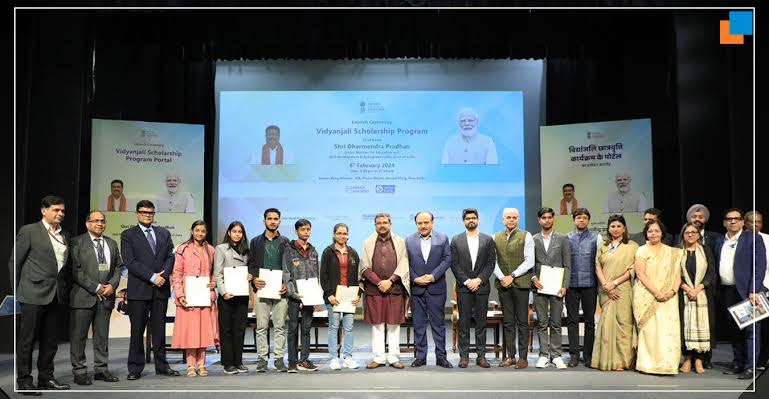
- 07 Feb 2024
Why is it in the News
Recently, the Union Minister of Education and Skill Development & Entrepreneurship launched the EdCIL Vidyanjali Scholarship Programme.
About the Vidyanjali Scholarship Programme:
- The Vidyanjali Scholarship Programme ensures equitable access to high-quality educational systems by facilitating a seamless transition from secondary to higher education and providing financial support to meritorious students from Navodaya Vidyalayas who lack financial means.
- It embodies a holistic approach to empowerment, aiming to expand educational opportunities, especially for students from economically disadvantaged backgrounds.
- The programme aims to secure assistance and funding from non-governmental partners and private sources, including CSR grants, national and international donors, and impact investors.
- Initially, the programme will benefit students in grades XI and XII studying in Navodaya Vidyalayas across the country.
- A dedicated fintech platform has been developed under Vidyanjali to disburse sponsorships to students through Direct Benefit Transfer (DBT).
- This platform plays a crucial role in data management, application processing, progress tracking, grant disbursement monitoring, fund utilization monitoring, generating impact reports for Sustainable Development Goals (SDGs), recognizing notable student achievements, and publicly acknowledging the support of funders, among other functions.
What is EdCIL?
- Educational Consultants India Limited (EdCIL) is the sole Public Sector Undertaking under the Ministry of Education, Government of India.
- Established on June 17, 1981, under the Companies Act, 1956, it holds the distinction of being categorized as a 'Mini Ratna Organisation' by the Government of India.
- EdCIL provides consultancy and technical services in various domains of education and human resource development, both domestically and globally.
- Its clientele includes numerous state and central government departments, public sector undertakings (PSUs), and autonomous bodies such as Indian Institutes of Technology (IITs), Indian Institutes of Management (IIMs), Indian Institutes of Information Technology (IIITs), Kendriya Vidyalayas, and Navodaya Vidyalayas.
Mera Gaon, Meri Dharohar (MGMD)(PIB)

- 06 Feb 2024
Why is it in the News?
The Government of India has decided to map and document all villages under Mera Gaon, Meri Dharohar (MGMD) Programme.
About the Mera Gaon Meri Dharohar Programme:
- The Mera Gaon Meri Dharohar (MGMD) programme is a nationwide initiative led by the Ministry of Culture, launched on July 27, 2023, under the National Mission on Cultural Mapping.
- Its primary aim is to compile detailed information about the life, history, and cultural essence of Indian villages and make this data accessible to both virtual and real-time visitors.
Key Components and Categories:
- Under the MGMD, information is collected across seven broad categories, including:
- Arts and Crafts Village
- Ecologically Oriented Village
- Scholastic Village Linked with Textual and Scriptural Traditions of India
- Epic Village linked with Ramayana, Mahabharata, and/or Puranic legends and oral epics
- Historical Village linked with Local and National History
- Architectural Heritage Village
- Any other distinctive characteristic, such as fishing village, horticulture village, shepherding village, etc.
Objectives:
- The primary objective of the project is to culturally map India's 6.5 lakh villages across 29 States and 7 Union Territories on a comprehensive virtual platform.
- Through MGMD, individuals will have the opportunity to immerse themselves in India's diverse and vibrant cultural heritage.
Core Ideals and Benefits:
- The fundamental aim of the project is to foster appreciation for India's rich cultural traditions, thereby promoting economic growth, social harmony, and artistic development in rural communities. The programme is envisioned as a catalyst for showcasing and preserving India's cultural diversity.
Financial Outlay and Scheme Components:
- A financial outlay of Rs. 353.46 Crore has been approved under the scheme of Financial Assistance for Promotion of Art and Culture, comprising eight scheme components:
- Financial Assistance to Cultural organizations with National Presence
- Cultural Function & Production Grant (CFPG)
- Financial Assistance for the Preservation & Development of Cultural Heritage of the Himalayas
- Financial Assistance for the Preservation & Development of Buddhist/Tibetan Organization
- Financial Assistance for Building Grants including Studio Theatres
- Financial Assistance For Allied Cultural Activities
- Scheme for Safeguarding the Intangible Cultural Heritage
- Through these components, the programme aims to provide comprehensive support for the preservation and promotion of India's rich cultural heritage.
INS Sandhayak - the Indian Navy’s First Survey Vessel Large (SVL) Ship (TOI)
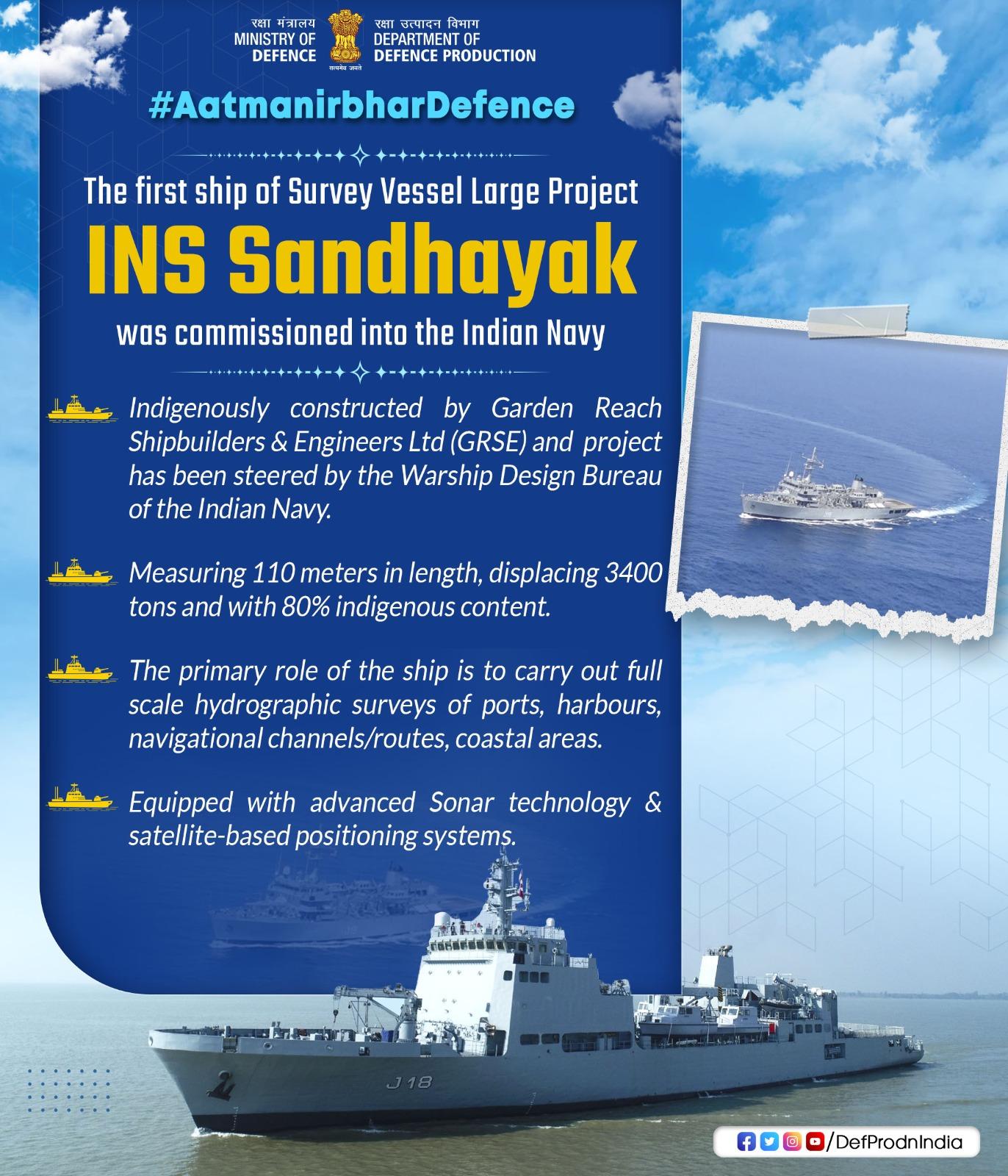
- 05 Feb 2024
Why is it in the News
Defense minister Rajnath Singh commissioned survey vessel INS Sandhayak into the Indian Navy at the Naval Dockyard recently.
About INS Sandhayak:
- INS Sandhayak stands as the first unit in a series of four Survey Vessel (Large) ships under construction at Garden Reach Shipbuilders & Engineers (GRSE), Kolkata.
- Its primary mission is to conduct thorough coastal and deep-water Hydrographic Surveys, focusing on Port and Harbour approaches, navigational channels, and routes.
- The operational scope extends to maritime limits, encompassing the Exclusive Economic Zone (EEZ) and extended continental shelf.
Features:
-
- The vessel is equipped to gather oceanographic and geophysical data, serving the needs of both defense and civil applications.
- In a secondary role, it provides limited defense capabilities and can function as a hospital ship during wartime or emergencies.
- Cutting-Edge Technology:
-
- Equipped with advanced hydrographic tools, including a Data Acquisition and Processing System, Autonomous Underwater Vehicle, Remotely Operated Vehicle, DGPS Long-range positioning systems, and Digital side-scan sonar.
- Performance Specifications:
-
- Powered by two diesel engines, INS Sandhayak boasts a speed capability exceeding 18 knots.
- With a length of 110 meters and a displacement of 3400 tons, the vessel maintains an indigenous content exceeding 80 per cent by cost.
- Historical Continuity:
-
- This ship has been re-incarnated in its current form from the previous Sandhayak, decommissioned in 2021.
Modified Parbati-Kalisindh- Chambal-ERCP (PKC-ERCP) Link Project (Indian Express)
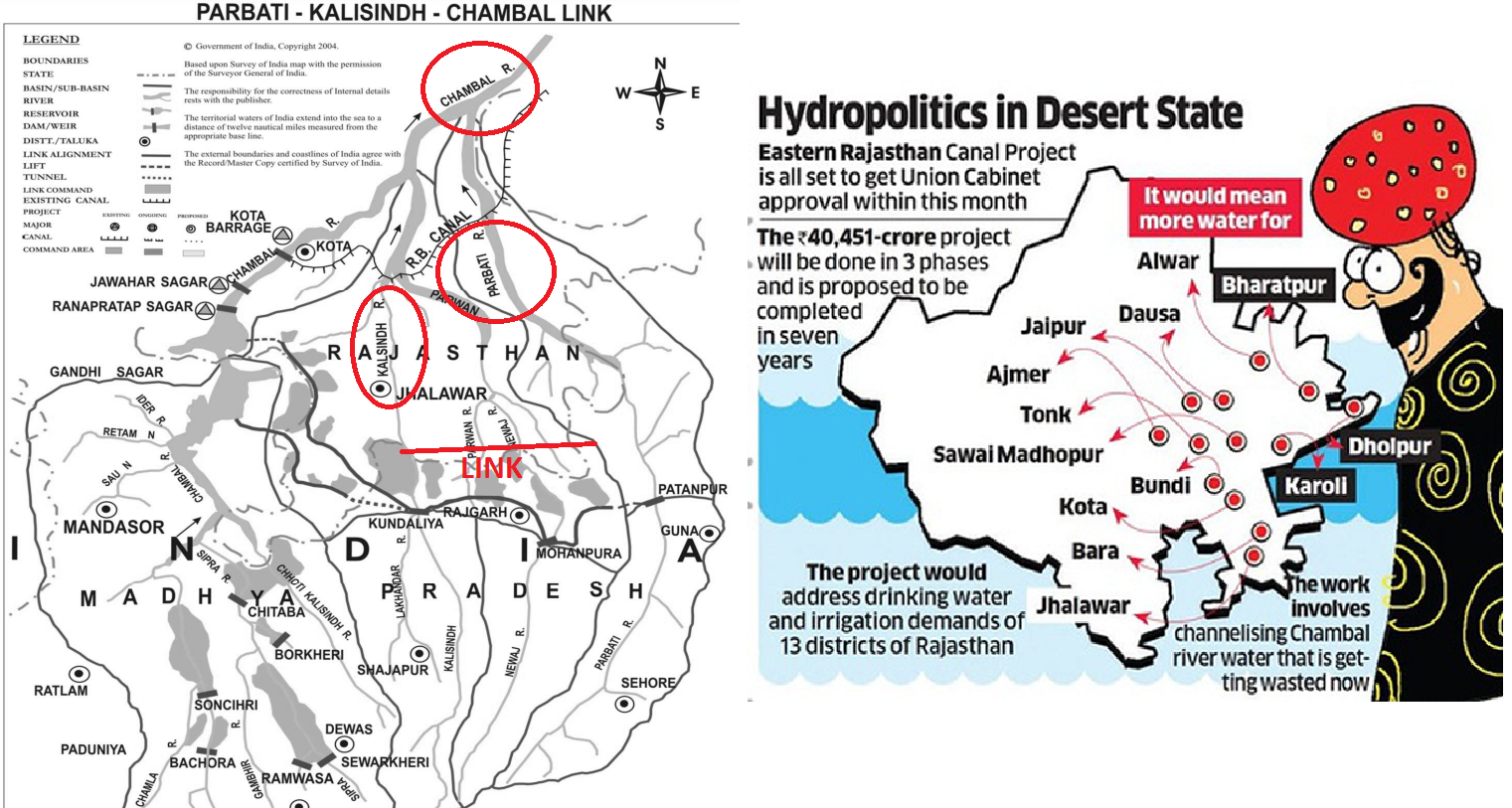
- 29 Jan 2024
Why is it in the News?
An MoU was signed by Rajasthan and MP with the Union Ministry of Jal Shakti Sunday for implementation of the Modified Parbati-Kalisindh-Chambal-ERCP (Modified PKC-ERCP) Link Project.
What is the Modified PKC-ERCP?
- The Modified PKC-ERCP is an inter-state river linking project.
- A Memorandum of Agreement (MoA) will be finalised among Rajasthan, Madhya Pradesh, and the Centre, covering the sharing of water, exchange of water, sharing of costs and benefits, implementation mechanisms, arrangements for management and control of water in the Chambal basin, etc.
What is the PKC link project?
- The Parbati-Kalisindh-Chambal (PKC) link project is one of the 30 links included in the National Perspectives Plan formulated by the erstwhile Union Ministry of Irrigation (now Ministry of Water Resources) and the Central Water Commission in the year 1980.
- As per the National Water Development Agency (NWDA), the preliminary feasibility report of the Kalisindh-Chambal link canal project was prepared and circulated to the states concerned in September 1991.
- The report proposed the diversion of water from river Newaj (a tributary of Kalisindh) and Kalisindh to the river Chambal at either the Rana Pratap Sagar dam or the Gandhi Sagar dam.
- Rajasthan came up with the proposal of the ERCP in 2019, and to utilise water resources optimally, the Task Force for Interlinking of Rivers (TFILR) discussed its merger with the PKC link project.
- This integration was approved by the Special Committee for Interlinking of Rivers in December 2022.
What is the ERCP?
- The Eastern Rajasthan Canal Project (ERCP) is aimed at the intra-basin transfer of water within the Chambal basin, by utilising surplus monsoon water available in the Kalisindh, Parvati, Mej and Chakan subbasins and diverting it into water deficit sub-basins of Banas, Gambhiri, Banganga and Parbati.
- This will provide drinking and industrial water to 13 districts of eastern Rajasthan, namely Alwar, Bharatpur, Dholpur, Karauli, Sawai-Madhopur, Dausa, Jaipur, Ajmer, Tonk, Bundi, Kota, Baran, and Jhalawar.
What are the benefits of the modified project?
- According to the Jal Shakti Ministry, the link project proposes to provide drinking and industrial water in 13 districts of eastern Rajasthan, and Malwa and Chambal regions of Madhya Pradesh, apart from providing irrigation in 2.8 lakh ha. area (or more) each in both states (total of 5.6 lakh ha or more).
What is River Interlinking?
- River Interlinking involves the creation of artificial channels to connect rivers and water bodies, facilitating the transfer of water from regions of surplus to those facing deficits.
- Importance of River Interlinking:
- Disaster Management: River Interlinking plays a crucial role in mitigating floods and droughts, aiding in effective disaster management strategies.
- Economic Benefits: It offers economic advantages such as enhanced irrigation facilities, increased hydro-power generation capacity, and improved inland navigation, contributing to regional development.
- Ecological Restoration: River Interlinking initiatives contribute to the restoration of river ecosystems and provide support to biodiversity in water-deficient regions, fostering ecological balance.
- Concerns Associated with River Interlinking:
- Biodiversity Loss: One major concern revolves around the potential loss of biodiversity resulting from altering natural river courses and habitats.
- Community Displacement: Another significant issue is the displacement of communities residing in areas affected by river interlinking projects, highlighting social and humanitarian challenges.
About the National Perspective Plan:
- The National Perspective Plan was formulated in 1980 under the purview of the Ministry of Irrigation (currently known as the Ministry of Jal Shakti) and the Central Water Commission.
- Objective:
- The plan aims to address regional disparities by facilitating the inter-basin transfer of water resources, thereby minimizing imbalances across different regions of the country.
- Components:
- The plan consists of 30 link projects categorized into two main components:
- the Himalayan component, comprising 14 projects, and
- the Peninsular component, consisting of 16 projects.
- The plan consists of 30 link projects categorized into two main components:
With no iron or steel, Ayodhya temple is a study in sandstone (The Hindu)
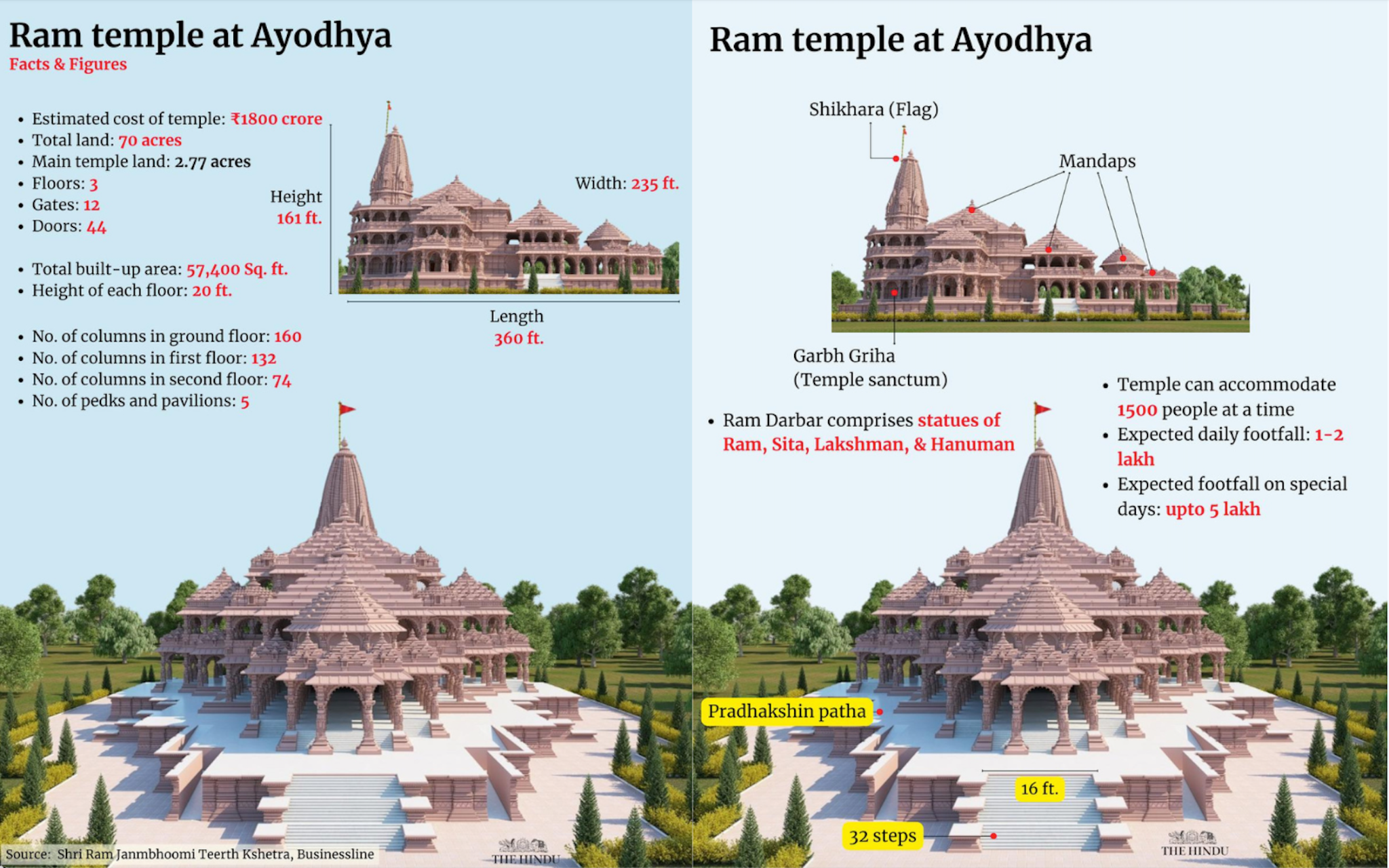
- 23 Jan 2024
Why is it in the News?
A new landmark of India — both structural and spiritual — rose on Ayodhya's horizon on January 22 in the form of a new-age architectural marvel of elegant sandstones, diligently carved by craftspeople with dedication and devotion to Lord Ram.
Major Features of the Ram Temple:
- No iron or steel has been used in the construction of the grand structure.
- Stones have been sourced from Rajasthan's Bansi Paharpur area.
- The entire temple superstructure will eventually be three storeys — ground plus two floors.
- Nagara style: The temple complex, built in the traditional Nagara style, will be 380 feet long from the east to the west, 250 feet wide and 161 feet high.
- Each floor of the temple will be 20 feet high and have a total of 392 pillars and 44 gates.
- Images of Lord Hanuman, other deities, peacocks and flower patterns have been carved onto the stones, lending the structure a divine look.
- Unique feature: Around the grand temple is a rectangular periphery called percota, a feature found in temples in south India, but not generally in north India.
- The percota will be 14 feet wide and the periphery span 732 metres.
- The temple will be nestled within the percota periphery.
- Ornate statues of elephants, lions, Lord Hanuman and Garuda were installed at the main entrance leading to the temple.
- These statues have also been made using sandstone brought from Bansi Paharpur.
- An ancient Shiva temple that exists on the Kuber Tila has also been revitalised.
- Green Complex: About 70 per cent of the complex will be a green area.
- "The green area includes portions which are very dense and, in some segments, even sunlight hardly filters through.
- The complex will have two sewage treatment plants — a water treatment plant and a dedicated electricity line from the powerhouse.
- The fire brigade post will be able to source water from an underground reservoir.
Additional Architectural Aspects:
- A time capsule, located approximately 2,000 feet below the ground beneath the temple, houses a copper plate inscribed with pertinent information about the Ram Mandir, Lord Rama, and Ayodhya.
- The objective of this time capsule is to preserve the temple's identity for posterity, preventing it from fading into obscurity in the years to come.
- Engineered as an earthquake-resistant structure, the temple boasts an estimated age of 2500 years.
PM Modi announces solar roof-top scheme for one crore households (HT)
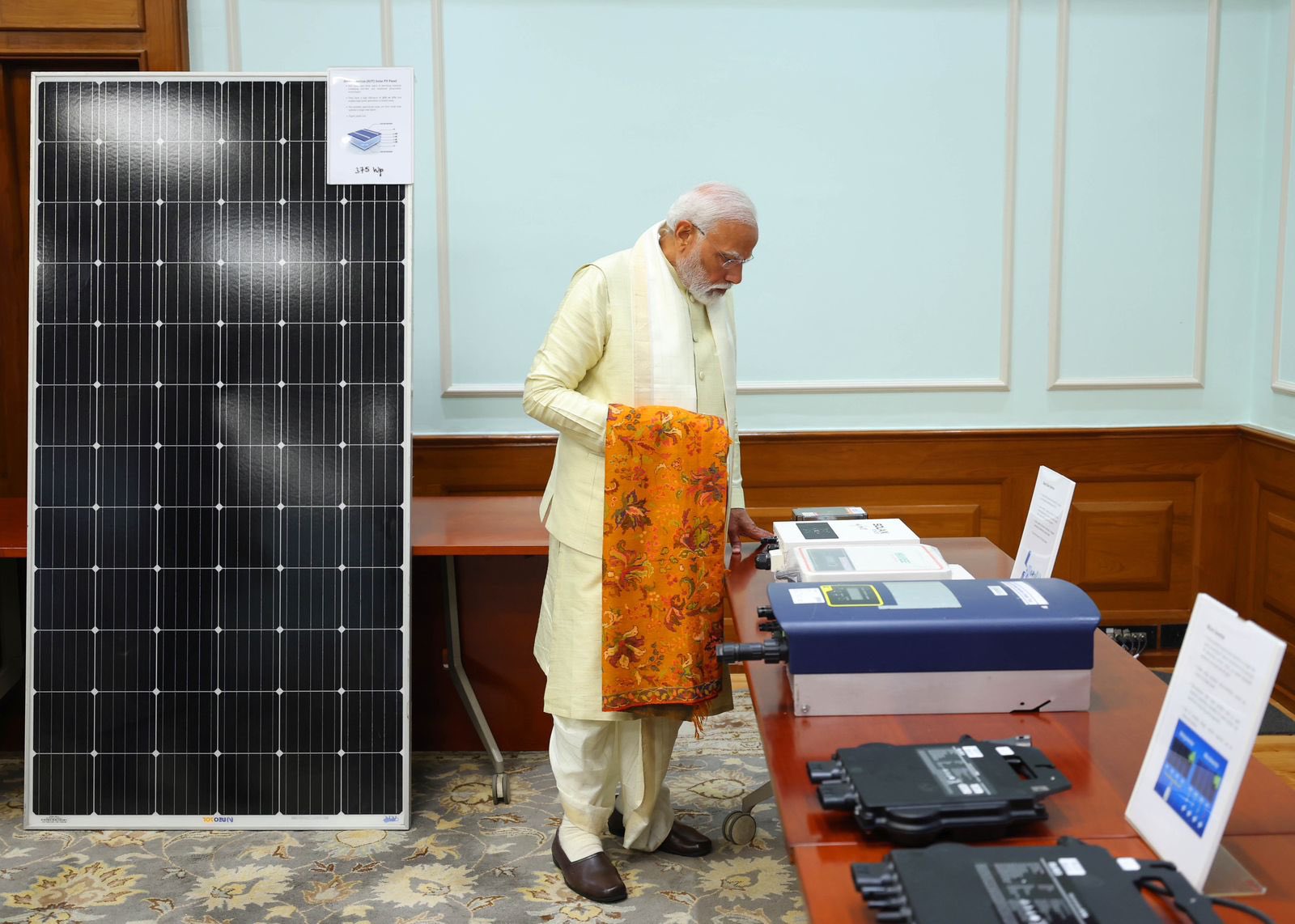
- 23 Jan 2024
Why is it in the News?
Prime Minister Narendra Modi on Monday announced the 'Pradhan Mantri Suryodaya Yojana' under which one crore households will get rooftop solar across the nation.
What is 'Pradhan Mantri Suryodaya Yojana'?
- The scheme aims to equip one crore poor to middle-class households with rooftop solar panels in a bit to provide electricity from solar energy.
- The scheme would not only reduce the electricity bill of the poor and middle class but would also make India self-reliant in the energy sector.
- Rooftop solar panels are the photovoltaic panels installed on the roof of a building which is connected to the main power supply unit.
- Thus, it reduces the consumption of grid-connected electricity and saves electricity costs for the consumer.
- In a solar rooftop system, there is only an upfront capital investment and minimal cost for maintenance.
- Under this scheme, one crore households will get solar rooftops.
- Moreover, it will offer additional income for surplus electricity generation.
- The consumer can choose any vendor on the national portal and after installation, the subsidy is sent directly to the bank account of the consumer.
- The Pradhanmantri Suryodaya Yojana is a new scheme but very similar to the previously announced Rooftop Solar Programme in 2014.
- The previous scheme had aimed to produce 40,000 megawatts (MW) or 40 gigawatts (GW) of solar power by 2022.
India's Advancements in Solar Energy:
- At the end of last year, 2023, India’s solar power generation stood at 73.31 GW, up from 2022’s 63.3 GW.
- However, rooftop solar power generation only stands at around 11.08 GW as of December 2023.
- The total solar power generated in the nation, Rajasthan leads the pack with 18.7 GW while Gujarat follows with 10.5 GW.
- However, when talking about rooftop solar power, Gujarat is at peak position — with 2.8 GW — followed by Maharashtra at 1.7 GW.
- India has more than 300 million households and an average of 300 sunny days each year, which has tremendous potential for rooftop solar installations in residential spaces.
- However, experts note that despite several measures, India’s rooftop solar power generation is not where it should be, listing reasons for the situation.
- The primary reason for rooftop solar not becoming popular is that it is still an expensive option for many.
- There is also a lack of awareness.
Importance of Solar Power to India:
- Harnessing the power of the sun to generate electricity is important to India for multiple reasons.
- If India wants to achieve its aim of becoming net zero by 2070, it has to look towards the sun.
- In fact, at COP26, in November 2021, India committed to meet 50 per cent of its electricity requirements from renewable energy sources by 2030.
- For these aims to be met, India has to harness the full capacity of the sun.
- Moreover, India’s share of global energy demand is predicted to double to 11 per cent in 2040, making it imperative to enhance energy security and self-sufficiency in power generation without increasing environmental costs.
- This increase in power demand is likely to increase India’s reliance on coal, oil and natural gas as a source of energy.
- However, additional imports of oil and increased domestic production of coal will not only fall short of energy demand but will also entail economic and environmental costs.
- The expansion of solar power units and increased reliance on solar power allow India to enhance energy security in the face of rising demand.
- Furthermore, India is already facing depleting groundwater levels, owing to which the nation must shift its energy resources away from water.
NREGS payments: Aadhaar-based system mandatory now, Govt says may consider exemptions on case basis (Indian Express)
- 02 Jan 2024
Why is it in the News?
With the Aadhaar-based payment system (ABPS) now mandatory for payment of wages to NREGS workers, the Government on Monday said it may consider exemptions on a “case-by-case basis” should any gram panchayat face “technical issues”.
What is the Aadhaar Enabled Payment System (AePS)?
- The Aadhaar Enabled Payment System (AEPS) is a payment service that allows a bank customer to use Aadhaar as his/her identity to access his/her Aadhaar-enabled bank account and perform basic banking transactions like balance enquiry, cash withdrawal, remittances through a Business Correspondent.
- It is a service developed by the National Payments Corporation of India.
Key features of AePS:
- Aadhaar-linked transactions: AePS enables Aadhaar card holders to make transactions through their Aadhaar-linked bank accounts, similar to debit/credit card transactions.
- Biometric authentication: Transactions are completed by submitting the Aadhaar number and biometric details (iris or fingerprint scan) at Points of Sale (PoS) or micro ATMs, using Aadhaar authentication.
- Bank account privacy: Users are not required to share their bank account details during the transaction, enhancing privacy and security.
- Fund transfers: AePS allows users to transfer funds between bank accounts, providing a convenient way to send and receive money.
- Secure transactions: AePS transactions are considered safe and secure as they require biometric authentication, ensuring the identity of the user.
- By leveraging the Aadhaar infrastructure, AePS simplifies and secures financial transactions, making it accessible to a wide range of individuals, particularly those who may not have access to traditional banking services.
ABPS Implementation for NREGS:
- Since 2017, the Mahatma Gandhi National Rural Employment Guarantee Scheme (NREGS) has adopted the Aadhaar-enabled Payment System (ABPS).
- This system involves linking workers' 12-digit Aadhaar numbers with their job cards and NREGS workers' bank accounts.
- With nearly universal coverage of Aadhaar numbers among the adult population, the Government of India opted to expand ABPS for beneficiaries within the scheme.
- Payments are exclusively directed through ABPS to the associated accounts, ensuring a secure and swift method of fund transfer.
- Out of the total 14.33 crore active beneficiaries, Aadhaar has been successfully linked for 13.97 crore individuals.
- Among these Aadhaar-linked beneficiaries, 13.34 crore Aadhaar authentications have been completed, making 81.89% of active workers eligible for ABPS.
- In July 2023, approximately 88.51% of wage payments were executed through the Aadhaar-enabled Payment System.
Mandatory Adoption of ABPS for NREGS Workers:
- Initially mandated by the Rural Development Ministry starting from February 1, 2023, the implementation of the Aadhaar-enabled Payment System (ABPS) witnessed several extensions, ultimately being permitted until December 31, 2023.
- As of January 1, 2024, ABPS has become obligatory for NREGS workers, with no further extensions granted to states beyond December 31.
- The integrated approach of ABPS and the National Automated Clearing House (NACH), an interbank system, will be employed for bulk payments, including subsidies and salaries.
- The use of ABPS for wage payments to unskilled workers ensures the seamless transfer of benefits to their bank accounts, even in instances of frequent changes in the beneficiary's bank account.
Exemption Decision in the Event of Technical Issues:
- If a gram panchayat encounters technical or Aadhaar-related challenges, the Government of India may evaluate exemptions from Aadhaar-enabled Payment System (ABPS) requirements on a case-by-case basis until the resolution of the issue.
- This announcement followed criticism from opposition parties, labeling ABPS as a harsh New Year measure that could potentially exclude millions of the most vulnerable and marginalized Indians from accessing basic income.
- The government was accused of "weaponizing technology, especially Aadhaar.
SC’s translation projects raced ahead in 2023 as retd. HC judges and law clerks help AI (The Hindu)
- 01 Jan 2024
Why is it in the News?
The Supreme Court’s monumental project of translating all of its 36,000 judgments into Scheduled Languages achieved unprecedented speed in 2023, with the E-SCR portal starting with just 2,238 translated judgments in January and ending the year with over 31,000.
Background:
- In 2023, the Supreme Court of India embarked on a groundbreaking venture to translate its extensive archive of 36,000 judgments into Scheduled Languages.
- This innovative initiative, powered by collaboration between retired High Court judges, law clerks, and artificial intelligence, has made significant strides.
- However, concerns linger regarding the practical application of these translated judgments and the absence of a standardized legal vocabulary across diverse regional languages.
- The launch of the E-SCR portal in 2023 marked a modest beginning with 2,238 translated judgments in January, reaching a commendable milestone of over 31,000 rulings translated by the year's end.
- Recent statistics reveal that Hindi leads with the highest number of translated judgments at 22,396, followed by Punjabi (3,572), Kannada (1,899), Tamil (1,172), and Gujarati (1,112).
- While the translation speed witnessed a significant improvement in 2023, legal experts express concerns about the practical utility of translated judgments, particularly when High Courts, except in the Hindi-speaking States, cannot conduct proceedings in regional languages.
What is the Supreme Court Vidhik Anuvaad Software (SUVAS)?
- SUVAS was introduced in November 2019 by the then-Chief Justice of India (CJI) S.A. Bobde.
- It was created to encourage and ensure the use of regional languages in judicial proceedings.
- It is an artificial intelligence (AI)--trained machine translation tool.
- Constitutional Standing: While Article 348(1)(a) of the Indian Constitution mandates that proceedings in the Supreme Court and every High Court be conducted in English, Article 348(2) provides a provision.
- It allows a State Governor, with the President's consent, to authorize the use of Hindi or another state language in the High Court of that particular State.
- In this context, SUVAS is vested with authority under Article 348, serving as a pivotal tool to promote linguistic diversity within the constitutional framework.
Sindhudurg Fort (Financial Express)
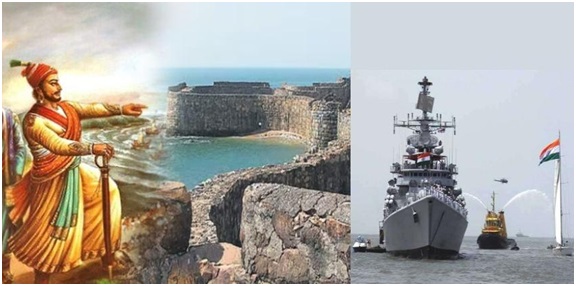
- 01 Dec 2023
Why is it in the News?
The Indian Navy is gearing up to showcase its operational prowess in a significant ‘Operational Demonstration’ scheduled for December 4, 2023, at Sindhudurg Fort in Maharashtra.
About Sindhudurg Fort:
- Sindhudurg Fort is a historically significant stronghold situated on an islet in the Arabian Sea, just off the coast of Maharashtra in western India.
- Positioned on Kurte Island near Malvan town in Sindhudurg District within the Konkan region of Maharashtra, this formidable fortress was commissioned and constructed under the reign of Chhatrapati Shivaji Maharaj of the Maratha Empire in 1664.
- The primary objective behind its construction was to counteract the escalating influence of foreign colonizers, including English, Dutch, French, and Portuguese merchants, and to curb the rise of the Siddis of Janjira.
- The Bakhar (a form of historical narrative written in Marathi prose) written by Chitragupta aptly mentions this fort as the most invaluable asset to Shivaji Maharaj.
Key Features:
- The fort spans 48 acres and boasts fortified walls that are 29 feet high and 12 feet thick, extending for a distance of two miles.
- Guarding these walls are 52 bastions equipped with embrasures for cannons.
- Access to the fort is through the Dilli Darwaja, the main gate, uniquely designed to blend seamlessly with the walls and visible only from close quarters.
- The fort is surrounded by several smaller forts, including Padmagad, Rajkot, and Sarjekot.
- An intriguing feature within the fort is a slab bearing the handprint and footprint of Chhatrapati Shivaji Maharaj.
- Additionally, a small temple dedicated to the Maratha King is situated within the fort's bounds
Vice President Interacted With Inter-Parliamentary Union (IPU) President During P20 Summit (PTI)
- 14 Oct 2023
Why in the News?
Vice President Jagdeep Dhankhar recently hosted a lunch for heads of parliamentary delegations attending the G20 Parliamentary Speakers' Summit (P20) and also interacted with Inter-Parliamentary Union (IPU) President Duarte Pacheco.
About the Inter-Parliamentary Union (IPU):
- Established in 1889 in Paris, the Inter-Parliamentary Union (IPU) is the international organization of Parliaments, dedicated to promoting representative democracy and world peace.
- It serves as the first multilateral political organization globally, fostering cooperation and dialogue among all nations.
- Mission and Slogan: The IPU's mission revolves around parliamentary diplomacy, empowering parliaments, and parliamentarians to advance peace, democracy, and sustainable development worldwide.
- Its slogan, "For democracy. For everyone," encapsulates its commitment to democratic values.
- Membership and Promotion of Democracy: Currently comprising 179 member parliaments and 13 associate members, the IPU actively promotes democracy by strengthening parliaments, and fostering youth inclusion, gender balance, and diversity.
- A dedicated committee defends the human rights of parliamentarians globally.
- Headquarters and Funding: The IPU relocated its headquarters to Geneva in 1921.
- Financed primarily by its members using public funds, the organization sustains its operations and initiatives.
Organizational Structure:
- IPU Assembly: Principal statutory body expressing IPU views on political issues.
- Gathers parliamentarians to study international problems and make actionable recommendations.
- Governing Council: Plenary policymaking body composed of three representatives from each member parliament.
- Establishes the IPU's annual program, and budget, and considers substantive issues.
- Executive Committees: A 17-member body overseeing IPU administration and advising the Governing Council.
- Fifteen members elected by the Council for a four-year term.
- Standing Committees: Three committees set up by the Governing Council to assist the Assembly in its work.
- Meeting of Women Parliamentarians: A separate organ meeting during the first round of Statutory Meetings, reporting to the Governing Council.
- Attended by parliamentarians of both sexes, focusing on specific substantive items for debate within the Assembly's competence.
Ayushman Arogya Mandir (The Hindu)
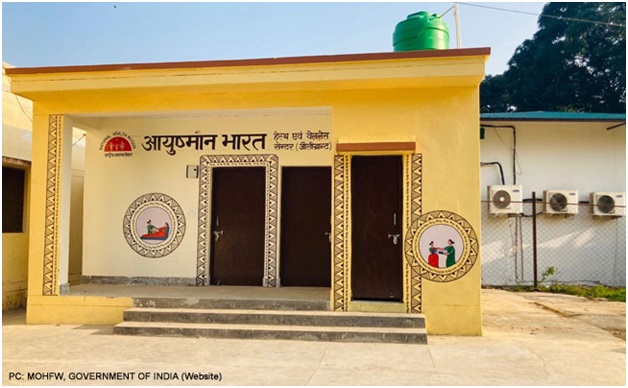
- 30 Nov 2023
Why is it in the News?
Recently, the Union Government has decided to rename the current Ayushman Bharat Health and Wellness Centres (AB-HWCs) as 'Ayushman Arogya Mandir.'
About Ayushman Arogya Mandir:
- The government has decided to rename the Ayushman Bharat-Health and Wellness Centres as 'Ayushman Arogya Mandir'
- The rebranded AB-HWCs will also have a new tagline -- 'Arogyam Parmam Dhanam'.
- Under the Government of India's flagship Ayushman Bharat Yojana, more than 1.6 lakhs AB- HWCs have been successfully established across states and UTs over the last five years with 219 crore footfalls so far.
- Ayushman Arogya Mandir is an attempt to move from a selective approach to health care to deliver a comprehensive range of services spanning preventive, promotive, curative, rehabilitative, and palliative care.
- It has two components which are complementary to each other.
- Under its first component, 1,50,000 Ayushman Arogya Mandir will be created to deliver Comprehensive Primary Health Care, that is universal and free to users, with a focus on wellness and the delivery of an expanded range of services closer to the community.
- The second component is the Pradhan Mantri Jan Arogya Yojana (PM-JAY) which provides health insurance cover of Rs. 5 lakhs per year to over 10 crore poor and vulnerable families seeking secondary and tertiary care.
- Ayushman Arogya Mandirs are envisaged to deliver an expanded range of services that go beyond Maternal and child health care services.
- It includes care for non-communicable diseases, palliative and rehabilitative care, Oral, Eye, and ENT care, mental health, and first-level care for emergencies and trauma , including free essential drugs and diagnostic services
- More than 2.71 crore wellness sessions have been held at these centers.
Rythu Bandhu Scheme (The Hindu)
- 28 Nov 2023
Why is it in the News?
The Election Commission recently canceled the Telangana government's approval to give money to farmers through the Rythu Bandhu Scheme.
About Rythu Bandhu Scheme:
- Rythu Bandhu Scheme, also known as the Farmer's Investment Support Scheme (FISS), was initiated by the Telangana government in 2018.
- Objectives:
- Provide timely cash grants for the initial investment needs of farmers.
- Prevent farmers from falling into the debt trap.
- Financial Assistance: Rs 5,000 per acre per farmer per season directly transferred to their accounts.
- Distribution: Biannual support for both kharif and rabi harvests.
- Usage: Farmers can use funds for purchasing seeds, fertilizers, pesticides, labor, and other field operations of their choice.
- Eligibility: Open to all resident land-owning farmers, including those in forest areas with a Record of Forest Rights (ROFR).
- Special Inclusion: Farmers in forest areas, mainly from Scheduled Tribe communities, with a ROFR document, are eligible for benefits.
- It’s India's first direct farmer investment support scheme, providing cash directly to beneficiaries.
INS Sumedha (Financial Express)

- 15 Nov 2023
Why in the News?
In a strategic move as part of the Indian Navy’s mission-based deployment to West Africa and the Atlantic, INS Sumedha conducted a port call at Walvis Bay, Namibia recently.
About INS Sumedha:
- INS Sumedha is a Saryu-class, Naval Offshore Patrol Vessel (NOPV) of the Indian Navy.
- It is the third ship of the class to be commissioned and was built by Goa Shipyard Limited in India.
- The ship was commissioned in March 2014.
- INS Sumedha is designed to undertake a variety of missions, including fleet support operations, coastal and offshore patrolling, ocean surveillance, and monitoring of sea lines of communication and offshore assets.
- The ship is also capable of carrying out humanitarian assistance and disaster relief (HADR) operations.
- INS Sumedha has been deployed on a number of operational missions, including:
- Operation Kaveri, the evacuation of Indian citizens from Sudan in April 2023.
- The ship has also participated in a number of international exercises, including Exercise Bright Star 2023 in Egypt.
About Walvis Bay:
- Walvis Bay is a city on the coast of Namibia, in the Erongo Region.
- It is the second-largest city in Namibia, after Windhoek, and is the capital of the Erongo Region.
- It is a major port city, and is the main port for Namibia.
- The port is home to a number of shipping companies and is a major export center for Namibian goods, such as fish, minerals, and diamonds.
- Originally a German enclave during the colonial era, Walvis Bay became a vital part of Namibia after gaining independence in 1990.
- The official language of the city is English, but Afrikaans, German, and Portuguese are also spoken.
Vadhavan Port (HT)
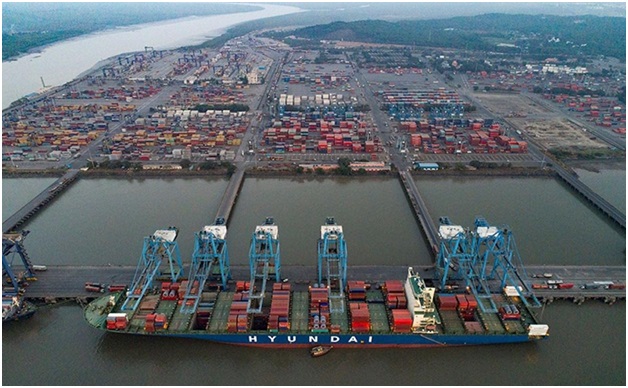
- 14 Nov 2023
Why in the News?
The Vadhavan Port Project Ltd. (VPPL) has started the procedures to build a port with an estimated cost of ?76,220 crore. Public hearings are expected to commence in the coming months.
About Vadhavan Port:
- The Vadhavan Port is a proposed deep-sea port to be located in Palghar District, Maharashtra.
- It is expected to be one of the largest ports in the world, with a capacity to handle over 20 million TEUs (twenty-foot equivalent units) of containers per year.
- The port is being developed by a joint venture between the Jawaharlal Nehru Port Authority (JNPA) and the Maharashtra Maritime Board (MMB).
- The Vadhavan Port is being designed as a "green port" with a focus on sustainability.
- The port will use renewable energy sources and implement energy efficiency measures.
- The port will also have a dedicated waste management system to minimize environmental impact.
- It is expected to be operational by 2040 and is a critical project for India's economic growth and development.
- The Vadhavan Port is expected to be a major boost to the Indian economy.
- It will create thousands of jobs and attract billions of dollars in investment.
- The port will also help to reduce congestion at the JNPA, which is currently India's busiest container port.
- The Vadhavan Port is a major infrastructure project that is expected to have a significant impact on India's economy and society.
GOBARdhan Initiative (PIB)
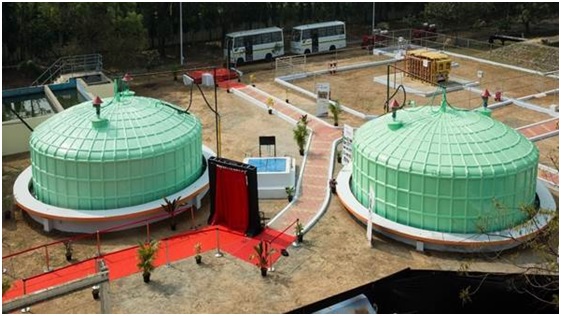
- 31 Jul 2023
Why in the News?
Recently, Union Minister for Jal Shakti has launched the Unified Registration Portal for GOBARdhan.
About GOBARdhan Initiative:
- GOBARdhan (Galvanizing Organic Bio-Agro Resources Dhan) initiative was launched in 2018.
- Aim:
- The primary goal of the initiative is to convert waste to wealth by promoting a circular economy.
- Nodal Ministry:
- The GOBARdhan Initiative is under the Department of Drinking Water and Sanitation, Ministry of Jal Shakti.
- Gobardhan is an integral part of Swachh Bharat Mission (Gramin) Phase II, focusing on Solid Waste Management.
- Objectives:
- To assist villages in safely managing their cattle and agricultural waste, leading to cleaner villages.
- To help communities convert cattle and organic waste into wealth using treatment systems.
- To transform organic waste, especially cattle waste, into biogas and organic manure for utilization in rural areas.
- To promote environmental sanitation and control vector-borne diseases by effectively disposing of waste in rural regions.
- To create employment and income-generation opportunities in rural areas by involving entrepreneurs, Self-Help Groups (SHGs), and youth groups in setting up, operating, and managing GOBARdhan units.
- Financial Incentive:
- The Government of India provides technical assistance and financial support of up to 50 lakhs for each district to achieve the safe disposal of cattle and organic waste as part of the initiative.
Rare ‘Ureilite’ Meteorite (Weather Channel)

- 27 Jul 2023
Why in the News?
Recently, a team of scientists from Allahabad University and the University of Bern, Switzerland, made an intriguing discovery. They unveiled that the Dhala crater was formed by the impact of an exceedingly uncommon and ancient meteorite called Ureilite.
Key Facts About Ureilite:
- Ureilite is an extraordinary type of meteorite, characterized by its rarity, making up only a minuscule portion of the meteorites found on Earth.
- The name "Ureilite" originates from the location of its first discovery, the Novo Urei village in Russia.
- Composition:
- Ureilites are primarily composed of silicate rock, with olivine and pyroxene being the dominant minerals.
- They also contain a smaller fraction of carbon, which can be in the form of either diamond or graphite, along with metal sulphides and a few fine-grained silicates.
- Elongated cavities are commonly found, typically oriented in the same direction.
- Lack of Chondrules:
- Unlike many other stony meteorites, ureilites do not contain chondrules, which are small, spherical grains that formed in the early solar system.
- Primitive Nature:
- Ureilites are regarded as primitive meteorites because their composition closely resembles the material from which the solar system originated.
- Their unique characteristics offer valuable insights into the early stages of our cosmic environment.
About Dhala Crater:
- Dhala Crater holds significance as India's oldest and largest impact crater, with an estimated formation age of approximately 2500 million years.
- Named after the village Dhala, it remains an eroded remnant of the original impact structure.
- Situated in the Shivpuri district of Madhya Pradesh, the crater boasts an impressive size, spanning a massive 11 km in diameter, making it the largest impact crater in Asia.
Bojjannakonda (The Hindu)
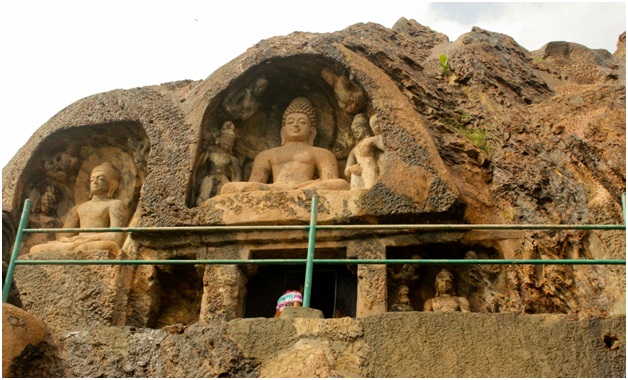
- 05 Oct 2023
Why in the News?
Recently, the Central government allocated 7.30 crore rupees to undertake landscaping and develop tourist amenities at the Bojjannakonda site.
About Bojjannakonda:
- Bojjannakonda is situated in the state of Andhra Pradesh.
- It was excavated by Alexander Rim in 1906.
- Originally known as ‘Buddhuni konda’ (meaning hill of the Buddha), it eventually came to be known as ‘Bojjannakonda’ over time.
- Approximately 2,000 years ago, Buddhist monks used this hill for their practices.
- During excavations, various artifacts were unearthed, including a gold coin from the Samudra Gupta period, copper coins from the Chalukya king Kubja Vishnu Vardhan, coins from the Andhra Satavahanas, and pottery.
- Bojjannakonda is unique as it reflects features of all three phases of Buddhism: Hinayana, Mahayana, and Vajrayana.
- Notable discoveries at the site include a figure of ‘Kalabhairava’ with the head of Lord Ganesha adorned with conch shells and the statue of a Buddhist monk named ‘Harati.’
- There is a large double-storeyed cave on the hill with a rectangular doorway flanked by 'dwarapalakas' on both sides.
- At its center stands a rock-cut stupa on a square platform.
- The northern side of the hill features a series of rock-cut caves and monolithic structures on rock platforms.
- The upper cave has a rectangular doorway, with Buddha figures on either side.
- The prominent attractions for tourists at Bojjannakonda are the imposing figures of the Buddha seated in a meditative posture and the stupa.
- At the hill's summit, there are structural buildings and a vihara (monastery), which are now in ruins.
- To the west of Bojjannakonda lies another hillock called Lingalakonda or Lingalametta, where several monolithic and structural stupas can be found.
- Interestingly, the structures on Lingalametta served as inspiration for the Buddhist temple at Barabodur in Java.
- Similarities between the caves at Bojjannakonda and those in Takshasila suggest Buddhist influences, although the word ‘Sangrama’ was used in Takshasila but not in Andhra Pradesh.
PRADHAN MANTRI ANUSUCHIT JAATI ABHUYDAY YOJANA (PM-AJAY) (PIB)
- 24 Oct 2023
What is the News ?
Authorities have implemented the Pradhan Mantri Anusuchit Jaati Abhuyday Yojana (PM-AJAY) since 2021-22.
Facts About:
Pradhan Mantri Anusuchit Jaati Abhuyday Yojana, or PM-AJAY, is a combination of three government schemes:
- Pradhan Mantri Adarsh Gram Yojana (PMAGY),
- Special Central Assistance to Scheduled Castes Sub Plan (SCA to SCSP), and
- Babu Jagjivan Ram Chhatrawas Yojana (BJRCY).
The main goals of PM-AJAY are:
- To reduce poverty among Scheduled Caste (SC) communities by creating more jobs through skill development, income-generating programs, and other initiatives.
- To improve the overall development of SC-dominated villages by providing necessary infrastructure and essential services.
The scheme has three parts:
- Developing SC-dominated villages into model villages with proper infrastructure for socio-economic progress.
- Providing grants for projects at the district or state level that aim to better the socio-economic conditions of SCs, including building infrastructure in SC-dominated villages.
- Implementing comprehensive livelihood projects, including skill development, improving infrastructure, and offering financial assistance for assets needed to generate income.
Additionally, the scheme involves constructing hostels in higher educational institutions that are highly ranked according to the National Institutional Ranking Framework (NIRF) of the Government of India, and these hostels are funded by the Central, State, or Union Territory governments.
Exercise Yudh Abhyas (PIB)
- 25 Sep 2023
What is the News ?
The 19th iteration of 'EXERCISE YUDH ABHYAS' is scheduled to take place from September 25th to October 8th, 2023, at Fort Wainwright, Alaska, USA
Facts About:
- Exercise Yudh Abhyas is an annual collaborative military exercise carried out jointly by the Indian Army and the United States Army.
- In this edition, the Indian Army contingent, consisting of 350 personnel, will participate. The lead battalion from the Indian side is associated with the MARATHA Light Infantry Regiment.
- The primary focus of the exercise is to practice a series of tactical drills aimed at improving the ability to work together effectively during United Nations peacekeeping operations.
- The exercise's theme centers on the 'Employment of an Integrated Battle Group in Mountain/ Extreme Climatic Conditions,' as outlined in Chapter VII of the United Nations mandate.
- The Field Training Exercise will encompass various elements, including the validation of Integrated Battle Groups in confronting hostile forces at the Brigade level, the establishment of an Integrated Surveillance Grid at the Brigade/ Battalion level, and the utilization of Heliborne/ Airborne units and Force Multipliers, among others.
- Additionally, the exercise will facilitate the exchange of ideas and best practices in a wide range of combat skills, encompassing combat engineering, obstruction clearance, and tactics for dealing with mines and Improvised Explosive Devices.
Other Exercises involving India and the USA:
- Army: Vajra Prahar
- Navy: MALABAR (Multilateral)
- Air Force: Cope India, Red Flag (Multilateral)
Pandit Deendayal Upadhyay National Welfare Fund For Sportspersons (PDUNWFS) (PIB)
- 21 Sep 2023
What is the News ?
The Union Minister for Youth Affairs & Sports honored athletes supported by the Pandit Deendayal Upadhyay National Welfare Fund for Sportspersons (PDUNWFS) in New Delhi.
Facts About:
- The Pandit Deendayal Upadhyay National Welfare Fund for Sportspersons (PDUNWFS) was established in March 1982.
- Its primary goal is to support former exceptional athletes who are now facing financial hardship but had previously brought honor to India through their sporting achievements.
- In May 2016, the scheme underwent revisions, enabling it to provide one-time financial assistance to former exceptional athletes.
- This scheme covers athletes across the entire nation and is designed to enhance the well-being of sportspersons and their families by alleviating financial distress.
- The scheme can be applied to individual athletes or groups of active sportspersons.
Gandhi Sagar Wildlife Sanctuary (TOI)
- 18 Sep 2023
What is the News ?
India is getting ready to bring in a new group of cheetahs from South Africa and release them into the Gandhi Sagar Wildlife Sanctuary in Madhya Pradesh.
Facts About:
- Location: Situated at the northern border of Madhya Pradesh's Mandsaur and Nimach districts, adjacent to Rajasthan.
- Area: Covers 368.62 km2 (142.32 sq mi) and is part of the Khathiar-Gir dry deciduous forest ecoregion.
- Establishment: Established in 1974 and officially designated as a sanctuary in 1984.
- River Chambal: Divides the sanctuary into two sections and adds to its unique landscape.
- Terrain: Features diverse topography, including hills, plateaus, and the catchment area of the Gandhi Sagar Dam on the Chambal River.
- Cultural Significance: Houses historical, archaeological, and religious sites like Chaurasigarh, Chaturbhujnath temple, Bhadkaji rock paintings, Narsinghjhar Hinglajgarh fort, and Taxakeshwar temple.
- Flora: Dominated by tree species like Khair, Salai, Kardhai, Dhawda, Tendu, and Palash.
- Fauna: Home to herbivores such as Chinkara, Nilgai, and Spotted Deer, as well as carnivores like the Indian Leopard, Striped Hyena, and Jackal. The sanctuary also hosts a variety of aquatic life, including crocodiles, fish, otters, and turtles.
Meghalaya Shawl and Chhattisgarh’s Dhokra Art and Telangana Bidri Art vases (Times now)
- 31 Aug 2023
What is the News ?
Prime Minister presented Meghalaya Shawl and Chhattisgarh Dhokra Art and Telangana Bidri Art vases to Greek President and Prime Minister.
Facts About:
Meghalaya shawls
Meghalaya shawls were originally woven for Khasi and Jaintia royalty who considered them a symbol of their power and status.
Shawls were worn at formal events and festivals, and their intricate designs and vibrant colors reflected the wealth and prestige of the royal family.
The designs used in Meghalaya shawls were very symbolic.
- For example, the use of animal motifs such as tigers and elephants was a symbol of strength and power, while the use of floral motifs was a symbol of beauty and grace.
- The weavers, mostly women, spend hours weaving intricate designs and patterns using traditional weaving techniques.
- The shawls are made from local wool and natural colors.
- Shawls are highly valued for their fine workmanship and intricate designs.
Dhokra Art of Chhattisgarh
One of the earliest manifestations of this ancient art is the dancing girl object found in the excavations at Mohenjo-Daro and Harappa.
Traditionally, the Gadwads, Gonds and Dhurwas tribes of Chhattisgarh practice the art of Dhokra using the lost wax technique or hollow casting.
It is named after the Dhokar Damar, an Indian tribe in the central and eastern part of the country.
Common themes in Dhokra art revolve around Hindu gods and goddesses and various animal figures.
Dhokra Art is a non-ferrous metal casting art that uses wax casting technology.
This type of metal casting has been used in India for over 4000 years and is still used today.
There are two main processes involved in lost wax casting: solid casting and hollow casting.
Bidri Art vases
It originated from the city of Bidar in Karnataka in the 14th century.
Bidar in Karnataka and Hyderabad in Telangana are the most active centers of the art form.
Bidri Work handicraft is the art of inlaying metal alloys.
The soil of Bidar Fort magically gives black color to the base metals and the art form has been given the prestigious GI status.
Technique: For smelting, a new mold must be made, into which molten metal, an alloy of zinc and copper, is poured.
- Patterns are drawn on them and carved with a chisel and hammer.
- The engravings are attached with silver wire.
- This contrast of shiny silver with black metal is unique in Bidri art.
Source: https://www.timesnownews.com/india/meghalaya-shawl-to-telangana-vase-what-pm-modi-gifted-to-his-greek-counterpart-article-103065689
INS Vindhyagiri' (PIB)
- 18 Aug 2023
What is the News ?
President Droupadi Murmu launched the 'INS Vindhyagiri' in Kolkata at Garden Reach Shipbuilders and Engineers Limited (GRSE).
Facts About:
- Project 17A – Vindhyagiri, named after the mountain range in Karnataka, is the sixth ship of the Project 17A program, as per PTI reports.
- Vindhyagiri, a technologically advanced Frigate, and a tribute to the erstwhile INS Vindhyagiri, the Leander Class ASW Frigate.
- Old Vindhyagiri – It is nearly 31 years of service from July 1981 to June 2012, had witnessed various challenging operations and multinational exercises.
- Under the Project 17A program, a total of 4 ships by Mazagon Dock Ltd (MDL) and 3 ships by GRSE are under construction.
- The project's first 5 ships have been launched by the MDL and GRSE between 2019 and 2022.
- Project 17A ships have been designed in-house by the Indian Navy's Warship Design Bureau, the pioneer organization for all warship design activities.
- A substantial 75% of the orders for equipment and systems of Project 17A ships are from indigenous firms.
Source: https://pib.gov.in/PressReleaseIframePage.aspx?PRID=1949974
Pradhan Mantri Uchchatar Shiksha Abhiyan (PM-USHA) (PIB)
- 14 Aug 2023
What is the News ?
14 States and Union Territories are yet to sign a crucial Memorandum of Understanding (MoU) with the Union Education Ministry.
Facts About:
Higher education Institutions (HEIs) in India
Statistics
As per the AISHE report 2020-21, there are 1,113 Universities, 43,796 Colleges, and 11,296 Stand Alone Institutions.
- There are 422 State Public Universities that have 41,836 affiliated colleges.
- 446 Universities are privately managed and 475 Universities are located in rural areas, 17 are women-centric universities.
Total enrolment in higher education has been estimated to be 4.13 crores with 2.12 crores boys and 2.01 crores females.
- Females constitute 48.7% of the total enrolment.
There are 2,255 students enrolled in Integrated Ph.D. in addition to 2.11 lakh students enrolled in Ph.D. Level.
Major problems currently faced by the higher education system in India – As identified by National Education Policy 2020:
- A severely fragmented higher educational ecosystem; less emphasis on the development of cognitive skills and learning outcomes;
- A rigid separation of disciplines, early specialization, and streaming of students into narrow areas of study;
- Limited access particularly in socio-economically disadvantaged areas, with few HEIs that teach in local languages;
- Limited teacher and institutional autonomy;
- Inadequate mechanisms for merit-based career management and progression of faculty and institutional leaders;
- Lesser emphasis on research at most universities and colleges, and lack of competitive peer-reviewed research funding across disciplines;
- Suboptimal governance and leadership of HEIs;
- An ineffective regulatory system; and large affiliating universities result in low standards of undergraduate education.
- PM-USHA aims to address the key gaps and issues identified by NEP 2020.
What is Pradhan Mantri Uchchatar Shiksha Abhiyan (PM-USHA)?
Background
- Rashtriya Uchchatar Shiksha Abhiyan (RUSA) was a Centrally Sponsored Scheme to fund States/UTs institutions.
- It was launched with the vision to attain higher levels of access, equity, and excellence in the State higher education system with greater efficiency, transparency, accountability, and responsiveness.
- The first phase of the scheme was launched in 2013 and the second phase was launched in 2018.
- Now, in the light of the National Education Policy, RUSA scheme has been launched as Pradhan Mantri Uchchatar Shiksha Abhiyan (PM-USHA).
About
- It is a centrally sponsored scheme of the Government of India executed through the Ministry of Education.
- The scheme aims to work with over 300 HEIs including the state universities, its affiliated colleges to raise the quality of education.
Key Objectives of Pradhan Mantri Uchchatar Shiksha Abhiyan
The key objectives of PM-USHA are to improve access, equity and quality in higher education through planned development of higher education at the state level.
The objectives also include:
- creating new academic institutions,
- expanding and upgrading the existing ones,
- developing institutions that are self-reliant in terms of quality education, professionally managed, and characterized by greater inclination towards research.
Funding
- The PM-USHA aims at providing strategic funding to eligible state higher educational institutions.
- The central funding is based on norms and is outcome dependent.
- Funds flow from the central ministry through the state governments/union territories before reaching the identified institutions.
- Funding to states is made on the basis of the critical appraisal of State Higher Education Plans, which enlist each state’s strategy to address issues of equity, access and excellence in higher education.
Source: https://www.education.gov.in/sites/upload_files/mhrd/files/upload_document/pm-usha_guidelines.pdf
NavIC to link to Aadhaar enrolment devices (The Hindu)
- 11 Aug 2023
What is the News ?
The Department of Space (DoS) has told the Parliamentary Committee of Science and Technology that the Navigation with Indian Constellation or (NavIC) is going to be integrated into Aadhaar enrolment devices.
Facts About:
About the merger:
- Need: Currently the Aadhaar enrolment kits that are used to collect and verify personal details are linked to Global Positioning system (GPS).
- The DoS has conducted successful field trials and is providing technical expertise for the finalisation of procurement specifications for the devices.
- Overall, the integration of NavIC into Aadhaar enrolment devices will enhance navigation accuracy and provide better disaster management capabilities.
- Significance:
- NavIC’s integration will enhance the accuracy and reliability of these devices.
Aadhaar authentication process:
- The Unique Identification Authority of India (UIDAI) has been created, with the mandate of providing a Unique Identity (Aadhaar) to all Indian residents.
- The UIDAI provides online authentication using demographic and biometric data.
- Aadhaar authentication is the process involves Aadhaar Number, along with other attributes, including biometrics, is submitted online to the Aadhaar system for its verification on the basis of information or data or documents available with it.
- During the authentication transaction, the resident’s record is first selected using the Aadhaar Number and then the demographic/biometric inputs are matched against the stored data which was provided by the resident during enrolment/update process.
How NavIC will ensure data protection?
- NavIC offers two services:
- Standard Position Service (SPS) for civilian users and;
- Restricted Service (RS) for strategic users.
- These two services are provided in both L5 (1176.45 MHz) and S band (2498.028 MHz).
- NavIC coverage area includes India and a region up to 1,500 km beyond the Indian boundary.
- Newer satellites will have an additional band called L1 that will be compatible with civilian use.
Present NavIC uses:
- The National Disaster Management Agency (NDMA) was already utilising NavIC as an alert dissemination system for major natural disasters like landslips, earthquakes, floods, and avalanches.
- The Indian National Centre for Ocean Information System (INCOIS) relies on NavIC to broadcast cyclones, high waves, and tsunamis alert messages to fishermen venturing into the deep sea.
Organizations working with NavIC data:
- NavIC standards were set by the Bureau of Indian Standards (BIS), Telecom Standards Development Society, India (TSDSI), Telecom Engineering Centre (TEC), Third Generation Partnership Project (3GPP), and Radio Technical Commission for Maritime Services (RTCM), International Electrotechnical Committee (IEC), and International Standards Organisation (ISO).
Concerns with GPS or other global systems:
- Threat to data security and sovereignty: System like GPS and GLONASS are operated by defence agencies of the respective nations.
- Breach of personal information: It is possible that the civilian service can be degraded or denied.
Source: https://www.thehindu.com/sci-tech/technology/indian-gps-navic-to-link-to-aadhaar-enrolment-devices/article67181022.ece