
Foreign Contribution (Regulation) Amendment Bill, 2026
- 27 Mar 2026
In News:
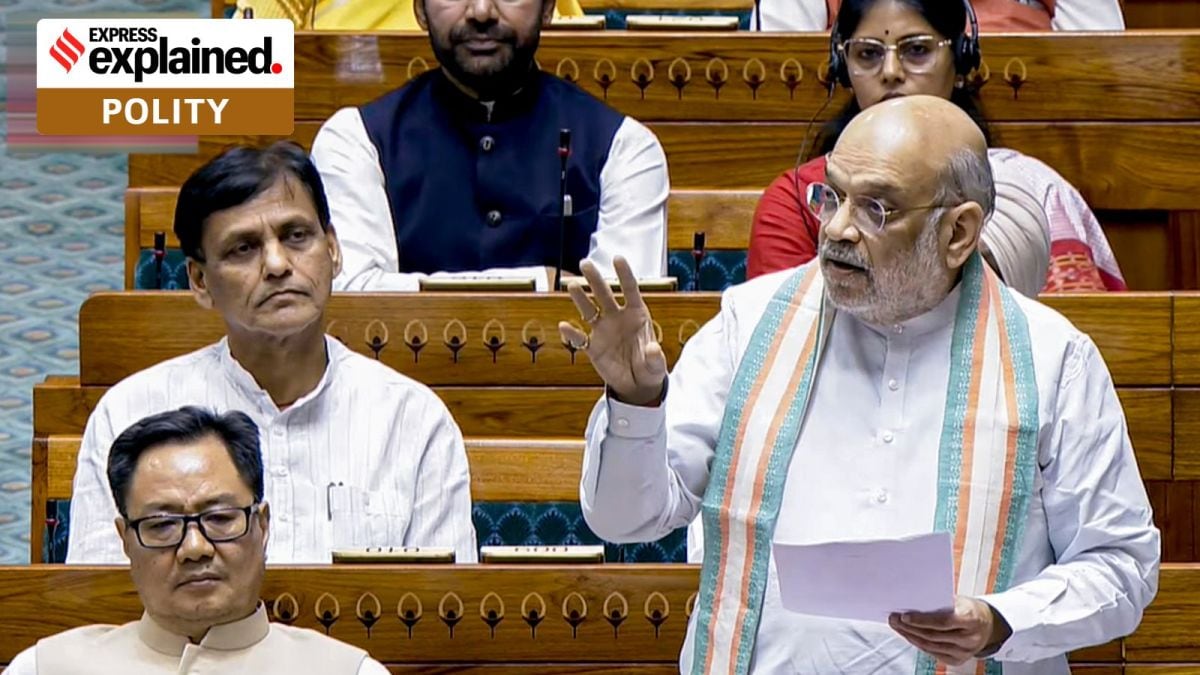
The Foreign Contribution (Regulation) Amendment Bill, 2026 was introduced in the Lok Sabha on March 25, 2026 by the Minister of State for Home Affairs, proposing significant changes to the Foreign Contribution (Regulation) Act, 2010. The Bill has since triggered considerable political debate, with its Lok Sabha discussion deferred amid opposition protests and political sensitivities ahead of the Kerala Assembly elections.
What is the Foreign Contribution (Regulation) Act, 2010?
The FCRA, 2010 is a central legislation administered by the Ministry of Home Affairs (MHA) that regulates the acceptance, utilisation, and accounting of foreign contributions received by individuals, associations, and NGOs in India.
Key Facts:
· Originally enacted in 1976; comprehensively revised in 2010; further amended in 2016, 2018, and 2020
· Around 16,000 organisations are currently registered under FCRA
· These organisations collectively receive approximately ?22,000 crore annually
· All foreign contributions must be received through a single designated account at the State Bank of India, New Delhi (main branch)
· Registration is valid for five years and must be renewed at least six months before expiry
· Foreign funds cannot be sub-granted to unregistered entities
· Foreign funding is prohibited for politicians, journalists, judges, and government servants
Permitted Uses of Foreign Funds: Cultural, economic, educational, social, and religious activities only.
What is the Legal Gap the Bill Seeks to Address?
Under Section 15 of the existing Act, assets created from foreign contributions vest in a prescribed authority upon cancellation or surrender of FCRA registration. However, no clear procedural mechanism exists for the subsequent management, supervision, or disposal of such assets — leading to administrative uncertainty and potential misuse. The 2026 Bill addresses this by inserting a new Chapter IIIA into the Act.
Key Provisions of the Amendment Bill, 2026
1. Designated Authority
A government-appointed Designated Authority is empowered to:
- Provisionally take over, supervise, manage, and dispose of foreign contributions and assets of NGOs whose registration is cancelled, surrendered, or lapsed
- Return unutilised funds and assets if registration is subsequently renewed or restored
- Permanently vest assets if the organisation fails to secure fresh registration within a prescribed period
- Preserve the religious character of any place of worship taken over under the Act
Proceeds from asset disposal are credited to the Consolidated Fund of India.
2. Expanded Definition of "Key Functionary"
Personal liability is extended to directors, trustees, partners, karta of Hindu Undivided Families (HUFs), and office-bearers of societies and trade unions — unless they prove lack of knowledge or due diligence.
3. Prior Approval for Investigations
Any law enforcement agency or State government must obtain prior Central Government approval before initiating FCRA-related investigations, significantly centralising oversight.
4. Rationalised Penalties
Maximum imprisonment for FCRA offences reduced from five years to one year, with rationalised penalties to decriminalise inadvertent procedural lapses.
5. Other Provisions
- Fixed timelines for receipt and utilisation of foreign funds
- Automatic cessation of registration upon non-renewal
- Appeals against Designated Authority orders to be filed before the District Judge within 90 days