
National Sports Governance Bill 2025
- 26 Jul 2025
In News:
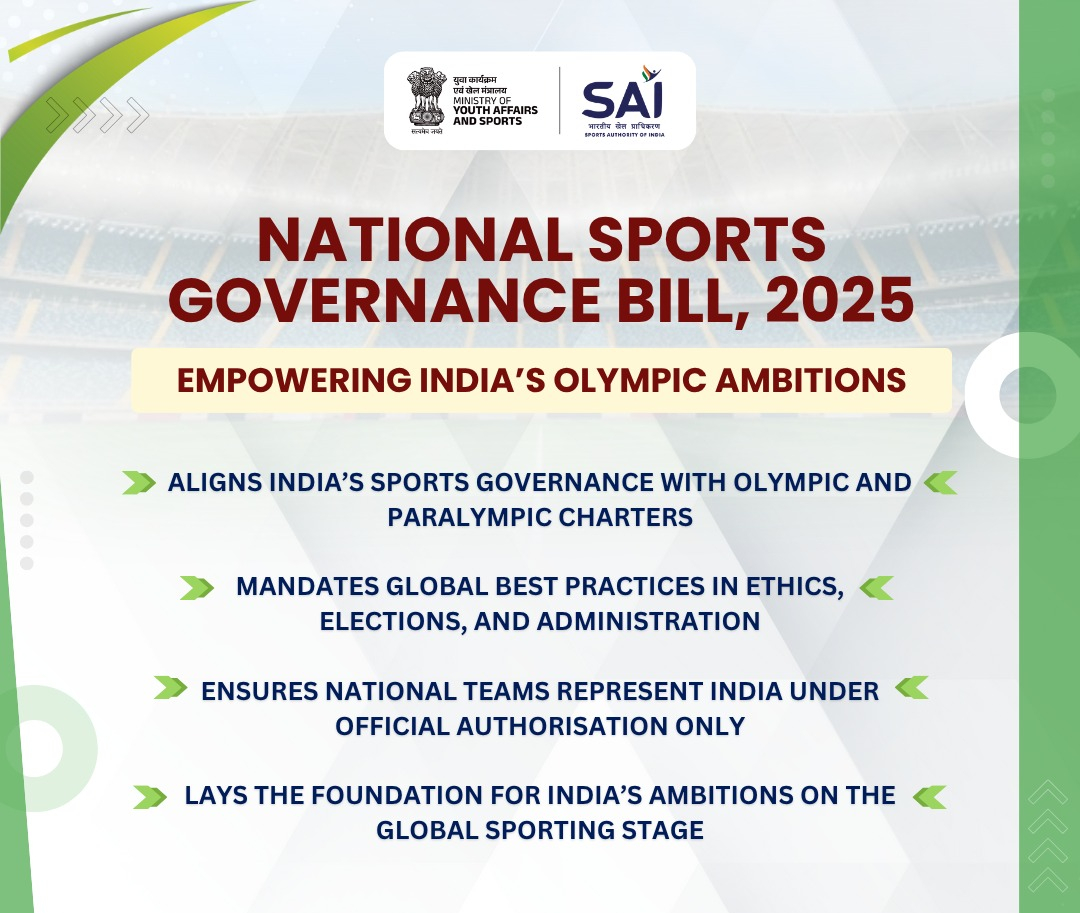
The National Sports Governance Bill, 2025, introduced in the Lok Sabha, marks a significant legislative effort to restructure and reform India's sports administration framework. It seeks to replace the non-binding National Sports Code of 2011 with a statutory, enforceable law that prioritizes transparency, athlete welfare, and institutional accountability.
Key Objectives of the Bill
- Establish a uniform governance system across all sports federations.
- Legally regulate bodies like the Board of Control for Cricket in India (BCCI).
- Align Indian sports governance with international standards, particularly ahead of India’s 2036 Olympic bid.
- Introduce dedicated institutions for oversight, dispute resolution, and electoral transparency.
Major Structural Changes
1. Statutory Institutions Established
|
Institution |
Function |
|
National Sports Board (NSB) |
Recognition, funding eligibility, ethics compliance, and oversight of NSFs. |
|
National Sports Tribunal |
Dispute resolution (e.g., selection, elections, governance conflicts). |
|
National Sports Election Panel |
Ensures free, fair, and independent elections of sports bodies. |
Governance Reforms in National Sports Bodies
- Recognition & Regulation: All National Sports Federations (NSFs), including the BCCI, must seek annual recognition from the NSB.
- Affiliation: National bodies must have aligned state and district units, and comply with international federations' statutes.
- Code of Ethics: Mandatory for members, athletes, coaches, sponsors, and officials.
- Grievance Redressal: Internal mechanisms must be instituted by each federation.
Administrative Structure of National Bodies
- General Body: Equal representation from all affiliates and ex-officio members.
- Executive Committee: Maximum 15 members, mandatory inclusion of at least 4 women and 2 elite athletes.
- Age Limit: Officials must be aged 25–70 years (exceptions up to 75 years if permitted by international rules).
- Term Limit: Max three consecutive terms of four years in the same or different posts, with a cooling-off period.
Role of the National Sports Board (NSB)
The NSB acts as a central regulatory authority, similar to SEBI in financial markets.
Powers and Functions:
- Granting/suspending/canceling recognition of sports bodies.
- Investigating misuse of funds or violation of athlete welfare norms.
- Issuing guidelines for ethics, governance, and international compliance.
- Forming ad-hoc bodies in case of international de-recognition.
Composition: Chairperson and members with expertise in sports governance, law, and public administration. Appointed by the central government through a search-cum-selection committee.
National Sports Tribunal
A quasi-judicial body to resolve disputes involving federations, athletes, and administration.
Composition:
- Chairperson: Sitting/former Supreme Court Judge or Chief Justice of a High Court.
- Two expert members from sports, law, or public administration.
Appointed by: A committee comprising the Chief Justice of India (or nominee), the Law Secretary, and the Sports Secretary.
Appeals: Lie directly to the Supreme Court, except where international regulations mandate the Court of Arbitration for Sport (CAS) in Switzerland.
Jurisdiction Excludes: Disputes related to international sports events and internal matters of global sports bodies.
Electoral Oversight
A National Sports Election Panel will be constituted, comprising:
- Former Election Commissioners of India
- Former Chief Electoral Officers and Deputy Election Commissioners
Purpose:
- Supervise elections of executive committees of national federations.
- Ensure electoral integrity at the state and district levels via affiliate panels.
Legal Enforceability vs. Sports Code 2011
|
Parameter |
Sports Code 2011 |
Governance Bill 2025 |
|
Legal Status |
Advisory guidelines |
Statutory law |
|
Enforceability |
Non-binding |
Legally enforceable |
|
Gender/Athlete Representation |
Not mandated |
4 women & 2 elite athletes required |
|
Dispute Resolution |
Ministry-driven |
National Sports Tribunal |
|
BCCI Regulation |
Outside purview |
Brought under framework |
|
Election Oversight |
Ministry oversight |
Independent election panel |
|
RTI Applicability |
Exempt (BCCI) |
Mandatory for recognized bodies |
Bringing BCCI Under the Legal Framework
Historically resisting regulation, the BCCI will now be required to:
- Register annually with the NSB.
- Submit to the National Sports Tribunal for disputes.
- Comply with RTI Act provisions, if it seeks government recognition and funding.
This change is significant as cricket is now part of the 2028 Los Angeles Olympics, making BCCI subject to international governance norms under the Olympic Charter.
Provision for Exemptions
The central government may exempt specific sports bodies from certain provisions of the Bill, in the public interest or for the promotion of specific sports disciplines.
Parallel Legislation: Anti-Doping Amendment
The National Anti-Doping (Amendment) Bill, 2025 was also introduced, addressing World Anti-Doping Agency (WADA) concerns. It:
- Retains the National Board for Anti-Doping, but strips it of oversight over NADA.
- Restores NADA’s independence, aligning Indian anti-doping efforts with international norms.
National Sports Awards 2024
- 06 Jan 2025
In News:
The National Sports Awards 2024 were recently announced by the Ministry of Youth Affairs & Sports to celebrate excellence in Indian sports.
Key Highlights:
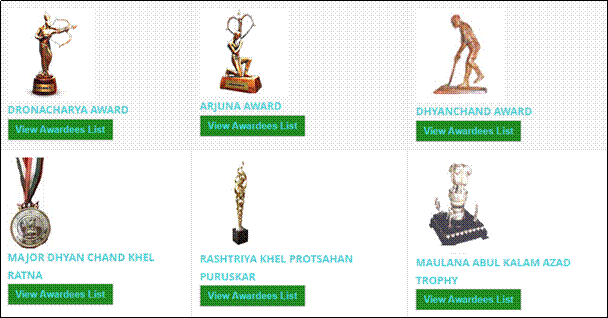
Major Dhyan Chand Khel Ratna Award
- This is India's highest sporting honor, renamed in 2021 after hockey legend Major Dhyan Chand.
- It’s awarded for exceptional performance in sports over a four-year period.
- 2024 Winners:
- Gukesh D (Chess)
- Harmanpreet Singh (Hockey)
- Praveen Kumar (Para-Athletics)
- Manu Bhaker (Shooting)
- The award includes a cash prize of Rs 25 lakh.
Arjuna Award
- Recognizes outstanding performance in sports over the previous four years and attributes like leadership, discipline, and sportsmanship.
- 2024 Winners: Various athletes across multiple disciplines received this honor.
Arjuna Award (Lifetime)
- Given to retired athletes who have not only excelled during their careers but also contributed to the promotion of sports post-retirement.
- 2024 Winners:
- Shri Sucha Singh (Athletics)
- Shri Murlikant Rajaram Petkar (Para-Swimming)
Dronacharya Award
- Given to coaches who have made a consistent and significant contribution by guiding sportspersons to excel at international events.
- The award includes a bronze statue of Dronacharya, a certificate, and a cash prize.
Maulana Abul Kalam Azad (MAKA) Trophy
- Awarded to the top-performing university in the Khelo India University Games.
- 2024 Winner: Chandigarh University.
Rashtriya Khel Protsahan Puruskar
- Recognizes individuals or organizations for their contribution to the promotion and development of sports.
- 2024 Winner: Physical Education Foundation of India.
These awards were selected by a committee led by Justice (Retd.) V. Ramasubramanian and include eminent sportspersons, journalists, and sports administrators. The winners will receive their awards from the President of India, marking a prestigious moment in Indian sports.
Rapid Chess Championship
- 02 Jan 2025
In News:
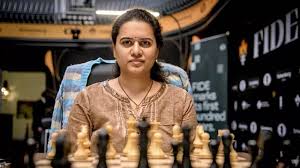
In a monumental achievement, Koneru Humpy from Vijayawada, India, claimed the 2024 FIDE Women’s World Rapid Chess Championship in New York. This victory marks her second World Rapid Chess title, five years after her first win in 2019 in Georgia, making her the first Indian and only the second player after China’s Ju Wenjun to win the title multiple times.
Key Highlights of Humpy’s Victory:
- Final Score: Humpy finished with an impressive 8.5 points from 11 rounds, securing the top spot by defeating Irene Sukandar of Indonesia in the final round.
- Strong Finish: Humpy surged ahead of the other joint leaders to clinch the title, with D. Harika, another Indian chess star, securing 5th place with 8 points.
World Rapid Chess Championship
- The World Rapid Chess Championship is a chess tournament that determines the world's top rapid chess player. The tournament is held annually by FIDE, the International Chess Federation.
- How it works
- The tournament uses a Swiss system, where players are paired with opponents of similar scores in each round.
- Players are not eliminated after losses.
- The player with the highest score at the end of the tournament wins.
- Time controls
- Players are given a set amount of time per move, plus an increment for each move.
- In the World Rapid Championship, players have 15 minutes per move, plus a 10-second increment for each move.
A Historic Year for Indian Chess:
- 2024 has been a remarkable year for Indian chess, with D. Gukesh becoming the youngest-ever World Chess Champion after his victory over Ding Liren (China) at the World Chess Championship in Singapore.
- India also made history by winning both the open and women’s sections at the 2024 Chess Olympiad in Budapest.
Retired Sportsperson Empowerment Training (RESET) Programme
- 04 Dec 2024
In News:
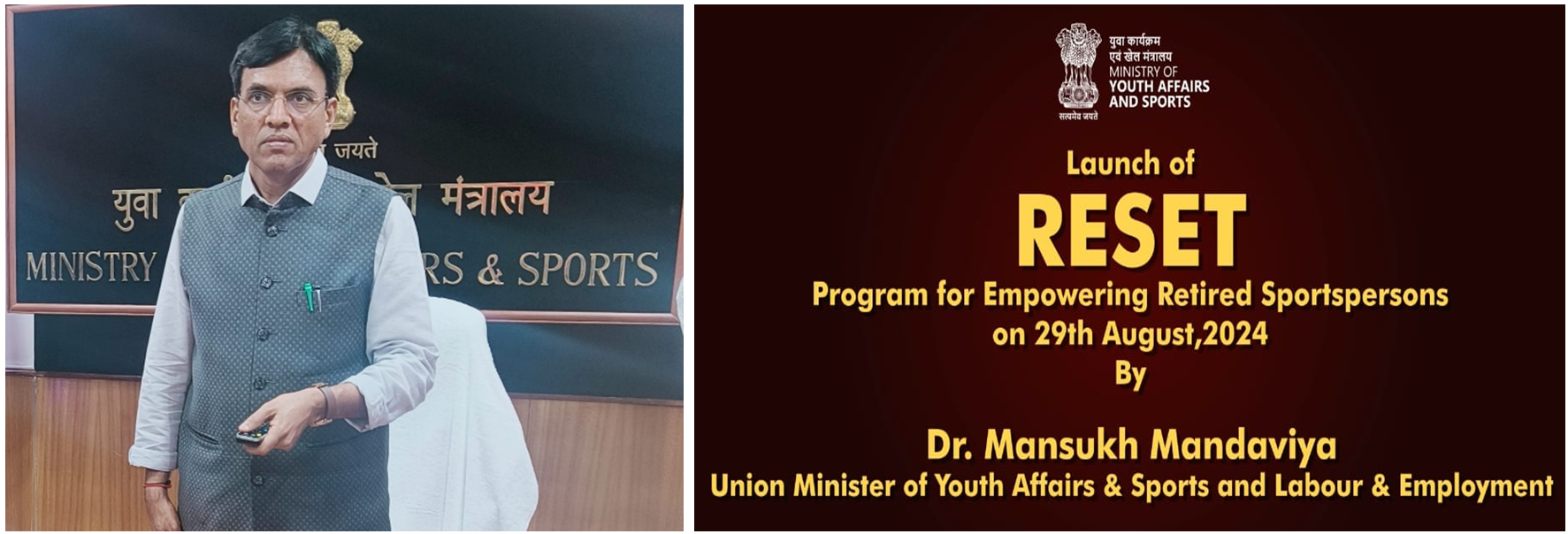
At an event celebrating the National Sports Day, The Minister for Youth Affairs & Sports and Labour& Employment launched “Retired Sportsperson Empowerment Training” (RESET) Programme.
Key Highlights:
- Objective:
- Empower retired athletes through career development.
- Provide tailored education, internships, and skill enhancement.
- Address the human resource gap in the sports sector.
- Eligibility Criteria:
- Retired athletes aged 20-50 years.
- Winners of international medals or participants in international events.
- National/state-level medalists or participants in recognized competitions (e.g., National Sports Federations, Indian Olympic Association).
- Courses Offered (16 Courses):
-
- Strength & Conditioning Trainer
- Sports Nutritionist
- Sports Event Management
- Corporate Wellness Trainer
- Sports Masseur
- Sports Entrepreneurship
- Store Manager
- Fitness Centre Manager
- Physical Education Trainer
- Fitness Trainer
- Yoga Trainer
- Venue Supervisor
- Self-Defence Trainer
- Community Sports Trainer
- Camping & Trekking Guide
- Facility Caretaker
- Program Structure:
- Two levels based on educational qualifications:
- Class 12 and above
- Class 11 and below
- Hybrid learning mode:
- Self-paced learning via a dedicated portal.
- On-ground training and internships.
- Two levels based on educational qualifications:
- Internship and Placement:
- Internships offered in sports organizations, competitions, training camps, and leagues.
- Post-course placement assistance and entrepreneurial guidance.
- Implementing Agency:Lakshmibai National Institute of Physical Education (LNIPE) for the pilot phase.
- Importance:
- Provides sustainable career pathways for retired athletes.
- Utilizes the experience and skills of retired athletes to benefit future generations of athletes.
- Contributes to the growth of sports and nation-building.
- National Sports Day (29th August):
- Celebrated in honor of Major Dhyan Chand's birth anniversary.
- Promotes sports and physical fitness in India.
- Awards like Major Dhyan Chand Khel Ratna presented to honor excellence in sports.
Retired Sportsperson Empowerment Training (RESET) Programme
- 02 Sep 2024
In News:
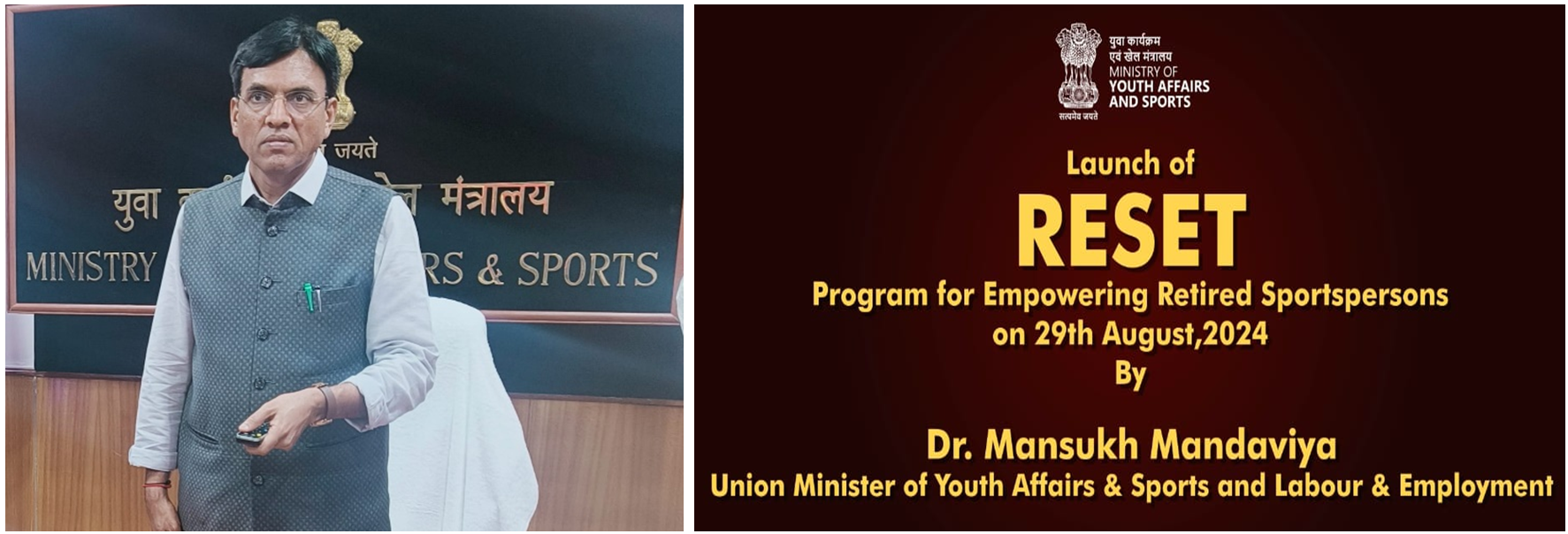
Union Minister of Youth Affairs & Sports and Labour & Employment, Dr. Mansukh Mandaviya launched “Retired Sportsperson Empowerment Training” (RESET) Programme on the occasion of National Sports Day in New Delhi.
Key Highlights:
This programme aims to empower retired athletes by equipping them with essential career skills and knowledge, enhancing their employability and enabling them to contribute meaningfully to the sports ecosystem.
Eligibility Criteria
- Age: Retired athletes aged 20 to 50 years.
- Achievements:
- Must be winners of international medals or participants in international events.
- Alternatively, must have been national or state medallists or participants in competitions recognized by:
- National Sports Federations
- Indian Olympic Association
- Ministry of Youth Affairs and Sports.
Programme Structure
- Levels: Two tiers based on educational qualifications:
- Class 12th and above
- Class 11th and below
- Learning Mode: A hybrid approach, combining:
- Self-paced online learning through a dedicated portal.
- On-ground training for practical skill development.
Lead Institute
- Lakshmibai National Institute of Physical Education (LNIPE) will oversee the implementation and administration of the programme.
Support and Opportunities
- Placement Assistance: Comprehensive guidance for job placements in relevant sectors.
- Entrepreneurial Guidance: Support for athletes looking to start their own ventures in sports or related fields.
- Internships: Opportunities for hands-on experience in:
- Sports organizations
- Competitions
- Training camps
- Leagues
Implementation and Benefits
- Self-Paced Learning: Flexibility for participants to manage their learning schedules effectively.
- On-Ground Training: Hands-on practical sessions aimed at enhancing skills relevant to various career paths.
- Evaluation and Certification: Participants will be assessed and awarded a certificate upon successful completion, adding value to their career prospects.
The RESET Programme not only recognizes the achievements of retired athletes but also empowers them to leverage their experiences in new and impactful ways, fostering a robust sports ecosystem in India.
Diplomatic Passport
- 03 May 2024
Why is it in the News?
After allegations of sexual abuse by Janata Dal (Secular) MP Prajwal Revanna came to light, the politician fled to Germany on a diplomatic passport.
What is a Diplomatic Passport?
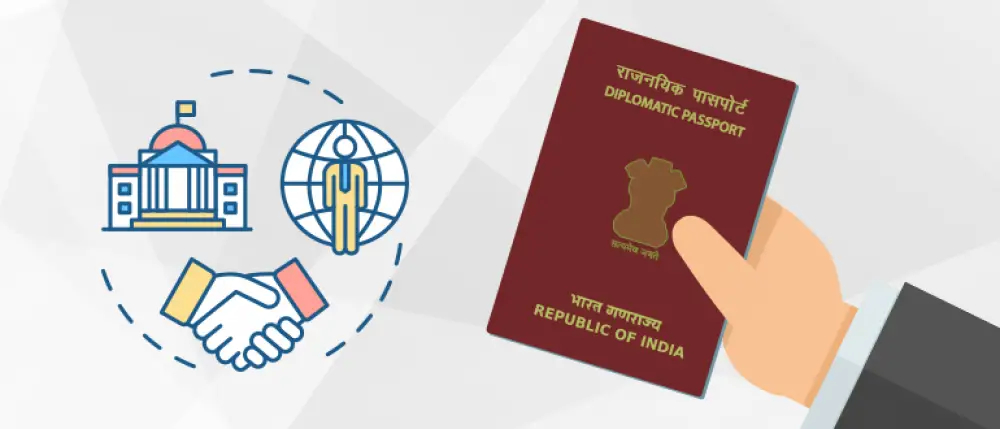
- Diplomatic passports are issued to people holding diplomatic status or deputed by the Government of India for official duty abroad.
- Unlike normal passports, which are valid for 10 years and have a dark blue cover, diplomatic passports are valid for five years or less and have maroon covers.
- Diplomatic passports, also known as 'Type D' passports.
- A diplomatic passport has 28 pages.
- Holders of such passports are entitled to certain privileges and immunities as per international law, including immunity from arrest, detention, and certain legal proceedings in the host country.
Issuing Authority:
- The Ministry of External Affairs’s (MEA) Consular, Passport & Visa Division issues diplomatic passports (‘Type D’ passports) to people falling in broadly five categories:
- Those with diplomatic status;
- Government-appointed individuals travelling abroad for official business;
- Officers working under the branches A and B of the Indian Foreign Service (IFS), normally at the rank of Joint Secretary and above; and
- Relatives and immediate family of officers employed in IFS and MEA.
- Select individuals who are authorised to undertake official travel on behalf of the government”.
- The MEA issues visa notes to government officials going abroad for an official assignment or visit.
What are the Benefits of Having a Diplomatic Passport?
- Official identification: The diplomatic passport serves as an official identification document for individuals representing the Indian government on diplomatic missions.
- It helps in establishing their identity and official status.
- Diplomatic immunity: Diplomatic passport holders are typically entitled to certain privileges and immunities as per international law.
- This includes immunity from arrest, detention, and certain legal proceedings in the host country, safeguarding their ability to perform official duties without hindrance.
- Visa facilitation: Diplomatic passports often enjoy certain privileges when it comes to visa facilitation.
- Many countries offer expedited visa processing or waive visa requirements altogether for diplomatic passport holders, simplifying travel arrangements for official purposes.
- Access to diplomatic channels: The diplomatic passport grants access to diplomatic channels and services provided by Indian embassies, consulates, and other diplomatic missions worldwide.
- This includes assistance with consular services, protection, and support while abroad.
- Priority services: Diplomatic passport holders may receive priority services at airports and during immigration procedures.
- This can include dedicated immigration counters or expedited security and customs clearance, saving time during travel.
- Official representation: The diplomatic passport signifies the official representation of the Indian government and confers a sense of authority and credibility while dealing with international counterparts, foreign officials, and diplomatic communities.
Can Diplomatic Passports be Revoked?
- According to The Passports Act, 1967, the passport authority may cancel a passport or travel document, with the previous approval of the Central government.
- The passport authority can impound or revoke a passport if the authority believes that:
- The passport holder or travel document is in wrongful possession
- If the passport was obtained by the suppression of material information or based on wrong information provided by the individual
- If it is brought to the notice of the passport authority that the individual has been issued a court order prohibiting his departure from India or has been summoned by the court.
- A diplomatic passport can be revoked upon orders from a court during proceedings with respect to an offence allegedly carried out by the passport holder before a criminal court.
Henley Passport Index 2024 (Indian Express)
- 11 Jan 2024
Why is it in the News?
The Henley Passport Index, which ranks the world’s most travel-friendly passports, has released its list for 2024, with European nations of France, Germany, Italy and Spain, and Asia’s Japan and Singapore sharing the number one spot.
Highlights of Henley Passport Index 2024:
- The Henley Passport Index for 2024 ranks different passports according to the number of destinations their holders can visit without a prior visa or can avail of a visa on arrival, a visitor’s permit, or an electronic travel authority (ETA) on entering the destination.
- The rankings are based on the analysis of data provided by the International Air Transport Association (IATA).
- It then provides a ‘Visa-free score’ which, essentially, is the number of destinations that the holders of that particular passport can travel to without a prior visa or can avail of a visa on arrival or other similar permits.
- For instance, those holding the passports of the countries in the #1 spot had access to 194 visa-free destinations while those holding the Afghanistan passport ranked last at #104, had visa-free access to only 28 of them.
- As per the latest rankings, France, Germany, Italy, Japan, Singapore, and Spain hold the top spot as the world's most powerful passports, allowing visa-free entry to 194 global destinations.
- Finland, Sweden and South Korea shared the second rank, while Austria, Denmark, Ireland and Netherlands occupied the third spot.
- India, meanwhile, has improved its ranking and moved up to the 80th position from the previous year’s ranking of 84.
- Those holding an Indian passport have visa-free access to 62 destinations.
- World’s least powerful passports:
- Afghanistan (Score: 28) - visa-free access to only 28 destinations
- Syria (Score: 29) - visa-free access to only 29 destinations
- Iraq (Score: 31) - visa-free access to only 31 destinations
- Pakistan ( (Score: 34) - visa-free access to only 34 destinations
About Henley Passport Index:
- The Henley Passport Index is the original, authoritative ranking of all the world’s passports according to the number of destinations their holders can access without a prior visa.
- The index is based on exclusive data from the International Air Transport Association (IATA) – the largest, most accurate travel information database – and enhanced by Henley & Partners’ research team.
- It started in 2006 as the Henley & Partners Visa Restrictions Index (HVRI).
- The Henley Passport Index compares the visa-free access of 199 different passports to 227 travel destinations.
Pandit Deendayal Upadhyay National Welfare Fund For Sportspersons (PDUNWFS) (PIB)
- 21 Sep 2023
What is the News ?
The Union Minister for Youth Affairs & Sports honored athletes supported by the Pandit Deendayal Upadhyay National Welfare Fund for Sportspersons (PDUNWFS) in New Delhi.
Facts About:
- The Pandit Deendayal Upadhyay National Welfare Fund for Sportspersons (PDUNWFS) was established in March 1982.
- Its primary goal is to support former exceptional athletes who are now facing financial hardship but had previously brought honor to India through their sporting achievements.
- In May 2016, the scheme underwent revisions, enabling it to provide one-time financial assistance to former exceptional athletes.
- This scheme covers athletes across the entire nation and is designed to enhance the well-being of sportspersons and their families by alleviating financial distress.
- The scheme can be applied to individual athletes or groups of active sportspersons.