
Liberties Clause or Deviation Clause
- 21 Mar 2026
In News:
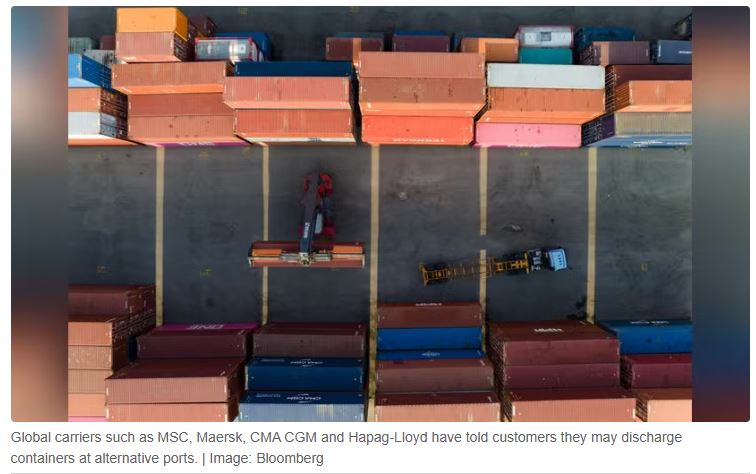
Amid the ongoing tensions in West Asia involving the United States, Israel, and Iran, global shipping companies have increasingly invoked the Liberties Clause in maritime contracts.
This has resulted in cargo rerouting, discharge at alternate ports, increased logistics costs, and disruption of global supply chains, particularly in sensitive maritime zones such as the Strait of Hormuz.
What is the Liberties Clause (Deviation Clause)?
- The Liberties Clause, also known as the Deviation Clause, is a standard contractual provision included in a Bill of Lading—the legal agreement between a shipper and a carrier.
- Core Idea: It grants the shipmaster the legal authority to alter the planned voyage under exceptional circumstances without being held liable for breach of contract.
Historical Evolution
- Originates from 19th-century maritime law
- Developed in an era marked by:
- Piracy threats
- Weather-related risks to wooden ships
- Frequent regional conflicts
- Purpose: To provide operational flexibility and legal protection to shipmasters navigating uncertain conditions
Objectives
- Protect carriers from legal liability when voyages are altered due to external risks
- Ensure continuity of trade under adverse conditions
- Balance commercial obligations with safety imperatives
Key Features
1. Route Alteration
- Permits deviation from the agreed or customary route
- Used to avoid:
- War zones
- Piracy-prone regions
- Environmental hazards
2. Alternative Port Discharge
- Cargo can be offloaded at the nearest safe and operational port
- Contract is deemed fulfilled even if delivery is not at the original destination
3. Cost Transfer Mechanism
- Once discharged:
- Cargo owners bear additional costs including:
- Inland transportation
- Storage and warehousing
- Customs clearance
- Cargo owners bear additional costs including:
4. Risk Reallocation
- Transfers transit risk from carrier to cargo owner
- Carrier liability is limited post-deviation declaration
Why is it Being Invoked Now?
Geopolitical Drivers
- Escalation of conflict in West Asia, particularly involving Iran
- Increased military activity and threats to commercial vessels
Strategic Maritime Vulnerability
- The Strait of Hormuz, through which a significant portion of global oil trade passes, has witnessed:
- Airstrikes
- Heightened naval tensions
Insurance and Risk Constraints
- Marine insurers have:
- Raised premiums
- Imposed stricter war-risk clauses
- Shipping firms invoke the clause to limit financial and operational exposure
Impacts on Global Trade
1. Increased Logistics Costs
- Cargo owners face additional costs running into thousands of dollars per container
- Unexpected financial burden disrupts trade planning
2. Supply Chain Disruptions
- Nearly 90% of global trade is seaborne
- Rerouting causes:
- Delays in delivery
- Inventory mismatches
- Production slowdowns
3. Inflationary Pressures
- Increased shipping and handling costs contribute to:
- Higher commodity prices
- Global inflationary trends
4. Contractual and Legal Implications
- Highlights the importance of:
- Risk-sharing clauses in international trade contracts
- Legal awareness among exporters/importers