
Approved List of Models and Manufacturers (ALMM) Framework
- 20 Mar 2026
In News:
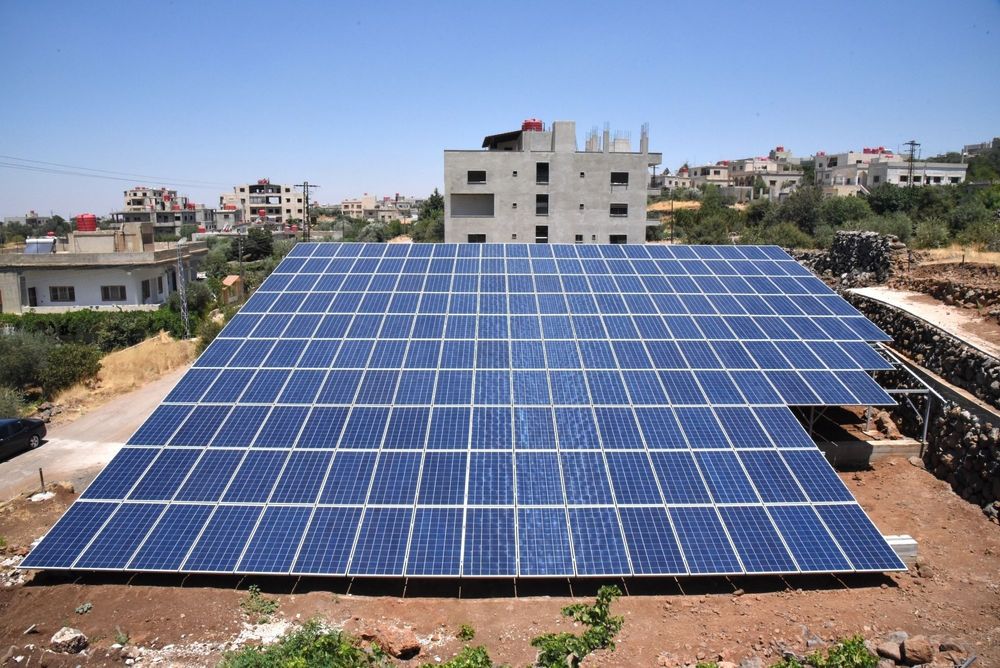
In a significant move to strengthen India’s solar manufacturing ecosystem, the Ministry of New and Renewable Energy (MNRE) has expanded the Approved List of Models and Manufacturers (ALMM) framework to include solar ingots and wafers, effective from June 1, 2028. This marks a shift towards end-to-end domestic value chain integration in the solar sector.
About ALMM Framework
The ALMM framework, introduced in 2019, is a regulatory mechanism aimed at ensuring quality assurance and reliability of solar photovoltaic (PV) components used in India.
- Launched by: MNRE under the ALMM Order, 2019
- Objective:
- Promote Atmanirbhar Bharat in solar manufacturing
- Ensure high-quality solar components
- Reduce dependence on imports, especially from China
Key Features of ALMM
1. Mandatory Certification
- Only ALMM-listed manufacturers and models are eligible for:
- Government-supported solar projects
- Projects under net metering and open access
- Projects awarded through Section 63 of the Electricity Act
2. Tiered Structure
The framework is organised into multiple categories:
- List-I: Solar PV Modules
- List-II: Solar PV Cells
- List-III (New): Solar Ingots and Wafers
The inclusion of upstream components (ingots and wafers) is a major policy shift.
3. Quality Assurance Mechanism
- Mandatory physical inspection of manufacturing facilities
- Conducted by the National Institute of Solar Energy (NISE)
- Verifies production capacity and technological standards
4. Domestic Content Reinforcement
- Functions as a non-tariff barrier supporting Domestic Content Requirement (DCR) policies
- Encourages indigenous manufacturing across the value chain
5. Grandfathering Provisions
- Protects projects already in the pipeline
- Ensures policy stability and minimal disruption for developers
India-Malaysia Cooperation in Critical Minerals and Rare Earth Elements
- 08 Jan 2025
In News:
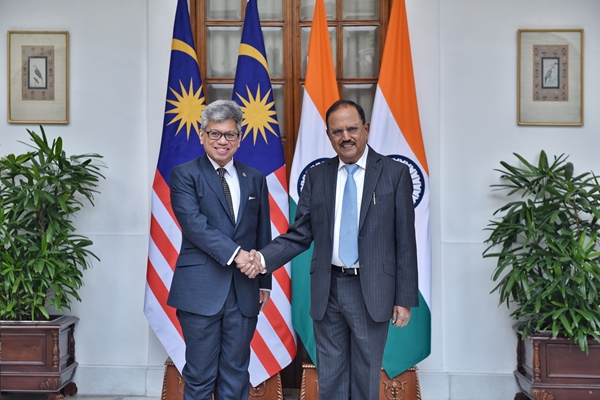
- On January 7, 2025, during the inaugural India-Malaysia Security Dialogue in New Delhi, both countries agreed to enhance cooperation in critical minerals and rare earth elements (REEs).
- The meeting was co-chaired by India's National Security Adviser, Ajit Doval, and Malaysia’s Director General of the National Security Council, Raja Dato Nushirwan Bin Zainal Abidin.
- The agreement follows the upgrade of bilateral relations to a Comprehensive Strategic Partnership during Malaysian Prime Minister Anwar Ibrahim’s visit to India in August 2024.
- The dialogue also focused on other security aspects such as counter-terrorism, cyber security, and maritime security.
Importance of Critical Minerals and REEs:
-
- Critical Minerals: These are essential for a variety of industries like IT, energy, and defense. They are integral to manufacturing electric vehicle batteries, solar cells, and advanced electronics.
-
- Rare Earth Elements (REEs): Used in high-tech applications such as wind turbines, electric vehicle engines, and high-powered magnets. While their extraction is not rare, it is technically difficult due to their complex nature.
Strategic Relevance:
-
- Global Demand: The global demand for critical minerals is rising, and both countries see it as a strategic necessity to ensure a stable supply of these materials.
- Malaysia's Resources: Malaysia possesses significant deposits of non-rare radioactive earth ores, including essential REEs like Neodymium (Nd), Dysprosium (Dy), and Praseodymium (Pr). These elements are crucial in today’s technological innovations.
- India’s Dependence on Imports: India, which currently imports a substantial portion of its critical minerals, aims to diversify its supply chain by collaborating with Malaysia.
Sustainability and Ecological Accountability:
-
- Both countries recognize the environmental challenges of mining these critical resources. Malaysia aims to adopt responsible mining practices that minimize ecological harm.
- India seeks to ensure a supply chain that aligns with sustainable development goals, balancing economic needs with environmental responsibilities.
Enhancing Supply Chain Resilience:
-
- Diversification of Supply Chain: This partnership aims to reduce India’s dependency on a limited number of countries for critical minerals, enhancing resilience against global supply chain disruptions.
- Collaboration in Extraction and Processing: Both nations are exploring joint ventures in the exploration, extraction, and processing of critical minerals to boost their technological and economic standing globally.
Future Prospects:
-
- The institutionalization of this dialogue through annual meetings is expected to strengthen bilateral cooperation in the critical minerals sector.
- Increased cooperation is likely to enhance economic growth for both countries, aligning them strategically in the global minerals market as demand for these resources continues to soar.
Broader Security Cooperation:
-
- Beyond critical minerals, the India-Malaysia Security Dialogue explored enhanced collaboration in areas like counter-terrorism, cyber security, maritime security, and defense industries.
- This broadening of security cooperation complements the strategic minerals partnership, further solidifying the bilateral ties between the two nations.