
Korku Tribe
- 17 Jul 2026
In News:
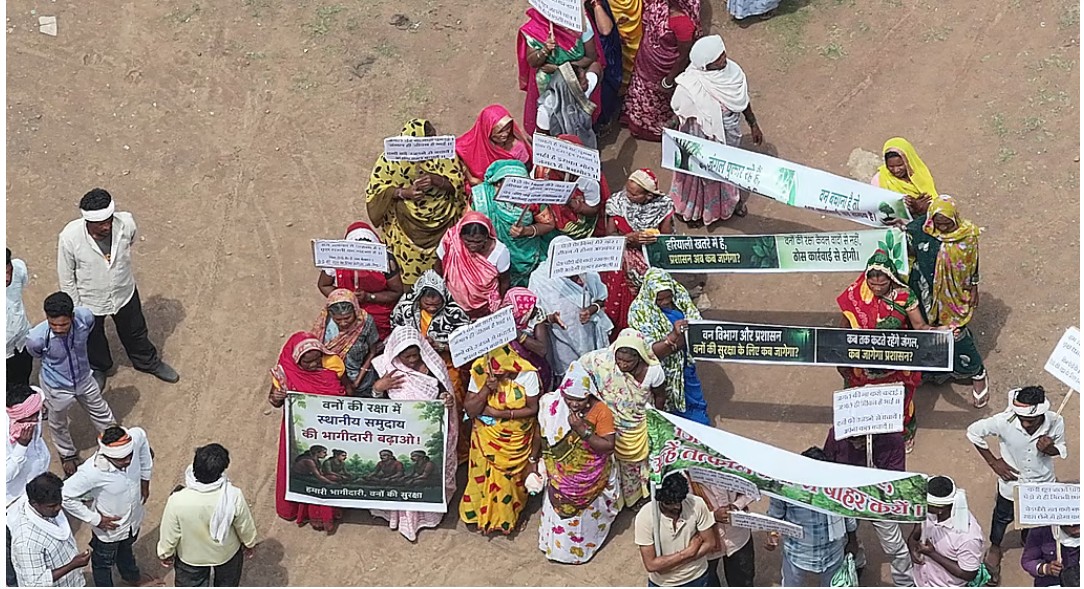
Members of the Korku tribe in Madhya Pradesh have demanded the Forest Department and district administration remove illegal encroachments from forest land, stating that the degradation of forests is affecting their livelihoods, customary access to minor forest produce and traditional way of life.
About the Korku Tribe
The Korku are a Scheduled Tribe belonging to the Munda (Kolarian) linguistic group. They are primarily distributed across Madhya Pradesh, Chhattisgarh, and the Melghat region of Maharashtra.
The community largely depends on agriculture and forest resources for its livelihood and has traditionally maintained a close relationship with forest ecosystems.
According to UNESCO, the Korku language is among the 196 endangered languages. The Potharia Korku, inhabiting the Vindhya region, have been relatively successful in preserving their native language.
Culture and Society
The Korku community possesses a rich cultural heritage rooted in nature and ancestor worship.
They traditionally practice indigenous healing systems and regard their ancestors as divine. To honour the deceased, they erect a memorial pillar known as "Munda."
Their traditional dance, Gadli, is performed during festivals and community gatherings. During the dance:
- Men wear white attire with pagdis.
- Women wear colourfulkinari sarees and use a traditional percussion instrument called the Chitkola.
Tattooing is an important cultural tradition among Korku women. The distinctive tattoo pattern known as "Kapar-Godai" consists of two dots placed above and below the letter "S" on the forehead.
Traditional Governance
The Korku have a well-established indigenous system of community self-governance known as "ChavadiSwashasan." This traditional institution resolves community disputes and manages local affairs through collective decision-making.
Livelihood and Forest Dependence
The Korku are primarily cultivators, but forests remain central to their economy and culture. They depend on forests for:
- Minor Forest Produce (MFP) such as mahua, chironji, tendu leaves, gums and medicinal plants.
- Fuelwood.
- Grazing of livestock.
The community has expressed concern that illegal encroachments and forest degradation have reduced forest cover, disturbed wildlife habitats and restricted customary access to these resources. It has also demanded stronger implementation of the Forest Rights Act (FRA), 2006, continued removal of illegal encroachments, and strengthened Joint Forest Management (JFM) institutions to safeguard forest resources.