
Approved List of Models and Manufacturers (ALMM) Framework
- 20 Mar 2026
In News:
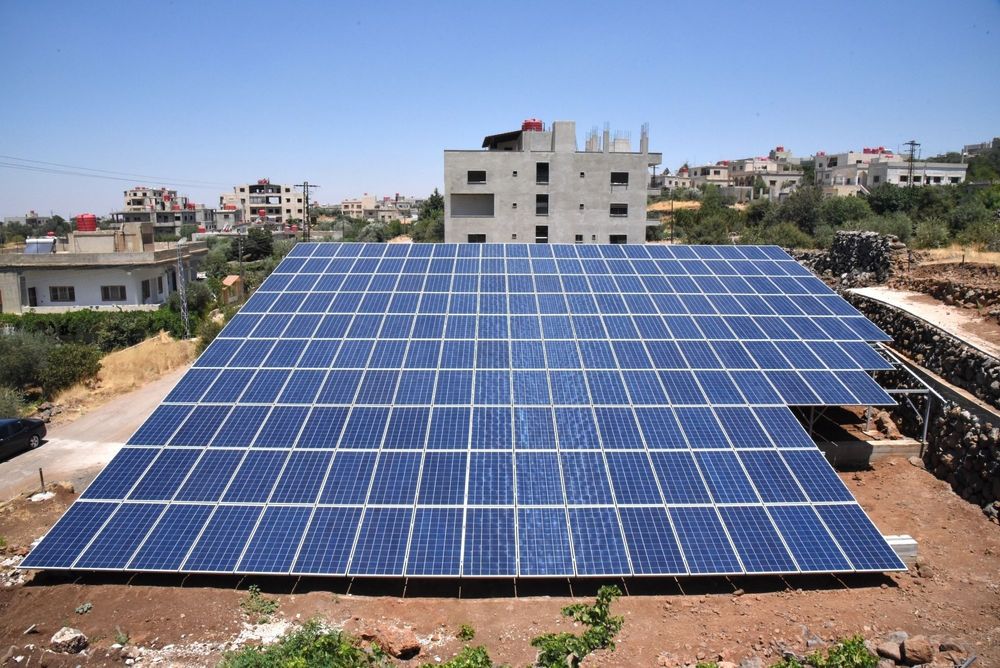
In a significant move to strengthen India’s solar manufacturing ecosystem, the Ministry of New and Renewable Energy (MNRE) has expanded the Approved List of Models and Manufacturers (ALMM) framework to include solar ingots and wafers, effective from June 1, 2028. This marks a shift towards end-to-end domestic value chain integration in the solar sector.
About ALMM Framework
The ALMM framework, introduced in 2019, is a regulatory mechanism aimed at ensuring quality assurance and reliability of solar photovoltaic (PV) components used in India.
- Launched by: MNRE under the ALMM Order, 2019
- Objective:
- Promote Atmanirbhar Bharat in solar manufacturing
- Ensure high-quality solar components
- Reduce dependence on imports, especially from China
Key Features of ALMM
1. Mandatory Certification
- Only ALMM-listed manufacturers and models are eligible for:
- Government-supported solar projects
- Projects under net metering and open access
- Projects awarded through Section 63 of the Electricity Act
2. Tiered Structure
The framework is organised into multiple categories:
- List-I: Solar PV Modules
- List-II: Solar PV Cells
- List-III (New): Solar Ingots and Wafers
The inclusion of upstream components (ingots and wafers) is a major policy shift.
3. Quality Assurance Mechanism
- Mandatory physical inspection of manufacturing facilities
- Conducted by the National Institute of Solar Energy (NISE)
- Verifies production capacity and technological standards
4. Domestic Content Reinforcement
- Functions as a non-tariff barrier supporting Domestic Content Requirement (DCR) policies
- Encourages indigenous manufacturing across the value chain
5. Grandfathering Provisions
- Protects projects already in the pipeline
- Ensures policy stability and minimal disruption for developers
Stockholm Water Prize

- 20 Mar 2026
In News:
The Stockholm Water Prize 2026, widely regarded as the most prestigious global recognition in the field of water, has been awarded to Kaveh Madani. His work highlights the growing importance of sustainable water management in the face of climate change, ecological degradation, and governance challenges.
About the Stockholm Water Prize
The Stockholm Water Prize is an internationally acclaimed award that recognises outstanding contributions to water conservation and management.
- Established: 1991
- Awarding Body: Stockholm Water Foundation in collaboration with the Royal Swedish Academy of Sciences
- Patron: King Carl XVI Gustaf
- Presentation: During World Water Week (August)
Eligibility and Nomination
- Open to individuals or organisations contributing significantly to:
- Water resource conservation
- Environmental sustainability
- Human well-being
- Nomination Process:
- Open nominations (global participation)
- Self-nominations are not permitted
- Close professional or family nominations are disallowed
Profile of the 2026 Laureate: Kaveh Madani
1. Background
- Iranian environmental scientist and policy expert
- Known for his work on water governance, sustainability, and environmental diplomacy
- Has worked across academia, international organisations, and policymaking institutions
2. Key Contributions
- Highlighted the water crisis in Iran and West Asia
- Advocated for integrated water resource management
- Bridged the gap between science, policy, and public communication
- Promoted awareness of unsustainable water practices and ecological mismanagement
3. “Eco-warrior in Exile”
- Faced political challenges and criticism in his home country
- Continued global advocacy on water sustainability despite constraints
- His journey reflects the intersection of environment, governance, and politics
Bharat Audyogik Vikas Yojna (BHAVYA)
- 20 Mar 2026
In News:
In a major push towards manufacturing-led growth, the Union Cabinet has approved the Bharat Audyogik Vikas Yojna (BHAVYA) with an outlay of ?33,660 crore. The scheme aims to develop 100 world-class plug-and-play industrial parks across India, strengthening industrial infrastructure and accelerating the vision of Viksit Bharat and Atmanirbhar Bharat.
About BHAVYA Scheme
BHAVYA is a centrally sponsored industrial infrastructure programme designed to create ready-to-use industrial ecosystems that enable industries to begin operations with minimal delays.
- Nodal Ministry: Department for Promotion of Industry and Internal Trade (DPIIT), Ministry of Commerce & Industry
- Implementing Agency: National Industrial Corridor Development Corporation (NICDC)
- Coverage: All States and Union Territories
- Industrial Park Size: 100–1000 acres
Objectives
- Promote manufacturing-led economic growth
- Enhance ease of doing business through pre-approved infrastructure
- Foster cluster-based industrial development
- Strengthen domestic supply chains
- Generate large-scale employment and attract investments
Key Features of BHAVYA
1. Plug-and-Play Industrial Ecosystem
- Pre-approved land, utilities, and regulatory clearances
- Reduces time from investment intent to production
- Minimises procedural delays and entry barriers
2. Comprehensive Infrastructure Development
- Financial Support:
- Up to ?1 crore per acre for infrastructure
- Up to 25% support for external connectivity
- Integrated Infrastructure Components:
- Core: Roads, drainage, underground utilities, ICT systems
- Value-added: Factory sheds, testing labs, warehousing
- Social: Worker housing and support amenities
3. Ease of Doing Business Reforms
- Single-window clearance systems
- State-led investor-friendly reforms
- Streamlined approvals and reduced regulatory burden
4. Challenge-Based Project Selection
- Competitive selection process
- Focus on reform-oriented and investment-ready proposals
- Ensures quality and efficiency in project implementation
5. Alignment with National Initiatives
- Linked with PM GatiShakti for multimodal connectivity
- Builds on the success of industrial smart cities under NICDC
- Supports Atmanirbhar Bharat and export competitiveness
6. Sustainable and Future-Ready Design
- Integration of green energy solutions
- Underground utility corridors (no-dig model)
- Efficient resource use and reduced operational disruptions
Indian Ocean Ship (IOS) SAGAR Initiative

- 20 Mar 2026
In News:
India has reinforced its maritime diplomacy and regional security engagement with the commencement of the second edition of the Indian Ocean Ship (IOS) SAGAR initiative on 16 March 2026. The initiative reflects India’s evolving role as a net security provider in the Indian Ocean Region (IOR).
About IOS SAGAR Initiative
The Indian Ocean Ship (IOS) SAGAR is a maritime security cooperation programme aimed at enhancing collaboration among Indian Ocean nations.
- It enables naval personnel from friendly foreign countries to train and sail together onboard an Indian Naval Ship.
- It is conducted under the broader vision of Security and Growth for All in the Region (SAGAR).
- It also aligns with the expanded framework of MAHASAGAR (Mutual and Holistic Advancement for Security Across the Regions).
Institutional Context
- The initiative is linked to the Indian Ocean Naval Symposium (IONS), a key multilateral naval cooperation platform.
- India assumed the chairmanship of IONS in February 2026, enhancing its leadership role in regional maritime governance.
- The current edition includes participation from 16 IONS member nations.
Key Features of IOS SAGAR
1. Unique Operational Engagement
- Combines training, joint sailing, and operational exposure
- Promotes interoperability and coordination among partner navies
2. Capacity Building and Training
- Initial phase includes professional training at Indian Naval establishments in Kochi
- Covers:
- Seamanship practices
- Maritime security concepts
- Naval operations
3. Sea Deployment and Joint Operations
- Participants embark on an Indian Naval Ship
- Engage in:
- Joint maritime operations
- Real-time naval exercises
- Shipboard activities
4. Maritime Engagement and Diplomacy
- Includes port visits and interactions with regional navies and agencies
- Facilitates:
- Exchange of best practices
- Strengthening of professional networks
- Greater understanding of shared maritime challenges
Small Hydro Power (SHP) Development Scheme (2026–31)
- 20 Mar 2026
In News:
In a significant step towards strengthening India’s renewable energy portfolio, the Union Cabinet has approved the Small Hydro Power (SHP) Development Scheme for FY 2026–27 to FY 2030–31. The scheme aims to harness untapped hydro potential, particularly in remote and hilly regions, while promoting sustainable and decentralized energy generation.
About the SHP Development Scheme
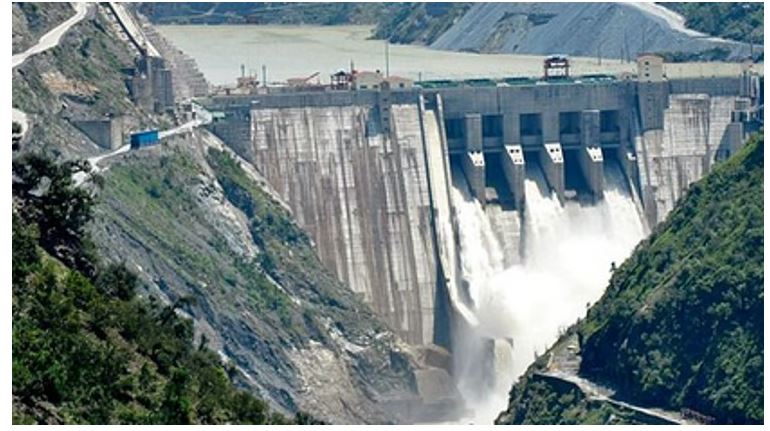
The scheme focuses on the development of small hydro projects with capacities ranging from 1 MW to 25 MW, targeting an aggregate capacity of 1,500 MW across the country.
- Time Period: FY 2026–27 to FY 2030–31
- Total Outlay: ?2,584.60 crore
- Target Investment Mobilisation: ~?15,000 crore
- Focus Areas: Hilly regions, North-Eastern states, and border districts
Key Features of the Scheme
1. Differential Central Financial Assistance (CFA)
- North-Eastern & Border Areas:
- ?3.6 crore per MW or 30% of project cost
- Maximum ?30 crore per project
- Other States:
- ?2.4 crore per MW or 20% of project cost
- Maximum ?20 crore per project
This differentiated support reflects regional disparities and aims to unlock hydro potential in geographically challenging areas.
2. Dedicated Funding Allocation
- ?2,532 crore earmarked for project development
- ?30 crore allocated for preparation of Detailed Project Reports (DPRs) for ~200 future projects
This ensures both immediate implementation and a pipeline for long-term sectoral growth.
3. Promotion of Indigenous Manufacturing
- Mandates 100% domestic sourcing of plant and machinery
- Supports the Atmanirbhar Bharat initiative
- Encourages growth of local manufacturing ecosystems in the renewable sector
4. Employment Generation
- Estimated 51 lakh person-days of employment during construction
- Additional long-term employment in operation and maintenance
- Focus on rural and remote job creation
5. Decentralised and Efficient Energy Generation
- SHPs are decentralised, reducing dependence on long transmission lines
- Leads to lower transmission losses and improved grid efficiency
Technological Approach: Run-of-the-River Projects
The scheme emphasises run-of-the-river technology, which:
- Generates power using natural river flow
- Avoids large dams and reservoirs
- Minimises ecological disruption