
European Central Bank (ECB)
- 10 May 2026
In News:
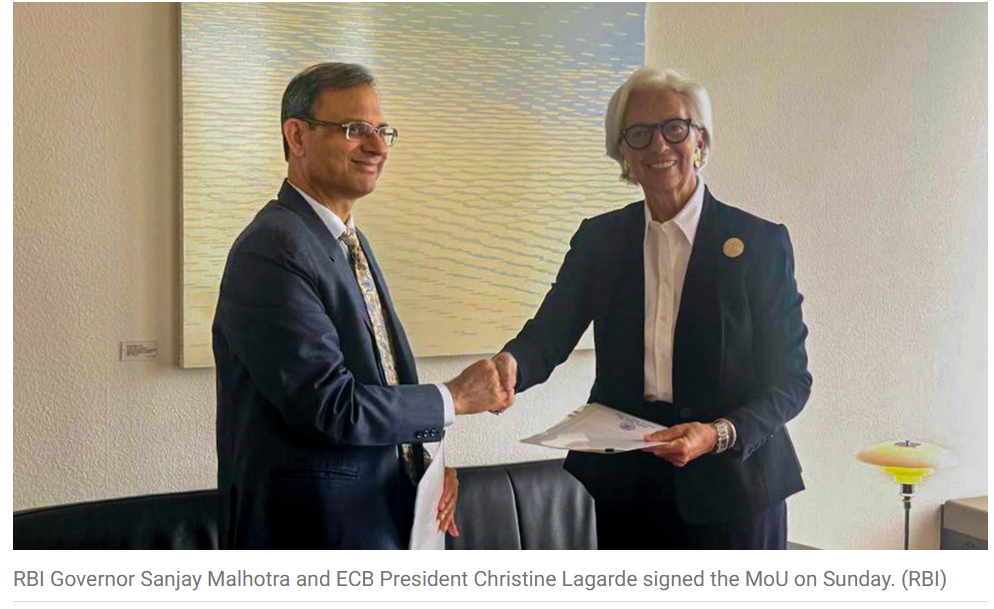
Recently, the Reserve Bank of India (RBI) and the European Central Bank (ECB) have signed a revised Memorandum of Understanding (MoU). This agreement establishes a structured framework for the exchange of information and best practices, reflecting the growing necessity for coordinated central banking in an increasingly interconnected global economy.
As noted by ECB President Christine Lagarde, such partnerships are essential to monitor systemic risks and sustain global cooperation amid evolving financial sector developments.
European Central Bank (ECB): An Overview
The ECB serves as the prime monetary authority for the European Union (EU) and is the central pillar of the Eurosystem and the European System of Central Banks (ESCB). It is one of the most influential financial institutions globally, overseeing a combined balance sheet of approximately €7 trillion.
- Establishment: Founded on June 1, 1998, under the Maastricht Treaty, it preceded the official launch of the Euro on January 1, 1999.
- Institutional Status: It was formally recognized as an official EU institution on December 1, 2009, through the Treaty of Lisbon.
- Headquarters: Frankfurt, Germany.
- Ownership: The ECB's capital stock of €11 billion is owned by the central banks of all 27 EU member states. Individual shares are determined based on a "capital key" reflecting each nation’s population and GDP.
Objectives and Expansion of the Eurozone
The primary mandate of the ECB is to maintain price stability within the Eurozone. By keeping consumer price inflation low and stable, the bank supports sustainable economic growth and job creation.
While the Eurozone began with 11 members, it has expanded to 21 countries as of 2026. Recent milestones include:
- Croatia: Joined the Eurozone in January 2023.
- Bulgaria: Became the latest member to adopt the Euro in January 2026.
Core Functions of the ECB
The ECB operates through a sophisticated governance structure to manage the world’s second most important reserve currency.
- Monetary Policy Formulation: The Governing Council sets key interest rates and defines monetary objectives for the Eurozone to control liquidity and inflation.
- Currency Issuance: The ECB holds the exclusive legal right to authorize the issuance of Euro banknotes. It also oversees the volume of Euro coins minted by individual member states.
- Foreign Exchange Management: It manages the foreign exchange reserves of the member states and conducts market operations to influence exchange rates when necessary.
- Payment Systems: The bank operates T2 (formerly TARGET2), a real-time gross settlement system that ensures the smooth and secure transfer of large-value payments across Europe.
- Policy Enforcement: The Executive Board is responsible for implementing the Governing Council's decisions and provides direct instructions to the national central banks of the Eurozone.
Strategic Significance of the MoU for India
The renewed agreement between the RBI and the ECB carries profound implications for India’s economic diplomacy and financial security:
- Framework for Information Exchange: The MoU facilitates a regular dialogue on central banking challenges, including digital currency development (CBDCs), inflation targeting, and climate-related financial risks.
- Monitoring Systemic Risks: Collaboration between two major central banks allows for a more comprehensive assessment of global financial vulnerabilities, protecting the domestic economy from external shocks.
- Global Financial Governance: By strengthening ties with the ECB, India enhances its footprint in global monetary policy discussions, ensuring that the perspectives of emerging economies are considered in international financial standards.
- Best Practices: The partnership enables the RBI to adopt and adapt sophisticated tools for financial oversight and payment system management used in the Eurozone.
Baksa Honey
- 10 May 2026
In News:
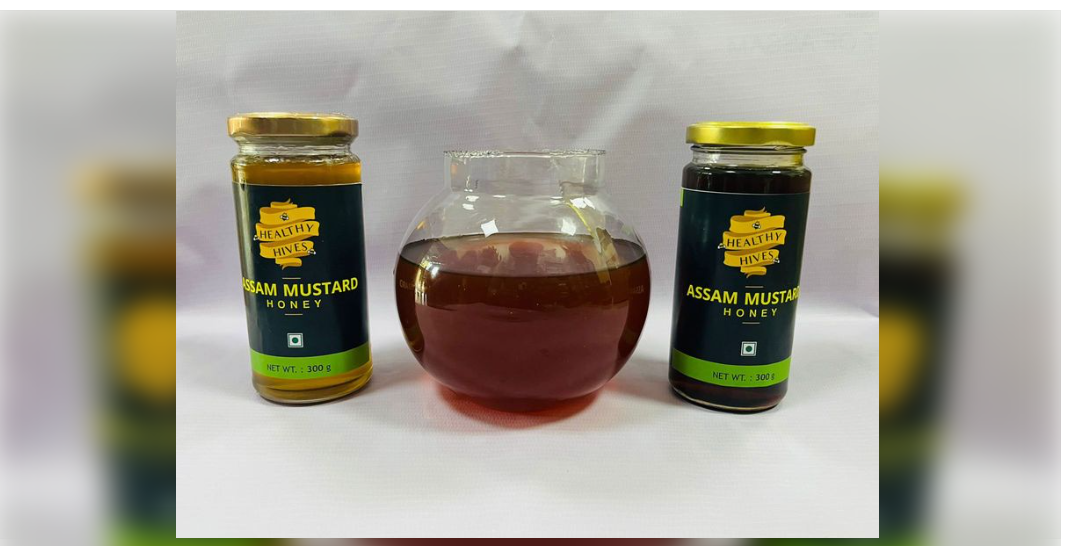
In a significant milestone for India’s agricultural diplomacy and rural entrepreneurship, the Agricultural and Processed Food Products Export Development Authority (APEDA) recently facilitated the first-ever export of 20 Metric Tons of "One District One Product" (ODOP) honey from Assam’s Baksa district to the United States. This achievement highlights the potential of the North Eastern Region (NER) to serve as a hub for niche, high-value agricultural products while specifically empowering "Aspirational Districts" through global market integration.
Baksa Honey:
Baksa, located within the Bodoland Territorial Region (BTR) of Assam, is characterized by its rich forest cover and agricultural biodiversity. The honey produced here has been identified as the district’s signature product under the ODOP initiative due to its traditional heritage and superior quality.
Key Attributes of Baksa Honey:
- Purity and Eco-friendly Origin: Sourced from pesticide-free environments, it is recognized for its near-organic characteristics, meeting the high standards of health-conscious global consumers.
- Floral and Medicinal Profile: Collected from diverse forest flora by indigenous communities, particularly the Bodo tribes, the honey is prized for its high nutritional value and traditional medicinal properties.
- Rigorous Quality Control: To penetrate the stringent US market, the honey is processed in facilities supported by APEDA-accredited laboratories, ensuring compliance with international food safety and traceability requirements.
The Strategic Framework: One District One Product (ODOP)
The ODOP initiative is a transformative policy designed to convert every Indian district into a self-sustaining export hub. By focusing on a single specialized product (agricultural, handicraft, or industrial), the program aims to achieve balanced regional development.
Core Objectives of ODOP:
- Value Addition: Moving beyond the sale of raw materials to processed, branded, and high-quality products.
- Market Linkage: Connecting small-scale rural producers directly to national and international supply chains, bypassing multiple layers of intermediaries.
- Infrastructure Support: Providing financial and technical assistance through schemes like the PM Formalisation of Micro food processing Enterprises (PMFME) to set up processing units and testing labs.
- Skill and Design Innovation: Training local artisans and farmers to refine their techniques to meet contemporary global aesthetics and quality standards.
Economic and Social Impact
The export of Baksa Honey serves as a case study for the success of the Aspirational Districts Programme. The impact is multifaceted:
- Price Realization: Local beekeepers are expected to receive nearly 43% higher prices through international exports compared to traditional local farm-gate sales.
- Rural Empowerment: Beekeeping provides a sustainable, low-investment income source for indigenous communities, reducing migration and fostering local entrepreneurship.
- North East Integration: Such initiatives help bridge the economic gap between the North Eastern Region and the rest of the country, showcasing the region's "soft power" through its unique biodiversity.
11 Years of Jan Suraksha Schemes
- 10 May 2026
In News:
On May 9, 2026, India celebrated the 11th anniversary of its three flagship Jan Suraksha (Social Security) Schemes. Launched in 2015, these initiatives—Pradhan Mantri Jeevan Jyoti Bima Yojana (PMJJBY), Pradhan Mantri Suraksha Bima Yojana (PMSBY), and Atal Pension Yojana (APY)—were designed to bridge the massive gap in insurance and pension coverage, particularly for the unorganized sector and vulnerable populations.
By leveraging the "JAM Trinity" (Jan Dhan, Aadhaar, and Mobile), these schemes have successfully transitioned India from a country with negligible social security to one with a digitized, high-volume, and affordable safety net.
Overview of the Triple Pillar Framework
The Jan Suraksha ecosystem is built on three distinct but complementary products that address the lifecycle risks of death, disability, and old age.
1. Pradhan Mantri Jeevan Jyoti Bima Yojana (PMJJBY): Life Cover
- Nature: A pure-term, one-year life insurance plan renewable annually.
- Coverage: Provides ?2 lakh in the event of death due to any reason.
- Eligibility: Bank or Post Office account holders aged 18 to 50 years.
- Affordability: The premium is set at ?436 per annum (approximately ?1.20 per day), deducted via a seamless auto-debit facility.
2. Pradhan Mantri Suraksha Bima Yojana (PMSBY): Accidental Cover
- Nature: A low-cost accidental death and disability insurance scheme.
- Coverage: Offers ?2 lakh for accidental death or total permanent disability, and ?1 lakh for permanent partial disability.
- Eligibility: Available to account holders in the 18 to 70 years age bracket.
- Affordability: At just ?20 per annum, it remains one of the cheapest insurance products globally.
3. Atal Pension Yojana (APY): Retirement Security
- Nature: A guaranteed pension scheme targeted at the unorganized sector to provide financial stability in old age.
- Benefits: A guaranteed monthly pension ranging from ?1,000 to ?5,000 starting at age 60.
- Eligibility: Open to bank account holders aged 18 to 40 years who are not income tax payers.
- Spousal Protection: After the subscriber’s death, the pension continues for the spouse. Subsequently, the entire accumulated corpus is returned to the nominee.
Achievements and Impact Analysis (2015–2026)
After eleven years, the scale of these schemes reflects a significant shift in India’s financial landscape:
- Massive Enrolment: The cumulative enrolment has crossed a staggering 94.56 crore, indicating high public trust. PMSBY alone accounts for over 58.09 crore enrolments.
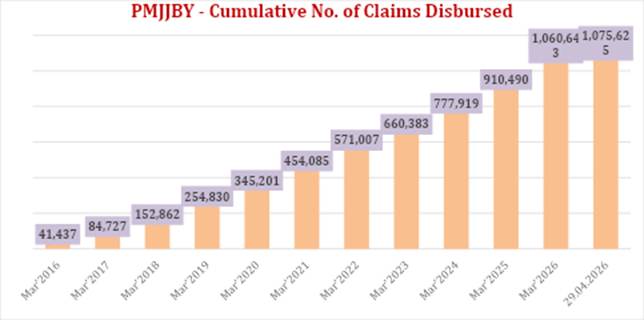
- Financial Safety Net: The schemes have provided tangible relief during crises. For instance, PMJJBY has settled claims worth over ?21,512.50 crore, supporting more than 10.7 lakh bereaved families.
- Gender and Inclusive Growth: Gender inclusivity has been a standout feature; nearly 49% of subscribers under the Atal Pension Yojana are women, promoting financial autonomy for females.
- Integration with PMJDY: The schemes have successfully tapped into the Pradhan Mantri Jan Dhan Yojana (PMJDY) ecosystem, bringing over 19.30 crore of the country's poorest account holders under the protective umbrella of accidental insurance.
- Securing the Future: APY has empowered over 9.04 crore individuals to build a formal retirement corpus, essential for a country with a growing elderly population.
Critical Challenges in Implementation
Despite remarkable success, several hurdles persist in the "last mile" of social security:
- Persistence Issues: Maintaining the "auto-debit" success rate is difficult. If account holders fail to maintain a balance of ?436 or ?20, the insurance cover lapses, often without the subscriber realizing it.
- Literacy and Claim Errors: There remains confusion between "accidental" and "natural" death. Many families attempt to file claims for natural deaths under the PMSBY accidental policy, leading to rejections and distress.
- Inflationary Pressures: The ?2 lakh sum assured, fixed in 2015, has seen its purchasing power eroded by inflation over the last decade, potentially making the payout insufficient for a family’s long-term survival in 2026.
- Awareness in Remote Belts: While enrollment is high, awareness of the procedure to claim benefits is still low in tribal and deep-rural pockets, where the "silent grief" of lost benefits often goes unrecorded.
The Road Ahead: Jan Suraksha 2.0
To evolve into a truly universal system, the next phase of these schemes must focus on:
- Dynamic Coverage: Periodically reviewing and increasing the sum assured (e.g., from ?2 lakh to ?5 lakh) to keep pace with the rising cost of living.
- Digital Claim Settlement: Enhancing the Jan Suraksha Portal to allow real-time, paperless claim filing for beneficiaries, reducing their dependence on bank intermediaries.
- Incentivized Persistence: Developing a "No-Claim Bonus" or loyalty reward for subscribers who maintain uninterrupted auto-debits for over a decade.
- Integrated Bundling: Moving toward a Unified Jan Suraksha Product that offers life, accident, and pension benefits through a single enrollment process, simplifying the experience for the semi-literate population.
Gurudev Rabindranath Tagore
- 10 May 2026
In News:
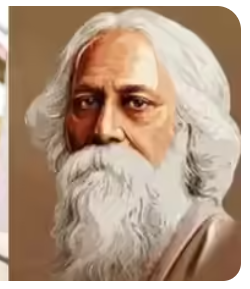
On the occasion of Pochishe Boishakh (the 25th day of the Bengali month of Baishakh), the Prime Minister of India paid a heartfelt tribute to Gurudev Rabindranath Tagore, describing him as a "timeless voice" who continues to guide the nation's moral and intellectual identity. As a polymath who transcended the boundaries of art, education, and politics, Tagore remains a central figure in the Indian Renaissance and a global ambassador of humanism.
Early Life and Philosophical Roots
- Born on May 7, 1861, into the illustrious Jorasanko Tagore family of Bengal, Rabindranath was the son of Maharshi Debendranath Tagore, a leading light of the Brahmo Samaj. Growing up amidst the Bengal Renaissance, he was deeply influenced by a period of intellectual awakening that sought to synthesize traditional Indian wisdom with modern rationalism.
- His core philosophy was centered on Universalism and Harmony. He believed in the inherent unity of the world, rejecting narrow nationalism in favor of a "single nest" where all of humanity could reside in peace.
Contributions to the National Movement and Self-Reliance
While Tagore often remained distant from active party politics, his influence on the Indian freedom struggle was profound and spiritual.
- The Mantra of Atmashakti: He pioneered the concept of Atmashakti (Self-Strength/Self-Reliance), urging Indians to focus on social reform and moral education rather than solely on political agitation.
- A Global Protest: In a powerful act of defiance against British colonial atrocities, Tagore renounced his Knighthood in 1919 following the Jallianwala Bagh Massacre, marking a significant moment in India's struggle for dignity.
- The Anthem of Nations: He holds the unique distinction of being the only person to compose the national anthems of two sovereign nations: India's Jana Gana Mana and Bangladesh's Amar Shonar Bangla.
- Rural Reconstruction: Long before modern rural development programs, Tagore established Sriniketan in 1922, initiating practical experiments in agricultural self-reliance and community upliftment.
Literary Brilliance and Artistic Versatility
Tagore’s creative output was staggering in its scope and depth.
- Gitanjali and the Nobel Prize: In 1913, he became the first Asian to win the Nobel Prize in Literature for Gitanjali (Song Offerings), a collection that bridged Eastern spirituality and Western literary forms.
- Novels and Plays: His works like Ghare-Baire (The Home and the World) and Gora explored complex themes of identity, tradition, and the conflict between narrow nationalism and global humanism.
- Rabindra Sangeet and Painting: He founded a unique genre of music known as Rabindra Sangeet, which remains the heartbeat of Bengali culture. Remarkably, he took up painting in his 60s, producing nearly 3,000 works that broke traditional aesthetic norms.
Visionary Educationist: Santiniketan and Visva-Bharati
Dissatisfied with the "factory-like" colonial education system, Tagore founded Santiniketan in 1901. This later evolved into Visva-Bharati University (1921), established with the motto “Yatra visvam bhabatyeknidam” (Where the world makes a home in a single nest). His educational philosophy emphasized learning in the lap of nature and the amalgamation of Eastern and Western cultures.
An Enduring Legacy of Peace
In the aftermath of World War I, Tagore travelled extensively as a global peacemaker, warning against the dangers of "intellectual parochiality" and the darkness of moral decay. He passed away on August 7, 1941, but his legacy remains a "lambent light" for modern India.
India Semiconductor Mission
- 10 May 2026
In News:
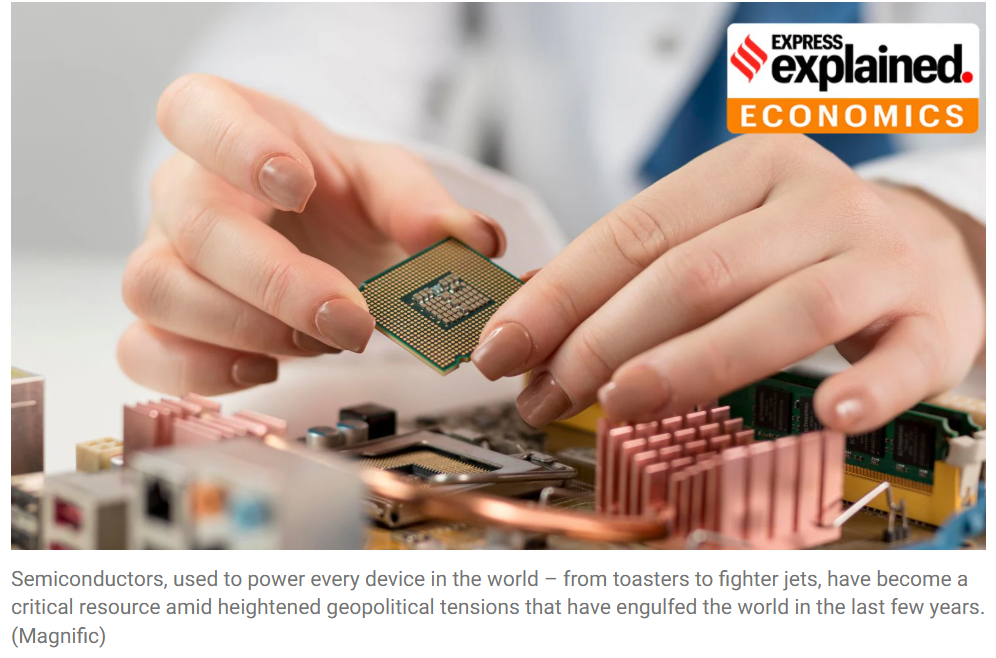
India’s ambition to become a global electronics powerhouse has reached a pivotal juncture. With the recent approval of two major projects in Gujarat—including the nation’s first commercial Gallium Nitride (GaN)-based Mini/Micro-LED display facility and a semiconductor packaging unit—the total number of approved plants under the India Semiconductor Mission (ISM) 1.0 has risen to twelve. These facilities, spread across Gujarat, Assam, Andhra Pradesh, Uttar Pradesh, and Odisha, signal the beginning of a domestic chip revolution.
ISM 1.0: Building the Foundation (2021–2025)
Launched in 2021 under the Ministry of Electronics and Information Technology (MeitY), ISM 1.0 was initiated with a financial outlay of ?76,000 crore. The primary objective was to break India’s near-total dependence on imported chips by incentivizing:
- Semiconductor Fabrication (Fabs): Setting up the complex plants required to print circuits on silicon wafers.
- Display Manufacturing: Reducing reliance on foreign displays for consumer electronics.
- Compound Semiconductors and Packaging: Focusing on Outsourced Semiconductor Assembly and Test (OSAT) and Assembly, Testing, Marking, and Packaging (ATMP) units.
The current trajectory suggests that by 2029, India will possess the capability to design and manufacture chips for 70–75% of domestic applications, with a long-term goal of becoming a top-tier semiconductor nation by 2035.
ISM 2.0: The Shift Toward Indigenous IP and Localisation
Building on the success of the first phase, the Union Budget 2026–27 introduced ISM 2.0. This phase represents a strategic shift from merely attracting global manufacturers to building a "full-stack" indigenous ecosystem.
Key Features of ISM 2.0:
- Strategy and Funding: A broader $11 billion strategy aimed at deepening ecosystem localization.
- Indigenous IP Design: Moving beyond assembly to creating Indian-owned Intellectual Property (IP) and chip designs.
- Supply Chain Fortification: Supporting ancillary industries, including specialty chemicals, gases, and capital goods (manufacturing equipment), which are critical for chip production.
- Materials and Equipment: Reducing the "import intensity" of the manufacturing process itself by encouraging the domestic production of raw materials.
Technological and Strategic Significance
The development of specialized facilities, such as the GaN-based Micro-LED plant, is particularly significant. Gallium Nitride is a "wide-bandgap" semiconductor that is more efficient than traditional silicon, especially for power electronics and advanced displays.
The integration of these twelve plants into the national landscape serves several strategic purposes:
- Supply Chain Resilience: By diversifying manufacturing across five states, India mitigates the risk of localized disruptions and strengthens its position in the global value chain.
- Cross-Sectoral Impact: The chips produced will cater to high-growth sectors, including Automotive (EVs), Telecom (5G/6G), Aerospace, Industrial Automation, and Power.
- Reduced External Dependence: Domestic packaging and testing facilities ensure that even if some wafers are imported, the value addition and final security checks happen on Indian soil.
- Economic Multiplier: The mission fosters a "hub-and-spoke" model where large fabrication units (hubs) attract hundreds of smaller component and material suppliers (spokes).