
Kanha Tiger Reserve
- 02 May 2026
In News:
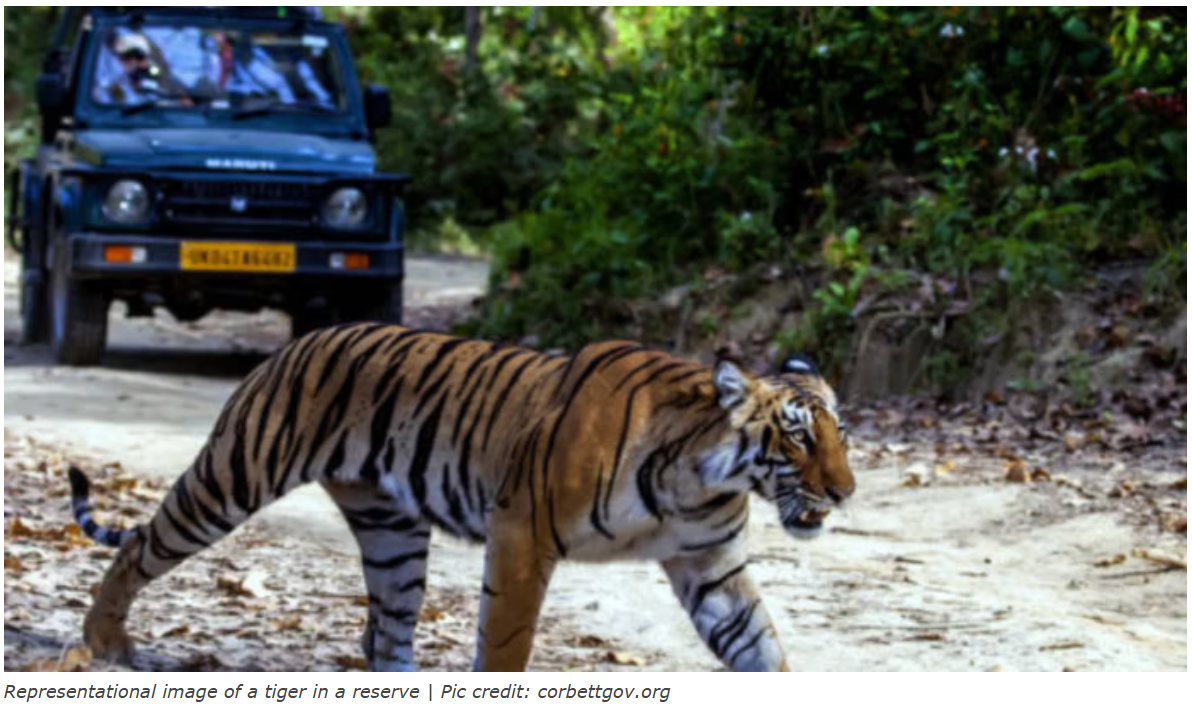
In early 2026, the Kanha Tiger Reserve (KTR) in Madhya Pradesh witnessed a tragic wildlife crisis as a tigress and her four cubs died within a short span of ten days. Preliminary investigations and post-mortem findings point toward an outbreak of the Canine Distemper Virus (CDV) as the primary cause. This event has pushed the state’s tiger mortality count to nearly 30 fatalities within the first five months of the year, raising serious concerns regarding the biosecurity of India’s premier tiger habitats.
Kanha Tiger Reserve:
Kanha Tiger Reserve is a cornerstone of India’s wildlife preservation strategy, situated in the Maikal ranges of the Satpuras across the Mandla and Balaghat districts of Madhya Pradesh.
- Evolutionary History: One of India’s oldest protected areas, it was declared a reserve forest in 1879, a National Park in 1955, and was among the first nine reserves to be brought under 'Project Tiger' in 1973.
- Landscape and Zoning: Spanning over 2,074 sq. km, the reserve is divided into a Core Area (940 sq. km) of critical habitat and a Buffer Zone (1,134 sq. km). It also manages the Phen Wildlife Sanctuary as a satellite micro-core.
- Biodiversity Landmarks: The park is dominated by lush Sal (Shorea robusta) and mixed deciduous forests. It is most famous for saving the Hard Ground Barasingha (Rucervusduvauceliibranderi) from the brink of extinction.
Canine Distemper Virus (CDV):
CDV is a highly contagious viral disease caused by a single-stranded RNA virus from the Paramyxoviridae family. While traditionally associated with domestic dogs, it has increasingly crossed over into wild carnivore populations, including tigers and lions.
- Symptoms and Pathology: The virus attacks the respiratory, gastrointestinal, and central nervous systems. In the Kanha tigress and her cubs, post-mortems revealed acute lung infections and respiratory distress. In chronic stages, the virus causes neurological symptoms like disorientation, loss of fear, and seizures.
- Transmission Vectors: Wildlife experts suggest that domestic and stray dogs in the forest-village interface are the primary reservoirs. Tigers may contract the virus by predating on infected dogs or through contaminated water sources and prey remains.
- Conservation Impact: CDV can be catastrophic for small, isolated populations. A 2018 outbreak in Gir, Gujarat, led to the deaths of nearly 30 Asiatic lions, highlighting the vulnerability of apex predators to spillover infections.
The 2026 Crisis and State-wide Mortality
The deaths at Kanha are part of a broader, alarming trend in Madhya Pradesh, often referred to as the "Tiger State of India."
- Rising Toll: By May 2026, the state recorded approximately 28–30 tiger deaths. High-density areas like Kanha and Bandhavgarh are increasingly prone to stress-induced deaths, infighting, and disease transmission due to crowding.
- Human-Animal Interface: The seasonal collection of forest produce like Mahua and Tendu leaves increases the presence of domestic dogs in the buffer zones, heightening the risk of CDV spillover.
Management Strategies
The National Tiger Conservation Authority (NTCA) has issued urgent advisories to create "Immunization Buffers" around tiger reserves. Key strategies include:
- Ring Vaccination: Implementing a mandatory 5-km vaccination zone for all domestic dogs around reserve boundaries to achieve herd immunity.
- Surveillance and Sanitization: Using digital tools like the M-STrIPES app for real-time health monitoring and disinfecting sensitive areas or contaminated kills.
- Biosecurity Protocols: Restricting the movement of stray dogs into core areas and ensuring the safe disposal of carcasses to prevent the virus from lingering in the ecosystem.
- Strengthening Veterinary Infrastructure: Deployment of mobile veterinary units and rapid response teams at the forest-village interface.
Preah Vihear Temple
- 02 May 2026
In News:
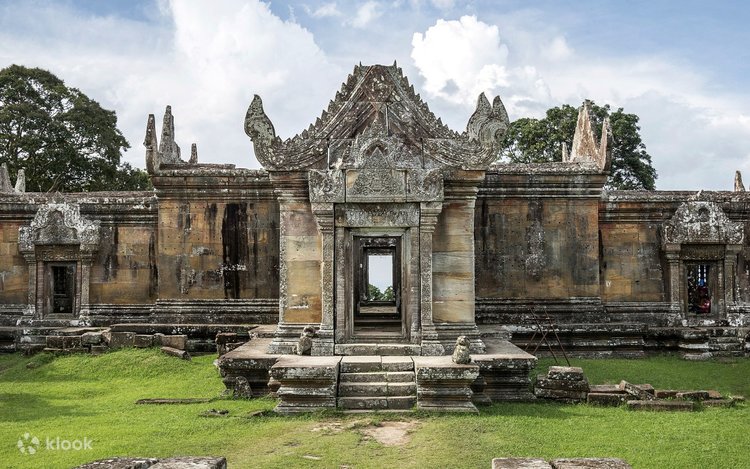
The centuries-old Preah Vihear Temple, an architectural marvel dedicated to Lord Shiva, has recently returned to the global spotlight due to renewed military tensions between Thailand and Cambodia.
Historical and Cultural Genesis
The Preah Vihear Temple is a testimony to the grandeur of the Khmer Empire. Unlike many other Khmer structures, this temple offers a unique glimpse into the religious evolution of Southeast Asia.
- Construction: While its foundations date back to the 9th century, the most significant expansion occurred in the 11th and 12th centuries under King Suryavarman I (1002–1050) and Suryavarman II (1113–1150)—the latter famously known for building Angkor Wat.
- Dedication: Originally a Hindu temple dedicated to Lord Shiva, it symbolized Mount Meru, the sacred multi-peaked mountain of Hindu and Buddhist cosmology.
- Religious Transition: As the Khmer Empire’s influence waned and Buddhism became the dominant faith in the region, the temple was adapted for Buddhist worship. This transition is evident in the Buddhist motifs and decorations found alongside its original Hindu carvings.
Architectural Masterpiece
Preah Vihear is celebrated as a "masterpiece of Khmer stone carving." Its layout is distinct from typical Khmer temples like Angkor Wat, which are usually rectangular and face east.
- Axis and Layout: The temple is built on an 800-meter-long north-south axis. It consists of a series of sanctuaries connected by pavements and staircases that ascend toward a cliff’s edge.
- Gopuras (Gateway Pavilions): The complex features five successive gopuras. These gateways are intricately carved and vary in material; some possess stone roofs, while others were historically topped with wooden structures.
- Location: Perched atop a 525-meter cliff in the Dangrek Mountain range, the temple offers a commanding view of the Cambodian plains, emphasizing its strategic and spiritual significance.
The Century-Long Border Dispute
- Colonial Treaties (1904–1907): In 1904, France (ruling Cambodia) and Siam (Thailand) signed a treaty. While the treaty suggested the border should follow the natural watershed line of the mountains (placing the temple in Thailand), a map drawn by French officers in 1907 placed the temple within Cambodian territory.
- The 1962 ICJ Ruling: After Thailand occupied the site in the 1950s, Cambodia moved the International Court of Justice (ICJ). The court ruled in 1962 that the temple belonged to Cambodia, primarily because Thailand had used the French map for decades without protest.
- UNESCO Designation (2008): Tensions reignited when the temple was named a UNESCO World Heritage Site in 2008. Thailand contested the surrounding 4.6 sq km of scrubland, leading to deadly skirmishes.
- 2013 Reaffirmation: The ICJ again ruled in 2013 that the 1962 decision intended for Cambodia to own the temple and its immediate vicinity, calling for a withdrawal of Thai forces.
Current Status: 2025–2026 Conflict
Despite previous ceasefires, the region saw a severe escalation in late 2025 and early 2026.
- Military Escalation: Renewed fighting involving artillery and airstrikes broke out in December 2025. Reports indicate that hundreds of thousands of civilians have been displaced along the border.
- Heritage at Risk: Preliminary assessments by the International Coordinating Committee (ICC-Preah Vihear) in March 2026 confirmed that the temple sustained damage in over 560 locations. All five gateway pavilions (Gopuras) have suffered structural degradation or scarring from weaponry.
- India’s Role: India, which co-chairs the ICC-Preah Vihear along with China, has expressed "deep concern" over the damage. The Archaeological Survey of India (ASI) has a long-standing history of restoring Khmer temples in Cambodia, making the preservation of this site a point of cultural diplomacy for New Delhi.
Mission SAKSHAM
- 02 May 2026
In News:
Recently, the Governor of the Reserve Bank of India (RBI) launched Mission SAKSHAM (Sahakari Bank Kshamta Nirman), a landmark initiative designed to revolutionize the Urban Co-operative Banking (UCB) sector. This mission-mode, all-India project represents a significant shift toward professionalizing and modernizing the cooperative banking landscape, ensuring it remains resilient in an increasingly complex financial environment.
Understanding Mission SAKSHAM
Mission SAKSHAM is a comprehensive capacity-building and certification framework. Its primary mandate is to address the historical gaps in managerial and operational capabilities within UCBs. By transitioning the sector toward a sustainable ecosystem for continuous learning, the RBI aims to strengthen the financial health and institutional resilience of these community-focused institutions.
Key Pillars and Targeted Reach
The mission is distinguished by its scale and inclusivity, aiming to reach 1.40 lakh participants across the nationwide UCB sector. Unlike generic training programs, it adopts a "top-to-bottom" cultural shift by targeting specific, critical roles within the banking hierarchy:
- Governance & Leadership: Board Members and Senior Management.
- Risk & Control: Heads of Risk Management, Compliance, and Audit functions.
- Technical Operations: Employees specializing in IT functions and other critical operational areas.
Operational Model and Features
To ensure effective penetration, especially among smaller and regional cooperatives, Mission SAKSHAM utilizes a blended learning model that combines in-person (offline) sessions with digital (e-learning) modules.
- Linguistic Accessibility: Recognizing India’s diversity, the training content is delivered in regional languages to ensure the "intent of the law" is accessible to local board members and staff.
- Institutional Collaboration: The mission was not designed in isolation; it was developed in close consultation with the Umbrella Organisation for UCBs (such as the NUCFDC) and various National and State Cooperative Federations.
- Certification Framework: A standardized certification process is integrated into the mission to ensure that skills and competencies are uniform across the sector.
Op Netra 1.0
- 02 May 2026
In News:
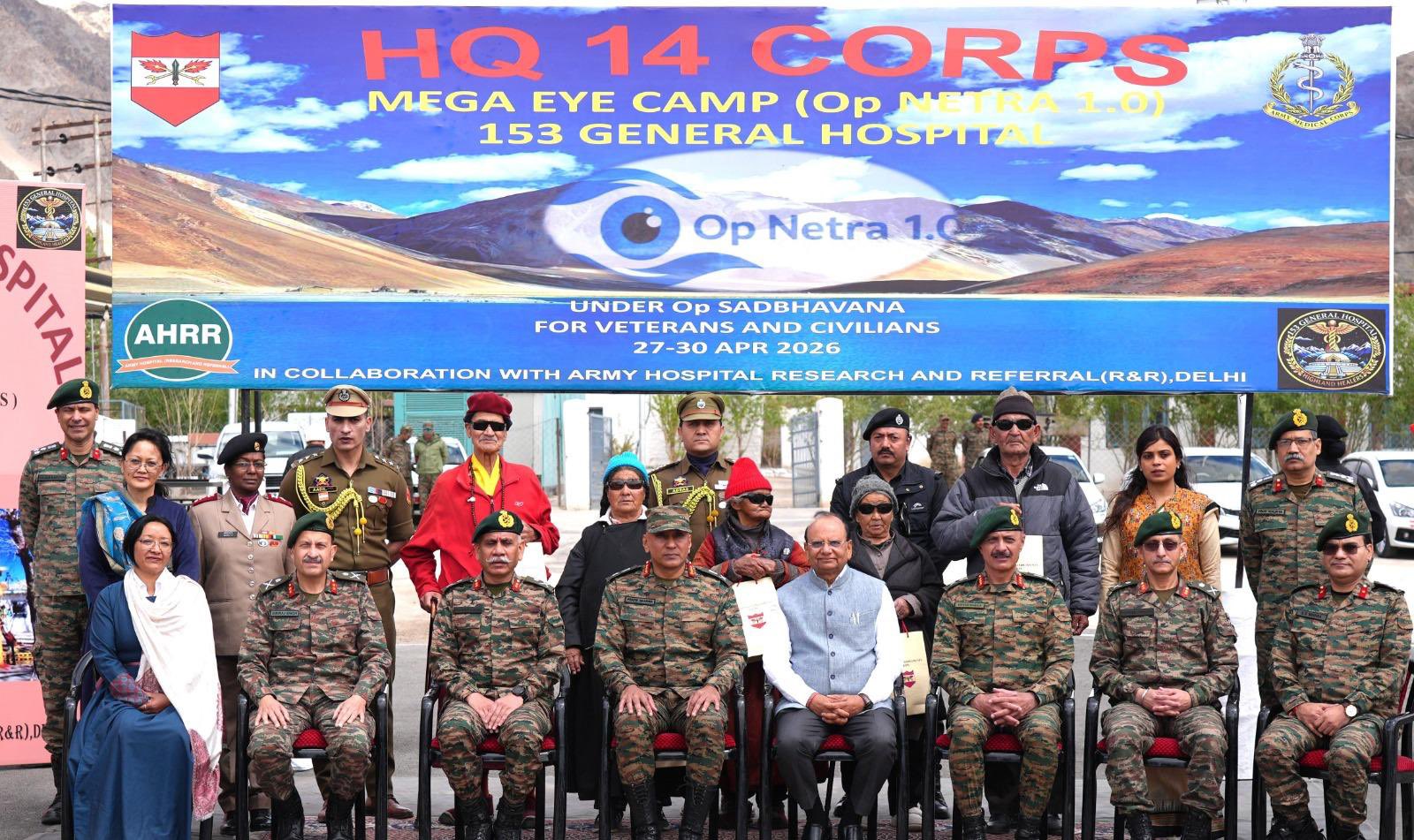
The Indian Army recently achieved a significant humanitarian milestone with the successful conclusion of ‘Op Netra 1.0,’ a four-day mega eye camp held in the challenging terrain of Leh, Ladakh. Conducted at the 153 General Hospital, the mission underscores the military’s commitment to "Winning Hearts and Minds" by delivering advanced surgical care to the remotest corners of the Union Territory.
A Mission of Specialized Care and Vision Restoration
Under the leadership of the Director General Armed Forces Medical Services (DGAFMS), Op Netra 1.0 was designed as a high-end ophthalmic outreach program. The camp specifically targeted citizens in high-altitude regions where geographical barriers and thin oxygen levels often impede access to sophisticated medical infrastructure.
During the four-day intensive program, the medical team screened a total of 950 patients hailing from seven districts of Ladakh. The outreach extended to some of the most isolated border villages, including Chushul, Hanle, Demchok, and Turtuk. The mission was life-altering for many, successfully restoring sight to 15 individuals who were previously suffering from total visual impairment.
Surgical Excellence and Technological Innovation
Op Netra 1.0 was not merely a screening camp but a hub for advanced ophthalmic interventions. The surgical teams performed 214 complex procedures, which included:
- 197 cataract surgeries using modern techniques.
- 10 vitreo-retinal interventions, including vitrectomies.
- Specialized procedures such as Glued Intraocular Lens (IOL) implantation and Minimally Invasive Glaucoma Surgery (MIGS).
A standout feature of the operation was the integration of Indigenous Technology. The Army launched the Op Netra App, a dedicated digital platform that utilized QR code-based identification. This system ensured end-to-end digitization of patient records, automated scheduling, and enhanced surgical safety, setting a new benchmark for mobile medical camps in India.
Inter-Service Synergy and National Impact
The success of the mission was a testament to seamless Inter-Service Cooperation. The Indian Air Force (IAF) played a pivotal role by airlifting heavy, sophisticated medical equipment to the high-altitude environment of Leh, ensuring that the surgeons had access to the same quality of technology available in metropolitan super-specialty hospitals.
Furthermore, this operation is part of a broader military-medical momentum. Since November 2025, the Indian Armed Forces have completed over 2,500 sight-restoring surgeries across various parts of the country.
India Post Payments Bank Launches SHG Savings Account
- 02 May 2026
In News:
Recently, the India Post Payments Bank (IPPB) announced a significant milestone in India’s journey toward universal financial inclusion with the launch of its dedicated Self Help Group (SHG) Savings Account. Designed to empower women-led groups in rural India, this initiative bridges the gap between the unbanked population and the formal financial ecosystem.
India Post Payments Bank (IPPB):
Established on September 1, 2018, IPPB is a 100% Government of India-owned entity operating under the Department of Posts. The bank’s primary mandate is to dismantle barriers for the underbanked by utilizing India’s vast postal network.
- Infrastructure: IPPB leverages approximately 1,65,000 Post Offices, with roughly 1,40,000 of these strategically located in rural regions.
- Workforce: A massive workforce of 3,00,000 postal employees—including Postmen and Gramin Dak Sevaks (GDS)—acts as the frontline for doorstep banking services.
- The India Stack: The bank’s operating model is built on India Stack, enabling paperless, cashless, and "presence-less" banking via CBS-integrated smartphones and biometric devices.
- Linguistic Inclusivity: To ensure accessibility, the bank provides services through intuitive interfaces available in 13 languages.
The SHG Savings Account: A Tool for Women’s Empowerment
Self Help Groups are vital drivers of rural economic transformation, closely linked with flagship programs like the National Rural Livelihoods Mission (NRLM) and initiatives supported by NABARD. The new IPPB SHG account is specifically tailored to the unique financial needs of these groups.
Core Financial Features:
- Zero-Cost Banking: The account is a zero-balance facility with no requirement for an initial deposit or a Monthly Average Balance (MAB).
- Transaction Benefits: To encourage active participation, IPPB offers nil charges for cash deposits, withdrawals, account closures, and QR card issuances.
- Interest and Reporting: Groups receive quarterly interest payouts on their savings and one free physical account statement every month.
Operational Advantages:
- Simplified Onboarding: Digital enrollment is assisted by the trusted network of Postmen and GDS at the group's doorstep.
- Balance Flexibility: The account supports a maximum balance limit of ?2,00,000, allowing SHGs to manage substantial operational funds for their micro-enterprises.