
Quantum Computing & Quantum Error Correction (QEC)
- 09 Jul 2026
In News:
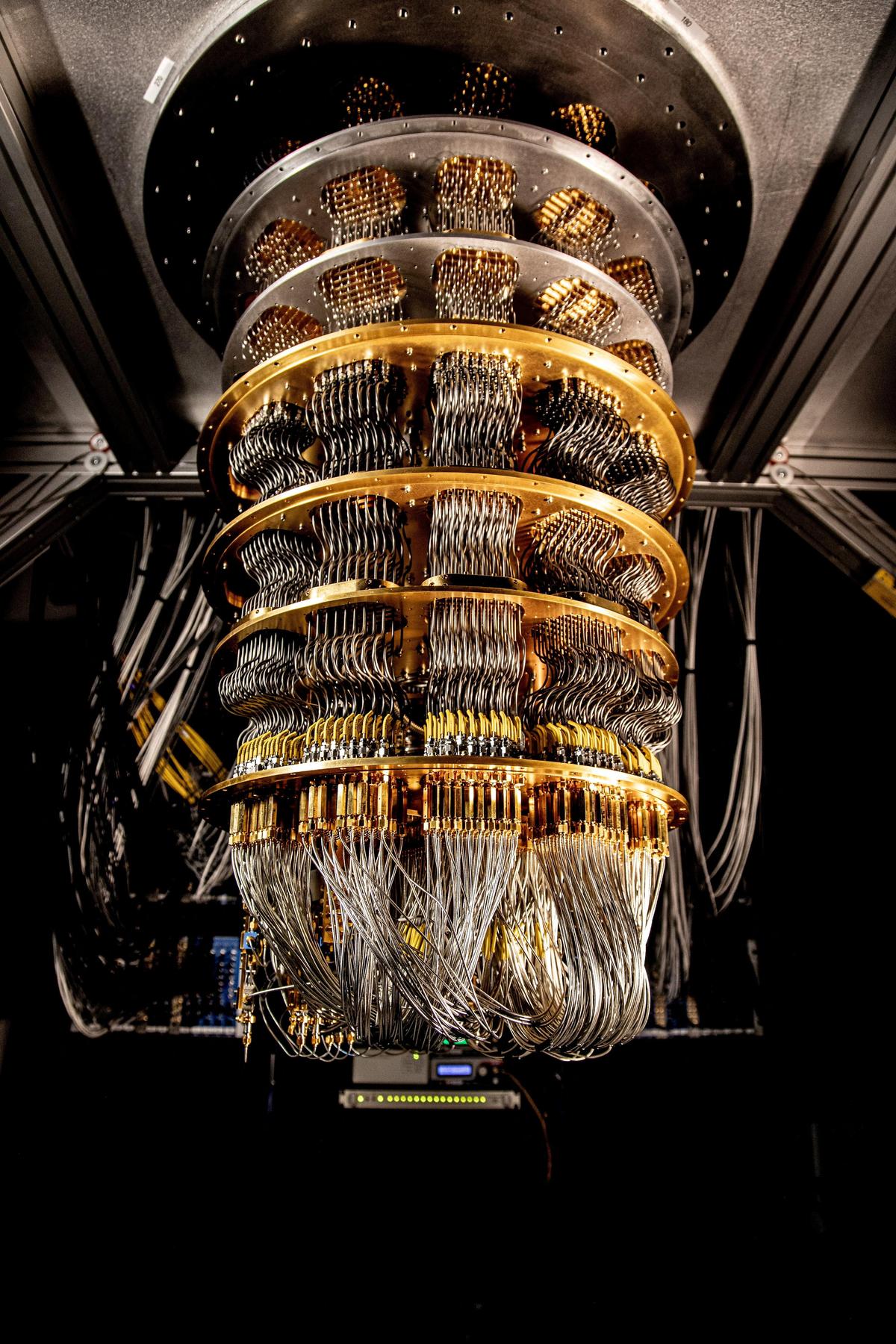
Recent advances in Quantum Error Correction (QEC) by companies such as Google, coupled with progress under India's National Quantum Mission (NQM), have renewed global interest in quantum computing. These developments are expected to accelerate the transition from today's Noisy Intermediate-Scale Quantum (NISQ) systems to fault-tolerant quantum computers, unlocking transformative applications in cryptography, climate modelling, drug discovery and materials science.
What is Quantum Computing?
Quantum computing is an emerging field that harnesses the principles of quantum mechanics to solve computational problems that are beyond the practical capabilities of classical computers. Unlike classical computers, which process information using bits that exist either as 0 or 1, quantum computers use quantum bits (qubits). Owing to quantum phenomena such as superposition and entanglement, qubits can process multiple possibilities simultaneously, enabling exponential speed-ups for certain classes of problems.
Principles of Quantum Computing
Quantum computing relies on three fundamental principles.
- Superposition: A qubit can exist in multiple states simultaneously until it is measured, allowing parallel computation.
- Entanglement: Two or more qubits become intrinsically linked so that the state of one is correlated with the other, regardless of the distance between them.
- Interference: Quantum algorithms amplify correct computational paths while cancelling incorrect ones, improving the probability of obtaining the right solution.
Together, these principles enable massive parallelism, making quantum computers particularly powerful for optimisation, simulation and cryptographic applications.
Types of Qubits
Several physical technologies are being explored for building quantum computers.
- Superconducting qubits – Based on Josephson junctions operating at temperatures close to absolute zero (used by Google's Willow processor).
- Quantum Dot qubits – Semiconductor-based qubits made from materials such as silicon or germanium.
- Trapped Ion qubits – Individual charged atoms confined using electromagnetic fields.
- Photonic qubits – Encode quantum information using photons.
- NMR qubits – Based on nuclear spins and used in the first quantum computer demonstration in 1998.
Quantum Key Distribution (QKD)
Quantum Key Distribution (QKD) is a secure communication technique that uses quantum properties of photons to exchange encryption keys. Any attempt to intercept the communication disturbs the quantum state, immediately revealing the presence of an eavesdropper. This makes QKD one of the most secure methods for transmitting cryptographic keys.
The Noise Problem in Quantum Computing
The biggest challenge in quantum computing is decoherence, where interactions with the surrounding environment—such as heat, electromagnetic radiation or vibration—destroy the fragile quantum state of qubits.
Current NISQ devices remain highly error-prone despite operating at temperatures close to absolute zero (-273°C). Their error rates remain significantly higher than those of classical computers. In addition, imperfections in lasers, microwave pulses and control systems introduce further computational errors.
Quantum Error Correction (QEC)
Quantum Error Correction (QEC) is a technique that combines multiple physical qubits to create a more reliable logical qubit capable of preserving quantum information despite individual errors.
A major breakthrough occurred when researchers demonstrated that once the error rate of physical qubits falls below a critical threshold, increasing the number of qubits actually reduces the overall error rate instead of increasing it. Google's Willow processor demonstrated this principle by successfully suppressing encoded errors, marking an important step towards practical fault-tolerant quantum computers.
India's National Quantum Mission (NQM)
The National Quantum Mission (NQM) was approved by the Government of India in April 2023 with the objective of making India a global leader in quantum technologies by 2031.
The mission seeks to develop intermediate-scale quantum computers with 50–1,000 qubits, establish a 2,000-km satellite-based quantum communication network, deploy Quantum Key Distribution (QKD) systems, advance quantum sensing and metrology, and promote indigenous development of quantum materials, devices, hardware and software.
To accelerate innovation, the mission has established four Thematic Hubs (T-Hubs) and supports quantum start-ups through innovative financing mechanisms such as Optionally Convertible Debt (OCD).
India has already achieved a significant milestone by developing an indigenous 1,000-km quantum communication network through the Department of Science and Technology (DST) in collaboration with QNu Labs, achieving half of its long-term communication target.
Mission Drishti: India's First OptoSAR Earth Observation Satellite
- 09 Jul 2026
In News:
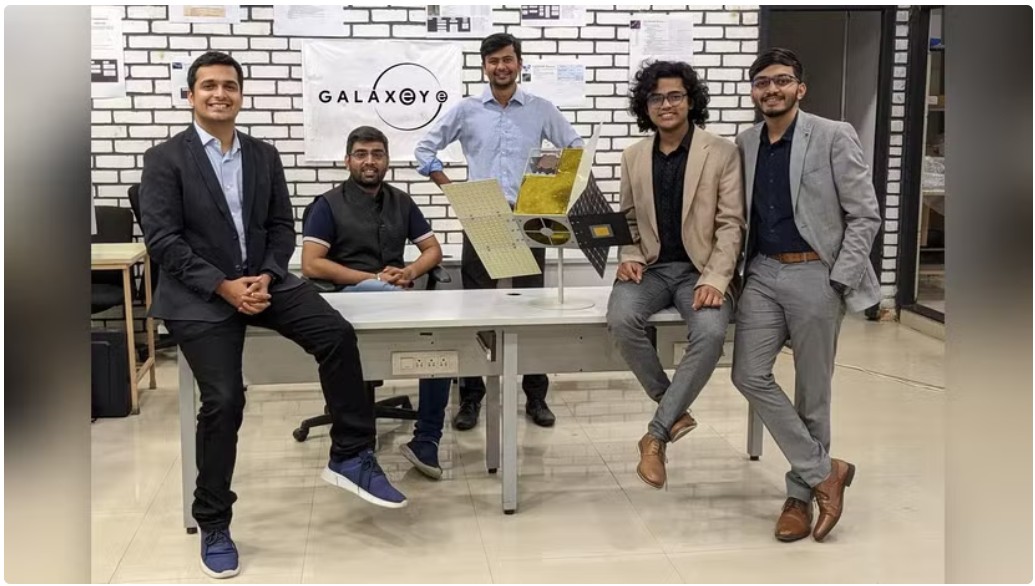
Bengaluru-based space start-up GalaxEye recently announced that communication has been lost with Mission Drishti, the world's first OptoSAR satellite and India's largest privately built Earth observation satellite. The mission marked a significant milestone in India's private space sector by integrating optical and radar imaging technologies into a single satellite.
What is Mission Drishti?
Mission Drishti is a 190-kg Earth observation satellite developed by GalaxEye, a Bengaluru-based deep-tech space start-up. It is the world's first operational OptoSAR satellite, integrating Electro-Optical (EO) and Synthetic Aperture Radar (SAR) sensors on a single compact platform.
The satellite was launched on 3 May 2026 aboard a SpaceX Falcon 9 rocket from Vandenberg Space Force Base, California (USA).
The mission aims to establish a sovereign, all-weather Earth observation capability for India by enabling uninterrupted monitoring of strategic land and maritime regions irrespective of cloud cover or darkness.
Key Features
The defining innovation of Mission Drishti is its OptoSAR technology, which combines the strengths of optical and radar imaging in a single payload.
Optical cameras provide high-resolution visual imagery but are ineffective during cloud cover or at night. In contrast, Synthetic Aperture Radar (SAR) actively transmits microwave signals, allowing it to capture images through clouds, fog, rain and darkness. By integrating both sensors, OptoSAR enables simultaneous collection of complementary datasets from the same location and time, improving accuracy and eliminating alignment errors that occur when images are obtained from separate satellites.
The satellite's hybrid imagery will be commercially distributed through NewSpace India Limited (NSIL) for domestic and international users.
Char Kaman, Hyderabad: Qutb Shahi Heritage Set for Restoration
- 09 Jul 2026
In News:
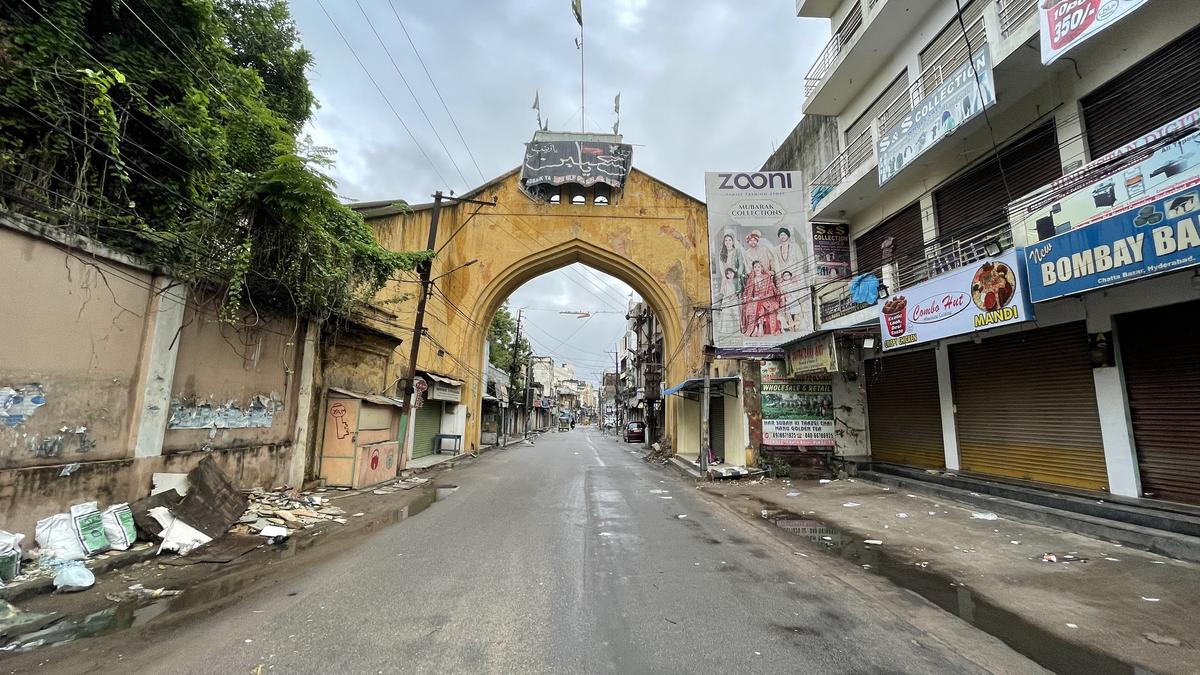
The Telangana Government has announced the restoration of the Char Kaman (Four Gateways) located around the Charminar in Hyderabad. Administrative approval has been granted to appoint consultants and initiate conservation work aimed at preserving these important monuments of the Qutb Shahi period.
What is Char Kaman?
Char Kaman refers to the four monumental ornamental gateways constructed around the Charminar in Hyderabad. Built during the Qutb Shahi period, these arches formed the ceremonial entrances to the old city and enclosed a large public square that served as the entrance to the Qutb Shahi Palace complex.
At the centre of this square stood the Char-Su-Ka-Houz (Gulzar Houz), a freshwater fountain situated at the intersection of the four gateways. Each gateway was built with three storeys, and the upper chambers were originally used by royal guards.
Historical Background
The Charminar was constructed between 1589 and 1591 by Muhammad Quli Qutb Shah, the fifth ruler of the Qutb Shahi dynasty. The Char Kaman were built a few years later, around 1594, to complement the city's planned urban layout. Together, the Charminar, Char Kaman and the palace complex formed the ceremonial and administrative centre of the newly founded city of Hyderabad.
The Four Gateways
The four gateways are located around Gulzar Houz, each facing one of the cardinal directions:
- Machli Kaman – North
- Charminar Kaman – South
- Kali Kaman – East
- Sher-e-Batil (Kaman Sher Dil) – West
Originally, these gateways had different names:
- Daulat Khana-e-Ali (West)
- Naqqar Khana (East)
- The enclosed central space was known as Jilau Khana, which functioned as the royal vestibule.
Over time, the present names gradually came into common usage. The Machli Kaman derives its name from a ceremonial fish-shaped decoration displayed during the lunar New Year, while Kali Kaman literally means the "Black Arch."
Historical Significance
The Char Kaman formed an integral part of Hyderabad's royal urban design and served important ceremonial and administrative functions. Nobles and officials assembled within the enclosed square before proceeding for audiences with the ruler. Besides regulating access to the royal precincts, the gateways symbolised the grandeur of the planned capital established by the Qutb Shahi rulers.
Today, the Char Kaman, together with the Charminar and Gulzar Houz, constitute one of the finest surviving examples of Deccan-Islamic urban planning.
Restoration Plan
The proposed conservation project focuses on restoring the structural stability of the gateways while preserving their original architectural features. The work includes structural repairs, conservation of heritage elements and improvement of the overall physical condition of the monuments without compromising their historical authenticity. The initiative aims to address deterioration caused by urbanisation, pollution and ageing, while promoting heritage conservation in Hyderabad's historic core.
Guwahati Declaration
- 09 Jul 2026
In News:
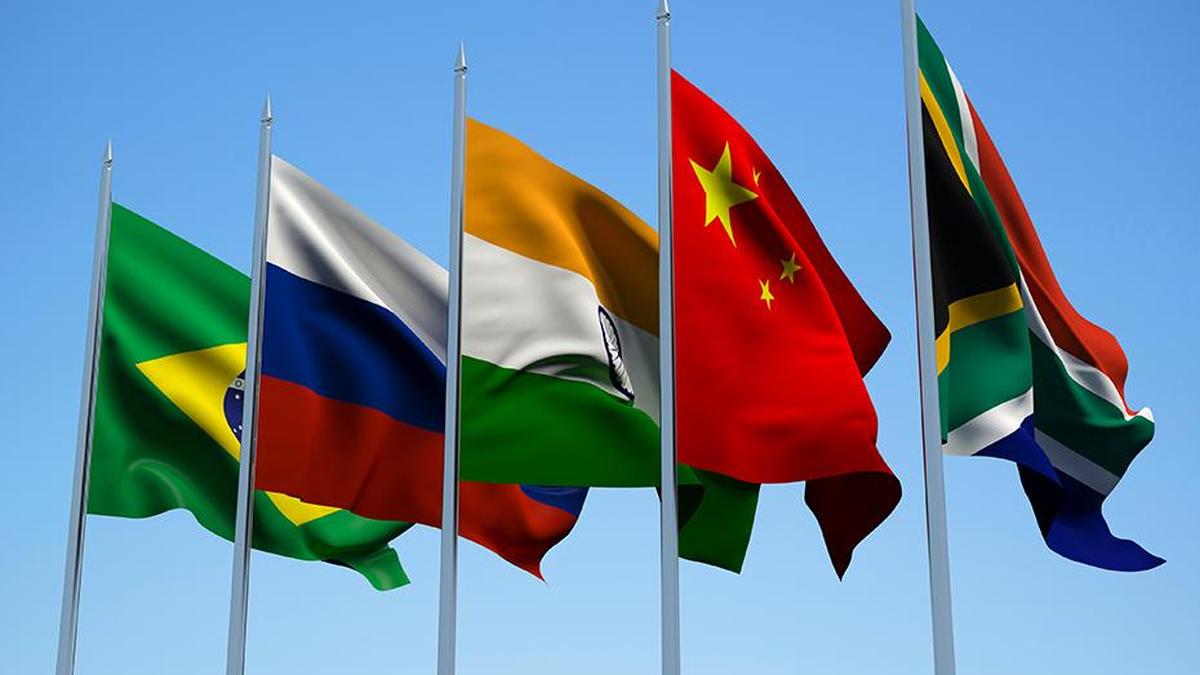
The BRICS nations adopted the Guwahati Declaration at the BRICS Heads of Anti-Drug Agencies Meeting held in Guwahati, Assam, reaffirming their commitment to strengthen cooperation against illicit drug trafficking and transnational organised crime.
What is the Guwahati Declaration?
The Guwahati Declaration is a joint commitment adopted by BRICS member countries to enhance international cooperation in preventing and combating illicit drug trafficking and its links with organised transnational crime. The declaration was adopted during the two-day BRICS Heads of Anti-Drug Agencies Meeting, hosted by India under its 2026 BRICS Chairship, whose theme was "Building for Resilience, Innovation, Cooperation and Sustainability."
The meeting brought together anti-drug agencies from Brazil, China, Ethiopia, India, Indonesia, Iran, Russia and the United Arab Emirates to discuss coordinated strategies for tackling the growing global narcotics trade.
Key Features of the Declaration
The declaration emphasizes stronger collaboration among BRICS members through timely exchange of information, intelligence and best practices, consistent with national laws and international obligations. It also encourages the use of innovative technologies, digital tools and data-driven approaches to strengthen law enforcement and regulatory mechanisms against drug trafficking.
Recognising that enforcement alone is insufficient, the declaration also calls for measures to reduce drug demand, promote healthy lifestyles, and protect children and young people through evidence-based, people-centric interventions.
About BRICS
BRICS is an intergovernmental grouping of major emerging economies that promotes cooperation in areas such as economic development, trade, finance, technology, security and global governance.
The term "BRIC" was coined by Jim O'Neill, an economist at Goldman Sachs, in 2001. The grouping was formally established with Brazil, Russia, India and China, while South Africa joined in 2010, giving rise to BRICS.
The grouping expanded in 2024 with the inclusion of Egypt, Ethiopia, Iran, Saudi Arabia and the United Arab Emirates, followed by Indonesia in 2025, taking the total membership to 11 countries.
In 2025, BRICS also introduced the category of Partner Countries, comprising Belarus, Bolivia, Cuba, Kazakhstan, Malaysia, Nigeria, Thailand, Uganda, Uzbekistan and Vietnam.
Collectively, BRICS countries account for approximately 49.5% of the world's population, around 40% of global GDP, and nearly 26% of global trade, making it one of the most influential groupings of emerging economies.
World Bank Country Income Classification 2027
- 09 Jul 2026
In News:
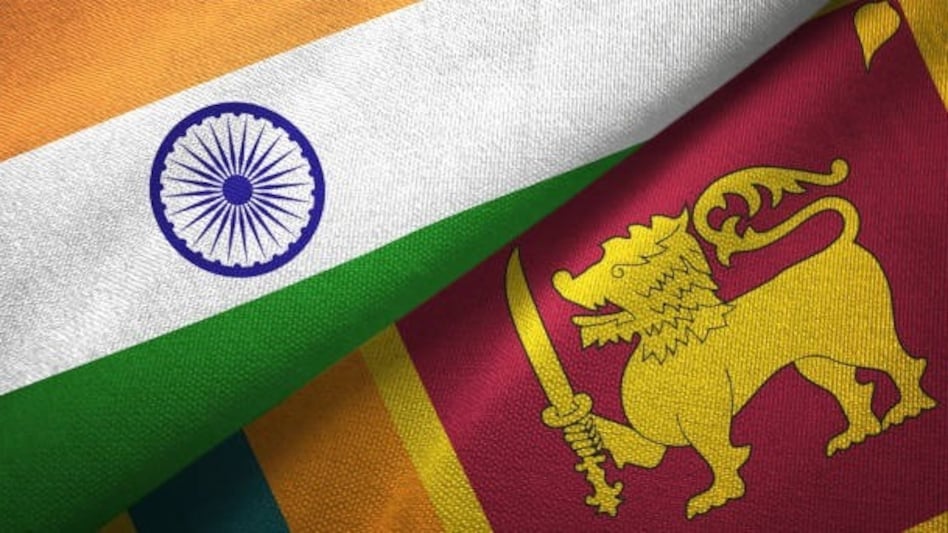
The World Bank Group Country Income Classifications for Fiscal Year 2027 (released in July 2026) retained India in the Lower-Middle-Income category, a position it has held since 2009. In contrast, Sri Lanka, Vietnam and the Philippines were upgraded to the Upper-Middle-Income category.
What is the World Bank Country Income Classification?
The World Bank classifies economies every year on 1 July into four income groups based on their Gross National Income (GNI) per capita of the previous calendar year. The classification serves as an operational and analytical tool for development financing and cross-country comparison rather than a measure of overall development.
To improve comparability, GNI per capita is calculated using the Atlas Method, which smoothens the effects of exchange-rate fluctuations and inflation by averaging exchange rates over time. The income thresholds are revised annually using the Special Drawing Rights (SDR) deflator to account for global inflation.
Income Classification (FY 2027)
- Low Income: USD 1,175 or less
- Lower-Middle Income: USD 1,176–4,635
- Upper-Middle Income: USD 4,636–14,375
- High Income: Above USD 14,375
India's GNI per capita stood at USD 2,760 (2025), keeping it within the Lower-Middle-Income category.
Key Highlights
The latest classification reflects continued improvements in the global income landscape. While nearly 30% of economies were classified as low income in 1987, the share has declined to 11% by 2026.
This year, Sri Lanka, Vietnam, the Philippines, Jordan and Micronesia moved from the Lower-Middle-Income to the Upper-Middle-Income category, while Togo graduated from Low Income to Lower-Middle Income.
Vietnam and the Philippines achieved the upgrade through sustained export-led industrial growth, while Sri Lanka recovered from its recent economic crisis through the revival of tourism and financial services. Jordan and Togo benefited largely from revised statistical methodologies and updated national accounts.
Why Does India Continue to Remain a Lower-Middle-Income Economy?
Despite being one of the world's fastest-growing major economies, India's per capita income remains relatively low because of its large population, which dilutes gains in aggregate national income.
Significant regional disparities also persist. High-income States such as Tamil Nadu, Maharashtra and Gujarat coexist with relatively poorer States like Bihar and Uttar Pradesh, lowering the national average.
Another structural challenge is the dominance of the informal sector, where nearly 85% of the workforce is employed. Low labour productivity, disguised unemployment in agriculture and limited formal employment constrain growth in average incomes.
India also entered the Lower-Middle-Income category only in 2009. Historically, moving into the next income bracket requires sustained high economic growth over several decades.