
Exercise Khaan Quest 2026
- 19 Jun 2026
In News:
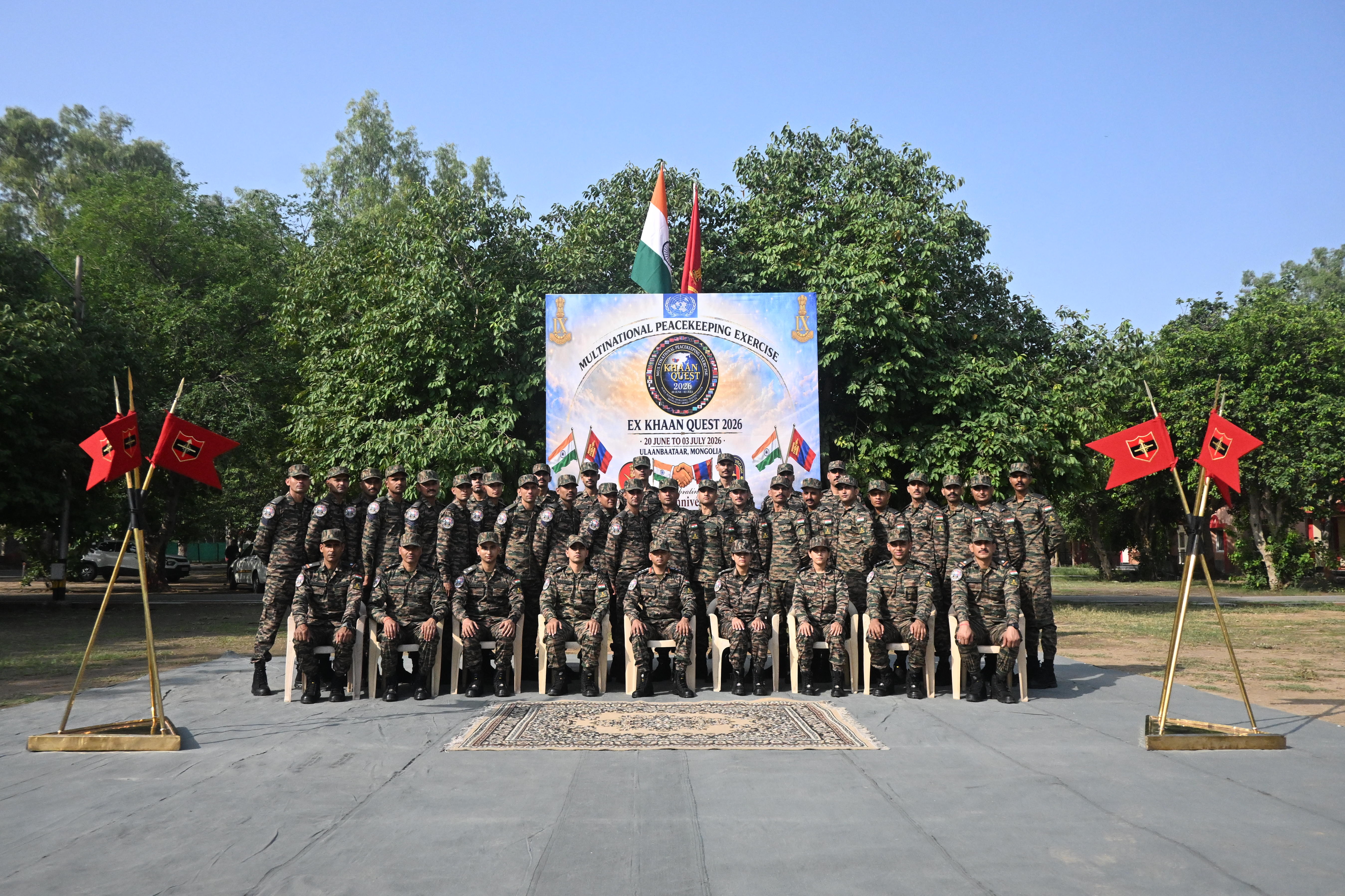
An Indian Army contingent is participating in Exercise Khaan Quest 2026, a multinational peacekeeping exercise being held in Mongolia from 20 June to 3 July 2026.
About Exercise Khaan Quest
Exercise Khaan Quest is an annual multinational joint military exercise hosted by the Mongolian Armed Forces and co-sponsored by the U.S. Indo-Pacific Command (formerly U.S. Pacific Command). The exercise aims to enhance interoperability, coordination, and cooperation among participating armed forces during United Nations peacekeeping operations.
It is conducted in accordance with Chapter VII of the United Nations Charter, which deals with collective measures to maintain or restore international peace and security.
Background
- The exercise was launched in 2003 as a bilateral exercise between the United States and Mongolia.
- From 2006 onwards, it evolved into a multinational peacekeeping exercise.
- The 2026 edition is the 23rd iteration of the exercise.
Exercise Khaan Quest 2026
- Venue: Five Hills Training Area, Ulaanbaatar, Mongolia.
- Duration: 20 June – 3 July 2026.
- Indian Contingent:40 personnel, including troops from a battalion of the JAT Regiment along with personnel from other Arms and Services.
Major Areas of Training
The exercise focuses on United Nations peace support operations through:
- Joint operational planning.
- Static and mobile checkpoint operations.
- Cordon and search operations.
- Area domination patrols.
- Evacuation of civilians from hostile areas.
- Counter-Improvised Explosive Device (Counter-IED) drills.
- Combat first aid.
- Casualty evacuation (CASEVAC).
The participating countries also exchange best practices, tactics, techniques, and procedures (TTPs) for multinational peacekeeping operations.
Korea District's '5% Model' for Groundwater Conservation
- 19 Jun 2026
In News:
The Korea district of Chhattisgarh has emerged as a model for community-led groundwater conservation through its innovative '5% Model', implemented under the Jal Sanchay Jan Bhagidari initiative. The model has significantly improved groundwater levels while strengthening climate resilience and water security.
What is the '5% Model'?
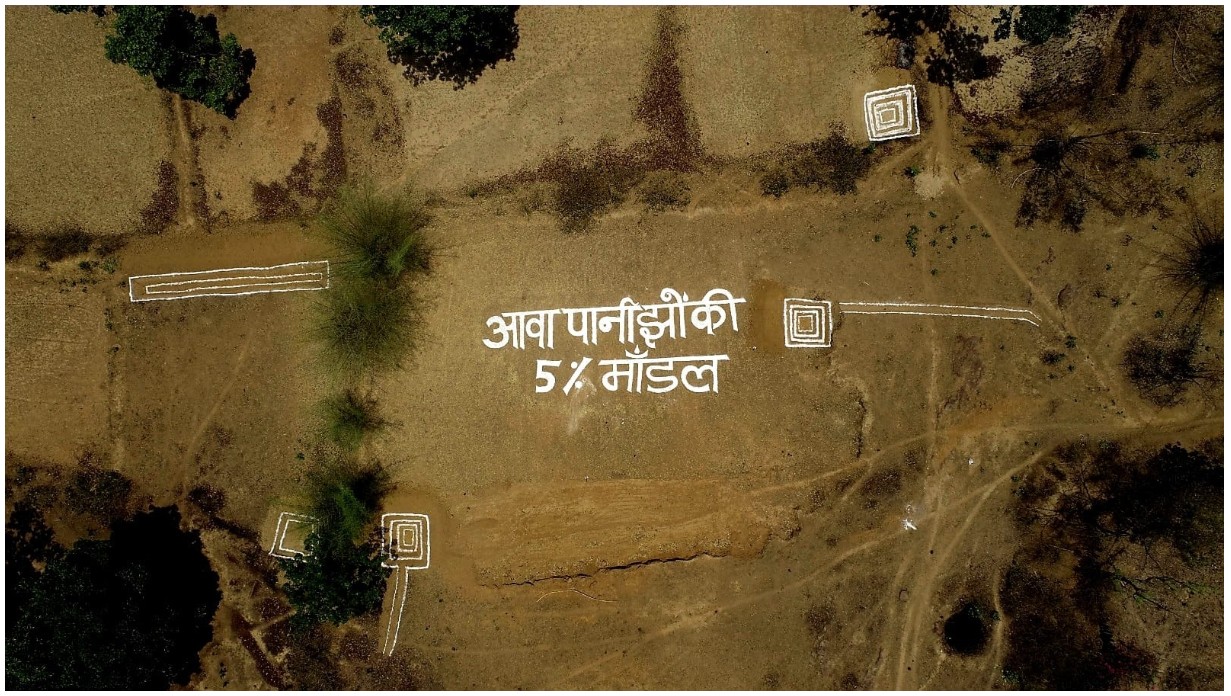
The '5% Model' is a participatory water conservation initiative that encourages farmers to reserve 5% of their agricultural land for constructing soak pits. These structures facilitate rainwater infiltration, thereby:
- Recharging groundwater aquifers.
- Improving soil moisture.
- Reducing surface runoff.
- Enhancing water availability during dry periods.
The initiative demonstrates how community participation can transform decentralized rainwater harvesting into a large-scale water conservation movement.
Key Features
- Community Participation: The number of soak pits increased from 2,000 to nearly 30,000 within one year across farms, kitchen gardens, and residential backyards.
- '30–40 Model': Construction of 30 ft × 40 ft contour trenches on barren land to capture and retain rainwater runoff.
- Funding: Implemented largely through the Mahatma Gandhi National Rural Employment Guarantee Scheme (MGNREGS), locally branded as the Viksit Bharat–Guarantee for Rozgar and Ajeevika Mission (Gramin).
- Community Mobilisation:
- Neer Nayikas (women volunteers) promote household-level awareness on water conservation.
- Jal Doots (youth volunteers) undertake watershed mapping, desilting activities, and awareness campaigns through street plays.
- Local Campaign: Popularly known as "Aawa Paani Jhonki", meaning "Let's Catch the Rain" in the local Sargujia dialect.
Impact
The initiative has produced measurable improvements in groundwater availability.
According to the Central Ground Water Board (CGWB):
- Post-monsoon groundwater level improved from 6.6 metres Below Ground Level (BGL) in 2024 to 3.89 metres BGL in 2025, indicating substantial groundwater recharge.
The improved groundwater availability has also supported the implementation of the Jal Jeevan Mission, particularly in villages where drinking water supply had earlier been constrained due to depleted aquifers.
Significance
The Korea model highlights the importance of community participation, rainwater harvesting, and watershed management in addressing water scarcity. It demonstrates an effective convergence of MGNREGS, groundwater conservation, and climate adaptation while contributing to sustainable agriculture, water security, and rural livelihoods. The model offers a scalable framework for other drought-prone regions seeking to enhance groundwater recharge through low-cost, decentralized interventions.
Amoebic Meningoencephalitis
- 19 Jun 2026
In News:
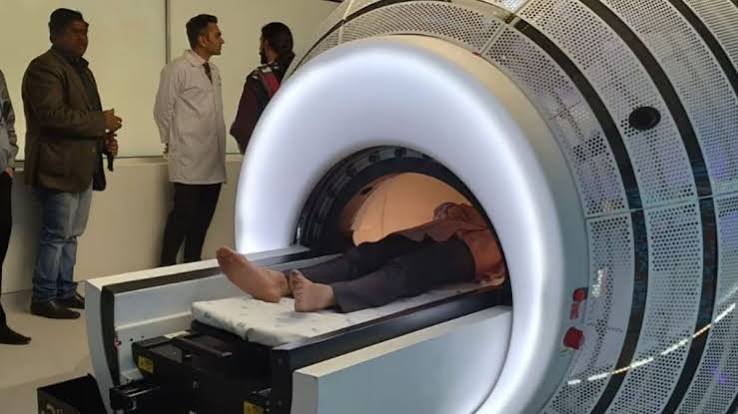
Kerala has reported a sharp rise in Amoebic Meningoencephalitis (AM), a rare but often fatal brain infection caused by free-living amoebae present in contaminated water. While India had reported only around two dozen cases of Primary Amoebic Meningoencephalitis (PAM) between 1971 and 2023, multiple cases and deaths in 2026 have raised concerns regarding water quality, climate change, and public health preparedness.
What is Amoebic Meningoencephalitis?
Amoebic Meningoencephalitis is a severe infection of the brain and central nervous system caused by free-living amoebae naturally found in warm freshwater, soil, and dust. The disease occurs when contaminated water enters the nose, allowing the amoebae to migrate to the brain through the olfactory nerve. It is not transmitted through drinking contaminated water or from person to person.
Types
There are two major forms:
- Primary Amoebic Meningoencephalitis (PAM):
- Caused by Naegleria fowleri, popularly known as the "brain-eating amoeba."
- Characterized by rapid progression and very high fatality.
- Granulomatous Amoebic Encephalitis (GAE):
- Caused mainly by Acanthamoeba species.
- Develops more gradually and predominantly affects elderly and immunocompromised individuals.
Recent cases in Kerala indicate a shift from PAM to GAE, with Acanthamoeba emerging as the dominant pathogen.
Risk Factors
Several environmental and socio-economic factors contribute to the increasing incidence:
- Warm tropical climate favouring amoeba growth.
- Poor water quality and contamination of freshwater bodies.
- High coliform bacterial contamination, providing food for Acanthamoeba.
- Stagnant and vegetated water bodies.
- Contamination of wells due to the proximity of toilet pits in densely populated areas.
Transmission and Symptoms
Transmission occurs when contaminated water enters the nose during activities such as swimming, diving, or bathing in freshwater bodies.
Symptoms include:
- Fever
- Severe headache
- Nausea and vomiting
- Neck stiffness
- Seizures
- Hallucinations
- Coma
Without prompt treatment, the infection may rapidly become fatal.
Kerala's Response
In 2024, Kerala became the first Indian State to formulate a dedicated Standard Operating Procedure (SOP) and treatment protocol for Amoebic Meningoencephalitis. The protocol focuses on:
- Early diagnosis.
- Rapid initiation of treatment.
- Standardized clinical management.
- Improved survival outcomes through coordinated public health response.
Smart Seed Coating Technology
- 19 Jun 2026
In News:
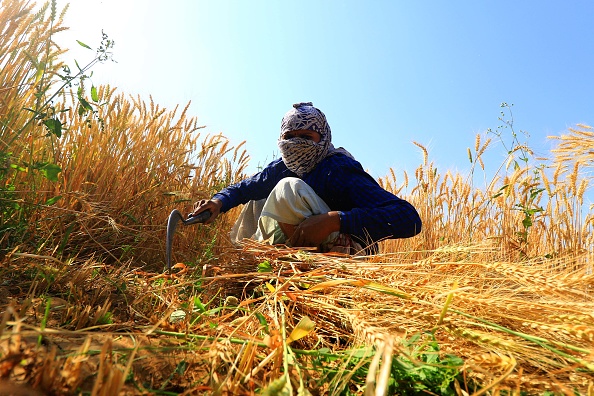
The ICAR–Indian Institute of Oilseeds Research (ICAR-IIOR), Hyderabad has developed an innovative Smart Seed Coating Technology to improve seed germination, enhance crop productivity, and strengthen climate resilience, particularly in rainfed agriculture.
What is Smart Seed Coating Technology?
Smart Seed Coating Technology is a biopolymer-based seed enhancement technology that forms a biodegradable multifunctional coating around seeds. Developed by ICAR-IIOR, it acts as a carrier for essential biological and nutritional inputs, ensuring their targeted delivery at the seed-soil interface during the initial stages of crop growth.
The technology is designed to improve seed germination, seedling vigour, nutrient-use efficiency, and stress tolerance, thereby enhancing overall crop establishment and productivity.
Key Features
- Utilisesbiodegradable biopolymers to create a protective multifunctional coating around seeds.
- Acts as a delivery platform for:
- Beneficial microorganisms
- Nutrients and micronutrients
- Crop protection agents
- Creates a favourablemicroenvironment around the seed, promoting:
- Faster germination
- Better root development
- Stronger seedling growth
- Enhanced tolerance to biotic and abiotic stresses
- Can be customized for a wide range of crops, including:
- Cereals
- Millets
- Pulses
- Vegetables
- Horticultural crops
- Particularly suitable for rainfed farming systems.
52nd G7 Summit Outreach Session (2026)
- 19 Jun 2026
In News:
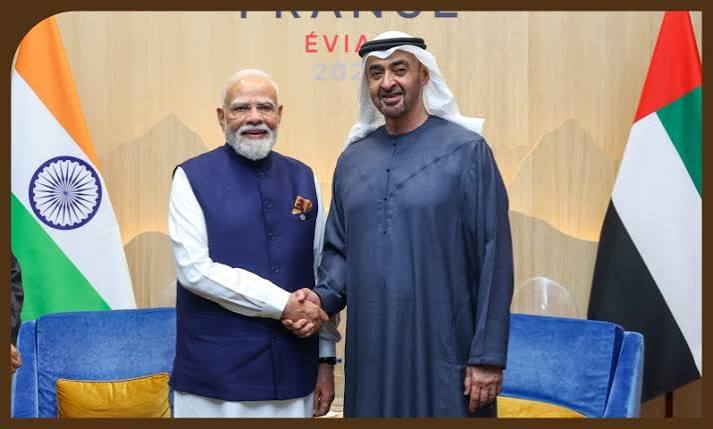
The Prime Minister of India participated in the 52nd G7 Summit Outreach Session held at Évian, France, under the theme "Forging New Partnerships and Rebuilding International Solidarity." India used the platform to advocate the interests of the Global South, address the global trust deficit, and strengthen bilateral ties with Canada, the United Kingdom, and the United Arab Emirates (UAE).
India's Key Message at the G7 Outreach Session
- India emphasized that the world today faces a deficit of trust rather than a deficit of resources and called for rebuilding international cooperation based on mutual trust, equality, and shared responsibility.
- Highlighting the aspirations of the Global South, India argued that developing countries seek equitable participation in global governance rather than a traditional donor-recipient relationship.
- India also showcased its development partnership with Africa, underlining the principles of South-South Cooperation and demand-driven development assistance.
Major Bilateral Outcomes
India–Canada
- Both countries agreed to expedite negotiations on the Comprehensive Economic Partnership Agreement (CEPA) with the objective of concluding it by 2026.
- Negotiations will begin on a General Security of Information Agreement (GSOIA) to strengthen defence and intelligence cooperation.
- India supported Canada's candidature as a Dialogue Partner of the Indian Ocean Rim Association (IORA).
- The two sides advanced cooperation in civil nuclear energy, including a CAD 2.6 billion uranium supply agreement between Cameco and India's Department of Atomic Energy for the period 2027–2035.
- Announcement of "Raisina Americas", a Track-1.5 geopolitical dialogue platform.
India–United Kingdom
- Leaders reviewed progress under the India–UK Vision 2035 roadmap.
- Reaffirmed commitment to early implementation of the Comprehensive Economic and Trade Agreement (CETA), with emphasis on technology, defence, education and economic cooperation.
India–United Arab Emirates (UAE)
- Both countries emphasized ensuring free and uninterrupted navigation through the Strait of Hormuz, given the evolving security situation in West Asia.
- India invited the UAE President to participate in the 18th BRICS Summit, to be hosted by India later in 2026.
About the G7
- The Group of Seven (G7) is an informal grouping of the world's major advanced economies.
- Originally established as the G6 in 1975 following the 1973 oil crisis, it comprised France, Germany, Italy, Japan, the United Kingdom, and the United States. Canada joined in 1976, creating the G7. Russia joined in 1998, forming the G8, but its membership was suspended in 2014 following the annexation of Crimea.
- The European Union (EU) participates as a non-enumerated member, represented by the Presidents of the European Council and the European Commission.
- Unlike organizations such as the United Nations or NATO, the G7 is an informal forum with no treaty, permanent secretariat, or headquarters. The presidency rotates annually among member countries, which host the summit and determine the agenda.
- Although G7 countries account for only about 10% of the global population, they contribute approximately 43% of the world's nominal GDP, making the grouping highly influential in global economic governance. To broaden representation, G7 presidencies invite countries such as India, Brazil, and South Africa to participate in Outreach Sessions.