
Hantavirus Outbreak

- 06 May 2026
In News:
A recent suspected outbreak of the rare Hantavirus has gained international attention after approximately 150 individuals were quarantined aboard the Dutch cruise ship MV Hondius off the coast of Cape Verde, West Africa. This incident underscores the persistent challenge of zoonotic diseases in an interconnected world and highlights critical gaps in global health security.
Nature and Classification of Hantavirus
Hantaviruses belong to a family of viruses that primarily target the respiratory and renal systems of the human body. Depending on the strain and geographic location, the virus manifests in two distinct, severe clinical forms:
- Hantavirus Pulmonary Syndrome (HPS): Predominantly found in the Americas, this version leads to acute respiratory distress and severe lung congestion.
- Hemorrhagic Fever with Renal Syndrome (HFRS): More common in Europe and Asia, this form is characterized by internal bleeding (hemorrhage) and acute kidney failure.
Vector and Transmission Dynamics
Hantavirus is a zoonotic disease, meaning it jumps from animals to humans. It is carried by specific rodent species, including the deer mouse, white-footed mouse, and cotton rat.
- Aerosolization: This is the primary mode of transmission. Humans contract the virus by inhaling airborne particles from disturbed infected rodent waste, such as dried urine, droppings, or saliva. Common activities leading to infection include sweeping or cleaning storage areas where rodents have nested.
- Contagion Profile: Generally, Hantavirus is less contagious than airborne pathogens like COVID-19 or Influenza because it typically does not spread between humans.
- The Exception: The Andes virus, a specific strain endemic to South America (Argentina and Chile), is the only known Hantavirus strain capable of rare human-to-human transmission.
Clinical Symptoms and Diagnosis
The disease is particularly dangerous because its early stages mimic common seasonal illnesses, often leading to delayed medical intervention.
- Initial Phase: Following an incubation period of 1 to 8 weeks, patients experience "flu-like" symptoms, including high fever, fatigue, and muscle aches.
- Severe Phase: The condition can rapidly escalate into a life-threatening respiratory crisis. Patients suffer from extreme shortness of breath and chest tightness as the lungs fill with fluid.
- Diagnosis: Similar to the protocols for COVID-19, the Hantavirus is diagnosed using a Polymerase Chain Reaction (PCR) test, which detects the viral genetic material in the patient's system.
At-Risk Populations and Vulnerability
While anyone exposed to infected rodents can contract the virus, certain groups are at a higher statistical risk:
- Occupational Risk: Farmers, construction workers, and campers are frequently exposed to rodent-prone environments.
- Biological Vulnerability: Children under the age of five, pregnant women, and immunocompromised individuals are significantly more susceptible to severe complications and mortality.
Treatment and Prevention Challenges
The global health burden of Hantavirus is significant, with an estimated 150,000 to 200,000 cases reported annually. However, the medical response is currently limited.
- Absence of Specific Cure: There is currently no specific antiviral treatment, cure, or vaccine available for Hantavirus.
- Supportive Care: Treatment is purely symptomatic. In severe HPS cases, patients require intensive care, including oxygen therapy and mechanical ventilation to maintain lung function until the body can clear the infection.
- Primary Prevention: In the absence of a vaccine, the only effective strategy is rodent control. Maintaining strict sanitation protocols, sealing entry points in buildings, and using proper protective gear (like masks) when cleaning potentially infested areas are critical preventive measures.
Fibre-Optic Drones
- 06 May 2026
In News:
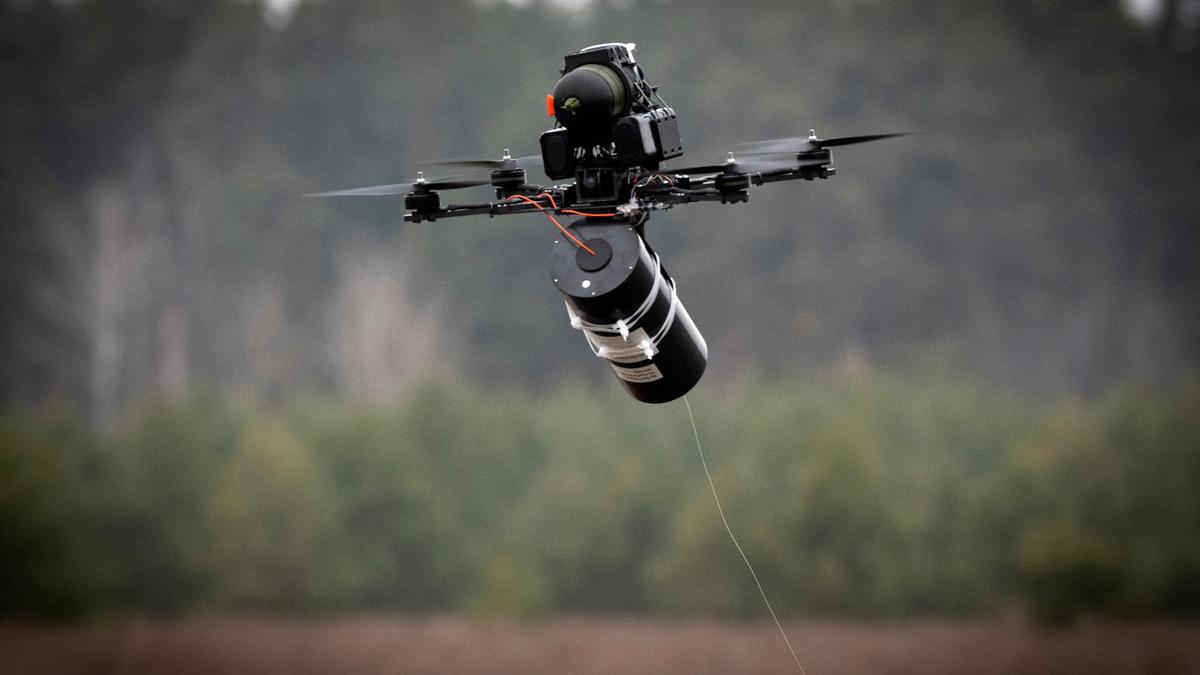
In the evolving landscape of high-tech warfare, fibre-optic-guided drones have surfaced as a disruptive force, particularly in the Russia-Ukraine and West Asia conflicts. By replacing traditional wireless communication with a physical link, these drones—often referred to as "wire-guided" or "phantom" drones—are bypassing sophisticated electronic defense systems and redefining the tactical "front-line."
The Technology: A Shift from Radio to Light
The core innovation of these drones lies in their communication link. While standard First-Person View (FPV) drones rely on Radio Frequency (RF) signals, fibre-optic drones are tethered to their operator via a thin, high-strength fibre-optic spool.
- Mechanism: As the drone flies, it unspools a micro-thin cable (extending up to 50 km). This cable transmits telemetry and high-bandwidth video data using light signals rather than radio waves.
- Material Composition: To maintain agility, these drones are often constructed from lightweight fibreglass. This material provides a secondary benefit: a minimal thermal and radar signature, making them difficult to detect using conventional sensors.
Strategic Advantages in Combat
The transition to wire-guidance offers several critical advantages that render traditional anti-drone measures obsolete:
- Immunity to Electronic Warfare (EW): Traditional jammers work by "drowning out" the radio frequency between the drone and the pilot. Since fibre-optic drones do not use RF, they are entirely immune to jamming and GPS spoofing.
- High-Fidelity Feedback: The fibre-optic link allows for uncompressed, high-resolution video feeds. Unlike RF drones, which often experience signal "snow" or total cutout as they approach the ground or fly behind obstacles, wire-guided drones provide crystal-clear imagery until the moment of impact.
- Stealth and Persistence: Because they do not emit a radio signal, these drones cannot be "triangulated" by enemy electronic intelligence units, protecting both the drone and the location of its operator.
Operational Limitations and Challenges
Despite their "unjammable" status, fibre-optic drones are not without technical hurdles:
- Weight vs. Range: The weight of the fibre canister, combined with the explosive payload, significantly drains battery life. Every kilometer of cable adds physical drag and weight.
- Physical Vulnerability: The physical cable is susceptible to snapping if it gets snagged on trees, caught in strong crosswinds, or intentionally cut by enemy combatants.
- Engineering Solutions: To counter these risks, manufacturers have begun using Kevlar-infused protective coatings to increase the tensile strength of the micro-cables without adding excessive weight.
Defensive Countermeasures: The Search for a Solution
As electronic jamming fails, defense forces are reverting to physical and emerging technologies:
- Physical Barriers: The use of "cope cages" (metal cages) and protective nets over tanks and trenches has become a rudimentary necessity.
- Advanced Detection: Research is shifting toward infrared (IR) and acoustic sensors that can detect the drone’s heat or sound signature since its "radio silence" makes it invisible to electronic scanners.
- Directed-Energy Weapons: Future defenses aim to use high-powered lasers to melt the physical optical lines or the drone’s fibreglass body.
Environmental Impact:
The widespread use of these drones introduces a new ecological threat. The thousands of kilometers of lightweight polymer optical fibres left behind on battlefields contribute to severe "conflict pollution."
- Toxic Degradation: When these cables are destroyed by explosions or fires, they release microplastics and toxic chemical byproducts into the soil, air, and water.
- Long-term Legacy: Unlike metal fragments that can be salvaged, these micro-thin plastic fibres are nearly impossible to clean up, posing a long-term threat to local ecosystems and agriculture.
Modern Orbital Conflict

- 06 May 2026
In News:
In the contemporary geopolitical landscape, outer space has transitioned from a "Global Commons" dedicated to peaceful exploration to a contested "Fourth Frontier" of warfare. Modern orbital conflict is no longer defined solely by kinetic destruction, such as missiles; instead, it has evolved into a "silent war" of digital intrusions, signal manipulation, and the strategic blurring of civilian and military assets.
Key Characteristics of Modern Space Warfare
Modern conflict in orbit is increasingly characterized by "non-kinetic" engagements that aim for functional disruption rather than physical debris-creating destruction.
- Weaponization of Infrastructure: Current conflicts utilize cyber-attacks and GPS spoofing to paralyze critical infrastructure. For instance, the Viasat KA-SAT cyberattack during the Russia-Ukraine conflict demonstrated how disabling a satellite's digital logic can sever communications across an entire continent without a single shot being fired.
- The "Starlink Precedent" and Dual-Use Technology: One of the most significant shifts is the collapse of the civilian-military divide. Commercial mega-constellations (like Starlink) now provide "Space as a Service" for military kill-chains. This complicates international law, as these civilian objects become legitimate military targets, endangering global commercial connectivity.
- The Attribution Gap: Digital attacks—such as "dazzling" sensors with lasers or hacking ground stations—offer strategic anonymity. Without the ability to definitively prove the perpetrator (attribution), traditional deterrence mechanisms often fail, leading to a "Grey Zone" of perpetual tension.
- Functional Strike Doctrine: There is a growing legal consensus that a digital intrusion which "bricks" or permanently disables a satellite violates Article 2(4) of the UN Charter (Prohibition of Use of Force), regardless of whether physical "smoke and fire" are present.
The Cascading Consequences of Orbital Conflict
The impact of space-based conflict extends far beyond the vacuum of orbit, threatening the very foundations of modern civilization.
- Kessler Syndrome and Orbital Denial: The most catastrophic physical threat is a chain reaction of collisions. Kinetic Anti-Satellite (ASAT) tests create clouds of high-velocity debris. These fragments collide with other satellites, creating more debris in an exponential cascade known as the Kessler Syndrome. This could render Low Earth Orbit (LEO) unusable for generations.
- Global Socio-Economic Paralysis:
- Financial Meltdown: Global markets rely on the precise atomic clocks of satellites for time-stamping transactions. A synchronization failure could freeze international banking.
- Collapse of Navigation (PNT): The loss of Global Navigation Satellite Systems (GNSS), including India’s NavIC, would cripple aviation, maritime trade, and global logistics.
- Digital Divide: Satellite internet is vital for disaster management and education in rural regions; its loss would isolate vulnerable populations.
- Strategic Destabilization: Attacking early-warning satellites could be misinterpreted as a precursor to a nuclear strike, potentially leading to accidental nuclear escalation between superpowers.
- Environmental Degradation: Increased debris re-entry releases metallic particles into the atmosphere, potentially damaging the Ozone Layer. Furthermore, "light pollution" from mega-constellations hinders astronomical research.
The Existing Legal Framework and Its Limitations
While several treaties govern space, they were designed for an era of state-led exploration, not private-sector-led warfare.
- Outer Space Treaty (1967): Article VI makes states responsible for all national space activities, including private ones. However, it lacks specific enforcement mechanisms for modern cyber-warfare.
- Liability Convention (1972): Imposes absolute liability for damage caused by space objects on Earth but remains weak in addressing "soft" damage like hacking or jamming.
- The Compliance Gap: While the UN recommends deorbiting satellites within 25 years to prevent debris, the compliance rate remains a low 30%.
Strategic Solutions and the Way Forward
To prevent the transition of space into a permanent battlefield, a multi-pronged approach is required:
- Finalizing PAROS and PPWT: India and other spacefaring nations must push for the Prevention of an Arms Race in Outer Space (PAROS) treaty. This would move beyond the 1967 treaty by prohibiting the placement of any weapons in orbit, not just WMDs.
- Norms for Responsible Behavior: A global, permanent ban on kinetic ASAT tests is essential. Additionally, clear protocols for Rendezvous and Proximity Operations (RPO) are needed to ensure that "repair" missions are not mistaken for "stalker" or "killer" satellites.
- Enhanced Space Situational Awareness (SSA): Global cooperation in tracking debris and satellite movements is vital. Initiatives like India’s Project NETRA and the US Space Surveillance Network serve as the "eyes and ears" for orbital security.
- Resilient Architectures: Shifting from a few expensive, large satellites to Distributed Constellations (many small satellites) makes a target-rich environment strategically pointless for an adversary, as destroying a few units does not disable the entire network.
- Strengthening Attribution: Developing the technological capability to prove who interfered with a satellite is the most powerful deterrent against "silent" electronic warfare.
Project Deepak
- 06 May 2026
In News:
Project Deepak, a premier unit of the Border Roads Organisation (BRO), recently marked its 66th Raising Day in Shimla, Himachal Pradesh.
Origins and Mandate
Launched in 1962, Project Deepak is one of the oldest and most vital initiatives under the BRO. It was conceived during a period of heightened geopolitical tension to ensure that India’s northern borders remained accessible and secure.
- Geographical Jurisdiction: The project operates in some of the most unforgiving topographies of the Himalayas. Its primary area of responsibility includes the key districts of Shimla, Kinnaur, Kullu, and Lahaul-Spiti in Himachal Pradesh.
- Strategic Objective: The project’s core mission is to provide all-weather connectivity to the border outposts and facilitate the movement of the Indian Armed Forces, while simultaneously fostering the socio-economic development of remote tribal belts.
Major Achievements and Contributions
Over six decades, Project Deepak has transitioned from a basic road-building unit to an engineering marvel handler. Its contributions are pivotal to both civil and military logistics:
- Hindustan-Tibet Road (NH-5): The project has been instrumental in the maintenance and development of this historic road, which serves as the lifeline for the Kinnaur district and a critical artery for border defense.
- Manali-Leh Axis: Project Deepak maintains key stretches of this strategic route, ensuring that the logistical chain to the Ladakh sector remains functional despite extreme weather conditions and heavy snowfall.
- Humanitarian Assistance and Disaster Management: Beyond engineering, the project plays a "first responder" role. Whether it is clearing massive landslides, snow excavation to reopen mountain passes, or providing aid during natural calamities, Project Deepak is central to Himachal’s disaster response framework.
About Border Roads Organisation (BRO):
Established on May 7, 1960, the BRO serves as a bridge between civilian infrastructure and military requirements.
- Institutional Shift: Initially working under multiple stakeholders, the BRO was brought entirely under the administrative control of the Ministry of Defence in 2015 to streamline strategic projects.
- Motto: The organization operates under the Sanskrit motto "Shramena Sarvam Sadhyam" (Everything is achievable through hard work), reflecting its commitment to overcoming physical and climatic barriers.
- Global Footprint: While its primary focus is the north and northeastern borders of India, the BRO also executes projects in friendly neighboring countries (such as Tajikistan, Afghanistan, and Bhutan), acting as a tool of India's soft power and neighborhood diplomacy.
Cell Broadcast System (CBS)
- 06 May 2026
In News:
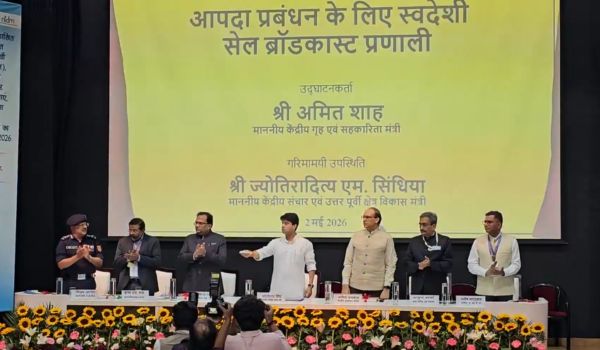
In a significant stride toward a "Disaster Resilient India," the Ministry of Communications recently launched the indigenously developed Cell Broadcast System (CBS). Developed by the Centre for Development of Telematics (C-DOT) in collaboration with the National Disaster Management Authority (NDMA), this technology marks a paradigm shift from a reactive to a proactive disaster management framework.
What is the Cell Broadcast System (CBS)?
The Cell Broadcast System is a mobile communication technology that allows the government to send critical, un-queued emergency alerts to all mobile devices within a specific geographical area. Unlike traditional Point-to-Point SMS, CBS is a one-to-many service.
- Developer: Centre for Development of Telematics (C-DOT).
- Protocol: Based on the Common Alerting Protocol (CAP), a global standard recommended by the International Telecommunication Union (ITU).
- Integration: It is integrated with the SACHET platform (India’s National Disaster Alert Platform), which consolidates alerts from various agencies like IMD, CWC, and INCOIS.
Core Mechanism: How it Works
CBS functions by broadcasting messages from a central platform to designated Base Transceiver Stations (BTS) or cell towers. These towers then transmit the alert to every active handset within their signal radius.
- No Queuing: Unlike SMS, which is delivered individually and can be delayed by network congestion, CBS messages are delivered to millions of users simultaneously.
- Network Independence: It does not require the recipient’s phone number or internet connectivity. As long as a phone is connected to a cell tower, it will receive the alert.
- Override Capabilities: The alerts bypass "Silent" or "Do Not Disturb" modes, appearing as a pop-up with a distinct loud siren and vibration to ensure immediate attention.
Key Features of the Indigenous CBS
|
Feature |
Deion |
|
Precise Geo-Targeting |
Alerts can be narrowed down to a single cell tower, a neighborhood, or scaled to an entire state. |
|
Multilingual Support |
Alerts are disseminated in English, Hindi, and local regional languages to ensure inclusivity. |
|
Accessibility |
Includes a "Read-Aloud" capability for the visually impaired and distinct tones for the hearing impaired. |
|
Device Compatibility |
Works across all generations of mobile technology, from 2G to 5G. |
|
Data Privacy |
Since it is a broadcast and does not require phone numbers, it does not track or store personal user data. |
CBS vs. Traditional SMS: A Comparative Analysis
- Bandwidth Efficiency: SMS uses the signaling channel which can crash during emergencies due to high traffic; CBS uses a dedicated broadcast channel.
- Speed: SMS is delivered in a "store and forward" manner (queuing), whereas CBS is "near real-time."
- Targeting: SMS targeting depends on the database of phone numbers; CBS targets anyone within the physical reach of a radio cell.
Significance for India’s Disaster Management
- Zero Lead Time Disasters: Highly effective for "now-casting" events like flash floods, lightning strikes, landslides, and gas leaks where every second counts.
- Technological Sovereignty: By developing this indigenously, India joins a select group of nations (like the USA and Japan) with homegrown emergency alert capabilities, reducing dependency on foreign vendors.
- Last-Mile Connectivity: Ensures that even the most remote populations with basic handsets receive life-saving information.
- Strengthening National Security: Provides a verified, official channel for government-to-citizen communication, which helps in curbing rumors and panic during crises.