
NCRB’s Crime in India 2024 Report

- 08 May 2026
In News:
The National Crime Records Bureau (NCRB) recently released its annual 'Crime in India - 2024' and 'Accidental Deaths & Suicides in India (ADSI) - 2024' reports.
National Crime Trends: A Statistical Overview
In 2024, India recorded 58.85 lakh cognisable crimes, marking a 6% decline from the 62.41 lakh cases in 2023. The national crime rate (cases per lakh population) subsequently dropped to 418.9, the lowest since 2019.
- The 'BNS' Factor: The decline is partially attributed to the implementation of the Bharatiya Nyaya Sanhita (BNS), 2023. Specifically, the reclassification of "simple hurt" as a non-cognisable offence led to a 30.58% drop in that category, artificially deflating the overall crime figures.
- Traditional Offences: Murder cases dipped marginally by 2.4%, while kidnapping and abduction saw a significant 15.4% decrease. Property crimes like theft and robbery also trended downward.
- Vulnerable Sections:
- Children: Crimes rose by 5.9%, with the crime rate reaching 42.3 per lakh children.
- Senior Citizens: A stark 16.9% surge was recorded, primarily driven by theft, forgery, and fraud.
- Women: Reported cases declined slightly (1.5%), but the rate remains high at 64.6, with "cruelty by husband or relatives" being the most prevalent crime.
- Marginalised Communities: Crimes against Scheduled Tribes (STs) saw a sharp decline of 23.1%, while those against Scheduled Castes (SCs) dipped by 3.6%.
The Cybercrime Epidemic
The most alarming finding is the 17% surge in cybercrime, totaling over 1.01 lakh cases. This highlights a shift from physical to "borderless" digital crimes.
Drivers of the Surge
- AI Weaponization: Criminals are using Generative AI for deepfakes, voice cloning, and hyper-personalized phishing.
- 'Digital Arrest' Scams: A prominent new trend where scammers pose as law enforcement (CBI/Police) over video calls to extort life savings through psychological coercion.
- Human Firewall Deficit: Only 38% of Indian households are digitally literate, leaving a vast population vulnerable to social engineering.
- Organised Syndicates: Crime has moved from isolated acts to institutionalized operations in hubs like Jamtara and Mewat, exploiting "mule" bank accounts.
- Critical Infrastructure Threats: The Election Commission reported over 68 lakh cyberattack attempts during state assembly elections, targeting key digital portals.
Public Health and Mental Well-being (ADSI 2024)
The ADSI report highlights a deepening mental health and substance abuse crisis.
- Suicides: India recorded 1,70,746 suicides in 2024. Among metros, Bengaluru reported the highest suicide rate at 20 per lakh population.
- Drug Overdose: Fatalities due to drug overdoses saw a staggering 50% increase compared to 2023, reflecting a critical need for targeted de-addiction and mental health interventions.
Strengthening India’s Security and Governance Framework
To address these emerging threats, a multi-pronged strategy is required:
1. Structural and Administrative Reforms
- Specialised Cyber Cadre: Moving away from a "generalist" police model to a technical cadre within state and central agencies via lateral entry for tech experts.
- Statutory I4C: Elevating the Indian Cyber Crime Coordination Centre (I4C) into a statutory national agency to resolve jurisdictional deadlocks.
2. Legal and Technological Fortification
- Digital Evidence Standards: Streamlining protocols under the Bharatiya SakshyaAdhiniyam (BSA), 2023 to ensure digital evidence stands up in court.
- Zero-Trust Architecture: Integrating "Security by Design" into India’s Digital Public Infrastructure (UPI, Aadhaar) to protect against sophisticated phishing.
3. Social Justice and Awareness
- Senior Citizen Security Grid: Implementing station-level security for the elderly to combat the 16.9% spike in crimes against them.
- National Digital Hygiene Mission: Using "Nudge Theory" to educate citizens on digital arrests and phishing, creating a "Human Firewall."
National Crime Records Bureau (NCRB)
Established in 1986 under the Ministry of Home Affairs, the NCRB serves as the national repository of crime data.
- Major Publications:Crime in India, ADSI, and Prison Statistics India.
- Key Platforms:
- CCTNS: Connects 15,000 police stations for real-time FIR sharing.
- NAFIS: A searchable fingerprint database assigning a unique 10-digit ID to offenders.
- NDSO: A central registry for tracking convicted sexual offenders.
Project Freedom
- 08 May 2026
In News:
Recently, the United States announced a temporary suspension of Project Freedom—a high-stakes military and humanitarian mission in the Persian Gulf. This pause is intended to provide space for diplomatic negotiations mediated by Pakistan, aiming for a comprehensive agreement with Iran to end the maritime blockade.
Overview of Project Freedom
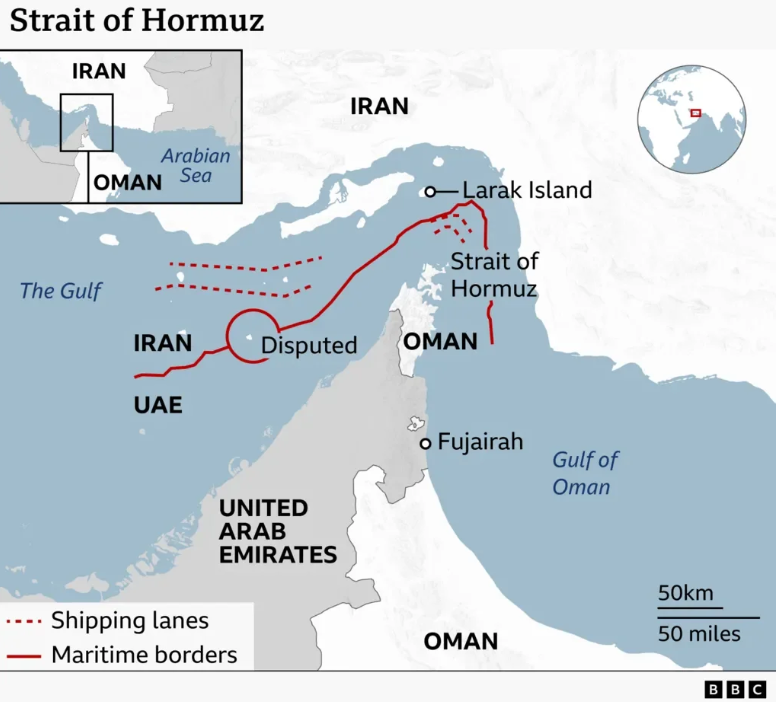
Launched in early May 2026, Project Freedom was the U.S.-led response to an Iranian blockade of the Strait of Hormuz, which had effectively paralyzed one of the world's most vital maritime arteries.
- Humanitarian Mission: The operation’s most immediate priority was the extraction of approximately 23,000 civilians hailing from 87 different nations. these individuals had been stranded aboard merchant vessels in the Persian Gulf for several weeks due to the geopolitical standoff.
- Economic Imperative: The mission aimed to restore global commercial flows. The Strait of Hormuz is a "chokepoint" of unparalleled importance, facilitating the passage of nearly 20% of the world's total oil supply.
- Strategic Overwatch: U.S. Central Command (CENTCOM) established an "Enhanced Security Area" utilizing Omani territorial waters on the southern side of the Strait. This corridor was designed to provide a safe passage for neutral vessels, shielding them from asymmetric threats such as Iranian drones, fast-attack boats, and naval mines.
Military Assets and Tactical Challenges
The mission involved a massive mobilization of "overwatch" capabilities to deter escalation while facilitating rescue operations:
- Naval Presence: The deployment was spearheaded by guided-missile destroyers, including the USS Tripoli amphibious ready group.
- Air Superiority: Over 100 aircraft, including F-16s, F-35s, and Sea Hawk helicopters, provided 24-hour aerial surveillance and defensive cover.
- Technological Edge: The mission utilized multi-domain unmanned platforms (sea and air drones) to detect subsurface threats.
- The Mine Menace: Despite the technological superiority, CENTCOM officials highlighted that traditional shipping lanes remain "extremely hazardous." The presence of Iranian-laid naval mines continues to be a primary obstacle to the full resumption of commercial traffic.
The Role of Diplomacy and Mediation
The suspension of active military maneuvers under Project Freedom marks a shift toward a "diplomacy-first" approach.
- Pakistan’s Mediation: In a rare diplomatic alignment, Pakistan has emerged as the primary mediator between Washington and Tehran. This role underscores Islamabad's strategic interest in regional stability and its unique ability to engage with both the Western bloc and its neighbor, Iran.
- The Threat of Escalation: The suspension comes amidst a backdrop of high-intensity rhetoric. While a diplomatic window has opened, the U.S. administration has simultaneously warned of "higher-level" military consequences should negotiations fail or if Iran continues to threaten global shipping.
Geopolitical Significance for India
The Hormuz crisis and the subsequent Project Freedom have direct implications for India's national interests:
- Energy Security: India imports a vast majority of its crude oil from the Gulf region. Any prolonged closure of the Strait leads to a surge in global oil prices, impacting India’s fiscal deficit and domestic inflation.
- Diaspora Safety: With thousands of Indian seafarers often employed on global merchant fleets, the humanitarian aspect of Project Freedom is of direct concern to the Ministry of External Affairs.
- Strategic Autonomy: India has traditionally maintained a balanced relationship with both Iran and the U.S., often advocating for freedom of navigation while respecting regional sovereignty.
Rusty-Spotted Cat

- 08 May 2026
In News:
In a significant breakthrough for wildlife conservation, researchers have documented the first photographic evidence of a rusty-spotted cat (Prionailurus rubiginosus) breeding within the Aravalli hills of Delhi-NCR and Haryana. The sighting of a female with a kitten in the scrublands of Faridabad confirms that the species is actively reproducing outside traditionally protected areas. This discovery underscores the critical ecological role of the Aravallis as a biodiversity corridor amidst rapid urban expansion.
Profile of the "Hummingbird of the Cat Family"
The rusty-spotted cat is an evolutionary marvel, holding the title of the world's smallest wild cat species. Due to its diminutive size—weighing a mere 1 to 1.5 kg—it is often colloquially referred to as the "hummingbird of the cat family."
- Physical Features: It is characterized by a fawn-grey coat adorned with distinct rust-colored spots along its back and flanks. Its small stature and specialized markings provide excellent camouflage in dense scrub and rocky terrains.
- Behavioral Traits: The species is primarily nocturnal, highly agile, and significantly arboreal. Its diet is diverse, consisting of rodents, insects, frogs, and small birds.
- Adaptability: While traditionally thought to be shy and reliant on deep forests, the recent evidence suggests the cat is remarkably adaptable, surviving in agricultural fringes and human-modified landscapes.
Distribution and Global Significance
The rusty-spotted cat is endemic to the Indian subcontinent, found only in India, Sri Lanka, and Nepal.
- India’s Role: India is the primary stronghold for the species, harboring approximately 80% of its global population.
- Indian Range: Its presence in India is widespread, stretching from Tamil Nadu in the south to Jammu and Kashmir in the north, including significant populations in Madhya Pradesh, Odisha, and Gujarat.
- The Aravalli Context: The sighting in the Haryana-Delhi stretch of the Aravallis is pivotal. It proves that the "waste" scrublands of this ancient mountain range are vital habitats capable of supporting the full life cycle of rare carnivores.
Conservation Status and Legal Protection
Given its restricted range and small population size, the rusty-spotted cat is accorded high priority under various international and national legal frameworks:
- IUCN Red List: Classified as Near Threatened.
- Wildlife (Protection) Act, 1972: Listed under Schedule I, granting it the highest level of legal protection in India, equivalent to that of the Tiger or the Asiatic Lion.
- CITES: Included in Appendix I for the Indian population (prohibiting international trade) and Appendix II for the Sri Lankan population.
Critical Threats and Conservation Challenges
Despite its adaptability, the species faces multifaceted challenges that threaten its long-term survival in the Delhi-NCR region and beyond:
- Habitat Fragmentation: The Aravallis face relentless pressure from real estate development, illegal mining, and agricultural encroachment. This fragments the landscape, isolating breeding populations.
- Infrastructure Hazards: As nocturnal animals moving between forest patches, these cats face high roadkill mortality on the dense network of highways cutting through the Aravalli corridor.
- Human-Wildlife Conflict: In rural and semi-urban fringes, they are often victims of retaliatory killings by farmers who mistake them for pests or fear for their poultry.
- Environmental Degradation: Deforestation and the spread of invasive species reduce the availability of its natural prey base, such as rodents and small birds.
JANANI Platform
- 08 May 2026
In News:
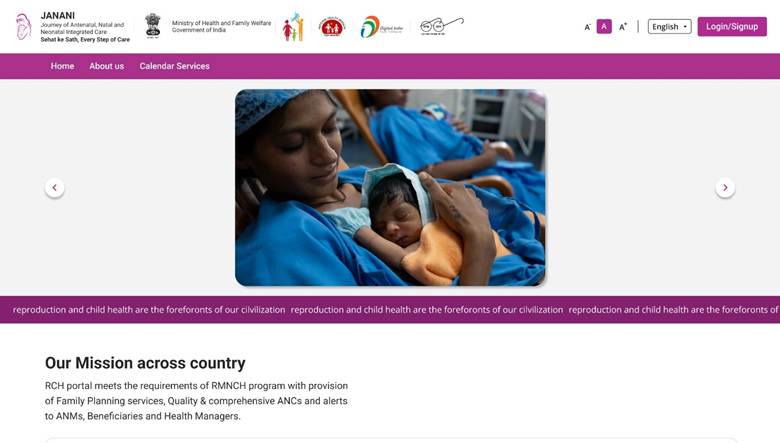
The Union Ministry of Health and Family Welfare recently launched the JANANI (Journey of Antenatal, Natal, and Neonatal Integrated Care) platform. Designed as a sophisticated, service-oriented digital ecosystem, JANANI represents an upgraded evolution of the existing Reproductive and Child Health (RCH) portal.
Core Objectives and Vision
The primary goal of the JANANI platform is to provide a comprehensive, end-to-end digital lifecycle for monitoring health records of women during their reproductive years and their children. It aims to bridge the gap between "point-of-care" and "data-tracking" by ensuring that no critical health milestone—from conception to early childhood—is missed.
The platform covers a broad spectrum of services, including:
- Antenatal Care (ANC): Early registration and monitoring of pregnancies.
- Delivery Preparedness: Ensuring institutional readiness for safe childbirth.
- Neonatal and Postnatal Care: Monitoring the health of both the mother and the newborn immediately after birth.
- Early Childhood Care: Home-based newborn and young child care (HBYC), including immunization and nutrition tracking.
- Family Planning: Digital integration of reproductive health choices.
Key Technological Features
JANANI leverages India’s growing Digital Public Infrastructure (DPI) to enhance service delivery through the following features:
- QR-Enabled MCH Cards: The platform introduces digital Mother and Child Health (MCH) cards equipped with QR codes. This ensures portability, allowing a migrant mother to access her records at any health facility across India.
- Interoperability and Integration: A standout feature is its ability to sync with existing national platforms. It integrates seamlessly with U-WIN (for immunizations) and POSHAN (for nutritional tracking), creating a unified health profile.
- Unique Identification and Registration: Beneficiaries can register using unique identifiers such as ABHA (Ayushman Bharat Health Account), Aadhaar-based authentication (OTP/Biometric), or mobile numbers. The platform also offers a pan-India search functionality for healthcare providers to locate records quickly.
- Smart Tracking and Automated Alerts: To reduce maternal and infant mortality, the platform incorporates automated alerts for high-risk pregnancies. It generates "due-lists" for frontline health workers (ASHAs and ANMs), ensuring targeted interventions and timely follow-ups.
- Beneficiary Empowerment: Through web and mobile self-registration, women can actively participate in their healthcare journey, receive reminders for upcoming ANC visits, and track their child's immunization schedule.
Strategic Significance for Public Health
The launch of the JANANI platform aligns with India's commitment to achieving the Sustainable Development Goals (SDGs), particularly Goal 3 (Good Health and Well-being).
- Reduction in MMR and IMR: By identifying high-risk cases in real-time and ensuring the "continuum of care," the platform is expected to significantly contribute to reducing the Maternal Mortality Ratio (MMR) and Infant Mortality Rate (IMR).
- Data-Driven Governance: Real-time dashboards provide supervisory authorities with actionable data, allowing for better resource allocation and performance monitoring of health facilities.
- Inclusive Reach: By providing a multilingual and portable interface, it addresses the needs of the mobile and rural population, ensuring that quality healthcare is not restricted by geography.
Comparison: RCH Portal vs. JANANI Platform
While the RCH portal laid the groundwork for tracking maternal health, JANANI introduces a more user-centric and interoperable approach. Unlike the older system which was largely a data-entry tool for health workers, JANANI is a service-delivery tool that provides direct value to the citizen through self-registration and real-time health milestone tracking.
Yildirimhan Missile

- 08 May 2026
In News:
In a move that significantly alters the geopolitical landscape of the Middle East and the NATO alliance, Türkiye recently unveiled the prototype of its first Intercontinental Ballistic Missile (ICBM), named the Yildirimhan. This development marks a milestone in Türkiye’s decades-long pursuit of defense self-reliance and establishes the nation as a formidable global power with the ability to project force across three continents.
Technical Specifications of the Yildirimhan
The Yildirimhan is designed for long-range strategic deterrence, featuring engineering specifications that place it among the most advanced missile systems in the world.
- Range and Reach: With an operational range of 6,000 km, the missile can strike targets across Europe, Africa, and Asia from the Turkish mainland.
- Velocity: The missile is reported to reach extreme hypersonic speeds of up to Mach 25 (25 times the speed of sound), equivalent to nearly eight kilometers per second. This speed makes it exceptionally difficult for current missile defense systems to intercept.
- Propulsion and Fuel: It utilizes a four-rocket propulsion system fueled by liquid nitrogen tetroxide. While liquid-fueled missiles require more time for launch preparation compared to solid-fueled variants, they allow for superior optimization of the missile's range and payload capacity.
- Payload Capacity: The Yildirimhan is capable of carrying single or multiple warheads with a combined weight of up to three tonnes.
- Mobility: To enhance survivability against first-strike attacks, the missile is designed to be deployed from a mobile wheeled launcher, allowing it to be moved across various terrains.
Strategic Significance and Global Implications
The unveiling of the Yildirimhan represents more than just a technological achievement; it signals a shift in Türkiye’s strategic identity.
- Strategic Autonomy: By developing an indigenous ICBM, Türkiye reduces its dependence on foreign defense technology—primarily from NATO allies like the United States—and strengthens its "Strategic Autonomy" doctrine.
- NATO Dynamics: As a key member of NATO, Türkiye’s possession of an ICBM introduces new complexities within the alliance. While it adds to the collective deterrent of the bloc, it also gives Ankara more leverage in regional disputes.
- Middle Eastern Power Balance: The missile establishes Türkiye as the only nation in the Middle East, alongside Israel (with its undeclared capabilities) and Iran (with its satellite launch vehicles), to possess or be nearing long-range delivery systems.
- Deterrence and Regional Influence: The 6,000 km range ensures that Türkiye can deter threats far beyond its immediate borders, influencing geopolitics from the Mediterranean to Central Asia.
Challenges and Considerations
The transition from a prototype to an operational ICBM force involves several hurdles:
- Guidance and Re-entry: The most critical challenge for an ICBM is not just the launch, but the ability of the warhead to survive re-entry into the Earth's atmosphere at Mach 25 while maintaining precision guidance.
- International Reactions: The development of ICBMs often triggers concerns regarding the Missile Technology Control Regime (MTCR) and can lead to sanctions or increased diplomatic pressure from global powers wary of proliferation.
- Liquid Fuel Vulnerability: The choice of liquid nitrogen tetroxide necessitates a longer fueling window, during which the mobile launcher is most vulnerable to pre-emptive detection and strikes.