
Logistics Port Performance Index
- 31 May 2026
In News:
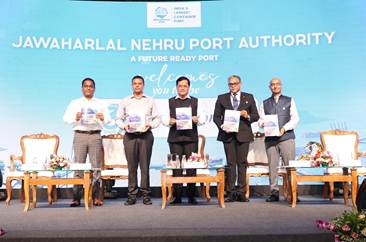
The Ministry of Ports, Shipping and Waterways (MoPSW) has launched the Logistics Port Performance Index (LPPI) for FY 2024–25 along with four major digital initiatives aimed at improving governance, operational efficiency and ease of doing business in India's maritime sector. These initiatives are expected to support India's ambition of becoming a globally competitive maritime and logistics hub under the Maritime India Vision 2030 and Maritime Amrit Kaal Vision 2047.
What is the Logistics Port Performance Index (LPPI)?
The Logistics Port Performance Index (LPPI) is a national benchmarking framework developed under the Sagar Aankalan initiative to assess, compare and improve the operational efficiency of Indian ports. It introduces a standardized performance assessment mechanism that enables ports to benchmark themselves against national best practices while encouraging continuous operational improvement.
Unlike conventional ranking systems, the LPPI evaluates not only the present performance of ports but also their year-on-year progress, thereby promoting sustained efficiency gains rather than one-time achievements. The framework supports evidence-based policymaking and facilitates healthy competition among ports.
Objectives
- Establish a uniform national benchmark for port performance.
- Improve cargo handling efficiency and reduce logistics costs.
- Promote transparency, accountability and data-driven governance.
- Strengthen India's competitiveness in global maritime trade.
- Support integrated multimodal logistics under the PM Gati Shakti National Master Plan.
- Contribute to the goals of Maritime India Vision 2030 and Maritime Amrit Kaal Vision 2047.
Assessment Parameters
The LPPI evaluates ports across three cargo segments:
- Dry Bulk Cargo
- Liquid Bulk Cargo
- Container Cargo
Performance is measured using key operational indicators such as:
- Cargo handled
- Vessel Turnaround Time (VTT)
- Berth Idle Time
- Pre-Berthing Waiting Time (PBWT)
- Container Dwell Time
- Ship Berth Day Output
A distinctive feature of the index is that it gives equal weightage (50:50) to:
- Absolute operational performance.
- Improvement over the previous year.
This approach incentivises both efficiency and continuous reform.
Top Performing Ports (FY 2024–25)
- Dry Bulk Cargo (>5 MillionTonnes):Paradip Port Authority
- Liquid Bulk Cargo:Sikka Port and Terminals
- Container Cargo (>0.5 Million TEUs):Mundra Port
- Second among Major Container Ports:Jawaharlal Nehru Port Authority (JNPA)
Major Digital Initiatives Launched
To complement the LPPI, the Directorate General of Shipping introduced four digital platforms to improve service delivery and transparency across the maritime ecosystem.
1. 24×7 Grievance Redressal Module (e-Navik Platform)
- Enables round-the-clock grievance registration and monitoring for seafarers.
- Enhances transparency and accountability in grievance resolution.
2. Ship Registration Module (e-Samudra Platform)
- Digitises the ship registration process.
- Reduces paperwork and processing time while improving ease of doing business.
3. Medical Practitioner Module
- Creates a digital registry of authorised medical practitioners conducting medical examinations of seafarers.
- Improves standardisation and regulatory compliance.
4. Unified Ship Recycling Credit Note Module
- Integrated portal supporting the Ship Recycling Credit Scheme.
- Ship owners recycling vessels at Hong Kong Convention-compliant Indian ship recycling yards receive a credit note equal to 40% of the vessel's scrap value, which can be redeemed against new shipbuilding projects in India.
- The initiative forms part of the Government's ?70,000-crore Maritime Development Package (2025) to promote domestic shipbuilding and green ship recycling.
Significance for India
- Improves port productivity and operational efficiency.
- Reduces logistics costs and vessel turnaround time.
- Encourages digital governance in the maritime sector.
- Supports sustainable ship recycling and indigenous shipbuilding.
- Enhances India's integration with global supply chains.
- Strengthens India's position as a leading maritime and logistics nation under the Blue Economy framework.
India-China 35th WMCC Meeting
- 31 May 2026
In News:
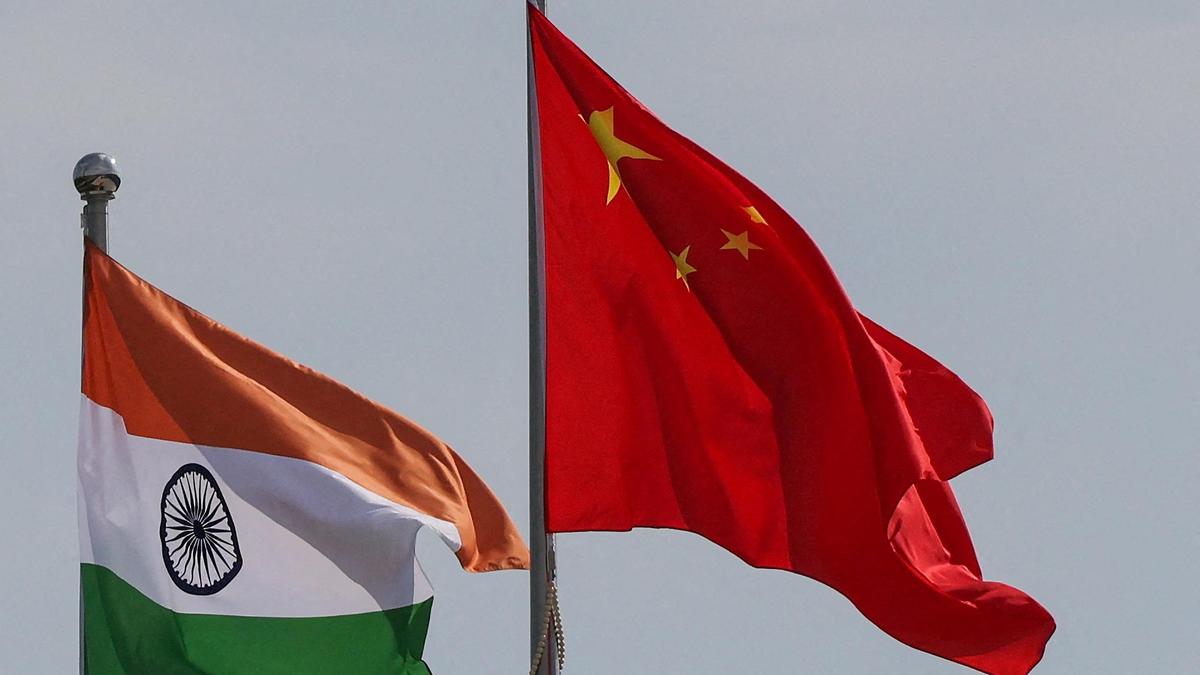
India and China recently held the 35th meeting of the Working Mechanism for Consultation and Coordination on India-China Border Affairs (WMCC) in Beijing. The discussions focused on maintaining peace along the Line of Actual Control (LAC) and advancing efforts towards the normalisation of bilateral relations.
Key Highlights of the WMCC Meeting
The meeting served as an important diplomatic platform to address ongoing border-related issues and strengthen coordination mechanisms between the two countries.
- Focus Areas of Discussion:
- Border delimitation and clarification of the LAC.
- Border management and confidence-building measures.
- Mechanism building for sustained dialogue.
- Cross-border cooperation initiatives.
- Peace and Stability:Both sides expressed satisfaction over the progress made in maintaining peace and tranquillity along the LAC, recognising that stability at the border is essential for improving overall bilateral relations.
- Trans-border Rivers Mechanism:India emphasised the need for an early meeting of the Expert Level Mechanism on Trans-border Rivers, highlighting its strategic and ecological importance, particularly in the context of water sharing and data exchange.
- Special Representatives (SR) Talks:Both countries agreed to actively prepare for the 25th round of Special Representatives (SR) talks on the boundary question, which will be hosted in China.
India-China Border: An Overview
India shares a 3,488 km-long border with China, spanning multiple states and union territories:
- Ladakh: 1,597 km
- Himachal Pradesh: 200 km
- Uttarakhand: 345 km
- Sikkim: 220 km
- Arunachal Pradesh: 1,126 km
The Line of Actual Control (LAC) emerged after the 1962 India-China War and functions as the de facto boundary between the two countries.
- India considers the LAC to be 3,488 km long, while China estimates it at approximately 2,000 km.
- The boundary remains undemarcated, and efforts to clarify and confirm its alignment are ongoing.
- The Indo-Tibetan Border Police (ITBP) is the primary force responsible for guarding the India-China border.
Sectors of the India-China Border
- The India-China border is divided into three sectors, each with distinct geographical and historical characteristics:
|
Sector |
Bordering States/UTs |
Key Dispute & Historical Claims |
|
Western |
Ladakh |
Dispute centred on Aksai Chin. India bases its claim on the Johnson Line (1865), while China relies on the McDonald Line (1893). |
|
Middle |
Himachal Pradesh, Uttarakhand |
Least contentious sector; the only region where both countries have exchanged maps. |
|
Eastern |
Sikkim, Arunachal Pradesh |
Dispute revolves around the McMahon Line (1914 Simla Convention). China rejects this line and claims Arunachal Pradesh as "South Tibet" |
India's First Indigenous Hydrogen Train
- 31 May 2026
In News:
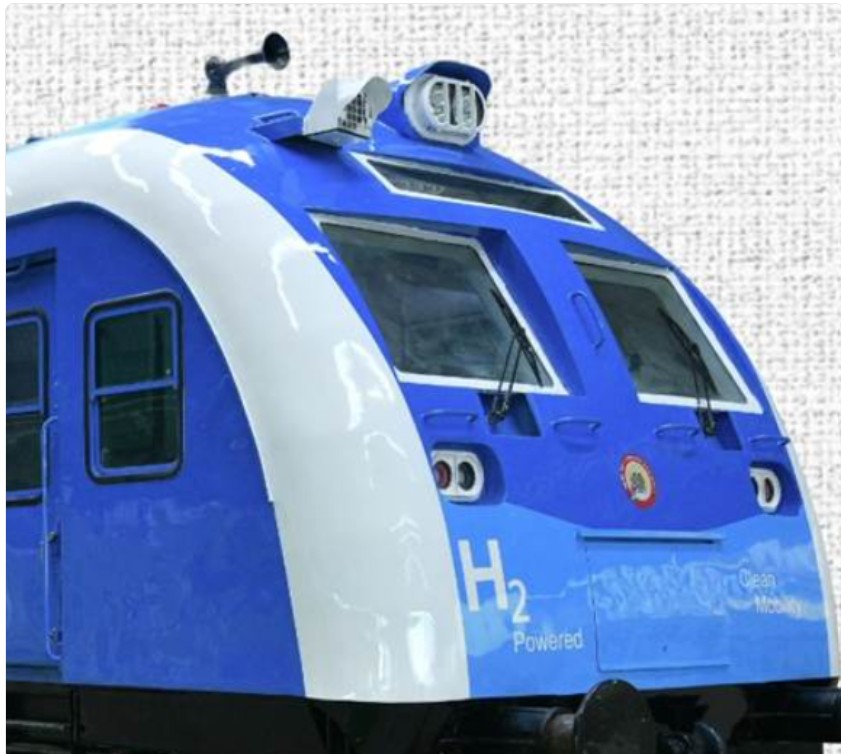
Indian Railways has approved the operational rollout of India's first indigenous Hydrogen Fuel Cell-based train on the Jind–Sonipat section in Haryana. Developed by the Research Designs and Standards Organisation (RDSO), the train marks a significant milestone in India's transition towards clean, indigenous and sustainable rail transportation.
About the Hydrogen Fuel Cell Train
The hydrogen train is a 10-car passenger trainset powered entirely by a Hydrogen Fuel Cell Propulsion System, making it India's first indigenously developed hydrogen-powered train. Unlike conventional diesel locomotives, it does not burn fossil fuels. Instead, it generates electricity through an electrochemical reaction between compressed hydrogen stored onboard and oxygen from the atmosphere. The electricity produced powers the train's 1,200 kW propulsion system, while the only by-products released are water vapour and heat, making it a zero tailpipe emission mode of transport.
The project has been developed by the Research Designs and Standards Organisation (RDSO), the research and standards-setting body of Indian Railways, and supports the Railways' objective of achieving Net Zero Carbon Emissions by 2030.
How Does a Hydrogen Fuel Cell Work?
A hydrogen fuel cell converts the chemical energy of hydrogen directly into electrical energy without any combustion process.
The working mechanism involves the following steps:
- Hydrogen Storage: Compressed hydrogen is stored in onboard high-pressure tanks.
- Electrochemical Reaction: Hydrogen reacts with oxygen from the atmosphere inside the fuel cell stack across a specialised membrane.
- Electricity Generation: The reaction produces electricity, which powers the traction motors and onboard electrical systems.
- By-products: The only emissions are water vapour and heat, making the technology environmentally friendly.
Unlike batteries, fuel cells continue generating electricity as long as hydrogen fuel is supplied.
Key Features
The hydrogen train incorporates several technological and operational innovations:
- Pilot Route: Jind–Sonipat section in Haryana.
- Train Configuration: Indigenous 10-car passenger trainset.
- Propulsion System: 1,200 kW Hydrogen Fuel Cell.
- Maximum Operational Speed: 75 kmph.
- Refuelling Infrastructure: Dedicated hydrogen production, compression and refuelling facility at Jind station.
- Maintenance Base: Dedicated workshop at Shakurbasti.
- Safety Measures: Hydrogen leak detectors, flame detectors, automated monitoring systems, standby compressors and RDSO-approved Standard Operating Procedures (SOPs).
- Operational Monitoring: Initial operations will be supervised by trained technical personnel to ensure safety and performance.
Significance
The launch of the hydrogen train represents an important step in the decarbonisation of Indian Railways, particularly on non-electrified railway routes, where diesel locomotives continue to operate. Hydrogen fuel cell technology offers a clean alternative by eliminating carbon emissions at the point of use while reducing dependence on imported fossil fuels.
The project also complements the objectives of the National Green Hydrogen Mission, promotes indigenous technological capabilities under Atmanirbhar Bharat, and strengthens India's commitment towards achieving its climate goals. If the pilot project proves successful, hydrogen-powered trains could be deployed on other non-electrified routes where complete railway electrification is economically challenging.
Challenges
Despite its potential, hydrogen rail technology faces several constraints:
- High production cost of green hydrogen due to expensive electrolysers and renewable energy requirements.
- Limited hydrogen production, storage and transportation infrastructure.
- High initial capital investment for refuelling stations and fuel cell technology.
- Hydrogen is highly flammable, necessitating stringent safety standards and continuous monitoring.
- Long-term commercial viability depends on reducing hydrogen production costs and improving fuel cell efficiency.
Judiciary’s Role in Complete Justice
- 31 May 2026
In News:
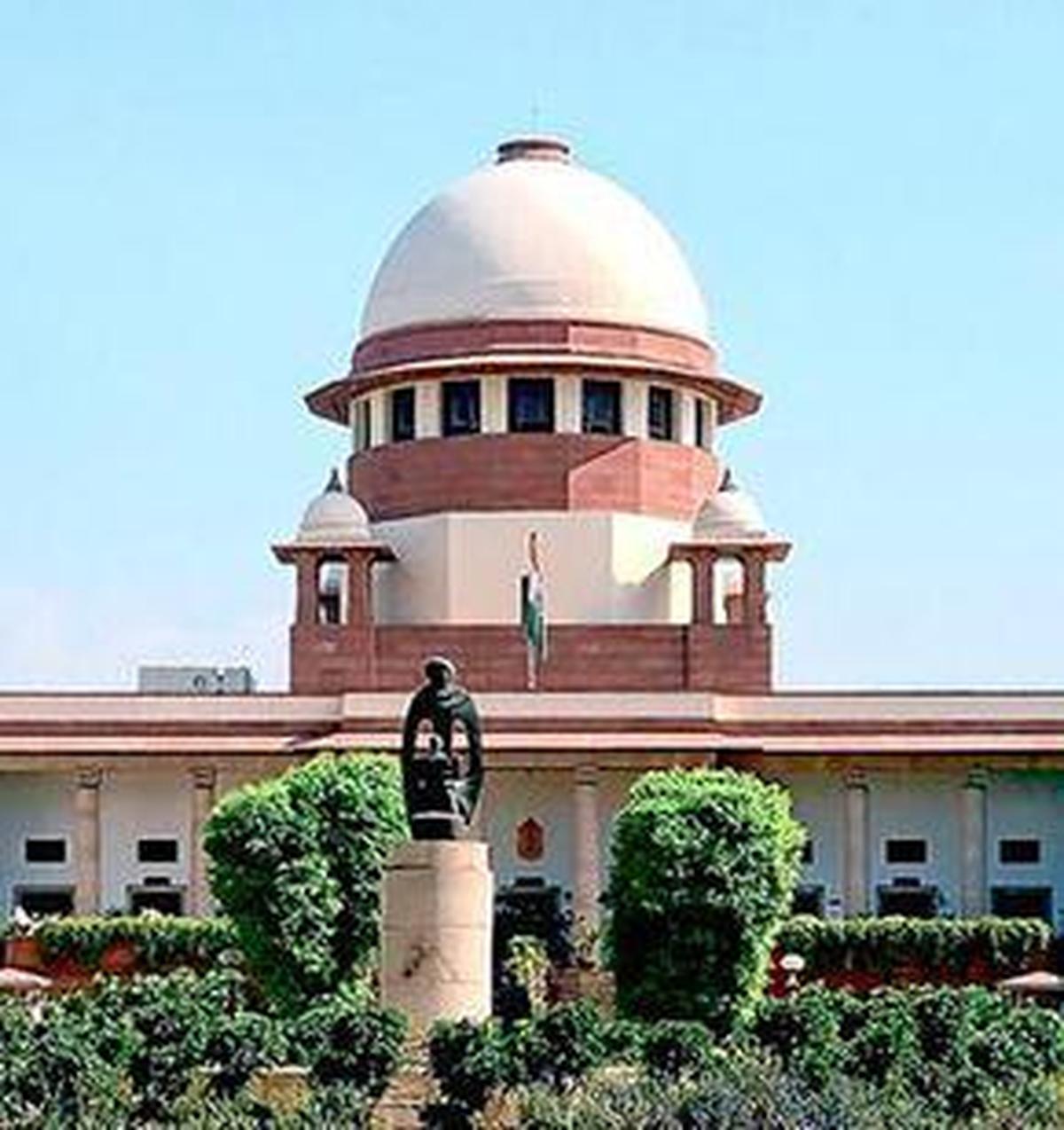
The Supreme Court of India, while taking suo motu cognisance of two fatal road accidents, held that the Right to Safe Travel on National Highways forms an integral part of the Right to Life under Article 21 of the Constitution. Invoking its extraordinary powers under Article 142, the Court issued directions aimed at strengthening road safety and ensuring accountability of highway authorities. The judgment has once again brought into focus the Supreme Court's constitutional role in delivering "complete justice."
What is the Doctrine of Complete Justice?
The doctrine of complete justice is a unique constitutional power vested exclusively in the Supreme Court under Article 142. Unlike ordinary judicial powers that operate within the boundaries of statutory law and procedural rules, Article 142 empowers the Court to pass any decree or order necessary to ensure that justice is fully achieved in matters pending before it.
This extraordinary jurisdiction acts as a constitutional safety valve, enabling the Court to bridge legislative gaps, remedy exceptional situations, and protect constitutional rights where existing laws prove inadequate. Rather than being confined to procedural technicalities, the Court is empowered to uphold substantive justice in accordance with the spirit of the Constitution.
Constitutional Framework Governing Complete Justice
The Supreme Court's exercise of complete justice is rooted in a combination of constitutional provisions that collectively strengthen its role as the guardian of fundamental rights.
- Article 142 grants the Supreme Court the authority to pass any order necessary for doing complete justice in any matter before it. This power is unique to the apex court and cannot ordinarily be curtailed by statutory limitations.
- Article 21, which guarantees the Right to Life and Personal Liberty, has been interpreted expansively over the years to include several derivative rights such as the right to livelihood, clean environment, education, privacy and, most recently, the right to safe travel on National Highways.
- Article 141 provides that the law declared by the Supreme Court is binding on all courts in India. Consequently, principles evolved while exercising Article 142 become authoritative precedents unless modified by a larger Bench or constitutional amendment.
- While Article 226 empowers High Courts to enforce fundamental rights through writ jurisdiction, it does not confer powers equivalent to Article 142. High Courts remain bound by statutory limitations and cannot exercise the same broad residuary jurisdiction available to the Supreme Court.
Judicial Recognition of Safe Highways as a Fundamental Right
Road accidents remain one of India's gravest public safety challenges, claiming over 1.7 lakh lives annually. Treating road safety as merely an administrative responsibility has often resulted in fragmented implementation and weak accountability.
Recognising this reality, the Supreme Court held that safe mobility is inseparable from the constitutional guarantee of life and dignity under Article 21. By declaring safe travel on National Highways a fundamental right, the Court transformed road safety from a policy objective into a constitutional obligation.
The judgment places a greater responsibility on governments, highway authorities and implementing agencies to ensure scientifically designed roads, effective enforcement of traffic laws, emergency medical response systems and continuous monitoring of highway safety standards.
Significance of the Doctrine of Complete Justice
The power under Article 142 has played a transformative role in the evolution of Indian constitutional jurisprudence. It enables the Supreme Court to respond effectively when statutory law fails to address emerging social realities or when procedural barriers prevent justice.
The doctrine allows the Court to protect fundamental rights even in situations where legislation is silent or inadequate. It has often served as a mechanism for advancing constitutional morality and adapting legal principles to changing societal needs.
Another important contribution of Article 142 lies in its ability to ensure effective implementation of constitutional values. By issuing binding directions in areas such as environmental protection, gender justice, police reforms and now road safety, the Court has sought to strengthen governance where executive action has been insufficient.
The recognition of safe highways as a constitutional right illustrates how judicial interpretation can convert public welfare objectives into enforceable constitutional guarantees.
Sample Registration System (SRS) Statistical Report 2024
- 31 May 2026
In News:
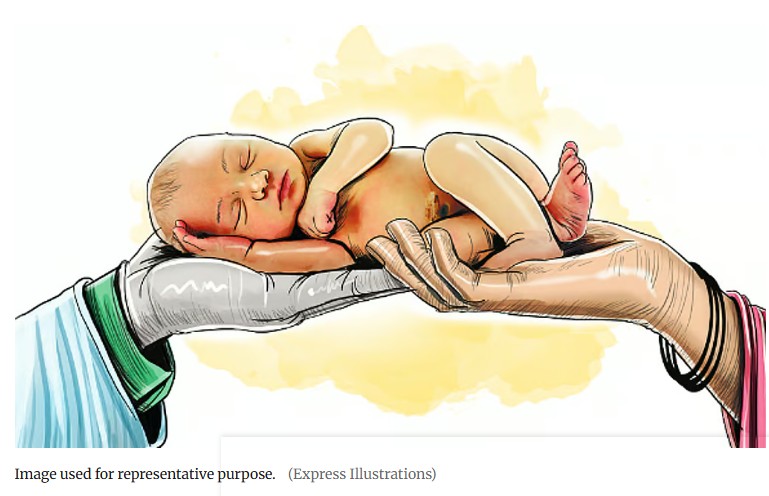
The Office of the Registrar General & Census Commissioner, under the Ministry of Home Affairs, has released the Sample Registration System (SRS) Statistical Report 2024, which reveals that India's Total Fertility Rate (TFR) has declined to 1.9, falling below the replacement level of 2.1 for the first time. The report highlights significant improvements in maternal and child health while also signalling the beginning of a new demographic challenge marked by population ageing and regional disparities.
About the Sample Registration System (SRS)
- The Sample Registration System (SRS) is India's largest continuous demographic survey and serves as the country's most reliable source of annual estimates on fertility and mortality.
- Conducted by the Office of the Registrar General & Census Commissioner under the Ministry of Home Affairs, the survey provides annual estimates of the Birth Rate, Death Rate, Infant Mortality Rate (IMR), Under-Five Mortality Rate (U5MR), Total Fertility Rate (TFR) and other demographic indicators between two Census operations.
- The 2024 report is based on the 2011 Census sampling frame and covers nearly 8.9 million individuals across 8,839 sample units, making it the principal macro-level demographic database for policy formulation.
India's Demographic Profile: Major Findings
- The report indicates that India has entered an advanced stage of demographic transition. The Total Fertility Rate (TFR) has declined to 1.9, significantly below the replacement level of 2.1, suggesting that Indian families are opting for fewer children. This decline is accompanied by a continuous fall in the Crude Birth Rate (CBR) from 21.0 in 2014 to 18.3 in 2024, while the Crude Death Rate (CDR) has stabilised at 6.4.
- The report also reflects substantial progress in public health outcomes. The Infant Mortality Rate (IMR) has fallen to 24 deaths per 1,000 live births, compared to 30 in 2019, while the Under-Five Mortality Rate (U5MR) has declined to 28 per 1,000 live births. These improvements are largely attributed to expanded immunisation coverage, institutional deliveries, improved neonatal care and better access to healthcare facilities.
- A notable achievement is the expansion of institutional healthcare, with 95.4% of all deliveries now taking place in hospitals or recognised healthcare institutions, indicating significant progress in maternal healthcare services.
- The report also reveals important demographic shifts. Children (0–14 years) now constitute 24% of the population, whereas the working-age population(15–59 years) accounts for 66.4%, reinforcing India's demographic dividend. Simultaneously, the elderly population (60 years and above) has increased to 9.7%, indicating the gradual onset of population ageing. Reflecting broader social transformation, the mean age at effective marriage for women has risen to 23.1 years, suggesting greater female educational attainment and delayed childbearing. The Sex Ratio at Birth (2022–24 average) has marginally improved to 918 females per 1,000 males, though it remains below the natural level.
What Do These Trends Indicate?
The findings indicate that India is progressing through the late stage of the Demographic Transition Model (DTM), characterised by low birth rates, low death rates and slowing population growth. Unlike previous decades when population explosion dominated policy discourse, India is now gradually shifting towards concerns related to ageing, labour force sustainability and social security.
The expansion of the working-age population presents a valuable demographic dividend. If complemented with quality education, skill development and employment generation, it can significantly accelerate economic growth and improve productivity. However, this demographic advantage is time-bound and requires effective policy intervention before the population begins ageing rapidly.
The report also reflects the positive outcomes of investments in public health. The sharp increase in institutional deliveries and the decline in infant and child mortality demonstrate the success of initiatives such as improved maternal healthcare, immunisationprogrammes and strengthened primary healthcare infrastructure.
Emerging Challenges
Despite encouraging national averages, the report highlights considerable regional disparities. Southern states such as Kerala and Tamil Nadu have already entered an advanced demographic stage with very low fertility levels, while several northern and central states continue to record relatively higher fertility and infant mortality rates. For instance, Kerala records an IMR of only 8, whereas Chhattisgarh reports an IMR of 36, revealing significant inequalities in healthcare outcomes and human development.
The report also exposes persistent rural-urban disparities. Rural areas continue to experience higher infant mortality and comparatively lower access to quality healthcare infrastructure than urban centres, indicating the need for stronger primary healthcare systems in underserved regions.
Another emerging concern is the rapid decline in fertility. Although lower fertility reflects improved education and healthcare, sustained fertility below replacement level could eventually reduce the size of the labour force and increase the old-age dependency ratio. States such as Delhi (TFR 1.2) and Kerala (TFR 1.3) already face the prospect of accelerated population ageing.
Equally concerning is the finding that 45.5% of deceased individuals received no medical attention before death, pointing to deficiencies in geriatric care, palliative care and end-of-life healthcare services.