
India–Estonia Relations
- 17 Jun 2026
In News:
The Estonian Government and leading technology companies have expressed interest in expanding cooperation with India in key areas such as cybersecurity, defence, artificial intelligence (AI), digital governance, and trade, reflecting the growing strategic convergence between the two countries.
India–Estonia Relations
India first recognisedEstonia in 1921, following its admission to the League of Nations. After Estonia regained independence following the dissolution of the Soviet Union, India re-established diplomatic relations in September 1991.
The bilateral relationship has increasingly focused on digital transformation, cybersecurity, innovation, trade, and emerging technologies. In 2024, the two countries held the first India–Estonia Cyber Dialogue, recognising Estonia's global leadership in e-governance and digital public services and India's success in building Digital Public Infrastructure (DPI).
Areas of Cooperation
- Cybersecurity & Digital Governance: Collaboration in cyber resilience, e-governance, digital identity, and digital public infrastructure.
- Artificial Intelligence (AI): Joint research, AI applications, innovation, and startup partnerships.
- Defence& Security: Cooperation in defence technologies, cyber defence, and strategic security.
- Trade & Investment: Expanding bilateral trade, technology partnerships, and investment opportunities.
- Innovation & Start-ups: Strengthening collaboration between India's digital ecosystem and Estonia's globally recognised startup ecosystem.
Economic Relations
- Bilateral merchandise trade (2025): €139.3 million
- Services trade (2025): €66.4 million
- Indian FDI in Estonia (December 2025): €13.6 million
- Estonian FDI in India (2000–2025): €4.15 million
About Estonia
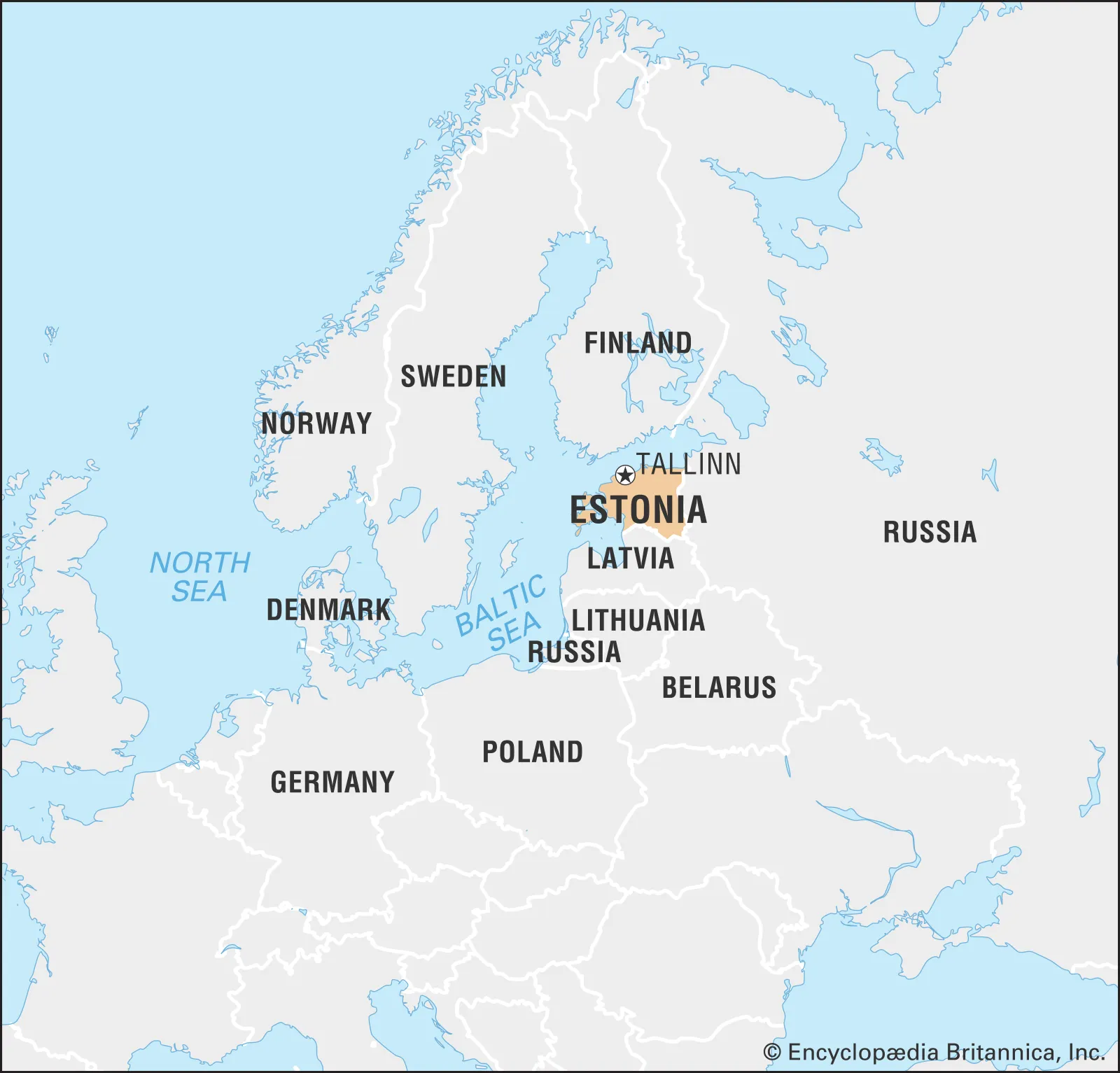
Estonia is the northernmost of the three Baltic States, located in Northeastern Europe.
- Borders: Russia (East) and Latvia (South).
- Water Bodies: Gulf of Finland (North), Baltic Sea (West), and Lake Peipus (East).
- Maritime Neighbours: Finland and Sweden.
- Capital:Tallinn.
- Government: Parliamentary Republic.
- Highest Point:SuurMunamägi (318 m).
- Major Rivers:Narva, Pärnu, Pedja, and Kasari.
- Islands: Around 1,500 islands and islets, with Saaremaa and Hiiumaa being the largest.
Historical Background
Estonia declared independence in 1918 after centuries of rule by Denmark, Sweden, and the Russian Empire. It was incorporated into the USSR in 1940 and regained independence in 1991 following the collapse of the Soviet Union.
Since independence, Estonia has transformed into a technologically advanced democracy and is a member of:
- European Union (EU)
- Eurozone
- North Atlantic Treaty Organization (NATO)
- Nordic-Baltic Eight (NB8)
Significance for India
Estonia's expertise in digital governance, cybersecurity, AI, and e-governance complements India's strengths in Digital Public Infrastructure, fintech, and digital inclusion. Enhanced cooperation can deepen India's engagement with the Baltic region, diversify technology partnerships, and strengthen collaboration in emerging technologies and cyber resilience.
Draft Andaman and Nicobar Islands Tribal Councils Election Rules 2026
- 17 Jun 2026
In News:
The Andaman and Nicobar Islands Administration has released the Draft Andaman and Nicobar Islands Tribal Councils (Preparation of Electoral Rolls and Conduct of Elections) Rules, 2026, proposing a formal electoral framework for the Nicobarese Tribal Councils. The proposal has generated opposition among the Nicobarese community, which fears that it could undermine their customary system of self-governance.
Who are the Nicobarese?
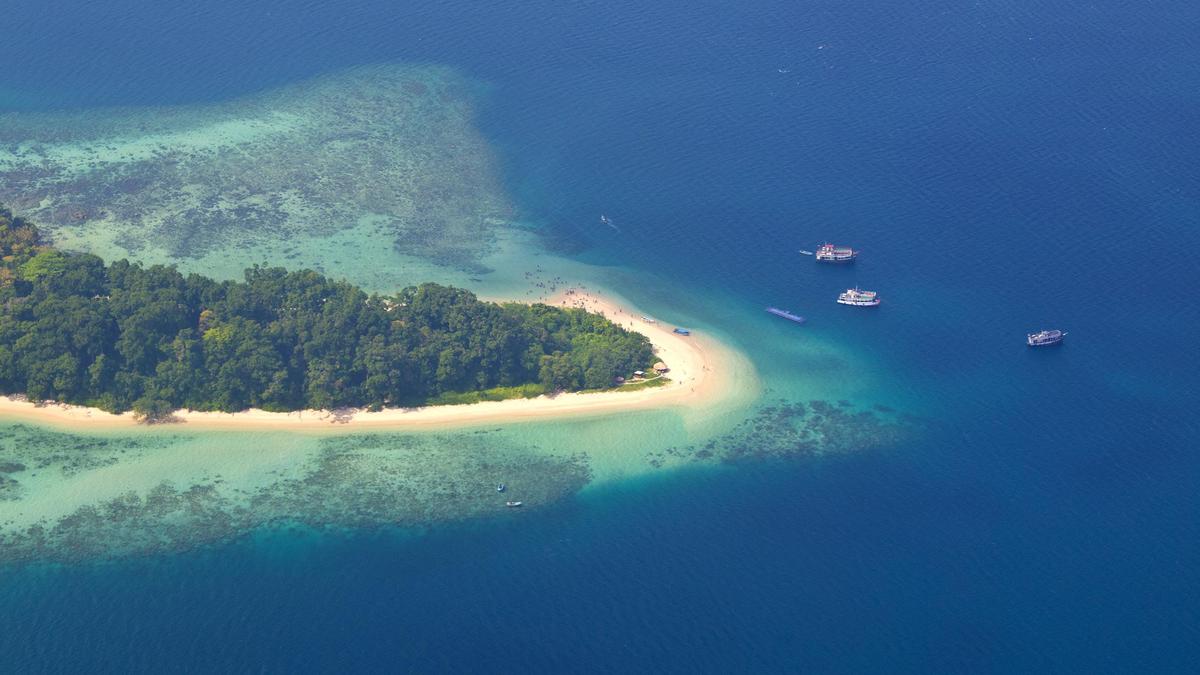
The Nicobarese are a Scheduled Tribe (ST) inhabiting the Nicobar group of islands, with a population of around 30,000. They are represented through seven Tribal Councils, including those of Car Nicobar, Nancowry, Kamorta, Teressa, Little Nicobar, and Great Nicobar. Their traditional governance is rooted in the Tuhet (extended kinship group) system and community consensus.
Key Provisions of the Draft Rules
The draft seeks to institutionalise a formal electoral system for Tribal Councils by:
- Prescribing a fixed five-year tenure for Village and Island Tribal Councils.
- Introducing electoral constituencies, electoral rolls, and formal procedures for nomination, scrutiny and withdrawal of candidates.
- Providing for the election of 5–9 Village Captains, direct election of the Chief Captain, while First Captains elect the Vice-Chief Captain.
- Reserving seats and leadership positions for women in Village and Island Tribal Councils.
- Retaining the administrative veto under the Nicobar Islands Tribal Council Regulation, 2009, enabling the Deputy Commissioner/Assistant Commissioner to invalidate council decisions considered prejudicial to public order or peace.
Traditional Nicobarese Governance
The Nicobarese follow a consensus-based governance model rather than periodic electoral competition.
- Every village is governed by a Village Council headed by a First Captain, assisted by a Second and Third Captain, generally chosen through community consensus or secret ballot whenever required.
- The Island Tribal Council comprises the First Captains of constituent villages, who elect the Chief Captain and Vice-Chief Captain.
- Leadership is based on community acceptance, merit, education, administrative ability, and trust rather than fixed electoral cycles.
- The captaincy system dates back to the 16th century and was later formalised by the British in the late nineteenth century.
- Tribal Councils received statutory recognition through the Andaman and Nicobar Islands (Protection of Aboriginal Tribes) Regulation, 1956 and the Nicobar Islands Tribal Council Regulation, 2009.
Concerns
The Nicobarese Tribal Councils argue that the proposed reforms may:
- Weaken the traditional Tuhet-based consensus system.
- Increase bureaucratic control over indigenous self-governance.
- Dilute the authority of customary institutions through formal electoral procedures.
- Strengthen administrative oversight because of the existing veto powers under the 2009 Regulation.
- Be linked to the proposed Great Nicobar Development Project, potentially reducing institutional resistance to large-scale development projects.
- Create legal concerns since the Andaman and Nicobar Islands, being a Union Territory, lie outside the Fifth Schedule, limiting constitutional safeguards available to tribal self-governance.
Way Forward
Electoral reforms should balance constitutional values of transparency, accountability and gender inclusion with the preservation of indigenous governance traditions. Institutional changes should be undertaken through Free, Prior and Informed Consent (FPIC) and extensive consultation with Tribal Councils. A hybrid governance model, drawing inspiration from the Panchayats (Extension to Scheduled Areas) Act, 1996 (PESA), could strengthen democratic accountability while preserving the Tuhet-based customary governance system and ensuring that governance reforms remain independent of developmental or strategic projects.
Transformation of India's Agriculture Sector (2014–2026)
- 17 Jun 2026
In News:
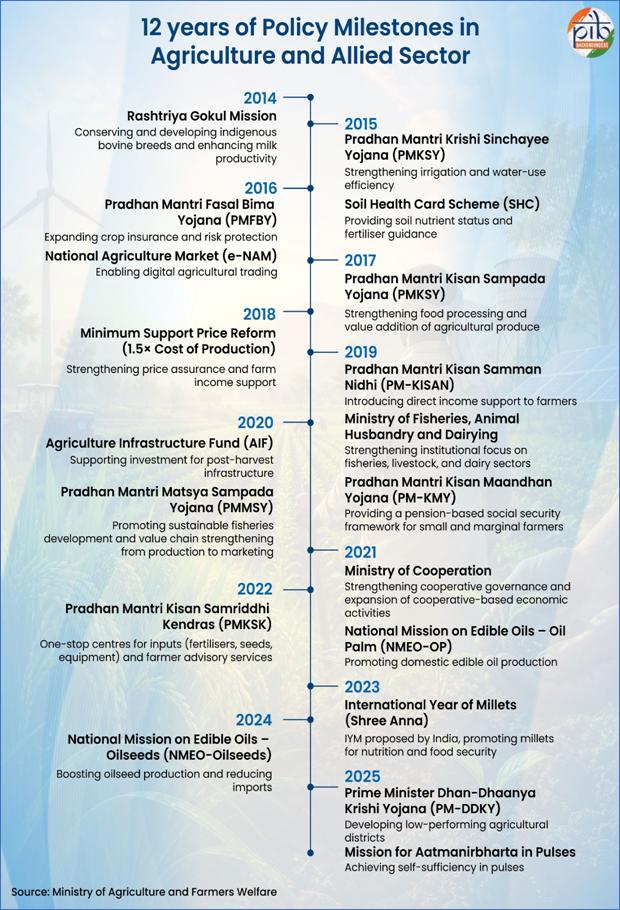
The Press Information Bureau (PIB) has released a report highlighting the transformation of India's agricultural sector over the past twelve years. The report emphasizes the shift from welfare-oriented interventions to a comprehensive strategy focusing on productivity, farmer income, market access, digital agriculture, climate resilience, and value addition.
Current Status of Indian Agriculture
- Agriculture and allied sectors continue to be a cornerstone of the Indian economy, contributing around 18% of Gross Value Added (GVA).
- Sectoral GVA increased from ?20.9 lakh crore (2014–15) to ?48.7 lakh crore (2023–24), while budgetary allocation rose from ?27,663 crore (2013–14) to ?1.41 lakh crore (2026–27), reflecting sustained public investment.
Major Achievements
Food Security & Crop Production
- Foodgrain production increased from 265.05 MT (2013–14) to 357.73 MT (2024–25).
- India became the world's largest rice producer, with production increasing by 42.38% since 2014–15.
- Wheat production reached a record 117.94 MT (2024–25).
- Oilseed production rose to 42.99 MT, reducing edible oil import dependence from 63.2% (2015–16) to 56.25% (2023–24).
- Horticulture now contributes nearly 37% of crop sector Gross Value Output.
Farmer Welfare
- PM-KISAN provides ?6,000 annually through Direct Benefit Transfer (DBT) to over 9.44 crore farmers.
- PM Fasal Bima Yojana (PMFBY) insures over 4 crore farmers annually, covering the entire crop cycle.
- PM-Kisan Maandhan Yojana provides a ?3,000 monthly pension after the age of 60; 24.95 lakh farmers enrolled.
- Minimum Support Price (MSP) is announced for 22 mandated crops, and since 2018–19, MSP has been fixed at at least 50% above the cost of production.
Agricultural Infrastructure & Market Reforms
- e-NAM has integrated 1,656 mandis, with 1.8 crore farmers and 4,724 FPOs registered.
- Agriculture Infrastructure Fund (AIF) has sanctioned ?84,202 crore for 1.68 lakh projects, mobilising investments of ?1.33 lakh crore.
- 41 Mega Food Parks are operational, strengthening post-harvest management and value addition.
- Ground Level Credit increased from ?7.30 lakh crore (2013–14) to ?28.67 lakh crore (2024–25).
Technology & Sustainable Agriculture
- Under the Digital Agriculture Mission, 7.63 crore Farmer IDs and 23.5 crore digitised crop plots have been created.
- PM-KUSUM has facilitated installation of 10 lakh standalone solar pumps and solarisation of 13 lakh grid-connected pumps.
- 26 crore Soil Health Cards issued.
- 2,996 climate-resilient crop varieties released and 448 climate-resilient villages developed.
- Namo Drone Didi Scheme promotes precision agriculture and women-led agri-entrepreneurship.
Allied Sectors
- India remains the world's largest milk producer, with production increasing to 247.87 MT.
- Fisheries production doubled to 19.78 MT under PM Matsya Sampada Yojana (PMMSY).
- Honey production increased from 0.081 MT to 0.152 MT, while ethanol procurement reached 904 crore litres, achieving 20% blending.
Challenges
Major concerns include price volatility, limited MSP coverage beyond cereals, climate change, water stress, fragmented landholdings, regional disparities in institutional credit, and degradation of soil health. Small and marginal farmers (about 86% of operational holdings) remain particularly vulnerable to market and climatic shocks.
Way Forward
Priority should be given to expanding PM-KISAN and PMFBY, strengthening e-NAM, FPOs, and post-harvest infrastructure through AIF, promoting climate-resilient agriculture, digital advisory services, precision farming, and sustainable practices under PMKSY, PM-KUSUM, PKVY, and the National Mission on Natural Farming (NMNF) to improve farmer incomes and agricultural resilience.
India's Progress Towards Universal Health Coverage (UHC)
- 17 Jun 2026
In News:
India's progress towards Universal Health Coverage (UHC) has come into focus following the National Statistical Office (NSO) 2025 Survey, which reported increased utilisation of public healthcare facilities, lower out-of-pocket expenditure (OOPE), and improved access to affordable healthcare, driven by initiatives such as Ayushman Bharat and the National Health Mission (NHM).
What is Universal Health Coverage (UHC)?
According to the World Health Organization (WHO), Universal Health Coverage ensures that all individuals receive quality health services they need without suffering financial hardship. It encompasses promotive, preventive, curative, rehabilitative, and palliative healthcare.
India's Achievements towards UHC
India has significantly strengthened its healthcare ecosystem through expanded insurance coverage, digital health, public health infrastructure, and disease control programmes.
Universal Health Coverage & Insurance
- Ayushman Bharat-Pradhan Mantri Jan Arogya Yojana (AB-PMJAY) provides health insurance cover of ?5 lakh per family per year to 12 crore vulnerable families.
- 44.14 crore Ayushman Cards issued and 12.03 crore hospitalisations funded.
- Ayushman Bharat Vay Vandana (2024) extends coverage to all citizens aged 70 years and above; by June 2026, 1.20 crore senior citizens had enrolled.
Primary Healthcare
- Over 1.86 lakh Ayushman Arogya Mandirs (AAMs) provide 12 comprehensive healthcare services.
- AAMs have recorded 540 crore cumulative footfalls, strengthening preventive and primary healthcare.
Health Infrastructure
- Under PM-Ayushman Bharat Health Infrastructure Mission (PM-ABHIM):
- 744 Integrated Public Health Laboratories
- 631 Critical Care Hospital Blocks approved in districts with populations above 5 lakh.
- During COVID-19, India administered over 220 crore vaccine doses and expanded ICU beds from 2,168 to 1.45 lakh.
Disease Control & Public Health
- Mission Indradhanush vaccinated 5.46 crore previously unvaccinated children; the zero-dose child population declined to 0.06% (April 2026).
- PM TB Mukt Bharat Abhiyaan screened 20 crore people.
- Malaria mortality declined by 78%, while mother-to-child HIV transmission fell by 74.5% since 2010.
Digital Health
- 20.49 crore ABHA IDs created under the Ayushman Bharat Digital Mission (ABDM).
- eSanjeevani has delivered 47 crore teleconsultations.
- U-WIN digitally tracks immunisation of 11.87 crore children and 3.96 crore pregnant women.
- AI-based initiatives such as MadhuNetrAI and Cough Against TB are improving early disease detection.
Affordable Healthcare
- Over 18,000 Jan Aushadhi Kendras provide medicines at 50–90% lower prices.
- 255 AMRIT Pharmacies have helped patients save ?8,400 crore.
- PM National Dialysis Programme has delivered 4 crore free haemodialysis sessions.
Major Challenges
Despite notable progress, several structural challenges remain:
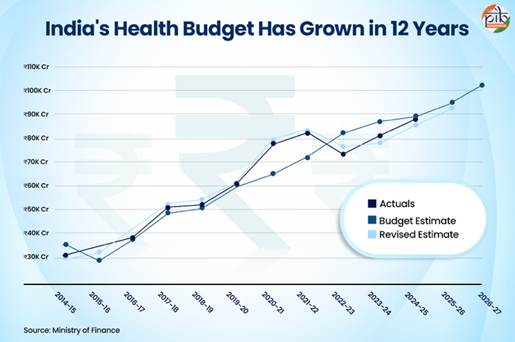
- Public health expenditure remains below the National Health Policy (2017) target of 2.5% of GDP.
- Non-Communicable Diseases (NCDs) account for 60% of all deaths.
- Persistent regional disparities, governance gaps, and shortages of healthcare professionals.
- 65% of PM-JAY beneficiaries reportedly incurred out-of-pocket expenditure in private hospitals, indicating implementation gaps.
- India still lacks a comprehensive Right to Health legislation.
Way Forward
India should increase public health expenditure to 2.5–3% of GDP, strengthen primary healthcare through Ayushman Arogya Mandirs, expand AI-enabled diagnostics and drone-based healthcare delivery, deepen digital integration through ABHA and U-WIN, improve regulation of empanelled hospitals under PM-JAY, and enact a Right to Health framework to ensure equitable, affordable, and accountable healthcare delivery.
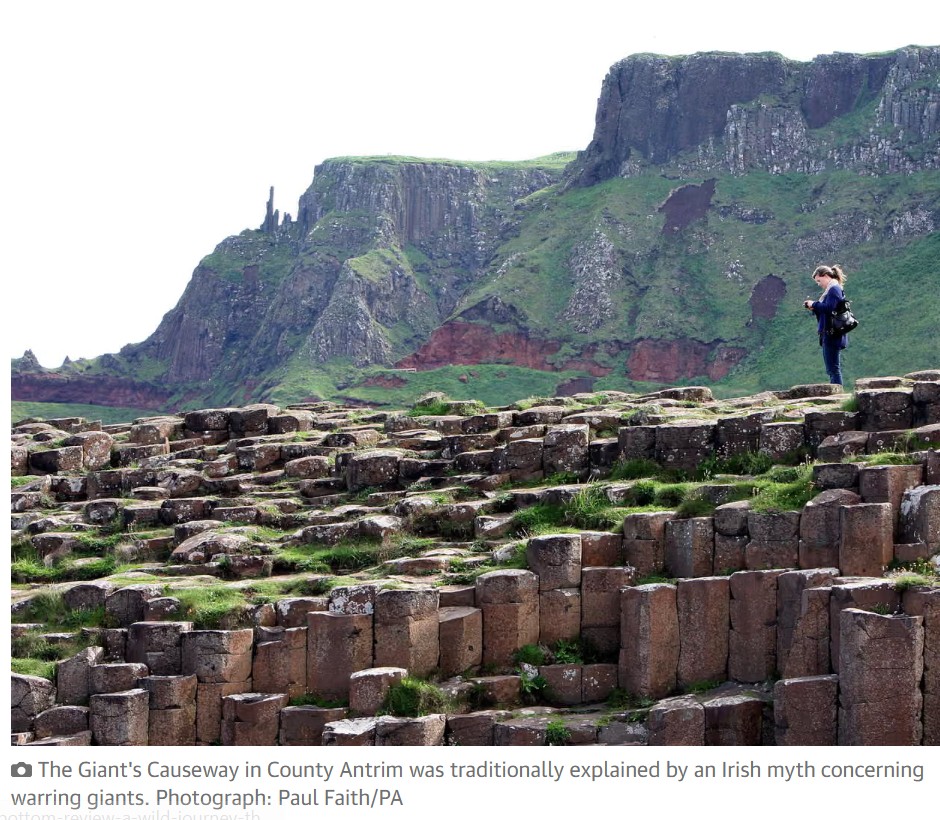
Giant’s Causeway
- 17 Jun 2026
In News:
A recent geochronological study has revealed that the Giant's Causeway in Northern Ireland was formed over about 5.5 million years, nearly 8 million years shorter than previous estimates. The findings improve scientific understanding of one of the world's most iconic volcanic landscapes.
About Giant's Causeway
- The Giant's Causeway is a spectacular volcanic landform located along the Antrim Plateau on the northeastern coast of Northern Ireland. It comprises nearly 40,000 interlocking basalt columns extending over about 6 km of coastline. Most of the columns are hexagonal, though some have four, five, seven or eight sides. Their stair-like appearance gave rise to the name "Giant's Causeway."
- Recognised for its exceptional geological significance, it was designated a UNESCO World Heritage Site in 1986.
Formation of the Giant's Causeway
The basalt columns were formed during the Paleogene Period, around 50–60 million years ago, when intense volcanic activity affected the region.
The formation process involved:
- Extensive volcanic eruptions that produced large volumes of basaltic lava.
- The molten basalt rose through chalk beds, creating a vast volcanic plateau.
- As the lava cooled, it contracted, producing fractures known as columnar joints.
- Continued cooling caused the lava to shrink further, resulting in the development of tall, closely packed polygonal basalt columns.
- Rapid cooling led to greater contraction, producing the characteristic well-defined hexagonal columns visible today.
The latest research suggests that the volcanic processes responsible for this landscape occurred over approximately 5.5 million years, rather than the previously estimated 13.5 million years, indicating a much shorter but geologically significant volcanic episode.
Geological Significance
The Giant's Causeway is one of the world's finest examples of columnar jointing, demonstrating how cooling and contraction of basaltic lava produce regular polygonal rock columns. It provides valuable evidence for understanding igneous processes, volcanic evolution, and the geological history of the North Atlantic Igneous Province