
One Case One Data Initiative
- 12 May 2026
In News:
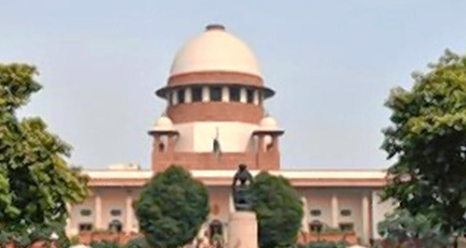
In a major leap toward "Justice 2.0," the Chief Justice of India (CJI) recently unveiled two transformative digital tools: the 'One Case One Data' initiative and an AI-powered chatbot named 'Su Sahay'. These projects, spearheaded by the Supreme Court of India, represent a strategic move to leverage technology to reduce judicial delays, enhance transparency, and simplify the legal process for the common citizen.
About the Initiative:
The 'One Case One Data' initiative is a flagship digital infrastructure project aimed at ending the era of data fragmentation within the Indian legal system. Historically, records at the Taluka, District, High Court, and Supreme Court levels often existed in silos, leading to administrative hurdles during appeals or transfers.
Core Objectives and Mechanics
The primary goal is to establish a National Case Management System that acts as a "single source of truth" for every legal matter in the country.
- Multi-Level Integration: The system synchronizes data across all tiers of the judiciary, ensuring that a development in a lower court is instantly updated across the entire national network.
- Interconnected Tracking: It allows judges and lawyers to track a case’s entire history—from its first filing to its current status—through a seamless digital trail.
- Efficiency and Transparency: By eliminating the need for manual record-gathering and physical movement of files, the initiative significantly reduces the time required for case processing.
‘Su Sahay’ AI Chatbot: Making Justice Accessible
While 'One Case One Data' focuses on backend infrastructure, 'Su Sahay' is a front-end innovation designed specifically for litigants and the general public. Developed by the National Informatics Centre (NIC) in collaboration with the Supreme Court Registry, this AI-powered chatbot is integrated directly into the Supreme Court’s official website.
Bridging the Information Gap
- Litigant-Centric Guidance: The chatbot provides step-by-step assistance for complex procedures such as filing processes, understanding court protocols, and checking case statuses.
- 24/7 Digital Helpdesk: As a real-time assistance tool, it functions as a round-the-clock helpdesk, minimizing the need for citizens to make physical visits to court premises or navigate difficult telephonic inquiries.
- User-Friendly Interface: By using a simple, conversational format, 'Su Sahay' demystifies legal jargon, making it easier for non-experts to interact with the highest court in the land.
VB—G RAM G Act, 2025
- 12 May 2026
In News:
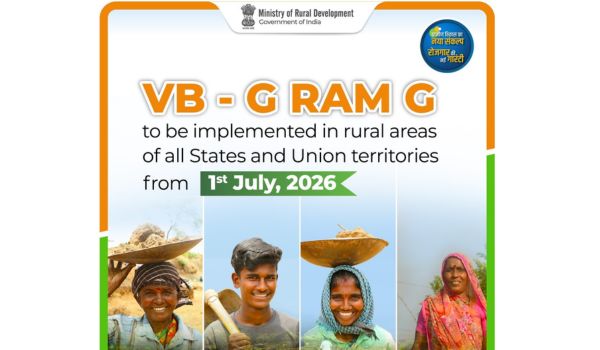
In a transformative shift for India’s rural landscape, the Central Government has notified that the Viksit Bharat—Guarantee for Rozgar and Ajeevika Mission (Gramin), or VB–G RAM G, will officially replace the Mahatma Gandhi National Rural Employment Guarantee Act (MGNREGA) starting July 1, 2026.
This legislative overhaul aims to pivot from a demand-driven "survival" model toward a productivity-linked framework aligned with the Viksit Bharat @2047 vision. By integrating wage employment with high-impact asset creation, the mission seeks to build long-term economic resilience in rural India.
The Statutory Guarantee: Expanding the Safety Net
The VB—G RAM G Act, 2025 strengthens the rights of rural workers by enhancing the legal entitlement to employment.
- 125 Days of Work: The statutory guarantee has been increased from 100 days to 125 days of unskilled manual work per financial year for every rural household.
- Legal Protections: The Act retains critical safeguards, such as the Unemployment Allowance (payable if work is not provided within 15 days of demand) and a Transport Allowance (an additional 10% of the wage rate if the worksite is beyond a 5 km radius).
- Wage Security: Wages are strictly mandated to be paid weekly (or within a maximum of 14 days) directly via Direct Benefit Transfer (DBT).
Thematic Focus: Productive Asset Creation
Unlike its predecessor, which often faced criticism for creating "ephemeral" or temporary assets, VB–G RAM G restricts projects to four strategic "Thematic Work Domains" to ensure the creation of durable infrastructure:
- Water Security: Prioritizing groundwater recharge and irrigation.
- Core Rural Infrastructure: Roads, markets, and connectivity.
- Livelihood Infrastructure: Facilities that directly support income generation (e.g., storage, processing units).
- Extreme Weather Mitigation: Specifically designed works to build climate resilience against floods and droughts.
A New Financial & Planning Architecture
The mission introduces a revised funding and planning mechanism to foster a more disciplined "Centrally Sponsored" partnership:
- Fund Sharing Ratio:
- 90:10 for North-Eastern and Himalayan States.
- 60:40 for other States and UTs with legislatures.
- 100% Central funding for UTs without legislatures.
- Agricultural Season Pause: To prevent labor shortages during critical farming periods, States must notify a 60-day pause annually during peak sowing and harvesting seasons.
- The Viksit Gram Panchayat Plan (VGPP): Every project must originate from a participatory, evidence-based plan integrated with the PM Gati Shakti National Master Plan. This ensures that local development aligns with national logistics and infrastructure priorities.
Technological Integration & Monitoring
The Act leverages "Next-Gen" technology to enhance transparency and curb leakages:
- Attendance & Transactions: Mandatory Face Authentication for worker attendance and biometric authentication for all financial transactions.
- Geospatial Tracking: Real-time monitoring of work sites using geospatial technology and GPS-linked data.
- Viksit Bharat National Rural Infrastructure Stack: A unified digital repository that tracks all assets created under the mission for better maintenance and accountability.
PM MITRA Park
- 12 May 2026
In News:
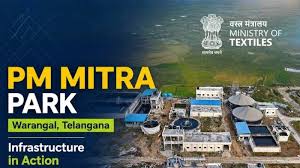
In a significant stride toward making India a global textile powerhouse, the Prime Minister recently inaugurated the nation's first PM MITRA (Pradhan Mantri Mega Integrated Textile Region and Apparel) Park in Warangal, Telangana. This initiative is the cornerstone of the government's "5F" vision—Farm to Fiber to Factory to Fashion to Foreign—aiming to create a self-reliant and internationally competitive textile sector.
Vision and Institutional Framework
The PM MITRA scheme, overseen by the Ministry of Textiles, is designed to overcome the fragmented nature of India’s traditional textile industry. By consolidating the entire value chain—from spinning and weaving to processing and garmenting—into a single geographical zone, the mission seeks to eliminate logistical inefficiencies and reduce the carbon footprint of production.
Implementation Model
These parks are developed through a Special Purpose Vehicle (SPV), a collaborative entity owned by both the State Government and the Government of India. This Public-Private Partnership (PPP) model ensures that the government provides the regulatory and financial foundation, while private players bring in operational efficiency and innovation.
Strategic Geographical Footprint
The government has approved the establishment of seven PM MITRA Parks across the country, strategically located to leverage regional strengths:
- Southern India: Virudhunagar (Tamil Nadu), Warangal (Telangana), and Karnataka.
- Western India: Gujarat and Maharashtra.
- Central & Northern India: Madhya Pradesh and Lucknow (Uttar Pradesh).
These sites can be developed as either Greenfield projects (entirely new infrastructure) or Brownfield projects (upgrading existing facilities).
Key Features and Infrastructure Design
A PM MITRA Park is more than just a manufacturing zone; it is a world-class industrial ecosystem designed with specific land-use allocations to ensure holistic growth:
- Manufacturing Core: 50% of the area is dedicated to pure manufacturing activities.
- Support Utilities: 20% of the land is earmarked for essential utilities, such as power, water, and effluent treatment.
- Commercial Growth: 10% of the area is reserved for commercial development to support business operations and logistics.
The Integrated Value Chain
By integrating spinning, weaving, dyeing, printing, and apparel manufacturing in one location, the parks drastically reduce transport time and costs. This "plug-and-play" infrastructure allows manufacturers to scale quickly without the burden of building individual support systems.
Financial Incentives and Capital Support
To attract investment and ensure the viability of these mega-projects, the Ministry of Textiles provides substantial financial backing:
- Greenfield Projects: Financial assistance of up to ?800 crores per park.
- Brownfield Projects: Support of up to ?500 crores per park.
- State Contribution: Respective State Governments are responsible for providing encumbrance-free land (at least 1,000 acres) and ensuring augmented utility infrastructure like roads and power.
Kerala’s Draft Oil Spill Contingency Plan and the National Framework
- 12 May 2026
In News:
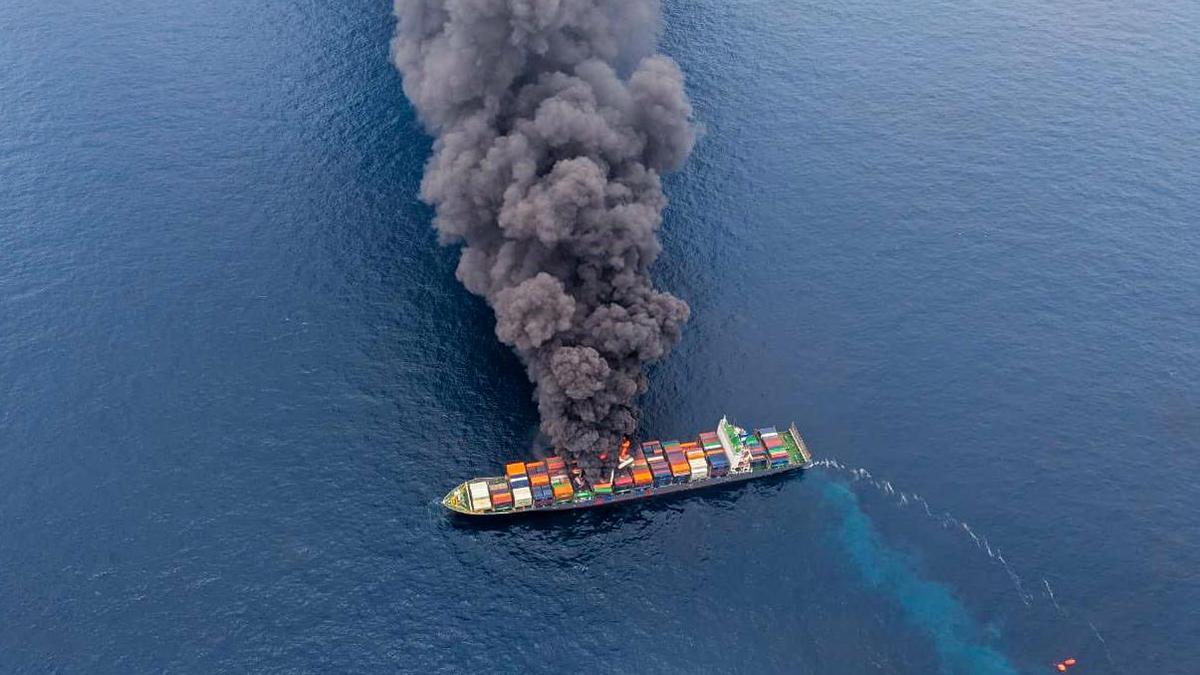
In response to increasing maritime risks and recent disasters involving vessels like the MSC Elsa 3 and MV Wan Hai 503, Kerala has finalized its draft Oil Spill Contingency Plan (OSCP). Designed to safeguard the state’s 590 km coastline, this plan aligns with the newly updated National Oil Spill Disaster Contingency Plan (NOS-DCP) 2024, marking a significant step toward maritime environmental security and disaster resilience.
Kerala’s OSCP: A Localized Strategy for a Fragile Coastline
Kerala’s draft plan is a specialized regional adaptation of national guidelines, focusing on the state's unique ecological and geographical needs.
1. Scope and Jurisdiction: The OSCP is designed to manage spills occurring within 12 nautical miles (India’s Territorial Waters). Recognizing the interconnectedness of Kerala’s water bodies, the plan uniquely extends its reach 40 km into inland riverine systems that are influenced by tidal actions, ensuring a holistic "ridge-to-reef" protection strategy.
2. Environmental Sensitivity Index (ESI) Mapping: A cornerstone of the plan is the ESI mapping, which identifies vulnerable marine ecosystems. This allows authorities to prioritize the protection of:
- Mangrove forests and coastal wetlands.
- Fish breeding grounds, which are vital for the state’s blue economy.
3. Technological and Scientific Interventions: The state will utilize hydrodynamic and oil spill modeling to predict the movement of hazardous cargo. This was prompted by the sinking of the MSC Elsa 3, which resulted in the loss of calcium carbide and plastic nurdles—pollutants that behave differently than traditional oil and require specialized recovery techniques.
4. Shoreline Response and Management: The plan establishes a clear chain of command for clean-up operations. It incorporates Net Environmental Benefit Analysis (NEBA), a scientific process used to weigh the advantages and disadvantages of different response options (e.g., using dispersants versus manual cleaning) to ensure the intervention does not cause more harm than the spill itself.
NOS-DCP 2024
Kerala’s efforts are anchored in the National Oil Spill Disaster Contingency Plan (NOS-DCP), India’s apex policy framework for marine pollution.
The Tiered Response Mechanism
The 2024 updates have refined the "Trigger Points" for different spill sizes to ensure a streamlined response:
- Tier 1 (Small): Handled by individual ports or oil facilities (Up to 700 tonnes).
- Tier 2 (Medium): Managed using regional resources and District Administration (700 to 10,000 tonnes).
- Tier 3 (Large): Classified as a National Disaster, requiring the Indian Coast Guard (ICG) and national-level authorities (Over 10,000 tonnes).
Recent National Enhancements
- Integrated Digital Tracking: Leveraging INCOIS (Hyderabad) models and the Online Oil Spill Advisory (OOSA) system, authorities can track oil trajectories using real-time satellite imagery and Automatic Identification Systems (AIS).
- HNS Preparedness: With a rise in chemical transport, there is an increased focus on Hazardous and Noxious Substances (HNS).
- Sustainable Dispersants: The 2024 guidelines approved "low-toxicity" chemical dispersants to minimize the ecological footprint on marine life.
- Green Energy Inclusion: For the first time, response protocols have been added for the offshore wind energy sector within India’s Exclusive Economic Zone (EEZ).
Institutional Framework and Coordination
The success of these plans depends on seamless inter-agency cooperation:
- Indian Coast Guard (ICG): The Central Coordinating Authority responsible for the National Inventory of pollution response equipment.
- Directorate General of Shipping: Oversees legal issues, salvage operations, and international regulations.
- Ministry of Environment (MoEFCC): Identifies and prioritizes Environmentally Sensitive Areas (ESAs).
- State Governments: Responsible for shoreline clean-up and local coordination within their jurisdiction.
SEHAT Mission
- 12 May 2026
In News:
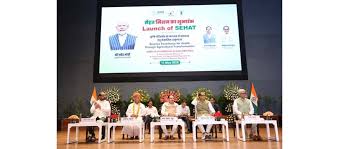
In a landmark shift toward preventive healthcare, the Union Ministers of India recently launched the ‘SEHAT Mission’ (Science Excellence for Health through Agricultural Transformation) in New Delhi. This initiative represents the first formal convergence of India’s agricultural and medical sectors, aiming to address the twin challenges of persistent malnutrition and the escalating burden of Non-Communicable Diseases (NCDs).
The Philosophy: From Reactive Treatment to Proactive Nutrition
For decades, India’s healthcare strategy has been largely reactive—focusing on the treatment of diseases. The SEHAT Mission seeks to overhaul this paradigm by adopting a "whole-of-government" approach. By shifting the focus to "preventive nutrition," the mission bridges the gap between what is grown on the farm and what is required for public health.
The mission is driven by a joint national partnership between two of India’s premier scientific bodies:
- Indian Council of Agricultural Research (ICAR): Providing the technical expertise in crop science and farming systems.
- Indian Council of Medical Research (ICMR): Offering clinical insights into nutritional requirements and disease prevention.
Core Pillars and Scientific Framework
The mission is built upon the vision of “Healthy Food, Healthy Farms, and a Healthy India.” To achieve this, it employs several scientific and strategic interventions:
- Bio-fortification of Crops: Rather than relying solely on external supplements, the mission promotes the development of crop varieties naturally enriched with essential micronutrients such as iron, zinc, and Vitamin A. This ensures that nutritional security is embedded within the primary food source.
- Revival of Traditional and Nutri-Cereals: There is a renewed emphasis on climate-resilient millets (Sri Anna), including Kodo, Kutki, Ragi, Jowar, and Bajra. These grains are not only sustainable to grow but are also nutrient-dense compared to traditional staples like polished rice and wheat.
- Integrated Farming Systems (IFS): The mission encourages rural households to move beyond monoculture. By integrating crop cultivation with animal husbandry, fisheries, and beekeeping, the initiative ensures that farming families have access to a diverse and balanced diet.
- Food as Medicine for NCDs: With lifestyle diseases like diabetes, hypertension, and certain cancers on the rise, the SEHAT Mission focuses on research-backed dietary solutions. It explores how specific agricultural products can function as preventive "medicine" to manage and mitigate these chronic conditions.
- The ‘One Health’ Approach: Recognizing that human health is inextricably linked to animal and environmental health, the mission facilitates joint planning between medical and agricultural scientists to monitor zoonotic threats and environmental contaminants.
Safeguarding the Producers: Farmer Health and Safety
A unique aspect of the SEHAT Mission is its focus on the health of the farmers themselves. Scientific interventions are being designed to reduce the risks associated with pesticide exposure and the handling of hazardous agricultural chemicals. By improving the health and safety of the primary producer, the mission ensures the sustainability of the entire food value chain.
Technological Integration and Policy Support
To ensure the mission's objectives are met with precision, the government is leveraging data-driven governance. This includes:
- Real-time Dashboards: For monitoring nutritional outcomes across different regions.
- Science-Based Policy Support: Aligning agricultural production targets with the specific nutritional requirements of the Indian population.