
Micro, Small and Medium Enterprises Development (Amendment) Bill, 2026
- 05 Aug 2026
In News:
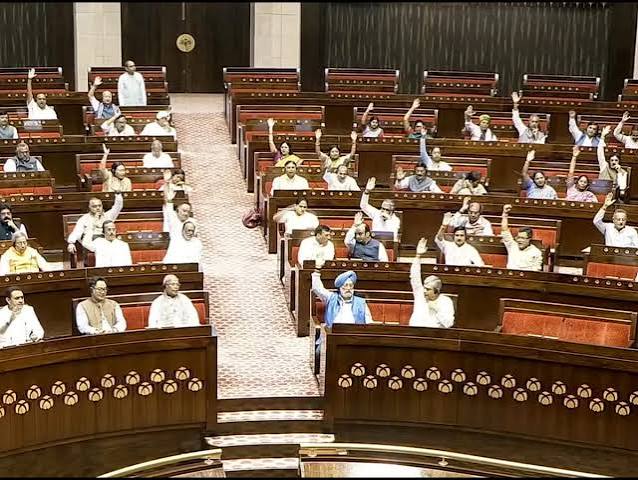
Parliament passed the Micro, Small and Medium Enterprises Development (Amendment) Bill, 2026 to strengthen the MSME ecosystem through faster payments, simplified compliance, and improved dispute resolution.
Key Highlights
The Bill amends the MSME Development Act, 2006 to improve ease of doing business, ensure timely payments, and facilitate access to finance.
- Flexible MSME Classification: Empowers the Central Government to notify MSME classification based on investment in plant & machinery/equipment and turnover, replacing fixed statutory thresholds.
- Voluntary Digital Registration: Provides for voluntary MSME registration through a Central Government digital platform, while allowing States to establish their own registration portals.
- Mandatory TReDS for CPSEs: Makes it compulsory for Central Public Sector Enterprises (CPSEs) to settle MSME procurement invoices through the Trade Receivables Discounting System (TReDS). The Centre and States may extend this requirement to other public entities.
- Time-bound Dispute Resolution: Payment disputes must undergo mediation within 90 days from the first hearing. If mediation fails, arbitration must begin within 30 days, with the award delivered within 90 days after completion of pleadings.
- Relief During Appeals: If a court challenge to an arbitration award or mediated settlement continues beyond six months, at least 50% of the awarded amount must be released to the MSME supplier.
- Decriminalisation of Compliance: Replaces imprisonment with a graded system of warnings and monetary penalties for offences such as furnishing false registration details, failing to provide required information, or not reporting MSME dues in annual accounts.
- Progressive Penalties: Penalties increase for repeat violations, with minimum penalty amounts automatically revised upward by 10% every three years.
- Adjudication Mechanism: The Development Commissioner (MSME) will act as the adjudicating authority, while appeals will lie before the MSME Secretary.
Significance
The amendment seeks to improve liquidity, reduce delays in payments, strengthen access to formal finance, simplify regulatory compliance, and create a more efficient and business-friendly ecosystem for MSMEs, thereby supporting employment generation and economic growth.
Utkalmani Pandit Gopabandhu Das
- 05 Aug 2026
In News:
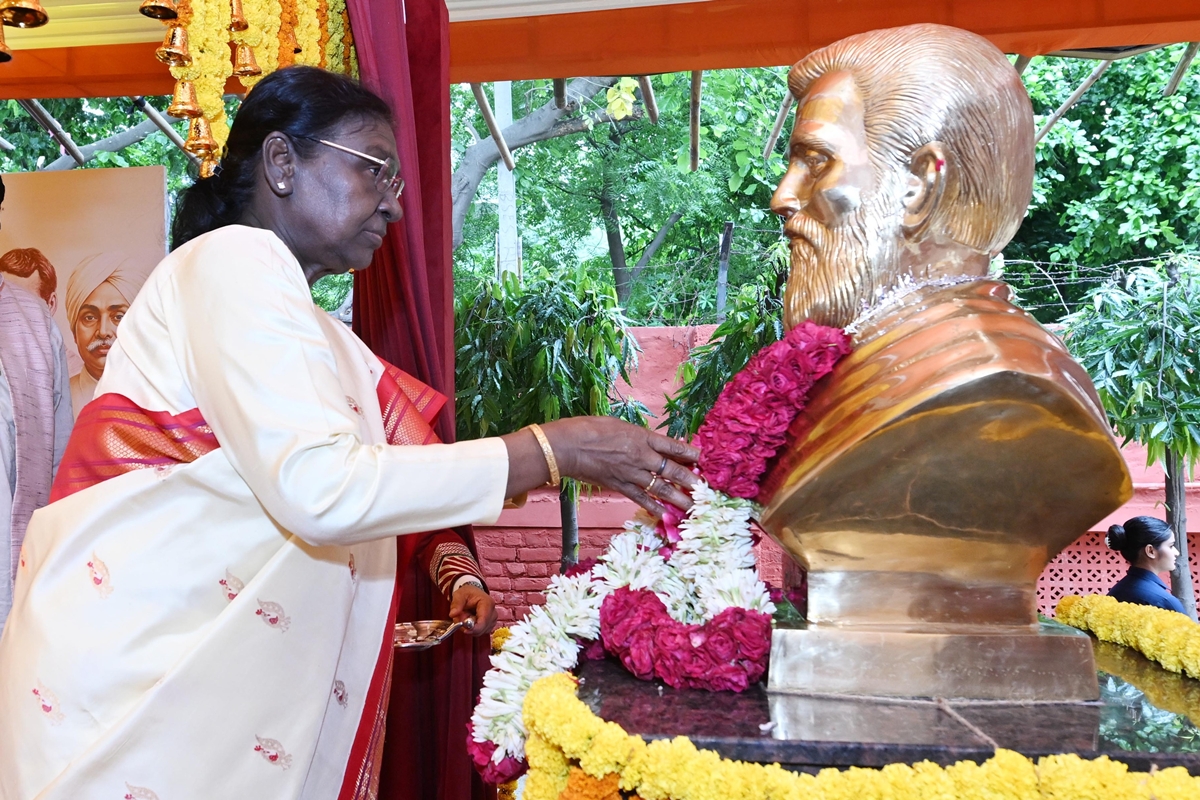
The President of India unveiled the statue of eminent freedom fighter, social reformer and journalist Utkalmani Pandit Gopabandhu Das at Lajpat Bhawan, New Delhi.
Who was Pandit Gopabandhu Das?
Pandit Gopabandhu Das (1877–1928), popularly known as Utkalmani (Jewel of Odisha), was a freedom fighter, educationist, social reformer, poet and pioneering journalist who dedicated his life to public service and the upliftment of Odisha.
Born in Suando village near Puri, he pursued higher education at Calcutta University, earning degrees in Arts and Law, but left his legal career to serve society and participate in the national movement.
Major Contributions
- Freedom Movement: Served as the first President of the Utkal Pradesh Congress Committee (1920) and led the Non-Cooperation Movement in Odisha.
- Odia Identity: Played a key role in the Utkal Sammilani, advocating the unification of Odia-speaking regions, which ultimately contributed to the creation of Odisha as India's first linguistic State (1936).
- Education: Established the Satyabadi Bana Bidyalaya (1909) near Puri, an open-air residential school based on the Gurukul system that promoted equality, patriotism and character building.
- Journalism: Founded the Odia newspaper The Samaja (1919), which became an influential platform for nationalism and social awareness.
- Social Service: Actively organised relief during floods and famines and was associated with Lala Lajpat Rai's Servants of the People Society, later serving as its Vice-President.
Literary Works
He authored several notable works, including:
- Bandi Ra Atmakatha
- Dharmapada
- Kara Kabita
Legacy
Known for his selfless service, Gopabandhu Das placed public welfare above personal interests and inspired generations through his contributions to nationalism, education, journalism and social reform. Before his death in 1928, he dedicated The Samaja and his properties to the Servants of the People Society, leaving a lasting legacy of public service.
India's Calibrated Trade and Investment Strategy
- 05 Aug 2026
In News:
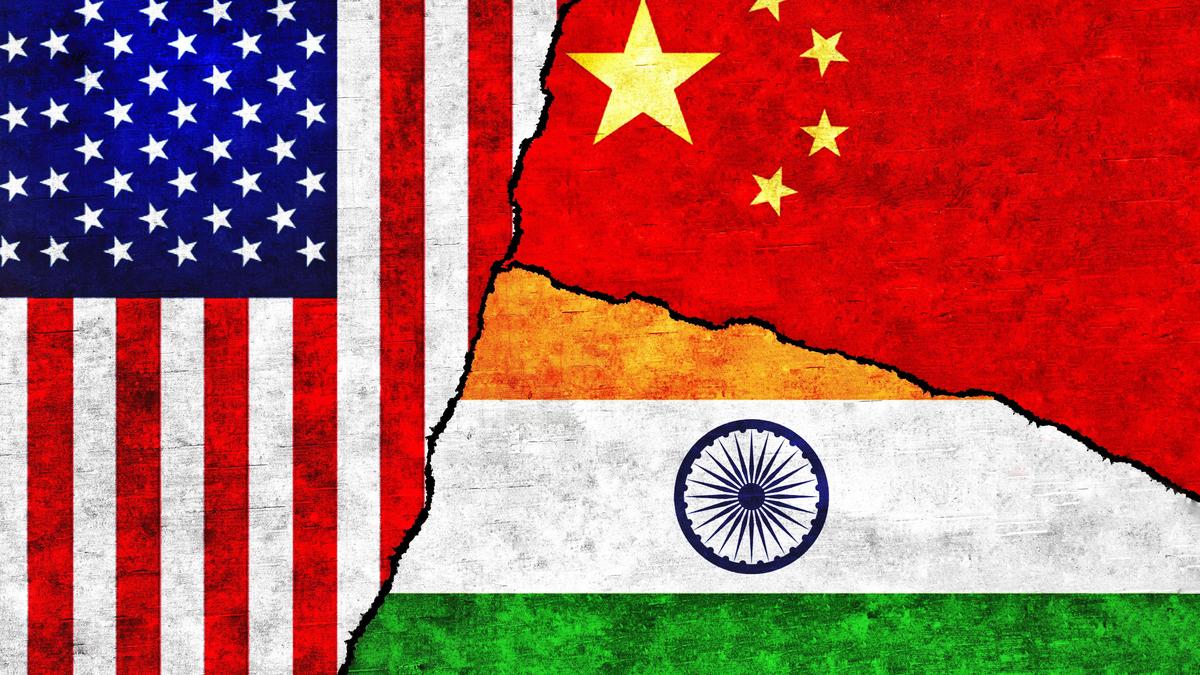
India has gradually relaxed FDI norms, anti-dumping measures and e-commerce regulations to attract investments, strengthen manufacturing, boost exports and integrate more deeply into Global Value Chains (GVCs), while balancing its strategic interests with both the US and China.
Why is India Recalibrating its Trade Policy?
India is moving from a protectionist approach towards strategic economic engagement. While restrictions such as Press Note 3 (2020) curtailed investments from neighbouring countries, they did not reduce India's dependence on Chinese imports. At the same time, high input costs and global supply chain shifts have made it necessary to attract investment and improve manufacturing competitiveness.
The policy shift is driven by:
- Rising trade deficit with China despite investment restrictions.
- Need for affordable intermediate goods for the PLI Scheme.
- Reducing procedural bottlenecks in FDI approvals.
- Expanding exports and integrating into Global Value Chains (GVCs).
How is India Balancing Economic Openness with Strategic Interests?
Rather than completely opening or closing its economy, India is following a calibrated approach that combines economic liberalisation with national security safeguards.
Some important policy measures include:
- Relaxation of FDI norms for limited investments from land-bordering countries while retaining scrutiny over strategic sectors.
- Selective use of anti-dumping duties by protecting domestic industries but ensuring affordable industrial inputs.
- Allowing inventory-based e-commerce only for exports, while continuing restrictions in domestic retail.
- Promoting greater Domestic Value Addition (DVA) instead of merely importing finished goods.
Concerns
Despite its advantages, the strategy raises several concerns:
- India may become an assembly hub rather than a manufacturing hub.
- Continued dependence on Chinese intermediate goods could create strategic vulnerabilities.
- Frequent rejection of DGTR recommendations may weaken trade remedy institutions.
- Simultaneous dependence on the US market and Chinese supply chains exposes India to geopolitical risks.
Way Forward
India's long-term competitiveness depends on strengthening domestic manufacturing rather than relying only on trade liberalisation. Policy reforms should focus on:
- Promoting higher Domestic Value Addition (DVA) through technology transfer.
- Making anti-dumping decisions more transparent through a public interest framework.
- Strengthening Rules of Origin (CAROTAR, 2020) to prevent circumvention of trade measures.
- Diversifying supply chains through partnerships with countries such as Japan, South Korea and trusted partners under initiatives like TRUST.
Conclusion
India's evolving trade policy reflects a shift towards strategic economic engagement, where investment liberalisation is balanced with national security and industrial development. The success of this approach will depend on improving domestic manufacturing capability, strengthening institutions and reducing excessive dependence on any single country.
Nasha Mukt Yuva for Viksit Bharat Sankalp Abhiyan
- 05 Aug 2026
In News:
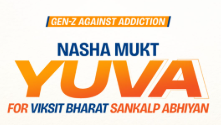
The Prime Minister launched the Nasha Mukt Yuva for Viksit Bharat Sankalp Abhiyan, a nationwide campaign to build a drug-free youth population as a foundation for Viksit Bharat@2047.
About the Campaign
The Nasha Mukt Yuva for Viksit Bharat Sankalp Abhiyan is a nationwide awareness and behavioural change campaign aimed at preventing drug abuse among youth through community participation, public awareness, and promotion of healthy lifestyles.
Objective
- Build a drug-free, physically and mentally healthy youth population.
- Prevent substance abuse through awareness and behavioural change.
- Encourage youth participation in nation-building and contribute towards Viksit Bharat@2047.
Key Features
- 100-week nationwide campaign with activities organisedevery Sunday.
- Covers 28,000 locations across the country.
- Supported by 125 spiritual, educational, industrial, and social organisations.
- Promotes sports, art, culture, meditation, spirituality, and community service as healthy alternatives to substance abuse.
- More than one crore youth participated in taking a nationwide pledge against drug abuse.
- Encourages rehabilitation, counselling, and social reintegration by promoting a second chance for recovering individuals.
PM-KISAN Scheme
- 05 Aug 2026
In News:
The Union Cabinet has approved the continuation of the PM-KISAN Scheme from 2026–27 to 2030–31 with a financial outlay of ?3.15 lakh crore.
About PM-KISAN
PM-KISAN is a Central Sector Scheme, launched in February 2019 by the Ministry of Agriculture & Farmers' Welfare, to provide assured income support to eligible landholding farmer families.
Objective
- Provide assured income support to farmers.
- Enable timely purchase of agricultural inputs such as seeds, fertilizers, irrigation, and machinery.
- Reduce dependence on informal credit.
- Improve agricultural productivity and rural livelihoods.
Key Features
- Implementation Period: 2026–27 to 2030–31 (extended).
- Financial Outlay: ?3.15 lakh crore.
- Financial Assistance: ?6,000 per year per eligible farmer family, paid in three equal instalments of ?2,000.
- Transfer Mechanism: Direct Benefit Transfer (DBT) into Aadhaar-seeded bank accounts.
- Beneficiary Identification: State Governments identify and verify eligible landholding farmer families.
- Digital Delivery: Aadhaar authentication, e-KYC, PM-KISAN Portal, and Mobile App ensure transparent and efficient fund transfer.
Achievements
- Over ?4.47 lakh crore transferred directly to farmers through 23 instalments.
- 23rd instalment: More than 9.49 crore farmers received ?18,984 crore.
- During the COVID-19 pandemic, over ?1.71 lakh crore was disbursed.
- Women farmers received over ?1.06 lakh crore, accounting for nearly one-fourth of all beneficiaries.
Impact
According to the Development Monitoring and Evaluation Office (DMEO), NITI Aayog:
- 92% of beneficiaries used assistance for agricultural activities and investments.
- 85% reported increased agricultural income and reduced dependence on informal credit.
Between 2020–21 and 2025–26:
- Cultivated area increased by 9.65%.
- Agricultural productivity increased by 10.53%.
- Foodgrain production increased by 21.18%.