
Intellectual Property Catalyst Initiative
- 15 May 2026
In News:
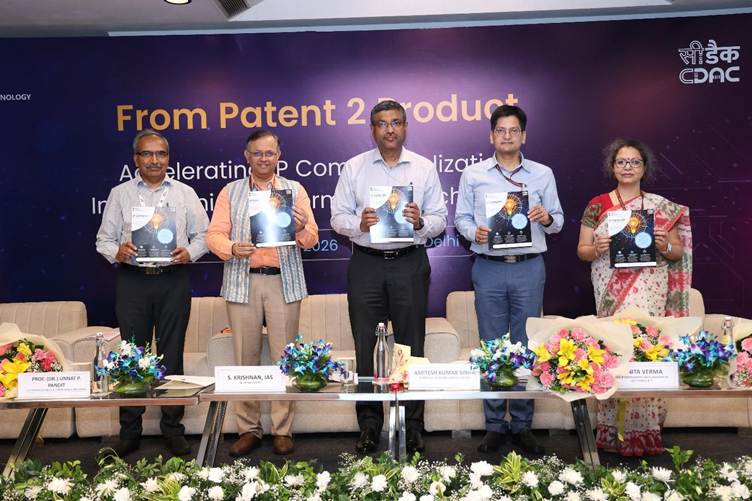
The Ministry of Electronics and Information Technology (MeitY), Government of India, recently inaugurated a one-day national conference titled “From Patent to Product: Accelerating IP Commercialization in Electronics & IT” at the India Habitat Centre, New Delhi. During this event, the government officially unveiled the Intellectual Property (IP) Catalyst Initiative along with its dedicated, unified online gateway and digital platform hosted at cipie.in.
Institutional Framework and Core Objectives
The IP Catalyst Initiative is an institutional framework designed to convert technological ingenuity into domestic economic value.
Institutional Structure
- Nodal Ministry: Ministry of Electronics and Information Technology (MeitY).
- Implementing Agency: Centre for Development of Advanced Computing (C-DAC), Pune.
- Target Beneficiaries:MeitY-supported organizations, grantee institutions, academic research laboratories, early-stage startups, MSMEs, and domestic industrial enterprises.
Core Objectives
The initiative targets a traditional weakness in India's public research infrastructure: the gap between laboratory innovation and commercial viability.
- End-to-End Lifecycle Support: It establishes a digital and administrative framework that covers the entire innovation lifecycle—spanning fundamental research, domestic patent generation, multi-jurisdictional licensing, and final marketplace deployment.
- Breaking Institutional Silos: It builds a collaborative bridge connecting public R&D facilities with market-ready industry players, facilitating faster commercial adoption of state-backed innovations.
- Paradigm Shift in IP Management: The initiative aims to shift the domestic technology landscape from a traditional, volume-based "Patent Filing" mindset toward an economic, value-driven "Patent àProductàProfit" model. This ensures that publicly-funded R&D generates direct financial and strategic value rather than remaining underutilized in laboratory archives.
Structural Features and Support Mechanisms
The IP Catalyst Initiative provides structural, financial, and analytical support through its digital platform to address specific challenges faced by innovators:
Financial and Advisory Facilitation
- Domestic Filing Subsidies: The initiative offers direct financial assistance to cover IP filing expenses incurred by MeitY-affiliated laboratories and authorized grantee institutions.
- Global Market Protection: Recognizing the high cost of cross-border legal compliance, it provides international patent filing support tailored specifically for eligible startups and MSMEs.
- Prior-Art and Analytics: It provides access to expert IP advisory services and prior-art search tools, enabling innovators to verify the novelty and strength of their inventions prior to filing.
Commercialization and Technology Transfer
- Technology Maturity Mapping: The framework incorporates tools to evaluate Technology Readiness Levels (TRL) and maturity assessments, ensuring technologies are viable before market entry.
- IP Valuation Frameworks: It provides standardized IP valuation methodologies to help innovators determine the financial value of their intellectual property during commercial negotiations.
- Licensing and Transfer Channels: The initiative offers administrative and legal support to manage technology transfer agreements and complex licensing frameworks between researchers and commercial buyers.
Ecosystem Integration and Prototyping
- National Technology Repository: The digital platform (cipie.in) acts as a central repository for technologies developed via MeitY-funded research, giving startups and MSMEs an accessible catalog of indigenous solutions.
- Prototype-to-Product Scaling: Beyond basic registration, the initiative supplies strategic and physical support systems to guide innovators through engineering adjustments, shifting a prototype into a mass-manufacturable product.
PCOS renamed as PMOS
- 15 May 2026
In News:
In a landmark development for global public health and endocrinology, Polycystic Ovary Syndrome (PCOS) has been officially renamed Polyendocrine Metabolic Ovarian Syndrome (PMOS).
Key Administrative and Timeline Details
- Origin: Published in The Lancet, this transition is the culmination of a 14-year global consensus process led by institutions such as Monash University.
- Global Collaboration: The effort involved 56 international clinical organizations and survey data from over 14,000 patients and healthcare practitioners across six continents.
- Implementation Plan: The new nomenclature features a three-year progressive global rollout.
- Clinical Impact: The update does not immediately alter established diagnostic criteria (e.g., Rotterdam criteria) or treatment protocols. Instead, it builds a comprehensive, multi-systemic framework for future screening, diagnosis, and therapeutic management.
Structural Deficiencies of the Legacy Term (PCOS)
The historical designation, Polycystic Ovary Syndrome, introduced several clinical and communication bottlenecks that severely impacted patient care:
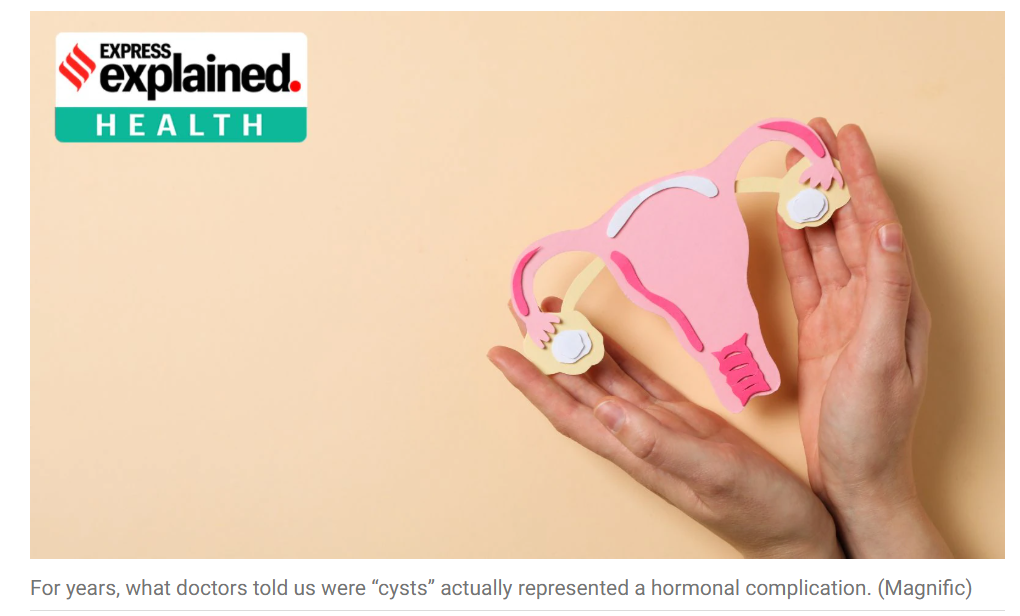
- The Pathological Misnomer: The term "polycystic" is scientifically inaccurate. Ultrasonography reveals that affected individuals do not possess abnormal, fluid-filled cysts. Instead, the observed morphology corresponds to arrested follicles—immature ovarian structures that stall midway through their physiological development due to a disrupted maturation process, preventing normal ovulation.
- Organ-Centric Misconception: By focusing entirely on the ovaries, the name "PCOS" reduced a complex, long-term systemic endocrine disorder to an isolated gynecological disease.
- The Diagnostic Delay: This localized definition created massive diagnostic blind spots. Approximately 70% of affected individuals globally remain undiagnosed, often enduring years of fragmented care and missed windows for early preventive interventions.
- Socio-Cultural Stigma: In many traditional societies, anchoring a multi-system metabolic disorder exclusively to reproductive and ovarian health inadvertently heightens the psychological distress and social stigma surrounding fertility, body weight, and associated skin changes.
Anatomy of the New Nomenclature: PMOS Explained
The updated term, Polyendocrine Metabolic Ovarian Syndrome, systematically breaks down the complex biological architecture of the condition:
Polyendocrine
This underscores the complex interplay of multiple hormone-producing pathways. The condition is driven by coordinated disruptions in several hormonal systems, including:
- Elevated androgens (male hormones) that disrupt steroidogenesis.
- Imbalances in luteinizing hormone (LH) and follicle-stimulating hormone (FSH).
- Neuroendocrine and stress-related hormonal dysregulations.
Metabolic
This acknowledges that insulin resistance and metabolic dysfunction are central pathophysiological drivers of the syndrome, rather than secondary complications. Elevated insulin triggers increased ovarian androgen secretion and significantly elevates the risk of long-term cardiometabolic morbidities.
Ovarian
This element preserves the reproductive health dimension, ensuring that chronic anovulation, menstrual irregularities, and implications for fertility remain addressed within the clinical framework.
Pathophysiology and Multi-Dimensional Risk Factors
The development of PMOS is driven by an intricate mix of fixed and modifiable elements:
- Genetic and Neuroendocrine Drivers: Strong hereditary links intertwined with disruptions in the brain-ovary signaling pathways (specifically the altered pulsatility of Gonadotropin-Releasing Hormone or GnRH).
- Modifiable Lifestyle Factors: Sedentary behavior, high-glycemic diets, and obesity aggravate insulin resistance, creating a feedback loop that worsens hormonal imbalances.
Clinical Characterization and Systemic Manifestations
PMOS is a chronic, multifaceted disorder affecting women of reproductive age. It presents a comprehensive array of symptoms across diverse biological systems:
- Reproductive and Gynecological: Chronic anovulation, highly irregular or absent menstrual cycles, and infertility. It also carries an elevated long-term risk of endometrial cancer due to prolonged unopposed estrogen exposure.
- Metabolic and Cardiometabolic: Impaired glucose tolerance, Type 2 diabetes, gestational diabetes, hypertension, dyslipidemia (abnormal cholesterol and triglyceride profiles), and Metabolic Dysfunction-Associated Steatotic Liver Disease (MASLD/fatty liver).
- Dermatological and Physical: Clinical hyperandrogenism presenting as hirsutism (excessive facial and body hair), severe treatment-resistant acne, male-pattern hair loss, and rapid weight gain.
- Psychological: Significant associations with anxiety, depression, mood swings, and eating disorders driven by both hormonal fluctuations and body image distress.
Metabolic Significance in the Indian Context
The transition to PMOS carries immense public health relevance for India, where the condition affects an estimated 16% to 18% of women of reproductive age.
The Thrifty Genotype Hypothesis
The Indian population carries a genetic predisposition known as the "thrifty genotype"—an evolutionary adaptation designed to conserve energy and store fat efficiently during periods of famine. In modern, urbanized environments characterized by sedentary routines and caloric excess, this genotype triggers heightened insulin resistance, rising obesity rates, and a sharp vulnerability to Type 2 diabetes.
The Paradox of "Lean PMOS"
Indian women frequently develop metabolic complications at a much younger age and at lower Body Mass Index (BMI) thresholds compared to Western populations. Under the old framework, individuals with "lean PCOS" (normal or low body weight) were frequently missed because they lacked the stereotypical physical signs of metabolic distress. The explicit inclusion of "metabolic" in PMOS ensures early screening for blood sugar, blood pressure, and lipid profiles in non-obese patients.
Evolving Management Frameworks: Modern vs. Traditional Paradigms
The recognition of PMOS as a systemic endocrine-metabolic disease is transforming the therapeutic landscape, shifting nutrition and lifestyle modification from supportive care to core clinical interventions.
Conventional Pharmacotherapy
- Metformin: An insulin sensitizer used to combat metabolic dysfunction and restore spontaneous ovulation.
- Oral Contraceptive Pills (OCPs): Prescribed to regulate menstrual cycles and suppress excess androgen levels.
- Advanced Metabolic/Fertility Options: The clinical shift has paved the way for utilizing modern metabolic treatments (such as GLP-1 receptor agonists/semaglutides) alongside advanced assisted reproductive technologies (IUI/IVF) for managing complex anovulatory infertility.
The Shift Toward Traditional and Herbal Paradigms
Due to the side effects associated with long-term reliance on synthetic drugs (e.g., gastrointestinal distress from Metformin or thromboembolic risks with specific OCPs), a notable research paradigm shift is underway toward traditional, complementary, and herbal medicines.
Natural supplements such as Myo-inositol are increasingly integrated to improve insulin sensitivity with fewer adverse effects. This highlights the growing need for integrative, evidence-based medicine that combines targeted lifestyle adjustments, metabolic therapies, and holistic care pathways to manage this chronic condition.
Kimberley Process (KP)
- 15 May 2026
In News:
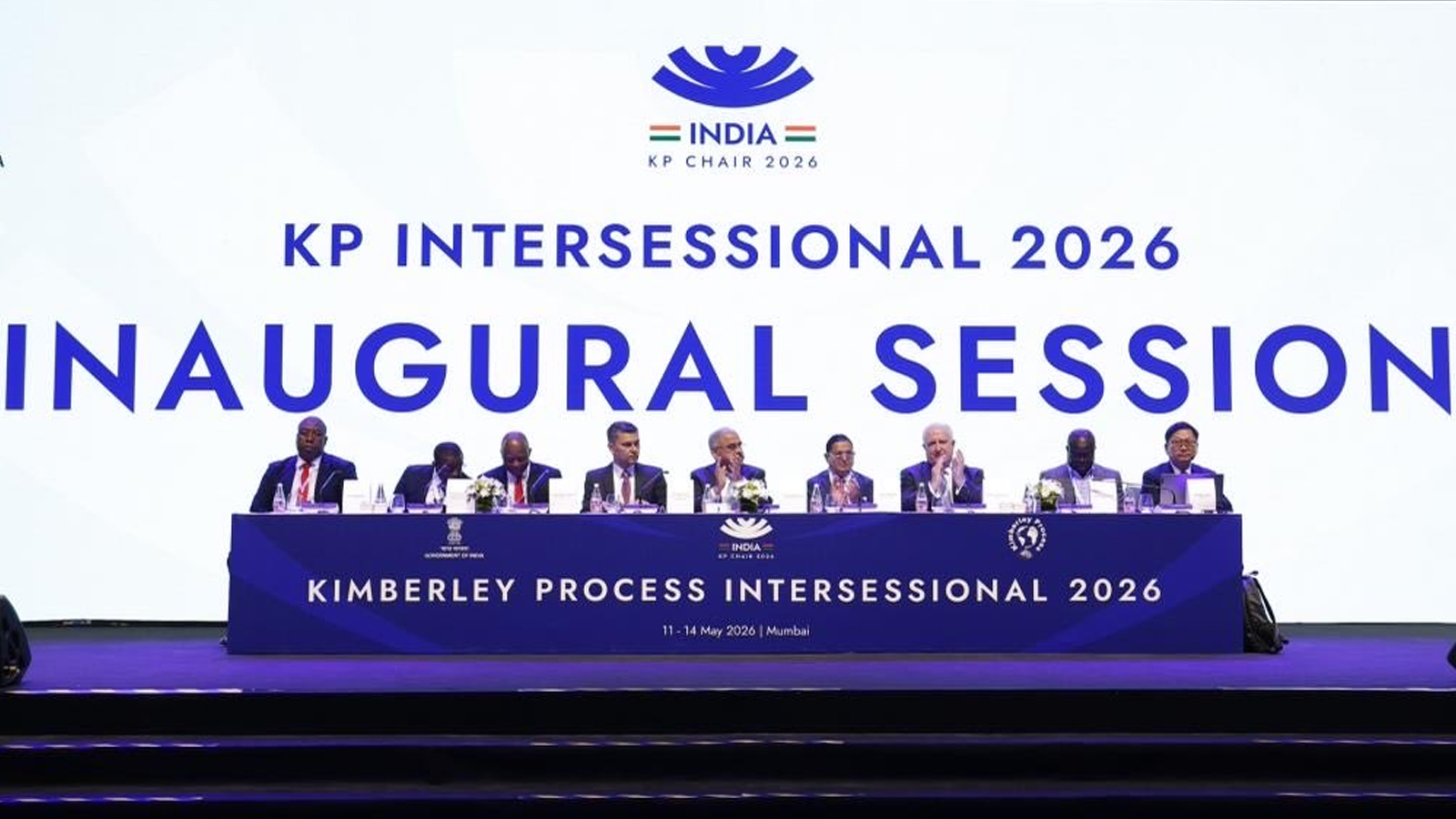
Recently, India commenced the Kimberley Process (KP) Intersessional Meeting in Mumbai, marking its third tenure as the Chair of this critical global body. As the world’s leading hub for diamond cutting and polishing—where 14 out of every 15 diamonds are processed—India’s leadership is pivotal in shaping the future of ethical trade.
What is the Kimberley Process (KP)?
The Kimberley Process is a multi-stakeholder international initiative that brings together governments, the diamond industry, and civil society.
- Genesis: The initiative was sparked in May 2000 in Kimberley, South Africa, following global outcry over "blood diamonds." It was formally launched in January 2003 under UN General Assembly Resolution 55/56.
- Mission: Its primary mandate is to eradicate the trade in "conflict diamonds"—defined as rough diamonds used by rebel movements or their allies to finance armed conflict aimed at undermining legitimate governments.
- India’s 2026 Chairship: Having assumed office on January 1, 2026, India has adopted the theme of the "3Cs": Credibility, Compliance, and Consumer Confidence.
Kimberley Process Certification Scheme (KPCS)
The KPCS is the operational "engine" of the process, acting as a rigorous regulatory "passport" for rough diamonds.
- Core Requirements: Every shipment of rough diamonds crossing an international border must be transported in a tamper-resistant container and accompanied by a government-validated Kimberley Process Certificate.
- Exclusionary Principle: To maintain the integrity of the chain, member states are strictly prohibited from trading rough diamonds with any non-member or any participant that fails to meet the scheme's minimum requirements.
- Legislative Mandate: Participants are required to implement national laws and internal controls to prevent smuggling and ensure the legality of the supply chain.
India’s 2026 Agenda: Digitalization and Reform
As the Chair, India is steering the KP toward modernization to meet the challenges of the 21st-century digital economy.
- Blockchain Integration: A major priority of the Mumbai Intersessional is the transition toward digital, tamper-proof certificates. By utilizing blockchain technology, India aims to provide real-time traceability, significantly reducing the risk of document fraud.
- Ad Hoc Committee on Review and Reform (AHCRR): India is leading discussions to broaden the definition of conflict diamonds. While the current definition focuses on rebel groups, there is a growing global demand to include broader human rights violations.
- Technical Cooperation: India is focusing on capacity building for African diamond-producing nations, ensuring that the legitimate diamond trade continues to support the livelihoods of millions.
Key Functions of the Kimberley Process
Beyond certification, the KP performs several systemic functions:
- Periodic Peer Reviews: Working groups conduct on-site visits to member countries to verify compliance.
- Statistical Accountability: Member states are obliged to share detailed trade and production data to maintain transparency.
- Market Stabilization: By filtering out illicit diamonds, the KP ensures the stability of the legitimate market, protecting the economy of countries where diamonds are a major export.
Justice Aravind Kumar Committee

- 15 May 2026
In News:
Chief Justice of India (CJI) Surya Kant announced a landmark initiative to overhaul the Indian judiciary's physical and technological backbone. By constituting the high-powered Judicial Infrastructure Advisory Committee (JIAC), the Supreme Court has signaled a decisive shift toward solving the chronic infrastructural gaps that have long hampered the delivery of justice.
Structural Composition and Leadership
The committee is designed as a multi-disciplinary expert panel, blending judicial wisdom with administrative and technical expertise.
- Chairperson:Justice Aravind Kumar (Judge, Supreme Court of India).
- Judicial Members:
- Justice Debangsu Basak (Calcutta High Court)
- Justice Ashwani Kumar Mishra (Punjab and Haryana High Court)
- Justice Somasekhar Sundaresan (Bombay High Court)
- Technical & Administrative Members:
- Director General of the Central Public Works Department (CPWD).
- Secretary General of the Supreme Court of India (serving as Member Secretary).
A Visionary Mandate: Seven Focus Areas
The primary objective of the Justice Aravind Kumar Committee is to create a blueprint for a unified, pan-India judicial ecosystem. To achieve this, the committee has identified seven key focus areas:
- Systemic Constraints: Identifying physical and procedural bottlenecks faced by judges and court staff.
- Litigant & Lawyer Facilities: Improving basic amenities such as waiting areas, accessible toilets, and dedicated chambers for bar members.
- Digital Transformation (e-Courts): Strengthening virtual and hybrid hearing infrastructures to bridge the digital divide between urban and rural courts.
- Technological Integration: Implementing cutting-edge tools (AI-assisted research, automated case management) to accelerate case disposal.
- Modern Court Complexes: Overseeing the design of sustainable, accessible, and 21st-century-ready buildings.
- Economic Alignment: Quantifying the fiscal requirements for judicial modernization.
- Institutional Synergy: Ensuring seamless coordination between the Judiciary, Central Government, and State Governments.
Strategic Funding and Economic Coordination
One of the committee's most significant features is its direct link to national economic policy.
- Projected Investment: The committee seeks a massive allocation of ?40,000–?50,000 crore. This represents one of the largest single-project investments in judicial history, aimed at treating judicial infrastructure as a vital component of national infrastructure.
- Collaboration with PM-EAC: The panel is tasked with submitting its detailed findings and specific funding requirements to Sanjeev Sanyal, a member of the Economic Advisory Council to the Prime Minister (EAC-PM), by August 31, 2026. This ensures that judicial requirements are integrated into the central government's budgetary planning.
Why This Matters: The State of Indian Judiciary
The constitution of this committee comes at a critical juncture. As of March 2026, the Supreme Court's case pendency reached a record high of over 93,000 cases, with millions more pending in subordinate courts.
- The Infrastructure-Pendency Link: Research consistently shows that case delays are often caused by "non-legal" factors, such as a lack of courtrooms for new judges, poor digital connectivity for remote hearings, and inadequate storage for physical records.
- Tribunal Crisis: Many specialized tribunals currently operate from inadequate rented spaces or hotel complexes (e.g., Hotel Samrat in New Delhi), compromising the dignity and efficiency of the legal process.
Bharat Maritime Insurance Pool (BMIP)
- 15 May 2026
In News:
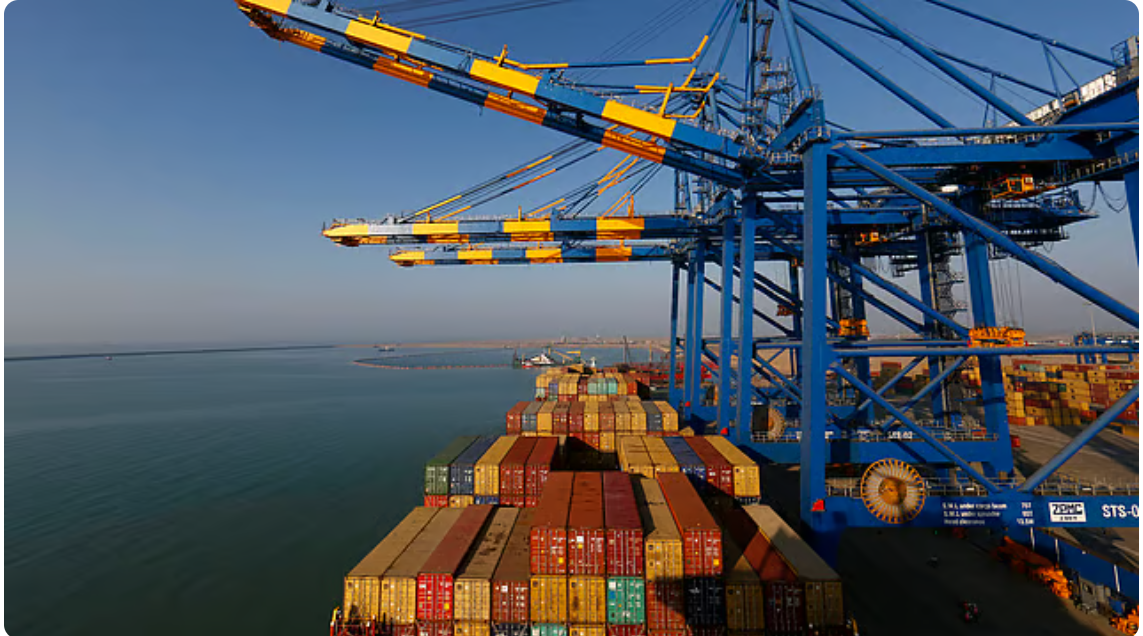
The Department of Financial Services (DFS) recently inaugurated the Bharat Maritime Insurance Pool (BMIP), marking a watershed moment in India’s maritime and financial history. Amidst escalating geopolitical tensions in West Asia and the Red Sea, this domestic insurance mechanism is designed to insulate Indian maritime trade from global supply chain disruptions.
Strategic Framework and Financial Structure
The BMIP is a robust domestic insurance ecosystem designed to reduce India's reliance on international Protection and Indemnity (P&I) clubs and foreign reinsurers.
- Financial Capacity: The pool is launched with a total capacity of $1.5 billion.
- Sovereign Backstop: A critical feature is the sovereign guarantee of $1.4 billion (approx. ?12,980 crore). This government guarantee ensures that the pool remains solvent even in the event of catastrophic losses.
- Claim Settlement Mechanism:
- Layer 1: Claims up to $100 million are met through the pooled capacity of domestic members.
- Layer 2: Claims exceeding the pooled capacity, after exhausting existing reserves and private reinsurance arrangements, are backed by the Sovereign Guarantee.
Core Objectives and Coverage
The primary mandate of the BMIP is to provide uninterrupted insurance coverage for Indian-flagged or Indian-controlled vessels, as well as international ships trading with Indian ports.
- Risk Spectrum: The pool offers comprehensive coverage across four critical maritime domains:
- Hull and Machinery: Physical damage to the ship’s structure and equipment.
- Cargo: Protection against loss or damage to goods being transported.
- Protection and Indemnity (P&I): Third-party liabilities, including environmental damage (oil spills) and injury to crew.
- War Risk: Coverage for damages arising from hostilities, sabotage, or piracy—a vital component given current West Asian crises.
Operational Governance
The BMIP operates as a collective of domestic insurance companies, ensuring that premium outflows remain within the Indian economy (reducing invisible service imports).
- Pool Administrator: The General Insurance Corporation of India (GIC Re) has been designated as the administrator, leveraging its expertise in global reinsurance.
- Underwriting Committee (UC): A specialized committee has been formed to ensure that risks are assessed with technical precision and consistency.
- Governing Body: A high-level governing body oversees the pool’s functionality and provides the final approval for invoking the sovereign guarantee.
- The Reinsurance Model: Domestic pool members issue policies using their combined capacity. The risks are then shared among all members in proportion to their committed capacity, creating a diversified risk-sharing model.