
Polymer Currency Notes
- 23 Jul 2026
In News:
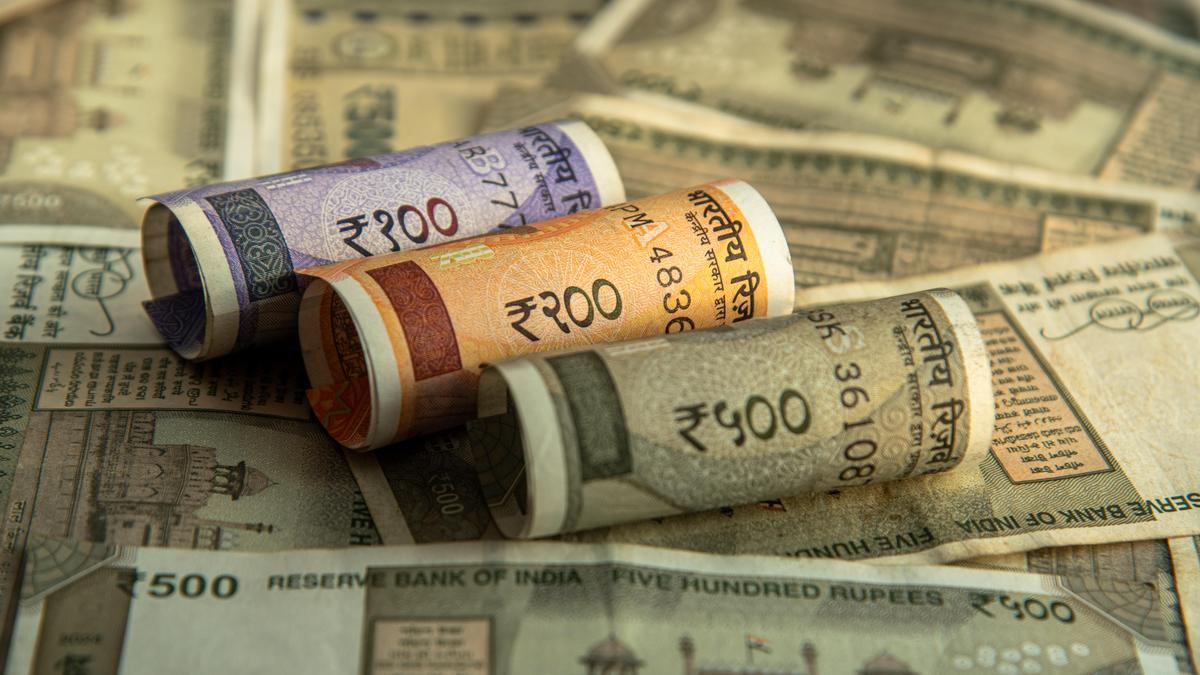
The Reserve Bank of India (RBI) has revived its proposal to introduce polymer (plastic) currency notes. Its wholly-owned subsidiary, Bharatiya Reserve Bank Note Mudran Private Limited (BRBNMPL), has invited global bids for the supply of Biaxially Oriented Polypropylene (BOPP)-based polymer substrate, indicating the likely launch of a pilot project for ?10 and ?20 denomination notes.
What are Polymer Currency Notes?
Polymer banknotes are currency notes manufactured from Biaxially Oriented Polypropylene (BOPP) instead of the conventional 100% cotton-pulp paper currently used in India.
Polymer notes are more durable, water-resistant, tear-resistant, and difficult to counterfeit due to advanced security features such as transparent windows, embedded security elements, and enhanced printing technologies.
More than 60 countries, including Australia (the first country to introduce polymer notes in 1988), use polymer currency either fully or partially. Polymer notes generally last 2.5–4 times longer than paper banknotes.
Why is RBI Considering Polymer Notes?
India spends nearly ?5,000 crore annually on replacing damaged and soiled currency notes. Every year, around 20–24 billion soiled notes are withdrawn under the RBI's Clean Note Policy, with lower denomination notes like ?10 and ?20 deteriorating the fastest because of frequent circulation.
Although polymer notes have higher initial production costs, their longer lifespan reduces replacement frequency and overall lifecycle costs. According to a TERI study commissioned by the RBI, polymer notes also have a lower lifecycle carbon footprint despite a higher initial carbon footprint, as fewer notes need to be manufactured and transported.
Timeline
- 2009: RBI proposed issuing 100 crore ?10 polymer notes.
- 2012: Government approved a pilot project in Kochi, Mysuru, Jaipur, Bhubaneswar, and Shimla.
- The proposal was later shelved due to technological challenges and the disruptions following demonetisation (2016).
- 2026: BRBNMPL revived the initiative by inviting global bids for polymer substrates.
Challenges
Despite their advantages, polymer notes cost 30–60% more than paper notes and their production depends on polypropylene, making costs vulnerable to fluctuations in global crude oil prices. India also imports nearly one-fifth of its polypropylene requirement, increasing supply-chain dependence.
The transition would require recalibration of ATMs, currency sorting machines, vending machines, and banknote processing equipment, resulting in significant implementation costs. Concerns have also been raised regarding plastic waste management and the need for specialised recycling facilities.
Further, with UPI processing over 24,000 crore transactions annually and accounting for nearly 85% of retail digital payments, some question the need for investing in new physical currency technology. However, currency in circulation has continued to rise to over ?41 lakh crore (2025–26), reflecting the continued importance of cash in the informal economy, rural areas, and during emergencies.
RBI's Clean Note Policy
- Introduced in 1999, the Clean Note Policy aims to ensure the circulation of clean and good-quality currency while withdrawing soiled and mutilated notes.
- Banks are required to issue only clean notes, exchange soiled notes without restriction, discontinue stapling of note packets, and use Currency Verification and Processing Systems (CVPS) for sorting and destroying unfit notes.
Currency Management in India
Currency management is governed by the RBI Act, 1934 and the Coinage Act, 2011.
The Reserve Bank of India has the exclusive authority to issue banknotes, manage currency supply, and ensure the circulation of clean notes, while the Government of India issues the ?1 note, mints coins, approves banknote designs, and provides the sovereign guarantee for all currency issued by the RBI.
Museum of Word (Shabdalok)
- 23 Jul 2026
In News:
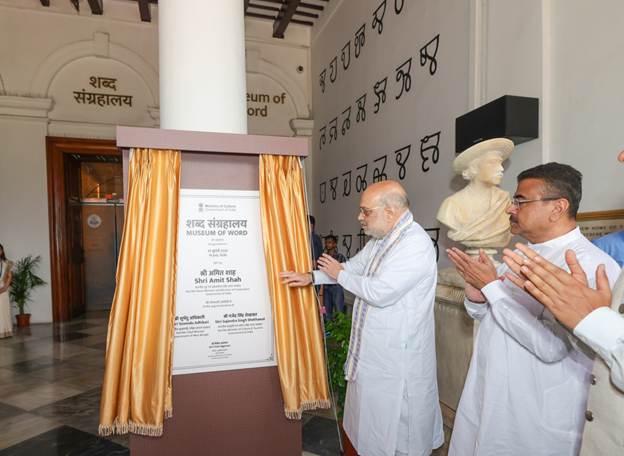
The Union Home Minister inaugurated the first phase of the Museum of Word (Shabdalok) at the National Library campus, Kolkata.
About Shabdalok (Museum of Word)
Shabdalok is India's first immersive museum dedicated to languages, words, and the country's multilingual heritage. Developed by the National Library of India under the Ministry of Culture, the museum celebrates India's rich linguistic diversity by showcasing the evolution of language, s, literature, and oral traditions through modern interactive technologies.
The museum seeks to demonstrate how words shape language, language reflects culture, and cultural traditions are transmitted across generations.
Key Features
The museum offers an immersive, multi-sensory experience through visual, auditory, tactile, and digital exhibits, making India's linguistic heritage accessible and engaging for visitors.
Its galleries trace the evolution of language from Omkar, Panini's grammatical tradition, and the Shruti and Smriti traditions to inions, manus, the invention of the printing press, and modern digital archives.
The exhibits include:
- Dialects and folk traditions
- Copper plate inions
- Stone inions
- Bhojpatra (birch bark) manus
- Handwritten manus
- Printed books
- Lullabies and oral traditions
- Other linguistic artefacts from across India
About the National Library of India
The National Library of India, located in Kolkata, is the largest library in India by collection size. It originated as the Imperial Library during the British period and was renamed the National Library after Independence.
It functions as India's premier repository of books, manus, government publications, and other documentary heritage.
Karlapat Bauxite Block
- 23 Jul 2026
In News:
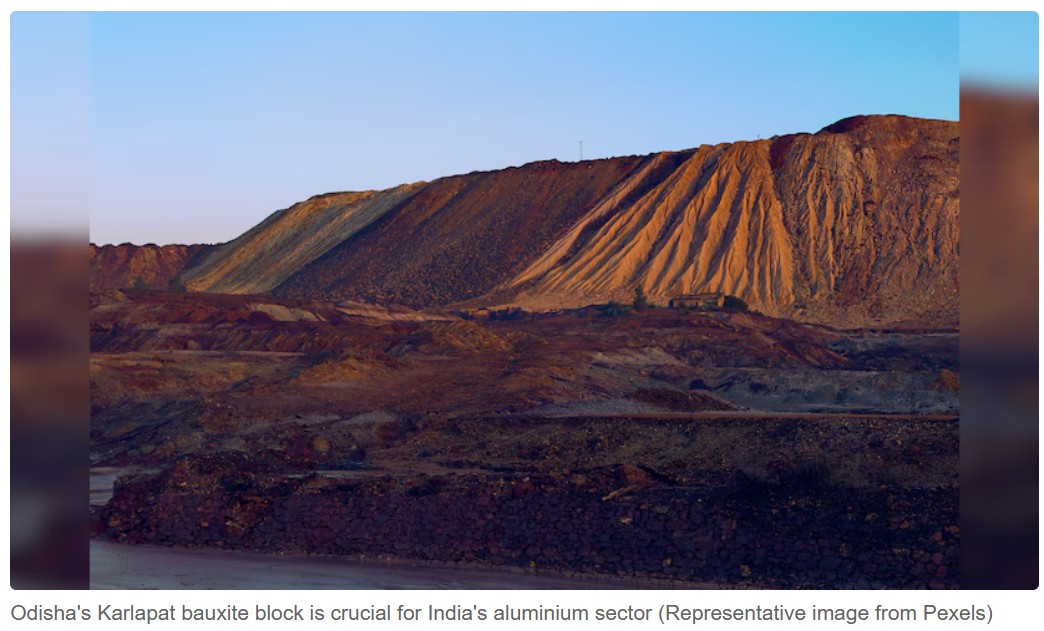
Several major industrial groups, including Adani, Reliance Industries, Hindalco, Vedanta Aluminium, Powercem, and Coal India, are competing to acquire the Karlapat Bauxite Block in Odisha, one of India's largest untapped bauxite deposits.
About Karlapat Bauxite Block
- The Karlapat Bauxite Block is a greenfield bauxite mining block located in Kalahandi district, Odisha. Being a greenfield project, it has not been commercially mined earlier, making it one of the country's most significant untapped mineral assets.
- The block contains an estimated 207 million tonnes of bauxite resources, including 153 million tonnes of proved reserves and 54 million tonnes of possible reserves.
- Spread across a 9.6 sq. km plateau, the deposit has an average ore thickness of around 12 metres. It contains high-grade bauxite with an average alumina content of about 45.2% and low silica content, making it suitable for efficient aluminium production.
Bauxite Deposits in Odisha
- Odisha is India's largest bauxite-bearing state, accounting for approximately 2,057 million tonnes, or nearly 41% of the country's total bauxite resources.
- Major bauxite-bearing districts include: Balangir, Kalahandi, Kandhamal, Kendujhar, Koraput, Malkangiri, Rayagada, and Sundargarh
- India's major bauxite reserves are concentrated in the East Coast Bauxite Belt, covering Odisha and Andhra Pradesh.
Why is Bauxite Important?
Bauxite is the principal commercial ore of aluminium and the only economically viable source for its large-scale production.
Aluminium is the second most widely used industrial metal after silica-based materials due to its lightweight nature, corrosion resistance, and recyclability. It is extensively used in:
- Transportation and automobiles
- Construction and infrastructure
- Power transmission
- Aerospace and defence
- Electrical equipment
- Packaging and manufacturing industries
Securing domestic bauxite resources is therefore crucial for strengthening India's aluminium industry, reducing import dependence, and supporting industrial growth.
Mission Golden Spice
- 23 Jul 2026
In News:
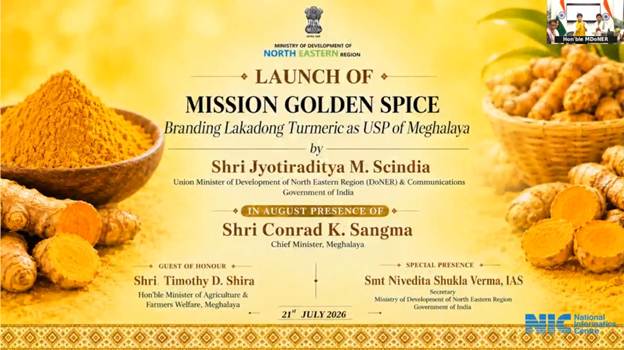
The Union Minister for Communications and Development of North Eastern Region (MDoNER) launched Mission Golden Spice, an integrated Lakadong Turmeric Value Chain Enhancement Project to promote turmeric cultivation and strengthen the value chain in Meghalaya.
About Mission Golden Spice
Mission Golden Spice is a convergence-led initiative aimed at enhancing the production, processing, branding, and marketing of Lakadong Turmeric while improving farmers' incomes and promoting sustainable agriculture in Meghalaya.
It is anchored by the Ministry of Development of North Eastern Region (MDoNER) and the North Eastern Council (NEC), with a five-year implementation period (2025–2030).
The mission will be implemented in two phases:
- Phase I: Value Chain Strengthening
- Phase II: Expansion and Scale-up
The initiative adopts a multi-agency approach by converging the schemes and interventions of the Ministry of Agriculture & Farmers Welfare, Ministry of Food Processing Industries, Ministry of Commerce, APEDA, Spices Board, National Turmeric Board, ICAR, MeitY, NABARD, SFAC, and the Government of Meghalaya.
About Lakadong Turmeric
Lakadong Turmeric is a premium turmeric variety primarily cultivated in the Lakadong region of the Jaintia Hills, Meghalaya.
It is renowned for its exceptionally high curcumin content (7–12%), significantly higher than ordinary turmeric varieties. It is naturally darker in colour and is grown organically without chemical fertilisers.
The product received the Geographical Indication (GI) Tag in 2024.
India–Australia Uranium Supply Agreement
- 23 Jul 2026
In News:
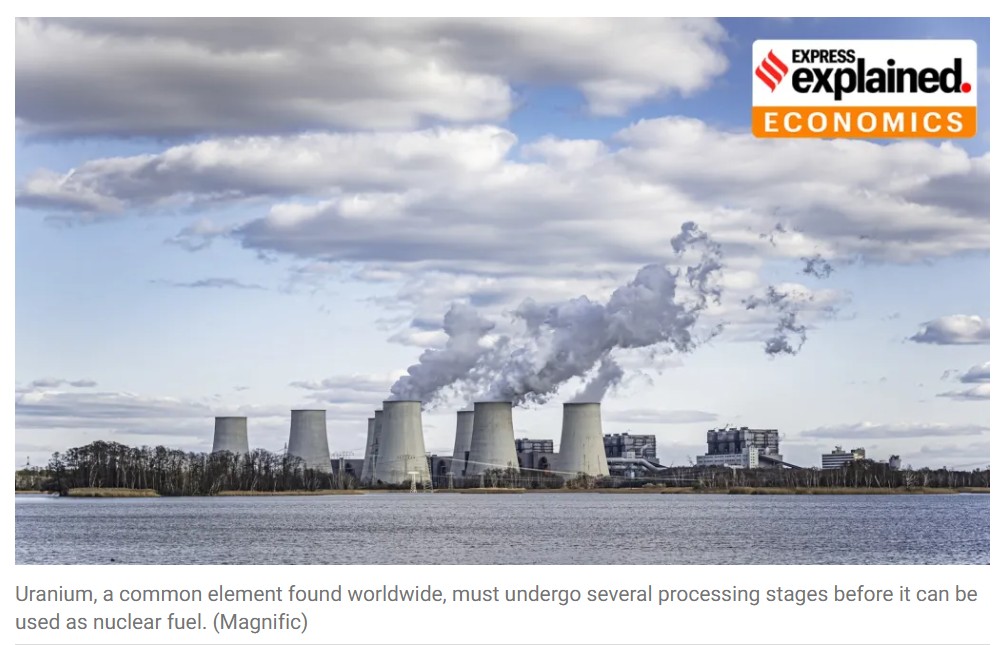
India has signed a long-term uranium supply agreement with Australia, operationalising the India–Australia Civil Nuclear Cooperation Agreement signed in 2014. The agreement follows similar uranium supply deals with Canada and Kazakhstan, strengthening India's long-term nuclear fuel security.
Key Highlights
India aims to expand its civil nuclear power capacity to 100 GWe by 2047, making assured uranium supply crucial for future reactor operations.
The agreement forms part of India's strategy to diversify uranium imports and reduce dependence on a limited number of suppliers. The quantity of uranium and duration of the agreement have not been disclosed.
India's Uranium Scenario
- India possesses around 4.3 lakh tonnes of uranium oxide reserves distributed across 47 deposits in states such as Andhra Pradesh, Telangana, Jharkhand, Rajasthan, Karnataka and Meghalaya.
- The Uranium Corporation of India Limited (UCIL) is responsible for uranium mining and processing, with major operational mines at Jaduguda, Turamdih (Jharkhand) and Tummalapalle (Andhra Pradesh).
- Despite these reserves, domestic production currently meets the fuel requirement of only about 2.4 GWe of India's existing 8.7 GWe nuclear power capacity, making imports essential.
India's Nuclear Fuel Requirements
- India's Pressurised Heavy Water Reactors (PHWRs) operate on natural uranium, obtained through domestic production and imports.
- However, Light Water Reactors (LWRs) such as Tarapur and Kudankulam require enriched uranium, which is entirely imported.
- According to a Ministry of Power committee, India will require an additional 8,029 tonnes of natural uranium and 1,045 tonnes of enriched uranium annually by 2047 to achieve its nuclear capacity target.
NSG Waiver
- India's civil nuclear trade became possible after the 2008 Nuclear Suppliers Group (NSG) waiver, which allowed nuclear commerce with India despite it being a non-signatory to the Nuclear Non-Proliferation Treaty (NPT).
- Between 2008–09 and 2024–25, India imported 18,842.6 metric tonnes of uranium for reactors under IAEA safeguards.
Major Uranium Suppliers
- India currently imports uranium from: Australia, Canada, Kazakhstan, Russia, Uzbekistan, France, and United States