
Abathsahayeswarar Temple (Thukkachi Temple)
- 16 Jul 2026
In News:
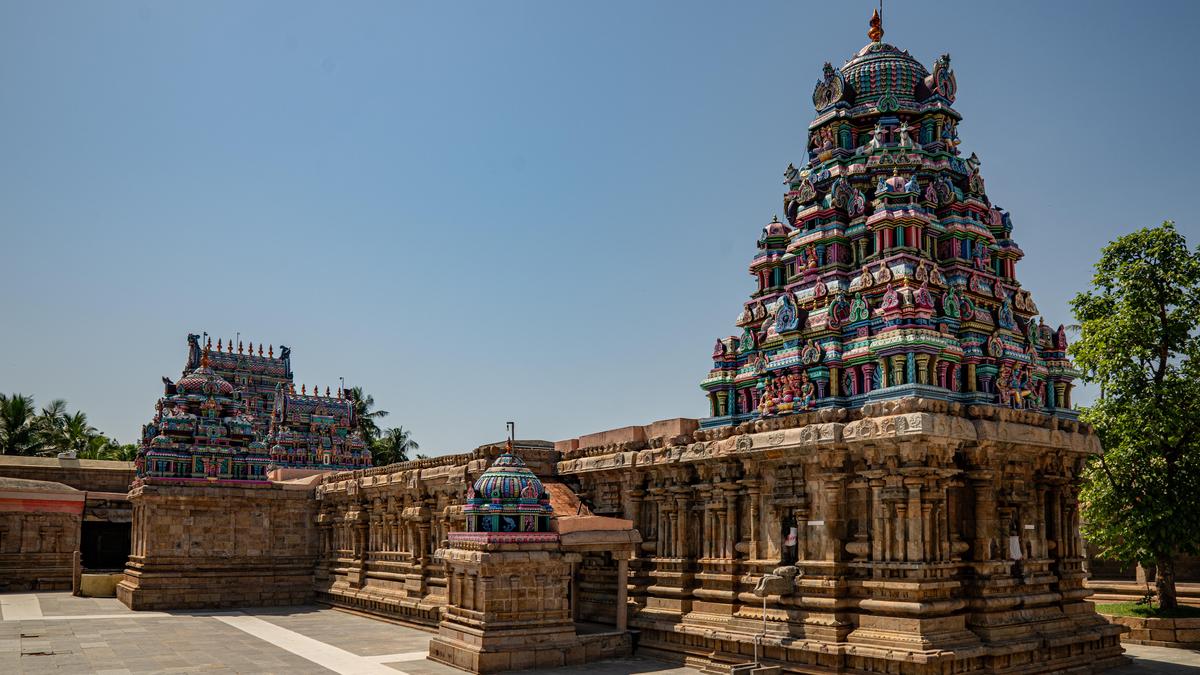
The 12th-century Abathsahayeswarar Temple at Thukkachi, Tamil Nadu, has been conferred the UNESCO Asia-Pacific Award of Distinction (2024) for its exemplary heritage conservation, recognising the successful integration of traditional temple-building practices with modern conservation technologies.
About the Abathsahayeswarar Temple
The Abathsahayeswarar Temple is a 12th-century Chola-period Hindu temple located in Thanjavur district, Tamil Nadu. It is a living heritage monument, continuing to function as an active place of worship while being protected as a monument of national importance.
The temple is closely associated with the Later Chola dynasty. It was initially endowed by Kulottunga I for the recitation of Thevaram hymns and was later expanded during the reign of Vikrama Chola, making it one of the few major temples attributed entirely to his period. Temple inions refer to the site as Thenthirukalathi or Vikramacholeeswaram.
Architectural Features
The temple is renowned for its distinctive Kara Kovil architecture, in which the sanctum is designed in the form of a processional chariot, a rare feature in Tamil temple architecture.
It also houses one of the oldest known stone sculptures of Lord Sarabeshwarar, making it an important site for the study of Shaivite iconography.
UNESCO-Awarded Conservation
The restoration project combined traditional Sthapatya Veda and Agama Shastra principles with modern conservation engineering.
A key feature of the conservation process was the use of digital anastylosis, involving:
- Drone surveys and digital mapping of the temple.
- Individual numbering of every displaced granite block.
- Careful dismantling and reassembly of the structure in its original configuration.
The project involved close collaboration between traditional sthapathis (temple architects) and structural engineers, ensuring both historical authenticity and structural stability.