
Samriddh Gram
- 12 Jul 2026
In News:
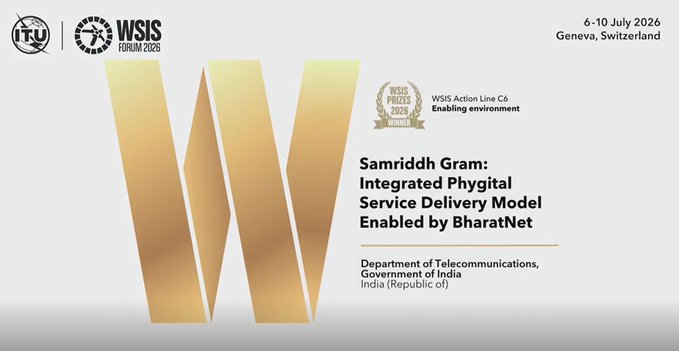
The Department of Telecommunications (DoT) has won the World Summit on the Information Society (WSIS) Prizes 2026 under Action Line C6 – Enabling Environment for its flagship Samriddh Gram initiative, recognising India's efforts in promoting inclusive rural digital transformation.
What is Samriddh Gram?
Samriddh Gram is a flagship rural digital transformation initiative of the Department of Telecommunications (DoT) built on the BharatNet network. It adopts a "phygital" (physical digital) service delivery model that combines robust digital infrastructure with on-ground service centres to improve access to essential public and commercial services in rural areas.
The initiative seeks to transform villages into digitally empowered communities by integrating connectivity, technology and assisted service delivery.
Objectives
The primary objective of Samriddh Gram is to bridge the rural digital divide by providing seamless access to education, healthcare, agriculture, financial services, e-governance and entrepreneurship opportunities through a unified digital ecosystem.
The initiative also supports the broader goals of Digital India, inclusive growth and last-mile service delivery.
Key Features
At the core of the programme are Samriddhi Kendras, which function as village-level one-stop service centres delivering integrated phygital services. These centres combine reliable telecom connectivity, digital platforms and assisted physical support to ensure that citizens can easily access government and private services.
The initiative provides a comprehensive range of services across multiple sectors:
- Education & Skill Development: Smart classrooms, AR/VR-enabled learning and digital skill training aligned with government programmes.
- Agriculture: IoT-based soil testing, drone-assisted farming and smart irrigation solutions.
- Healthcare: Telemedicine, Health ATMs and emergency healthcare support.
- e-Governance: Assisted access to government services, documentation and grievance redressal.
- E-Commerce: Integration with the Open Network for Digital Commerce (ONDC) and digital marketplaces to promote rural entrepreneurship.
- Financial Inclusion: Digital banking services and digital payment facilities.
The digital backbone of the programme is provided through BharatNetFibre-to-the-Home (FTTH) connectivity, supported by Village Area Networks (VANs) and public Wi-Fi hotspots.
Navi Mumbai Airport Notified as an Authorised Drug Import Entry Point
- 12 Jul 2026
In News:
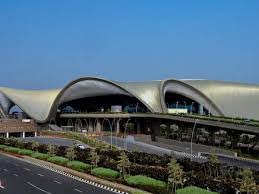
The Union Ministry of Health and Family Welfare has notified Navi Mumbai International Airport as an authorised entry point for the import of drugs into India. The move aims to strengthen pharmaceutical logistics, improve supply chain efficiency and facilitate trade while ensuring regulatory oversight.
What is the Recent Notification?
The notification has been issued under the Drugs and Cosmetics Act, 1940, after consultation with the Drugs Technical Advisory Board (DTAB).
To operationalise the decision, the Central Government amended Rule 43A of the Drugs Rules, 1945, adding Navi Mumbai International Airport to the list of approved locations through which pharmaceutical products can be imported into India.
With this amendment, the number of authorisedroad, rail, sea and air entry points for drug imports has increased to 42.
Key Features
The inclusion of Navi Mumbai Airport is expected to improve the movement of imported pharmaceutical consignments by providing an additional logistics gateway. It will reduce congestion at existing entry points, diversify import routes and enhance supply-chain resilience.
The new facility is expected to facilitate quicker customs clearance, improve transportation efficiency and strengthen pharmaceutical distribution networks across western India.
Drugs Technical Advisory Board (DTAB)
The Drugs Technical Advisory Board (DTAB) is a statutory body constituted under the Drugs and Cosmetics Act, 1940.
It serves as the highest technical advisory body on matters relating to the regulation of drugs and cosmetics in India. The Board advises the Central and State Governments on technical issues concerning the administration and implementation of the Act and the Rules framed thereunder.
IMAT-05: Fifth Integrated Main Parachute Airdrop Test for Gaganyaan Mission

- 12 Jul 2026
In News:
The Indian Space Research Organisation (ISRO) successfully conducted the fifth Integrated Main Parachute Airdrop Test (IMAT-05) for the Gaganyaan Mission at the Aerial Delivery Research and Development Establishment (ADRDE) drop zone in Sheopur, Madhya Pradesh. The test marks another significant milestone in validating the crew module's safe recovery system ahead of the upcoming uncrewed G1 mission.
What is IMAT-05?
The Integrated Main Parachute Airdrop Test (IMAT-05) is a high-altitude structural qualification test designed to validate the main parachute system of the Gaganyaan Crew Module under the most demanding re-entry conditions. It simulates the extreme aerodynamic forces experienced by the crew capsule during atmospheric re-entry before its splashdown in the sea.
The test was jointly planned and executed by the Indian Space Research Organisation (ISRO) and the Aerial Delivery Research and Development Establishment (ADRDE), a laboratory under the Defence Research and Development Organisation (DRDO).
Objective
The primary objective of IMAT-05 was to verify the structural integrity, deployment sequence, aerodynamic performance and safety margins of the main parachute system under maximum design loads expected during the Gaganyaan G1 uncrewed demonstration mission.
Key Features of the Test
The test involved dropping a dummy payload, equivalent in mass to the actual crew module, from an altitude of 2.5 km using an Indian Air Force IL-76 heavy transport aircraft.
The Gaganyaan Crew Module uses an integrated 10-parachute deceleration system, designed to gradually reduce the capsule's velocity before ocean landing.
The system comprises:
- 2 Apex Cover Separation Parachutes to jettison the protective cover over the parachute compartment.
- 2 Drogue Parachutes to stabilize the descending capsule and reduce its initial speed.
- 3 Pilot Parachutes to extract the main parachutes from the capsule.
- 3 Main Parachutes that sequentially deploy to reduce the crew module to a safe splashdown velocity.
A major highlight of IMAT-05 was the successful validation of the disreefing sequence, a controlled deployment mechanism in which the main parachutes inflate in stages rather than opening instantaneously. This significantly reduces structural stress on the parachute canopy and suspension lines under extreme aerodynamic loads.
Cyanobacteria: Nature's Ancient Microbes for Sustainable Water Purification
- 12 Jul 2026
In News:
Researchers from IIT Guwahati have demonstrated that cyanobacteria (blue-green algae) can effectively remove lead from contaminated water, highlighting their potential as an eco-friendly and cost-effective solution for heavy metal remediation.
What are Cyanobacteria?
Cyanobacteria, commonly known as blue-green algae, are microscopic photosynthetic prokaryotic organisms found naturally in aquatic environments. They are among the oldest known life forms on Earth, with fossil records dating back more than 3.5 billion years, and are believed to have played a crucial role in oxygenating the Earth's atmosphere.
These organisms occur in freshwater, brackish water and marine ecosystems, where they contribute significantly to primary productivity.
Characteristics of Cyanobacteria
Cyanobacteria are autotrophic organisms, producing their own food through photosynthesis using sunlight. Unlike algae, they possess a prokaryotic cell structure, lacking a true nucleus and membrane-bound organelles.
They reproduce asexually, primarily through transverse binary fission. While some species occur as solitary cells, others form colonies or filamentous structures.
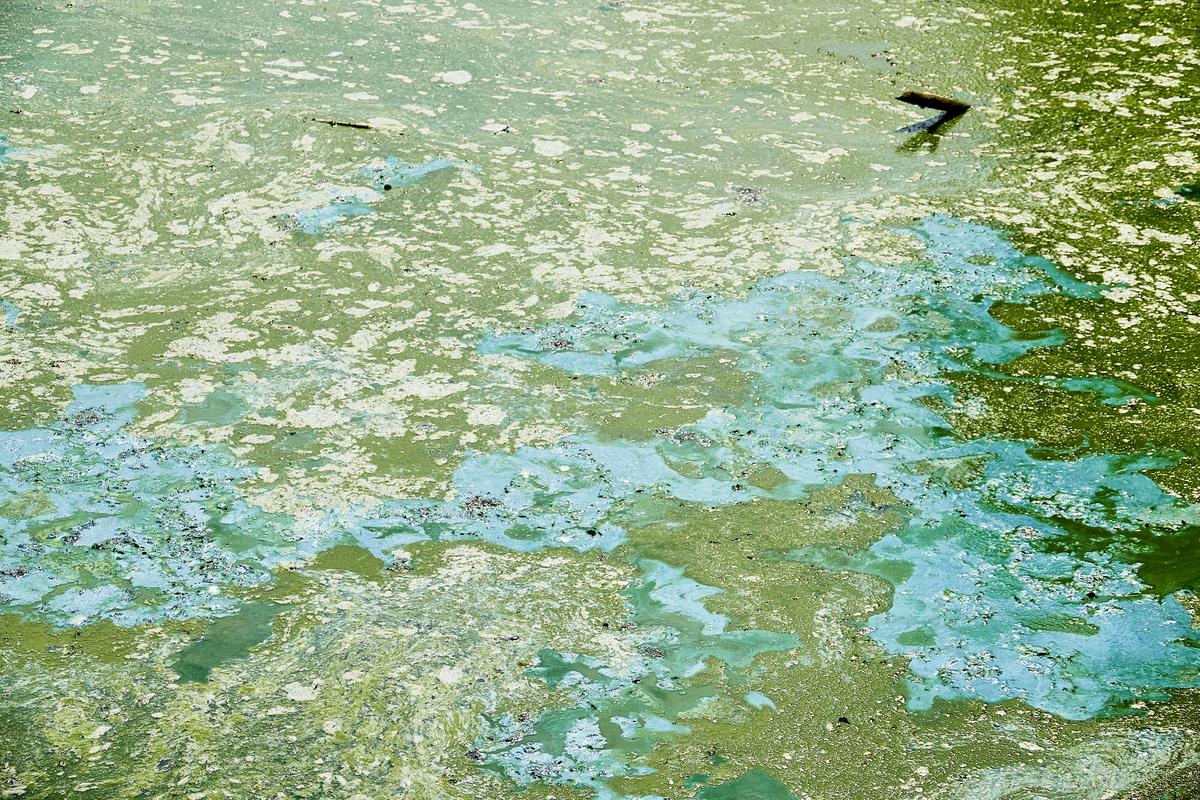
Under warm, nutrient-rich conditions, cyanobacteria multiply rapidly and form cyanobacterial blooms, particularly in slow-moving water bodies enriched with nutrients from agricultural runoff or sewage. Certain species produce cyanotoxins, which can adversely affect aquatic ecosystems, livestock and human health.
Role in Water Purification
The recent study demonstrates that cyanobacteria can absorb and accumulate lead, a toxic heavy metal, from contaminated water through the process of biosorption. This makes them promising candidates for bioremediation, an environmentally sustainable approach that uses living organisms to remove pollutants from the environment.
Compared to conventional chemical treatment methods, cyanobacteria-based remediation is relatively inexpensive, eco-friendly and suitable for treating industrial wastewater contaminated with heavy metals.
Astra Mk 1 Missile
- 12 Jul 2026
In News:
During the India–Indonesia Bilateral Summit in Jakarta, the two countries signed a landmark defence agreement for the supply of the indigenously developed Astra Mk 1 Beyond-Visual-Range Air-to-Air Missile (BVRAAM). The deal marks a significant milestone in India's growing defence exports and strengthens strategic defence cooperation between the two countries.
What is the Astra Mk 1 Missile?
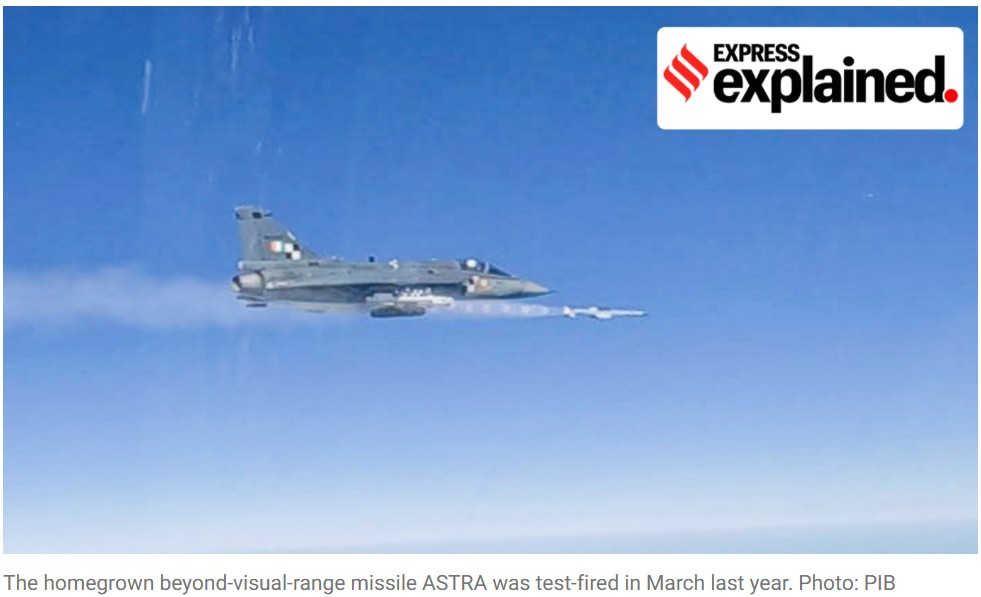
The Astra Mk 1 is India's first indigenously developed Beyond-Visual-Range Air-to-Air Missile (BVRAAM), designed to engage and destroy highly manoeuvrable enemy aircraft before they enter visual combat range. Developed by the Defence Research and Development Organisation (DRDO) in partnership with Bharat Dynamics Limited (BDL), the missile significantly enhances the long-range air combat capability of the Indian Air Force.
Its primary objective is to provide fighter aircraft with stand-off strike superiority, enabling pilots to neutralize hostile aerial targets from safe distances.
Key Features
- The Astra Mk 1 is an all-weather, supersonic missile capable of intercepting highly agile aircraft at speeds of up to Mach 4.5.
- It operates across a wide altitude envelope ranging from sea level to 20 km and has an effective engagement range of approximately 80–110 km, depending on launch conditions.
- The missile employs a three-stage guidance system for enhanced accuracy. During the initial phase, it navigates using an inertial navigation system. In the mid-course phase, it receives continuous radio frequency updates from the launch aircraft, enabling course corrections against manoeuvring targets. In the terminal phase, an Active Radio Frequency (RF) seeker autonomously locks onto the target, maintaining effectiveness even in electronic warfare environments.
- Powered by a single-pulse smokeless solid-fuel rocket motor, Astra leaves minimal visible smoke, thereby reducing the chances of revealing the launch aircraft's position.
Platform Integration
The Astra Mk 1 is fully operational on the Sukhoi Su-30 MKI fleet of the Indian Air Force. Integration is currently underway with India's indigenous LCA Tejas Mk 1A and the Rafale fighter aircraft, expanding its operational versatility across multiple combat platforms.
Evolution of the Astra Missile Family
Building upon the success of the Mk 1, DRDO is developing advanced variants to further strengthen India's aerial strike capability.
The Astra Mk 2 is expected to have an engagement range of around 200 km and will employ a dual-pulse solid rocket motor, enabling the missile to regain energy during the terminal phase and improve interception capability against highly manoeuvrable targets.
The Astra Mk 3, also known as Gandiva, is currently under development and will incorporate Solid Fuel Ducted Ramjet (SFDR) technology. This propulsion system will provide sustained thrust throughout flight, extending the missile's interception range to over 350 km, placing it among the world's longest-range air-to-air missiles.
ULLAS (Understanding Lifelong Learning for All in Society) Initiative
- 11 Jul 2026
In News:
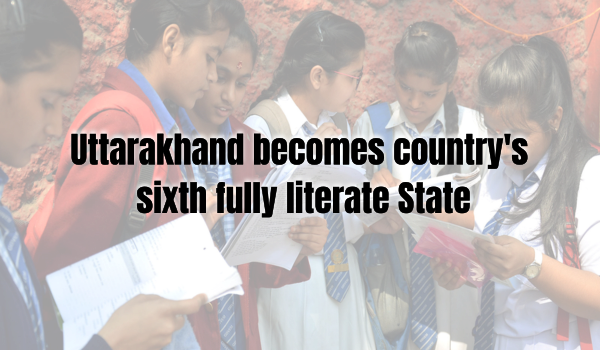
Uttarakhand has been declared India's sixth fully literate State under the National Education Policy (NEP) 2020 through the ULLAS (Understanding Lifelong Learning for All in Society)programme. The achievement reflects India's continued efforts to promote adult literacy and lifelong learning.
About ULLAS Programme
ULLAS (Understanding Lifelong Learning for All in Society), also known as the Nav Bharat SaakshartaKaryakram (New India Literacy Programme), is a Centrally Sponsored Scheme launched by the Ministry of Education. It aligns with the vision of NEP 2020 by transforming adult education into a lifelong learning movement.
Implemented during 2022–2027, the programme aims to educate non-literate adults aged 15 years and above who could not complete formal schooling. Moving beyond conventional literacy, ULLAS focuses on developing functional literacy, numeracy and essential life skills required for active participation in society.
Objectives
The programme seeks to provide Foundational Literacy and Numeracy (FLN) to 5 crore adult learners over five years, targeting 1 crore learners annually through the Online Teaching, Learning and Assessment System (OTLAS).
It also promotes community participation and volunteerism, encouraging citizens to contribute towards building a literate society while fostering the spirit of Kartavya Bodh (sense of civic duty).
Key Features
ULLAS provides learning through both physical and digital modes. Learners can access educational content in regional languages through the DIKSHA Portal, the ULLAS Mobile App, and other digital platforms.
The programme establishes Samajik Chetna Kendras (Social Awareness Centres) by utilizing schools, village libraries and Panchayat buildings as community learning centres.
To ensure inclusivity, learning materials are available in 27 languages and local dialects, enabling wider participation across the country.
Progress is assessed through the Foundational Literacy and Numeracy Assessment Test (FLNAT), conducted twice annually. Successful learners receive literacy certificates jointly issued by the National Institute of Open Schooling (NIOS) and the Department of School Education and Literacy (DoSEL).
The programme also connects newly literate adults with Jan Shikshan Sansthans (JSS) to facilitate vocational training and improve local employment opportunities.
Components of ULLAS
ULLAS is built around five major components:
- Foundational Literacy and Numeracy (FLN) to develop reading, writing and numeracy skills.
- Critical Life Skills, including digital literacy, financial literacy, legal awareness, healthcare, family welfare and childcare.
- Basic Education, providing equivalency with formal school education.
- Vocational Skills to improve employability and livelihood opportunities.
- Continuing Education, covering subjects such as arts, science, technology, culture, sports and lifelong learning.
States/UTs Achieving 95% or More Literacy under ULLAS
As of 2026, the States and Union Territories declared fully literate under ULLAS include:
- Ladakh (UT) – 2024
- Mizoram – 2025
- Goa – 2025
- Tripura – 2025
- Himachal Pradesh – 2025
- Chandigarh (UT) – 2025
- Andaman & Nicobar Islands (UT) – 2026
- Sikkim – 2026
- Uttarakhand – 2026
World Population Day 2026

- 11 Jul 2026
In News:
World Population Day was observed on 11 July 2026 with the theme "Realizing the hopes and aspirations of young people – today and for the future." The observance highlights the importance of empowering young people to make informed choices regarding education, employment, relationships and parenthood while addressing global demographic challenges.
About World Population Day
World Population Day is observed every year on 11 July to raise awareness about population-related issues and their implications for sustainable development, health, gender equality and economic growth.
The observance traces its origin to 11 July 1987, when the world's population reached approximately five billion, drawing global attention to the consequences of rapid population growth. Recognising the growing significance of demographic issues, the United Nations Development Programme (UNDP) established World Population Day in 1989.
The day encourages dialogue on critical issues such as maternal health, reproductive rights, gender equality, poverty, migration, unemployment, education and access to essential public services.
Theme for 2026
The 2026 theme is "Realizing the hopes and aspirations of young people – today and for the future."
The theme is based on the report "Lives, Choices and Futures: What Young People Want and What Shapes Their Decisions About Relationships and Parenthood." The report draws upon the views of more than 108,000 internet-connected adults aged 18–39 across 73 countries, highlighting the aspirations and challenges faced by young people while making decisions about family life and parenthood.
Global Population Trends
Global population growth has accelerated rapidly over the past two centuries. While humanity took thousands of years to reach one billion, the global population expanded nearly sevenfold thereafter.
The world population crossed seven billion in 2011 and is projected to reach approximately 8.5 billion by 2030 and 9.7 billion by 2050, reflecting continued demographic expansion, particularly in developing regions.
India's Population Scenario
With a population of around 1.4 billion, India remains one of the world's most populous countries, accounting for nearly 17% of the global population.
According to demographic projections, India's population is expected to peak at around 1.7–1.9 billion between the 2060s and 2080s, after which it is likely to stabilise and gradually decline as fertility rates continue to fall.
India's youthful population presents a significant demographic dividend, but realizing this opportunity requires sustained investment in education, healthcare, skill development, employment generation and gender equality.
Australia–India Partnership on Cyber, Critical Technologies and Supply Chains (PACTS)

- 11 Jul 2026
In News:
India and Australia have launched the Australia–India Partnership on Cyber, Critical Technologies and Supply Chains (PACTS) to deepen bilateral cooperation in cyber security, critical technologies, resilient supply chains, digital resilience and defence research.
The partnership replaces the 2020 Framework Arrangement on Cyber and Cyber Enabled Critical Technology Cooperation, reflecting the expanding strategic relationship between the two countries.
What is PACTS?
The Partnership on Cyber, Critical Technologies and Supply Chains (PACTS) is a comprehensive bilateral framework designed to strengthen cooperation in emerging technologies, cyber resilience, trusted supply chains and defence innovation. It seeks to enhance both countries' capacity to address evolving geopolitical, technological and economic challenges while contributing to a secure and resilient Indo-Pacific.
The partnership will be jointly overseen by India's Deputy National Security Advisor and Australia's Deputy Secretary of the International and Security Group in the Department of the Prime Minister and Cabinet.
Key Pillars of PACTS
1. Supply Chain Resilience and Diversification:
The partnership seeks to build secure, trusted and diversified supply chains for critical technologies and strategic sectors. Both countries will also strengthen cooperation on undersea cable security through the Quad Partnership for Cable Connectivity and Resilience, recognising the strategic importance of submarine communication infrastructure.
The National Security Council Secretariat (NSCS) is the lead agency on the Indian side.
2. Critical Technologies:
India and Australia will deepen collaboration in emerging technologies, including Artificial Intelligence (AI), space technologies, telecommunications, biotechnology and advanced materials. The objective is to promote innovation, technological self-reliance and trusted technology ecosystems.
The Indian lead agency is the National Security Council Secretariat (NSCS).
3. Cyber Security:
The cyber pillar focuses on enhancing cooperation against cybercrime, improving cyber resilience and protecting critical infrastructure. The two countries will establish a streamlined bilateral cyber cooperation mechanism, expand dialogue on cybersecurity and data governance, and develop a Cyber Technology Skill Incubator to build skilled human resources.
The Cyber Diplomacy Division of the Ministry of External Affairs (MEA) is the nodal agency for India.
4. Digital Resilience:
The partnership promotes cooperation in Digital Public Infrastructure (DPI) across the Indo-Pacific region. It aims to support partner countries through capacity-building programmes and pilot projects based on India's successful DPI model, while also encouraging resilient digital infrastructure and clean technology solutions.
The Oceania Division of the Ministry of External Affairs leads this pillar.
5. Defence Research Collaboration:
India and Australia will strengthen cooperation between Australia's Defence Science and Technology Group (DSTG) and India's Defence Research and Development Organisation (DRDO). The partnership also encourages collaboration between defence start-ups and joint research in areas such as maritime surveillance, advanced materials and emerging defence technologies.
The Ministry of Defence is the lead agency from India.
Pinaka Long Range Guided Rocket (LRGR)
- 11 Jul 2026
In News:
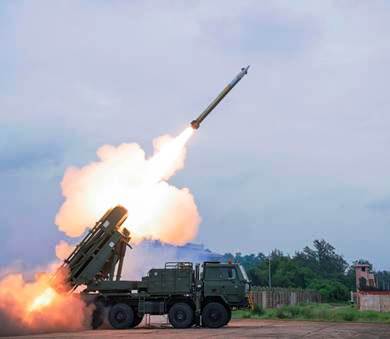
The Defence Research and Development Organisation (DRDO) successfully conducted a test of the Pinaka Long Range Guided Rocket (LRGR) at the Integrated Test Range (ITR), Chandipur, Odisha, validating its minimum strike range of 60 km with high precision. Earlier trials had already demonstrated its maximum strike range of 120 km.
What is the Pinaka Long Range Guided Rocket (LRGR)?
The Pinaka LRGR is an indigenously developed precision-guided artillery rocket designed to engage enemy positions, artillery batteries, bunkers, logistics hubs and other high-value targets deep inside hostile territory from a stand-off distance. It is the latest guided variant of the Pinaka Multi-Barrel Rocket Launcher (MBRL) system, significantly enhancing the Indian Army's long-range precision strike capability.
The rocket has an operational strike range of 60–120 km, providing flexibility to accurately engage targets at varying distances.
Key Features
A major achievement of the recent test was the successful engagement of a target at the minimum operational range of 60 km. Unlike long-range firing, striking closer targets requires the rocket to shed excess energy and execute steep in-flight manoeuvres, demonstrating the system's precision and confirming the absence of any significant dead zone within its operational envelope.
The Pinaka LRGR was launched from an existing in-service Pinaka launcher, proving that the same launcher platform can deploy different variants of the Pinaka rocket family without requiring separate launch systems. This enhances operational flexibility and reduces logistics requirements.
The truck-mounted launcher offers excellent battlefield mobility and employs the "shoot-and-scoot" concept, enabling rapid firing followed by immediate relocation to avoid enemy counter-battery fire.
Each Pinaka launcher can fire 12 rockets in about 44 seconds, while a battery of six launchers can launch 72 rockets, saturating nearly one square kilometre with concentrated firepower.
Development
The Pinaka LRGR has been designed by the Armament Research and Development Establishment (ARDE), Pune, in collaboration with the High Energy Materials Research Laboratory (HEMRL). Technical support was also provided by the Defence Research and Development Laboratory (DRDL) and the Research Centre Imarat (RCI), all laboratories under the DRDO.
Geneva Conventions & the "Hummus Trail" Controversy
- 11 Jul 2026
In News:
The Geneva Conventions of 1949 have come into focus following the "Hummus Trail" controversy, after the Hind Rajab Foundation (HRF) filed a legal petition seeking the arrest of an Israeli soldier vacationing in Himachal Pradesh over alleged war crimes committed in Gaza. The incident has raised questions regarding India's obligations under International Humanitarian Law (IHL) and the principle of universal jurisdiction.
What is the Hummus Trail?
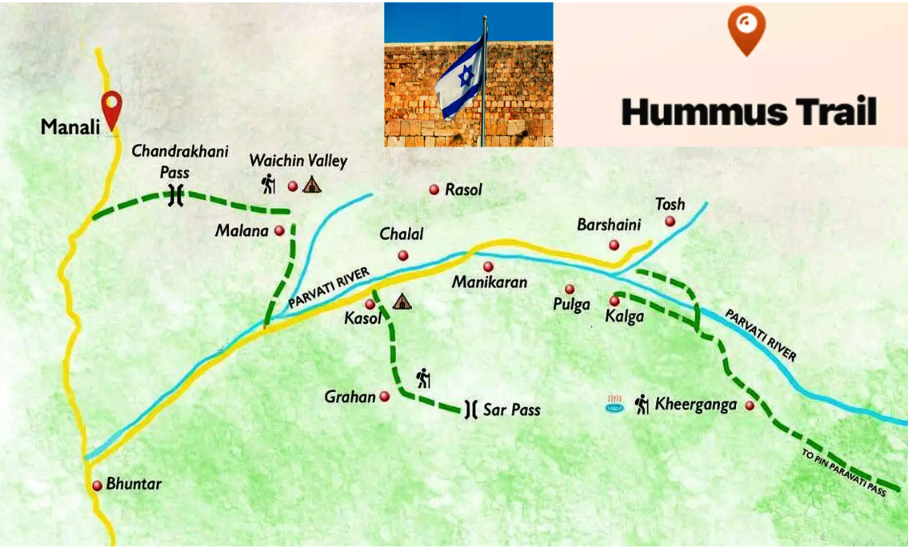
The Hummus Trail is an informal term describing a network of Indian destinations that are popular among young Israeli travellers, particularly those who have recently completed their mandatory military service. Inspired by the earlier Hippie (Hashish) Trail, it includes destinations such as Kasol, Dharamkot, Rishikesh, Pushkar, Goa, Hampi, Gokarna, Kodaikanal, and the Andaman & Nicobar Islands.
Many of these visitors undertake the Tiul Gadol ("Big Trip"), a traditional post-military journey lasting from six months to a year, often supported by post-service financial benefits. India receives nearly 80,000 Israeli tourists annually, and in 2026, Israel allocated 4 million New Israeli Shekels (NIS) to strengthen tourism cooperation with India.
Geneva Conventions, 1949
The Four Geneva Conventions of 1949, together with their Additional Protocols, form the foundation of International Humanitarian Law (IHL). They establish humanitarian rules applicable during armed conflicts by protecting persons who are not, or are no longer, participating in hostilities.
- First Geneva Convention: Protects wounded and sick members of armed forces on land.
- Second Geneva Convention: Protects wounded, sick and shipwrecked military personnel at sea.
- Third Geneva Convention: Protects prisoners of war.
- Fourth Geneva Convention: Protects civilians during armed conflict and defines grave breaches, including wilful killing, torture, unlawful deportation and extensive destruction of property not justified by military necessity.
Universal Jurisdiction
One of the most significant features of the Geneva Conventions is the principle of universal jurisdiction. It obligates every State Party to search for, prosecute or extradite persons accused of committing grave breaches, irrespective of the nationality of the accused or the victims, and regardless of where the alleged offence occurred.
This principle seeks to ensure that perpetrators of serious violations of international humanitarian law do not escape accountability by crossing national borders.
India's Legal Framework
India incorporated its obligations under the Geneva Conventions through the Geneva Conventions Act, 1960.
The Act criminalises acts classified as grave breaches under the Geneva Conventions and empowers Indian authorities to prosecute individuals accused of such offences if they are found within Indian territory, irrespective of their nationality or the place where the alleged crime was committed.
Apart from criminal prosecution, the Government of India also retains sovereign powers under immigration laws to deport foreign nationals when considered necessary in the national interest.
Significance
The controversy highlights the increasing importance of international humanitarian law in domestic legal systems. It also underscores the practical relevance of universal jurisdiction, which allows national courts to deal with certain international crimes irrespective of territorial or nationality links.
For India, the issue presents a delicate diplomatic challenge. While maintaining strong strategic relations with Israel, India must also uphold its international legal commitments under the Geneva Conventions and navigate evolving global legal proceedings, including the ongoing case instituted by South Africa against Israel before the International Court of Justice (ICJ).
Prambanan Temple

- 10 Jul 2026
In News:
The Prime Minister of India, along with the President of Indonesia, recently visited the Prambanan Temple, a UNESCO World Heritage Site, in Yogyakarta, Indonesia, highlighting the centuries-old civilizational and cultural links between India and Southeast Asia.
About Prambanan Temple
The Prambanan Temple is the largest Hindu temple complex in Indonesia, located in Sleman Regency, Yogyakarta, on the island of Java. Known locally as Roro Jonggrang (Temple of the Slender Virgin), it is one of the finest examples of Hindu temple architecture in Southeast Asia.
Constructed during the 9th century CE by the Sanjaya Dynasty, the temple symbolizes the flourishing of Hindu culture in ancient Java. It is dedicated to the Hindu Trimurti—Lord Shiva (the Destroyer), Lord Vishnu (the Preserver), and Lord Brahma (the Creator).
Recognising its outstanding cultural value, UNESCO inscribed Prambanan as a World Heritage Site in 1991.
Architectural Features
Prambanan reflects a remarkable fusion of indigenous Javanese architectural traditions and the South Indian Pallava style, illustrating the spread of Indian cultural influences across Southeast Asia.
The temple complex comprises 240 temples, with the central sacred compound containing eight principal temples and eight smaller shrines built on a raised platform.
Among these, the Shiva Temple is the largest and most prominent, rising to a height of 47 metres, making it one of the tallest Hindu temples in Southeast Asia. The other principal temples are dedicated to Vishnu and Brahma.
The galleries surrounding the temples are adorned with beautifully carved bas-reliefs depicting episodes from the Ramayana, showcasing the enduring influence of Indian epics on Southeast Asian art and culture.
Although primarily a Hindu religious complex, the Prambanan region also contains several Buddhist temples, reflecting the harmonious coexistence of Hinduism and Buddhism in ancient Java.
TribeX Platform
- 10 Jul 2026
In News:
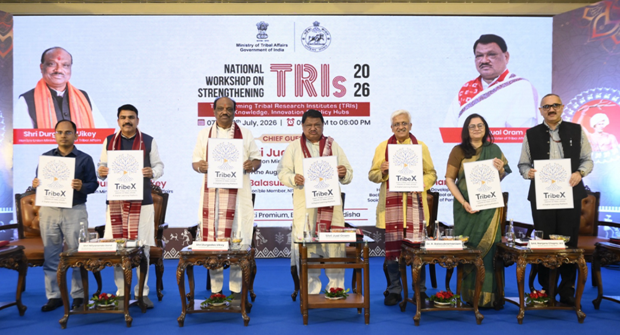
The Ministry of Tribal Affairs has launched TribeX, India's first dedicated digital learning platform for preserving, promoting and disseminating tribal arts, languages, culture, traditional knowledge and indigenous skills through technology-enabled education.
What is TribeX?
TribeX is a first-of-its-kind digital learning and knowledge platform designed to document, preserve and promote India's rich tribal heritage. It serves as a comprehensive digital ecosystem that combines education, skill development and cultural preservation by offering structured academic programmes alongside a digital repository of tribal knowledge.
The platform has been developed to safeguard India's diverse tribal traditions while making them accessible to learners, researchers and the wider public through digital technologies.
Key Features
TribeX functions as an integrated digital learning platform, offering free certificate courses and UGC-recognised Post Graduate Diploma programmes in tribal languages, traditional art forms, handicrafts, handloom, indigenous knowledge systems and cultural practices.
It currently provides 20 free certificate courses covering a wide range of tribal crafts, paintings, artefacts, handloom traditions and traditional musical instruments, thereby promoting skill development and cultural awareness.
A major component of TribeX is its Digital Repository, which documents and preserves tribal languages, oral traditions, performing arts, cultural practices and indigenous knowledge systems for future generations.
The platform also incorporates a Learning Management System (LMS) and a Repository Management System, enabling structured learning, digital content management, learner progress tracking and secure access to educational resources.
Another important feature is the Heritage Archive, which contains more than 5,000 multimedia resources, including audio recordings, videos and literature documenting tribal festivals, folklore, socio-cultural practices and oral traditions from across India.
Indiahandmade: Digital Marketplace for India's Handloom & Handicraft Sector
- 10 Jul 2026
In News:
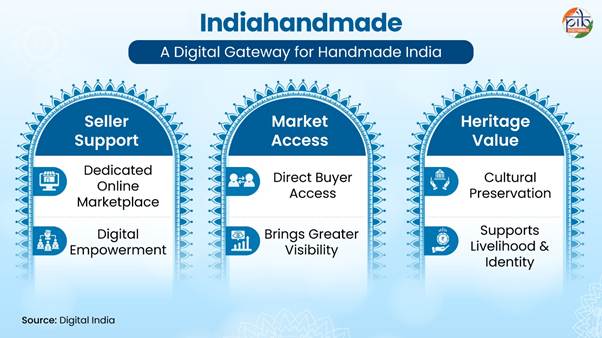
Indiahandmade is gaining attention as a flagship initiative under the Digital Indiaprogramme to digitally empower artisans and weavers by providing them with direct market access, thereby promoting traditional crafts, rural livelihoods and India's cultural heritage.
What is Indiahandmade?
Indiahandmade is a dedicated digital marketplace launched in 2023 by the Digital India Corporation under the Ministry of Textiles. The platform connects handloom weavers, handicraft artisans and producer organisations directly with buyers across the country, eliminating multiple intermediaries and enabling artisans to participate in the digital economy.
It forms an important component of the Government's efforts to strengthen Atmanirbhar Bharat, promote Digital India, and preserve India's traditional crafts through technology-enabled market access.
Need for the Platform
India possesses one of the world's largest traditional craft sectors, with nearly 64.66 lakh handloom and handicraft artisans. The sector is a major source of rural employment and women's empowerment, with women constituting about 71% of handloom weavers and 64% of total artisans.
Despite its cultural and economic importance, artisans often face challenges such as dependence on intermediaries, limited market reach, inadequate branding and low price realization. Indiahandmade seeks to bridge these gaps by creating a trusted digital marketplace connecting producers directly with consumers.
Key Features
The platform enables artisans and weavers to market a wide range of handmade products, including apparel, home décor, furnishings, paintings, furniture, jewellery, stationery, musical instruments, bags, footwear and religious items.
A distinctive feature of Indiahandmade is its promotion of Geographical Indication (GI)-tagged products and One District One Product (ODOP) items. Products showcased include Banarasi silk, Chanderi silk, Ikat, Pashmina shawls, Dokra crafts, Tangail sarees, Aipan art and terracotta products, thereby strengthening regional identity and traditional craftsmanship.
To improve consumer confidence, the platform provides secure digital payments, free shipping, purchase protection, buyer support, and a simplified onboarding process for artisans, weavers and producer organisations.
Natural History Museum (Mizoram) Declared as India's 21st Designated Repository
- 10 Jul 2026
In News:
The Ministry of Environment, Forest and Climate Change (MoEFCC), on the recommendation of the National Biodiversity Authority (NBA), has notified the Natural History Museum (NHM), Mizoram as India's 21st Designated Repository under the Biological Diversity Act, 2002.
What are Designated Repositories?
Designated Repositories are institutions officially recognized under the Biological Diversity Act, 2002 for the safe preservation, maintenance and authentication of biological specimens accessed under the provisions of the Act. They serve as permanent scientific repositories for biological materials, ensuring proper documentation, traceability and long-term availability for research, taxonomy and conservation.
These repositories also preserve voucher specimens and type specimens of newly discovered species, which serve as standard references for species identification and future scientific studies.
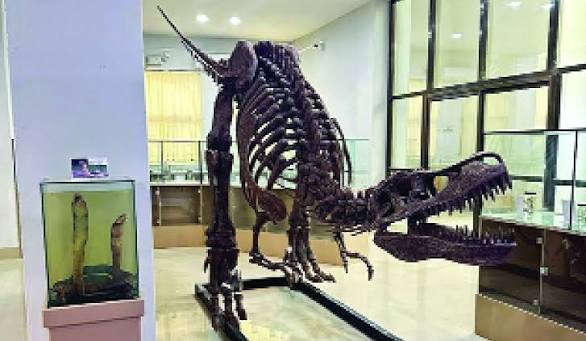
Natural History Museum (NHM), Mizoram
The Natural History Museum (NHM) was established in 2022 under Mizoram University, a Central University. Situated within the Indo-Burma Biodiversity Hotspot, the museum occupies a region recognized globally for its exceptional biological diversity and high level of endemism.
As a Designated Repository, NHM will preserve authenticated specimens of important plant and animal groups, including pteridophytes, macrofungi, reptiles, amphibians, freshwater fishes, moths, beetles and butterflies. It will also function as the official repository for type specimens of newly discovered species from the region, thereby strengthening taxonomic research and biodiversity documentation.
Significance
The designation of NHM as India's 21st Designated Repository strengthens the country's biodiversity governance framework by expanding scientific infrastructure for ex situ conservation. The repository will facilitate accurate species identification, long-term preservation of biological resources and ecological restoration following habitat degradation, natural disasters or species decline.
The initiative is particularly significant because Mizoram and the North-Eastern Region together support more than 7,500 species of flowering plants and over 2,000 faunal species, making the region one of India's richest biodiversity landscapes.
The notification also advances National Biodiversity Target 4 under India's National Biodiversity Strategy and Action Plan (NBSAP) 2024–2030 and contributes to the implementation of the Kunming–Montreal Global Biodiversity Framework, which emphasizes strengthening ex situ conservation alongside in situ conservation.
National Academic Depository (NAD)
- 10 Jul 2026
In News:
The National Academic Depository (NAD) is receiving renewed attention as India advances towards a secure, paperless and interoperable academic record management system, in line with the objectives of the National Education Policy (NEP) 2020 and Digital India.
What is the National Academic Depository (NAD)?
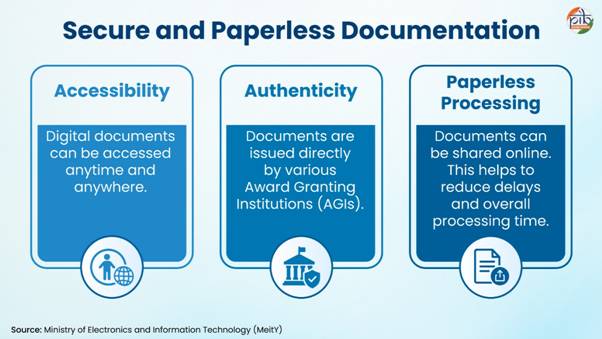
The National Academic Depository (NAD) is a nationwide digital framework for storing, issuing, verifying and authenticating academic credentials such as degrees, diplomas, certificates, marksheets and evaluation reports. It aims to replace paper-based academic records with authenticated digital credentials that can be securely accessed throughout a student's lifetime.
Since 2020, NAD has been implemented through DigiLocker, which serves as the operational platform for issuing, storing and sharing digital academic documents.
Need for NAD
India has one of the world's largest education ecosystems, comprising nearly 14.71 lakh schools, 1,420 universities, 53,583 colleges, 16,795 standalone institutions, and 280 research and development institutes. These institutions generate millions of academic records every year.
The traditional paper-based system is costly, time-consuming and prone to loss, damage, forgery and delays in verification. As educational reforms increasingly promote student mobility and flexible learning pathways, there is a growing need for a secure and interoperable digital repository that allows seamless access to verified academic records.
Objectives
The National Academic Depository seeks to:
- Provide lifelong digital access to authenticated academic credentials.
- Enable secure, paperless storage and sharing of academic records.
- Facilitate instant verification by educational institutions, employers, banks and government agencies.
- Eliminate fake certificates and reduce document forgery.
- Support credit mobility and flexible learning under NEP 2020.
Governance and Institutional Framework
The Ministry of Education is the parent ministry responsible for the National Academic Depository, while the University Grants Commission (UGC) functions as the nodal agency for its implementation through DigiLocker.
NAD operates through a coordinated digital framework in which educational institutions upload verified academic records, while students retain lifelong ownership and control over their credentials.
Digital documents issued through NAD enjoy the same legal validity as physical documents under the Information Technology Act, 2000.
Integration with National Digital Education Ecosystem
NAD has been integrated with several flagship digital initiatives to promote seamless academic mobility and verification.
These include:
- DigiLocker
- APAAR (Automated Permanent Academic Account Registry)
- Academic Bank of Credits (ABC)
- e-Sanad for attestation and apostille services
This integration enables secure storage, credit transfer, verification and international authentication of academic records.
Significance
The National Academic Depository represents a major step towards digital governance in education. It simplifies academic record management, reduces administrative burden, accelerates admissions and recruitment processes, and enhances transparency by enabling instant verification of authentic documents.
The platform also supports the implementation of Multiple Entry-Multiple Exit (MEME), the National Credit Framework (NCrF) and the Academic Bank of Credits (ABC) envisioned under the National Education Policy 2020. By promoting interoperability and lifelong learning, NAD aligns India's education system with global best practices in digital credential management.
Legal Framework
The functioning of NAD is supported by a robust legal framework:
- Information Technology Act, 2000 provides legal recognition to electronic records and digital signatures.
- Digital Locker Rules, 2016 ensure that digital documents are shared only with the explicit consent of the user.
- National e-Authentication Framework enables secure identity verification and authentication during document access and sharing.
Quantum Computing & Quantum Error Correction (QEC)
- 09 Jul 2026
In News:
Recent advances in Quantum Error Correction (QEC) by companies such as Google, coupled with progress under India's National Quantum Mission (NQM), have renewed global interest in quantum computing. These developments are expected to accelerate the transition from today's Noisy Intermediate-Scale Quantum (NISQ) systems to fault-tolerant quantum computers, unlocking transformative applications in cryptography, climate modelling, drug discovery and materials science.
What is Quantum Computing?
Quantum computing is an emerging field that harnesses the principles of quantum mechanics to solve computational problems that are beyond the practical capabilities of classical computers. Unlike classical computers, which process information using bits that exist either as 0 or 1, quantum computers use quantum bits (qubits). Owing to quantum phenomena such as superposition and entanglement, qubits can process multiple possibilities simultaneously, enabling exponential speed-ups for certain classes of problems.
Principles of Quantum Computing
Quantum computing relies on three fundamental principles.
- Superposition: A qubit can exist in multiple states simultaneously until it is measured, allowing parallel computation.
- Entanglement: Two or more qubits become intrinsically linked so that the state of one is correlated with the other, regardless of the distance between them.
- Interference: Quantum algorithms amplify correct computational paths while cancelling incorrect ones, improving the probability of obtaining the right solution.
Together, these principles enable massive parallelism, making quantum computers particularly powerful for optimisation, simulation and cryptographic applications.
Types of Qubits
Several physical technologies are being explored for building quantum computers.
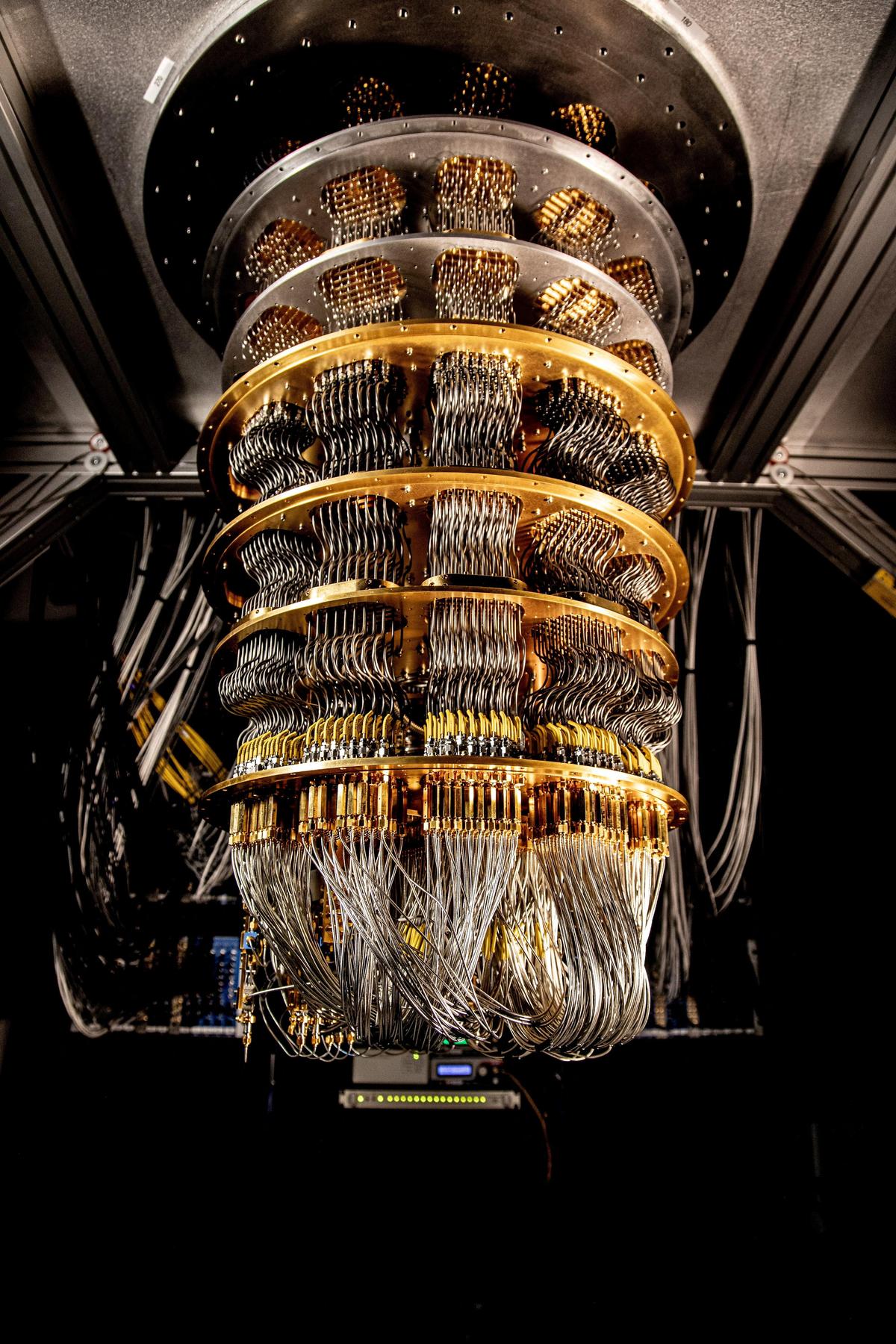
- Superconducting qubits – Based on Josephson junctions operating at temperatures close to absolute zero (used by Google's Willow processor).
- Quantum Dot qubits – Semiconductor-based qubits made from materials such as silicon or germanium.
- Trapped Ion qubits – Individual charged atoms confined using electromagnetic fields.
- Photonic qubits – Encode quantum information using photons.
- NMR qubits – Based on nuclear spins and used in the first quantum computer demonstration in 1998.
Quantum Key Distribution (QKD)
Quantum Key Distribution (QKD) is a secure communication technique that uses quantum properties of photons to exchange encryption keys. Any attempt to intercept the communication disturbs the quantum state, immediately revealing the presence of an eavesdropper. This makes QKD one of the most secure methods for transmitting cryptographic keys.
The Noise Problem in Quantum Computing
The biggest challenge in quantum computing is decoherence, where interactions with the surrounding environment—such as heat, electromagnetic radiation or vibration—destroy the fragile quantum state of qubits.
Current NISQ devices remain highly error-prone despite operating at temperatures close to absolute zero (-273°C). Their error rates remain significantly higher than those of classical computers. In addition, imperfections in lasers, microwave pulses and control systems introduce further computational errors.
Quantum Error Correction (QEC)
Quantum Error Correction (QEC) is a technique that combines multiple physical qubits to create a more reliable logical qubit capable of preserving quantum information despite individual errors.
A major breakthrough occurred when researchers demonstrated that once the error rate of physical qubits falls below a critical threshold, increasing the number of qubits actually reduces the overall error rate instead of increasing it. Google's Willow processor demonstrated this principle by successfully suppressing encoded errors, marking an important step towards practical fault-tolerant quantum computers.
India's National Quantum Mission (NQM)
The National Quantum Mission (NQM) was approved by the Government of India in April 2023 with the objective of making India a global leader in quantum technologies by 2031.
The mission seeks to develop intermediate-scale quantum computers with 50–1,000 qubits, establish a 2,000-km satellite-based quantum communication network, deploy Quantum Key Distribution (QKD) systems, advance quantum sensing and metrology, and promote indigenous development of quantum materials, devices, hardware and software.
To accelerate innovation, the mission has established four Thematic Hubs (T-Hubs) and supports quantum start-ups through innovative financing mechanisms such as Optionally Convertible Debt (OCD).
India has already achieved a significant milestone by developing an indigenous 1,000-km quantum communication network through the Department of Science and Technology (DST) in collaboration with QNu Labs, achieving half of its long-term communication target.
Mission Drishti: India's First OptoSAR Earth Observation Satellite
- 09 Jul 2026
In News:
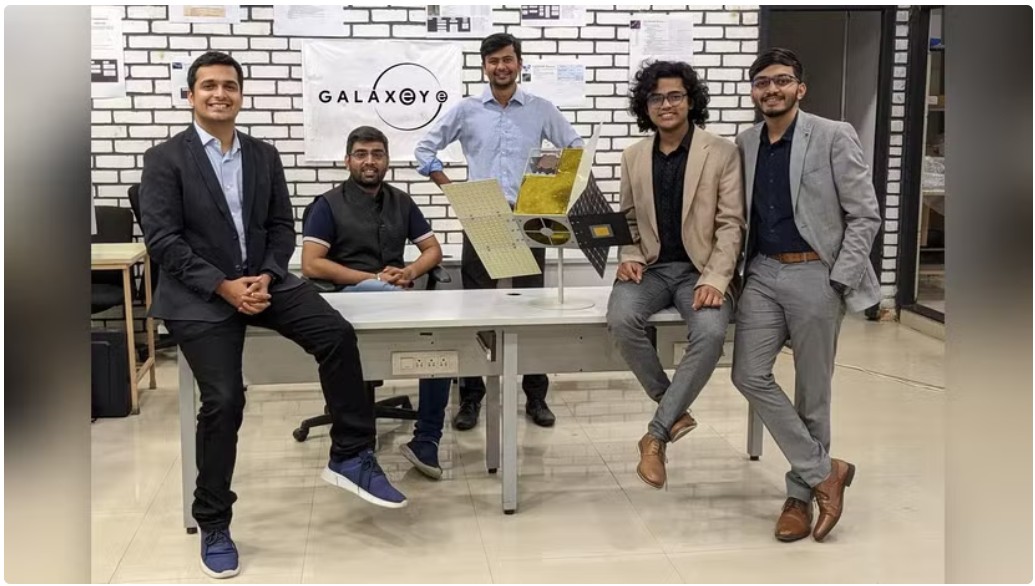
Bengaluru-based space start-up GalaxEye recently announced that communication has been lost with Mission Drishti, the world's first OptoSAR satellite and India's largest privately built Earth observation satellite. The mission marked a significant milestone in India's private space sector by integrating optical and radar imaging technologies into a single satellite.
What is Mission Drishti?
Mission Drishti is a 190-kg Earth observation satellite developed by GalaxEye, a Bengaluru-based deep-tech space start-up. It is the world's first operational OptoSAR satellite, integrating Electro-Optical (EO) and Synthetic Aperture Radar (SAR) sensors on a single compact platform.
The satellite was launched on 3 May 2026 aboard a SpaceX Falcon 9 rocket from Vandenberg Space Force Base, California (USA).
The mission aims to establish a sovereign, all-weather Earth observation capability for India by enabling uninterrupted monitoring of strategic land and maritime regions irrespective of cloud cover or darkness.
Key Features
The defining innovation of Mission Drishti is its OptoSAR technology, which combines the strengths of optical and radar imaging in a single payload.
Optical cameras provide high-resolution visual imagery but are ineffective during cloud cover or at night. In contrast, Synthetic Aperture Radar (SAR) actively transmits microwave signals, allowing it to capture images through clouds, fog, rain and darkness. By integrating both sensors, OptoSAR enables simultaneous collection of complementary datasets from the same location and time, improving accuracy and eliminating alignment errors that occur when images are obtained from separate satellites.
The satellite's hybrid imagery will be commercially distributed through NewSpace India Limited (NSIL) for domestic and international users.
Char Kaman, Hyderabad: Qutb Shahi Heritage Set for Restoration
- 09 Jul 2026
In News:
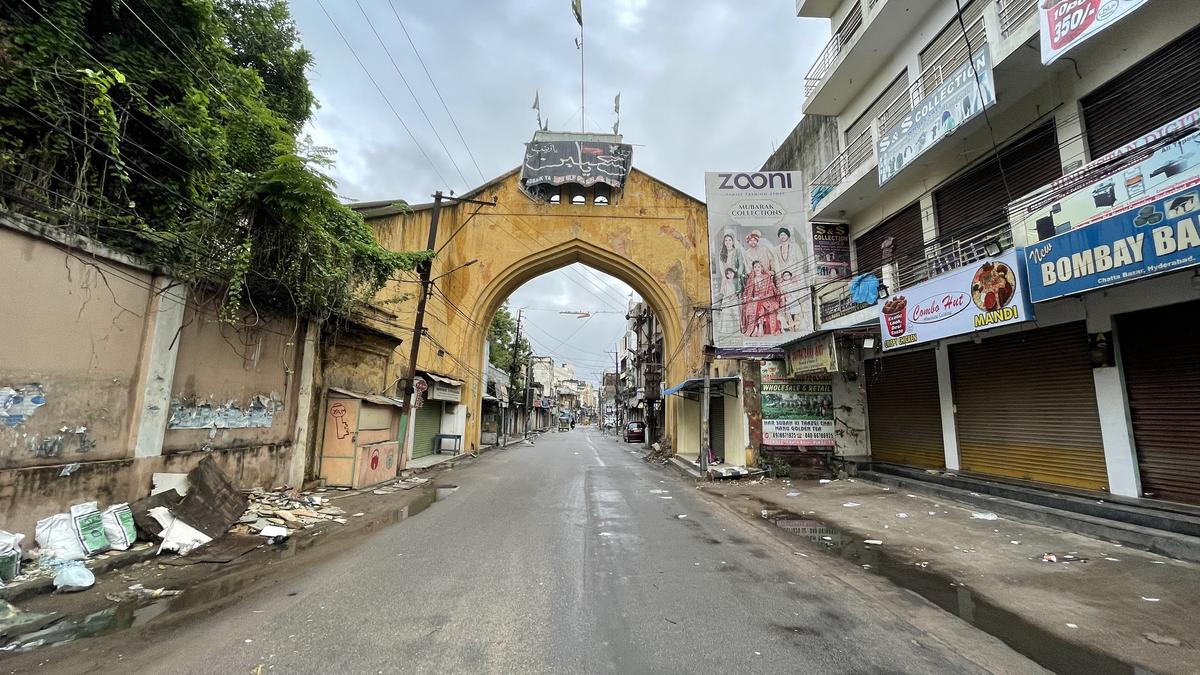
The Telangana Government has announced the restoration of the Char Kaman (Four Gateways) located around the Charminar in Hyderabad. Administrative approval has been granted to appoint consultants and initiate conservation work aimed at preserving these important monuments of the Qutb Shahi period.
What is Char Kaman?
Char Kaman refers to the four monumental ornamental gateways constructed around the Charminar in Hyderabad. Built during the Qutb Shahi period, these arches formed the ceremonial entrances to the old city and enclosed a large public square that served as the entrance to the Qutb Shahi Palace complex.
At the centre of this square stood the Char-Su-Ka-Houz (Gulzar Houz), a freshwater fountain situated at the intersection of the four gateways. Each gateway was built with three storeys, and the upper chambers were originally used by royal guards.
Historical Background
The Charminar was constructed between 1589 and 1591 by Muhammad Quli Qutb Shah, the fifth ruler of the Qutb Shahi dynasty. The Char Kaman were built a few years later, around 1594, to complement the city's planned urban layout. Together, the Charminar, Char Kaman and the palace complex formed the ceremonial and administrative centre of the newly founded city of Hyderabad.
The Four Gateways
The four gateways are located around Gulzar Houz, each facing one of the cardinal directions:
- Machli Kaman – North
- Charminar Kaman – South
- Kali Kaman – East
- Sher-e-Batil (Kaman Sher Dil) – West
Originally, these gateways had different names:
- Daulat Khana-e-Ali (West)
- Naqqar Khana (East)
- The enclosed central space was known as Jilau Khana, which functioned as the royal vestibule.
Over time, the present names gradually came into common usage. The Machli Kaman derives its name from a ceremonial fish-shaped decoration displayed during the lunar New Year, while Kali Kaman literally means the "Black Arch."
Historical Significance
The Char Kaman formed an integral part of Hyderabad's royal urban design and served important ceremonial and administrative functions. Nobles and officials assembled within the enclosed square before proceeding for audiences with the ruler. Besides regulating access to the royal precincts, the gateways symbolised the grandeur of the planned capital established by the Qutb Shahi rulers.
Today, the Char Kaman, together with the Charminar and Gulzar Houz, constitute one of the finest surviving examples of Deccan-Islamic urban planning.
Restoration Plan
The proposed conservation project focuses on restoring the structural stability of the gateways while preserving their original architectural features. The work includes structural repairs, conservation of heritage elements and improvement of the overall physical condition of the monuments without compromising their historical authenticity. The initiative aims to address deterioration caused by urbanisation, pollution and ageing, while promoting heritage conservation in Hyderabad's historic core.
Guwahati Declaration
- 09 Jul 2026
In News:
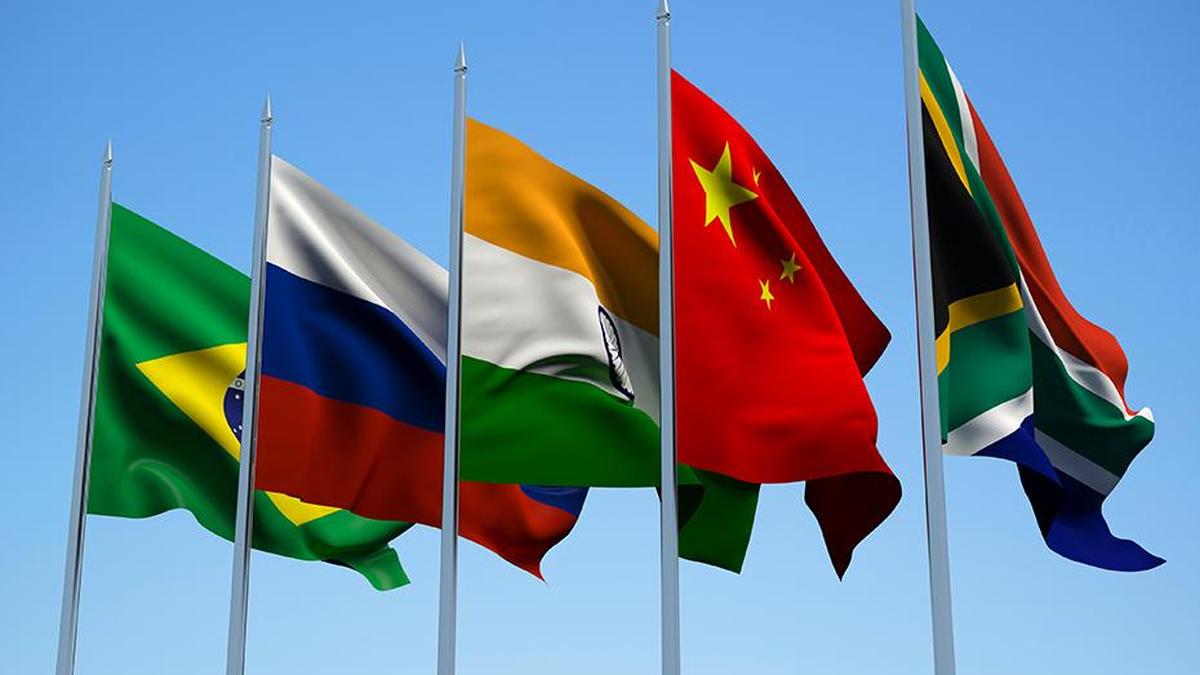
The BRICS nations adopted the Guwahati Declaration at the BRICS Heads of Anti-Drug Agencies Meeting held in Guwahati, Assam, reaffirming their commitment to strengthen cooperation against illicit drug trafficking and transnational organised crime.
What is the Guwahati Declaration?
The Guwahati Declaration is a joint commitment adopted by BRICS member countries to enhance international cooperation in preventing and combating illicit drug trafficking and its links with organised transnational crime. The declaration was adopted during the two-day BRICS Heads of Anti-Drug Agencies Meeting, hosted by India under its 2026 BRICS Chairship, whose theme was "Building for Resilience, Innovation, Cooperation and Sustainability."
The meeting brought together anti-drug agencies from Brazil, China, Ethiopia, India, Indonesia, Iran, Russia and the United Arab Emirates to discuss coordinated strategies for tackling the growing global narcotics trade.
Key Features of the Declaration
The declaration emphasizes stronger collaboration among BRICS members through timely exchange of information, intelligence and best practices, consistent with national laws and international obligations. It also encourages the use of innovative technologies, digital tools and data-driven approaches to strengthen law enforcement and regulatory mechanisms against drug trafficking.
Recognising that enforcement alone is insufficient, the declaration also calls for measures to reduce drug demand, promote healthy lifestyles, and protect children and young people through evidence-based, people-centric interventions.
About BRICS
BRICS is an intergovernmental grouping of major emerging economies that promotes cooperation in areas such as economic development, trade, finance, technology, security and global governance.
The term "BRIC" was coined by Jim O'Neill, an economist at Goldman Sachs, in 2001. The grouping was formally established with Brazil, Russia, India and China, while South Africa joined in 2010, giving rise to BRICS.
The grouping expanded in 2024 with the inclusion of Egypt, Ethiopia, Iran, Saudi Arabia and the United Arab Emirates, followed by Indonesia in 2025, taking the total membership to 11 countries.
In 2025, BRICS also introduced the category of Partner Countries, comprising Belarus, Bolivia, Cuba, Kazakhstan, Malaysia, Nigeria, Thailand, Uganda, Uzbekistan and Vietnam.
Collectively, BRICS countries account for approximately 49.5% of the world's population, around 40% of global GDP, and nearly 26% of global trade, making it one of the most influential groupings of emerging economies.
World Bank Country Income Classification 2027
- 09 Jul 2026
In News:
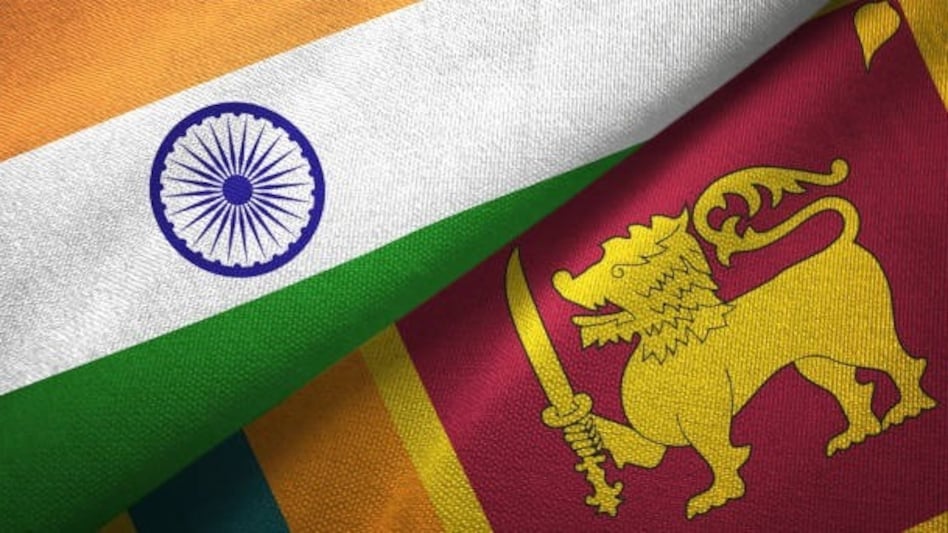
The World Bank Group Country Income Classifications for Fiscal Year 2027 (released in July 2026) retained India in the Lower-Middle-Income category, a position it has held since 2009. In contrast, Sri Lanka, Vietnam and the Philippines were upgraded to the Upper-Middle-Income category.
What is the World Bank Country Income Classification?
The World Bank classifies economies every year on 1 July into four income groups based on their Gross National Income (GNI) per capita of the previous calendar year. The classification serves as an operational and analytical tool for development financing and cross-country comparison rather than a measure of overall development.
To improve comparability, GNI per capita is calculated using the Atlas Method, which smoothens the effects of exchange-rate fluctuations and inflation by averaging exchange rates over time. The income thresholds are revised annually using the Special Drawing Rights (SDR) deflator to account for global inflation.
Income Classification (FY 2027)
- Low Income: USD 1,175 or less
- Lower-Middle Income: USD 1,176–4,635
- Upper-Middle Income: USD 4,636–14,375
- High Income: Above USD 14,375
India's GNI per capita stood at USD 2,760 (2025), keeping it within the Lower-Middle-Income category.
Key Highlights
The latest classification reflects continued improvements in the global income landscape. While nearly 30% of economies were classified as low income in 1987, the share has declined to 11% by 2026.
This year, Sri Lanka, Vietnam, the Philippines, Jordan and Micronesia moved from the Lower-Middle-Income to the Upper-Middle-Income category, while Togo graduated from Low Income to Lower-Middle Income.
Vietnam and the Philippines achieved the upgrade through sustained export-led industrial growth, while Sri Lanka recovered from its recent economic crisis through the revival of tourism and financial services. Jordan and Togo benefited largely from revised statistical methodologies and updated national accounts.
Why Does India Continue to Remain a Lower-Middle-Income Economy?
Despite being one of the world's fastest-growing major economies, India's per capita income remains relatively low because of its large population, which dilutes gains in aggregate national income.
Significant regional disparities also persist. High-income States such as Tamil Nadu, Maharashtra and Gujarat coexist with relatively poorer States like Bihar and Uttar Pradesh, lowering the national average.
Another structural challenge is the dominance of the informal sector, where nearly 85% of the workforce is employed. Low labour productivity, disguised unemployment in agriculture and limited formal employment constrain growth in average incomes.
India also entered the Lower-Middle-Income category only in 2009. Historically, moving into the next income bracket requires sustained high economic growth over several decades.
SpudCell: A Milestone in Synthetic Biology
- 08 Jul 2026
In News:
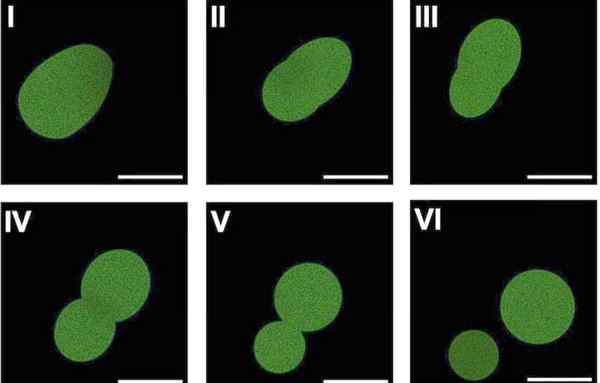
Researchers in the United States have developed SpudCell, a laboratory-made synthetic cell constructed entirely from non-living chemical components. The artificial cell can grow, replicate its DNA, divide and undergo Darwinian evolution, representing a major breakthrough in synthetic biology.
What is SpudCell?
SpudCell is a synthetic (artificial) cell created entirely from non-living chemicals, unlike conventional biotechnology, which modifies existing living organisms.
The artificial cell mimics several essential characteristics of life, including growth, DNA replication, cell division and natural selection. However, it is not a fully living organism, as it depends on externally supplied nutrients and molecular machinery to survive.
Key Features
SpudCell has been designed to imitate fundamental biological processes through engineered chemical systems.
- Constructed from a liposome (artificial lipid membrane) that functions as the cell membrane.
- Contains a cell-free protein synthesis system (PURE system) capable of producing proteins from a synthetic DNA genome.
- Uses a minimal artificial genome of approximately 90,000 base pairs.
- Produces the alpha-hemolysin protein, which forms molecular pores enabling nutrient uptake through fusion with smaller lipid vesicles.
- Replicates its DNA using specialised copying enzymes.
- Divides into daughter cells through physical pressure and mechanical stress, rather than using a natural cytoskeleton.
- Demonstrates Darwinian evolution, where genetically advantageous variants reproduce more efficiently and outcompete others.
How Does SpudCell Function?
The artificial cell follows a simplified life cycle:
- Growth: Absorbs nutrients through membrane pores formed by alpha-hemolysin proteins.
- Protein Synthesis: The PURE system translates genetic information into functional proteins.
- DNA Replication: The synthetic genome is accurately copied before division.
- Cell Division: Mechanical forces generated by protein crowding split the enlarged cell into two daughter cells.
- Evolution: Beneficial genetic mutations improve nutrient uptake, allowing faster reproduction and natural selection.
Why is SpudCell Not Considered Fully Alive?
Although SpudCell exhibits several life-like properties, it lacks complete biological autonomy.
It still depends on:
- External supply of nutrients.
- Externally provided ribosomes and molecular machinery.
- Laboratory-controlled conditions for survival.
Unlike natural cells, it cannot independently maintain metabolism or reproduce indefinitely.
Significance
SpudCell represents a landmark achievement in synthetic biology, demonstrating that fundamental characteristics of life can be recreated from entirely non-living components.
Its potential applications include:
- Development of programmable drug delivery systems.
- Precision medicine and targeted therapeutics.
- Sustainable industrial biomanufacturing.
- Environmental remediation using engineered artificial cells.
- Better understanding of the origin and evolution of life.
- Advancing synthetic biology and bioengineering research.
Viksit UDAN: Next Phase of India's Regional Connectivity Scheme
- 08 Jul 2026
In News:
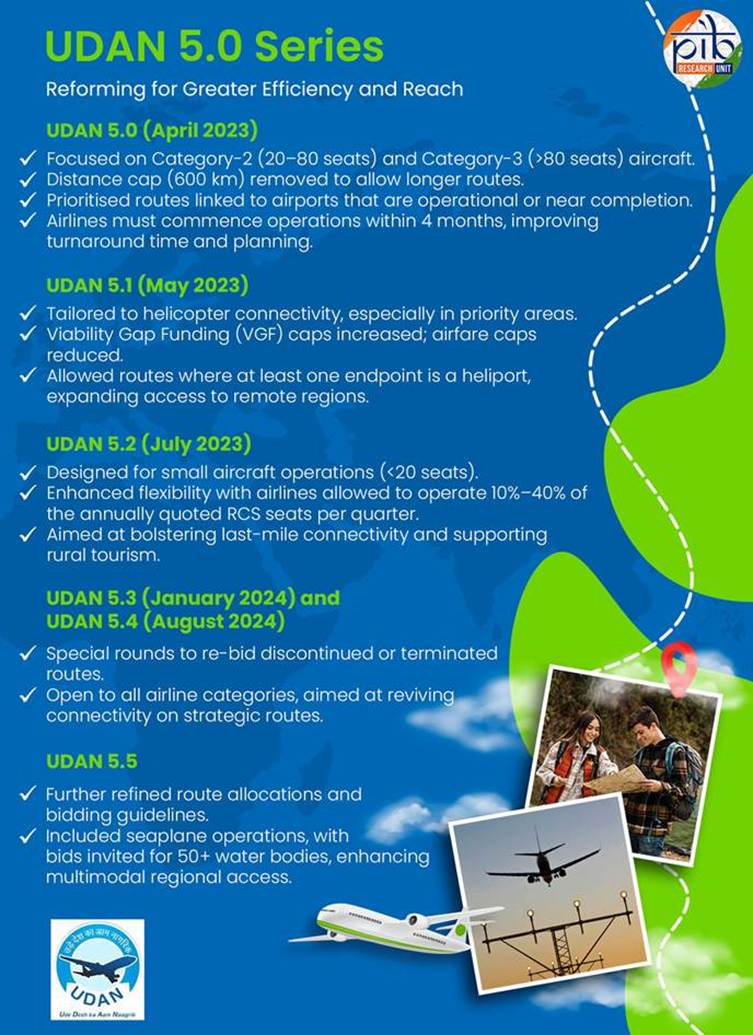
The Prime Minister recently launched Viksit UDAN, the next phase of the Regional Connectivity Scheme (RCS)-UDAN, in Rajasthan. Earlier, in March 2026, the Union Cabinet approved the Modified UDAN Scheme, which serves as the framework for this expanded phase. The initiative aims to strengthen regional air connectivity, develop world-class aviation infrastructure and support the vision of Viksit Bharat 2047.
What is Viksit UDAN?
Viksit UDAN is the modified version of the Regional Connectivity Scheme (UDAN), originally launched in October 2016 under the National Civil Aviation Policy (NCAP), 2016. It seeks to make air travel affordable, accessible and inclusive, while extending aviation services to Tier-2 and Tier-3 cities, hilly regions, islands, remote areas and aspirational districts.
The scheme will be implemented from FY 2026–27 to FY 2035–36 with a total budgetary support of ?28,840 crore.
Key Features
The modified scheme focuses on expanding regional aviation infrastructure while ensuring long-term operational sustainability.
- 100 airports will be developed from existing unserved airstrips with an investment of ?12,159 crore.
- Around 441 aerodromes will receive Operation and Maintenance (O&M) support for three years to ensure viability.
- 200 modern helipads will be developed in hilly, remote, island and aspirational regions to improve connectivity and emergency services.
- Viability Gap Funding (VGF) of ?10,043 crore will be provided to airlines for ten years, with support gradually reduced after the third year.
- Airports will be developed through the Challenge Mode, encouraging timely execution, innovation and quality infrastructure.
- The scheme also promotes indigenous aviation by encouraging the use of HAL Dhruv helicopters and HAL Dornier aircraft for regional operations.
Expected Impact
Viksit UDAN is expected to deepen regional connectivity and stimulate balanced economic development. Improved air connectivity is likely to boost tourism, trade, investment, healthcare access, disaster response and employment generation, particularly in underserved regions. By connecting remote areas with the national aviation network, the scheme seeks to make aviation a catalyst for inclusive growth.
About the UDAN Scheme
UDAN (Ude Desh ka Aam Naagrik) is the flagship regional connectivity programme of the Ministry of Civil Aviation, launched in 2016 under the National Civil Aviation Policy (NCAP), 2016. The Airports Authority of India (AAI) is the nodal implementing agency.
The scheme operates through a market-driven model supported by Viability Gap Funding (VGF), which helps airlines operate on commercially unviable regional routes while maintaining affordable airfares. The scheme is further supported through concessions such as reduced airport charges and lower VAT on Aviation Turbine Fuel (ATF) by participating States.
Since its launch, India's airport network has expanded significantly, increasing from 74 airports in 2014 to 159 airports in 2024. Over successive phases, UDAN has broadened its scope—from connecting underserved airports to including helipads, tourism routes, North-Eastern and island regions, and seaplane operations.
Global Passport Index (GPI)
- 08 Jul 2026
In News:
India's ranking in the Global Passport Index (GPI) 2026 has slipped to 125th, down one position from the previous year. The index assesses not only the international travel freedom offered by a passport but also the opportunities it provides for living, working and investing abroad.
What is the Global Passport Index?
The Global Passport Index (GPI) is an annual ranking published by Global Citizen Solutions (GCS), a residency and citizenship advisory firm. Unlike conventional passport rankings that focus mainly on visa-free travel, the GPI provides a broader assessment by evaluating the overall value of a passport in terms of mobility, investment opportunities and quality of life.
The index measures passports across three broad parameters:
- Enhanced Mobility (50%) – Visa-free access, visa-on-arrival and ease of international travel.
- Investment (25%) – Business environment and investment opportunities available to passport holders.
- Quality of Living (25%) – Indicators such as healthcare, education, human development, safety and environmental quality.
The rankings are based on 14 indicators using data from organisations such as the World Bank, World Economic Forum (WEF) and the Sustainable Development Report.
Key Highlights of GPI 2026
The top-ranked passports in 2026 are those of Sweden, Switzerland, Finland, Germany, Denmark and the Netherlands, reflecting their strong performance across all three dimensions.
India is ranked 125th, indicating relatively lower performance not only in international mobility but also in investment opportunities and quality-of-life indicators.
Significance
The Global Passport Index provides a more comprehensive assessment of passport strength than traditional mobility rankings. It highlights that the value of a passport depends not only on visa-free travel but also on the economic opportunities, living standards and global competitiveness associated with the issuing country. For policymakers, the index serves as an indicator of India's progress in areas such as economic development, governance, human capital and international engagement.
eSARAS: Digital Marketplace for Women Self-Help Groups
- 08 Jul 2026
In News:
The eSARAS platform is emerging as a key initiative for promoting women-led rural entrepreneurship, preserving India's traditional crafts and strengthening digital commerce under the Deendayal Antyodaya Yojana–National Rural Livelihood Mission (DAY-NRLM).
What is eSARAS?
eSARAS is the official e-commerce platform developed by the Ministry of Rural Development under the Deendayal Antyodaya Yojana–National Rural Livelihood Mission (DAY-NRLM). It serves as a dedicated online marketplace for products manufactured by Women Self-Help Groups (SHGs) and their federations across India.
The platform connects rural producers directly with consumers, eliminating intermediaries and enabling wider market access for women-led enterprises.
Objectives
The platform aims to:
- Promote women-led rural entrepreneurship.
- Provide nationwide market access to SHG products.
- Increase income opportunities for rural women.
- Preserve India's traditional handicrafts and handloom products.
- Promote digital inclusion and financial empowerment.
- Strengthen sustainable rural livelihoods.
Key Features
eSARAS supports women entrepreneurs by providing end-to-end market linkage services.
Its major features include:
- Exclusive marketplace for Women SHGs and their federations.
- Direct business-to-consumer (B2C) marketing platform.
- Support for branding, packaging, processing, logistics and shipping.
- Digital platform accessible across India.
- Promotes authentic handmade and indigenous products.
The platform caters to a wide range of rural artisans, including:Weavers, Potters, Marble artisans, Pashmina producers, Women-led cooperatives, and Other traditional craft clusters
Product Categories
eSARAS offers a diverse range of products such as:
- Home décor and lifestyle products
- Apparel and fashion accessories
- Personal care products
- Food and processed food items
- Toys and children's products
- Traditional handicrafts and handloom products
Some notable products include:Chanderi sarees, Pashmina products, Marble handicrafts, Handmade rural crafts
Platform Evolution
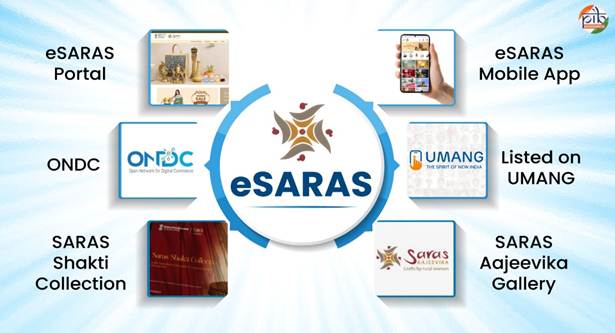
|
Platform Evolution |
Detail |
|
eSARAS Portal Launch |
e-Commerce portal https://www.esaras.in/ launched for better and more effective marketing of Saras products |
|
eSARAS Mobile App Launch |
Mobile app launched alongside the eSARAS Fulfilment Centre. It is used for processing, packaging and shipping of products. |
|
ONDC |
SHG products made available across 11 buyer apps (20 crore buyers on ONDC platform) with 800 handcrafted products listed |
|
UMANG |
eSARAS listed on UMANG; platform now serves 2,572 services with 796.69 crore transactions (June 2026) |
|
SARAS Shakti Collection |
Premium curated gift collection launched at Rashtriya Gramin Vikas Sammelan 2026 for institutional and corporate markets |
|
SARAS Aajeevika Gallery |
Permanent retail gallery established at Baba Kharak Singh Marg, New Delhi, showcasing curated SHG products. |
About DAY-NRLM
The Deendayal Antyodaya Yojana–National Rural Livelihood Mission (DAY-NRLM) is the flagship rural poverty alleviation programme of the Ministry of Rural Development.
It seeks to reduce rural poverty by organising poor households into Self-Help Groups (SHGs) and enabling them to access sustainable livelihood opportunities through self-employment, skill development and financial inclusion.
Objectives
- Mobilise poor rural households into SHGs.
- Promote women's financial inclusion.
- Facilitate access to institutional credit.
- Strengthen rural livelihoods through entrepreneurship.
- Enhance household income and reduce poverty.
- Build strong community-based institutions for long-term socio-economic development.
Cancer as a Notifiable Disease
- 08 Jul 2026
In News:
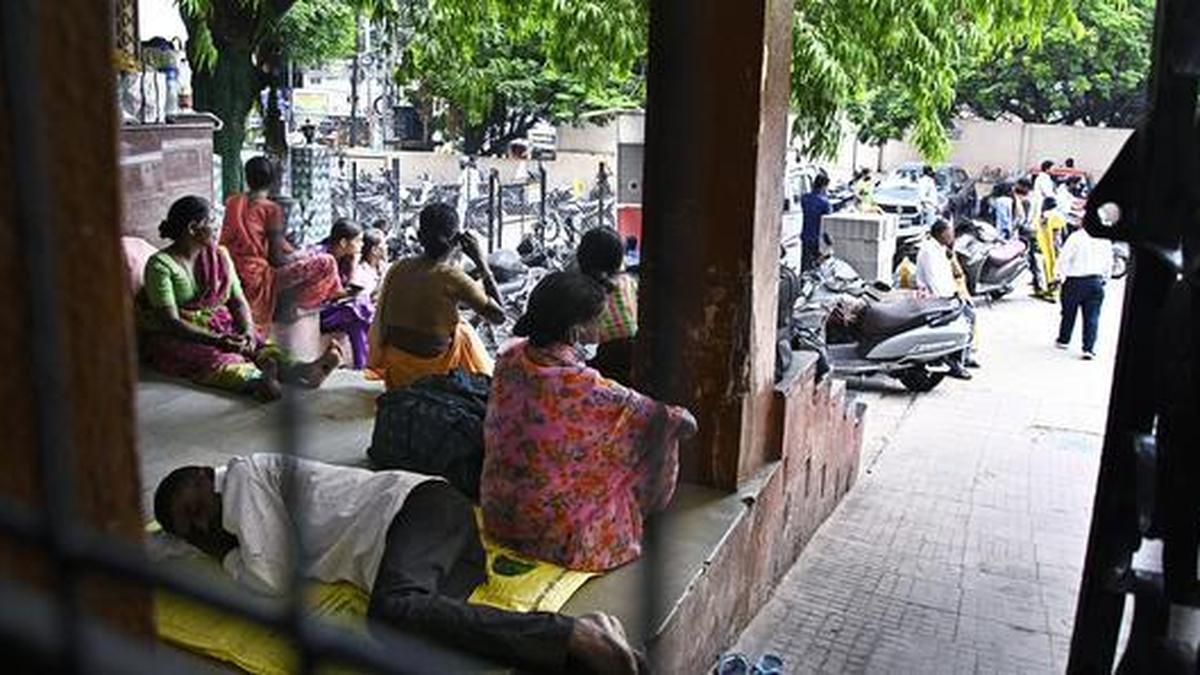
The Government of Telangana has declared cancer a notifiable disease, making it mandatory for all public and private healthcare facilities to report every diagnosed cancer case to a designated state portal within one month. The initiative aims to improve cancer surveillance, generate reliable epidemiological data and strengthen evidence-based public health planning.
What is a Notifiable Disease?
A notifiable disease is a disease that is mandatorily reported by healthcare providers to government authorities under the law. Disease notification enables continuous surveillance, early detection, monitoring of disease trends and timely public health interventions.
In India, the Epidemic Diseases Act, 1897 provides the legal framework for disease notification, while State Governments determine which diseases are notified within their jurisdictions.
Commonly notified diseases include Tuberculosis, Dengue, Malaria, Cholera, Hepatitis, Measles and Polio. During the COVID-19 pandemic, COVID-19 was declared a notifiable disease across the country.
Telangana's New Initiative
Under the new policy:
- Every diagnosed cancer case must be reported within one month.
- Reporting is mandatory for both government and private healthcare institutions.
- The data will be validated by the Centre of Excellence – MNJ Cancer Hospital, Hyderabad.
- Validated information will be integrated with the National Cancer Registry Programme (NCRP) under the Indian Council of Medical Research (ICMR).
- The initiative seeks to accurately map cancer incidence, mortality and geographical distribution across the State.
Why is this Initiative Important?
India currently does not classify cancer as a nationally notifiable disease. Consequently, reliable nationwide cancer surveillance remains limited.
The present system relies primarily on:
- Population-Based Cancer Registries (PBCRs), which estimate cancer incidence within defined populations.
- Hospital-Based Cancer Registries (HBCRs), which collect information from hospitals for clinical and research purposes.
However, these registries collectively cover only 10–16% of India's population and are largely concentrated in urban and public-sector institutions, resulting in significant under-reporting, particularly from the private healthcare sector.
Recognising this gap, 17 States, including Telangana, have independently notified cancer under their respective public health frameworks.
National Cancer Registry Programme (NCRP)
The National Cancer Registry Programme (NCRP) was launched by the Indian Council of Medical Research (ICMR) in 1981 to systematically collect, analyse and disseminate data on cancer incidence, mortality and survival across India.
It functions through two major components:
- Population-Based Cancer Registries (PBCRs) – Monitor cancer occurrence in defined populations.
- Hospital-Based Cancer Registries (HBCRs) – Record detailed clinical information on patients treated in hospitals.
The programme is implemented by the National Centre for Disease Informatics and Research (NCDIR), Bengaluru, under the ICMR.
Concerns with Existing Cancer Surveillance
Despite continuous improvements, several challenges persist:
- Limited population coverage (10–16%).
- Under-reporting from the private healthcare sector.
- Urban-centric registry network with inadequate rural representation.
- Delayed reporting affecting policy formulation.
- Incomplete mortality and survival statistics.
These limitations hinder accurate estimation of India's cancer burden and resource allocation.
Cancer Burden in India
According to the Global Cancer Observatory (GLOBOCAN), affiliated with the World Health Organization (WHO):
- India recorded approximately 1.41 million cancer cases in 2022.
- The number is projected to increase to nearly 2.46 million by 2045, representing a rise of over 74%.
The increase is attributed to:
- Ageing population.
- Rising life expectancy.
- Lifestyle changes.
- Urbanisation.
- Increased prevalence of risk factors such as tobacco use, obesity and physical inactivity.
Sub-Orbital Launch Vehicle for Experiment (SOLVE)
- 07 Jul 2026
In News:
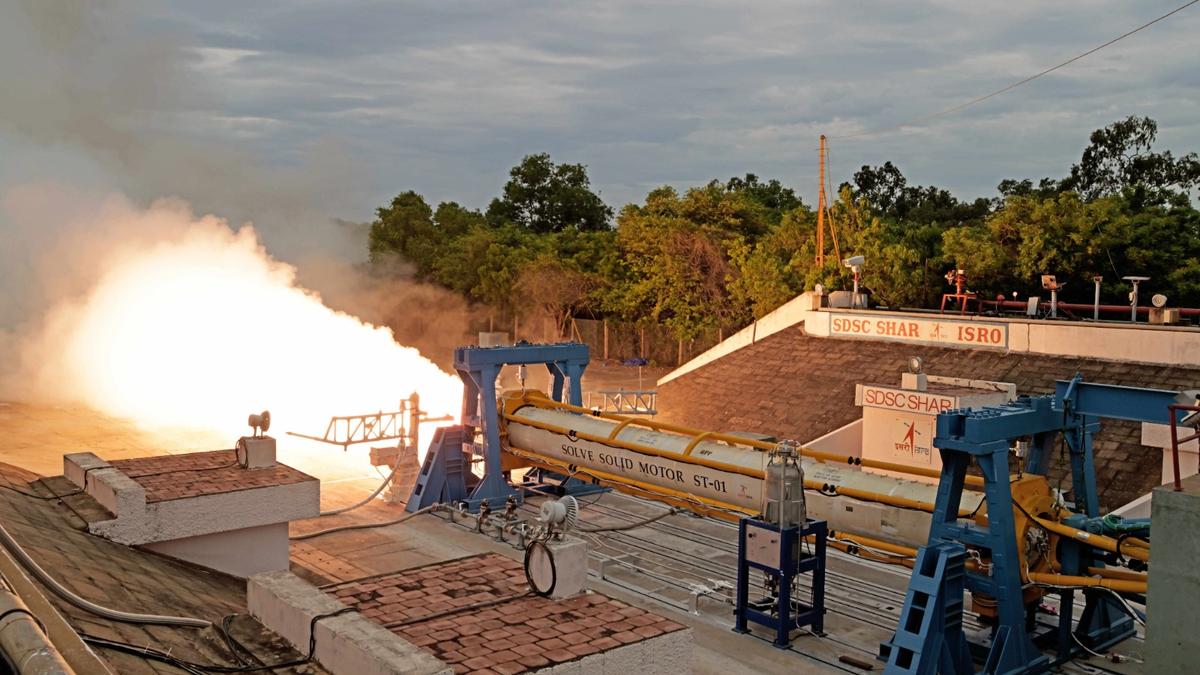
The Indian Space Research Organisation (ISRO) has successfully conducted the first ground test of the Sub-Orbital Launch Vehicle for Experiment (SOLVE) solid motor at the Static Test Facility, Satish Dhawan Space Centre (SDSC), Sriharikota. The successful test marks a significant milestone in validating critical technologies for India's Gaganyaan Human Spaceflight Mission.
What is SOLVE?
The Sub-Orbital Launch Vehicle for Experiment (SOLVE) is a specialised test platform developed by ISRO to validate the deceleration and recovery systems of the Gaganyaan Crew Module under realistic flight conditions before undertaking human spaceflight.
Unlike an orbital launch vehicle, SOLVE performs sub-orbital missions, reaching lower altitudes without entering Earth's orbit. These missions are intended to test critical systems that ensure the safe return of astronauts.
Key Features
- Developed specifically for Gaganyaan qualification tests.
- Carries the Crew Module to an altitude of 10–17 km before separation.
- Designed to validate the Integrated Parachute Deceleration System.
- Uses a solid propulsion stage derived from the PSLV Strap-on Motor, with modifications to meet human spaceflight requirements.
- Incorporates:
- Slow burn-rate solid propellant for controlled performance.
- Straight nozzle configuration.
- Secondary Injection Thrust Vector Control (SITVC) for improved flight stability and control.
How the Test Mission Works
During a SOLVE mission:
- The launch vehicle carries the Crew Module to an altitude of 10–17 km.
- The Crew Module separates from the vehicle.
- A carefully sequenced parachute deployment system is activated.
- A total of 10 parachutes deploy in different stages to progressively reduce the module's speed.
- The Crew Module finally performs a safe splashdown in the sea, simulating the recovery phase of the Gaganyaan mission.
These tests help verify the reliability of the deceleration system under different flight conditions before astronauts are flown.
About the Gaganyaan Mission
Gaganyaan is India's first indigenous human spaceflight programme, aimed at demonstrating the country's capability to safely send humans into space and return them to Earth.
Objectives
- Demonstrate India's indigenous capability to undertake human spaceflight.
- Send a crew of three astronauts into Low Earth Orbit (LEO) at an altitude of approximately 400 km.
- Keep the crew in orbit for about three days before ensuring their safe return through splashdown and recovery.
- Promote scientific research by conducting microgravity experiments.
- Lay the foundation for a long-term Indian human space exploration programme, including future space stations and deep-space missions.
Pandavani
- 07 Jul 2026
In News:
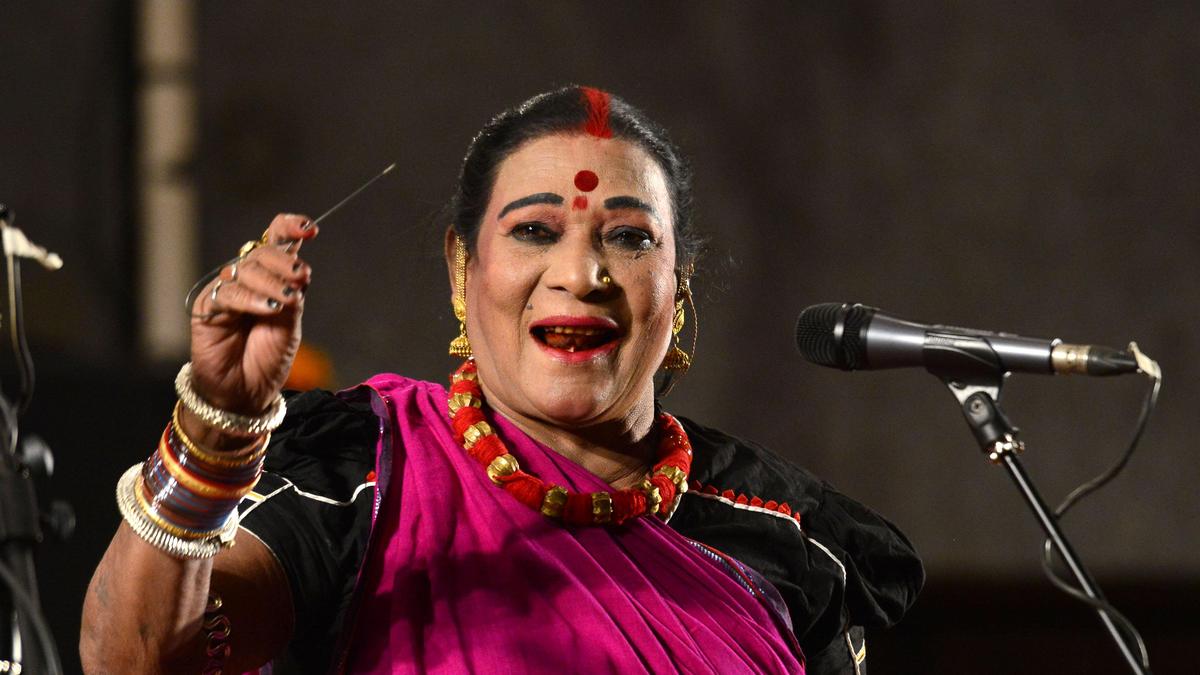
Renowned Pandavani exponent Teejan Bai, who popularised Chhattisgarh's traditional storytelling art on national and international platforms, recently passed away. She played a transformative role in bringing this unique oral folk tradition to global recognition and was one of India's most celebrated folk artists.
What is Pandavani?
Pandavani is a traditional oral storytelling and musical performance tradition originating from Chhattisgarh. The word "Pandavani" literally means "the story of the Pandavas" and revolves around episodes from the Mahabharata, particularly highlighting the lives, struggles and heroism of the Pandava brothers.
Blending music, narration, acting and improvisation, Pandavani occupies a unique place among India's folk performing arts. Unlike classical theatre, it is centred on the expressive abilities of a single lead performer, who narrates the epic while portraying multiple characters through changes in voice, facial expressions and dramatic gestures.
Features of Pandavani
The performance combines storytelling with music and theatrical elements, making it a powerful medium of oral tradition.
Some of its important features include:
- Narration is based on episodes from the Mahabharata, especially the exploits of the Pandavas.
- A single lead performer narrates, sings and enacts different characters.
- Accompanied by musicians playing instruments such as the harmonium, tabla, dholak and manjira.
- The performer usually carries a tambura or ektara, which serves both as a musical instrument and a symbolic prop.
- During the performance, the tambura may represent a bow, mace, sword, chariot or other objects, depending on the scene being enacted.
- The narration often includes improvisation, audience interaction and spontaneous dramatic expression.
Styles of Pandavani
Pandavani is traditionally performed in two distinct styles:
Vedamati Style
- The performer remains seated throughout the performance.
- Greater emphasis is placed on simple narration and singing.
- Dramatic enactment is minimal, with the focus on the oral narration of the epic.
Kapalik Style
- The performer moves across the stage, enacting various characters and battle scenes.
- Uses dramatic gestures, voice modulation and expressive acting.
- The tambura is creatively used as different symbolic objects during the performance.
- This style is more theatrical and visually engaging.
Teejan Bai's Contribution
Teejan Bai is widely regarded as the greatest exponent of the Kapalik style of Pandavani. She broke traditional gender barriers by performing a style that was historically dominated by male artists and transformed Pandavani into a globally recognised folk art form.
Her contributions include:
- PopularisedPandavani across India and internationally.
- Revitalised interest in Chhattisgarh's folk traditions.
- Inspired generations of women artists to enter the field.
- Elevated an oral folk tradition to national cultural prominence.
Another noted contemporary exponent of Pandavani is Ritu Verma.
Matcha Tea
- 07 Jul 2026
In News:
An Assam tea estate has sold India's first commercially produced matcha tea, marking a significant diversification of the Indian tea industry beyond conventional black and green teas. The initiative reflects the growing demand for premium specialty teas in domestic and international markets and opens new avenues for value addition in the tea sector.
What is Matcha Tea?
Matcha is a finely ground green tea powder prepared from specially cultivated shade-grown leaves of Camellia sinensis, the same plant species used to produce black, green, oolong and white teas. Unlike conventional green tea, where the leaves are infused in hot water and discarded, matcha is whisked into water and consumed entirely, resulting in higher intake of nutrients and bioactive compounds.
The practice of consuming powdered tea originated in China during the Song Dynasty and was later introduced to Japan by Zen Buddhist monks, where it evolved into an integral part of the Japanese tea ceremony. Today, Japan remains the world's leading producer of high-quality matcha.
How is Matcha Produced?
The distinctive quality of matcha lies in its unique cultivation and processing method.
- Tea plants are shade-grown for about 3–4 weeks before harvest, with nearly 90% of sunlight blocked.
- Reduced sunlight increases the concentration of chlorophyll and L-theanine (an amino acid), giving the leaves their vibrant green colour and characteristic umami flavour.
- Only the young, tender leaves are harvested.
- The leaves are steamed immediately to prevent oxidation, preserving their green colour.
- After drying and removing stems and veins, the processed leaves are known as tencha.
- The tencha is then slowly stone-ground into an ultra-fine green powder called matcha.
Why is Matcha Different from Regular Green Tea?
Unlike ordinary green tea, which is prepared by steeping leaves in hot water, matcha is consumed as the whole leaf in powdered form. As a result, it provides higher concentrations of:
- Antioxidants (especially catechins such as EGCG)
- Chlorophyll
- L-theanine
- Natural caffeine
- Vitamins and minerals
This combination has made matcha popular as a functional beverage in the global health and wellness market.
India–Southeast Asia (I-2SEA) Submarine Cable System
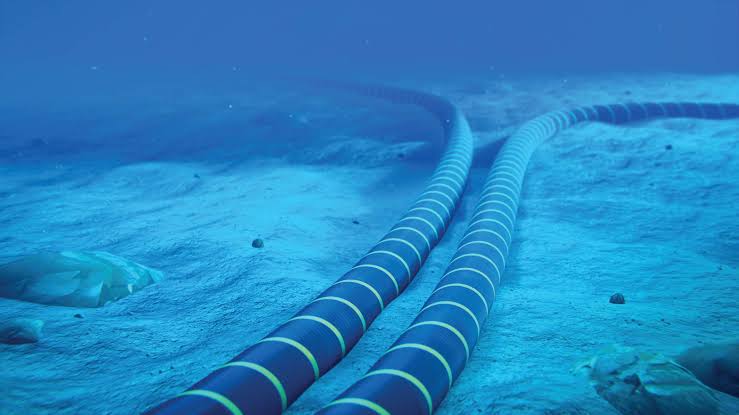
- 07 Jul 2026
In News:
A consortium comprising Microsoft, Singtel, Tata Communications and Lightstorm has signed agreements to develop the India–Southeast Asia (I-2SEA) Submarine Cable System, a major digital infrastructure project connecting India, Malaysia and Singapore. Expected to be operational by Q4 2029, it seeks to meet the growing demand for Artificial Intelligence (AI), cloud computing and hyperscaler connectivity across the India–Southeast Asia corridor.
What is the I-2SEA Submarine Cable System?
The I-2SEA is an approximately 3,600-km submarine fibre-optic cable system that will connect India's east coast with Southeast Asia through a carrier-neutral landing infrastructure. It is designed to provide high-capacity, low-latency and resilient digital connectivity for AI, cloud services and enterprise data traffic.
Submarine cables are undersea fibre-optic cables that transmit data using light signals and carry nearly 99% of global international internet and telecommunications traffic, making them the backbone of the global digital economy.
Key Features
- Connects India, Malaysia and Singapore, strengthening regional digital connectivity.
- Dual landing stations in India at Machilipatnam (Andhra Pradesh) and South Chennai (Tamil Nadu).
- Machilipatnam offers the shortest subsea route to Hyderabad, enabling faster connectivity to India's growing AI and data centre ecosystem.
- Provides onward connectivity to Mumbai and over 80 data centres through Lightstorm's terrestrial fibre network.
- Features carrier-neutral landing infrastructure, allowing multiple telecom operators and service providers to use the network.
- Uses interoperable cable architecture, ensuring seamless integration with various international networks.
- Incorporates deep cable burial to protect against damage from anchors, fishing activities and natural hazards.
- Integrated with Lightstorm's SmartNet AI Fabric and Polarin platform for intelligent network management and real-time monitoring.
Purpose
The project has been designed to address the rapid growth in international data traffic driven by AI and cloud computing. It will support:
- Hyperscalers and cloud service providers.
- GPU infrastructure for AI model training and inference.
- High-performance computing workloads.
- Enterprises requiring high-capacity, low-latency digital connectivity.
Hamburg Sustainability Conference (HSC) 2026
- 30 Jun 2026
In News:
The United Nations Sustainable Development Solutions Network (SDSN) released the Sustainable Development Report (SDR) 2026 during the Third Hamburg Sustainability Conference (HSC) 2026, where India improved its ranking to 94th in the global Sustainable Development Goals (SDG) Index.
About the Hamburg Sustainability Conference (HSC)
- The Hamburg Sustainability Conference (HSC) is an international multi-stakeholder platform that seeks to accelerate progress towards achieving the United Nations Sustainable Development Goals (SDGs) by fostering practical cooperation among governments, businesses, financial institutions, civil society, academia, and international organisations.
- The conference aims to strengthen partnerships between the Global North and the Global South, promote sustainable economic development, and build collaborative solutions to emerging global challenges such as climate change, digital transformation, geopolitical conflicts, and sustainable finance.
- The inaugural conference was held in October 2024, while the 2026 edition marks its third annual session.
- The theme of HSC 2026 is "Together we co-create sustainable development."
Major Focus Areas
The conference discussions are organised around three broad pillars:
- Resilient Economies, Technology and the Future of Our Planet, focusing on industrial decarbonisation, sustainable investments, responsible Artificial Intelligence, and digital transformation.
- Risk, Uncertainty and Conflict, addressing the impact of geopolitical tensions on global supply chains, food security, energy security, and critical minerals.
- Ensuring the Future of Human Collaboration, which seeks to strengthen multilateral cooperation and bridge the trust deficit between developed and developing countries.
Sustainable Development Report (SDR) 2026
- The Sustainable Development Report is published annually by the United Nations Sustainable Development Solutions Network (SDSN).
- It assesses countries' progress towards achieving the 17 Sustainable Development Goals (SDGs) adopted under the 2030 Agenda for Sustainable Development.
- The report ranks countries using the SDG Index, which measures performance across social, economic, and environmental indicators.
India's Performance
India has continued to improve its position in the SDG Index.
|
Year |
Global Rank |
|
2015 |
112 |
|
2025 |
99 |
|
2026 |
94 |
India's SDG Score in 2026 stands at 68.3 out of 100, reflecting an improvement of 18 positions since 2015.
Key Achievements
The report recognises India's progress in several areas, particularly:
- Expansion of rural electrification under SDG 7 (Affordable and Clean Energy).
- Rapid improvement in digital connectivity under SDG 9 (Industry, Innovation and Infrastructure).
- Overall improvement in SDG performance compared to many other emerging economies.
Major Challenges
Despite improvements, the report highlights that India continues to face significant developmental challenges.
Key concerns include:
- Only about 3% of SDG targets are currently on track for achievement by 2030.
- Rising levels of child wasting, stunting, and undernourishment, affecting progress under SDG 2 (Zero Hunger).
- Increasing adult obesity, indicating the growing burden of malnutrition in all its forms.
- Higher per capita carbon dioxide (CO?) emissions and continued deterioration in air quality, affecting progress under SDGs 13, 14, and 15.
- Declining scores on press freedom and institutional indicators, posing challenges under SDG 16 (Peace, Justice and Strong Institutions).
About the Sustainable Development Solutions Network (SDSN)
The United Nations Sustainable Development Solutions Network (SDSN) is a global initiative launched by the United Nations in 2012 to mobilise scientific expertise, academic institutions, businesses, and civil society in support of the implementation of the Sustainable Development Goals (SDGs) and the Paris Agreement on Climate Change.
The network promotes evidence-based policy solutions, publishes the annual Sustainable Development Report, and supports governments in designing strategies for sustainable development.
Murchison Widefield Array (MWA) & SMART Pulsar Survey

- 30 Jun 2026
In News:
Astronomers have recently discovered a new millisecond pulsar using the Murchison Widefield Array (MWA) as part of the ongoing Southern-sky MWA Rapid Two-metre (SMART) survey. The discovery is expected to enhance our understanding of neutron stars and support future radio astronomy missions.
About Murchison Widefield Array (MWA)
The Murchison Widefield Array (MWA) is a low-frequency radio telescope located at the Murchison Radio-astronomy Observatory (MRO) in Western Australia, which also hosts the future Square Kilometre Array-Low (SKA-Low).
It is an international collaboration involving 20 research institutions from Australia, Canada, China, Japan, and the United States, led by Curtin University, Australia.
The telescope consists of 4,096 spider-like antennas that operate in the 70–300 MHz frequency range. It is designed with a very wide field of view, high angular resolution, nanosecond time resolution, and digital pointing capability, enabling it to rapidly scan large portions of the sky and detect faint or short-lived cosmic phenomena.
Major Scientific Applications
The MWA is used to study a wide range of astrophysical phenomena, including:
- The Epoch of Reionization, when the first stars and galaxies formed.
- Structure and evolution of galaxies and galaxy clusters.
- The Sun and space weather, including solar flares and coronal mass ejections.
- Transient radio sources such as pulsars and Fast Radio Bursts (FRBs).
- The interstellar medium and cosmic magnetic fields.
Southern-sky MWA Rapid Two-metre (SMART) Survey
The SMART Survey is an ongoing pulsar search programme using the MWA to identify previously unknown pulsars in the Southern Hemisphere.
It is the only pulsar survey currently operating at low radio frequencies (140–170 MHz) in the Southern Hemisphere. Once completed, the survey is expected to discover hundreds of new pulsars and will provide an important reference database for future observations with the Square Kilometre Array (SKA-Low).
Square Kilometre Array (SKA)
The Square Kilometre Array (SKA) is an international project to build the world's largest and most sensitive radio telescope for exploring the universe.
The telescope is being developed across two continents:
- SKA-Low in Australia
- SKA-Mid in South Africa
Its operational headquarters are located in the United Kingdom, while construction officially commenced on 5 December 2022.
The SKA aims to investigate some of the most fundamental questions in astronomy, including the origin of the Universe, formation and evolution of galaxies, cosmic magnetism, and the search for extraterrestrial life.
India became a member of the SKA project in December 2022.
What are Pulsars?
Pulsars are rapidly rotating neutron stars that emit highly regular beams of electromagnetic radiation, primarily in the radio wavelength.
Neutron stars are extremely dense remnants formed after the gravitational collapse of massive stars during a supernova explosion. Although they possess masses between 1.18 and 1.97 times that of the Sun, they are only about 20 km in diameter, making them among the densest known objects in the Universe.
Pulsars possess extremely strong magnetic fields, which channel charged particles towards the magnetic poles, producing narrow beams of radiation. Since the magnetic axis is usually inclined relative to the rotational axis, these beams sweep across space like a lighthouse. When the beam points toward Earth, it is detected as a pulse of radiation.
The interval between successive pulses—ranging from milliseconds to several seconds—is known as the pulsar period.
LineShine Supercomputer
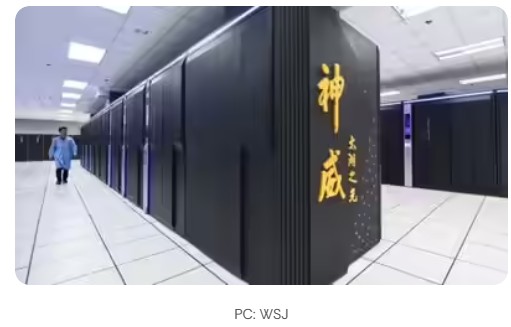
- 30 Jun 2026
In News:
China's LineShine supercomputer has topped the latest TOP500 rankings, replacing the United States' El Capitan as the world's fastest publicly ranked supercomputer. The achievement marks China's growing leadership in high-performance computing despite restrictions on advanced semiconductor technologies.
What is the TOP500 List?
The TOP500 is the globally accepted ranking of the world's most powerful supercomputers. Published twice every year since 1993, it evaluates supercomputers using the High Performance LINPACK (HPL) benchmark, which measures a system's ability to solve large-scale mathematical computations at high speed.
The ranking serves as the global benchmark for assessing advances in High-Performance Computing (HPC) and is widely used by governments, research institutions, and industry.
About LineShine
LineShine is located at the National Supercomputing Center, Shenzhen (China) and has achieved a computing performance of approximately 2.19 exaflops, enabling it to perform more than two quintillion (2 × 10¹?) calculations per second.
Its entry into the TOP500 expands the number of exascale supercomputers worldwide from four to five. It is also the first time that Asia, North America, and Europe simultaneously host publicly ranked exascale computing systems.
Key Features
One of LineShine's most distinctive features is that it operates entirely on general-purpose Central Processing Units (CPUs) without relying on Graphics Processing Units (GPUs). It is the first CPU-only supercomputer to exceed the two-exaflop performance mark, demonstrating the continued potential of CPU-based architectures for scientific computing.
The system also reflects the growing convergence of High-Performance Computing (HPC) and Artificial Intelligence (AI), enabling both traditional numerical simulations and AI-driven computational workloads on a single platform.
Applications
LineShine supports a wide range of advanced scientific and engineering applications, including:
- AI-assisted weather forecasting.
- Rainfall prediction across East Asia.
- Atomic-scale simulations of magnetic and advanced materials.
- Large-scale scientific modelling and engineering research.
- Artificial Intelligence and machine learning applications.
India's Shipbuilding Sector
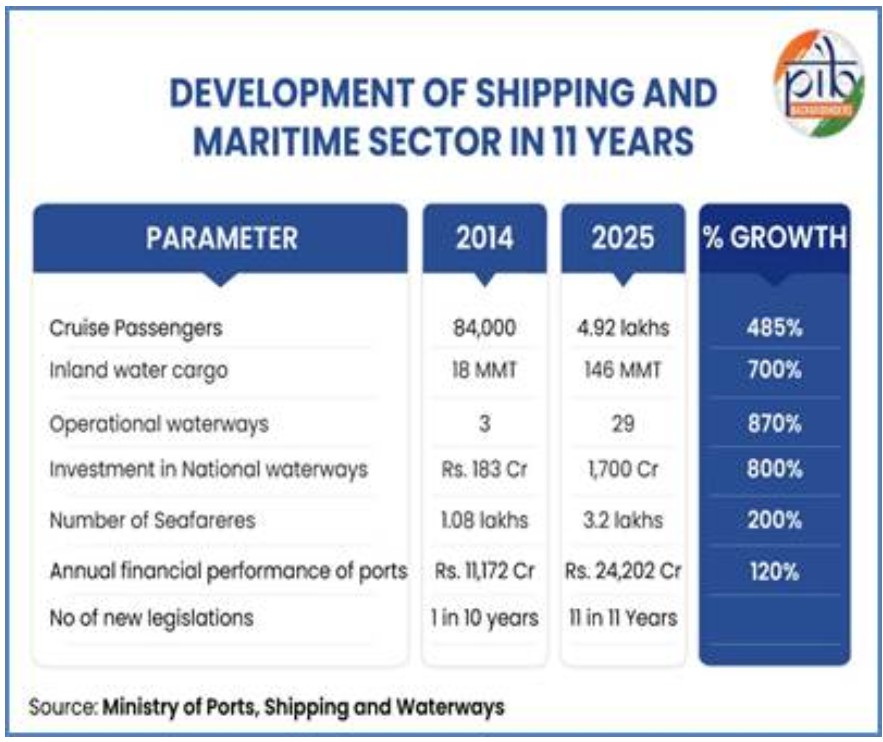
- 30 Jun 2026
In News:
According to the United Nations Conference on Trade and Development (UNCTAD), India emerged as the world's largest ship recycling nation in 2025, achieving a key target under the Maritime India Vision (MIV) 2030 ahead of schedule. Simultaneously, growing cooperation with South Korea is expected to accelerate India's ambition of becoming a global shipbuilding hub.
Current Status of India's Shipbuilding Sector
India has made significant progress in ship recycling, increasing its global share from 30.1% in 2024 to 35.4% in 2025 by recycling 2.99 million Gross Tonnes (GT) of ships. Building on this success, the Government aims to transform India into a leading shipbuilding nation under the Maritime India Vision (MIV) 2030 and Maritime Amrit Kaal Vision 2047, with the target of becoming one of the world's top 10 shipbuilding nations by 2030 and top five by 2047.
Despite handling nearly 95% of India's trade volume through maritime transport, the country accounts for less than 1% of global shipbuilding output, highlighting the need for large-scale capacity expansion and technological advancement.
Government Initiatives
To strengthen the sector, the Government has introduced several policy measures:
- Shipbuilding Financial Assistance Scheme (SBFAS): Provides financial assistance ranging from 15% to 25% of vessel cost to improve the competitiveness of Indian shipyards.
- Shipbuilding Development Scheme (SbDS): Supports the establishment of greenfield shipbuilding clusters, modernisation of existing shipyards, and creation of an India Ship Technology Centre at the Indian Maritime University.
- Maritime Development Fund (MDF): A dedicated ?25,000 crore fund comprising the Maritime Investment Fund (MIF) and Interest Incentivisation Fund (IIF) to facilitate long-term financing.
- Ship-breaking Credit Note Scheme: Grants ship owners a credit equivalent to 40% of the scrap value of recycled ships, which can be utilised while constructing new ships in Indian shipyards.
- Green Tug Transition Programme (GTTP) and Harit Nauka Guidelines: Promote construction of environmentally sustainable vessels using alternative fuels such as LNG, hydrogen, methanol, and battery-electric propulsion.
India has also aligned its ship recycling industry with the Hong Kong International Convention for the Safe and Environmentally Sound Recycling of Ships through the Recycling of Ships Act, 2019.
India–South Korea Cooperation
South Korea, one of the world's leading shipbuilding nations, is expected to play a key role in India's maritime transformation.
Areas of collaboration include:
- Development of India's first mega greenfield shipyard at Thoothukudi under the India–Republic of Korea (ROK) Comprehensive Framework.
- Technology transfer in advanced ship design, automation, green propulsion, and construction of specialised vessels.
- Localisation of marine equipment manufacturing through the Korea Marine Equipment Association (KOMEA).
- Cooperation in naval shipbuilding under the Make in India initiative.
- Skill development and research partnerships involving the Indian Maritime University (IMU) and Korea Maritime & Ocean University (KMOU).
Challenges
Despite policy support, India's shipbuilding industry continues to face several structural challenges:
- High cost of capital and limited access to long-term finance.
- Heavy dependence on imported marine equipment and specialised shipbuilding-grade steel.
- Inadequate large dry docks and modern shipbuilding infrastructure.
- Weak domestic demand for Indian-built commercial vessels.
- Limited share in the global Maintenance, Repair and Operations (MRO) market.
- Shortage of skilled manpower in advanced marine engineering and green shipbuilding technologies.
- Regulatory delays and procedural bottlenecks affecting investment.
Way Forward
To emerge as a global shipbuilding hub, India needs to adopt an integrated cluster-based development model similar to South Korea's Ulsan model, linking shipyards with ancillary industries, research institutions, and training centres. Greater localisation of critical components, effective technology transfer through international partnerships, integration of ship recycling with domestic shipbuilding, promotion of green vessels, and strict implementation of the Right of First Refusal (RoFR) policy for Indian-built ships can significantly strengthen the sector. Expanding domestic shipbuilding capacity while leveraging India's leadership in ship recycling will help create a globally competitive and sustainable maritime ecosystem.
BRICS Space Cooperation
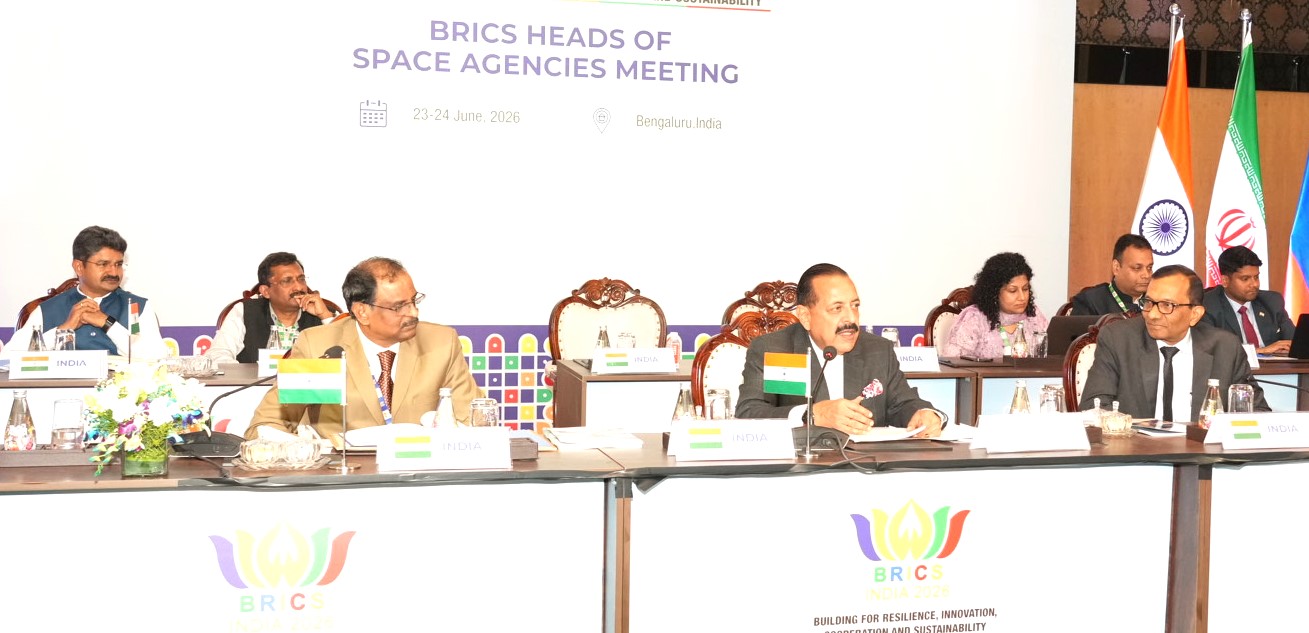
- 30 Jun 2026
In News:
During the BRICS Heads of Space Agencies Meeting held in Bengaluru under India's BRICS Chairship 2026, the Union Minister of Earth Sciences proposed the concept of a "BRICS Space Economy", calling for deeper collaboration to make space a catalyst for innovation, entrepreneurship, investment, and sustainable development.
About the BRICS Heads of Space Agencies Meeting
The meeting was hosted by the Indian Space Research Organisation (ISRO) and brought together the heads of space agencies and senior officials from Brazil, China, Egypt, Ethiopia, India, Indonesia, Iran, Russia, South Africa, and the United Arab Emirates.
The primary objective was to review the progress of existing BRICS space cooperation and identify new avenues for harnessing space technology to address shared developmental and global challenges. The meeting reflected the growing importance of space diplomacy and scientific collaboration among emerging economies.
Key Areas of Discussion
The deliberations focused on strengthening cooperation in several priority areas, including:
- Space sustainability and responsible use of outer space.
- Development of debris-free and environmentally sustainable space missions.
- Expansion of the BRICS Remote Sensing Satellite Constellation.
- Greater participation of the newly inducted BRICS members in space initiatives.
- Establishment of a proposed BRICS Space Council to institutionalise long-term cooperation.
The member countries also explored opportunities for collaboration in disaster management, Earth observation, satellite data sharing, capacity building, scientific research, and knowledge exchange, with the aim of improving resilience against natural disasters and supporting sustainable development.
India's Space Ecosystem
During the meeting, India highlighted the rapid growth of its space sector, particularly the emergence of a vibrant NewSpace ecosystem driven by private industries and startups.
India also showcased several recent achievements, including:
- Chandrayaan-3, which successfully demonstrated a soft landing near the Moon's south polar region.
- Aditya-L1, India's first dedicated solar mission.
- Progress towards the Gaganyaan Mission, India's first human spaceflight programme.
These achievements underline India's growing capabilities in scientific research, space exploration, and commercial space activities.
What is the Proposed BRICS Space Economy?
The proposed BRICS Space Economy envisions moving beyond conventional cooperation towards joint innovation, co-development, and commercial collaboration among BRICS countries.
The initiative seeks to promote:
- Joint development of space technologies.
- Investment and entrepreneurship in the space sector.
- Sharing of satellite data and scientific expertise.
- Responsible and sustainable space operations.
- Stronger partnerships in emerging areas of the global space economy.
It also aims to create a collaborative framework where member countries can collectively leverage their technological strengths to enhance economic growth and address developmental challenges.
Medical Innovations Patent Mitra Initiative
- 06 Jul 2026
In News:
The National Medical Commission (NMC) has advised all medical colleges and healthcare institutions to utilize the Indian Council of Medical Research (ICMR)'s Medical Innovations Patent Mitra platform to promote patenting and commercialization of indigenous medical innovations.
About Medical Innovations Patent Mitra Initiative
The Medical Innovations Patent Mitra is a centralized, expert-driven digital platform developed by the Indian Council of Medical Research (ICMR) to provide end-to-end support for protecting, managing, and commercializing medical innovations developed by researchers, clinicians, faculty, students, and startups.
The initiative aims to bridge the gap between medical research and commercialization by providing comprehensive intellectual property (IP) assistance and removing financial and procedural barriers to patent filing.
Objectives
- Promote innovation and patent culture in India's healthcare sector.
- Facilitate protection of biomedical research through intellectual property rights.
- Support commercialization of indigenous healthcare technologies.
- Reduce financial and legal barriers associated with patent filing.
- Strengthen India's medical innovation ecosystem.
Key Features
The platform provides 100% government-funded support for the complete patent lifecycle, including patent filing, legal drafting, patent prosecution, examination responses, hearings, and maintenance fees, eliminating out-of-pocket expenses for eligible innovators.
It offers expert assistance through intellectual property professionals and medical experts, who conduct prior-art searches, evaluate the novelty of inventions, and prepare high-quality patent applications to improve the chances of successful patent grants.
The initiative supports a broad range of innovators, including:
- ICMR intramural and extramural research projects
- Faculty, clinicians, researchers, and students of recognized medical colleges and institutions
- DPIIT-recognized biomedical startups
- Independent medical innovators and research institutions
The platform also manages the entire patent prosecution process by responding to examination reports, handling patent opposition proceedings, and maintaining intellectual property portfolios.
In addition, Patent Mitra facilitates technology transfer by connecting innovators with pharmaceutical companies, medical device manufacturers, and industry partners for licensing and commercialization of healthcare innovations.
Specialised Investment Fund (SIF)Specialised Investment Fund (SIF)
- 06 Jul 2026
In News:
The Specialised Investment Fund (SIF) category has witnessed rapid investor adoption, with Assets Under Management (AUM) crossing ?13,814 crore, indicating growing interest in this new investment framework introduced by the Securities and Exchange Board of India (SEBI).
About Specialised Investment Fund (SIF)
The Specialised Investment Fund (SIF) is a new investment product introduced by SEBI to bridge the gap between traditional mutual funds and Portfolio Management Services (PMS). The framework has been notified through amendments to the SEBI (Mutual Funds) Regulations, 1996.
SIF offers greater investment flexibility than conventional mutual funds while remaining more accessible than PMS, thereby catering to sophisticated investors with higher risk appetite and larger investment capacity.
Key Features
The minimum investment required in a Specialised Investment Fund is ?10 lakh per investor. While investors can invest through Systematic Investment Plans (SIPs) and withdraw through Systematic Withdrawal Plans (SWPs), the prescribed minimum investment threshold must be maintained.
SIFs can be structured as:
- Open-ended funds
- Closed-ended funds
- Interval funds
Investment Strategies
SEBI has permitted three broad categories of investment strategies under the SIF framework:
Equity-Oriented Strategies
- Equity Long-Short Fund
- Equity Ex-Top 100 Long-Short Fund
- Sector Rotation Long-Short Fund
Debt-Oriented Strategies
- Debt Long-Short Fund
- Sectoral Debt Long-Short Fund
Hybrid Strategies
- Active Asset Allocator Long-Short Fund
- Hybrid Long-Short Fund
Currently, only one investment strategy is permitted under each category for every Specialised Investment Fund.
Eligibility Criteria for Asset Management Companies (AMCs)
SEBI has prescribed two alternative routes for Asset Management Companies (AMCs) to establish an SIF.
Under the first route, the AMC must:
- Have been operational for at least three years, and
- Maintain an average Assets Under Management (AUM) of ?10,000 crore during the immediately preceding three years.
Under the second route, the AMC must:
- Appoint a Chief Investment Officer (CIO) with at least 10 years of experience and experience in managing assets worth ?5,000 crore or more.
- Appoint an additional fund manager with a minimum of three years' experience managing assets worth ?500 crore.
MANAS (Madak Padarth Nishedh Asoochna Kendra)
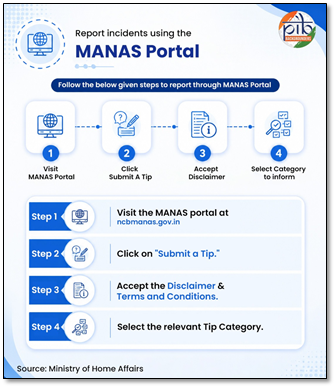
- 06 Jul 2026
In News:
To strengthen India's fight against drug abuse and narcotics trafficking, the Government has expanded technology-enabled citizen participation through MANAS (Madak Padarth Nishedh Asoochna Kendra), the National Narcotics Helpline under the Narcotics Control Bureau (NCB).
About MANAS
MANAS (Madak Padarth Nishedh Asoochna Kendra) is India's National Narcotics Helpline, launched on 18 July 2024 by the Narcotics Control Bureau (NCB) under the Ministry of Home Affairs (MHA).
The platform enables citizens to confidentially report drug-related offences while also providing access to counselling and de-addiction support. It combines digital technology, citizen participation, and inter-agency coordination to strengthen the country's anti-narcotics ecosystem and support the vision of a Nasha Mukt Bharat.
Objectives
- Encourage citizen participation in combating drug trafficking.
- Facilitate confidential reporting of narcotics-related crimes.
- Strengthen coordination among anti-narcotics agencies.
- Provide counselling and rehabilitation support for persons affected by substance abuse.
- Improve intelligence gathering through digital monitoring and analytics.
Key Features
MANAS allows citizens to anonymously report activities such as drug trafficking, peddling, illegal cultivation of narcotic crops, and other narcotics-related offences, ensuring that the identity of the informant remains confidential.
The platform has been developed in collaboration with the Digital India Corporation and is accessible through multiple channels, including:
- National Helpline: 1933
- Official MANAS portal
- UMANG application
For individuals suffering from substance addiction, MANAS provides access to counselling and rehabilitation services. Calls related to de-addiction are seamlessly transferred to the Ministry of Social Justice and Empowerment's National Helpline (14446).
The platform employs digital ticket generation, workflow management, case tracking, and real-time data analytics, enabling authorities to identify emerging drug hotspots, improve response time, and enhance operational efficiency.
Institutional Linkages
MANAS integrates citizens with the country's anti-drug enforcement network by connecting reports to:
- 30 Narcotics Control Bureau (NCB) Zonal Units
- 36 State and Union Territory Anti-Narcotics Task Forces (ANTFs)
This facilitates faster intelligence sharing, coordinated investigations, and timely enforcement action.
LokOS Platform
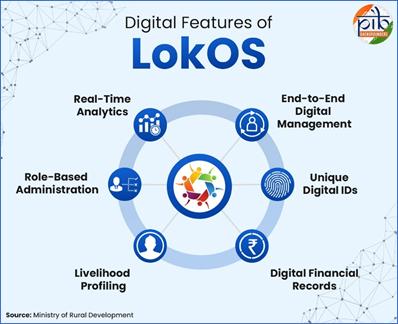
- 06 Jul 2026
In News:
The LokOS platform has significantly expanded its reach across India, enabling large-scale digital transformation of Self-Help Groups (SHGs) and other Community-Based Organizations (CBOs) under the Deendayal Antyodaya Yojana–National Rural Livelihoods Mission (DAY-NRLM).
About LokOS Platform
LokOS (Lok = People, OS = Operating System) is a web- and mobile-based digital platform developed under DAY-NRLM to facilitate end-to-end digital management of Self-Help Groups (SHGs) and Community-Based Organizations (CBOs).
It serves as a unified digital operating system for creating, managing, monitoring, and strengthening community institutions while promoting transparency, financial inclusion, and efficient implementation of rural livelihood programmes.
Objectives
- Digitally manage community institutions under DAY-NRLM.
- Improve governance, transparency, and accountability.
- Strengthen women-led rural enterprises and financial inclusion.
- Enable real-time monitoring and data-driven policymaking.
- Support implementation of the Lakhpati Didi initiative through digital beneficiary tracking.
Key Features
- The web application enables administrators, e-bookkeepers, and transaction approvers to create and manage Self-Help Groups (SHGs), Village Organizations (VOs), Cluster Level Federations (CLFs) and their members.
- The mobile application facilitates field-level recording and management of community activities, allowing real-time data collection and updates.
- LokOS provides end-to-end digital management by registering community institutions, maintaining member databases, and generating Aadhaar- and bank-linked digital identities for organizations and beneficiaries.
- The platform records savings, internal lending, loan repayments, and other financial transactions, thereby improving financial transparency and record keeping.
- It also captures livelihood profiling of members, enabling convergence with government welfare schemes and better livelihood planning.
- Role-based access ensures secure user management, approvals, monitoring, and reporting at village, block, district, state, and national levels. In addition, real-time dashboards and one-click analytical reports support evidence-based decision-making.
Coverage
The platform has been rolled out across 34 States and Union Territories, enabling nationwide digital integration of:
- Self-Help Groups (SHGs)
- Village Organizations (VOs)
- Cluster Level Federations (CLFs)
- SHG members
Delhi Electric Vehicle (EV) Policy, 2026
- 06 Jul 2026
In News:
The Government of Delhi has notified the Delhi Electric Vehicle (EV) Policy, 2026, a comprehensive roadmap aimed at accelerating the transition to zero-emission mobility and reducing vehicular pollution in the National Capital Territory.
About Delhi EV Policy, 2026
- The Delhi EV Policy, 2026 is the capital's new electric mobility framework that will remain in force from 1 July 2026 to 31 March 2030. Unlike the previous policy, it exclusively promotes Battery Electric Vehicles (BEVs) and does not provide incentives or tax concessions for strong hybrid vehicles.
- The policy seeks to reduce air pollution, expand electric mobility, strengthen charging infrastructure, and position Delhi as a leader in sustainable urban transport.
Need for the Policy
Vehicular emissions remain one of the major contributors to Delhi's deteriorating air quality. According to the Delhi Transport Department, commercial goods vehicles contribute about 33% of vehicular pollution, while two- and three-wheelers together account for nearly 46%. Since these segments dominate urban mobility, the policy focuses on accelerating their electrification.
Major Features
- The policy provides phased financial incentives to encourage EV adoption. Electric two-wheelers are eligible for subsidies of ?30,000 in the first year, reducing to ?20,000 and ?10,000 over the following two years. Electric auto-rickshaws receive subsidies of ?50,000, ?40,000 and ?30,000 respectively during the three-year incentive period.
- Eligible battery electric vehicles receive a 100% exemption from road tax and registration fees, although this benefit for passenger cars is restricted to vehicles costing up to ?30 lakh (ex-showroom).
- A dedicated digital subsidy portal enables online applications within 30 days of purchase, with subsidies transferred through Direct Benefit Transfer (DBT) within 60 days.
Key Regulatory Measures
The policy introduces a phased transition towards complete electrification of high-polluting vehicle categories.
- From 1 January 2027, only electric L-5 passenger auto-rickshaws and N1 category light goods carriers will be eligible for fresh registration.
- From 1 April 2028, registration of new petrol and CNG-powered two-wheelers will cease, permitting only electric models.
- Institutional schools are required to progressively electrify their bus fleets by achieving 10% conversion within two years, 20% within three years, and 30% by March 2030.
To prevent misuse of subsidies, beneficiaries cannot sell or register subsidised electric vehicles outside Delhi for three years.
Charging Infrastructure and Digital Support
- The policy envisages expanding Delhi's public charging ecosystem to nearly 32,000 charging points, supported through the PM e-Drive initiative. It also proposes dedicated residential electricity connections and lower off-peak charging tariffs in coordination with power distribution companies.
- Grid strengthening will be undertaken by Delhi Transco Limited (DTL) to ensure reliable electricity supply for large-scale EV adoption.
Challenges
Despite its ambitious vision, the policy faces several implementation challenges. Excluding strong hybrid vehicles has drawn criticism from automobile manufacturers, who view hybrids as an important transitional technology. The relatively higher upfront cost of electric vehicles may discourage lower-income groups such as auto-rickshaw drivers and delivery operators without adequate financing support.
Rapid growth in EV charging demand also requires significant investment in electricity distribution infrastructure. Effective implementation will depend upon timely expansion of charging facilities, stable power supply, affordable financing, and efficient subsidy disbursal.
Significance
The Delhi EV Policy, 2026 represents one of India's most ambitious state-level electric mobility initiatives. By combining financial incentives, regulatory mandates, digital governance and infrastructure development, it seeks to reduce urban air pollution, lower greenhouse gas emissions, strengthen the electric vehicle ecosystem, and promote sustainable urban transport.
Borjuli Wetland
- 05 Jul 2026
In News:
The Borjuli Wetland in Sonitpur district, Assam, has been notified as a Biodiversity Heritage Site (BHS) to conserve Oryza rufipogon, a wild rice species regarded as the evolutionary ancestor of cultivated rice.
Borjuli Wetland
- The Borjuli Wetland is a biologically rich freshwater marsh and swamp ecosystem located in the floodplains of the Brahmaputra River in Sonitpur district, Assam.
- Fed by seasonal monsoon runoff and local water channels, it functions as a natural gene pool for several native plant species, particularly wild rice.
- The wetland is globally significant because it harbours Oryza rufipogon, the wild progenitor of cultivated rice (Oryza sativa). Over centuries, this wild species has naturally evolved resistance to several pests, diseases, flooding and saline conditions, making it an invaluable genetic resource for developing climate-resilient and high-yielding rice varieties.
- The site serves as an in-situ conservation area, where species are protected within their natural habitat. The conservation programme is supported by the ICAR–National Bureau of Plant Genetic Resources (ICAR-NBPGR) and the Assam State Biodiversity Board, enabling long-term preservation of genetic diversity essential for food security and sustainable agriculture.
Biodiversity Heritage Sites (BHS)
A Biodiversity Heritage Site (BHS) is a unique and ecologically important area notified for conserving rich biological diversity, rare species, traditional crop varieties, wild relatives of cultivated plants, sacred groves, wetlands and other ecologically fragile ecosystems.
BHSs are notified by State Governments under Section 37 of the Biological Diversity Act, 2002, in consultation with local bodies and Biodiversity Management Committees (BMCs).
Unlike National Parks or Wildlife Sanctuaries, declaration as a Biodiversity Heritage Site does not extinguish community ownership or traditional livelihood rights. Instead, it promotes conservation through community participation while encouraging the sustainable use of biological resources.
The sites are technically guided by the National Biodiversity Authority (NBA) and managed through local Biodiversity Management Committees to ensure long-term ecological conservation.
Employees' Provident Funds (EPF) Scheme, 2026
- 05 Jul 2026
In News:
The Ministry of Labour and Employment has notified the Employees' Provident Funds (EPF) Scheme, 2026, replacing the EPF Scheme, 1952, under the Code on Social Security, 2020. The new framework seeks to modernise provident fund administration while ensuring continuity of retirement benefits for employees.
About EPF Scheme, 2026
The Employees' Provident Funds (EPF) Scheme, 2026 is India's new statutory retirement savings framework administered by the Employees' Provident Fund Organisation (EPFO) under the Ministry of Labour and Employment. It replaces the seven-decade-old EPF Scheme, 1952, while implementing the provisions of the Code on Social Security, 2020.
The primary objective of the scheme is to provide long-term financial security to employees through compulsory retirement savings, improve ease of compliance, and promote digital governance.
Key Features
The new scheme ensures seamless continuity for existing EPF subscribers. Current members automatically continue under the new framework without requiring fresh registration or transfer of accumulated balances.
The contribution structure largely remains unchanged. Both employer and employee continue to contribute 12% of wages (10% for notified establishments). However, the mandatory contribution is calculated only up to the statutory wage ceiling of ?15,000 per month, limiting compulsory contributions to ?1,800 each from the employer and employee.
Employees may voluntarily contribute beyond the statutory wage ceiling or above the prescribed contribution rate. Employers may also make matching voluntary contributions, which can subsequently be modified or discontinued without affecting the mandatory contribution.
Withdrawal Provisions
The scheme simplifies the earlier 13 withdrawal categories into three broad heads:
- Essential Needs – illness, education and marriage.
- Housing Needs – purchase or construction of a house, home loan repayment and renovation.
- Special Circumstances – specified emergencies.
To preserve retirement security, members must maintain a minimum balance equal to 25% of total contributions as a retirement corpus, while the remaining eligible balance can be withdrawn subject to prescribed conditions.
Some important withdrawal provisions include:
- Illness: Up to 100% of the eligible balance after 12 months of membership.
- Education: Permitted after 12 months, with a maximum of 10 withdrawals.
- Marriage: Up to 100% of the eligible balance, subject to a maximum of five withdrawals.
- Housing: Up to 75% of the accumulated balance after 12 months, with a maximum of five withdrawals.
Digital Governance and Compliance
A major feature of the new framework is the emphasis on digital service delivery. Aadhaar-linked Universal Account Number (UAN), PAN and bank account integration will facilitate faster claim settlement, portability and online services.
EPFO is also expanding digital services through UPI-based withdrawals and WhatsApp-based member services, making provident fund management more accessible.
Employers are required to submit Aadhaar, PAN, UAN, wage details and monthly statutory returns electronically, strengthening transparency and compliance.
Protection for Contract Workers
The scheme introduces the concept of a Principal Employer, making the principal employer ultimately responsible for provident fund contributions if contractors fail to deposit them. This provision strengthens social security coverage for contract workers and improves accountability.
International Workers
Existing provisions relating to international workers continue without change, ensuring uninterrupted provident fund coverage for employees already enrolled under international social security arrangements.
Significance
The EPF Scheme, 2026 modernises India's retirement savings framework by combining continuity of benefits with greater flexibility, digital governance and simplified procedures. It strengthens employee welfare, improves compliance, protects contract workers, and facilitates easier access to provident fund services while safeguarding long-term retirement savings. The scheme also marks an important step towards the comprehensive implementation of the Code on Social Security, 2020.
Vikram-1 Rocket

- 05 Jul 2026
In News:
India's first privately developed orbital-class rocket, Vikram-1, is set for its maiden launch, marking a major milestone in the country's expanding private space sector.
About Vikram-1 Rocket
Vikram-1 is India's first privately developed orbital launch vehicle, designed and developed by Skyroot Aerospace, a Hyderabad-based space startup. Named after Dr. Vikram Sarabhai, the father of the Indian space programme, the rocket represents India's growing capabilities in commercial space launch services following the opening of the space sector to private participation.
Key Features
Vikram-1 is a multi-stage orbital launch vehicle standing approximately seven storeys tall. It follows a four-stage configuration, where the first three stages are powered by solid-fuel propulsion to provide the initial thrust required for ascent.
The fourth stage employs a cluster of four Raman engines, which are hypergolic liquid engines. These engines use Monomethyl Hydrazine (MMH) as fuel and Nitrogen Tetroxide (NTO) as the oxidiser, igniting spontaneously upon contact to enable precise orbital insertion and manoeuvring.
The rocket features an all-carbon composite structure, reducing weight while improving strength. It also incorporates 3D-printed rocket engines, high-thrust solid rocket motors, advanced avionics for real-time navigation and guidance, and ultra-low-shock pneumatic stage separation systems.
Payload Capacity
Vikram-1 is specifically designed for the rapidly growing small satellite launch market.
- 350 kg payload to Low Earth Orbit (LEO)
- 260 kg payload to Sun-Synchronous Orbit (SSO)
It is capable of deploying multiple satellites in a single mission, making it suitable for commercial satellite constellations.
Major Innovations
The launch vehicle has been designed with an emphasis on simplicity, reliability and rapid deployment. It is capable of being prepared for launch within 24 hours from different launch locations, offering greater operational flexibility.
Key technological innovations include:
- All-carbon composite airframe
- Indigenous propulsion systems
- 3D-printed engines
- Hypergolic Raman upper-stage engines
- Ultra-low-shock pneumatic separation mechanism
- Advanced onboard guidance, navigation and control systems
Marburg Virus Disease
- 05 Jul 2026
In News:
The World Health Organization (WHO) recently confirmed a case of Marburg Virus Disease (MVD) in Uganda, highlighting the continued threat posed by emerging zoonotic diseases in Africa.
About Marburg Virus Disease (MVD)
- Marburg Virus Disease (MVD), formerly known as Marburg haemorrhagic fever, is a severe viral haemorrhagic fever caused by the Marburg virus, a highly virulent zoonotic pathogen belonging to the Filoviridae family—the same family that includes the Ebola virus.
- The disease affects both humans and non-human primates (chimpanzees, gorillas and monkeys). It derives its name from the German city of Marburg, where the first known outbreak occurred in 1967 among laboratory workers handling infected African green monkeys imported from Uganda.
- The virus is primarily found in sub-Saharan Africa, where sporadic outbreaks continue to occur.
Transmission
The natural reservoir of the Marburg virus is the Egyptian fruit bat (Rousettus aegyptiacus). Human infections usually occur following prolonged exposure to bat-inhabited caves or mines.
Once a person becomes infected, the virus spreads through direct contact with infected blood, saliva, vomit, urine, faeces and other bodily fluids. Transmission may also occur through contaminated clothing, bedding, medical equipment or other objects exposed to infectious body fluids.
Importantly, Marburg virus is not airborne and does not spread through casual social contact. Infection requires direct exposure to infected body fluids or contaminated materials.
Clinical Features
The incubation period ranges from 2 to 21 days.
Early symptoms include:
- High fever
- Chills
- Severe headache
- Muscle pain
- Skin rash
- Chest pain and sore throat
- Nausea, vomiting and diarrhoea
As the disease progresses, patients may develop haemorrhage, liver failure, delirium, shock and multi-organ dysfunction. Death, when it occurs, usually results from massive blood loss, circulatory shock and multiple organ failure, generally within 8–9 days after symptom onset.
The average case fatality rate is around 50%, although previous outbreaks have recorded fatality rates ranging from 24% to 88%, depending on the quality of medical care.
Treatment
At present, no licensed vaccine or specific antiviral treatment is available for Marburg Virus Disease.
Management is primarily supportive and includes:
- Intravenous fluids and electrolyte replacement
- Maintenance of oxygenation and blood pressure
- Treatment of secondary infections
- Pain management and intensive supportive care
Early diagnosis, isolation of patients and strict infection prevention and control measures are critical for limiting outbreaks.
Unlocking Growth in Tourism and Hospitality Sector
- 05 Jul 2026
In News:
NITI Aayog, in collaboration with the Ministry of Tourism, has released the report "Unlocking Growth in Tourism and Hospitality Sector". The report recommends comprehensive regulatory, infrastructure and policy reforms to transform India from a volume-driven tourism market into a high-value, investment-led global tourism destination.
Current Status of India's Tourism Sector
Tourism has emerged as one of India's fastest-growing service sectors and a significant contributor to economic growth and employment.
Globally, the travel and tourism sector contributed nearly 10% of global GDP in 2024, supporting one in every ten jobs worldwide. By 2035, the sector is projected to contribute USD 16.5 trillion, growing at around 3.5% annually.
In India, the tourism sector contributed ?15.73 lakh crore (5.22% of GDP) during FY 2023-24 and supported nearly 84.6 million jobs, making it one of the country's largest employment generators. Domestic tourism remains the biggest strength, recording nearly 2.9 billion domestic tourist visits in 2024. However, Foreign Tourist Arrivals (FTAs) stood at only 9.95 million, giving India a global market share of less than 1.5%.
According to the World Economic Forum's Travel & Tourism Development Index (TTDI) 2024, India ranks 6th in Natural Resources and 9th in Cultural Resources, but only 39th overall, reflecting significant policy and infrastructure gaps.
Major Challenges
The report identifies both demand-side and supply-side constraints limiting India's tourism potential.
On the demand side, India's restrictive visa regime remains a major obstacle. India scores 38.14 on the UN Tourism Visa Openness Index, below both the global and Asia-Pacific averages. The report also highlights complex e-visa procedures, payment failures, fragmented traveller interfaces and weak destination marketing, which reduce repeat international visits.
Supply-side constraints are equally significant. Hotel projects typically require 36–48 months for completion compared to 12–18 months in many ASEAN countries. Developers often require 50–60 different approvals, increasing project costs and delaying investments. Restrictive building regulations, fragmented interstate transport rules, overlapping taxes, and prolonged environmental and Coastal Regulation Zone (CRZ) clearances further discourage investment.
Key Recommendations
The report recommends a comprehensive package of reforms to improve the Ease of Doing Business in tourism.
Regulatory Reforms
- Integrate approvals through the National Single Window System (NSWS).
- Introduce a single health trade licence and single liquor licence for hotels.
- Eliminate the requirement for police-issued Eating House Licences.
Visa and Travel Reforms
- Introduce a 90-day multiple-entry Visa-on-Arrival for selected countries.
- Simplify the e-Visa system through fewer application fields, improved payment gateways and a unified traveller profile.
- Extend the validity of the All India Tourist Permit (AITP) from 90 days to five years and remove overlapping state entry taxes.
Infrastructure Reforms
- Increase permissible Floor Area Ratio (FAR) and liberalise building byelaws.
- Raise the room limit for registered homestays from 6 to 9 rooms.
- Create dedicated State Expert Appraisal Committees (SEACs) for faster environmental clearances.
- Digitise High Tide Line (HTL) and Low Tide Line (LTL) maps to expedite CRZ approvals.
Government Initiatives
India has already launched several initiatives to promote tourism, including:
- Swadesh Darshan Scheme
- Swadesh Darshan 2.0
- PRASHAD Scheme
- Dekho Apna Desh
- Incredible India Campaign
- National Digital Tourism Mission (NDTM)
- NIDHI Portal
- Utsav Portal
- Ek Bharat Shreshtha Bharat
- Loan Guarantee Scheme for COVID Affected Tourism Service Sector (LGSCATSS)
Significance
Implementing these reforms can significantly enhance India's global competitiveness, attract greater private investment, generate employment, increase foreign exchange earnings and strengthen regional development. Improved connectivity, simplified regulations and faster approvals would particularly benefit hospitality, transport, handicrafts, MSMEs and rural tourism.
With its unmatched cultural heritage, biodiversity and natural resources, India possesses enormous untapped tourism potential that can become a major engine of inclusive economic growth.
16th India–Japan Annual Summit
- 04 Jul 2026
In News:
The 16th India–Japan Annual Summit was held in New Delhi, where both countries reviewed the progress of their Special Strategic and Global Partnership and announced several initiatives to deepen cooperation in defence, economic security, clean energy, artificial intelligence (AI), resilient supply chains, and the Indo-Pacific.
Key Outcomes of the Summit
A major highlight of the summit was the agreement in principle on the UNICORN (Unified Complex Radio Antenna) Mast, marking the first-ever India–Japan defence co-development project. Both sides also agreed to expand cooperation in defence equipment, maritime security, naval Maintenance, Repair and Overhaul (MRO), Maritime Domain Awareness (MDA), and joint military exercises, besides convening the 4th India–Japan 2 2 Ministerial Meeting later in 2026.
Economic security emerged as another key pillar of cooperation. Both countries adopted the India–Japan Joint Declaration on Economic Security Cooperation, focusing on semiconductors, critical minerals, ICT, pharmaceuticals, and clean energy while building resilient and diversified supply chains to reduce dependence on any single country. They also agreed to accelerate the review of the Comprehensive Economic Partnership Agreement (CEPA) and work towards achieving the target of ¥10 trillion in Japanese investments in India. A USD 10 billion investment package was also announced to strengthen industrial collaboration.
The summit witnessed significant progress in clean energy cooperation. The two countries adopted a Joint Statement on Energy Resilience, launched the India–Japan Cooperative Biogas for Growth (CBG) Initiative, and expanded collaboration in green hydrogen, clean ammonia, solar photovoltaic technologies and civil nuclear energy. Japan also reiterated its support for India's membership of the International Energy Agency (IEA). In the digital domain, the launch of the India–Japan AI Strategic Dialogue and the adoption of a Joint Statement on AI Cooperation marked the beginning of structured collaboration on trusted AI, resilient digital infrastructure and responsible AI governance.
Both countries reaffirmed their commitment to a Free and Open Indo-Pacific (FOIP) aligned with India's Indo-Pacific Oceans Initiative (IPOI) and MAHASAGAR vision. They pledged greater cooperation through the Quad, ASEAN and BIMSTEC, supported freedom of navigation under UNCLOS, backed UN Security Council reforms, and announced a new India–Japan–Philippines 1.5 Track Dialogue to strengthen maritime security cooperation.
India–Japan Relations
India and Japan share centuries-old civilisational ties rooted in Buddhism, while diplomatic relations were established in 1952. Bilateral ties have steadily evolved through the Global Partnership (2000), Annual Summit mechanism (2006), Comprehensive Economic Partnership Agreement (2011), and the Special Strategic and Global Partnership (2014). Today, cooperation spans defence, trade, infrastructure, technology, connectivity and people-to-people exchanges. Japan is India's fifth-largest source of FDI and its largest bilateral development partner through Official Development Assistance (ODA), supporting projects such as the Mumbai–Ahmedabad High-Speed Rail, Delhi Metro and North-East connectivity. The two countries also collaborate in emerging technologies, semiconductors, AI, and the ISRO–JAXA Lunar Polar Exploration (LUPEX) mission.
Challenges
Despite growing strategic convergence, bilateral trade remains below potential, infrastructure projects continue to face implementation delays, and Indian exports encounter non-tariff barriers in Japan. Differences over Russia, language barriers affecting skilled workforce mobility, and constraints on defence technology transfer have also limited the pace of cooperation.
Significance
The 16th India–Japan Annual Summit reflects the transformation of bilateral ties into a comprehensive strategic partnership anchored in defence cooperation, trusted technology, resilient supply chains, clean energy and Indo-Pacific security. As both countries seek to address emerging geopolitical and economic challenges, their partnership is poised to play an increasingly important role in promoting a free, open and rules-based Indo-Pacific, strengthening India's Atmanirbhar Bharat vision, and contributing to regional stability and sustainable economic growth.
VIJAY Roadmap
- 04 Jul 2026
In News:
The Chief of the Army Staff (COAS), General Dhiraj Seth, recently unveiled the "VIJAY" Roadmap for the modernization of the Indian Army. Aligned with the Ministry of Defence's "Decade of Transformation" (2023–2032), the roadmap seeks to build a digitised, technology-driven, self-reliant, and multi-domain capable force to meet future security challenges.
About the VIJAY Roadmap
The VIJAY Roadmap is a comprehensive strategic blueprint for transforming the Indian Army from a conventional force into a modern, network-centric military capable of operating across land, cyber, space, electronic and hybrid warfare domains. It emphasizes rapid capability development, integration of advanced technologies, and greater synergy among the armed forces.
The roadmap draws inspiration from the Prime Minister's vision that "JAI leads to VIJAY", with "Jai Hind" and "Jai Bharat" serving as its guiding ethos. It also builds upon the broader objectives of Atmanirbhar Bharat and Viksit Bharat 2047.
Five Pillars of the VIJAY Roadmap
The roadmap is structured around five interconnected pillars:
- V – Vigilance: Focuses on maintaining high operational readiness and continuous surveillance along India's borders through advanced sensors, night-vision systems and rapid response capabilities.
- I – Innovation and Transformation: Promotes the adoption of emerging technologies such as Artificial Intelligence (AI), drones, satellites, digital networks and electronic warfare systems, alongside modern military doctrines to enhance combat effectiveness.
- J – Jointness and Integration: Strengthens coordination among the Army, Navy and Air Force, while promoting integrated theatre commands and a Whole-of-Nation approach involving civil and military institutions.
- A – Atmanirbharta: Reinforces self-reliance in defence by prioritising indigenous research, development and procurement under the principle of "Winning Our Wars with Indigenous Solutions."
- Y – Yodha First: Places soldiers at the centre of reforms through improved training, technological skilling, welfare measures, healthcare, career development, and enhanced support for Agniveers, veterans and Veer Naris.
Key Features
The roadmap envisages the integration of drones, satellites, battlefield sensors, communication networks and AI-enabled systems into a common operational framework, enabling faster decision-making and enhanced situational awareness.
It also aims to accelerate force restructuring, replace obsolete military equipment with next-generation indigenous technologies, strengthen multi-domain operational capabilities, and deepen collaboration with India's growing defence industrial ecosystem.
About the Decade of Transformation (2023–2032)
The Decade of Transformation (2023–2032) is the Ministry of Defence's long-term vision to modernise India's armed forces through technological advancement, organisational reforms, jointness among the services, indigenous defence manufacturing, and capability enhancement to address emerging security challenges.
Delegation of Financial Powers to DRDO (DFP-2026)
- 04 Jul 2026
In News:
The Ministry of Defence has released the Delegation of Financial Powers to DRDO (DFP-2026) to provide greater financial autonomy to the Defence Research and Development Organisation (DRDO), with the objective of accelerating indigenous defence research, development and innovation.
About DFP-2026
The Delegation of Financial Powers to DRDO (DFP-2026) is a revised financial governance framework that empowers DRDO with enhanced financial decision-making authority for defence research and development projects. It aims to reduce procedural delays, improve project execution, and facilitate the timely development and induction of indigenous defence technologies.
The framework seeks to strengthen India's Atmanirbhar Bharat vision in the defence sector by enabling faster approvals, greater operational flexibility, and improved financial efficiency.
Key Features
DFP-2026 provides greater financial autonomy to DRDO laboratories and project authorities, allowing quicker approval and execution of research and development programmes.
Its major features include:
- Enhanced Financial Delegation: Higher financial powers for faster approval and implementation of defence R&D projects.
- Dedicated Funding for Trials: Separate financial provisions for testing, evaluation and user trial campaigns of defence systems.
- Support for Early-Stage Research: Funding for pre-project research activities to encourage innovation before formal project sanction.
- Separate Funding Streams: Independent financial schedules for Extra-Mural Research Projects (EMRPs) and Defence Innovation Accelerator–Centres of Excellence (DIA-CoEs) to strengthen collaboration with academia, industry and startups.
- Improved Financial Governance: Simplified procedures with greater accountability and transparency in utilisation of research funds.
About DRDO
The Defence Research and Development Organisation (DRDO) is India's premier defence research agency functioning under the Ministry of Defence.
Established in 1958, DRDO is responsible for the design, development and evaluation of defence technologies and systems required by the Indian Armed Forces. It works across diverse domains including missiles, aeronautics, combat vehicles, naval systems, electronics, cyber technologies, artificial intelligence, life sciences and advanced materials.
Significance
The DFP-2026 framework is expected to significantly reduce administrative delays in defence research by providing greater financial flexibility to DRDO. By supporting early-stage innovation, dedicated testing infrastructure and stronger collaboration with academia, startups and industry, it will accelerate the development of indigenous defence technologies, strengthen the domestic defence industrial ecosystem, and contribute to the objectives of Atmanirbhar Bharat and enhanced national security.
SHE-LEAPS Platform
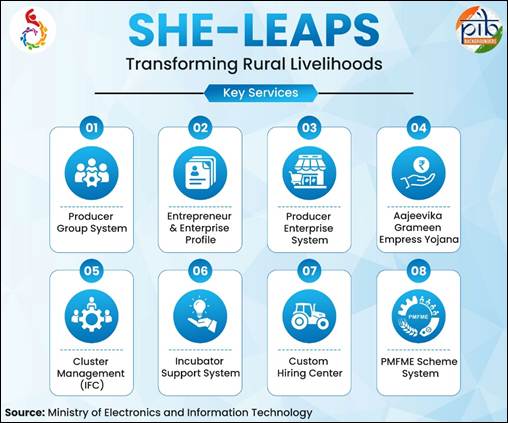
- 04 Jul 2026
In News:
The Government of India recently launched the SHE-LEAPS Platform to strengthen women-led rural entrepreneurship and accelerate the Lakhpati Didi initiative through digital monitoring and data-driven enterprise development.
About SHE-LEAPS Platform
SHE-LEAPS stands for Self-Help Entrepreneur–Livelihoods and Enterprise Application for Prosperity and Sustainability. It is a digital platform designed to empower women associated with Self-Help Groups (SHGs) by supporting enterprise creation, monitoring, and performance tracking.
Launched during the Rashtriya Gramin Vikas Sammelan, the platform aims to strengthen women-led rural enterprises by providing real-time data for better governance, planning, and policy interventions. It supports both farm and non-farm enterprises, thereby promoting diversified livelihood opportunities and sustainable rural economic growth.
The mobile application has been developed by the Digital India Corporation and is being implemented under the LokOS platform. Its nationwide rollout will cover all 34 States and Union Territories, supporting the State Rural Livelihood Missions (SRLMs) in promoting women entrepreneurship.
Objectives
The platform seeks to:
- Empower women entrepreneurs associated with Self-Help Groups across rural India.
- Strengthen women-led enterprises and support the Lakhpati Didi initiative.
- Integrate rural producers with formal value chains and markets.
- Enhance financial inclusion of SHG households.
- Promote data-driven entrepreneurship and evidence-based policymaking.
Key Features
SHE-LEAPS enables real-time monitoring of women-led enterprises by capturing operational data across different sectors and tracking the complete livelihood journey of beneficiaries.
Its major features include:
- Real-time tracking of enterprise performance and livelihood outcomes.
- Support for both farm-based and non-farm rural enterprises.
- Digital monitoring to improve transparency and governance.
- Data analytics for better planning, targeted interventions, and policy formulation.
- Integration with existing rural livelihood ecosystems to strengthen market linkages and enterprise sustainability.
About Lakhpati Didi Initiative
The Lakhpati Didi Initiative is a flagship programme under the Deendayal Antyodaya Yojana–National Rural Livelihoods Mission (DAY-NRLM) aimed at enabling women Self-Help Group members to achieve an annual household income of at least ?1 lakh through diversified livelihood activities, entrepreneurship, skill development, and financial inclusion.
Centralised IT-Enabled System (CITES) Project
- 04 Jul 2026
In News:
The Employees' Provident Fund Organisation (EPFO) recently completed a nationwide database consolidation under its Centralised IT-Enabled System (CITES) project, marking a major step towards modernising EPFO's digital service delivery.
About Centralised IT-Enabled System (CITES)
The Centralised IT-Enabled System (CITES) is EPFO's flagship digital transformation initiative aimed at creating a unified, technology-driven platform for provident fund services. Designed by the Centre for Development of Advanced Computing (C-DAC), the project seeks to automate service delivery, simplify claim processing, and improve efficiency through rule-based digital workflows.
The project replaces multiple regional databases with a single national database, enabling seamless access to EPFO services across the country.
Key Features
CITES introduces a centralized architecture that integrates all EPFO records into a single platform, allowing members to access services from any EPFO office irrespective of their place of employment.
Some of its major features include:
- Single National Database: Consolidates all EPFO records into one centralized system.
- Online Service Delivery: Enables digital KYC updates, member profile management, and various EPFO services through an online interface.
- Faster Claim Processing: Simplifies PF transfers, maintains accurate service history, and facilitates quicker claim settlements.
- Anywhere Service: Members and beneficiaries can approach any EPFO office across India for grievance redressal and assistance.
- Universal Account Number (UAN) Integration: Existing UAN and password remain valid for accessing the new platform.
- Unified Member Records: Displays all previous Member IDs linked to a single Aadhaar-based UAN, ensuring continuity of employment records.
- Electronic Claim Management: EPFO offices can process claims and communicate queries electronically, reducing paperwork and delays.
About Employees' Provident Fund Organisation (EPFO)
The Employees' Provident Fund Organisation (EPFO) is a statutory body under the Ministry of Labour and Employment responsible for administering India's social security schemes for organised sector workers.
It was established in 1952 under the provisions of the Employees' Provident Funds and Miscellaneous Provisions Act, 1952.
EPFO administers three major social security schemes:
- Employees' Provident Fund (EPF) Scheme, 1952
- Employees' Pension Scheme (EPS), 1995
- Employees' Deposit Linked Insurance (EDLI) Scheme, 1976
Taal Volcano Produces Brief Phreatomagmatic Eruption
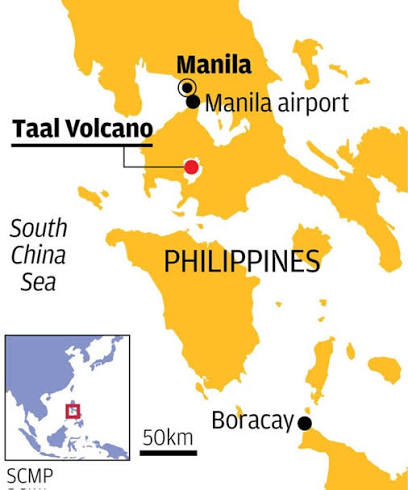
- 03 Jul 2026
In News:
The Taal Volcano in the Philippines recently witnessed a four-minute phreatomagmatic eruption, producing a 450-metre-high ash-and-steam plume. The eruption was triggered by the interaction of rising magma with water and was accompanied by volcanic tremors and gas emissions, prompting authorities to maintain close surveillance.
About Taal Volcano
Taal Volcano is located in Batangas Province, about 70 km south of Manila, and is among the most active volcanoes in the Philippines. It forms part of the Pacific Ring of Fire, one of the world's most tectonically active regions, and has recorded at least 38 eruptions over the last 450 years.
It is classified as a complex volcano by the Philippine Institute of Volcanology and Seismology (PHIVOLCS) because it consists of multiple volcanic centres, craters, cones, and stratovolcanoes, rather than a single volcanic cone.
Geological Features
Taal's present landscape is the result of repeated volcanic activity over thousands of years.
- A large caldera was formed by massive eruptions between 140,000 and 5,380 BCE.
- The caldera is now occupied by Taal Lake, covering nearly 265 sq. km.
- At the centre of the lake lies Volcano Island (about 24 sq. km).
- The island contains the Main Crater, within which lies Crater Lake.
- Inside Crater Lake is Vulcan Point, a rare geological feature—a rocky islet inside a lake, which itself lies on an island within another lake.
What is a Stratovolcano?
A stratovolcano (composite volcano) is a steep-sided volcano formed by successive layers of lava flows, volcanic ash, pyroclastic material, and rock fragments.
Key characteristics include:
- Highly viscous magma.
- Predominantly explosive eruptions.
- Commonly associated with subduction zones.
Examples: Taal, Mount Fuji, Mount St. Helens, and Mount Vesuvius.
What is a Phreatomagmatic Eruption?
A phreatomagmatic eruption occurs when magma comes into direct contact with water, such as groundwater, crater lakes, seawater, or water-rich rocks.
The sudden conversion of water into steam generates powerful explosions, fragmenting both magma and surrounding rocks and ejecting ash, steam, volcanic gases, and pyroclastic materials.
Key features include:
- Highly explosive despite relatively small magma volumes.
- Dense ash plumes and base surges.
- Associated with volcanic lightning, ballistic projectiles, and ashfall.
- Common in volcanoes containing crater lakes or abundant groundwater.
Types of Volcanic Eruptions
|
Type |
Primary Cause |
Main Products |
|
Magmatic |
Gas pressure within magma |
Lava, ash, volcanic gases |
|
Phreatic |
Heating of groundwater without fresh magma |
Steam and rock fragments |
|
Phreatomagmatic |
Direct interaction of magma with water |
Steam, ash, fragmented magma and pyroclastic materials |
Pacific Ring of Fire
The Pacific Ring of Fire is a horseshoe-shaped tectonic belt surrounding the Pacific Ocean.
- Contains nearly 75% of the world's active volcanoes.
- Accounts for about 90% of global earthquakes.
- Formed mainly due to plate subduction along convergent plate boundaries.
Countries located along the Ring of Fire include Japan, the Philippines, Indonesia, New Zealand, Chile, Peru, Mexico, and the western coast of the United States.
Why is Taal Volcano Highly Hazardous?
Taal is considered one of the world's most dangerous volcanoes because of its frequent explosive eruptions, crater lake, and dense human settlements surrounding Taal Lake.
Major hazards include:
- Ashfall.
- Pyroclastic density currents.
- Volcanic gases.
- Ballistic projectiles.
- Earthquakes and ground deformation.
- Lahars during heavy rainfall.
Transcaspian Marinka (Schizothorax pelzami)
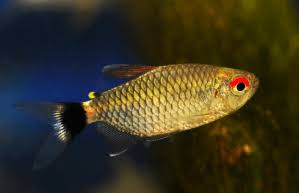
- 03 Jul 2026
In News:
The Sangon clan of Arunachal Pradesh has launched a community-led initiative to conserve the Transcaspian Marinka (Schizothorax pelzami), a Himalayan ray-finned fish that holds ecological as well as cultural significance. The initiative aims to protect the species while preserving traditional conservation practices.
About Transcaspian Marinka
- The Transcaspian Marinka (Schizothorax pelzami) is a freshwater ray-finned fish belonging to the genus Schizothorax under the family Cyprinidae (carps and minnows).
- It is locally known as 'Ngarsing' in the Nyishi language of Arunachal Pradesh.
- The species inhabits freshwater rivers, streams, springs, and qanats (traditional underground water channels), where it occupies a benthopelagic niche, living and feeding close to the riverbed as well as in the water column.
- Although primarily distributed in Afghanistan, Turkmenistan, and Iran, populations are also reported from parts of the eastern Himalayas.
- Conservation Status: IUCN Red List: Least Concern (LC)
About Ray-Finned Fishes (Actinopterygii)
- The ray-finned fishes (Actinopterygii) constitute the largest and most diverse class of fishes, accounting for nearly half of all living vertebrate species.
- Their fins are supported by slender bony rays rather than fleshy lobes, enabling remarkable adaptability across diverse aquatic habitats.
- They inhabit a wide range of ecosystems, including high-altitude lakes and rivers, desert springs, subterranean caves, and coastal waters. Many species undertake long-distance migrations, while others possess specialised sensory systems such as vision, mechanoreception, chemoreception, electroreception, and magnetic reception, allowing them to navigate and respond effectively to their environment.
PaleoIndia Portal
- 03 Jul 2026
In News:
The Union Minister of Environment, Forest and Climate Change recently launched the PaleoIndia Portal, a first-of-its-kind national digital platform for documenting and preserving India's fossil heritage.
About PaleoIndia Portal
- The PaleoIndia Portal is a national digital repository developed jointly by the Zoological Survey of India (ZSI) and the National Centre for Sustainable Coastal Management (NCSCM), Chennai, using dynamic geological maps provided by the Geological Survey of India (GSI).
- The portal aims to create a comprehensive database of India's paleontological wealth by documenting fossil records from all 28 States and 8 Union Territories.
- It currently hosts information on more than 5,000 fossil specimens, covering a wide range of extinct organisms, including mammals, reptiles, birds, fishes, amphibians, molluscs, arthropods, echinoderms, foraminifera, and ichnofossils (trace fossils).
- A notable feature of the portal is its real-time data upload system, which enables researchers, field scientists, and citizen scientists to contribute fossil discoveries, thereby strengthening the documentation and conservation of India's paleontological heritage.
National Centre for Sustainable Coastal Management (NCSCM)
- The National Centre for Sustainable Coastal Management (NCSCM) is an autonomous institution established by the Ministry of Environment, Forest and Climate Change (MoEF&CC) in 2011 to support the conservation, protection, rehabilitation, and sustainable management of India's coastal ecosystems.
- Headquartered in Chennai, Tamil Nadu, the Centre provides scientific and policy support to the Union and State Governments on matters relating to Integrated Coastal Zone Management (ICZM).
- Its work includes coastal vulnerability assessments, environmental impact assessments, mapping of Ecologically Sensitive Areas (ESAs), and preparation of Integrated Coastal Zone Management plans.
- The Centre functions through six specialised research divisions covering Geospatial Sciences and GIS, Integrated Social Sciences and Economics, Coastal Environmental Impact Assessment, Conservation of Coastal and Marine Resources, Knowledge, Governance and Policy, and Futuristic Research & Integrated Island Management.
UNICORN (Unified Complex Radio Antenna) Mast
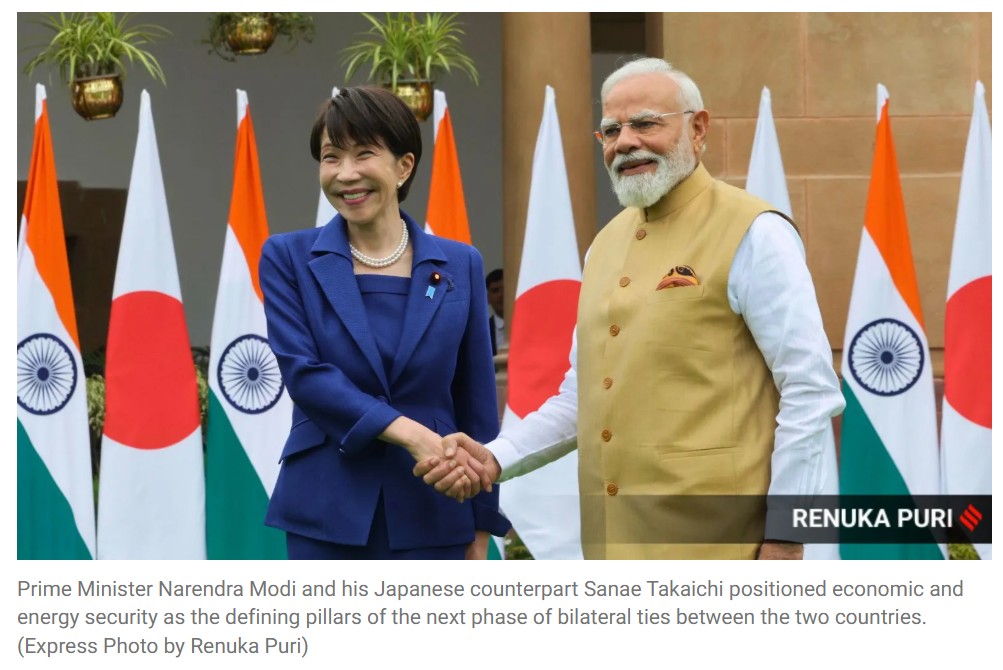
- 03 Jul 2026
In News:
At the 16th India–Japan Annual Summit held in New Delhi (July 2026), India and Japan announced their first-ever joint defence co-development project to manufacture the UNICORN (Unified Complex Radio Antenna) Mast for the Indian Navy. The project follows the Memorandum of Implementation (MoI) signed between the two countries in 2024 for the co-development of the system.
About UNICORN Mast
The UNICORN (Unified Complex Radio Antenna) Mast, also known as NORA-50, is a next-generation integrated communication and radar mast designed for modern naval warships. Developed by Japan, it combines multiple communication systems and radar antennas into a single integrated mast, replacing the conventional arrangement of several externally mounted antennas.
This integrated design significantly reduces the Radar Cross Section (RCS) of a warship, thereby improving its stealth capabilities, survivability, and operational effectiveness in modern maritime warfare. The system also provides secure, high-performance communication and supports network-centric naval operations in electronically contested environments.
Key Features
The UNICORN mast incorporates advanced stealth antenna technology and offers several operational advantages:
- Integrates multiple communication and radar antennas into a single mast.
- Reduces the Radar Cross Section (RCS), enhancing stealth.
- Improves secure voice and data communication.
- Minimises electromagnetic interference between communication systems.
- Enhances survivability and tactical evasion capabilities during naval operations.
- Supports advanced network-centric and digitally integrated warfare.
India–Japan Defence Collaboration
The project marks a major milestone in India–Japan defence cooperation, as it is the first joint defence manufacturing initiative between the two countries. Under the collaboration:
- Bharat Electronics Limited (BEL) will manufacture the UNICORN mast in India.
- Japanese partners will provide advanced design and technological expertise.
- India will undertake system integration, production, and installation on future Indian Navy warships.
The initiative also makes India the second Asian country, after the Philippines, to receive Japanese defence technology.
Significance for India
The project aligns closely with the 'Make in India' and Atmanirbhar Bharat initiatives by strengthening indigenous defence manufacturing and promoting technology transfer. The UNICORN mast is expected to gradually replace the Indian Navy's existing Advanced Composite Communication System (ACCS)-based external communication infrastructure with a more secure and stealth-oriented integrated system.
Strategically, the project enhances India's maritime domain awareness, strengthens naval operational capability, and deepens defence-industrial cooperation with Japan. It also reflects the growing strategic convergence between the two countries in promoting a free, open, inclusive, and rules-based Indo-Pacific, while contributing to regional maritime security and technological self-reliance.
UN Sustainable Development Report 2026
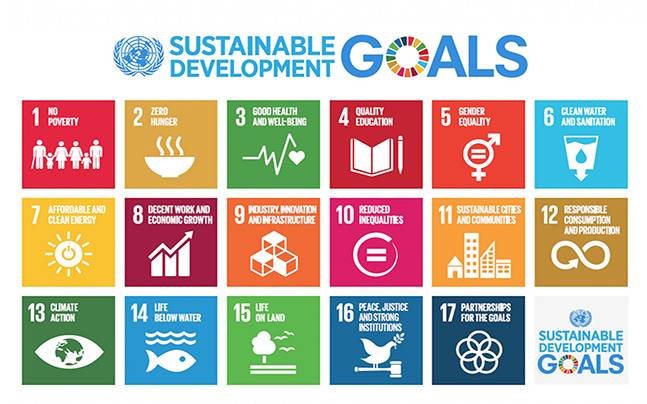
- 03 Jul 2026
In News:
India ranked 94th out of 167 countries in the 2026 Sustainable Development Goals (SDG) Index, achieving its highest-ever position with a score of 68.3/100, according to the Sustainable Development Report (SDR) 2026 released by the UN Sustainable Development Solutions Network (SDSN) during the Hamburg Sustainability Conference 2026.
About the Sustainable Development Report (SDR)
- The Sustainable Development Report (SDR) is an annual global assessment published by the United Nations Sustainable Development Solutions Network (SDSN).
- It evaluates countries' progress towards achieving the 17 Sustainable Development Goals (SDGs) adopted under the 2030 Agenda for Sustainable Development.
- The report uses the SDG Index to measure national performance based on a wide range of social, economic, environmental, and governance indicators.
Key Global Findings
- The report highlights that none of the 17 Sustainable Development Goals are currently on track to be achieved globally by 2030. Only 16.5% of SDG targets are progressing as required, while nearly half show only marginal progress and several have regressed since 2015.
- The Nordic countries continue to dominate the rankings, with Finland securing the first position, followed by Sweden and Denmark. At the other end of the index, South Sudan, the Central African Republic, and Chad occupy the lowest ranks due to prolonged conflict, political instability, and weak institutions.
- Globally, the greatest challenges remain in Zero Hunger (SDG 2), Sustainable Cities (SDG 11), Life Below Water (SDG 14), Life on Land (SDG 15), and Peace, Justice and Strong Institutions (SDG 16).
India's Performance
- India has emerged as one of the fastest-improving major economies, climbing 18 positions since the adoption of the SDGs in 2015—from 112th to 94th. However, it continues to rank behind several South Asian neighbours, including Bhutan, Nepal, Maldives, and Sri Lanka.
- The report projects that only 33.3% of India's SDG targets are likely to be achieved by 2030, while progress on many indicators remains slow.
- The most significant challenge continues to be SDG 2 (Zero Hunger). India continues to record high levels of child wasting (19%), child stunting (29.3%), and undernourishment (12%), indicating persistent nutritional concerns.
- The report also identifies major challenges in Good Health and Well-being (SDG 3), Gender Equality (SDG 5), Sustainable Cities (SDG 11), Life Below Water (SDG 14), Life on Land (SDG 15), and Peace, Justice and Strong Institutions (SDG 16).
- On the environmental front, India has shown deterioration in Responsible Consumption and Production (SDG 12) and Climate Action (SDG 13), largely due to increasing carbon emissions from fossil fuel use and cement production.
- Despite these challenges, the report acknowledges India's notable achievements in expanding electricity access (SDG 7) and improving mobile broadband and internet connectivity (SDG 9), reflecting significant progress in infrastructure and digital inclusion.
Sustainable Development Goals (SDGs)
The Sustainable Development Goals (SDGs) comprise 17 global goals and 169 targets, adopted by all 193 United Nations Member States in 2015 under the 2030 Agenda for Sustainable Development. The goals seek to eradicate poverty, reduce inequality, protect the environment, and promote inclusive and sustainable development through the guiding principle of "Leave No One Behind."
The SDGs evolved from earlier international initiatives, including the Brundtland Commission Report (1987), the Millennium Development Goals (2000), the Johannesburg Declaration (2002), and the Rio 20 Conference (2012).
India's Institutional Framework for SDG Implementation
India has established a comprehensive institutional mechanism for monitoring SDG progress.
- NITI Aayog serves as the nodal agency for SDG implementation and publishes the SDG India Index, encouraging cooperative and competitive federalism among States and Union Territories.
- The Ministry of Statistics and Programme Implementation (MoSPI) monitors progress through the National Indicator Framework (NIF) comprising 277 indicators.
- The Ministry of Panchayati Raj promotes localisation of SDGs through the Local Indicator Framework (LIF) and the Panchayat Advancement Index (PAI), which evaluates over 2.5 lakh Gram Panchayats across nine thematic areas.
Mount Erebus

- 02 Jul 2026
In News:
Mount Erebus, the world's southernmost active volcano, has recently drawn attention for its unique geological features. Besides possessing a permanent lava lake, it is the only known volcano that emits microscopic crystals of pure gold into the atmosphere during volcanic activity.
About Mount Erebus
Mount Erebus is a stratovolcano situated on the western half of Ross Island in the Ross Sea, Antarctica. It is the southernmost active volcano on Earth and the second-highest volcano in Antarctica, rising to 3,794 metres (12,448 feet) above sea level after Mount Sidley.
Unlike volcanoes located along plate boundaries, Mount Erebus is an intraplate volcano belonging to the McMurdo Volcanic Group. It is situated within the Terror Rift, a part of the West Antarctic Rift System. Although Antarctica itself is not a major tectonic plate boundary, the volcano is associated with the broader tectonic processes linked to the Pacific Ring of Fire.
One of the most remarkable features of Mount Erebus is its persistent lava lake, which has remained continuously active since at least 1972. Such permanent lava lakes are extremely rare, making Erebus one of only a handful of volcanoes worldwide with this phenomenon. Most of its eruptions are Strombolian in nature, characterised by relatively mild but frequent explosive bursts that eject incandescent volcanic bombs and lava fragments around the crater.
Unique Feature
Mount Erebus is the only known volcano in the world that naturally releases microscopic crystals of pure gold into the atmosphere. These tiny gold particles, carried by volcanic gases, are dispersed over considerable distances by prevailing winds, making the volcano geologically unique.
Gitchaknakana
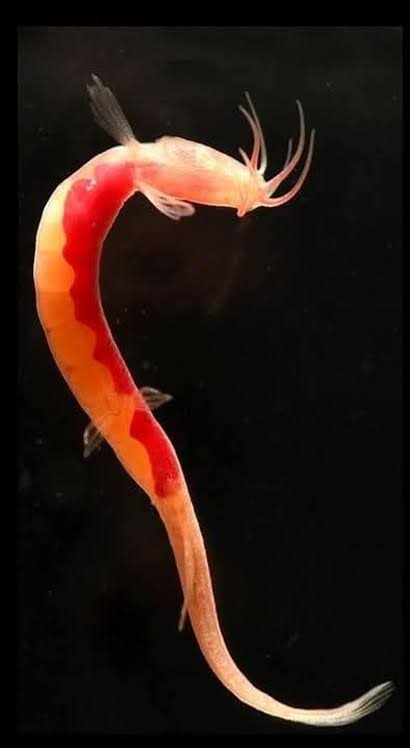
- 02 Jul 2026
In News:
An international team of taxonomists has discovered a new genus and species of blind, aquifer-dwelling fish, Gitchaknakana, from a dug-out well in Assam. The discovery marks the first record of a subterranean (aquifer-dwelling) fish from Northeast India and the Eastern Himalayan region, significantly expanding the known distribution of India's underground freshwater biodiversity.
About Gitchaknakana
Gitchaknakana is a newly identified blind subterranean fish belonging to a new genus within the family Cobitidae (true loaches). The species is highly specialised for life in underground aquifers and was found in extremely low numbers in a single dug-out well. To safeguard the vulnerable population, the exact collection site has not been disclosed.
The name 'Gitchak' is derived from the Garo language, meaning 'red', referring to the fish's striking reddish colour when alive, while 'na-tok kana' means 'blind fish', reflecting the complete absence of eyes.
Habitat and Adaptations
The species is phreatobitic, meaning it spends its entire life in groundwater aquifers. Such subterranean habitats are characterised by complete darkness, stable temperatures, and limited food availability.
Like many cave and groundwater-dwelling fishes, Gitchaknakana exhibits remarkable evolutionary adaptations, including:
- Complete absence of functional eyes.
- Adaptation to permanent underground aquatic habitats.
- Highly specialised morphology suited to low-light and nutrient-poor environments.
These adaptations make subterranean fishes among the most evolutionarily distinct freshwater vertebrates.
Ecological Significance
The discovery provides the first definitive evidence that the Eastern Himalayas support highly specialisedsubterranean aquatic fauna. Earlier, such unique groundwater fishes were primarily known from the lateritic landscapes of the Western Ghats, particularly Kerala, where species such as the Blind Catfish (Horaglaniskrishnai) occur.
The finding considerably expands scientific understanding of India's hidden freshwater biodiversity and evolutionary history.
Conservation Concerns
The discovery also highlights the fragile nature of subterranean ecosystems. Species inhabiting underground aquifers generally have:
- Extremely restricted geographical distribution.
- Small population sizes.
- High vulnerability to groundwater extraction and pollution.
- Limited ability to recolonise disturbed habitats.
Researchers have also expressed concern over another cave-dwelling fish, Neolissochiluspnar, a cave mahseer from Meghalaya regarded as the world's largest cavefish, which faces increasing pressure from the international aquarium trade despite limited information on its population status.
Ayushman Sarathi
- 02 Jul 2026
In News:
The Union Minister of Health and Family Welfare recently launched 'Ayushman Sarathi', the official WhatsApp chatbot for the Ayushman Bharat Pradhan Mantri Jan Arogya Yojana (AB PM-JAY). The chatbot aims to provide citizens with easy, secure, and real-time access to various PM-JAY services through a familiar digital platform.
About Ayushman Sarathi
Ayushman Sarathi is a secure, API-based digital public health interface that operates on WhatsApp. Developed by the National Health Authority (NHA) under the Ministry of Health and Family Welfare (MoHFW), it enables beneficiaries to access PM-JAY services through simple, automated conversations on their mobile phones without visiting government offices or call centres.
The initiative seeks to improve accessibility to healthcare services, particularly for senior citizens, rural populations, and digitally underserved communities, by delivering citizen-centric services through a widely used messaging platform.
Key Features
The chatbot offers a wide range of services related to Ayushman Bharat PM-JAY, allowing beneficiaries to manage their health cards and access scheme-related information conveniently.
Its major features include:
- Checking eligibility under AB PM-JAY.
- Applying for new Ayushman Cards.
- Downloading digital health cards.
- Completing eKYC verification and updating beneficiary details.
- Locking or unlocking PM-JAY cards to prevent misuse or identity fraud.
- Managing the Ayushman Vaya Vandana Card for senior citizens aged 70 years and above.
- Viewing available insurance balance and treatment history.
- Locating nearby empanelled government and private hospitals.
- Registering, tracking, or withdrawing grievances and providing feedback on hospital services.
The chatbot is available 24×7 and can be accessed by sending "Hi" to the official WhatsApp number or by scanning the QR code issued by the National Health Authority.
Nodal Agency
- Ministry: Ministry of Health and Family Welfare (MoHFW)
- Implementing Agency: National Health Authority (NHA)
The Ayushman Sarathi Chatbot represents another important step in strengthening India's Digital Public Health Infrastructure. By leveraging the widespread use of WhatsApp, the platform simplifies access to government healthcare services without requiring users to install additional applications. It enhances transparency, improves grievance redressal, enables real-time beneficiary support, and strengthens monitoring of healthcare delivery. The initiative is expected to bridge the digital divide, particularly in rural and underserved regions, while making the implementation of Ayushman Bharat Pradhan Mantri Jan Arogya Yojana (AB PM-JAY) more accessible, efficient, and citizen-centric.
Aldabra Giant Tortoise
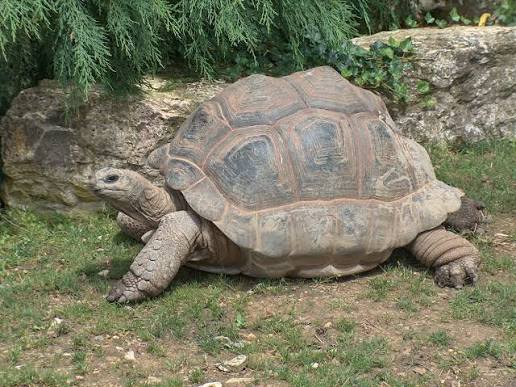
- 02 Jul 2026
In News:
During his visit to Seychelles, the Prime Minister of India met Jonathan, an Aldabra Giant Tortoise estimated to be 194 years old. Recognised by the Guinness World Records as the world's oldest living land animal, Jonathan has become a global symbol of longevity and wildlife conservation.
About Aldabra Giant Tortoise
The Aldabra Giant Tortoise (Aldabrachelys gigantea) is the second-largest living land tortoise in the world after the Galápagos Giant Tortoise. Endemic to the Aldabra Atoll of Seychelles in the western Indian Ocean, it is among the longest-living vertebrates, with many individuals surviving beyond 100 years and some believed to exceed 150 years.
The species is entirely terrestrial and inhabits diverse ecosystems such as scrub forests, mangrove swamps, coastal dunes, beaches, and grasslands (platins). Through continuous grazing, these tortoises create a unique vegetation type known as "tortoise turf," making them important ecosystem engineers.
Key Features
- Scientific Name:Aldabrachelys gigantea (formerly Geochelone gigantea)
- Distribution: Endemic to Aldabra Atoll, Seychelles
- Habitat: Scrub forests, mangroves, coastal dunes, beaches and grasslands
- Size: Can exceed 120 cm in length and weigh over 250 kg
- Appearance: Dark grey to black body with a highly domed shell, long neck, thick scaled legs and a small pointed head
- Diet: Herbivorous; feeds mainly on grasses, leaves, shrubs, herbs and fruits
- Lifespan: Frequently exceeds 100 years, with some individuals living over 150 years
Conservation Status
- IUCN Red List:Vulnerable (VU)
Jonathan – World's Oldest Living Land Animal
Jonathan is an Aldabra Giant Tortoise residing on the island of Saint Helena. Estimated to have been born around 1832, he is officially recognised by the Guinness World Records as the oldest living land animal, with an estimated age of 194 years.
White-Rumped Vulture

- 02 Jul 2026
In News:
A captive-bred, radio-tagged White-Rumped Vulture (Gyps bengalensis), released earlier this year in the Mudumalai Tiger Reserve (Tamil Nadu), recently died due to electrocution, highlighting the persistent threats faced by one of India's most critically endangered scavenger birds.
About White-Rumped Vulture
The White-Rumped Vulture (Gyps bengalensis) is a species of Old World vulture native to South and Southeast Asia. It is one of the three resident Gyps vultures that suffered a catastrophic population decline in the Indian subcontinent due to the veterinary use of the anti-inflammatory drug Diclofenac.
The species is also commonly known as the Indian White-backed Vulture or Oriental White-backed Vulture and plays a crucial ecological role by rapidly disposing of animal carcasses, thereby preventing the spread of diseases.
Habitat and Distribution
- The White-Rumped Vulture is primarily found in plains, though it may occasionally occur in hilly regions. It commonly inhabits villages, agricultural landscapes, and urban fringes, where livestock carcasses are readily available.
- Its geographical distribution extends across:India, Pakistan, Bangladesh, Nepal, Bhutan, Myanmar, Thailand, Laos, Cambodia, and Southern Vietnam.
Physical Characteristics
The species possesses several adaptations suited for scavenging:
- Bare, unfeathered head and neck that remain clean while feeding.
- Broad wings adapted for soaring flight.
- Short tail.
- Adults have dark blackish plumage, a white neck ruff, and a distinctive white patch on the lower back and upper tail, giving the species its name.
- Males and females are almost equal in size.
Food Habits
The White-Rumped Vulture is an obligate scavenger, feeding almost exclusively on the carcasses of dead animals, particularly livestock. By efficiently removing carcasses from the environment, it performs an important ecosystem service in maintaining environmental sanitation and reducing the risk of zoonotic diseases.
Major Threats
The species continues to face several conservation challenges:
- Veterinary use of Diclofenac, which causes fatal kidney failure in vultures.
- Electrocution and collision with power transmission lines.
- Habitat degradation and loss of nesting sites.
- Decline in food availability.
- Accidental poisoning and environmental contamination.
Conservation Status
- IUCN Red List: Critically Endangered (CR)
- Wildlife (Protection) Act, 1972: Schedule I (Highest level of legal protection)
Conservation Measures
India has undertaken several initiatives for vulture conservation, including:
- Ban on veterinary use of Diclofenac.
- Promotion of the safer alternative drug Meloxicam.
- Establishment of Vulture Conservation Breeding Centres.
- Creation of Vulture Safe Zones.
- Monitoring through radio-tagging and satellite telemetry.
- Awareness programmes to reduce anthropogenic threats.
SamagraShishu Bal SwasthyaKaryakram (SSBSK)
- 01 Jul 2026
In News:
The Union Minister of Health and Family Welfare recently launched the SamagraShishu Bal SwasthyaKaryakram (SSBSK), a comprehensive national programme aimed at providing a seamless continuum of healthcare for children from birth to 36 months of age through integrated home and community-based services.
About SamagraShishu Bal SwasthyaKaryakram (SSBSK)
The SamagraShishu Bal SwasthyaKaryakram (SSBSK) is a unified national programme that seeks to provide comprehensive care during the first three years of a child's life, a period considered critical for survival, growth, and development.
The programme integrates the existing Home-Based Newborn Care (HBNC) and Home-Based Care for Young Child (HBYC) into a single, comprehensive framework, ensuring continuity of care from birth up to 36 months.
By adopting a life-cycle approach, SSBSK strengthens preventive, promotive, curative, and developmental interventions through coordinated efforts at the household, community, and health facility levels.
Key Features
A major feature of SSBSK is its risk-stratified approach, under which newborns and children identified as "at-risk"—such as those with low birth weight, prematurity, delayed initiation of breastfeeding, or other medical vulnerabilities—receive enhanced monitoring and follow-up.
Under the programme:
- At-risk newborns will receive up to nine home visits during the first 42 days of life.
- At-risk children will receive up to eight home visits until they attain 36 months of age.
The programme also strengthens community-based service delivery by introducing:
- Well-Baby Sessions during every Village Health, Sanitation and Nutrition Day (VHSND).
- A monthly ShishuShivir at Ayushman Arogya Mandirs for regular child health assessment and counselling.
Maternal Mental Health
Recognising the importance of maternal well-being in child development, SSBSK incorporates post-partum maternal mental health screening as an integral component of community-based care.
Accredited Social Health Activists (ASHAs) will conduct early screening for mental health concerns among mothers and facilitate timely referral for appropriate assessment, counselling, and treatment whenever required.
Early Childhood Development
The programme mainstreams the concept of Nurturing Care for Early Childhood Development (ECD) by promoting:
- Responsive caregiving.
- Early learning opportunities.
- Age-appropriate play.
- Parent–child interaction to support cognitive, emotional, and social development.
Technology and Digital Integration
SSBSK places significant emphasis on digital health technologies to improve monitoring, follow-up, and continuity of care.
The programme incorporates:
- Decision Support Systems (DSS).
- Child-wise digital tracking.
- Referral and alert mechanisms.
- Risk-based follow-up of vulnerable children.
These digital systems will be integrated with several existing health platforms, including:
- JANANI Portal.
- U-WIN Portal.
- MPCDSR Portal.
- RBSK 2.0 Portal.
- POSHAN Tracker.
The integration will be enabled through Ayushman Bharat Health Account (ABHA) and Baal-ABHA IDs, ensuring seamless exchange of health information across programmes.
Inclusive Strategy
Recognising the challenges of urban healthcare delivery, SSBSK incorporates tailored strategies to strengthen home-based child healthcare services in:
- Urban slums.
- Migrant settlements.
- Other underserved and vulnerable communities.
This approach seeks to ensure equitable access to healthcare irrespective of place of residence.
Unified Health Interface (UHI)
- 01 Jul 2026
In News:
The Union Minister of Health and Family Welfare recently launched the Unified Health Interface (UHI), a key digital platform under the Ayushman Bharat Digital Mission (ABDM) aimed at creating an interoperable, inclusive, and citizen-centric digital healthcare ecosystem.
About Unified Health Interface (UHI)
The Unified Health Interface (UHI) is an interoperable digital network developed under the Ayushman Bharat Digital Mission (ABDM). It serves as the service layer of ABDM, enabling seamless interaction between patients and healthcare providers through multiple digital health applications.
The platform seeks to eliminate information asymmetry, improve access to healthcare services, and provide citizens with a wider choice of verified healthcare providers without restricting them to a single application or platform. By adopting an open-network model, UHI allows different health applications to communicate with one another through common digital protocols.
How Does UHI Work?
UHI functions through open protocols operating on the ABDM Gateway, which has been developed and is maintained by the National Health Authority (NHA).
When a citizen searches for a healthcare service using any UHI-enabled application, the request is transmitted through the ABDM Gateway to all registered healthcare providers on the network. The entire process—from discovering a healthcare provider and booking an appointment to receiving healthcare services—is carried out through a common interoperable framework, irrespective of the application being used.
The platform is integrated with key components of the Ayushman Bharat Digital Mission:
- Ayushman Bharat Health Account (ABHA) serves as the unique patient identifier.
- Healthcare Professionals Registry (HPR) verifies registered healthcare professionals.
- Health Facility Registry (HFR) authenticates healthcare institutions.
- Health Information Exchange (HIE) enables secure, consent-based sharing of health records.
Key Objectives
The Unified Health Interface has been designed with four major objectives:
- Interoperability: Enables patients and healthcare providers to use any UHI-enabled application for accessing or delivering healthcare services without platform dependency.
- Fair Discoverability: Ensures that every verified healthcare provider—irrespective of size, location, or digital platform—has an equal opportunity to be discovered by patients.
- Verification and Trust: Allows participation only by healthcare professionals and facilities verified through the HPR and HFR, thereby ensuring authenticity and trust.
- Open Protocols: Provides publicly accessible technical standards that allow developers to build innovative health applications in multiple languages and across different devices.
PM Family Care Tracker (PM-FCT)
- 01 Jul 2026
In News:
The Union Home and Cooperation Minister recently launched the PM Family Care Tracker (PM-FCT) as a pilot project in Gujarat. The digital platform aims to strengthen maternal and child health, nutrition, and family welfare through integrated monitoring and timely delivery of government welfare services.
About PM Family Care Tracker (PM-FCT)
The PM Family Care Tracker (PM-FCT) is a family-centric digital platform designed to ensure that pregnant women, mothers, children, and adolescents receive all eligible government benefits through continuous monitoring, real-time tracking, and timely intervention.
Unlike existing systems that maintain separate records for different welfare schemes, PM-FCT adopts a single integrated family-based approach, enabling authorities to monitor the health, nutrition, education, and welfare status of every family member through one digital interface.
The platform digitally tracks the complete life cycle of a child—from pregnancy to 18 years of age—while facilitating seamless delivery of health and social welfare services.
Key Features
The platform provides end-to-end digital monitoring of major health and development milestones, including:
- Antenatal and postnatal care.
- Immunisation schedules.
- Nutrition and growth monitoring.
- School enrolment and attendance.
- Adolescent health services.
It also offers Digital Health Passports for individuals and families, integrated dashboards for government departments, and automated alerts to improve service delivery.
For instance, if a child misses a scheduled vaccination or drops out of school, the system automatically generates alerts that are sent to local officials, public representatives, and community volunteers, enabling timely intervention.
Integrated Digital Governance
PM-FCT seeks to improve convergence among multiple government departments by integrating information from:
- Birth and death registration systems.
- Health databases.
- Nutrition programmes.
- Education records.
- Family welfare databases.
This integrated approach is expected to minimise duplication, improve coordination, and ensure that eligible beneficiaries receive services without delay.
Objectives
The initiative aims to:
- Improve maternal and child health outcomes.
- Ensure timely delivery of welfare benefits.
- Reduce Maternal Mortality Ratio (MMR) and Infant Mortality Rate (IMR).
- Address child malnutrition through continuous monitoring.
- Reduce service delivery gaps through real-time digital tracking.
- Promote evidence-based decision-making and targeted interventions.
Pilot Implementation
The pilot phase will initially be implemented in Gandhinagar district, Gujarat. Based on its performance and outcomes, the platform is proposed to be expanded across Gujarat and subsequently replicated in other States.
3D-Printed Artificial Reefs
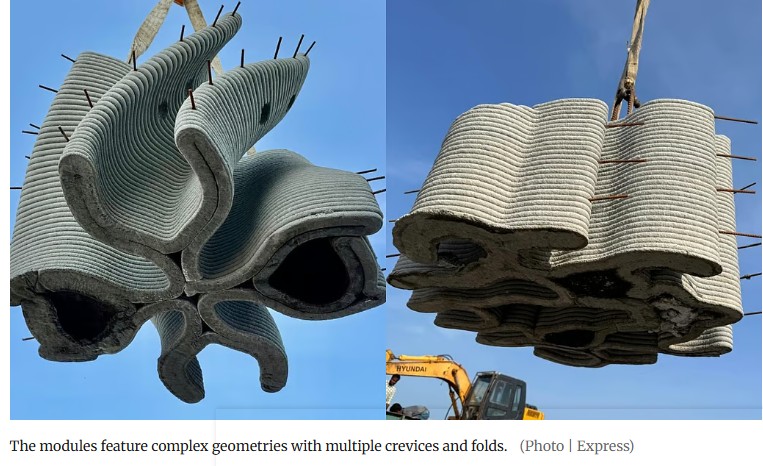
- 01 Jul 2026
In News:
Tamil Nadu is set to deploy India's first 3D-printed artificial reef modules off the Ramanathapuram coast under the second phase of the Pradhan Mantri Matsya Sampada Yojana (PMMSY).
About India's First 3D-Printed Artificial Reefs
- The pilot project involves the deployment of six newly designed artificial reef modules in coastal waters to evaluate their structural durability and ecological performance under local marine conditions. Based on the results, the technology may be adopted for larger-scale reef restoration programmes.
- The project is being implemented by the Tamil Nadu Department of Fisheries in collaboration with the Visakhapatnam Regional Centre of the ICAR–Central Marine Fisheries Research Institute (CMFRI). The reef modules have been developed by Tvasta, an IIT Madras-incubated startup, with each module weighing approximately one tonne.
- Unlike conventional reinforced concrete reefs, the new modules are manufactured without iron reinforcement using advanced 3D-printing technology. Their intricate design incorporates numerous crevices, folds, cavities, and textured attachment surfaces, increasing porosity and providing ideal habitats for corals, sponges, algae, fish, and other reef-associated organisms.
- The initiative forms part of a broader artificial reef programme covering 213 sites across Tamil Nadu and is jointly funded by the Central and State Governments in a 60:40 ratio.
What are 3D-Printed Artificial Reefs?
- 3D-printed artificial reefs are specially designed underwater structures created to restore marine ecosystems where natural coral reefs have been damaged or degraded.
- They use additive manufacturing (3D printing) techniques to produce highly customised reef structures that closely resemble natural reef habitats.
- Compared to traditional artificial reefs, 3D printing allows greater flexibility in designing species-specific habitats with varying cavity sizes, complex surface textures, and intricate geometries that encourage the settlement and growth of diverse marine organisms.
Ecological Importance
These artificial reefs serve multiple ecological functions:
- Provide shelter, breeding grounds, and nursery habitats for marine organisms.
- Promote colonisation by corals, sponges, algae, crustaceans, molluscs, and reef fishes.
- Enhance marine biodiversity and restore degraded coastal ecosystems.
- Increase fish biomass, thereby supporting sustainable fisheries and improving the livelihoods of fishing communities.
- Reduce ecological pressure on natural coral reef ecosystems.
Challenges
Despite their potential, the long-term success of artificial reefs depends upon several factors, including:
- Structural durability in marine conditions.
- Use of environmentally safe and non-toxic construction materials.
- Appropriate site selection and deployment.
- Continuous ecological monitoring to assess biodiversity recovery and ecosystem functioning.
Artificial reefs may not always achieve the intended ecological outcomes if these factors are not carefully addressed.
Pradhan Mantri Matsya Sampada Yojana (PMMSY)
The Pradhan Mantri Matsya Sampada Yojana (PMMSY) was launched on 10 September 2020 to usher in a Blue Revolution by promoting sustainable, inclusive, and responsible development of India's fisheries sector.
The scheme seeks to increase fish production and productivity, modernise fisheries infrastructure, strengthen post-harvest management, improve quality standards, and enhance the incomes of fishers and fish farmers.
Initially approved with an outlay of ?20,050 crore for the period 2020–21 to 2024–25, the scheme has now been extended until 2025–26.
PMMSY comprises:
- Central Sector Scheme – fully funded by the Central Government.
- Centrally Sponsored Scheme – implemented by States with shared funding.
The programme supports fisheries infrastructure, climate-resilient coastal villages, women-led fisheries enterprises, biofloc technology, digital fisheries platforms, and sustainable aquaculture practices.
Achievements of PMMSY
Since its launch, PMMSY has significantly strengthened India's fisheries sector:
- Fish production increased to 195 lakh tonnes in 2024–25.
- Fisheries exports have expanded substantially.
- Approximately 58 lakh livelihoods have been generated.
- More than 99,000 women have been economically empowered through fisheries-related activities.
Anemia Mukt Bharat (AMB) Abhiyaan
- 01 Jul 2026
In News:
The Ministry of Health and Family Welfare has released the Anemia Mukt Bharat (AMB) Abhiyaan Operational Guidelines, marking eight years of the flagship initiative. The revised guidelines introduce a strengthened strategy aimed at accelerating India's efforts to reduce anemia through improved screening, treatment, digital monitoring, and community participation.
What is Anemia Mukt Bharat (AMB)?
Launched in 2018 under the National Health Mission (NHM), Anemia Mukt Bharat (AMB) is the Government of India's flagship programme to reduce the prevalence of anemia through a life-cycle approach. The programme addresses both nutritional and non-nutritional causes of anemia by targeting vulnerable population groups through preventive, diagnostic, and therapeutic interventions.
Key Highlights of the Revised Operational Guidelines
The revised guidelines mark a significant shift in India's anemia control strategy by moving from prophylactic (preventive) care towards therapeutic care, emphasising early diagnosis, active case management, and continuous follow-up.
A major reform is the expansion of the earlier 6×6×6 strategy into a 7×7×7 framework by introducing:
- 7th Beneficiary Group:Low Birth Weight (LBW) babies (0–6 months) to break the intergenerational cycle of anemia.
- 7th Intervention:"Eating Right", promoting regular consumption of diversified, iron-rich diets.
- 7th Institutional Mechanism: A digitally integrated Monitoring and Evaluation Framework to improve accountability and programme monitoring.
The programme also adopts the T4 Strategy—Test, Treat, Talk and Track—replacing the earlier T3 (Test, Treat, Talk) model. The addition of "Track" ensures systematic referral, follow-up, and continuity of care for beneficiaries.
For severe anemia and cases unresponsive to oral iron therapy, particularly among pregnant and lactating women, the guidelines institutionaliseIntravenous Iron Therapy using Ferric Carboxymaltose (FCM) and Iron Sucrose as standard treatment options.
Digital Integration
To strengthen programme implementation, a centralized Anemia Mukt Bharat Portal will integrate data from multiple health platforms, including:
- JANANI Portal (maternal health screening)
- RBSK Portal (Rashtriya Bal SwasthyaKaryakram)
- U-WIN Portal (Universal Immunization Programme)
This integrated digital architecture will facilitate real-time monitoring, beneficiary tracking, and evidence-based decision-making.
Major Interventions under AMB
The programme adopts a comprehensive strategy to address anemia across different stages of life. Key interventions include:
- Prophylactic Iron-Folic Acid (IFA) supplementation through age-specific, colour-coded tablets and syrups.
- Biannual deworming under the National Deworming Day (NDD) conducted every year on 10 February and 10 August for children and adolescents, while pregnant women receive deworming during the second trimester through antenatal care.
- Food fortification by promoting iron and folic acid-fortified foods in government nutrition programmes.
- Screening and treatment of non-nutritional causes of anemia such as malaria, haemoglobinopathies (including Sickle Cell Disease), and fluorosis.
- Community mobilisation through Jan Bhagidari and Jan Chetna campaigns to promote behavioural change and awareness.
What is Anemia?
Anemia is a condition in which the blood has insufficient healthy red blood cells or haemoglobin to adequately transport oxygen to body tissues. Although iron deficiency is the most common cause, anemia may also result from deficiencies of folate, Vitamin B12, and Vitamin A, as well as chronic diseases and inherited blood disorders.
According to the World Health Organization (WHO):
- Women of reproductive age are considered anaemic when haemoglobin is below 12 g/dL.
- Children below five years are considered anaemic when haemoglobin is below 11 g/dL.
Health Impacts
Anemia has serious consequences across all age groups. It causes fatigue, reduced physical capacity, impaired cognitive development, weakened immunity, and lower productivity.
Among pregnant women, anemia significantly increases the risk of:
- Maternal mortality.
- Premature delivery.
- Low Birth Weight (LBW) babies.
- Perinatal mortality.
The condition disproportionately affects:
- Children below five years.
- Adolescent girls.
- Pregnant and postpartum women.
Extent of the Problem
According to NFHS-5, anemia continues to be a major public health challenge in India:
- 67.1% of children below five years.
- 59.1% of adolescent girls (15–19 years).
- 57.0% of women (15–49 years).
- 52.2% of pregnant women.
Globally, the WHO estimates that anemia affects:
- 40% of children aged 6–59 months.
- 37% of pregnant women.
- 30% of non-pregnant women aged 15–49 years.