
Gitchaknakana
- 02 Jul 2026
In News:
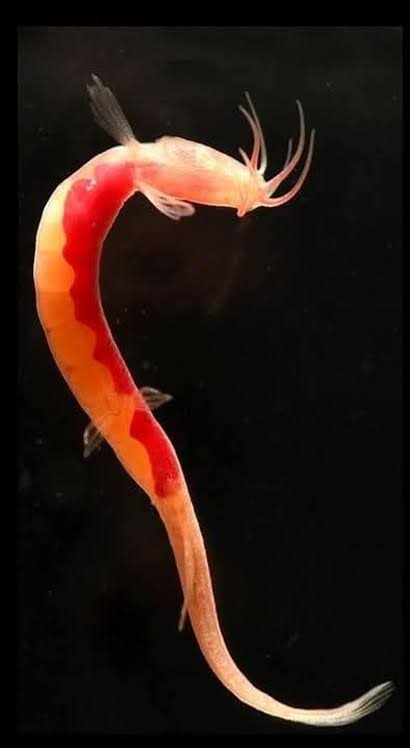
An international team of taxonomists has discovered a new genus and species of blind, aquifer-dwelling fish, Gitchaknakana, from a dug-out well in Assam. The discovery marks the first record of a subterranean (aquifer-dwelling) fish from Northeast India and the Eastern Himalayan region, significantly expanding the known distribution of India's underground freshwater biodiversity.
About Gitchaknakana
Gitchaknakana is a newly identified blind subterranean fish belonging to a new genus within the family Cobitidae (true loaches). The species is highly specialised for life in underground aquifers and was found in extremely low numbers in a single dug-out well. To safeguard the vulnerable population, the exact collection site has not been disclosed.
The name 'Gitchak' is derived from the Garo language, meaning 'red', referring to the fish's striking reddish colour when alive, while 'na-tok kana' means 'blind fish', reflecting the complete absence of eyes.
Habitat and Adaptations
The species is phreatobitic, meaning it spends its entire life in groundwater aquifers. Such subterranean habitats are characterised by complete darkness, stable temperatures, and limited food availability.
Like many cave and groundwater-dwelling fishes, Gitchaknakana exhibits remarkable evolutionary adaptations, including:
- Complete absence of functional eyes.
- Adaptation to permanent underground aquatic habitats.
- Highly specialised morphology suited to low-light and nutrient-poor environments.
These adaptations make subterranean fishes among the most evolutionarily distinct freshwater vertebrates.
Ecological Significance
The discovery provides the first definitive evidence that the Eastern Himalayas support highly specialisedsubterranean aquatic fauna. Earlier, such unique groundwater fishes were primarily known from the lateritic landscapes of the Western Ghats, particularly Kerala, where species such as the Blind Catfish (Horaglaniskrishnai) occur.
The finding considerably expands scientific understanding of India's hidden freshwater biodiversity and evolutionary history.
Conservation Concerns
The discovery also highlights the fragile nature of subterranean ecosystems. Species inhabiting underground aquifers generally have:
- Extremely restricted geographical distribution.
- Small population sizes.
- High vulnerability to groundwater extraction and pollution.
- Limited ability to recolonise disturbed habitats.
Researchers have also expressed concern over another cave-dwelling fish, Neolissochiluspnar, a cave mahseer from Meghalaya regarded as the world's largest cavefish, which faces increasing pressure from the international aquarium trade despite limited information on its population status.