
Myiophanes kempi
- 16 Mar 2026
In News:
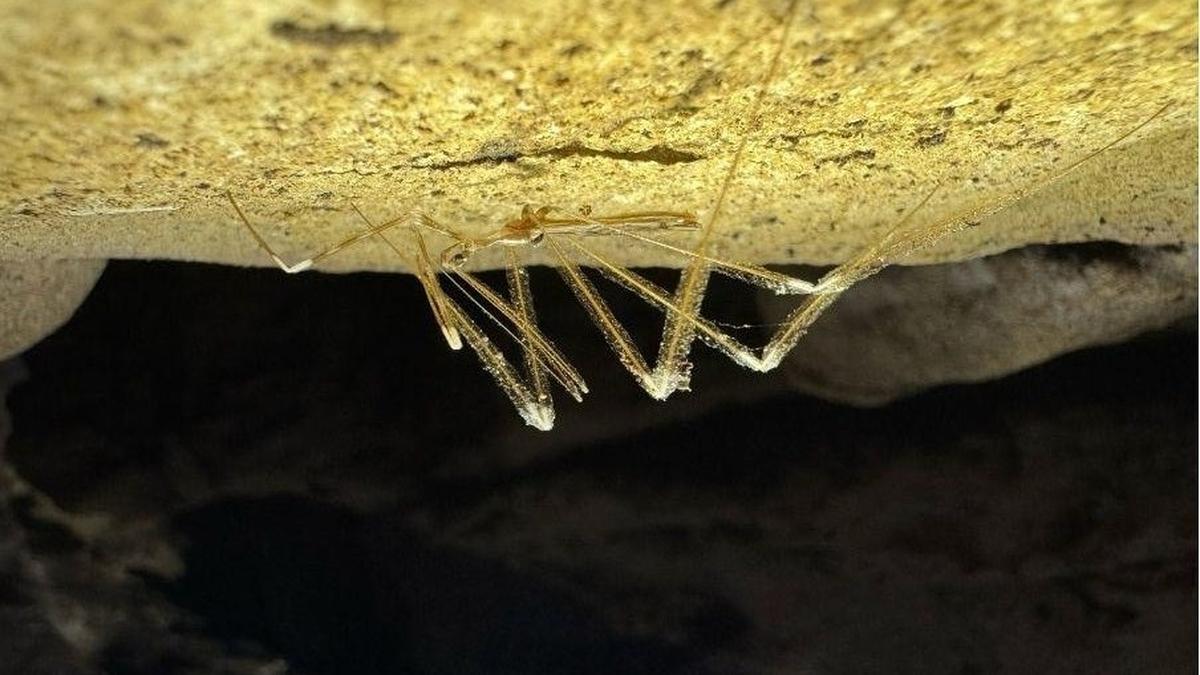
Researchers have recently rediscovered the rare thread-legged assassin bug Myiophanes kempi in limestone caves of the Andaman Islands, nearly 100 years after it was last documented. The rediscovery highlights the rich but poorly explored biodiversity of subterranean cave ecosystems in India.
About Myiophanes kempi
Myiophanes kempi is a rare insect species belonging to the assassin bug family Reduviidae. Assassin bugs are known for their predatory behaviour and specialised hunting adaptations.
Key Features
- Taxonomic Group: Assassin bug (Family Reduviidae)
- Body Structure: Slender-bodied with elongated legs, characteristic of thread-legged bugs
- First Described: 1924 by British entomologist William Edward China
- Earlier Record: Originally reported from Siju Cave in Meghalaya
- Recent Rediscovery: Limestone caves in the Andaman Islands
Biological Characteristics
Myiophanes kempi is specially adapted to subterranean cave ecosystems, where environmental conditions are unique.
- Habitat: Lives exclusively in dark cave environments
- Lifestyle: Completes its entire life cycle in darkness
- Feeding Behaviour:
- A specialised predator within cave ecosystems
- Uses long raptorial forelegs to capture prey
- Feeds mainly on small arthropods found inside caves
These adaptations enable the species to survive in low-light, nutrient-limited environments typical of underground habitats.
Ecological Significance
The rediscovery of Myiophanes kempi is important for several reasons:
- Biodiversity Documentation: It highlights the rich but underexplored biodiversity of cave ecosystems, particularly in island and karst landscapes.
- Indicator of Subterranean Ecosystem Health: Predatory insects like assassin bugs play an important role in maintaining ecological balance in cave food webs.
- Conservation Importance: Rediscovering species thought to be rare or missing helps guide future conservation and ecological research.
Key Facts About Siju Cave
Although the species was recently rediscovered in the Andaman Islands, it was originally described from Siju Cave in Meghalaya.
- Location: Garo Hills, Meghalaya
- Other Names: Dobakkol or Bat Cave
- Type: Limestone cave system
- Length: Extends for about 4.7 km, making it one of India’s longest limestone caves
- Nearby River: Located near the Simsang River
- Features: Known for stalactites, stalagmites, underground streams, and rich cave biodiversity