
WHO Issues First-Ever Guidelines on GLP-1 Weight-Loss Drugs to Tackle Obesity
- 04 Dec 2025
In News:
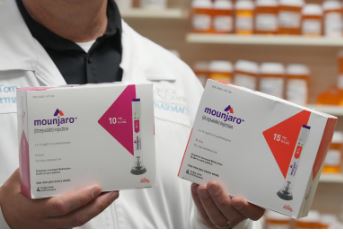
The World Health Organization (WHO) has for the first time issued guidelines on the use of Glucagon-Like Peptide-1 (GLP-1) receptor agonists as part of a comprehensive strategy to manage obesity a chronic, relapsing disease affecting over 1 billion people worldwide.
Understanding Obesity
- Definition: Obesity in adults is defined as having a Body Mass Index (BMI) ≥ 30.
- Disease Burden: Obesity contributes significantly to morbidity and mortality through increased risk of type 2 diabetes, cardiovascular diseases, kidney disease, and certain cancers. Globally, over 1 billion people are obese, and if current trends continue, the number is expected to double by 2030.
WHO’s Stance on Obesity
WHO classifies obesity as a chronic disease requiring lifelong care. Its guidelines emphasize that treatment must go beyond medication to include early screening, diagnosis, behavioural support, lifestyle modification, and management of comorbidities.
GLP-1 Therapies: Role and Mechanism
- What they are: GLP-1 receptor agonists are medications that mimic the gut hormone GLP-1, which regulates appetite, digestion, and blood sugar.
- Mechanism: These drugs improve satiety, slow gastric emptying, enhance insulin secretion, and suppress glucagon leading to reduced food intake and improved glycemic outcomes.
- Clinical Benefits: GLP-1 therapies have been shown to produce meaningful weight loss (often ≥5% of body weight) and offer metabolic benefits for cardiovascular and kidney health.
WHO Guidelines on GLP-1 Use
Key Recommendations
- Conditional Long-Term Use:WHO recommends that GLP-1 therapies may be used long term (continuous treatment beyond 6 months) for adults with obesity (BMI ≥ 30), except in pregnant women due to lack of safety data.
- Multimodal Care:GLP-1 medications should be prescribed only as part of a broader, lifelong obesity-care plan that includes:
- Intensive behavioural therapy (diet planning, physical activity, counselling)
- Structured lifestyle interventions
- Continued monitoring and follow-up.
- Equity and Access:WHO highlights the global inequity in access to GLP-1 therapies. Current production capacity could cover only ~100 million people, representing <10% of those living with obesity.
Therefore, equitable access, affordable pricing, and support for generic production are essential for broader reach.
Rationale
The recommendations are conditional due to:
- Limited long-term efficacy and safety data
- High treatment costs
- Health system readiness and infrastructure gaps
- Equity concerns across populations.
Adverse Effects of GLP-1 Therapies
Reported side effects include gastrointestinal symptoms such as nausea, vomiting, diarrhea, and constipation. Rare but more serious effects, including pancreatitis and possible thyroid tumors, are under evaluation.
Obesity: Global and Indian Context
- Global Trends: Obesity prevalence has been rising across countries of all income levels, with substantial increases in both urban and rural populations.
- India: According to national surveys, nearly 24% of women and ~23% of men aged 15–49 are overweight or obese, reflecting a growing public health concern. Unhealthy diets, sedentary lifestyles, and socio-economic shifts underpin this trend.
National Implications for Health Policy
- Epidemiological Transition: India’s dual burden of communicable and non-communicable diseases (NCDs) emphasizes obesity as a priority area in preventive and primary health strategies.
- Health Systems: Integrating obesity screening and management into primary healthcare, strengthening referral pathways, and building patient registries are recommended to support long-term care models.