
Indian Maritime Doctrine 2025
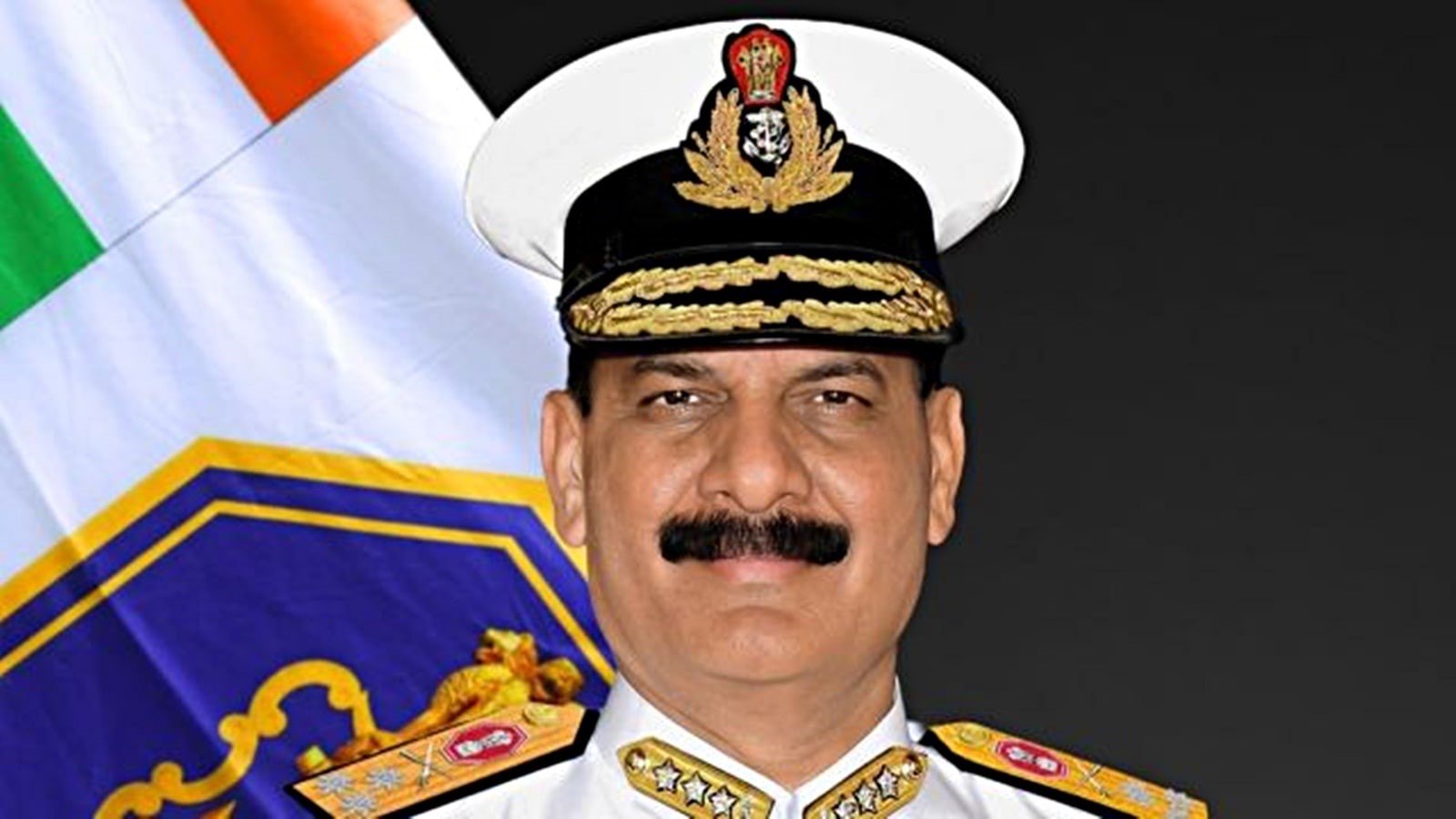
- 06 Dec 2025
In News:
The Indian Maritime Doctrine (IMD) 2025, released by the Chief of the Naval Staff on Indian Navy Day (4 December), is the apex doctrinal publication guiding India’s naval strategy. Navy Day commemorates Operation Trident (1971), when the Indian Navy launched a successful missile attack on Karachi harbour using INS Nipat, Nirghat and Veer, supported by INS Kiltan, Katchall and fleet tanker INS Poshak, crippling Pakistan’s maritime capability.
What is the Indian Maritime Doctrine 2025?
The IMD 2025 defines how India prepares and operates across the full spectrum of maritime conflict, from peacetime presence to warfighting. First issued in 2004 and updated in 2009 and 2015, the 2025 edition reflects India’s evolving maritime environment and Indo-Pacific priorities.
Key Features
1. “No-War, No-Peace” Category:The doctrine formally recognises a grey-zone space between peace and open conflict, where coercion, intimidation, and competition occur without declared war.
2. Multi-Domain and Hybrid Threats:It integrates challenges from cyber, space, electronic and cognitive warfare, along with irregular and hybrid threats.
3. Jointness and Theatre Commands:The document stresses tri-service interoperability and supports India’s move toward theatre command structures.
4. Technology and Modernisation:Emphasis is placed on uncrewed systems, autonomous platforms, AI-enabled surveillance, and network-centric warfare.
5. Maritime Security and Blue Economy:It links naval power to protection of Sea Lanes of Communication (SLOCs), maritime trade, offshore resources, and India’s blue economy ambitions.
Strategic Significance
- The doctrine aligns with national initiatives such as Sagarmala, PM Gati Shakti, Maritime India Vision 2030, Maritime Amrit Kaal Vision 2047, and MAHASAGAR. It positions maritime power as central to achieving Viksit Bharat 2047 and strengthens India’s role as a net security provider in the Indo-Pacific.
Indian Navy: Historical Background
- India’s maritime legacy dates back over 4,000 years, with Harappan ports like Lothal engaged in overseas trade. Ancient Indian navigators influenced Southeast Asia culturally and commercially.
- During the medieval period, powers such as the Cholas, Zamorins, and Marathas developed naval strength. The Maratha Navy under KanhojiAngre resisted European fleets along India’s west coast.
- European dominance began after Vasco da Gama (1498), leading to colonial maritime supremacy. The modern navy evolved from the Royal Indian Navy (RIN), which became the Indian Navy after independence.
Structure and Role Today
The President of India is the Supreme Commander of the Navy. Its motto is “Sam No Varunah” (May Varuna be auspicious to us).
India today maintains a blue-water navy capable of sustained operations across the Indian Ocean Region (IOR) and beyond. Its roles include:
- Maritime security and SLOC protection
- Power projection and deterrence
- Humanitarian assistance and disaster relief (HADR)
- Counter-piracy and anti-terror operations
The Navy’s elite force, MARCOS (Marine Commandos), specialises in amphibious warfare, counter-terrorism, and special operations.
Major Operations
Post-independence milestones include the Liberation of Goa (1961), Operations Trident and Python (1971 war), and ongoing maritime security missions in the IOR.