
Caller Name Presentation (CNAP)
- 06 Dec 2025
In News:
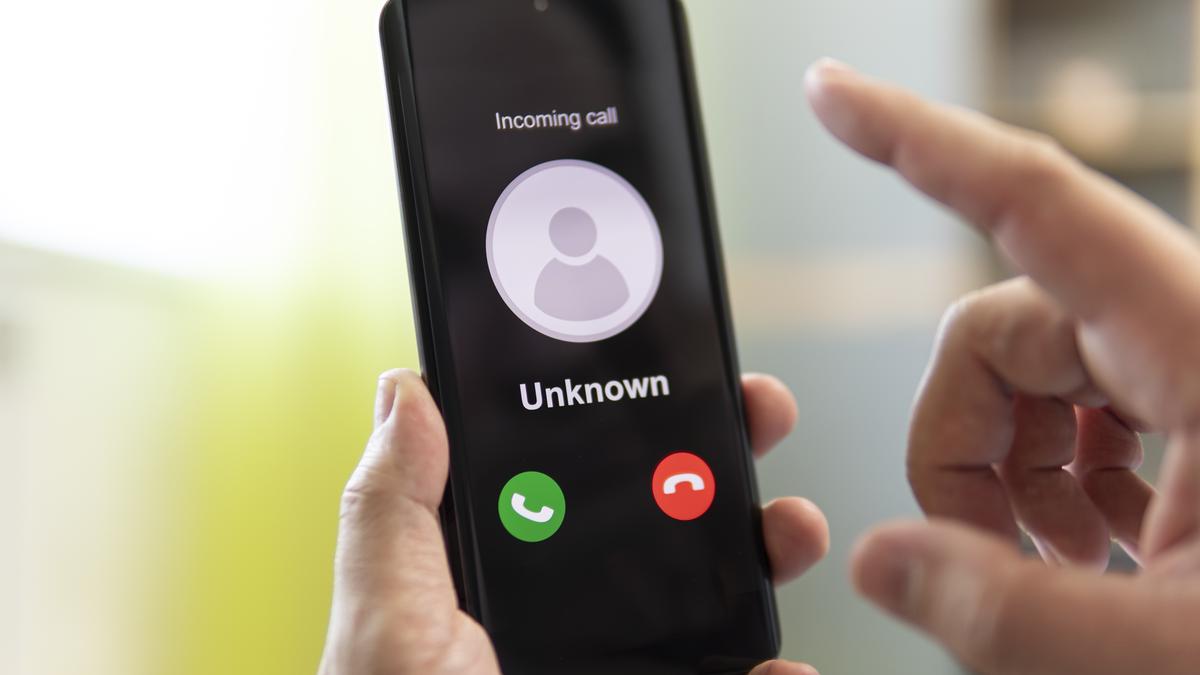
The Department of Telecommunications (DoT) is set to mandate telecom operators to introduce Caller Name Presentation (CNAP), a system that will display the KYC-registered name of incoming callers on mobile phones. The move aims to curb the rising menace of spam and fraudulent calls by improving caller identification.
What is CNAP?
Caller Name Presentation (CNAP) is a telecom-based feature that allows users to see the name of the caller when receiving a call. Unlike third-party apps such as Truecaller, CNAP will rely on official telecom records.
- The caller’s name will be drawn from the Customer Application Form (CAF) submitted during SIM registration.
- The feature is designed to function as a network-level service, not an app-based solution.
How CNAP Works
- Each telecom operator will maintain a database linking mobile numbers with subscriber names.
- When a call is initiated, the operator’s system will retrieve and transmit the registered name to the recipient’s device.
- Initially, the system may work within the same telecom network (e.g., Airtel-to-Airtel).
- Cross-network name display (e.g., Jio-to-Vi) will require regulatory approvals and technical arrangements for inter-operator data sharing.
Regulatory Background
In February 2024, the Telecom Regulatory Authority of India (TRAI) recommended the implementation of CNAP across telecom networks, especially for smartphones. TRAI emphasised that the feature should be based on verified subscriber data rather than crowd-sourced information.
The DoT is now moving towards making CNAP mandatory for telecom service providers in phases.
Objectives of CNAP
- Reduce spam and fraudulent calls
- Enhance consumer protection
- Increase trust in telecom communication
- Deter misuse of SIM cards obtained through false identity
Key Distinction from Caller ID Apps
|
Feature |
CNAP |
Third-Party Apps |
|
Data Source |
Telecom KYC records |
User-generated/crowdsourced data |
|
Authority |
Regulated by DoT/TRAI |
Private companies |
|
Accuracy |
Based on verified subscriber details |
May contain unverified entries |
|
Integration |
Network-level |
App-based |
Challenges
- Privacy concerns regarding display of registered names
- Data-sharing protocols needed for cross-network calls
- Technical compatibility across diverse handset types
- Handling cases where SIMs are registered under different individuals (e.g., family use)